DIAKONIA
The Diakonia Department and the Ecumenical Relief Program
The preservation of Human Dignity has been and will remain a strategic objective of MECC since its founding in 1974, through social, humanitarian and development services programs. This program has evolved throughout the MECC historical process to include relief services for the forcibly displaced people and those uprooted, in all regions of the Middle East that have witnessed civil wars, armed conflicts, humanitarian disasters and occupations. The program is supported by several activities aimed at empowering those directly or indirectly affected, facilitating their livelihoods, and adapting to changing living conditions in a flexible and positive way. It also aimed to protect them and defend their rights and issues in all available platforms.
Moreover, the program is working with the MECC member churches, to develop their humanitarian and development services through various training programs for their human cadres in order to sustain these programs.
The MECC adoption of the various programs of Diakonia stems from the firm belief that Christ himself founded this service through his healing of physical and psychological diseases, and through the parables he gave about serving strangers, such as the Good Samaritan (Luke 10-30-37) and his similarity to the hungry, the sick, the prisoner and the naked (Matthew 25: 31-46). Jesus Called on every believer to serve his fellow with love and humility despite of any religious, social or ethnic background.
These constants of faith, which the MECC, with all its team, adheres to, serve as the cornerstone and code of ethical conduct that will make the Diakonia programs added value and living examples to follow.
Partnering with international and local partners, our program areas currently include:
· Relief and Development
· Justice, Peace and Human Rights/ Advocacy
· Migrants and Refugees
OUR WORK
The Middle East Council of Churches (MECC) continues to implement its small business support program, believing in the importance of assisting the most vulnerable and empowering them to secure a dignified life for themselves and their families.
The program is carried out through the MECC Diakonia and Social Service Department – Diakonia, Syria Office.
MECC provided financial support to 27 small projects in Damascus and its Rural areas. The supported projects varied and included mini markets, Food processing, Dairy production workshop, carpentry, an Institute for providing courses in artificial intelligence and robotics, sweets shop, a heat press for transfer of images and designs onto t-shirts, handmade accessories using wood and resin, an electronic circuit manufacturing workshop, metal forming, beekeeping, painting work, and others.
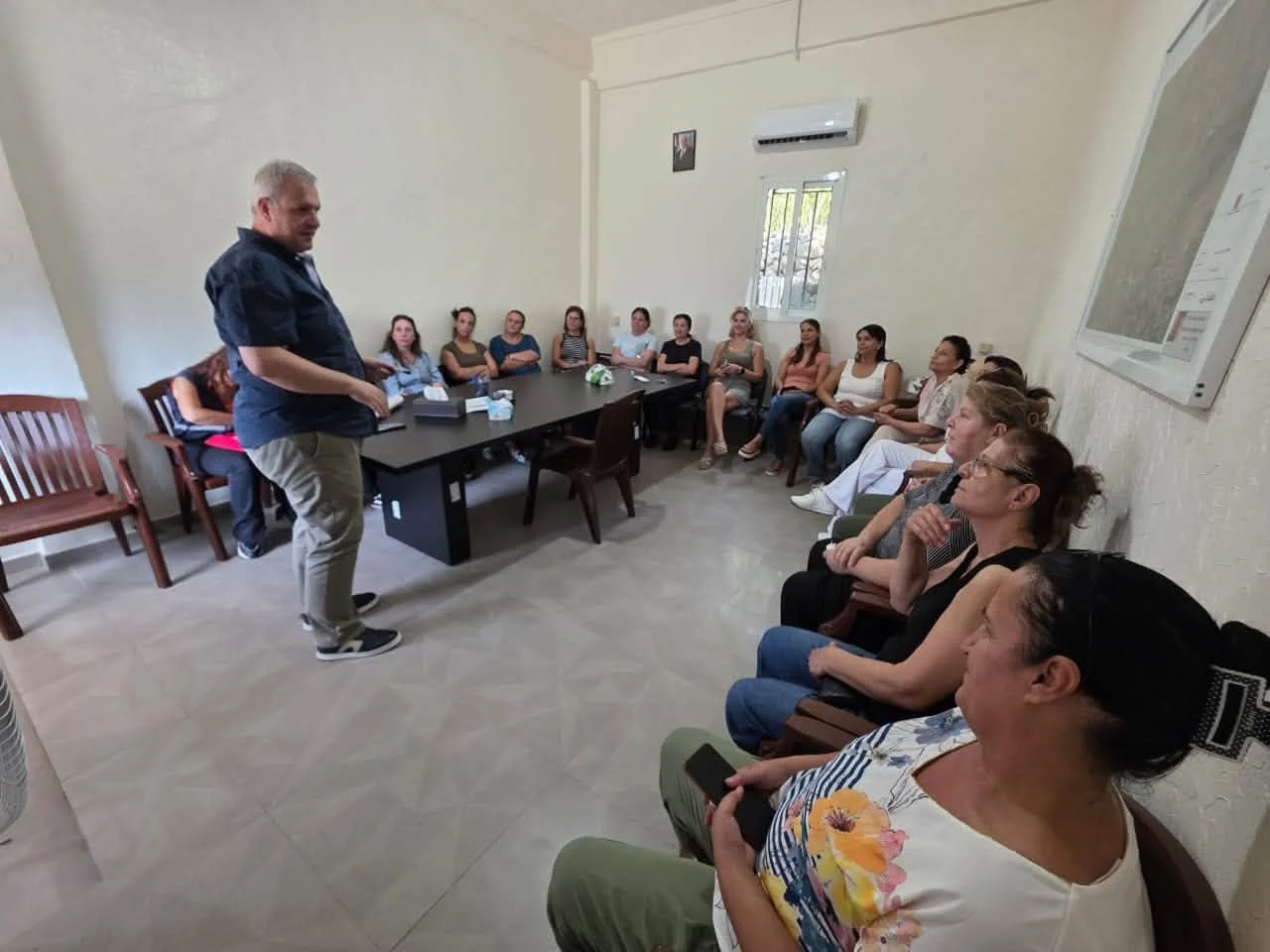
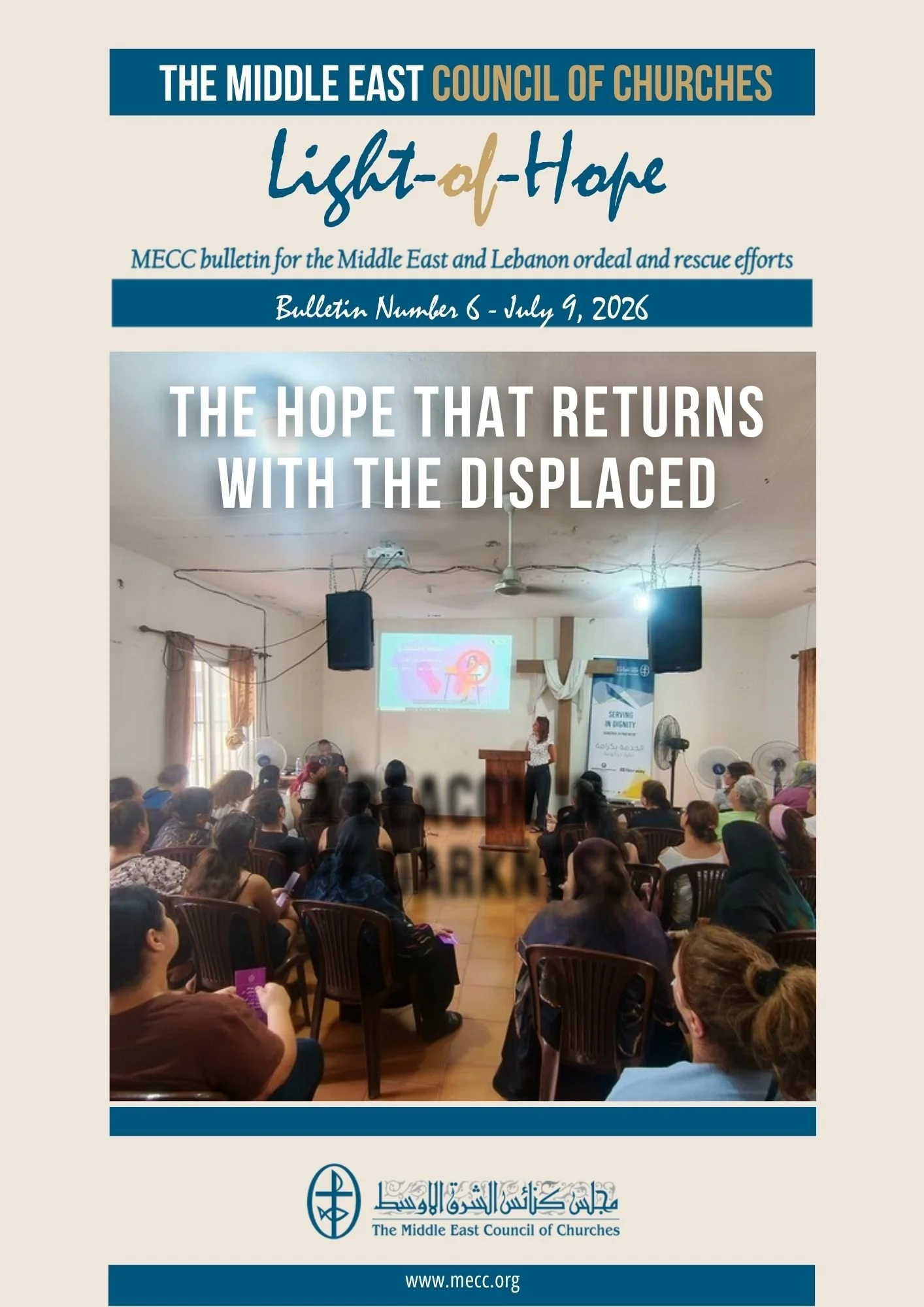
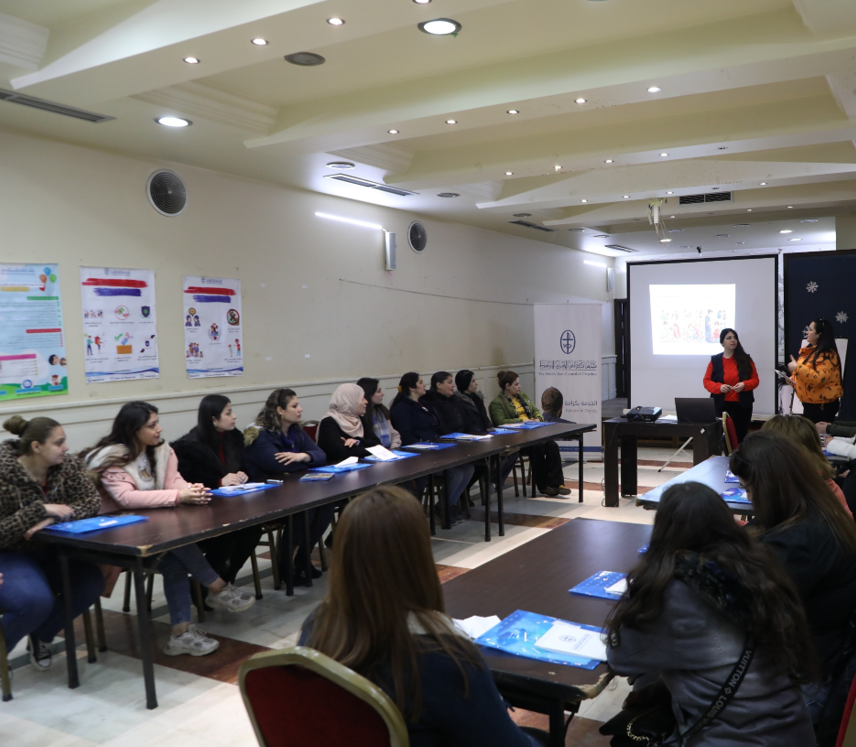
The Diakonia and Social Service Department, Lebanon’s Office, at the Middle East Council of Churches (MECC), in partnership with the international organization Norwegian Church Aid (NCA), launched a series of awareness sessions on gender-based violence (GBV) for a group of migrant domestic workers.
This program comes at a time when domestic workers in Lebanon suffer from neglect, injustice to their rights, and even gender-based violence... all in the absence of an adequate legal framework to protect them and preserve their dignity.
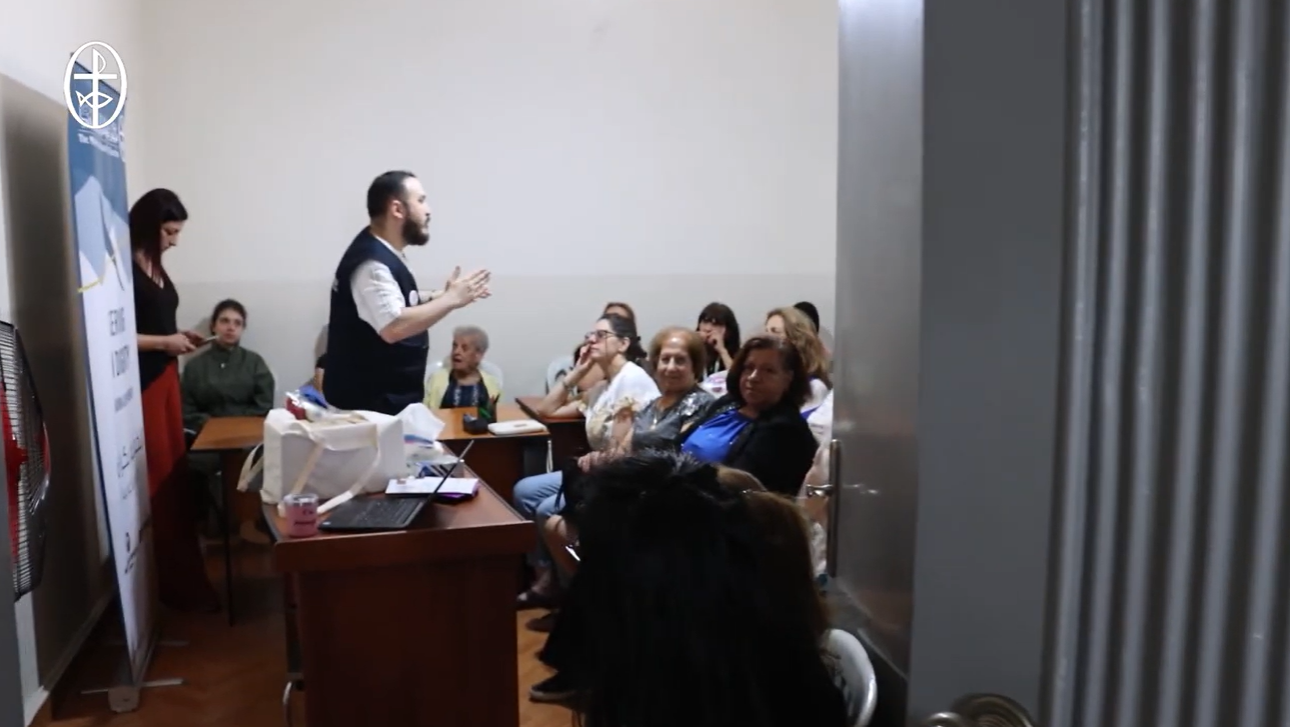
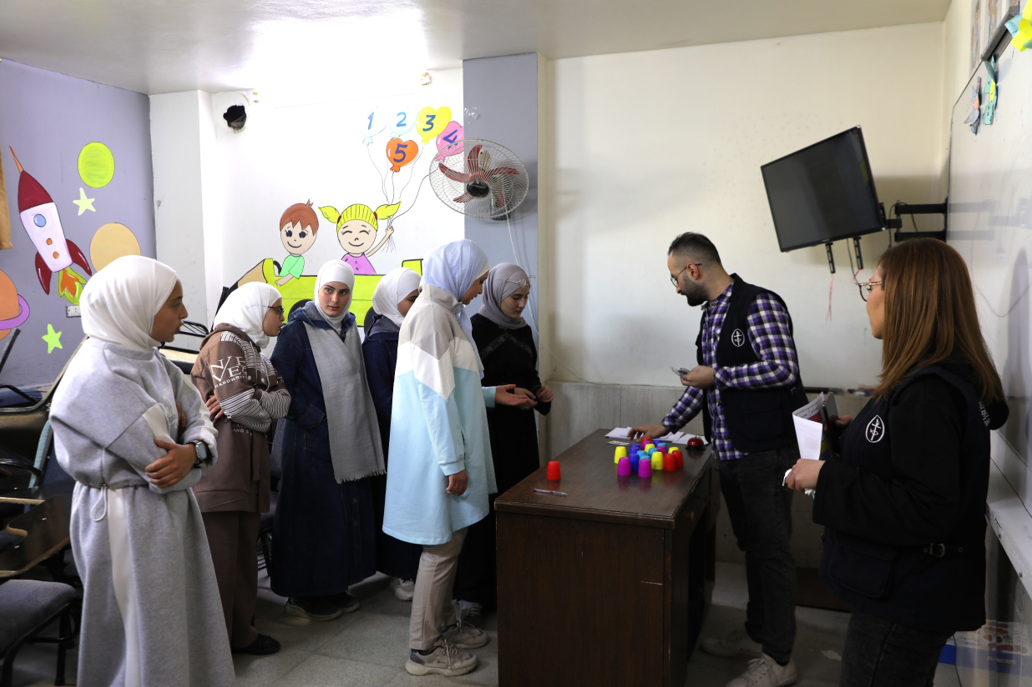
One session was given to a group of females in which they were exposed to a video called “Together Against Violence” that builds core understanding of gender, gender roles, and GBV, and how power and social norms shape these experiences. Participants were allowed to discuss productive, reproductive, and social roles and how they can evolve toward fairness.
In a first-of-its-kind initiative, the Middle East Council of Churches (MECC) Jordan’s office, with the MECC Diakonia Department, organized a consultation session on the Humanitarian-Peacebuilding Nexus approach for all Church humanitarian organizations working in Jordan, including the MECC international partners and ACT Alliance members in Jordan. The session took place from September 15 to 16 at the St. Ignatius Center for Knowledge Innovation, affiliated with the Greek Orthodox Archdiocese of Amman.
The purpose of this session was to highlight the experiences of the participating organizations and their lessons learned regarding the so-called Humanitarian-Development-Peacebuilding Nexus approach to achieving a cohesive and secure society.
Following the opening Prayer and welcoming remarks from the Secretary General of the Middle East Council of Churches (MECC) Professor Michel Abs, the Secretary General of ACT Alliance Mr. Rudelmar Bueno de Faria, and Father Ignatius Khalifeh, Director of the MECC Office in Jordan, the seminar began with an analysis of the dynamics of conflicts in the Middle East and their causes by Dr. Bernard Sabella, and proposals for peace initiatives that MECC could adopt in its future projects.
Emotional Support Sessions for Men in Lebanon
In light of the difficult circumstances facing Lebanon and the region, men are facing a stifling wave of despair and stress due to the intense daily pressures they face. Therefore, the Middle East Council of Churches (MECC) is committed to supporting, accompanying, and empowering them to overcome their living crises with great hope.
In this context, the Diakonia and Social Service Department, Lebanon’s Office, at the Middle East Council of Churches, in collaboration with ABAAD, launched a six-week series of emotional support sessions for men.
These sessions aimed at reducing gender-based violence by helping men explore their emotions, develop coping mechanisms, and practice non-violent communication. In this way, we help in creating a positive environment at their homes and nurturing a healthy relationship with their families.
*Home care services are available at reasonable and discounted prices.
Stemming from its belief in the importance of serving with dignity, the Middle East Council of Churches (MECC) launched a new platform for homecare services in Lebanon, enabling service seekers to identify certified caregivers who have undergone extensive health training with Saint George Hospital University Medical Center (Beirut, Mount Lebanon, and Tripoli) and Khoury General Hospital (Zahle, Lebanon). Hence, the platform offers a variety of home services related to elderly care, mothers and newborn care, as well as babysitting and childcare.
In this context, the video sheds light on how this platform works and the details of its services.
A New Workshop Entitled "Connecting Hearts and Minds"
Amidst the difficult circumstances affecting the people of Lebanon and the region, the Diakonia and Social Service Department – Lebanon’s Office at the Middle East Council of Churches (MECC) seeks to raise mental health awareness in various communities to alleviate daily pressures and psychological burdens.
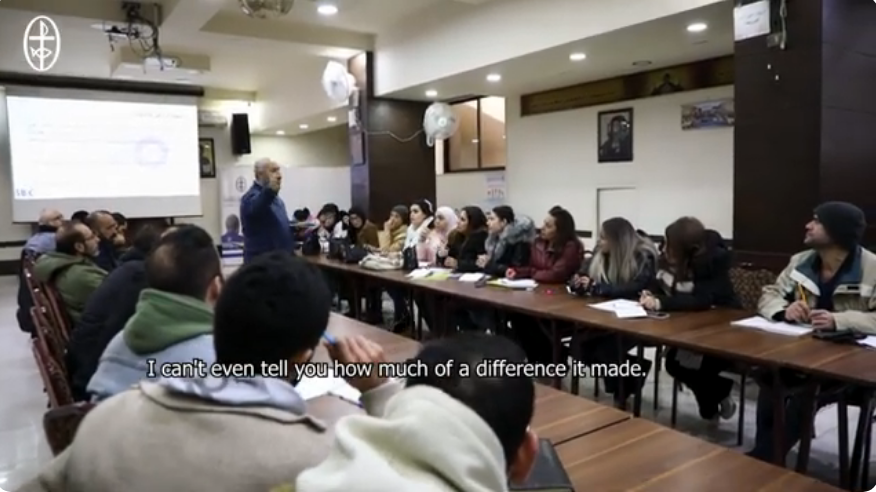
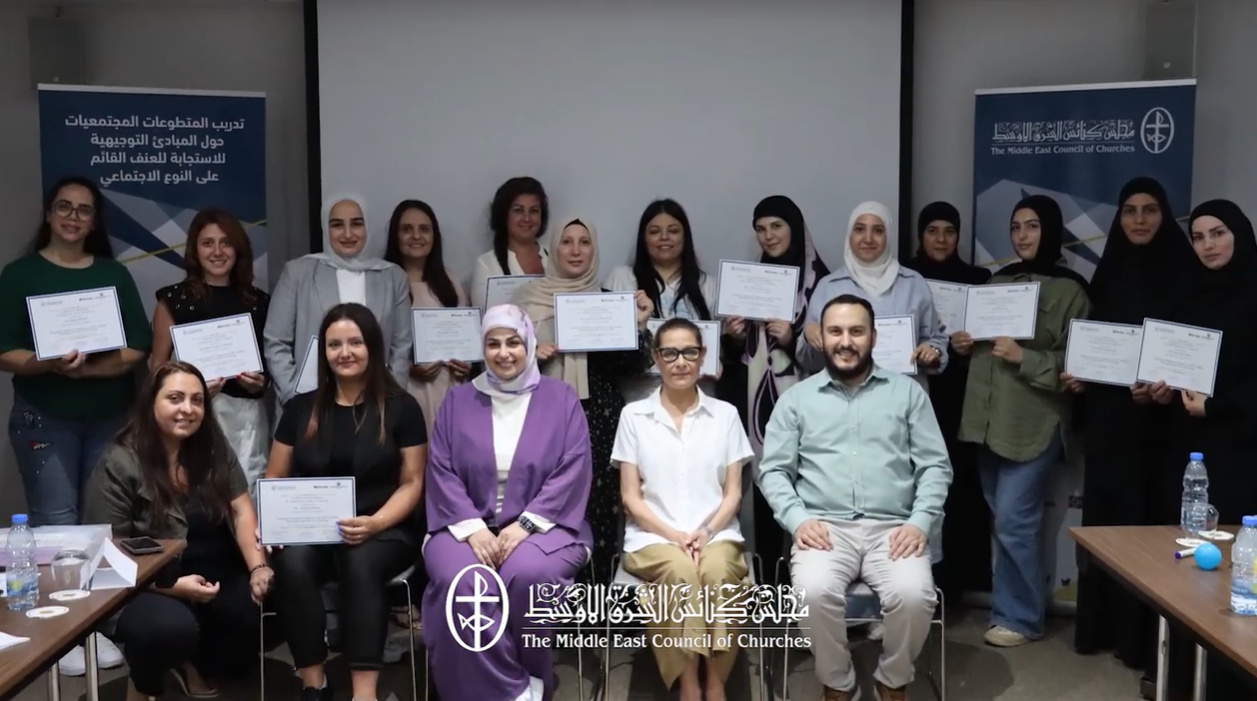
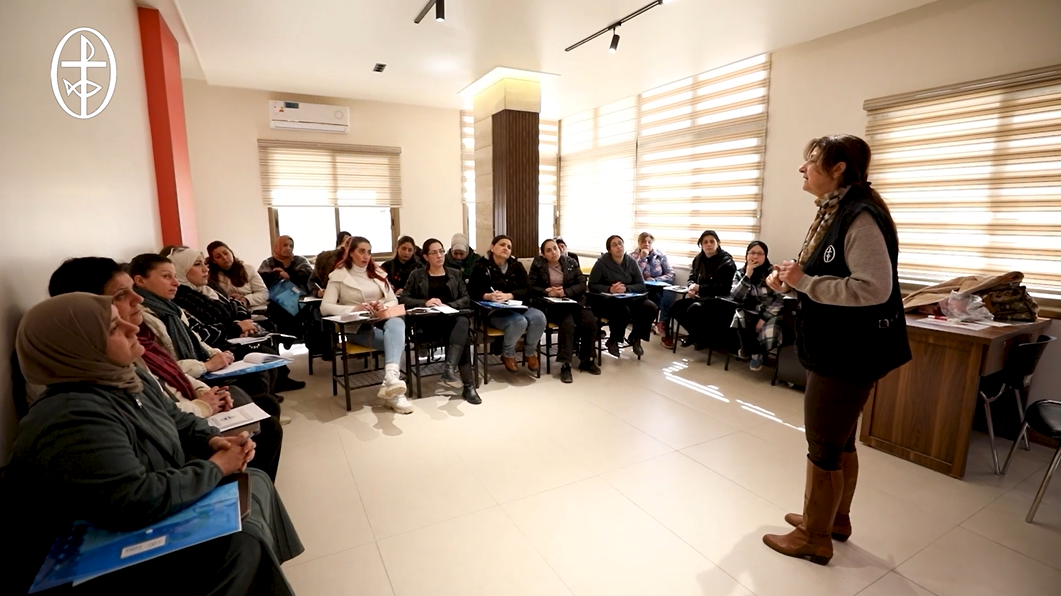
In this context, the Department, in partnership with Tearfund organization, organized a new workshop entitled "Connecting Hearts and Minds." Participants were humanitarian and social workers, and MECC volunteers, from different Church Families. It took place from August 4 to 7, 2025, in Beirut.
*Home care services are available at reasonable and discounted prices.
Stemming from its belief in the importance of serving with dignity, the Middle East Council of Churches (MECC) launched a new platform for homecare services in Lebanon, enabling service seekers to identify certified caregivers who have undergone extensive health training with Saint George Hospital University Medical Center (Beirut, Mount Lebanon, and Tripoli) and Khoury General Hospital (Zahle, Lebanon). Hence, the platform offers a variety of home services related to elderly care, mothers and newborn care, as well as babysitting and childcare.
In this context, the video sheds light on how this platform works and the details of its services.
A Joint Program Aiming at Establishing a Culture of Social Entrepreneurship in Lebanon
What Are the Details?
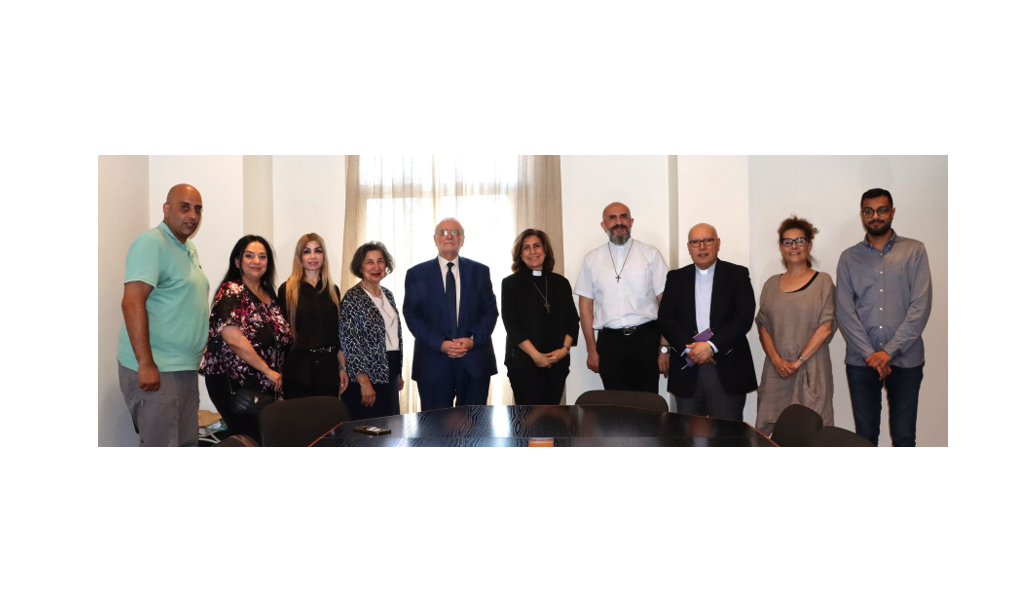
In a step towards enhancing the social and economic situations in Lebanon, a cooperation agreement was signed between the Middle East Council of Churches (MECC) and Makhzoumi Foundation to implement a loan provision program aiming at empowering Micro, Small and Medium Enterprises (MSMEs) located in North and Akkar governorates.
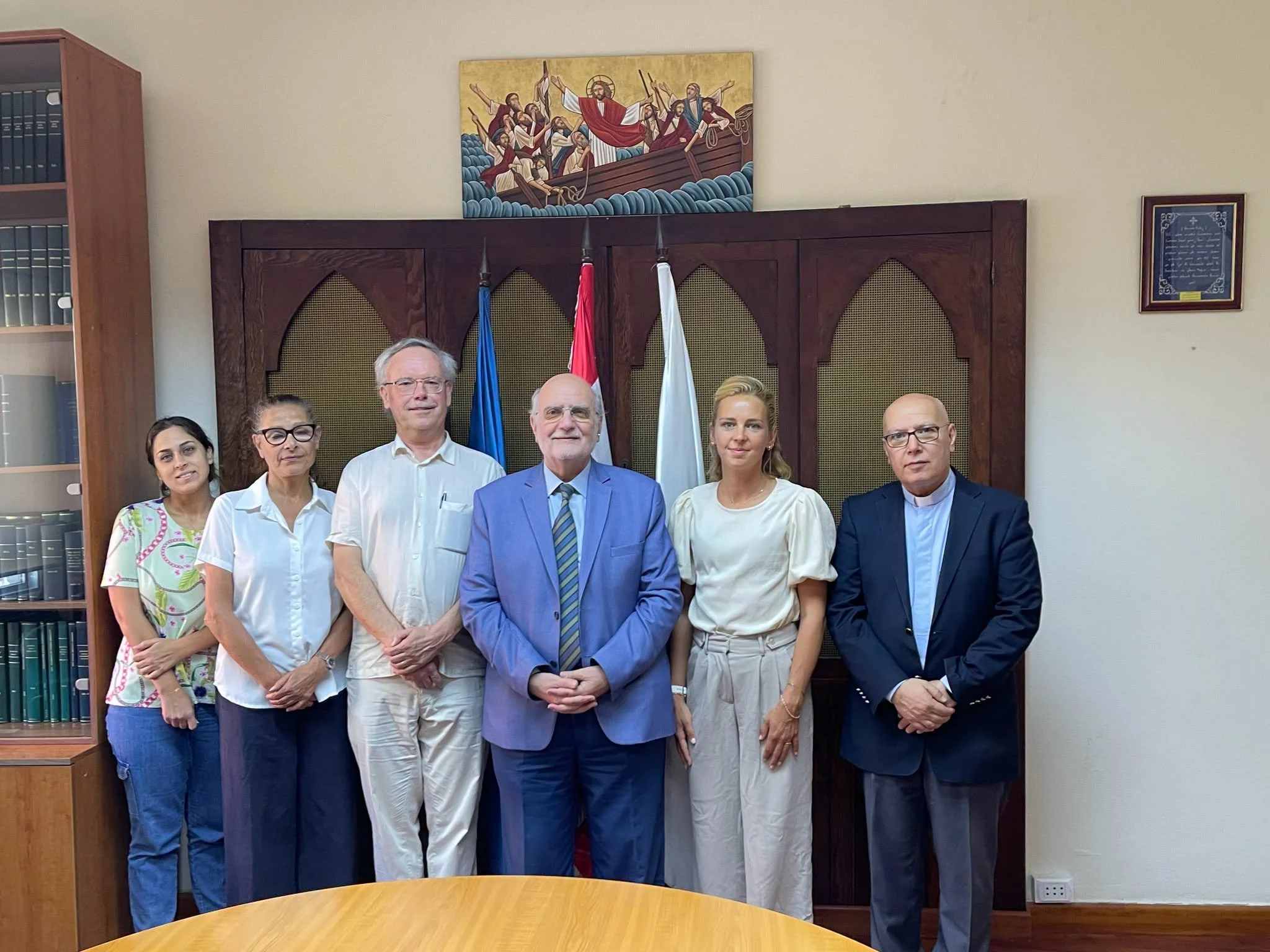
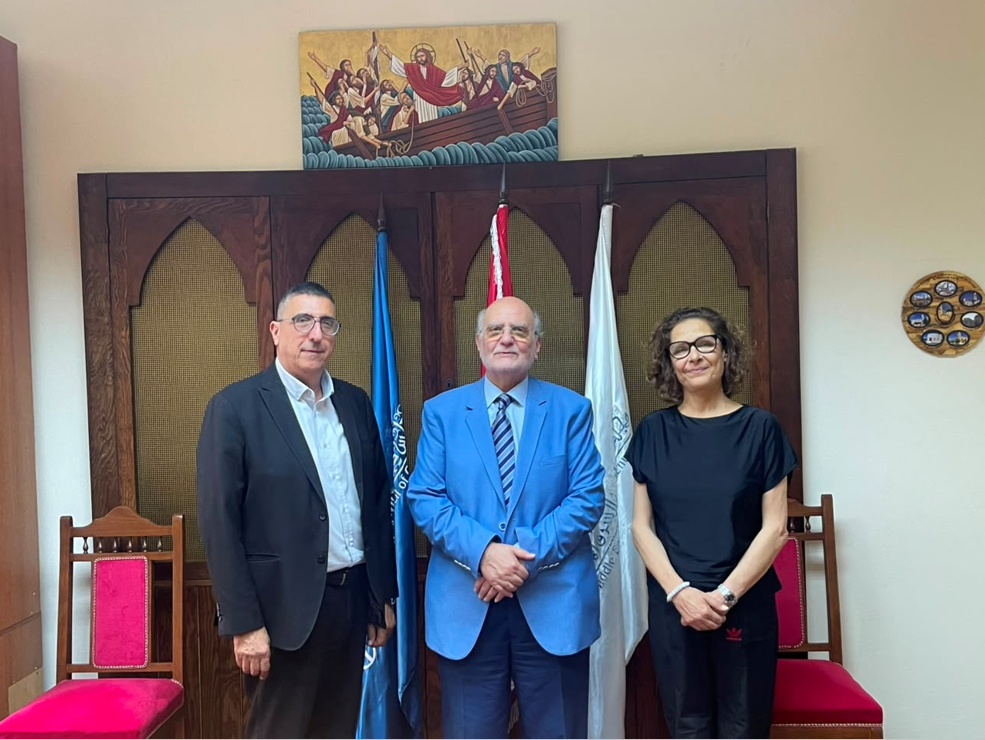
This signing took place during an official meeting held on Wednesday, July 30, 2025, at the headquarters of the Makhzoumi Foundation in Beirut. It was attended by the Secretary General of the Middle East Council of Churches Professor Michel Abs, and the President of Makhzoumi Foundation Mrs. May Makhzoumi.
The Middle East Council of Churches (MECC), through its Service and Relief Department – Diakonia, continues its efforts to support the livestock sector and enhance livelihoods and food security in rural areas, as part of its ongoing mission to assist the most vulnerable families and alleviate increasing living burdens.
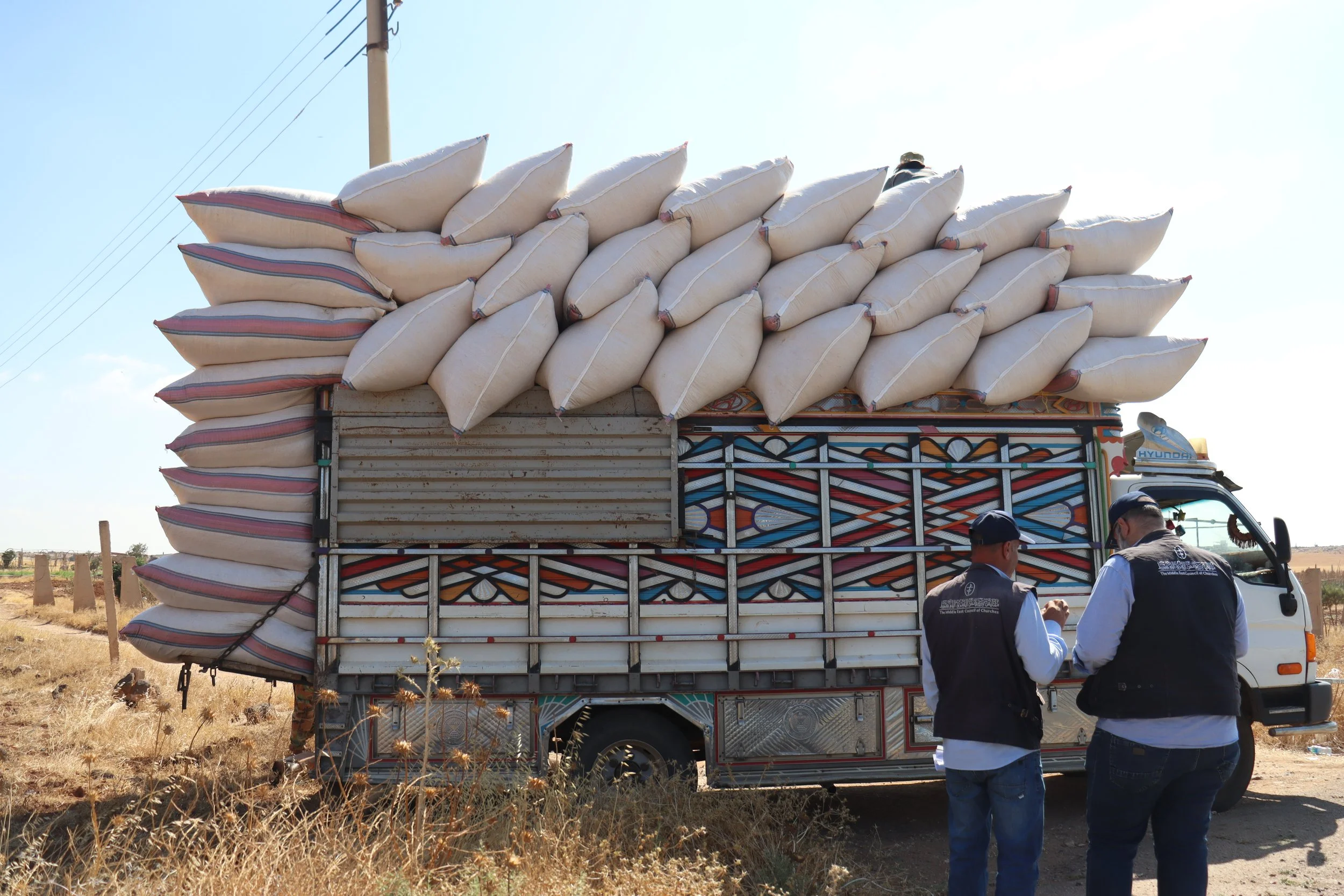
In this context, 134 livestock breeders in the villages of Deir al-Bukht, Khirbet Ghazaleh, and Al-Kutaybeh in rural Dara’a were supported through the distribution of 220 rations to cover 220 heads of cattle. Each ration consisted of 900 kilograms of mineral-fortified pelleted fodder and 720 kilograms of hay. In addition, veterinary services, medications, and vaccines were provided, along with one food basket for each of the 134 breeders’ families.
The beneficiaries also attended training sessions on proper cattle care, ways to manage common livestock diseases, and optimal nutrition practices to improve the quality and quantity of milk production.
As part of the Program “Restoration Fund for Rehabilitation of Faith-based Social Services & Religious Infrastructure Damaged During the Crisis in Syria”
Implements Emotional Support Sessions for Youth Girls in Lebanon
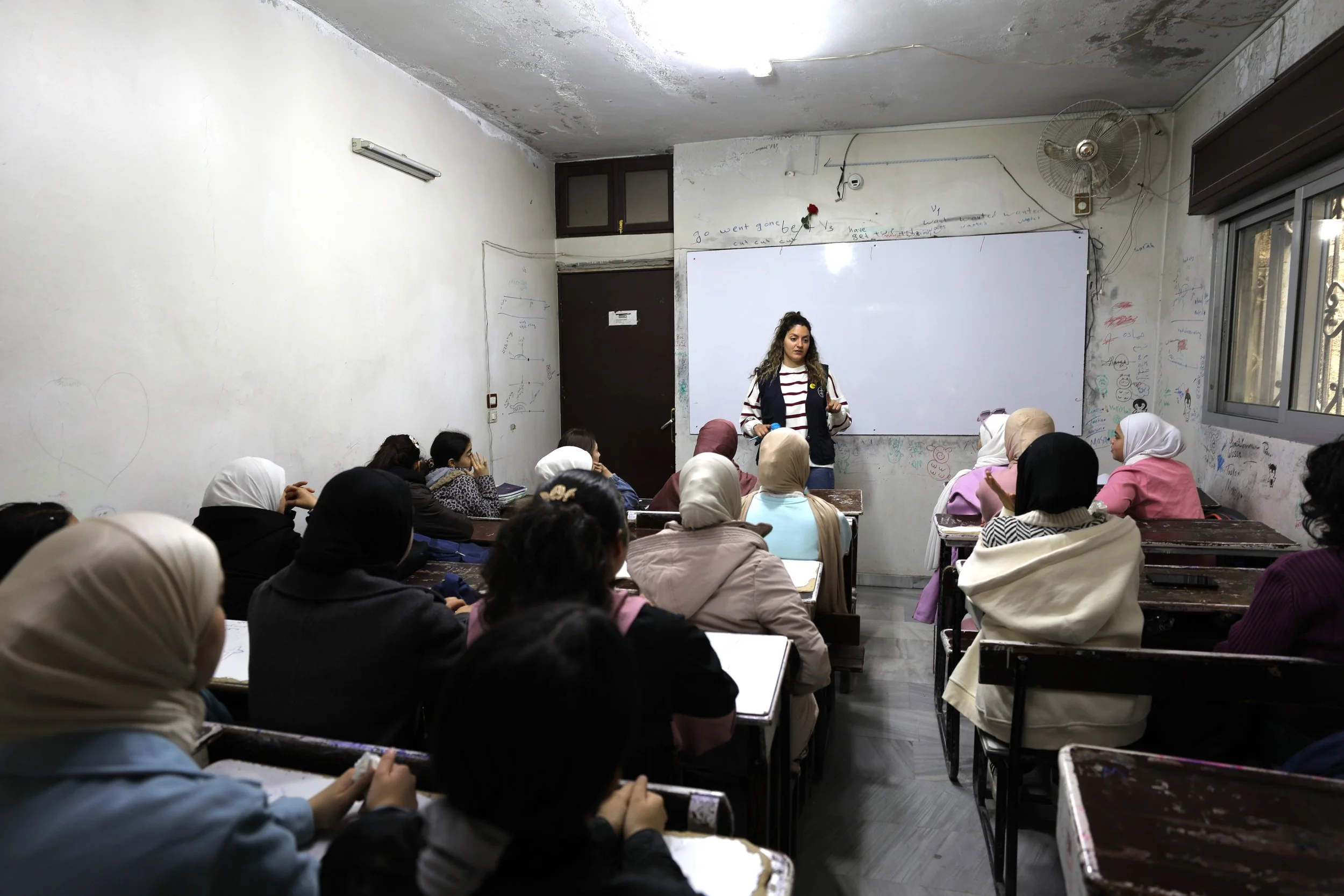
With the intensification of daily challenges, the Diakonia and Social Service Department, Lebanon’s Office, at the Middle East Council of Churches (MECC), organized a program titled "Emotional Support for Youth Girls" with two groups of adolescent girls aged 12-14 years and 15-17 years. The program aimed to empower them, enhance their mental health, and help them overcome the difficulties they may face.
This program, which extended over many weeks, comes at a time when both parents are obliged to work to sustain their households, and many children and adolescents are left alone without the proper guidance and the necessary counseling of their loves ones. As such, they are left to deal with the different hurdles in school or society in general without getting the proper chance to talk about what they go through.
Service with Dignity! What are the most prominent humanitarian programs of the Middle East Council of Churches (MECC)? What is its field relief role?
The answer is with Nina Hallak, the Director of the MECC Diakonia and Social Service Department, Lebanon’s Office, and the Nurse Roula Al-Sahwi, the Coordinator of the Home Care Program at MECC, in a special episode of "Don't Be Afraid" program on Télé Lumière and Noursat TV Channel, prepared and presented by Father Charbel El Khoury.
Video - A Special Episode of the program "Don't Be Afraid" on Télé Lumière-Noursat about the MECC Diakonia Department, Lebanon’s Office
What programs and projects does the Diakonia Office in Lebanon, at the Middle East Council of Churches (MECC), offer? Are there any challenges?
What is the importance of constructive workshops targeting women, families, and institutions?
What is the role of the Home Care Services Platform at the Middle East Council of Churches?
You can know more about these topics and other topics with
Nina Hallak, Director of the Diakonia Office in Lebanon at the Middle East Council of Churches, and the Nurse Rula Al Sahwi, the Coordinator of the Home Care Program at the Council, in an interview with Father Charbel El Khoury on the program "Don't Be Afraid," live on Monday at 8:30 pm on Télé Lumière_Noursat.
As part of its human capacity building objectives, the Diakonia and Social Service Department, Lebanon’s Office, at the Middle East Council of Churches (MECC), continues to implement its food security program with the participation of a group of Lebanese women in the villages of Hmayra, Ouwaynet, and Machta Hassan.
The three-year program includes several diverse sessions on how to properly produce mouneh and its necessary steps. It also covers marketing methods and its basics, as well as the importance of using social media for this purpose. The sessions also help participants overcome the challenges they may face in this field and give them the opportunity to participate in many exhibitions.
Hence, the Middle East Council of Churches (MECC) is participating through this program in the Rachid Karami International Fair, where you can find the participants' products, from June 5 to 9, 2025, between 4 pm and 12 am, in Tripoli - Lebanon.
It is worth noting that this program is implemented with the support of the international organization Evangelical Lutheran Church in America (ELCA).
MECC Organizes a Health Awareness and PSS Training for Deaf and Mute Women
In a first-of-its-kind initiative, MECC, through its Service and Relief Department – Diakonia, organized a health awareness and psychological support (PSS) training for deaf and mute women in Damascus.
Twenty-four women participated in the training which focused on delivering information through sign language using simplified methods that take into account their specific needs.
After the training, the participants visited five families that include deaf and mute individuals, where they shared the useful information they had received.
This initiative falls within the framework of efforts to effectively integrate deaf and mute women into society and to empower them by expanding the circle of beneficiaries and spreading awareness in the community.
One of the participating women, aged 30, said: “this was the first time ever she had attended a health awareness and PSS training tailored for the deaf and mute.”
*Home care services are available at reasonable and discounted prices.
Praying for the Ascension Thursday
The Secretary General of the Middle East Council of Churches (MECC) Professor Michel Abs presided over the weekly meeting of the MECC General Secretariat, with an online participation of the Associate Secretary General Reverend Dr. Refaat Fikry, and colleagues from various departments, in person and online. The meeting took place on Tuesday, May 27, 2025, at the MECC headquarters in Beirut.
As is customary, the meeting began with a Biblical Reading, which this week focused on the Gospel of Luke 46: 24-53 and Acts 1: 1-14. The attendees then raised their Prayers on the occasion of the Ascension Thursday, saying together, "Lift with you, O Lord, our souls and minds from emptiness and temporal concerns to divine understanding and truth."
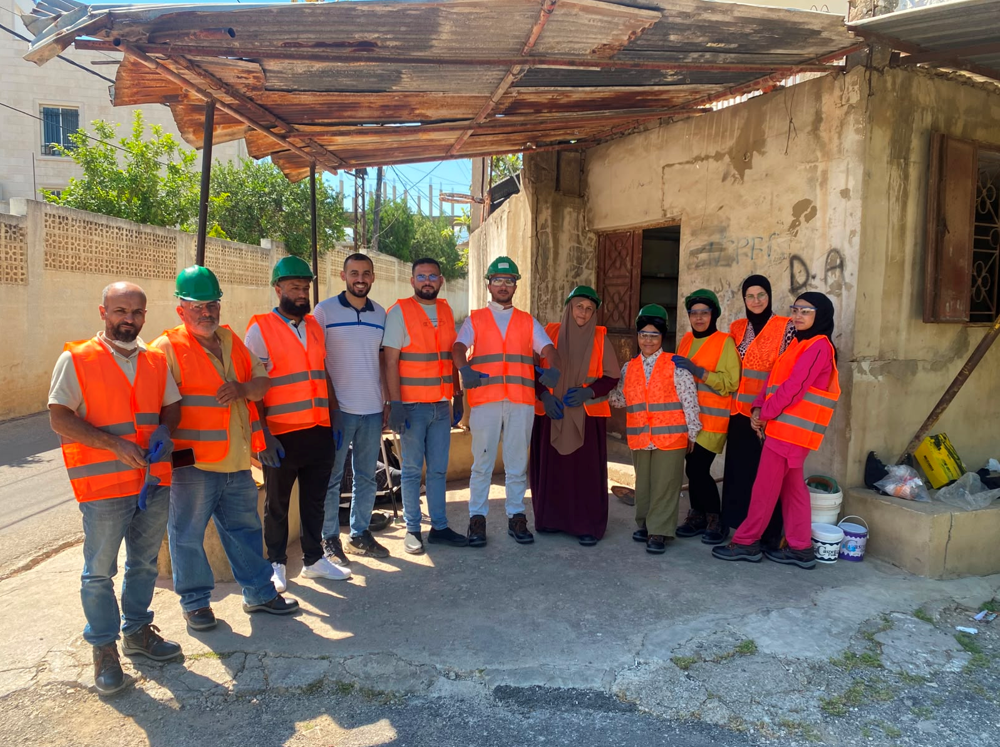
Contribute in the Restoration of "Jesus the Worker" Convent Affiliated with the Latin Church in Aleppo
As part of the Program “Restoration Fund for Rehabilitation of Faith-based Social Services & Religious Infrastructure Damaged During the Crisis in Syria”