
The Middle East Council of Churches is a regional ecumenical organization, which brings together Churches in the Middle East for a common Christian witness in a region where Christ was born, lived, died and resurrected.
UNDER THE SPOTLIGHT
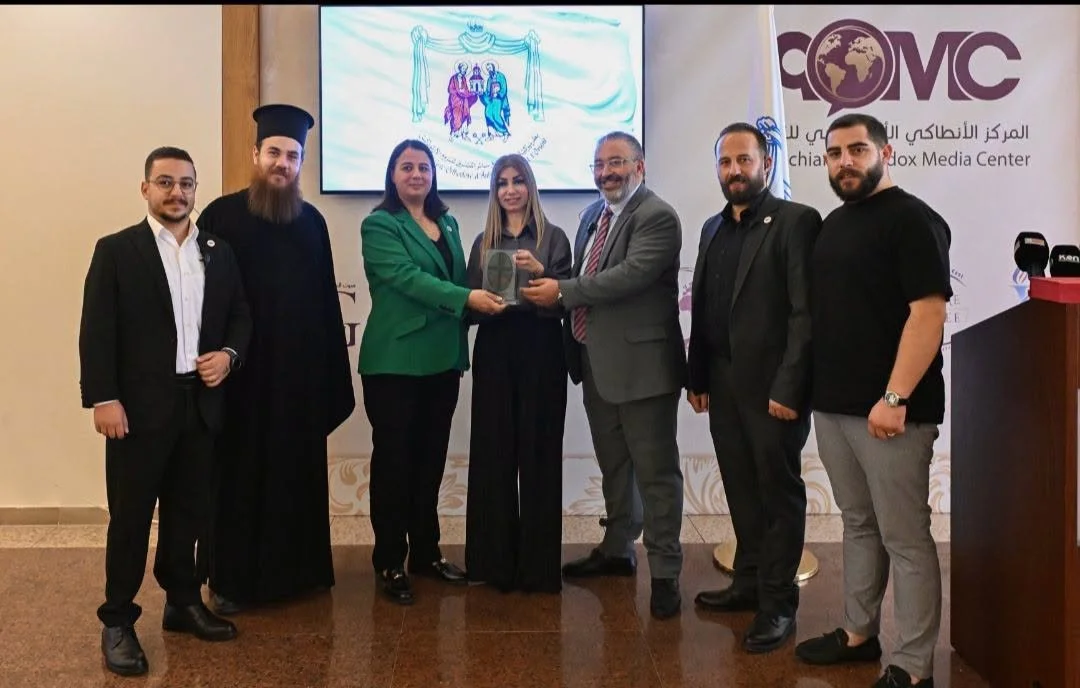
As part of its efforts to strengthen the spirit of cooperation and partnership in media and ecclesiastical work, and to embody the mission of media in serving humanity, the Church, and society, the Middle East Council of Churches honored the Antiochian Orthodox Media Center in Balamand in recognition of its role in conveying the message of the Antiochian Orthodox Church, highlighting its spiritual, humanitarian, and national presence, and covering its activities and mission in Lebanon and throughout the East.
In this context, Lea Adel Maamary, the Council’s Media and Church Relations Coordinator, presented a commemorative shield on behalf of the Council’s Secretary General, Professor Michel Abs, and her colleagues at the General Secretariat in Beirut, to Mrs. Nancy Najjar, Executive Director of the Antiochian Orthodox Media Center, as well as to the members of the Center’s media team.
This recognition underscores the importance of cooperation between ecclesiastical and media institutions and the need to unite efforts in support of responsible media that upholds the values of love, dialogue, and openness, and contributes to building bridges of communication between Churches and the various components of society.
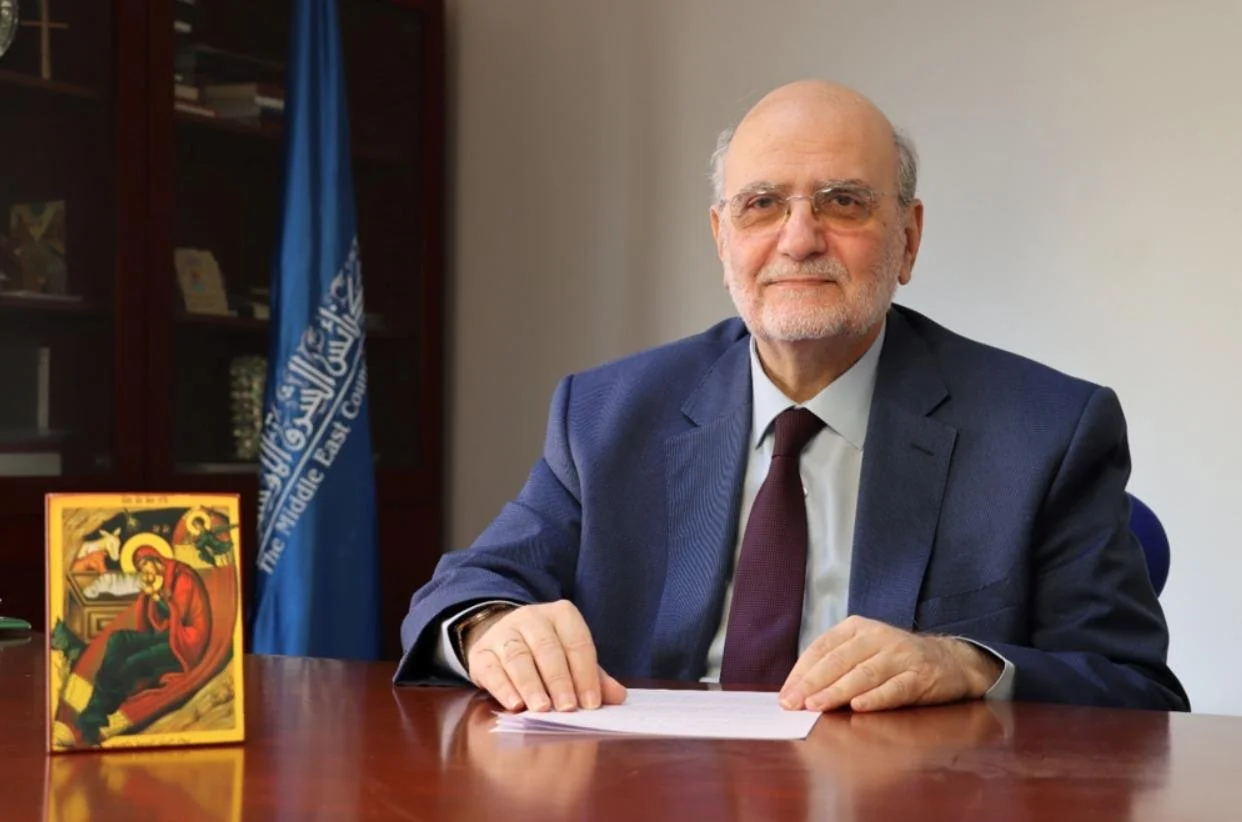
Written By the MECC Secretary General Professor Michel Abs
In these difficult times through which humanity is passing, when human beings so often become a calamity to one another rather than a source of support; in this harsh age, when creatures tear at one another’s flesh, I felt the need, on her feast day, to address this great saint in prayer.
O Teresa of Ávila, daughter of a fortress-city that became in your hands a fortress of the spirit, today on your feast we lift to you a prayer of love—not to confine you to an old image in the books of the saints, but to see you alive within the Church, bearing witness that God still awakens hearts, brings strength out of weakness, peace out of anxiety, and transforms ordinary human beings into apostles of light.
You who were born in Ávila in 1515 and raised in a home filled with a love of books and the lives of the saints, the grace of God taught you from childhood that life reaches its true meaning only when it is wholly directed toward eternity.
O Teresa, you entered the Carmelite Order as a young woman. You carried severe suffering in your body and long struggles within your soul, yet you did not hide from God your spiritual dryness, your fears, or your inability to pray…
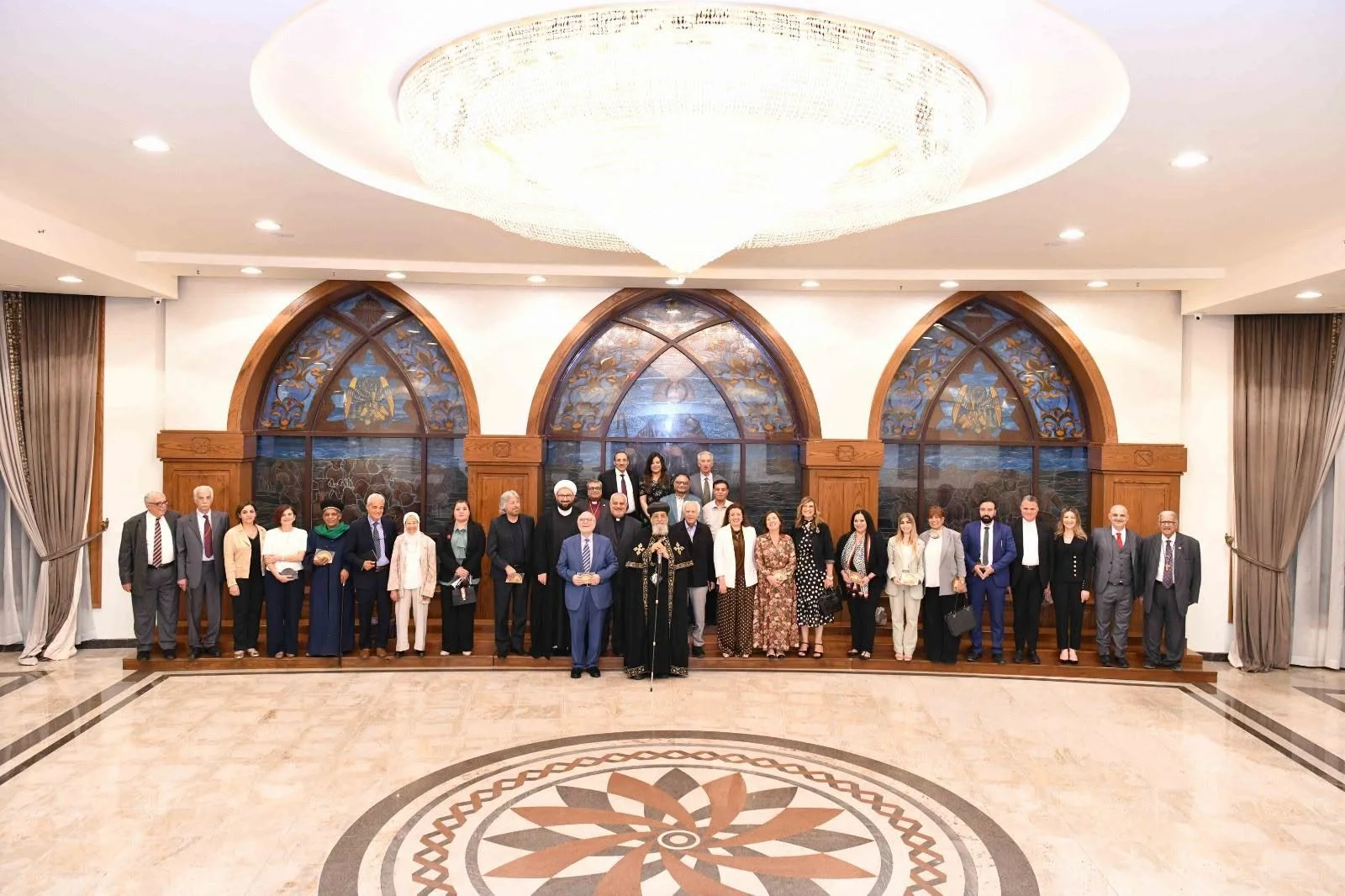
During His Meeting with the Secretary General of the Middle East Council of Churches (MECC) Professor Michel Abs, and a Delegation of Researchers Participating in the Conference “Countering Hate Speech to Promote Human Dignity and Coexistence” - Cairo
Media of the Middle East Council of Churches (MECC)
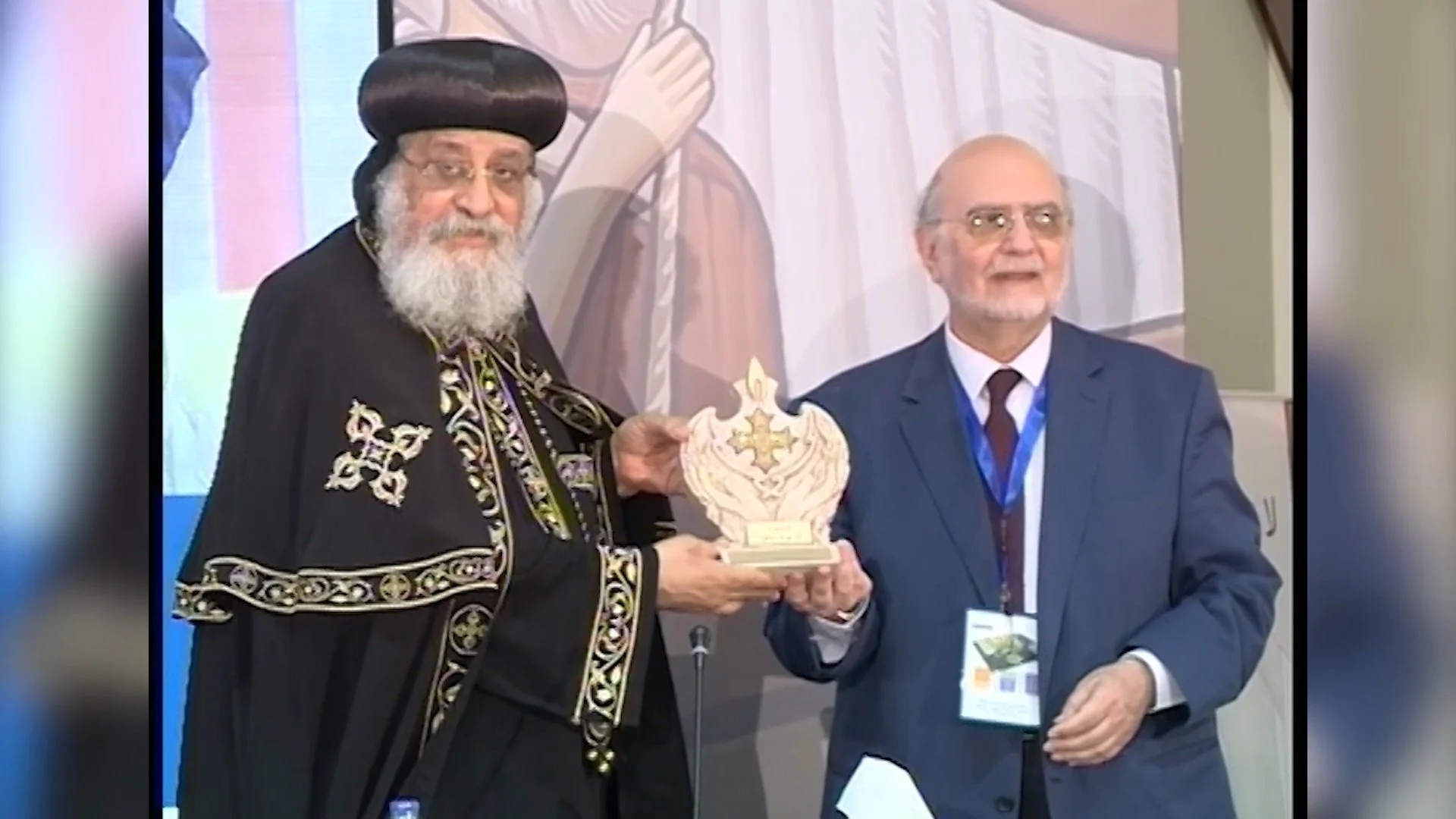
His Holiness Pope Tawadros II, Pope of Alexandria and Patriarch of the See of St. Mark, emphasized during his meeting with the Secretary General of the Middle East Council of Churches (MECC) Professor Michel Abs, and a delegation of researchers participating in the conference “Countering Hate Speech to Promote Human Dignity and Coexistence” - Cairo:
“Love is the very foundation of human existence, and a person does not truly feel their humanity unless they practice love.”
His Holiness noted that sowing love is a fundamental building block, for Heaven is love, God is love, and life cannot endure without love.
He explained that there are five dimensions to sowing love:
1. Sowing Love for God
Sow love for God, the Almighty. Whoever looks to God will sow successfully.
2. Sowing Love for Creation and the Environment
Sow love for creation, the environment, and animals. The Nile is suffering, and everything around us needs our love and care.
When a child learns to pick up litter from the ground and protect the environment, that child will also learn to remove sin from their heart.
God created the village, while human beings created the city. Therefore, we must love the earth and preserve it…
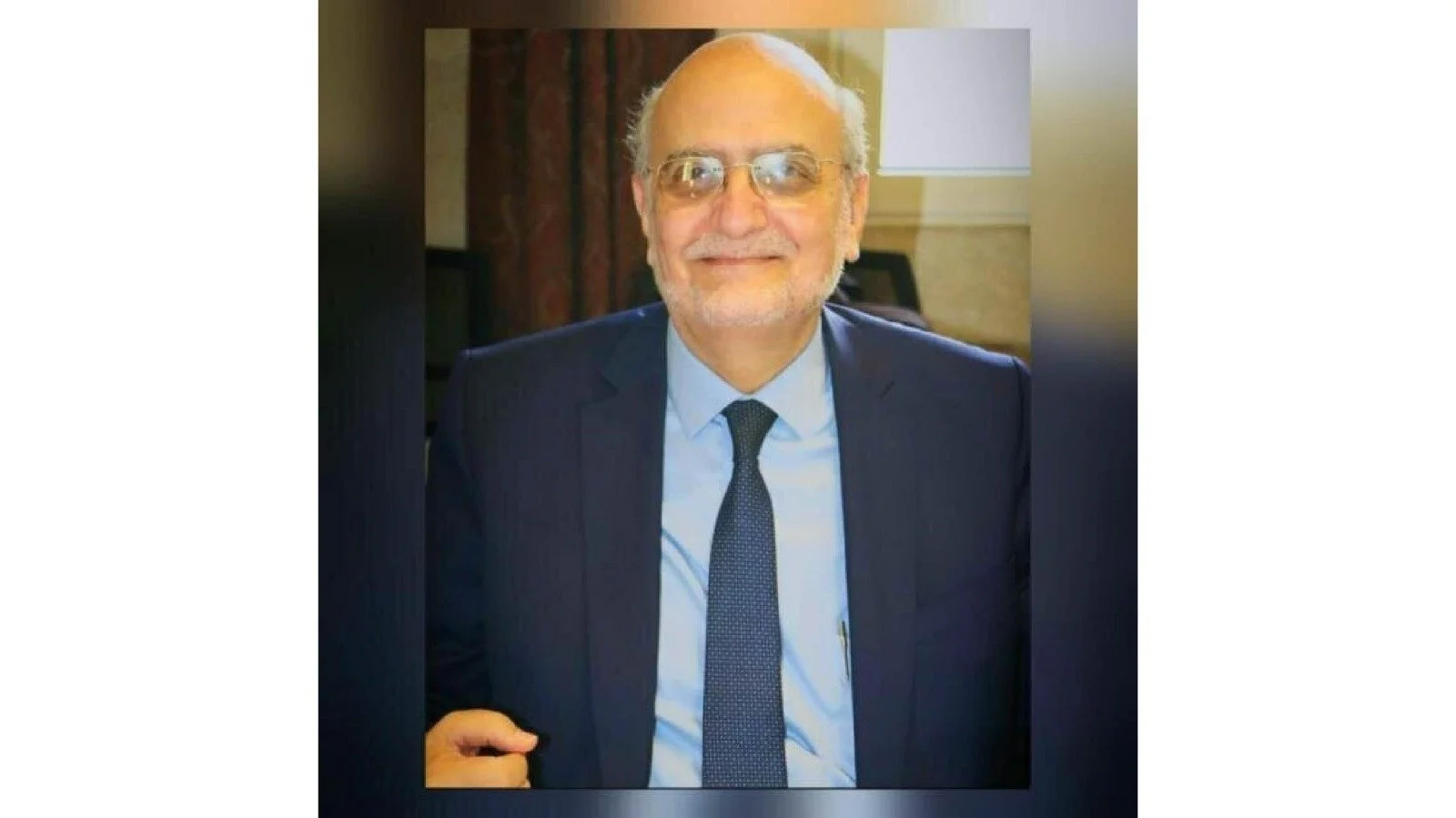
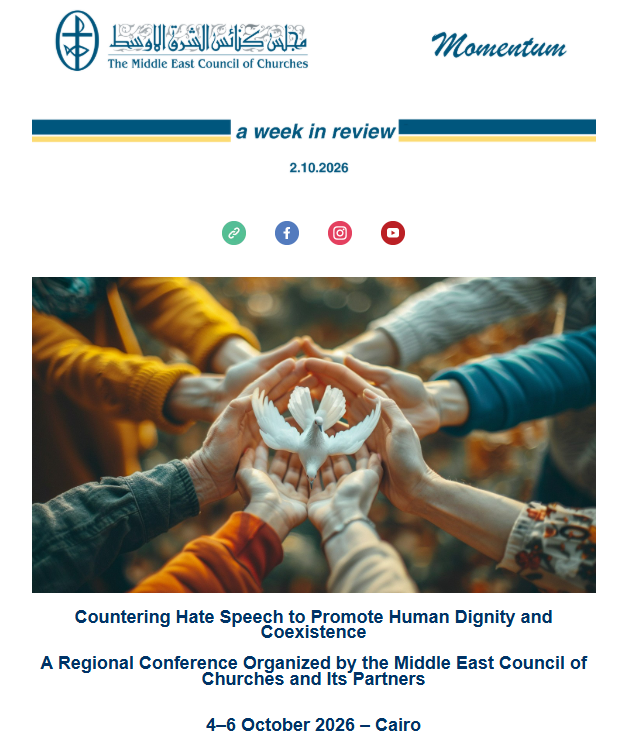
At the Opening of the Regional Conference: "Countering Hate Speech and Protecting Human Dignity"
Held in the Arab Republic of Egypt
In the name of the Creator of all that is, the source of light and of the elements of life,
In the name of those who suffer in every corner of the earth from discrimination and persecution,
In the name of all who endure stigma, marginalization, and bullying in their daily lives,
In the name of human dignity, which is equal to life itself and which nothing but social cohesion can secure,
We come to you with this conference — challenge.
We come to challenge a fate that no caution can avert.
We come to sound a warning together, and to say: cursed is the one who awakens strife in my wounded country, and blessed is the one who lays it to rest.
It was a blessed hour when we visited the Reverend Dr. Andrea Zaki, President of the Protestant Churches of Egypt and President of the Coptic Evangelical Organization for Social Services (CEOSS), and put to him the idea of this conference. With his characteristic spontaneity, he responded at once that CEOSS could host it.
And so it was. The idea took shape in our gathering here today around the theme of demonization and hate speech. It was made possible through the collaborative efforts of Ms. Samira Louka, Ms. Iman Mamdouh, Dr. Laure Abi Khalil, and the Journalist Lea Adel Maamary.
From the land of Egypt, the land of encounter — the country to which the Holy Family fled to escape the demonization of children more than two thousand years ago, and the nation that taught the world the meaning of unity in life through the “House of the Family” as well as through social unity — we open our conference today on a subject that touches the very core of our existence as citizens of this East: confronting demonization and hate speech….
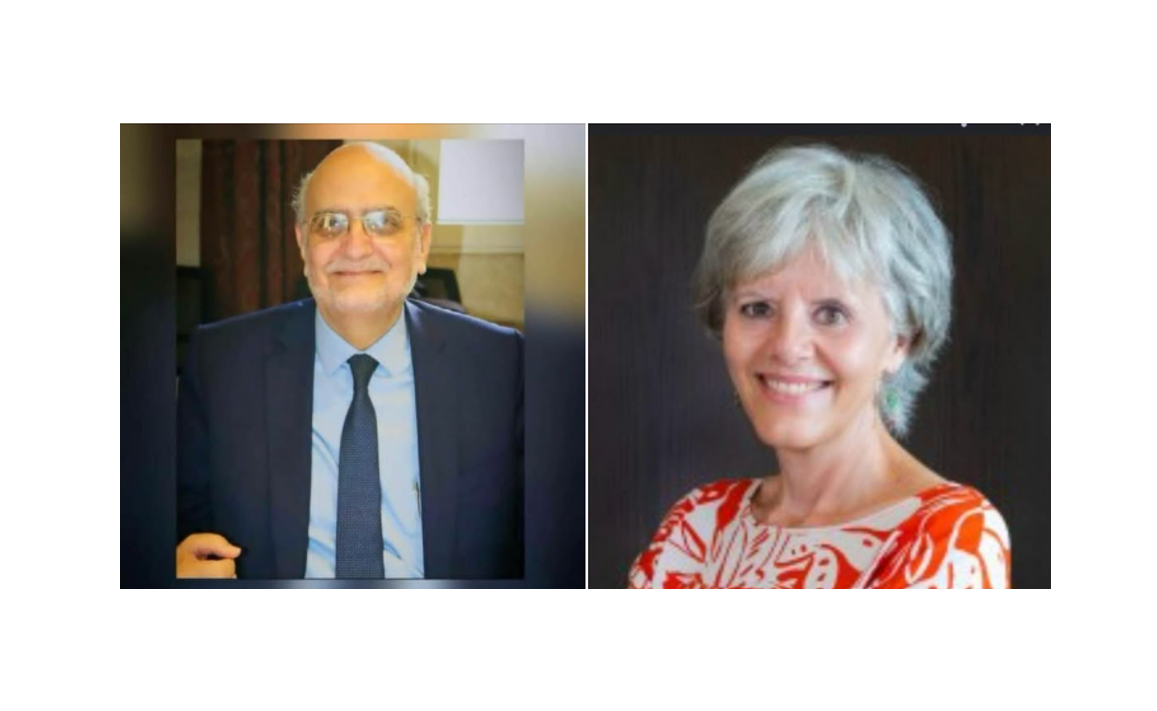
Cairo, October 7, 2026
As part of the ongoing cooperation and partnership between the Middle East Council of Churches (MECC) and Danmission, the MECC Secretary General Professor Michel Abs met with Mrs. Kristen Auken, Danmission’s Regional Advisor for the Middle East and North Africa, in Cairo. The meeting provided an opportunity to exchange views on the course of cooperation between both sides and to explore prospects and future projects that could be jointly undertaken.
The meeting addressed many issues related to the work of the Middle East Council of Churches and its role in the region. Discussions highlighted its key programs, projects, and activities, as well as its efforts to serve Churches and communities, promote dialogue, cooperation, and partnership, and respond to the challenges that the region is facing, its churches, and people.
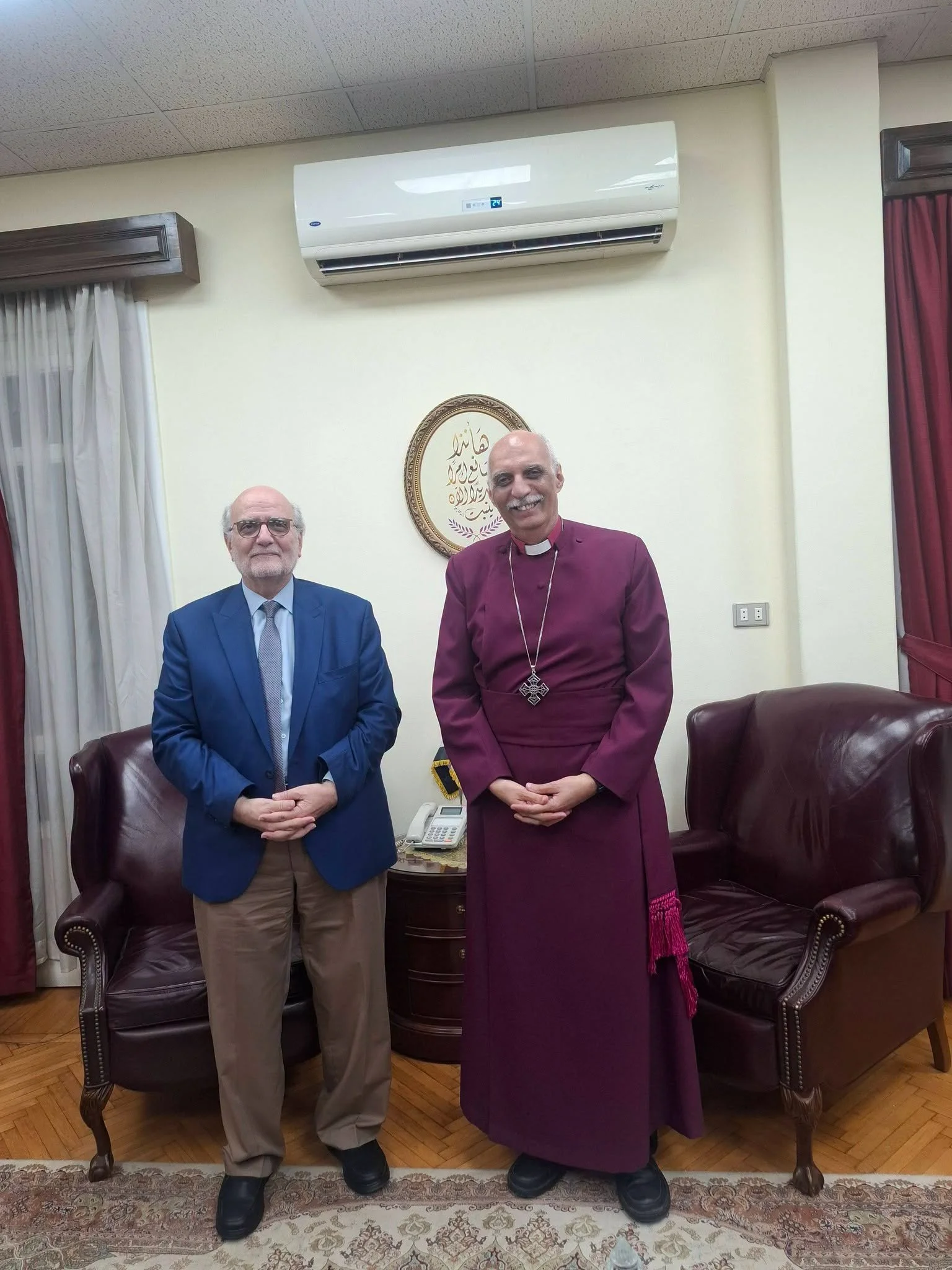
Cairo, October 7, 2026
As part of efforts to strengthen Christian joint work, the Secretary General of the Middle East Council of Churches (MECC) Professor Michel Abs, visited His Eminence Archbishop Samy Fawzy Shehata, Archbishop of the Episcopal Church in Egypt, North Africa, and the Horn of Africa, at All Saints' Episcopal Cathedral in Zamalek.
The visit included discussions on ways to strengthen cooperation and coordination among the Churches.
The discussions addressed ways for developing spiritual programs and joint activities, contributing to deepening the spirit of unity and fellowship among the Churches and reinforcing the values of love and encounter among the various Christian denominations.
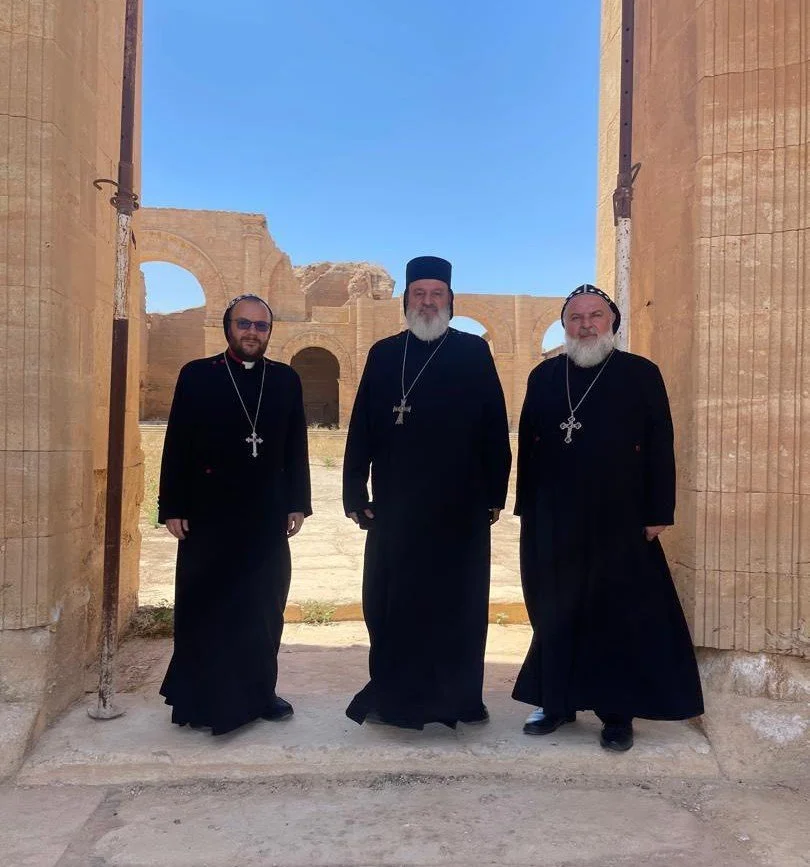
On June 2nd, 2026, His Holiness Patriarch Mor Ignatius Aphrem II, Patriarch of Antioch and All the East, Supreme Head of the Syriac Orthodox Church of the World, and Honorary President of the Middle East Council of Churches (MECC), visited the Archeological Site of the City of Al-Hadr in Niniveh, Iraq. This city used to be inhabited by Arameans and Arabic tribes.
He was accompanied by Their Eminences: Mor Maurice Amsih, Archbishop of Jazeerah and Euphrates, and Mor Augeen Al-Khoury Nemat, Patriarchal Secretary.
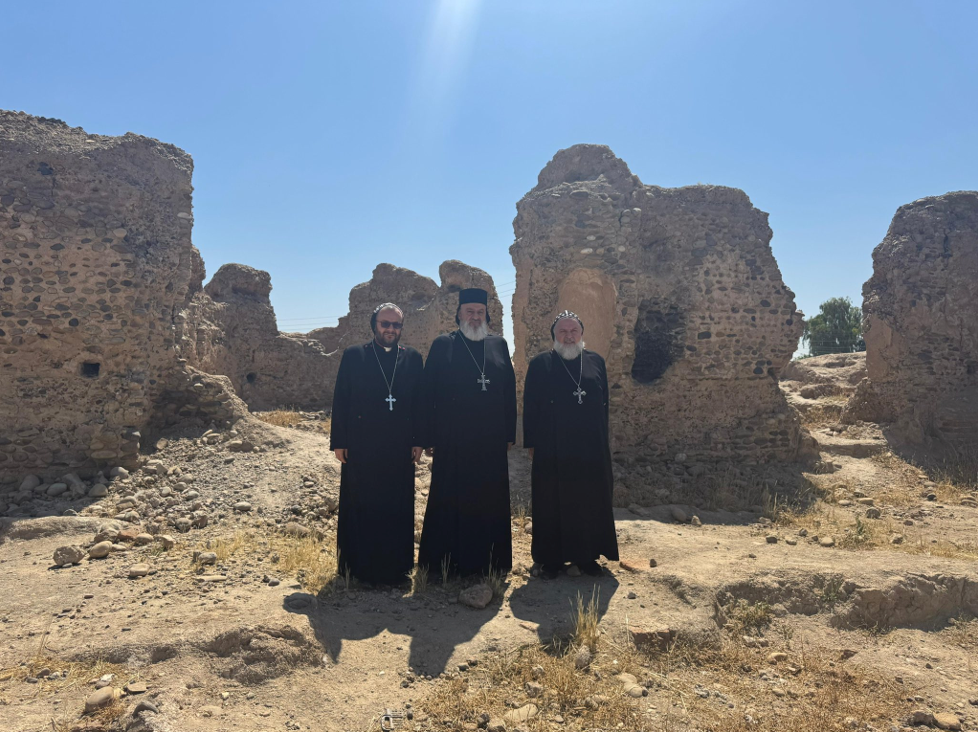
On June 2nd, 2026, His Holiness Patriarch Mor Ignatius Aphrem II, Patriarch of Antioch and All the East, Supreme Head of the Syriac Orthodox Church of the World, and Honorary President of the Middle East Council of Churches (MECC), visited the Archeological Site of Mor Ahodemeh Church in Takrit, Iraq.
He was accompanied by their Eminences: Mor Maurice Amsih, Archbishop of Jazeerah and Euphrates, and Mor Augeen Al-Khoury Nemat, Patriarchal Secretary.

The Dicastery for Promoting Integral Human Development announces the theme chosen by His Holiness Pope Leo XIV for the 2026 celebration of the World Day of Prayer for the Care of Creation, held on September 1, as "They shall beat their swords into plowshares and their spears into pruning hooks” (Is 2:4).
His Holiness Pope Leo XIV has chosen “They shall beat their swords into plowshares and their spears into pruning hooks” (Is 2:4) as the theme for the 2026 edition of the World Day of Prayer for the Care of Creation, traditionally celebrated on September 1.
In the statement from the Dicastery for Promoting Integral Human Development making the announcement, the Dicastery states that the Holy Father’s Message for the Day highlights the connection between armed conflict and environmental degradation.
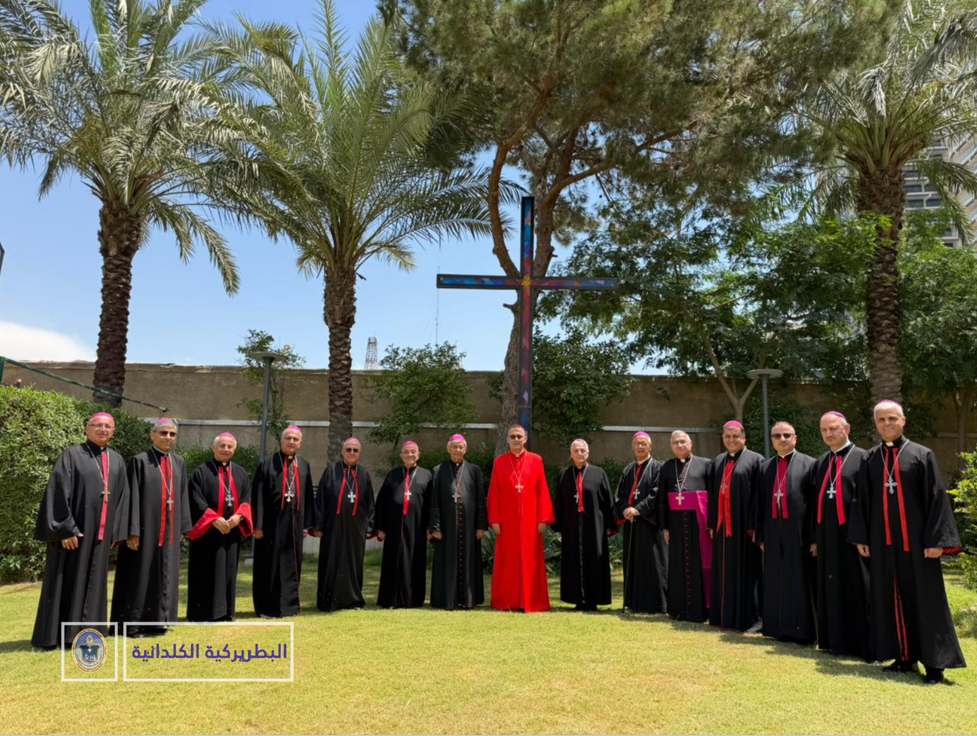
Baghdad - June 1, 2026
The Fathers of the Synod of the Chaldean Church, under the presidency of His Beatitude Patriarch Mar Polis III Nona, held the first synodal session of his patriarchate on June 1, 2026, at the Chaldean Patriarchal Headquarters in Al-Mansour, Baghdad. Fourteen bishops participated in the session. Travel difficulties and related circumstances prevented the participation of the bishops from the United States of America.
His Beatitude opened the synod with a paternal address inspired by the words of the Lord Jesus: “Do not be afraid; only believe!” (Mark 5:36). He emphasized that the Chaldean Church is called to face the challenges of the present with hope and confidence in God’s providence, and to continue her mission in a spirit of unity, communion, and shared responsibility. He stressed the importance of strengthening and deepening the synodal spirit as an essential part of the tradition of our Church, as well as the need for teamwork, cooperation, and overcoming everything that weakens or hinders the mission of the Gospel. He also affirmed the necessity of continuing to develop ecclesiastical institutions and enhancing the effectiveness of the Patriarchal Curia and the Permanent Synod in a manner consistent with the needs of the current era and the Church’s requirements both in the East and throughout the diaspora…
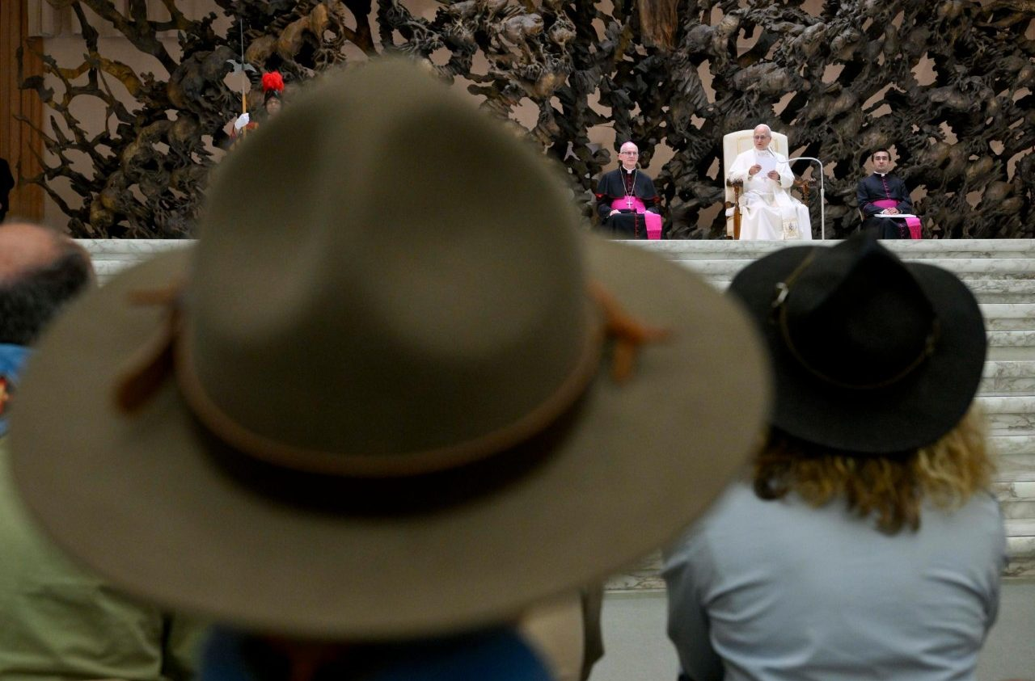
His Holiness Pope Leo XIV encourages Catholic scouts and guides to deepen their commitment to faith, service, and Christian witness as he receives members of the Italian Catholic Guides and Scouts of Europe Association (AGESCI Europa) in the Vatican.
Addressing participants gathered for the 50th anniversary of the Italian Catholic Guides and Scouts of Europe Association on Monday, His Holiness Pope Leo XIV linked the jubilee celebration to the recent Solemnity of Pentecost, noting that the word Pentecost itself means “fiftieth.”
“May this happy anniversary be for you like a new Pentecost,” he said, praying that the Holy Spirit would descend upon every member as it did upon the Apostles gathered in the Upper Room.
The Pope recalled that the gift of the Holy Spirit enlivens the Christian life, opens hearts to mission, and enables believers to find ever-new ways of bearing witness to the beauty of the faith. The proclamation of salvation, he said, is filled with hope and inspires Christians to act rightly in every decision and undertaking.
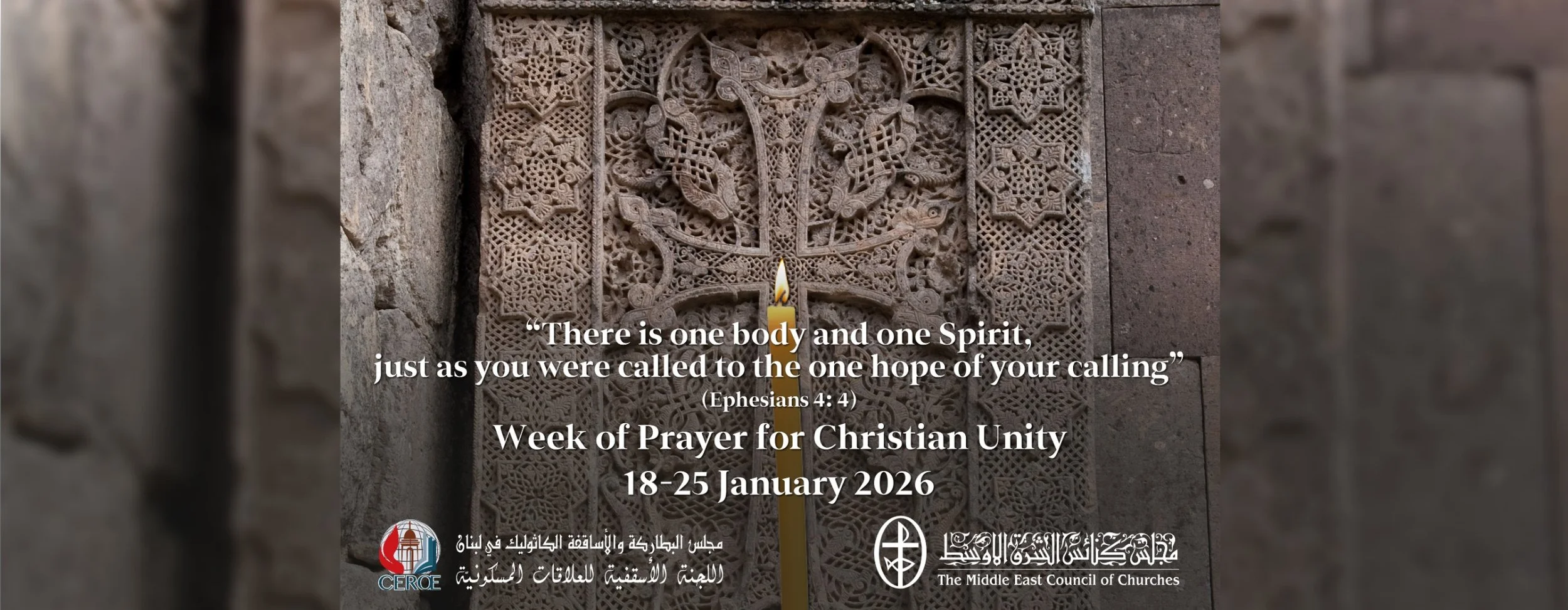
“Do not be afraid, little flock, for it is your Father’s good pleasure to give you the kingdom”
(Luke 12:32)
With deep faith and great hope, the Middle East Council of Churches (MECC) releases the Arabic version of the “Week of Prayer for Christian Unity” booklet 2027, under the theme “Do not be afraid, little flock, for it is your Father’s good pleasure to give you the kingdom” (Luke 12:32), based on the Biblical Text Luke 12: 22–34.
The booklet includes Prayers and reflections prepared by the Irish Council of Churches and the Council for Ecumenism and Dialogue of the Irish Catholic Bishops’ Conference. The texts were jointly prepared and published by the Dicastery for Promoting Christian Unity in the Vatican and the Faith and Order Commission of the World Council of Churches (WCC), and were translated into Arabic by the Theological and Ecumenical Department at the Middle East Council of Churches (MECC), as every year.
Entitled "Light from Egypt"
Watch a special news bulletin from the Middle East Council of Churches (MECC) entitled "Light from Egypt," on MECC TV, and across its various platforms.
The news bulletin highlights the Week of Prayer for Christian Unity celebrations in Egypt, as well as the visit of the Secretary General of the Middle East Council of Churches Professor Michel Abs, and the Council's delegation in the Arab Republic of Egypt.
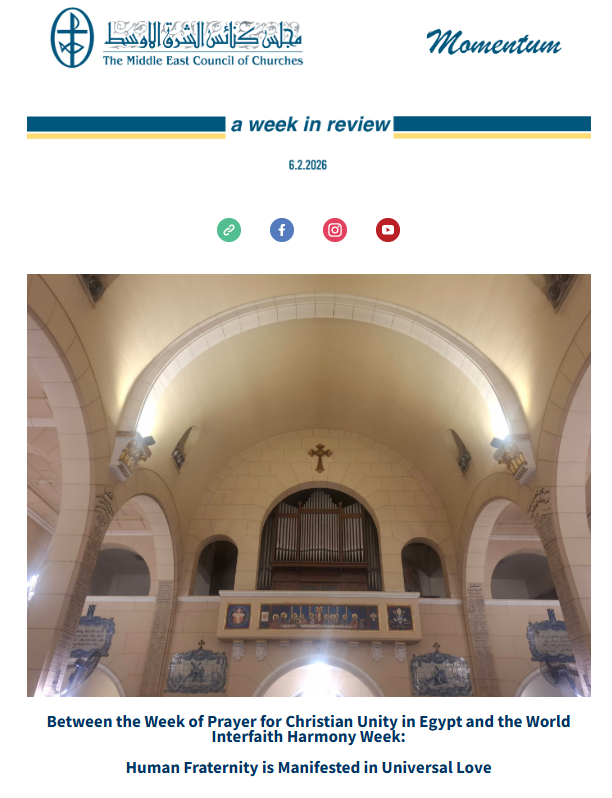
“Momentum”
6-2-2026
This issue includes reports, videos, news, articles, and a full coverage of the latest developments of the Middle East Council of Churches (MECC), as well as the Church, Ecumenical, and social events…
This is in addition to the weekly word of the MECC Secretary General Professor Michel Abs which is entitled in this issue "Egypt in the Week of Unity".
You can check the issue via the following link: https://mailchi.mp/bce04b51d1c7/momentum-mecc-weekly-newsletter.
You can also subscribe to the Momentum Newsletter via the following link:
https://mecc.us14.list-manage.com/subscribe?id=fd3381352a&u=1db32cafe9ea32b38eb90480a.
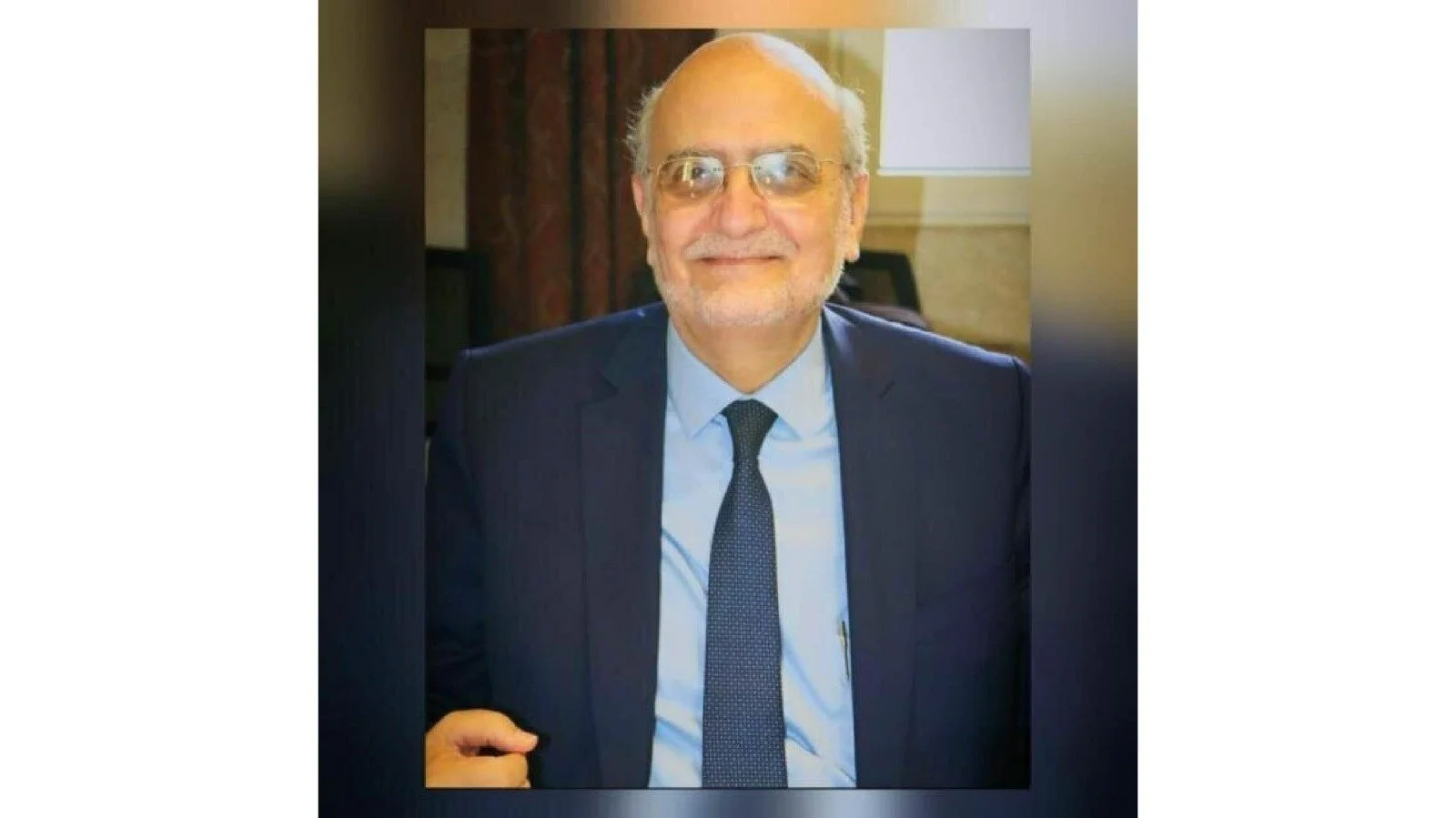
Professor Michel Abs
The Secretary General of the Middle East Council of Churches (MECC)
For the third consecutive year, we turn to Egypt to participate in the Week of Prayer for Christian Unity, or as we call it briefly, the Week of Unity. Once again, we experience the interaction and life with what I call "Egyptian Christianity," which encompasses all the churches of the land of Egypt, the land of the Nile, the land of the Holy Family's refuge.
The experience with this kind-hearted people, the Egyptian people, in all its components, is always beautiful and enriched with love, experience, and knowledge.
The visits we have made to the spiritual leaders in Egypt have been a source for launching new areas of cooperation in service to Egyptian society, where the Church and Christians are an integral part. These leaders, always giving, provide support for the Council’s works and reinforce its aspirations.
During our meetings with church and Islamic leaders as well, we have managed to shape directions that must yield positive results for our societies.
Firstly, we reached an agreement with the officials of “Beit El-‘Aila,” (Home of the Family), this pioneering experience, to develop a cooperation document in the field of dialogue and social cohesion. The Council and Beit El-‘Aila both work in this field, and the two institutions found that combining efforts in this area leads to significant gains in terms of national unity in the Middle East, as both of them have the necessary experience to dive into this endeavor. All of this stems from shared basic values and the national vision held by both institutions and their leadership…
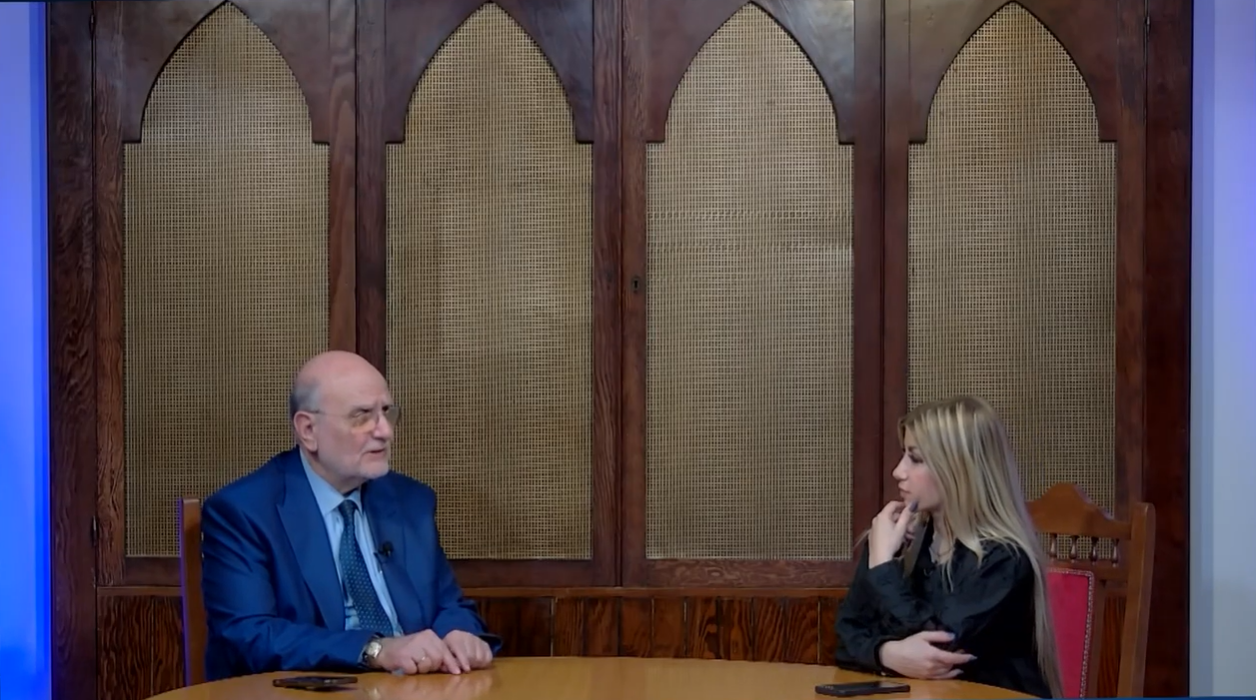
Episode Twelve: His Visit to the Arab Republic of Egypt and the Week of Prayer for Christian Unity 2026, and a Highlight on the International Day of Human Fraternity
Prepared and Presented by the Journalist Lea Adel Maamary
Produced by MECC
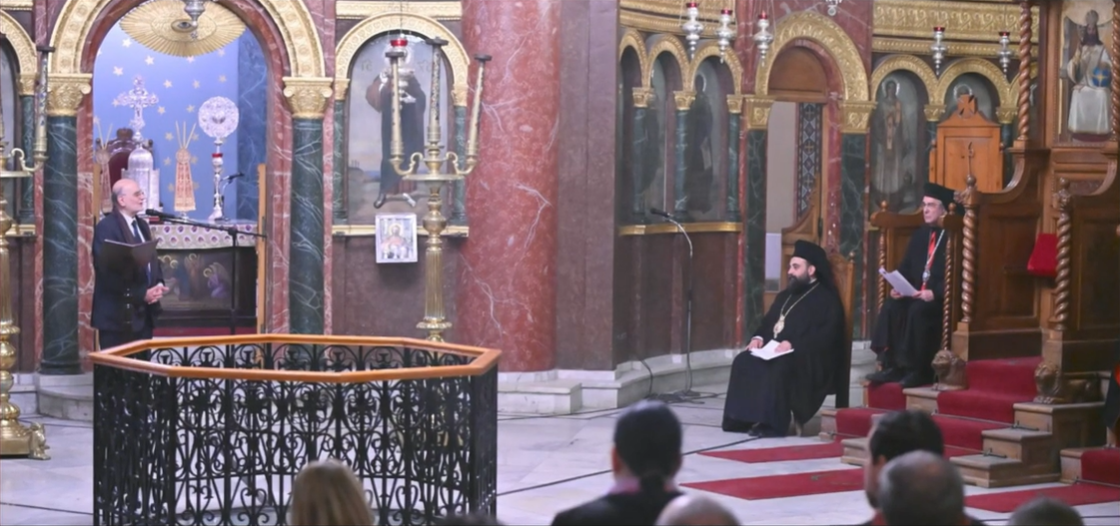
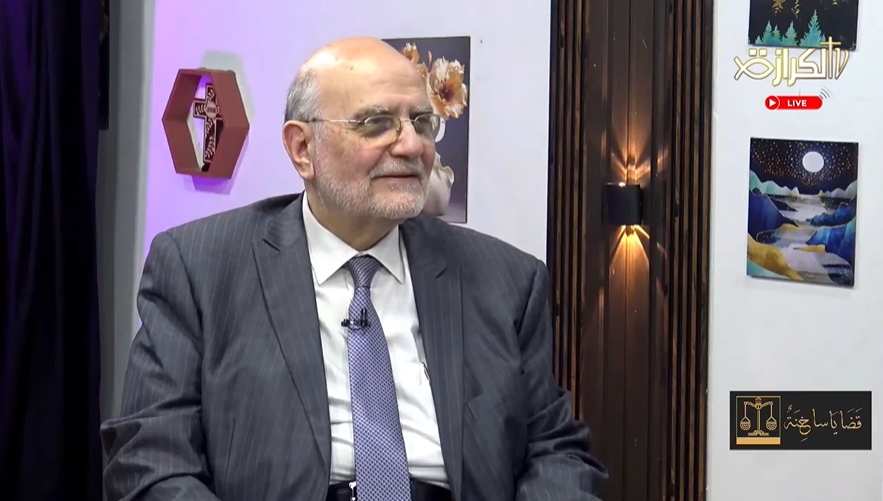
Entitled "We Pray Together,"
Within the "Hot Issues" Program on Al Keraza TV
Prepared and Presented by the MECC Associate Secretary General Reverend Refaat Fikry
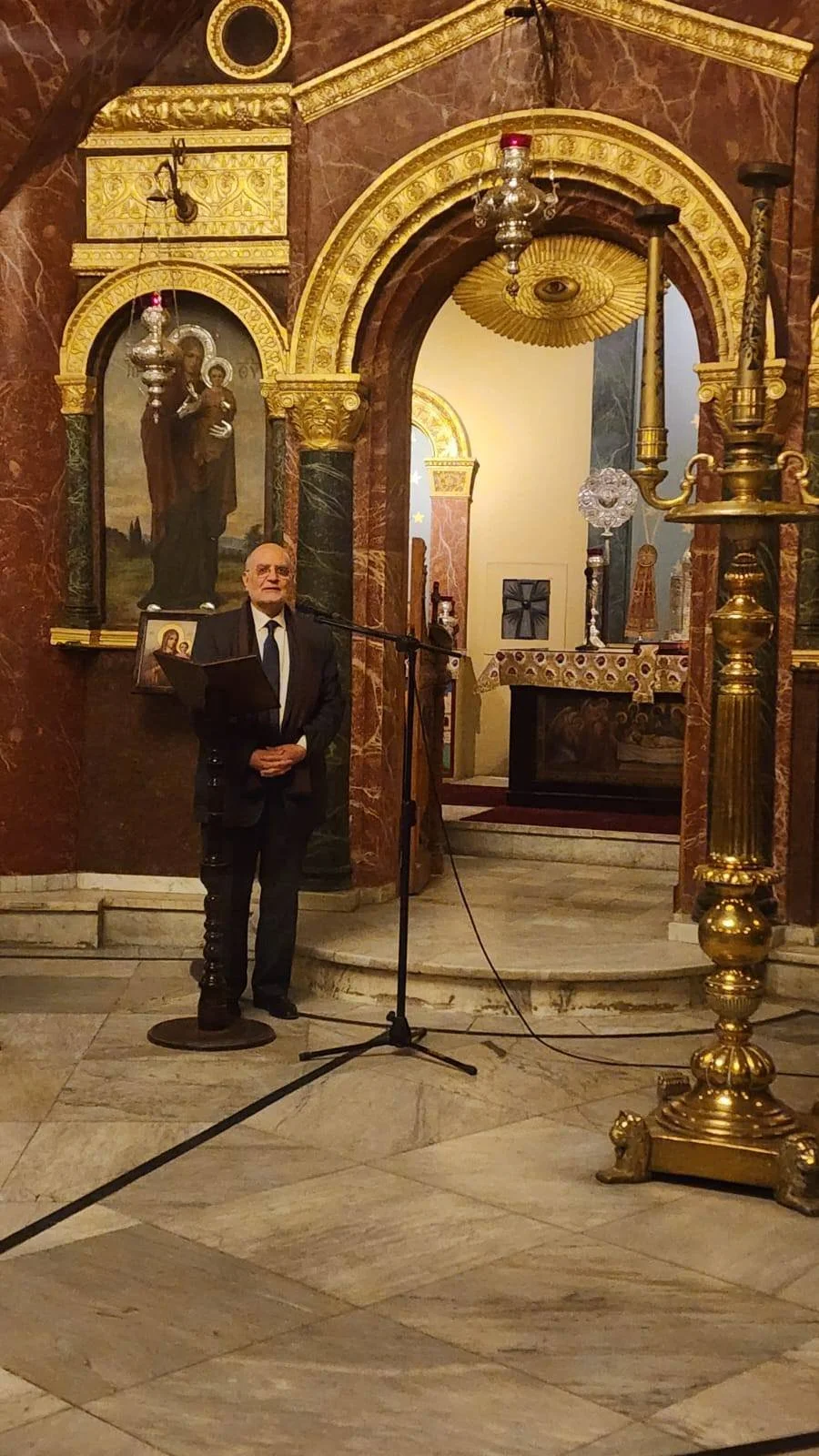
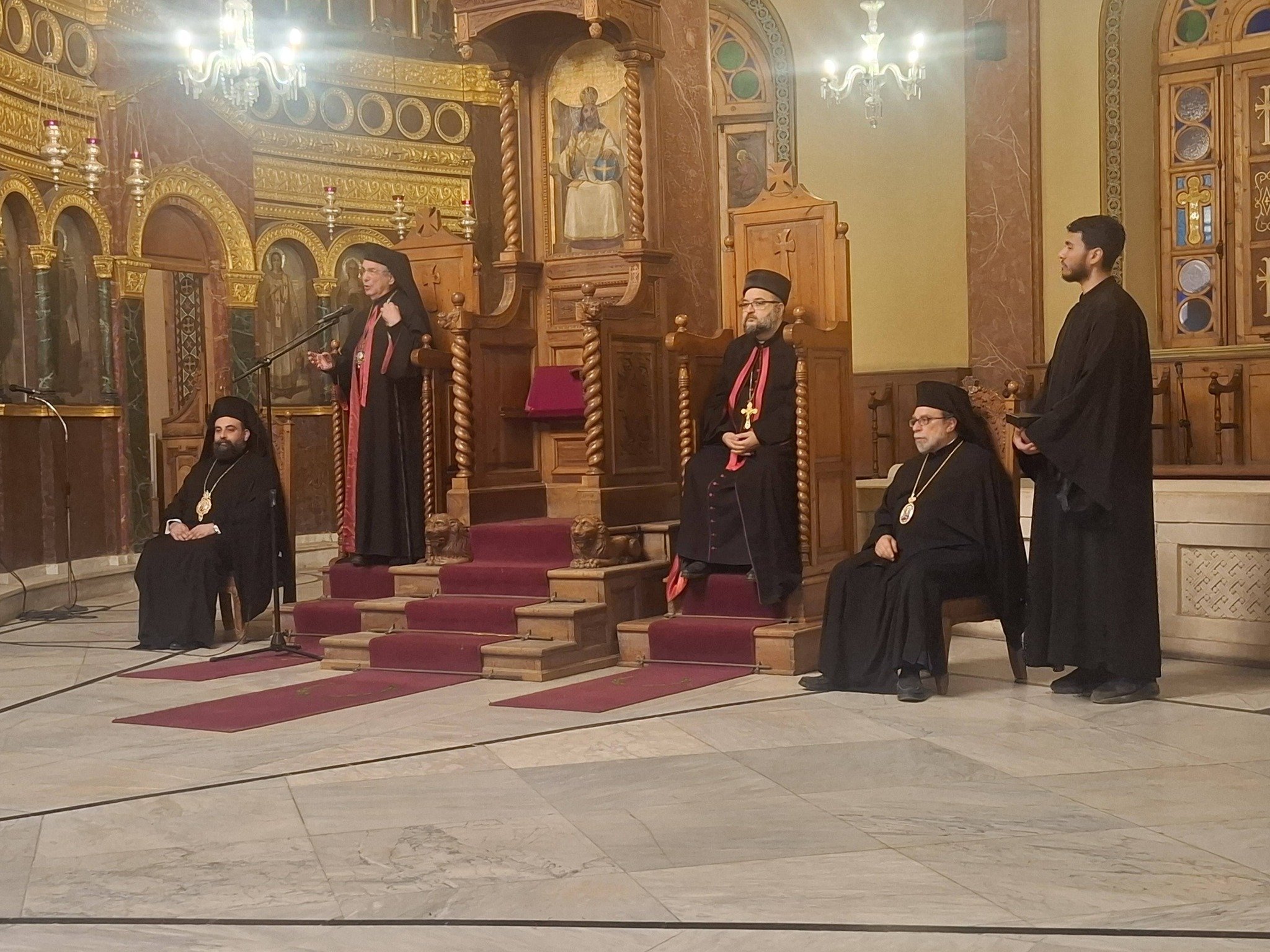
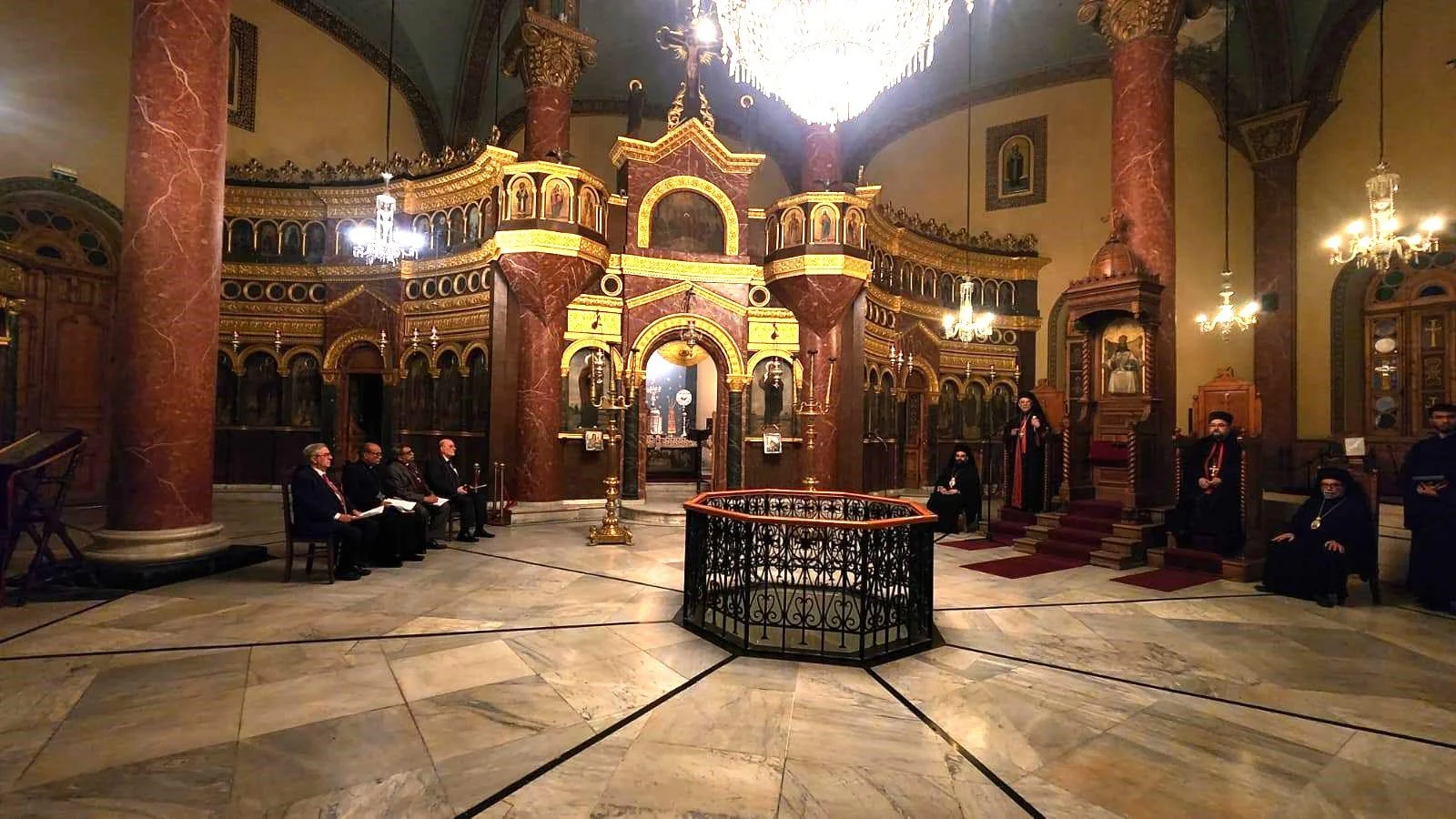
At the Greek Orthodox Patriarchal Monastery of St. George in Old Cairo
At the conclusion of the Week of Unity at the Greek Orthodox Patriarchal Monastery of St. George in Old Cairo, the Secretary General of the Middle East Council of Churches (MECC) Professor Michel Abs said: “
Dialogue is a culture ingrained in our hearts and minds, and the Council is a haven for dialogue among the Churches. Hence, the Week of Unity has become an annual tradition, evolving over the years and taken very seriously each year, as the Churches come together and Pray in love and fraternity.
The new Ecumenism is based on service in various fields, and we, as the Middle East Council of Churches, undertake many initiatives that bring the Churches closer together. The Council also aspires to be a center for dialogue and intellectual and cognitive research, in accordance with a new strategy.”
“Momentum”
2-10-2026
This issue includes reports, videos, news, articles, and a full coverage of the latest developments of the Middle East Council of Churches (MECC), as well as the Church, Ecumenical, and social events…
This is in addition to the weekly word of the MECC Secretary General Professor Michel Abs which is entitled in this issue "A Conference to Sound the Alarm on Hate Speech".
You can check the issue via the following link: https://mailchi.mp/81ac190b821b/momentum-mecc-weekly-newsletter.
You can also subscribe to the Momentum Newsletter via the following link:
https://mecc.us14.list-manage.com/subscribe?id=fd3381352a&u=1db32cafe9ea32b38eb90480a.
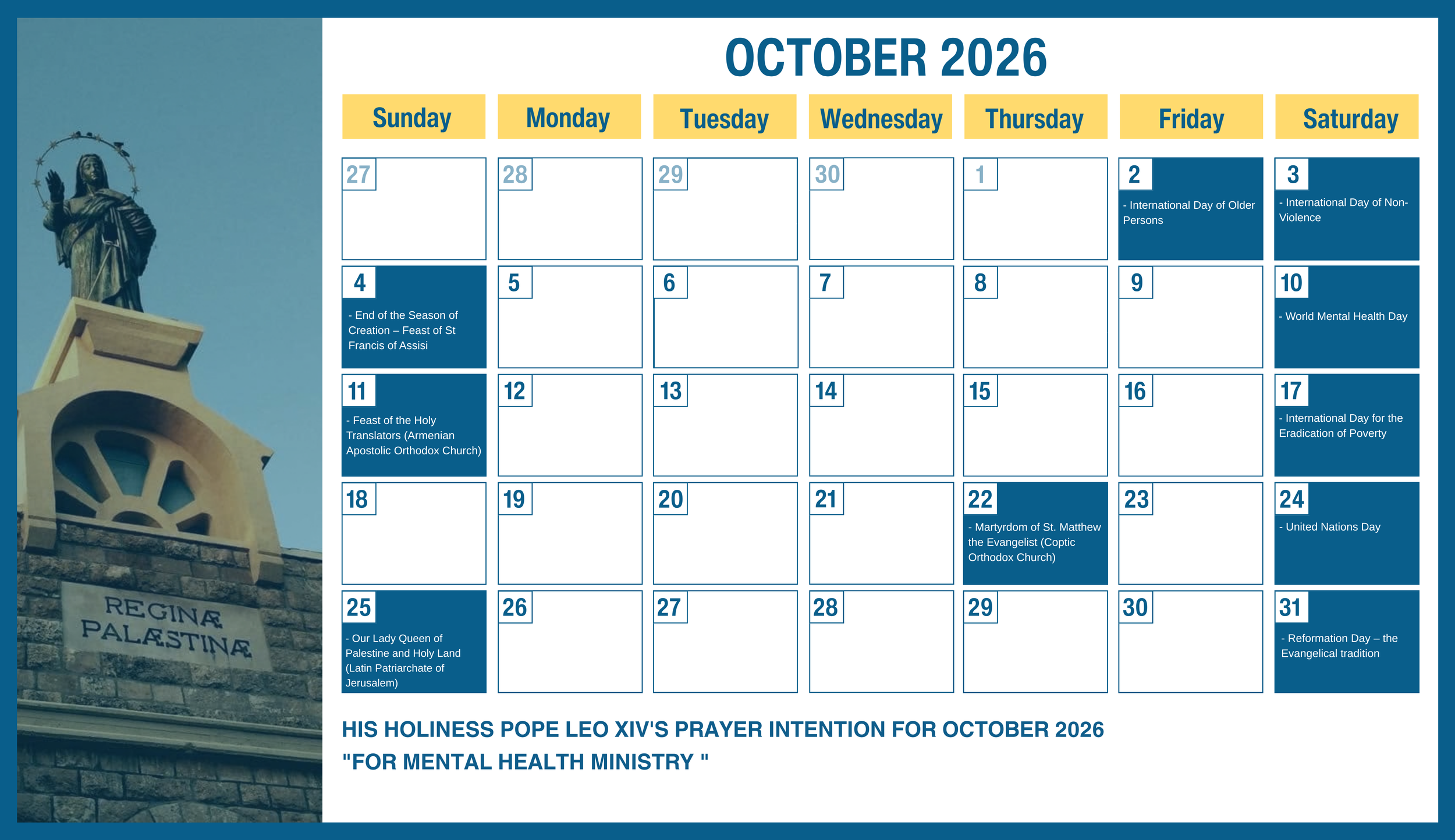
It Also Concludes the "Season of Creation" this Month
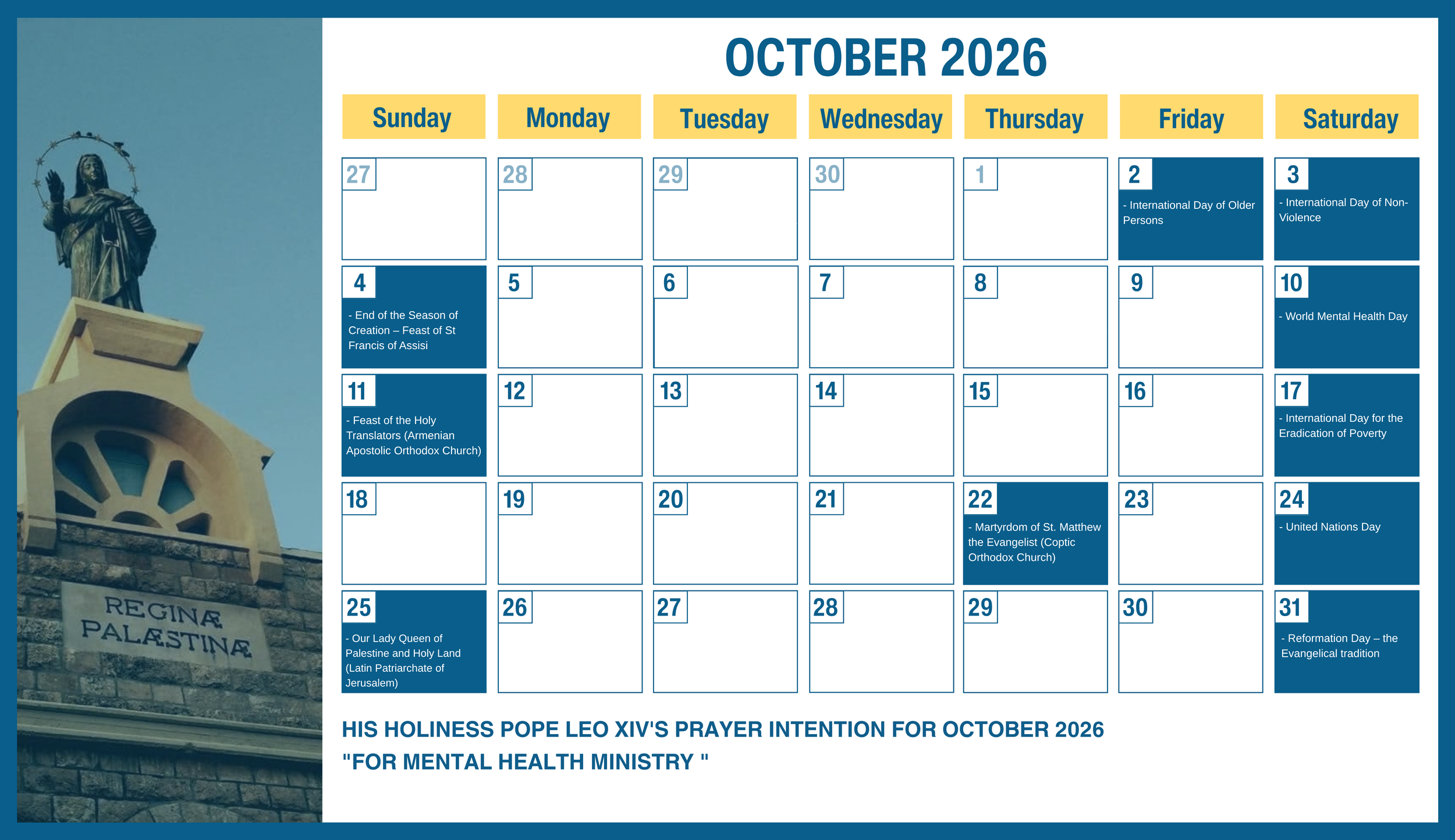
The Middle East Council of Churches (MECC) have now issued its online Ecumenical calendar for the month of October 2026. It includes the Ecclesiastical and Liturgical Feasts of the various Families of Churches in the Middle East. In addition to international days identified by the United Nations, and which are related to the MECC identity and its spiritual and human mission.
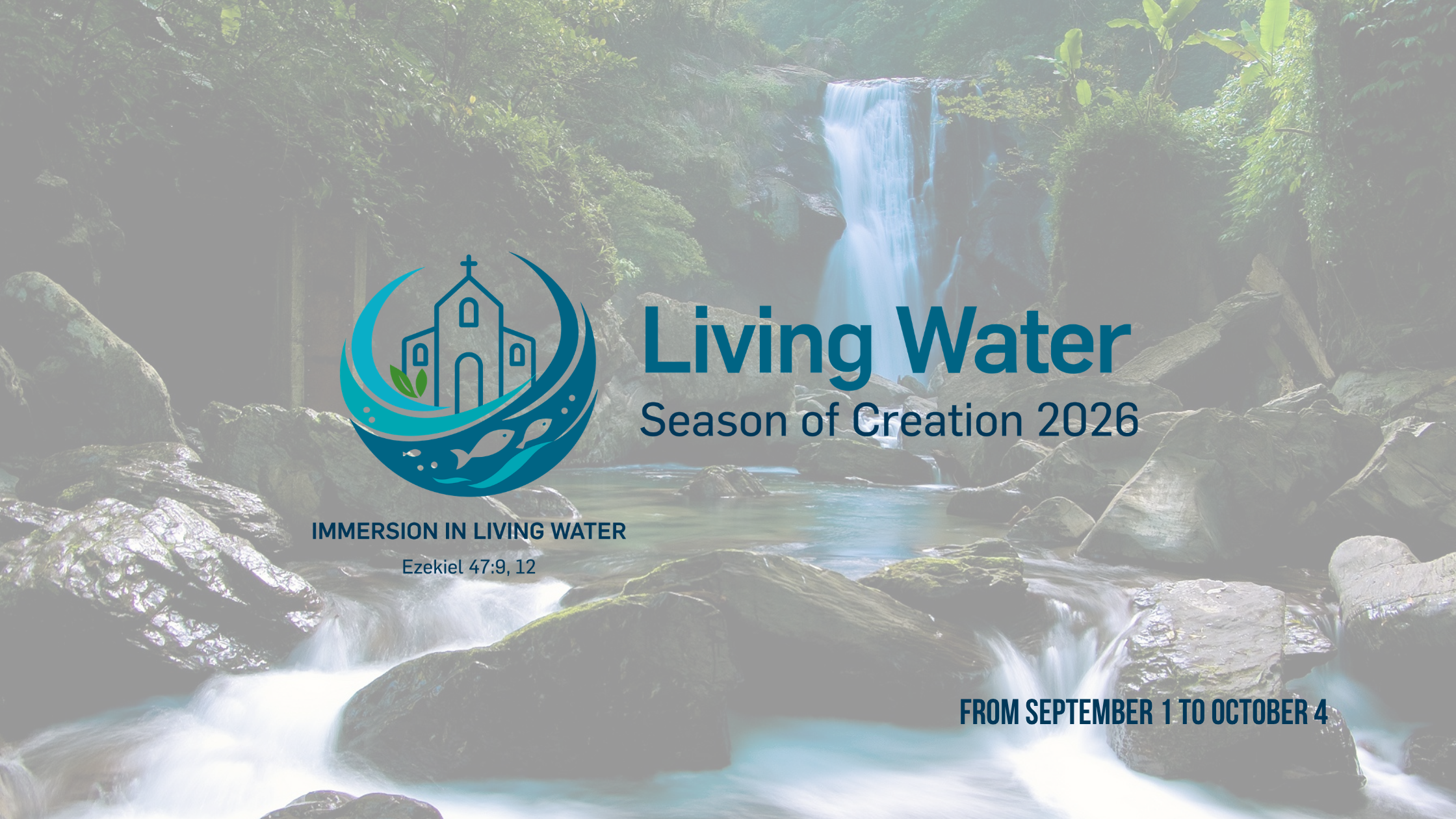
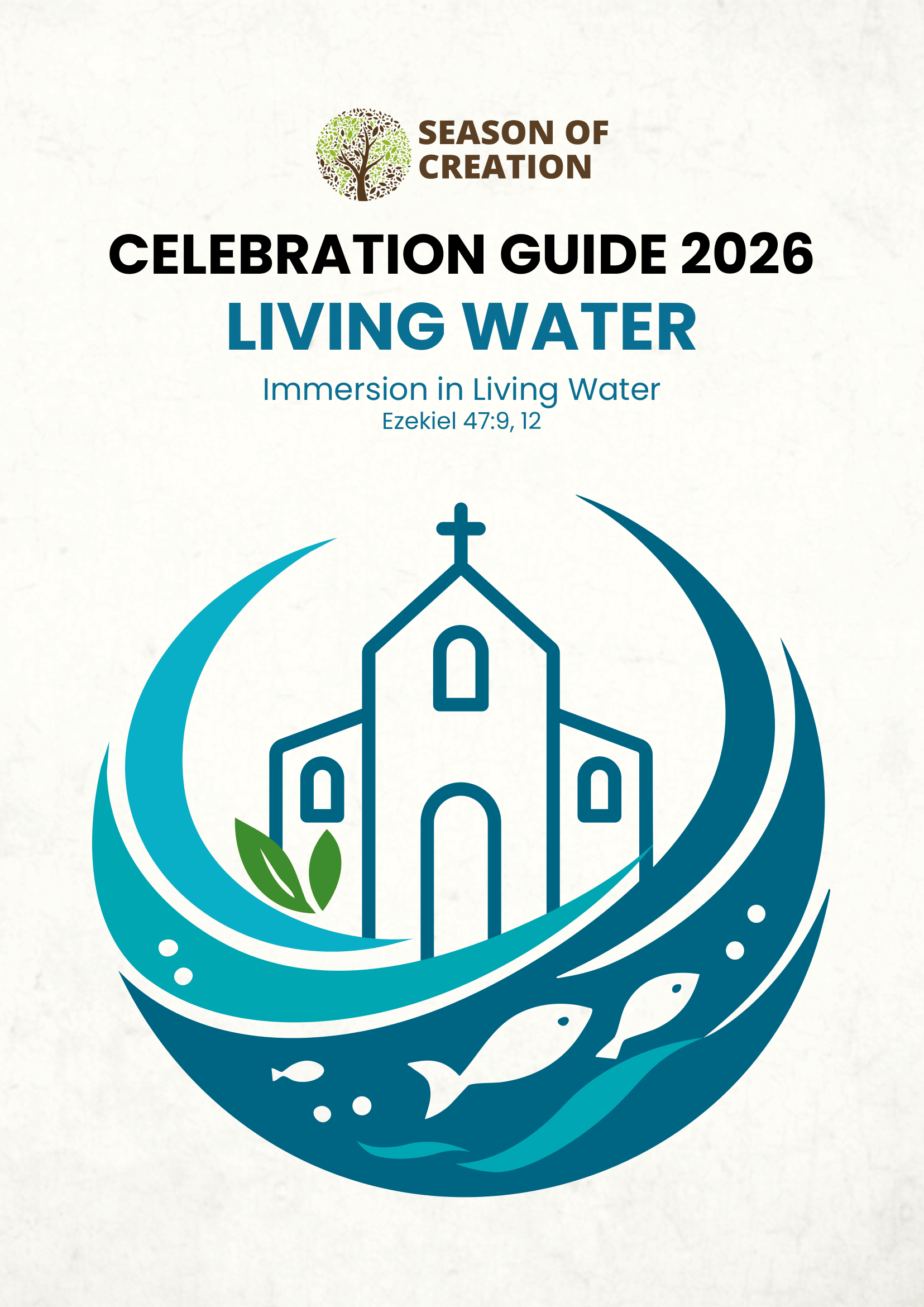
The Middle East Council of Churches also concludes the "Season of Creation" in the region in October 2026, which this year carries the theme “Living Water” and the symbol “Immersion in Living Water,” inspired by Ezekiel 47:9 and 12.
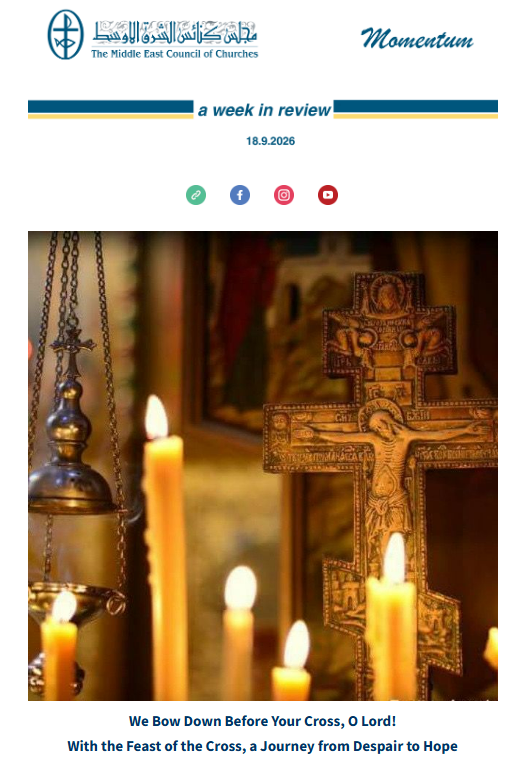
“Momentum”
18-9-2026
This issue includes reports, videos, news, articles, and a full coverage of the latest developments of the Middle East Council of Churches (MECC), as well as the Church, Ecumenical, and social events…
This is in addition to the weekly word of the MECC Secretary General Professor Michel Abs which is entitled in this issue "Distorting Facts and Falsifying Documents, When the Corrupt Run Institutions - Part One".
You can check the issue via the following link: https://mailchi.mp/4219c9817950/momentum-mecc-weekly-newsletter.
You can also subscribe to the Momentum Newsletter via the following link:
https://mecc.us14.list-manage.com/subscribe?id=fd3381352a&u=1db32cafe9ea32b38eb90480a.
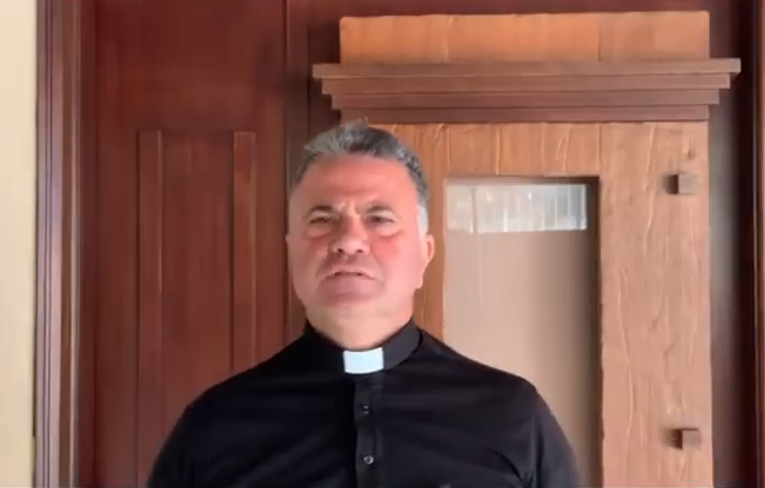
Video – A Reflection by Fr. Dr. Michel Kanbar
Pastor of St. Joseph’s Parish, Al-Hajje, Lebanon
University Professor, Writer, and Historian
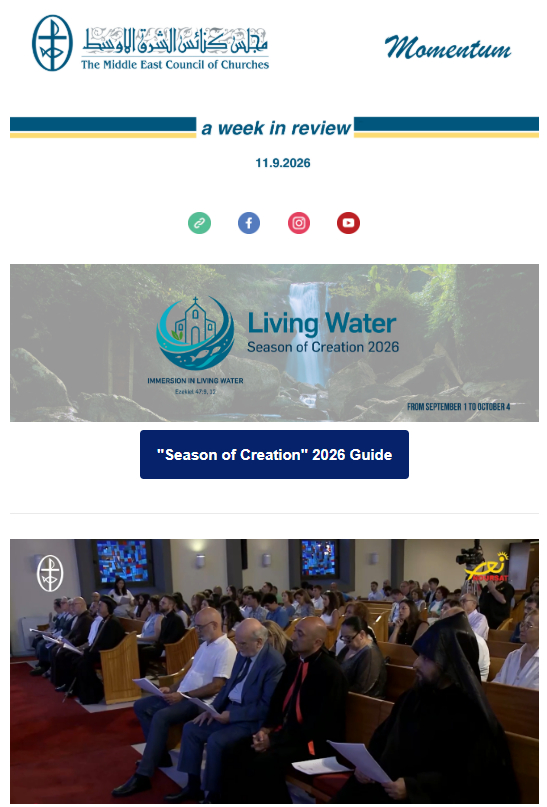
“Momentum”
11-9-2026
This issue includes reports, videos, news, articles, and a full coverage of the latest developments of the Middle East Council of Churches (MECC), as well as the Church, Ecumenical, and social events…
This is in addition to the weekly word of the MECC Secretary General Professor Michel Abs which is entitled in this issue "Water for Life". It is the word he delivered at the MECC Celebration for the “Season of Creation”, on Sunday 6 September 2026, at the National Evangelical Church of Beirut.
You can check the issue via the following link: https://mailchi.mp/41b112cd3fee/momentum-mecc-weekly-newsletter.
You can also subscribe to the Momentum Newsletter via the following link:
https://mecc.us14.list-manage.com/subscribe?id=fd3381352a&u=1db32cafe9ea32b38eb90480a.

Address by the Secretary General of the Middle East Council of Churches
Professor Michel Abs
at the Celebration of the Season of Creation
Sunday, September 6, 2026
National Evangelical Church of Beirut
Your Eminences and Reverend Fathers,
Your Eminences and distinguished religious leaders,
Dear sisters and brothers,
We gather today at the National Evangelical Church of Beirut to inaugurate together the Season of Creation, this time during which the Church invites us to reconsider our relationship with creation—not merely as the material setting in which we live, but as a gift from God and a trust placed in our hands by the Creator, so that we may use it wisely, preserve it, and pass it on to generations yet unborn.
At the heart of our reflection this year stands water—that substance which appears so simple, yet is so profound in meaning, and without which life cannot exist.
But before speaking about water, we must stand in reverence before the majesty of the Creator and the greatness of the very act of creation. Creation is not merely the shaping of what already exists. In the understanding of faith, it is the passage from nothingness into existence. That something should exist where previously there was nothing, and that life, order, beauty, and diversity should emerge, is a mystery beyond the human capacity fully to comprehend or grasp. When we contemplate creation, from the smallest cell to the vastest ocean, we are not simply contemplating silent matter; we stand before the traces of a divine act that brought existence out of nothingness and endowed life with the capacity to continue and renew itself…
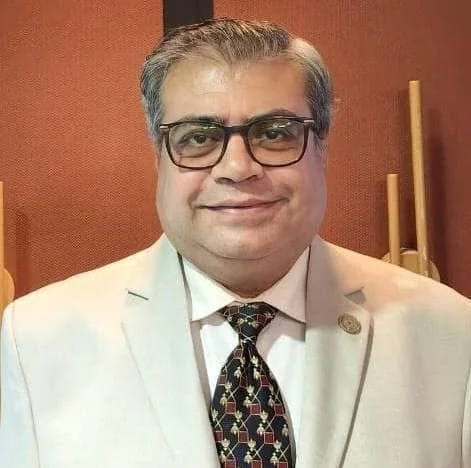
Under the Theme “Living Water”
Beirut – Sunday, September 6, 2026
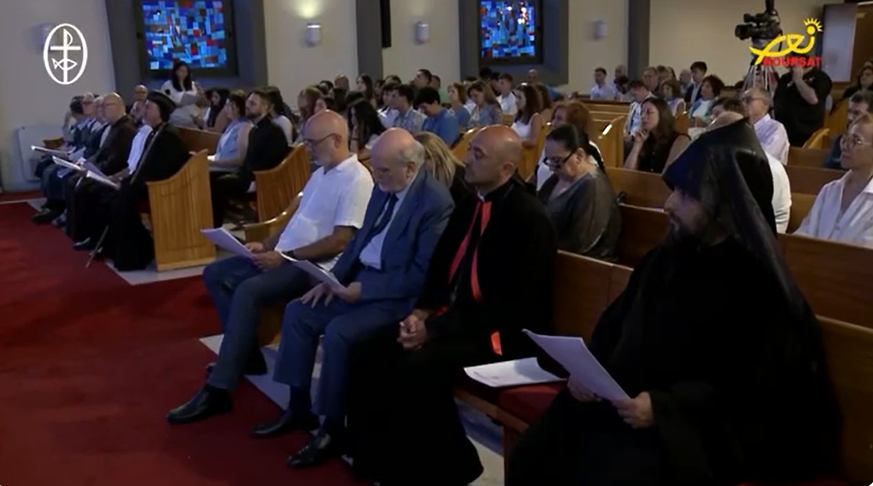
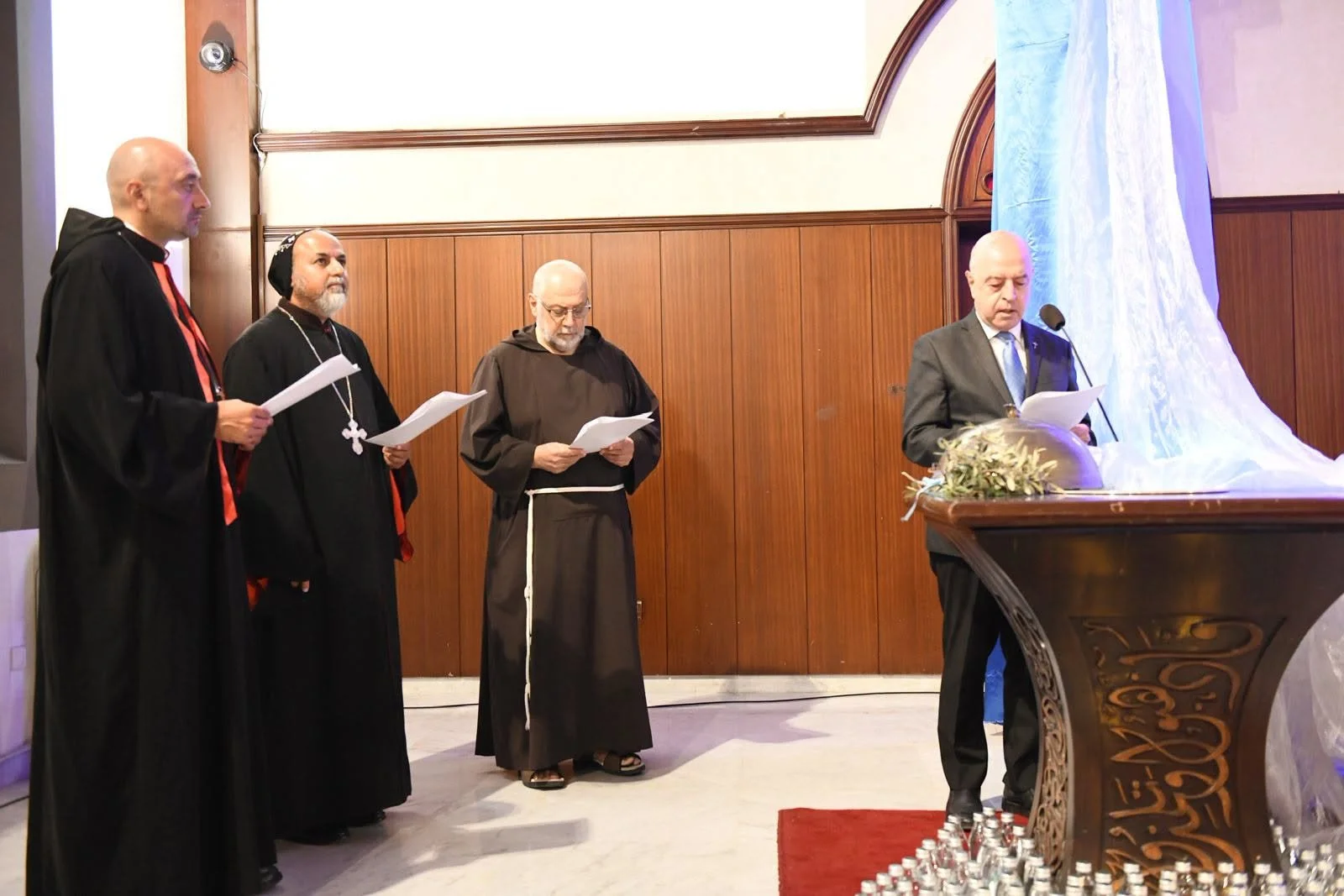
The Middle East Council of Churches (MECC) inaugurated the Season of Creation 2026 in Lebanon on the evening of Sunday, September 6, at the National Evangelical Church in Beirut, through an Ecumenical Prayer Service held under this year’s theme, “Living Water.” The Service brought together representatives of various Church Families in an encounter of Prayer, fellowship, and reflection on the gift of water and humanity’s responsibility to care for creation.
The celebration was attended by Reverend Dr. Paul Haidostian, President of the Union of the Armenian Evangelical Churches in the Near East (UAECNE), President of Haigazian University in Lebanon, and MECC President for the Evangelical Family, and the MECC Secretary General Professor Michel Abs, along with Bishops, Priests, Pastors, Monks and Nuns, Representatives of Churches, organizations and youth movements, as well as many believers.
The Prayer Service included hymns performed by choirs and chanters from different Christian traditions: the Laudato Si’ Choir with Subdeacon Charbel Bou Machrek Chanter Deacon Ghazar Koushkrian, accompanied on the piano by Hampik Marderosian, a choir from the National Evangelical Church’s youth, and the St. Theophan the Hymnographer Choir. Together, they presented a rich musical tapestry reflecting the diversity of Christian traditions in the unity of Prayer and praise.
And Celebrates the "Season of Creation” During this Month
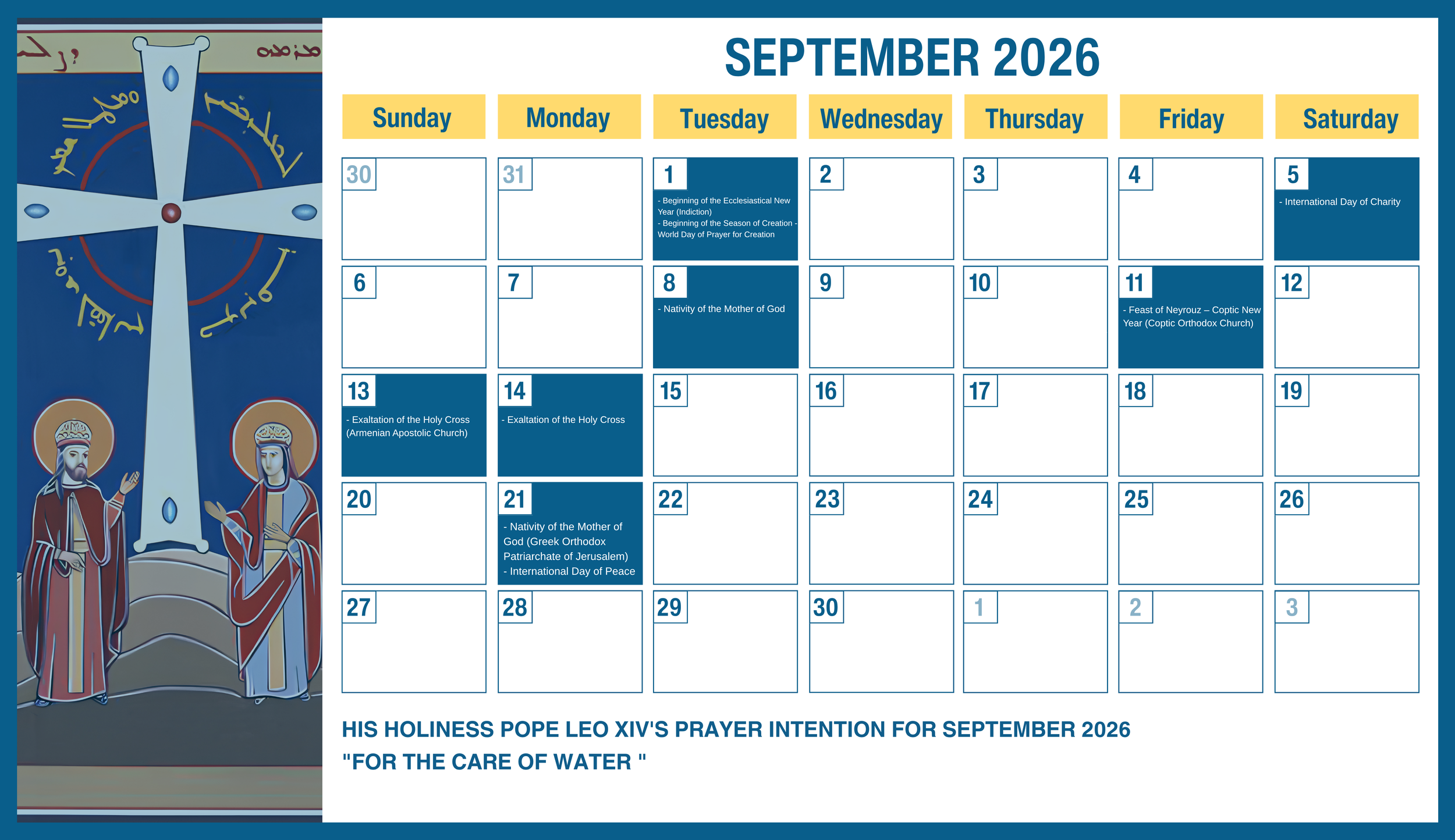
The Middle East Council of Churches (MECC) have now issued its online Ecumenical calendar for the month of September 2026. It includes the Ecclesiastical and Liturgical Feasts of the various Families of Churches in the Middle East. In addition to international days identified by the United Nations, and which are related to the MECC identity and its spiritual and human mission.
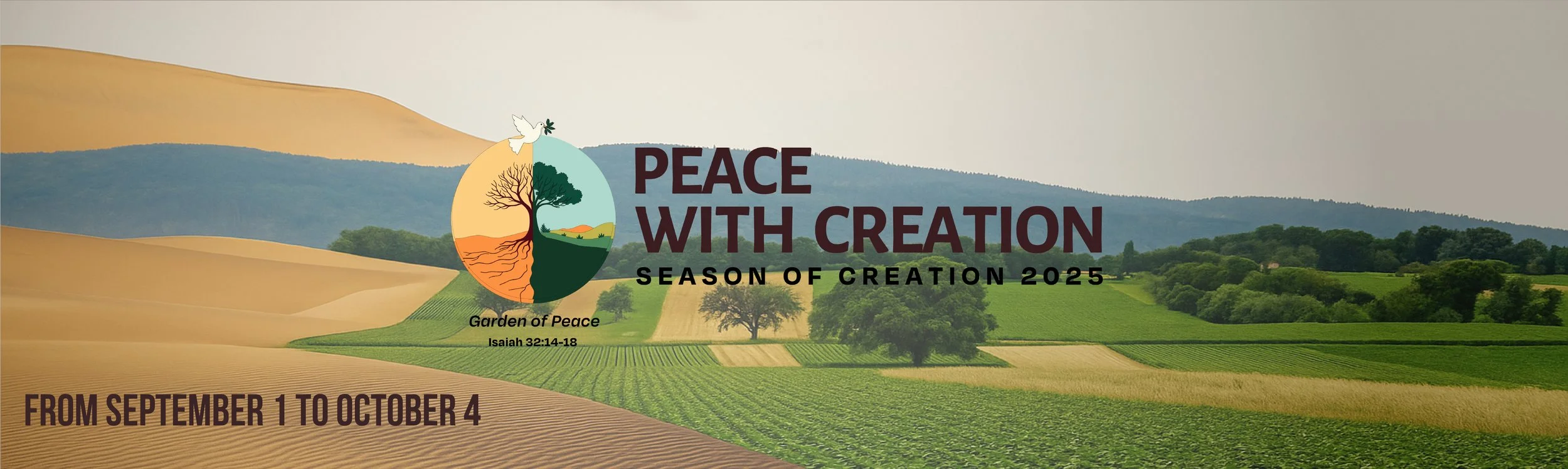
As well as, MECC celebrates the “Season of Creation” between September 1 and October 4, bearing this year the theme “Living Water” and the symbol “Immersion in Living Water,” inspired by Ezekiel 47:9 and 12.

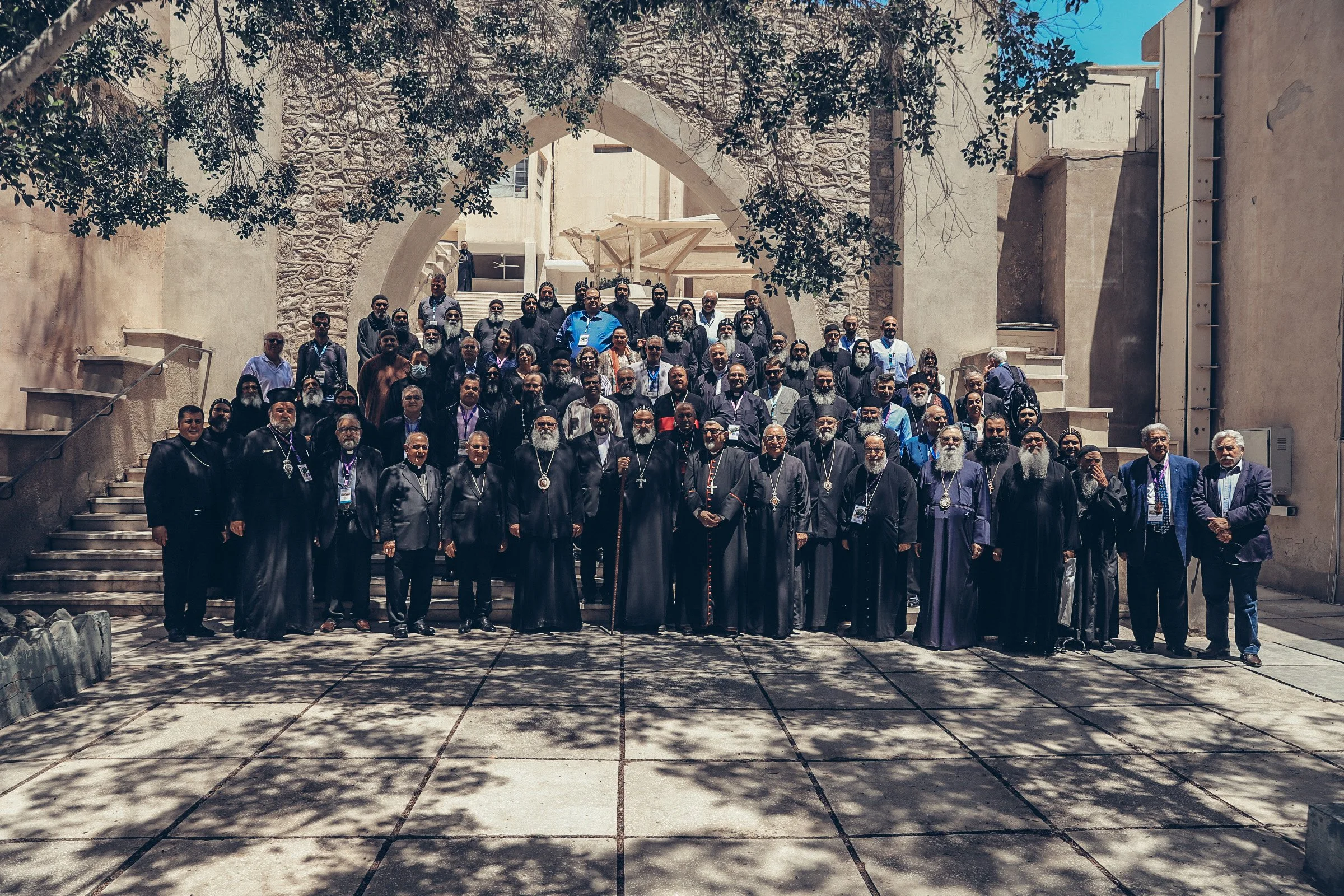
A photo album from the pilgrimage visits made by the participants during the fourth day of the MECC 12th General Assembly, to many Coptic Monasteries.

Middle East Council of Churches
The Logos Center - the Papal residence in the Monastery of Anba Bishoy - Wadi El-Natrun, Egypt
16-20 May 2022
“Take courage, it is I, do not be afraid” (Matthew 14:27)
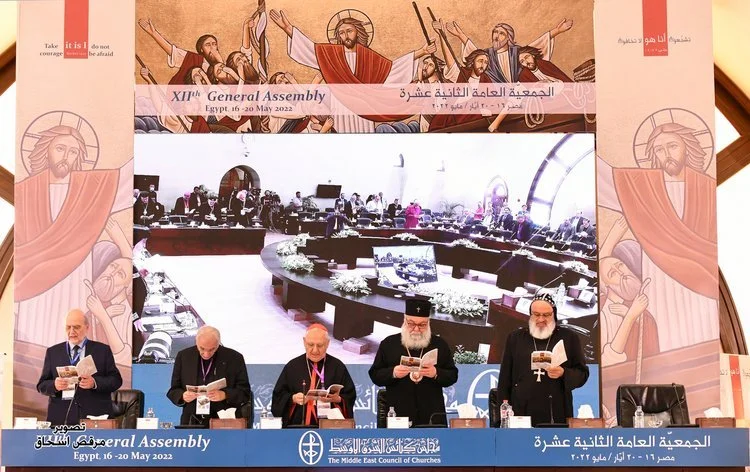
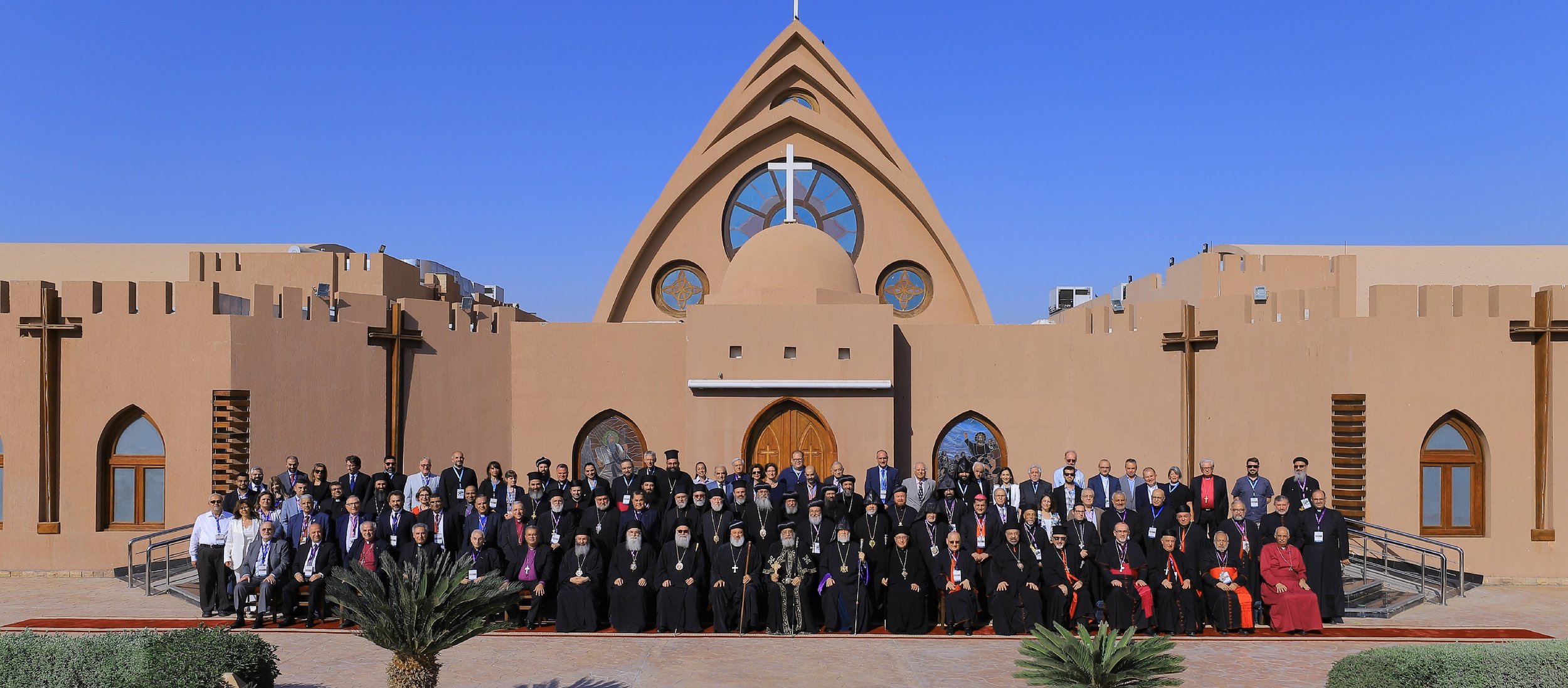
1) Under this theme, the Twelfth General Assembly of the Middle East Council of Churches (MECC) met in the Arab Republic of Egypt for the first time since its establishment, with the participation of the member churches of the four ecclesiastical families that make up the Council: the Eastern Orthodox family, the Orthodox family, the Catholic family, and the Evangelical family, through May 16-20, 2022, with the kind hospitality of His Holiness Pope Tawadros II, Pope of Alexandria and Patriarch of the See of St. Mark for the Coptic Orthodox, at the Logos Center - the Papal residence of the Monastery of Anba Bishoy in Wadi Natroun, and in the presence of the Presidents of the MECC: Mor Ignatius Aphram II, Patriarch of Antioch and all the East and Supreme Head of the Syriac Orthodox Church throughout the world, John X, Patriarch of Antioch and all the East for the Greek Orthodox Church, Cardinal Louis Raphael Sako, Patriarch of the Chaldeans in Iraq and the world, and Reverend Dr. Habib Badr, head of the National Evangelical Union in Lebanon, Heads of member churches or their representatives, members of the Executive Committee, Secretary General Dr. Michel Abs, and the MECC team, with the participation of representatives of churches and ecumenical bodies.
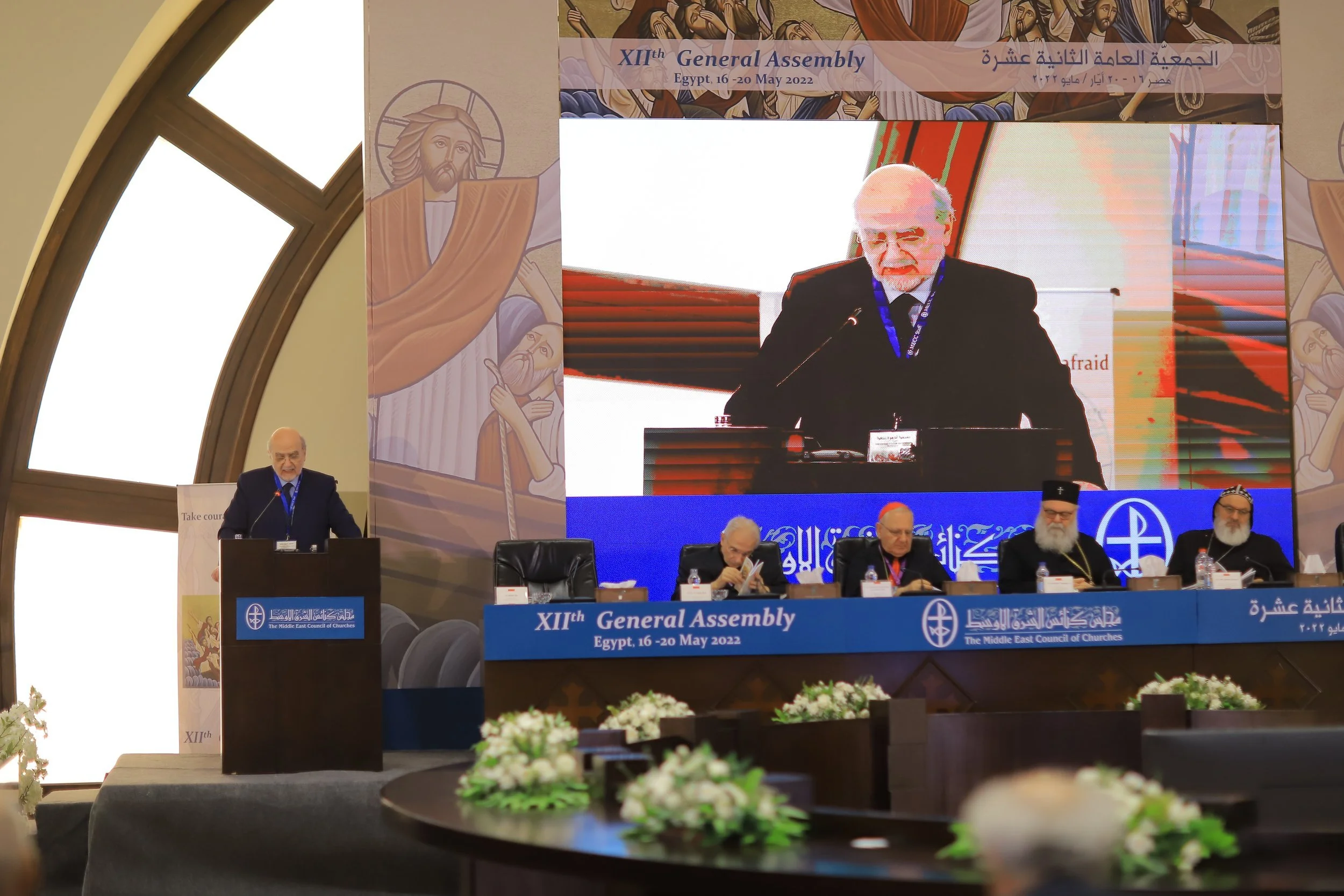
Workshops, Studies and a First Reading of the Draft Final Statement
With great hope, the Middle East Council of Churches continued the activities of its 12th General Assembly on its third day, on Wednesday May 18, 2022, under the title "Take courage, it is I; do not be afraid" (Matthew 14: 27) at the Papal Logos Center in Wadi El Natrun in Egypt, hosted by the Coptic Orthodox Church, headed by His Holiness Pope Tawadros II, Pope of Alexandria and Patriarch of the See of St. Mark. The meetings of this day included discussions and studies on various theological, human, service and media levels in order to achieve the Ecumenical and societal desired goals for all the people of the region.
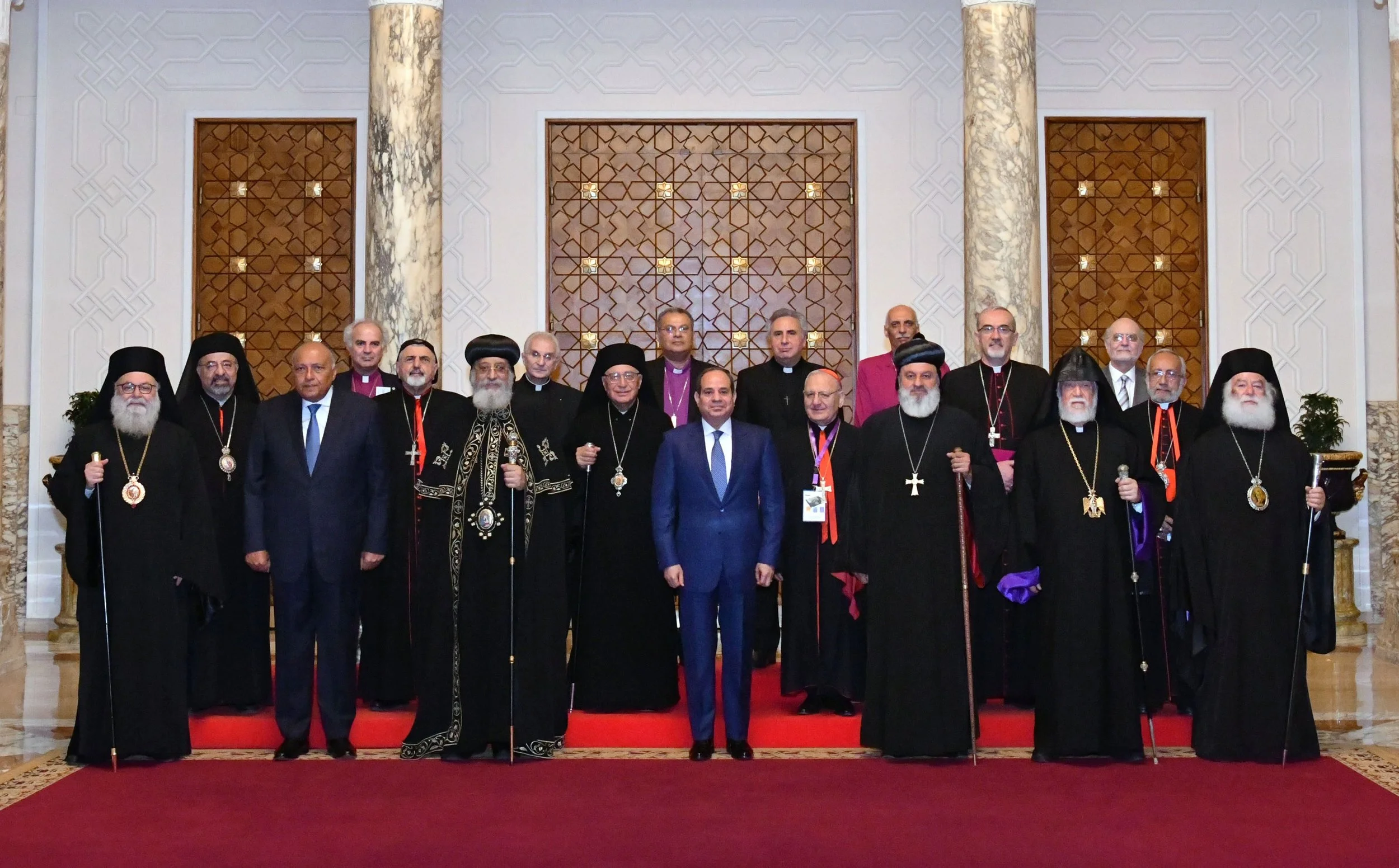
President Abdel-Fattah El-Sisi to the heads of the Eastern Churches: Christian Brothers in all Arab Countries Are an Integral Part of the Fabric of Arab Society
The Middle East Council of Churches continues its 12th General Assembly today, Tuesday 17 May 2022, under the title "Take courage, it is I; do not be afraid" (Matthew 14: 27), held at the Papal Logos Center in Wadi El Natrun in Egypt, with the generous hospitality of His Holiness Pope Tawadros II, Pope of Alexandria and Patriarch of the See of St. Mark. On the second day, the participants discussed the reality of the Christian presence in the Middle East and the most prominent threats to its existence, stressing the importance of their role in the region.
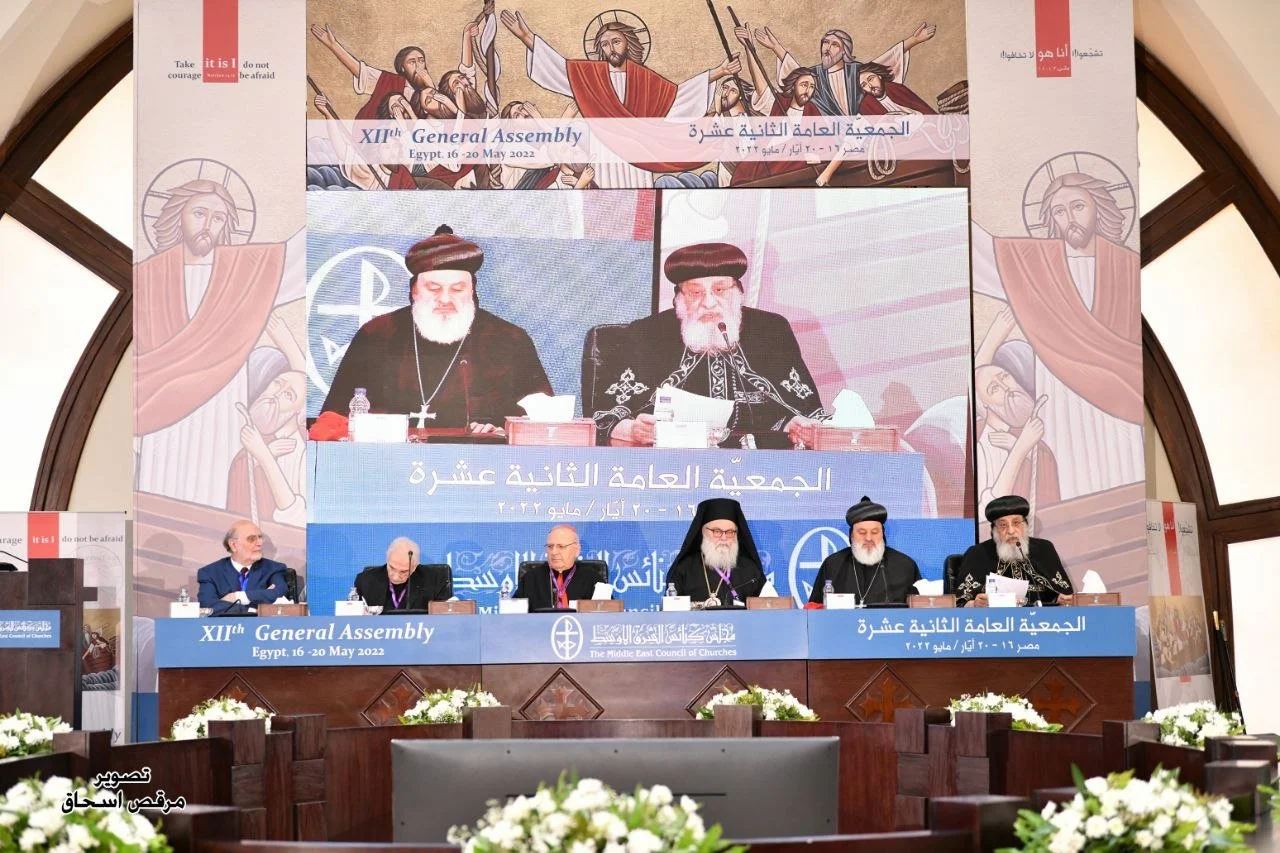
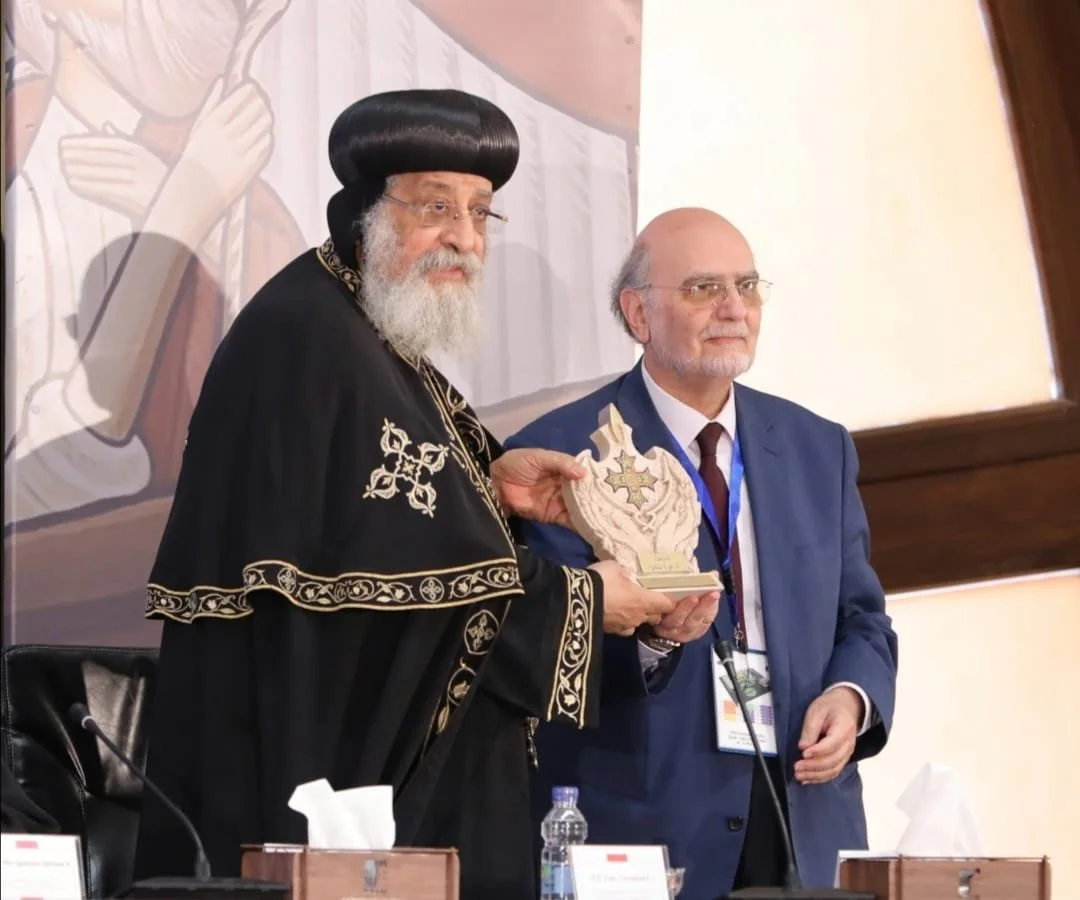
The Church of the East Denounces All Conflicts and Wars and Calls On the Christians of the Region to Cling to hope
“Take courage, it is I; do not be afraid” (Matthew 14:27)
The Middle East Council of Churches launches its 12th General Assembly, on Monday, May 16, 2022, under the title of “Take courage, it is I; do not be afraid” (Matthew 14:27) at the Logos Papal Center in Wadi El Natrun, Egypt, with the generous hospitality of His Holiness Pope Tawadros II, Pope of Alexandria and Patriarch of the See of St. Mark, and with the support of the Evangelical Church in Egypt. The Assembly is attended by representatives of 21 Churches from the Middle East. They all stressed on the importance of renewal and attachment to hope and to our faith in Jesus Christ, because with His presence we are neither afraid or discouraged. As well as, they stressed on the need to cling to our East and Land, the Cradle of Christianity.

“Take courage, it is I; do not be afraid” (Matthew 14:27) was the title of the twelfth General Assembly of the Middle East Council of Churches, which was held between 16 and 20 May 2022, at the Papal Logos Center in Wadi El Natrun in Egypt, with the generous hospitality of His Holiness Pope Tawadros II, Pope of Alexandria and Patriarch of the See of St. Mark, and the support of Reverend Dr. Andrea Zaki, President of the Evangelical Churches in Egypt and its institutions. The Assembly was an Ecumenical gathering that brought a lot of hope to the people of the wounded Middle East... It was also a historic Ecclesiastical event that emphasized the importance of the Christian presence and role in the region.
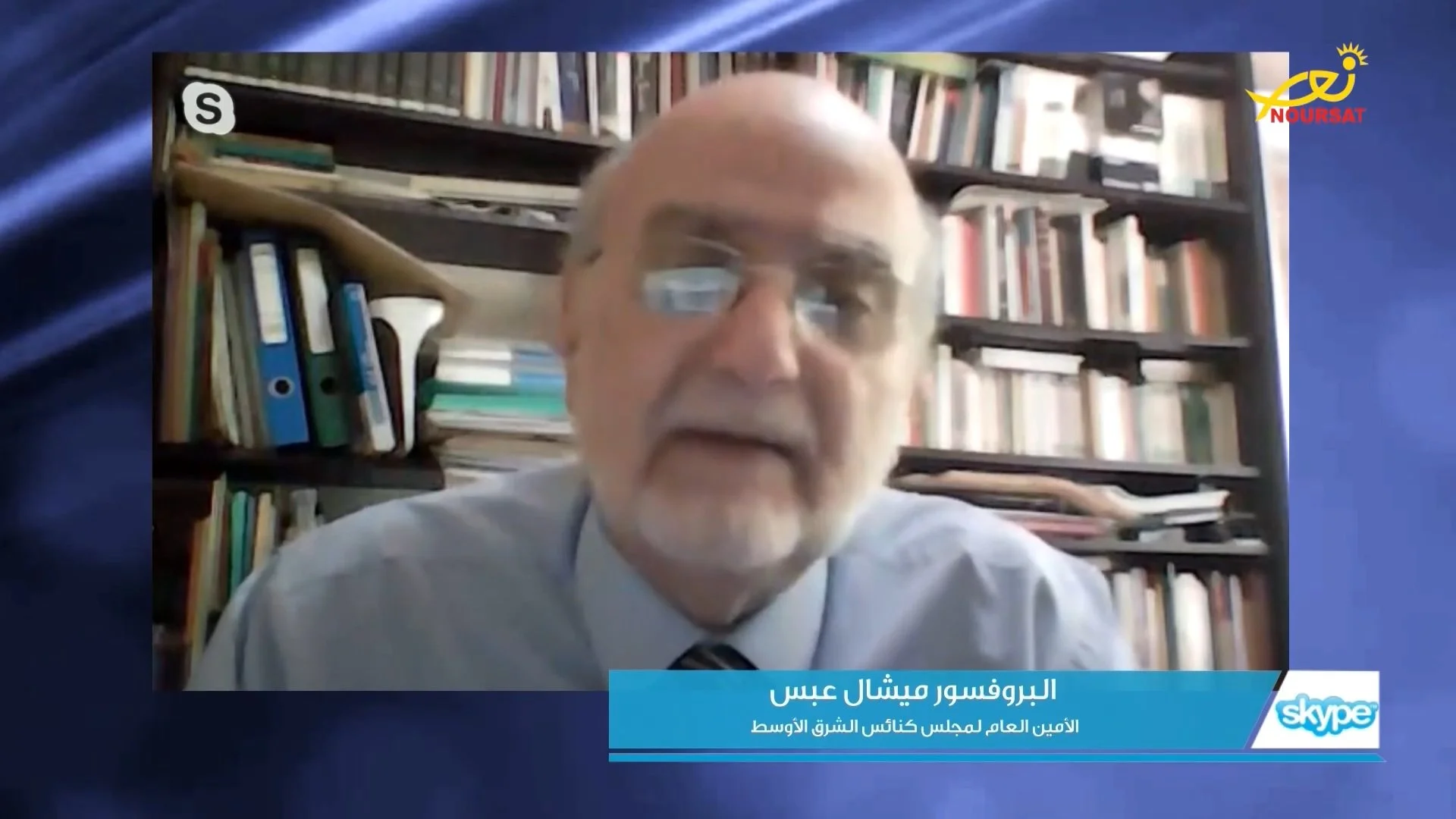
The MECC Secretary General Dr. Michel Abs was the guest of “Al Nour Maana” program (which means “The Light is with Us”) with Lea Maamari, on Télé Lumiere and Noursat, on Tuesday, May 24, 2022. During the episode, Dr. Abs shed light on the activities of the MECC 12th General Assembly and its final statement, as well as, the projects and activities that will be implemented in the post General Assembly period.
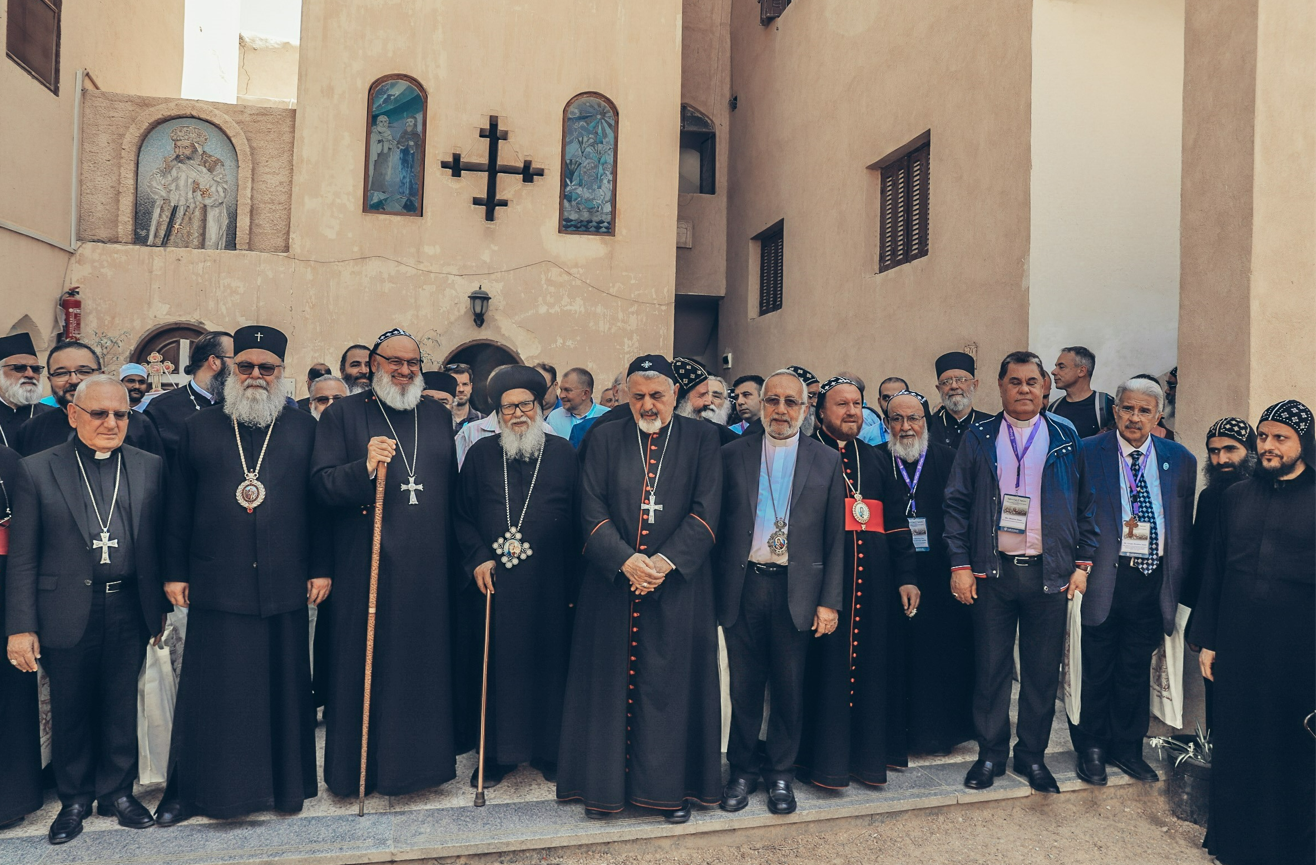
The report presents a recap of the pilgrimage visits to many Coptic Monasteries made by the participants of the MECC 12th General Assembly on its last day. The visits were to the Monastery of the Virgin Mary known as Al-Baramous Monastery and Monastery of the Saint Anba Bishoy, Monastery of the Virgin Mary known as the Syriac Monastery and Monastery of St. Makarios known as Monastery of Abu Makar, and Monastery of the Saint Martyr Mar Mina and Pope Kyrillos Shrine. The video was prepared by the MECC Communication and Public Relations Department in cooperation with the Media Center affiliated to the Coptic Orthodox Church in Egypt.
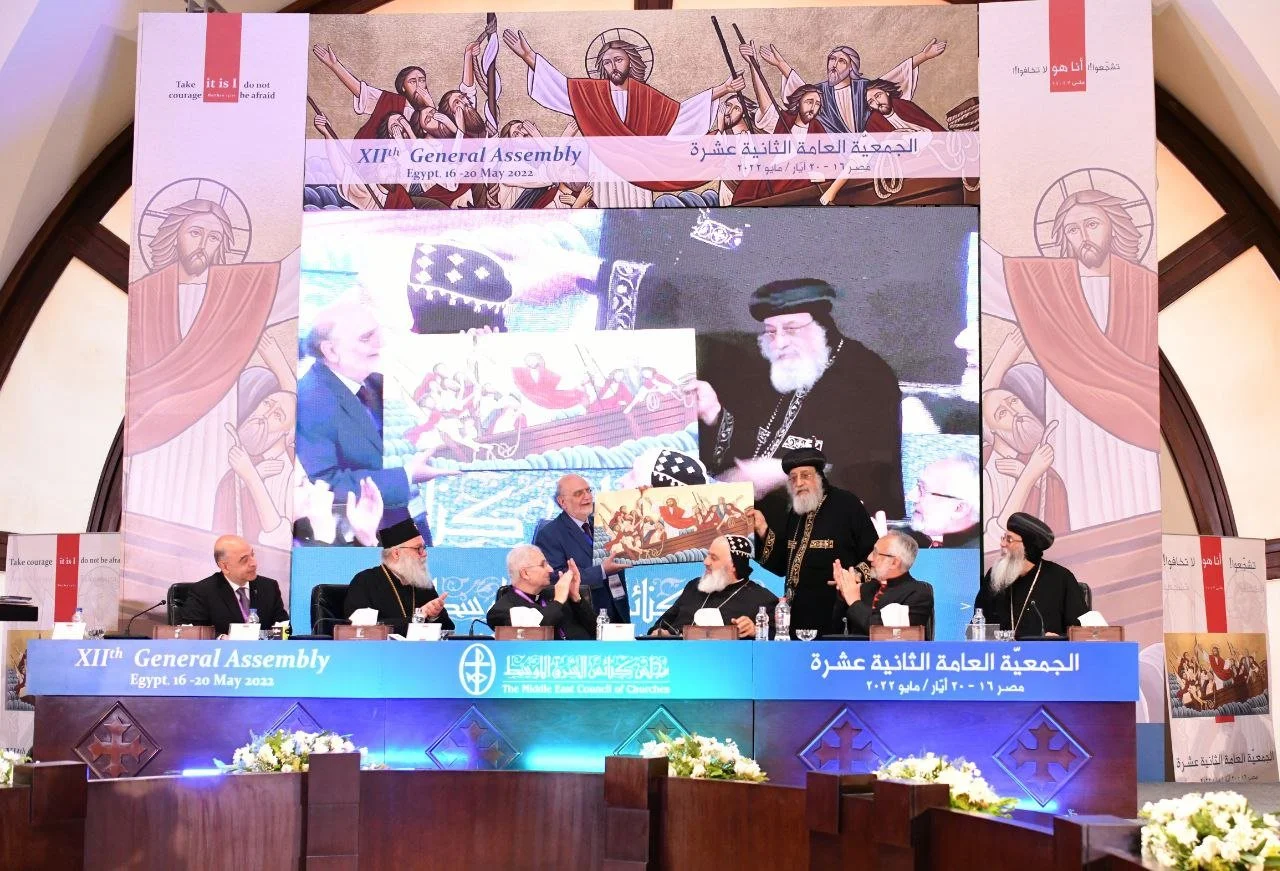
You can find a report about the activities and meetings of the last day of the MECC 12th General Assembly held under the title "Take courage, it is I; do not be afraid" (Matthew 14: 27). The video was prepared by the MECC Communication and Public Relations Department in cooperation with the Media Center affiliated to the Coptic Orthodox Church in Egypt.
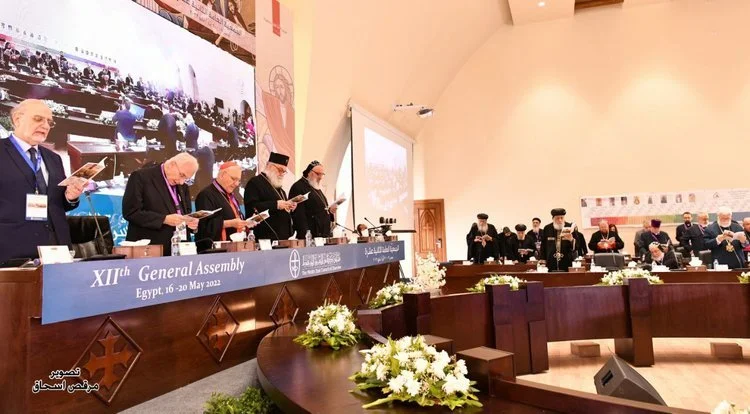
The report presents the opinions of some participants during the MECC 12th General Assembly held at the Papal Logos Center in Wadi El Natrun in Egypt. The video was prepared by the MECC Communication and Public Relations Department in cooperation with the Media Center affiliated to the Coptic Orthodox Church in Egypt.
The report presents the opinions of some participants during the MECC 12th General Assembly held at the Papal Logos Center in Wadi El Natrun in Egypt. The video was prepared by the MECC Communication and Public Relations Department in cooperation with the Media Center affiliated to the Coptic Orthodox Church in Egypt.

The report presents the opinions of some participants in the MECC 12th General Assembly. They all called on to cling to hope, because with God we do not fear or be discouraged, and stressed on the importance of solidarity and building bridges with the others. The video was prepared by the MECC Communication and Public Relations Department in cooperation with the Media Center affiliated to the Coptic Orthodox Church in Egypt.

In the report, you can find the activities and meetings of the second day of the MECC 12th General Assembly. The video was prepared by the MECC Communication and Public Relations Department in cooperation with the Media Center affiliated to the Coptic Orthodox Church in Egypt.
Watch the Highlights of the First Day
The report presents the highlights of the opening of the MECC 12th General Assembly under the theme of “Take courage, it is I; do not be afraid” (Matthew 14:27), at the Papal Logos Center in Wadi El Natrun in Egypt. The video was prepared by the MECC Communication and Public Relations Department in cooperation with the Media Center affiliated to the Coptic Orthodox Church in Egypt.
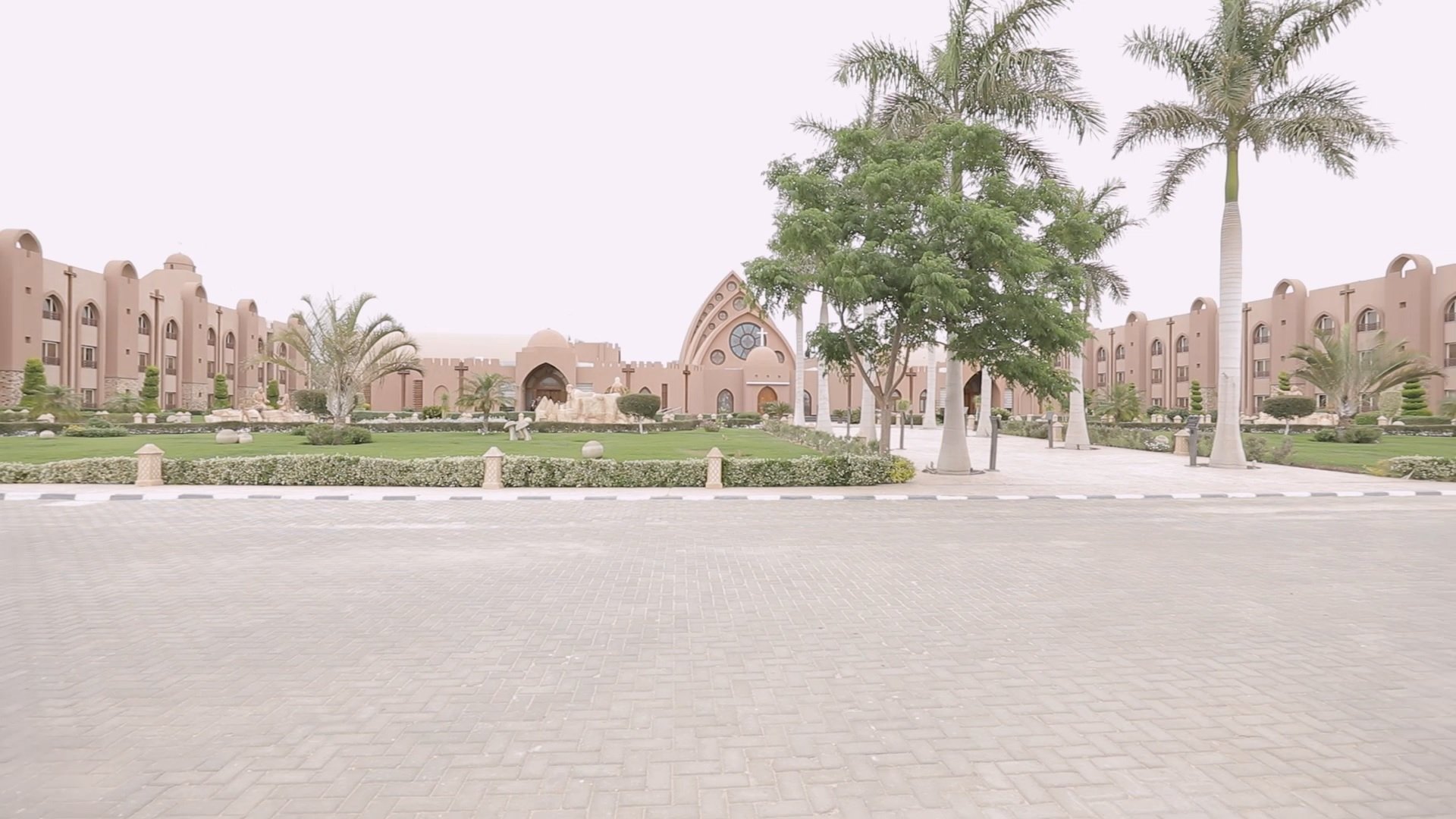
The report presents a brief overview about the Papal Logos Center in Wadi El Natrun in Egypt, this historical place where the MECC 12th General Assembly is being held, hosted by His Holiness Pope Tawadros II, Pope of Alexandria and Patriarch of the See of St. Mark. The video was prepared by the MECC Communication and Public Relations Department in cooperation with the Media Center affiliated to the Coptic Orthodox Church in Egypt.
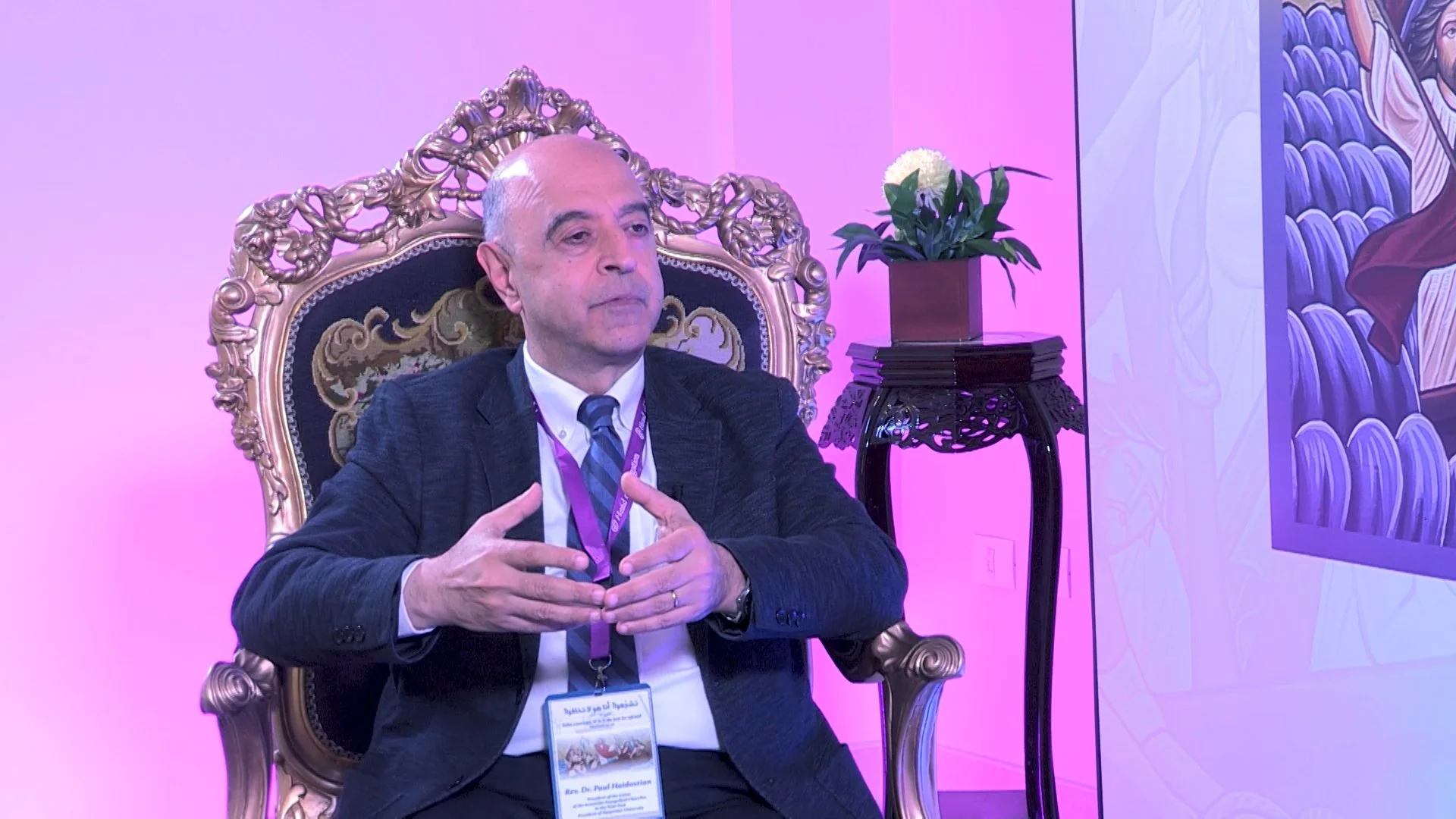
The MECC Communication and Public Relations Department presents in cooperation with the Media Center affiliated to the Coptic Orthodox Church in Egypt C.O.C, a special interview with Reverend Dr. Paul Haidostian, President of the Union of the Armenian Evangelical Churches in the Near East, President of Haigazian University, and MECC Elected President for the Evangelical Family, during the MECC 12th General Assembly held with the hospitality of His Holiness Pope Tawadros II, Pope of Alexandria and Patriarch of the See of St. Mark, at the Logos Papal Center in Wadi El Natrun in Egypt.
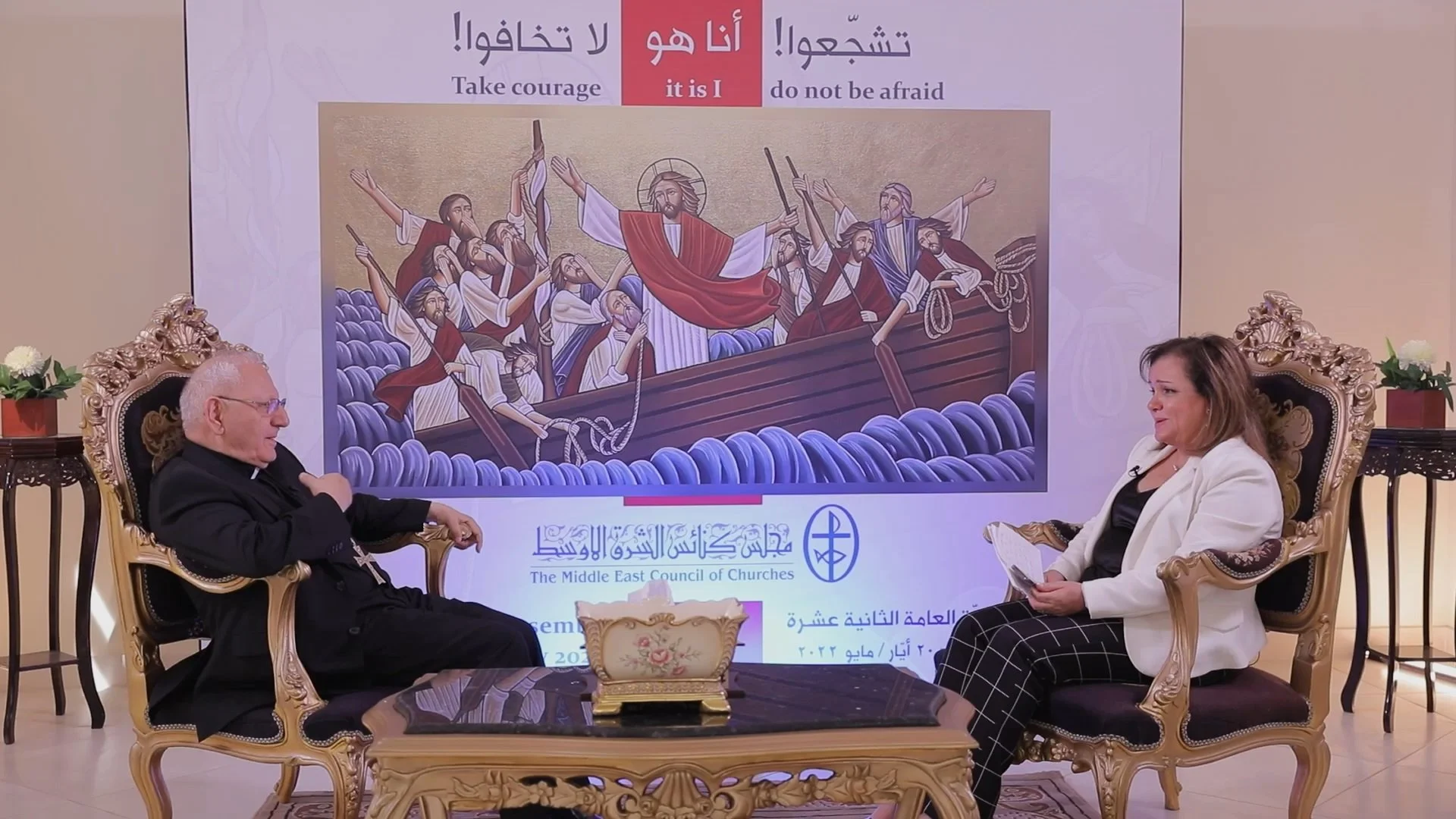
The MECC Communication and Public Relations Department presents in cooperation with the Media Center affiliated to the Coptic Orthodox Church in Egypt C.O.C, a special interview with His Beatitude Patriarch Cardinal Mar Louis Raphaël Sako, Chaldean Patriarch in Iraq and the World, and MECC Honorary President, during the MECC 12th General Assembly held with the hospitality of His Holiness Pope Tawadros II, Pope of Alexandria and Patriarch of the See of St. Mark, at the Logos Papal Center in Wadi El Natrun in Egypt.

The MECC Communication and Public Relations Department presents in cooperation with the Media Center affiliated to the Coptic Orthodox Church in Egypt C.O.C, a special interview with His Beatitude Patriarch John X, Greek Orthodox Patriarch of Antioch and All the East and MECC President for the Orthodox Family, during the MECC 12th General Assembly held with the hospitality of His Holiness Pope Tawadros II, Pope of Alexandria and Patriarch of the See of St. Mark, at the Logos Papal Center in Wadi El Natrun in Egypt.
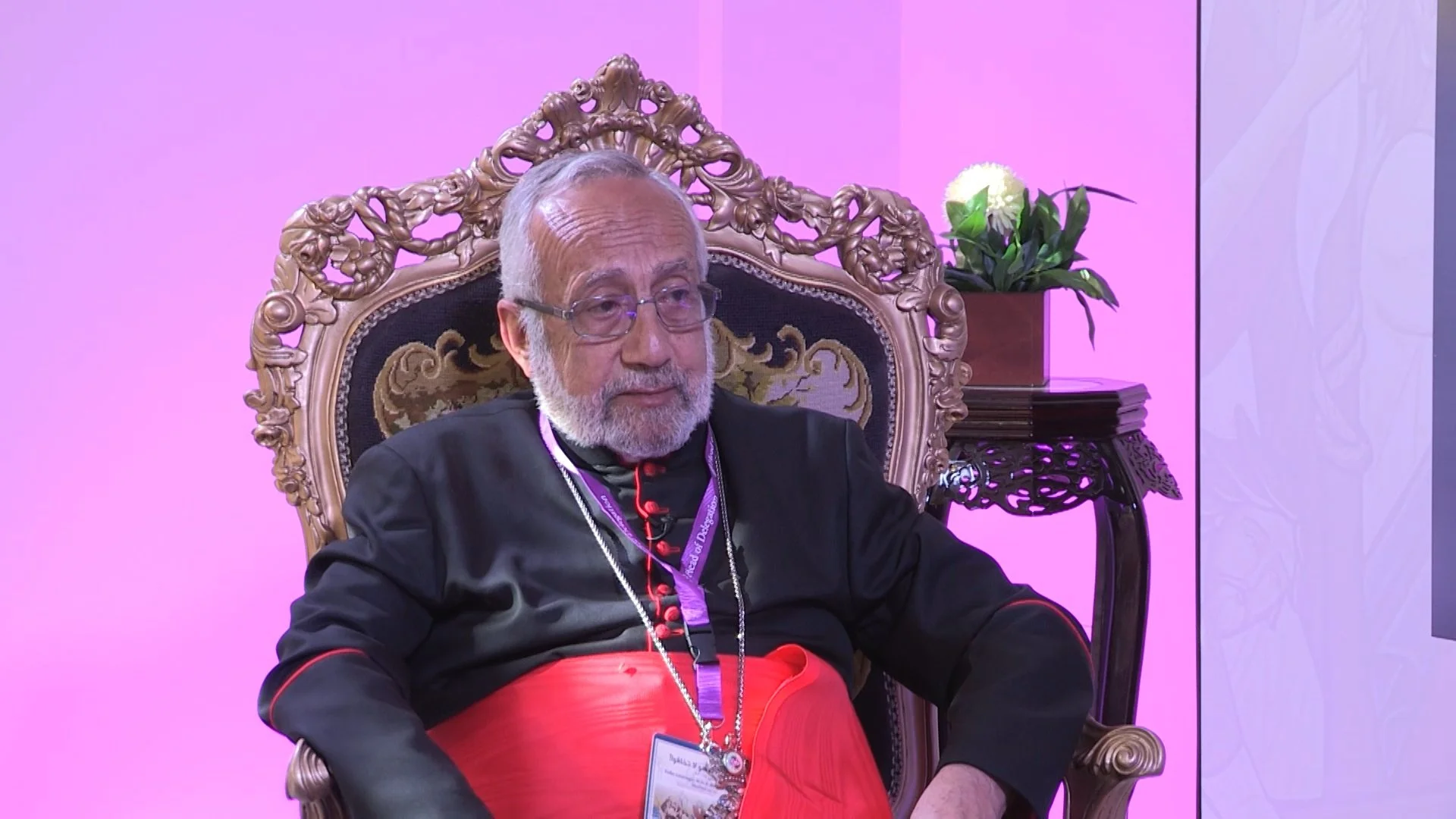
The MECC Communication and Public Relations Department presents in cooperation with the Media Center affiliated to the Coptic Orthodox Church in Egypt C.O.C, a special interview with His Beatitude Patriarch Raphaël Bedros XXI Minassian, Patriarch of the Armenian Catholic Church of Cilicia, and MECC Elected President for the Catholic Family, during the MECC 12th General Assembly held with the hospitality of His Holiness Pope Tawadros II, Pope of Alexandria and Patriarch of the See of St. Mark, at the Logos Papal Center in Wadi El Natrun in Egypt.

The MECC Communication and Public Relations Department presents in cooperation with the Coptic Orthodox Church’s Spokesperson in Egypt and the Media Center affiliated to the Coptic Orthodox Church in Egypt, a special interview with His Holiness Pope Tawadros II, Pope of Alexandria and Patriarch of the See of St. Mark, who hosted the MECC 12th General Assembly held at the Logos Papal Center in Wadi El natrun in Egypt.

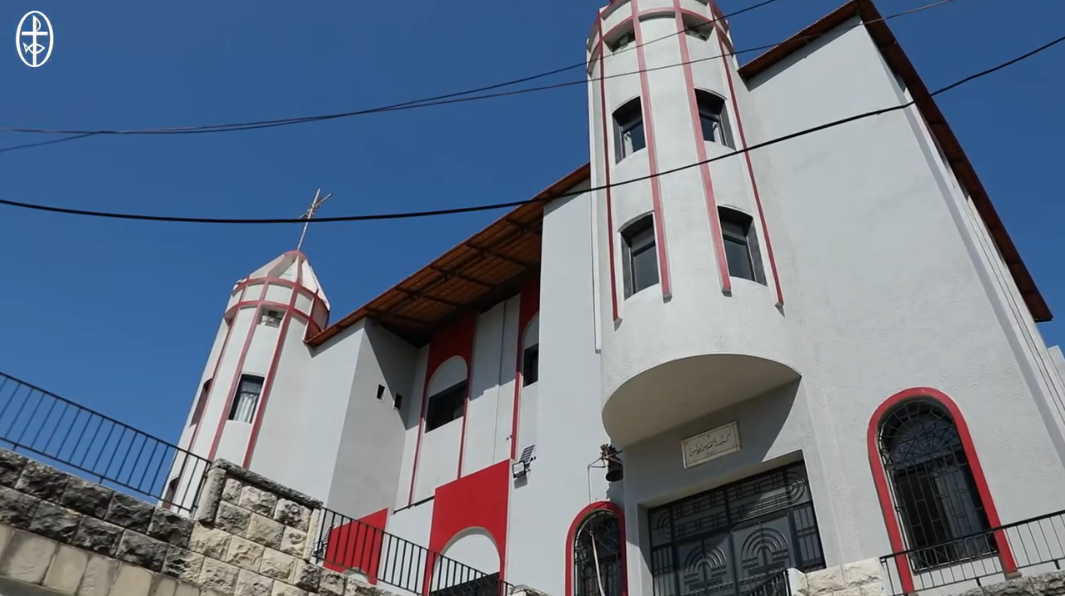
after it suffered severe damage as a result of the earthquake that occurred in the region during the year 2023
This restoration is part of the Program “Restoration Fund for Rehabilitation of Faith-based Social Services & Religious Infrastructure Damaged During the Crisis in Syria”

As part of the Program “Restoration Fund for Rehabilitation of Faith-based Social Services & Religious Infrastructure Damaged During the Crisis in Syria”
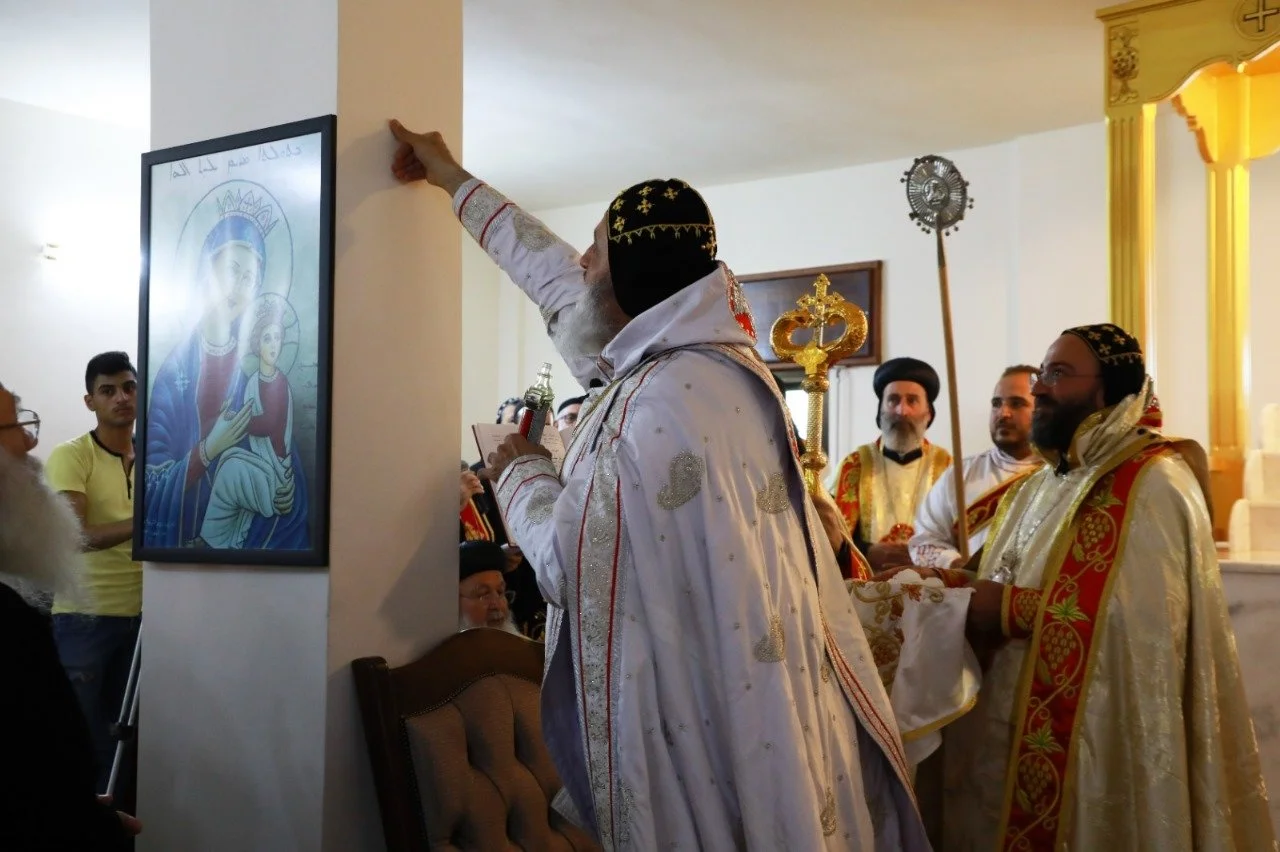
MECC Contributes in Its Restoration in Cooperation with “Kerk in Actie”
His Holiness Patriarch Mor Ignatius Aphrem II, Patriarch of Antioch and All the East and Supreme Head of the Universal Syriac Orthodox Church, inaugurated, in the presence of a delegation from the Middle East Council of Churches, the Monastery of St. Antonios in the Wilderness of Sadad. His Holiness also consecrated St. Antonios Church at the Monastery. The ceremony took place on Wednesday, September 27, 2023.
During the consecration, His Holiness was assisted by their Eminences Archbishops: Mor Timotheos Matta Al-Khoury, Archbishop of Homs, Hama, Tartous and Environs, Mor Theophilus George Saliba, Patriarchal Advisor, Mor Maurice Amsih, Archbishop of Jazeera and Euphrates, Mor Boutros Kassis, Archbishop of Aleppo and Environs, Mor Yacoub Babawi, Patriarchal Vicar for the Affairs of Monks and the Administration of Mor Aphrem Theological Seminary, Mor Joseph Bali, Patriarchal Assistant, Mor Christophoros Markose Abraham, Patriarchal Secretary for the Affairs of the Church in India, Mor Augeen Al Khoury Nemat, Patriarchal Secretary, Bishop Mor Iwannis Boulos Al-Souqi, and Armenian Orthodox Archbishop of Damascus Armash Nalbandian.
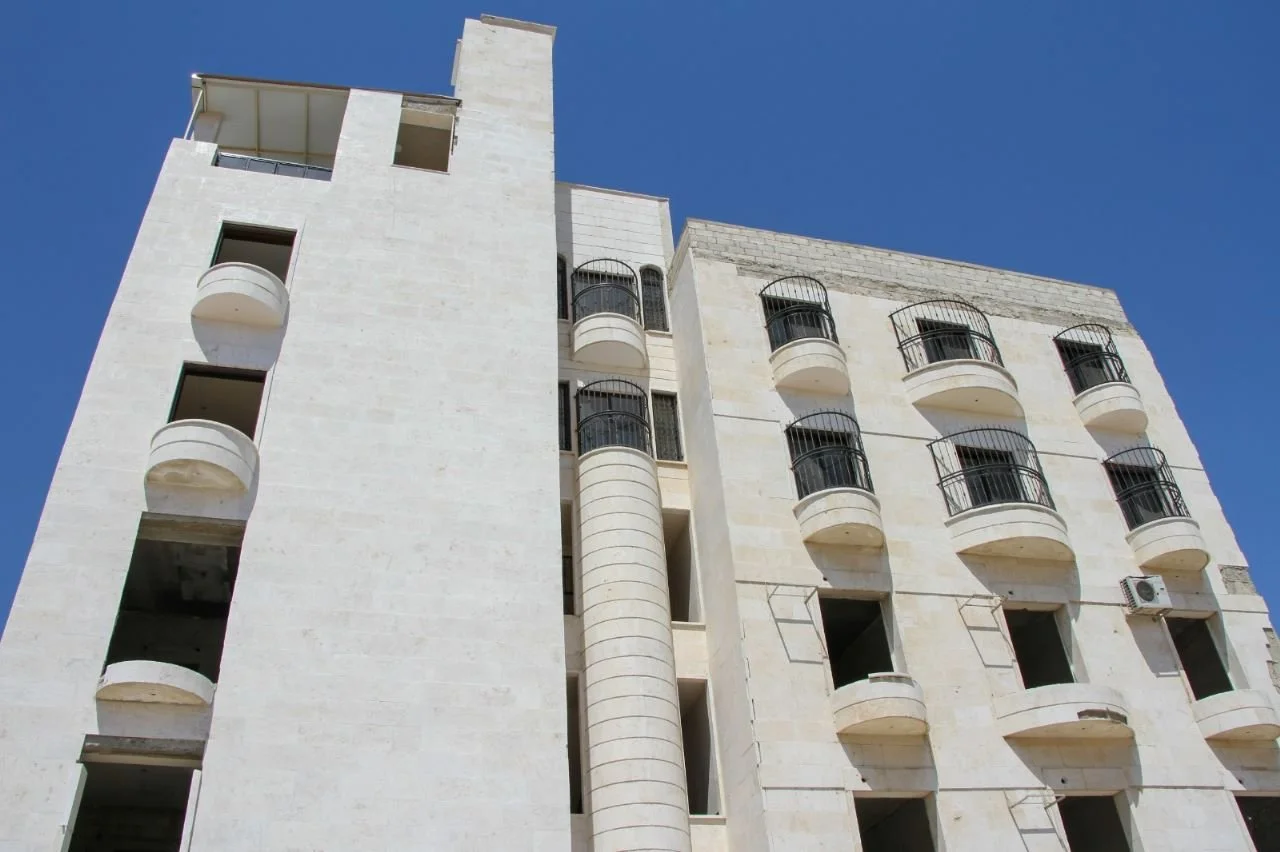
The war in Syria has forced thousands of young people to travel in search of a better life, leaving behind them elderly parents who require care and attention. This has increased the number of elderlies in need of someone to provide them with the necessary care and support. Hence, the Middle East Council of Churches and the Syriac Orthodox Patriarchate in Syria have undertaken the restoration of the Al-Rahmeh home for elderly as part of the “Restoration Fund for Rehabilitation of Faith-based Social Services & Religious Infrastructure Damaged During the Crisis in Syria” that is implemented by MECC in cooperation with “Kerk in Actie” (KIA) organization in the Netherlands.
BEIRUT BLAST


DEPARTEMENTS

Theology and Ecumenism

Diakonia

Communication and Public Relations
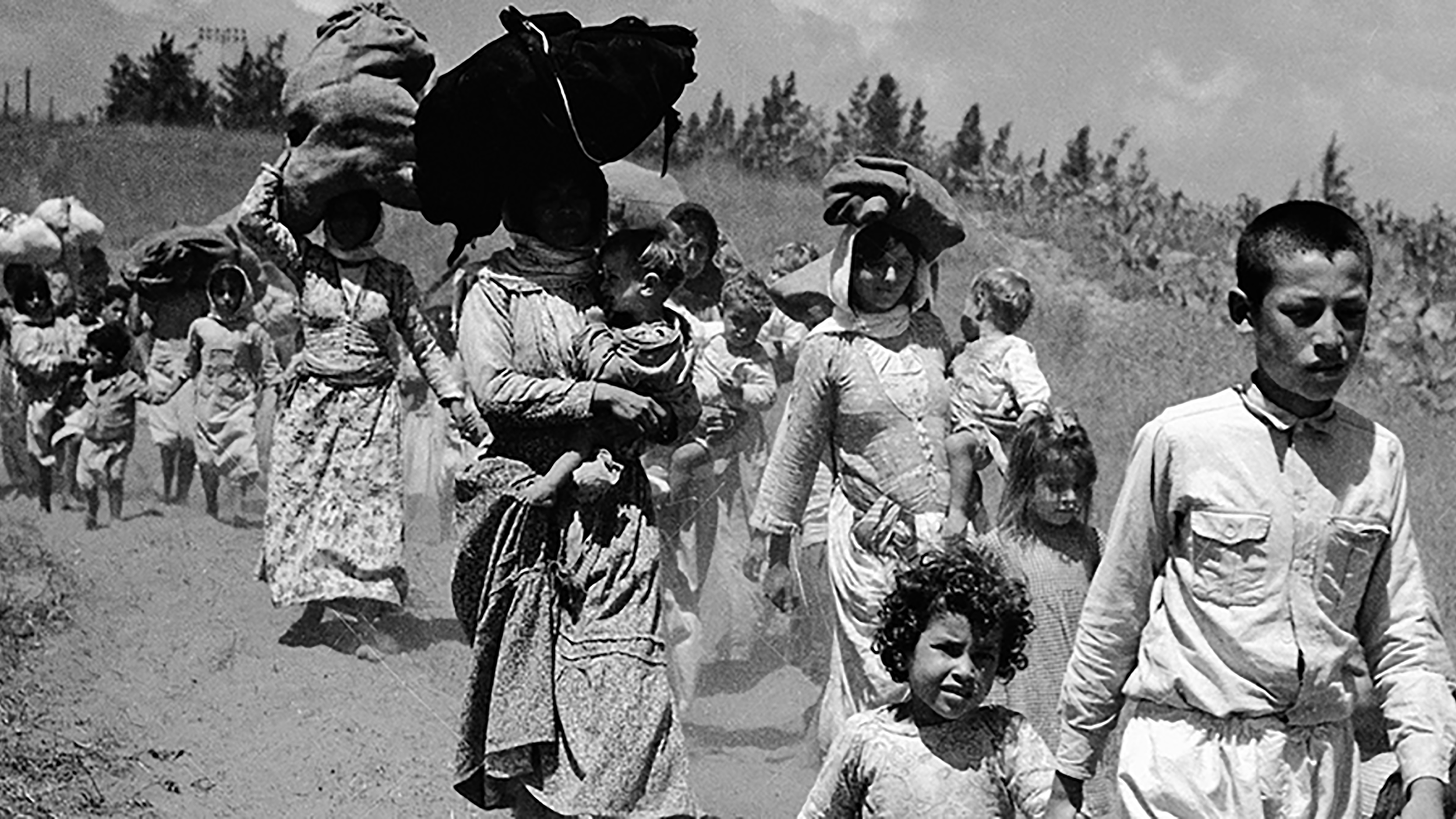
The Service of Palestinian Refugees




Condemnation of the Attack on Saint George Greek Orthodox Church in Karak – Jordan
The Middle East Council of Churches expresses its strongest condemnation and categorical denunciation of the armed attack that targeted Saint George Greek Orthodox Church in the Governorate of Karak, in the Hashemite Kingdom ofJordan, resulting in a number of deaths and injuries. This criminal act constitutes a grave violation of the sanctity of places of worship, the sacredness of human life, and human dignity.