
No End to Violence
Middle East Socioeconomic Overview
Report: October 2025
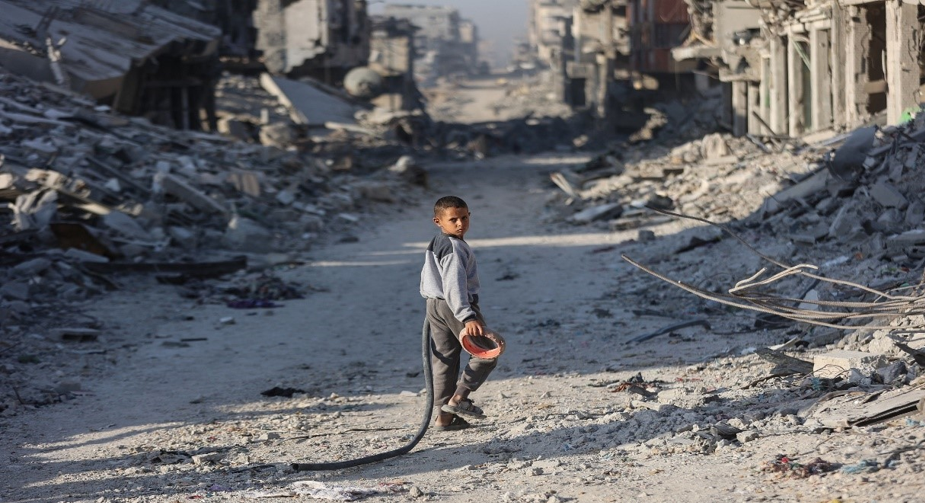
A Palestinian boy walks past the rubble of destroyed buildings in the Sheikh Radwan neighborhood of Gaza City, October 22, 2025.
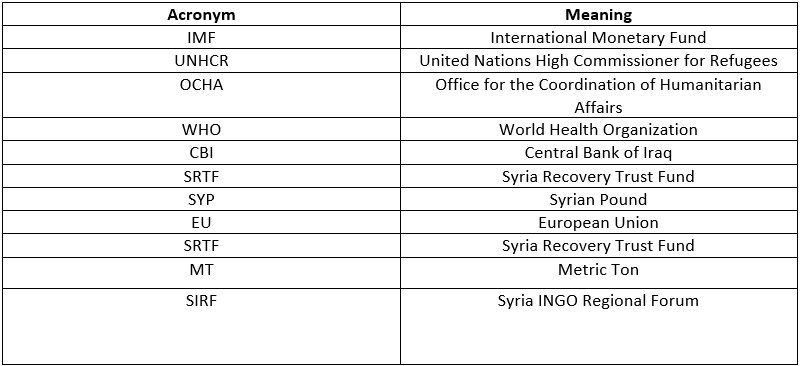
1. Table of Acronyms
2. Introduction
Despite the US announcing a ceasefire in Gaza, to this day, multiple violations are being recorded. The occupier continues to bomb targets while inflicting hundreds of civilian casualties. The US is trying to maintain an image that it is the one making sure that deal works and that it is one in charge. However, it fails to contain the actions of the occupier which continues to strike with impunity throughout Gaza. As its hunger for blood continues without any relevant resistance, this begs the following question: Will the bloodshed end in Gaza or will it expand to include other areas?
3. The Socio-Economic Situation
Egypt
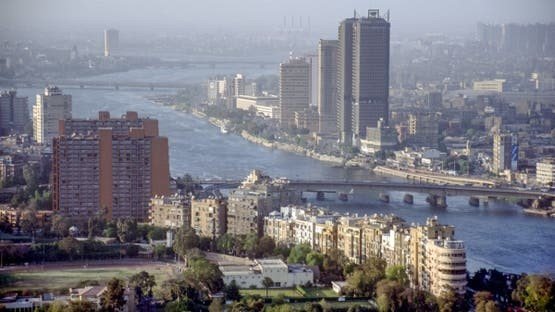
Egypt, for the most part, is registering an improvement in its economy. It has been upgrading its economy while being supported by foreign institutions. Photo credit: alarabiya.net
According to Alsharq Business, Egypt's economy registered an improvement in its performance at the end of fiscal year 2024-2025. The growth rate doubled to 5% in the fourth quarter compared to 2.4% in the same period a year earlier, the highest rate in three years. This has been supported by a recovery in the non-petroleum manufacturing, tourism, and communications sectors, while the government seeks to enhance the role of the private sector and achieve a structural transformation in the investment structure, this will strengthen the economy's resilience in the face of global challenges. The Ministry of Planning, Economic Development and International Cooperation said in a statement that this positive performance contributed to an acceleration in the annual growth rate to 4.4% during the entire past fiscal year, compared to 2.4% in the previous year, slightly exceeding the target rate. Moreover, the contraction in Suez Canal activity eased to just 5.5% during the last quarter of the fiscal year, compared to 68.2% in the corresponding quarter, amid a reluctance of ships to use the vital waterway due to Houthi attacks on vessels in the Red Sea in Yemen. For the entire 2024-2025 fiscal year, the annual contraction rate in canal activity was approximately 52%. Meanwhile, oil and gas extraction activity continued to decline for the third consecutive year, contracting by 9% during the entire past fiscal year, as a result of a 7.5% decline in petroleum production and a 19.1% decline in natural gas production.
Since it has been always been a benefactor when it came to Egypt’s economy, the European Union signed new agreements and projects within the second tranche of the European support package for Egypt, worth €4 billion, during the joint Egypt-EU summit in Brussels. This is part of the overall €7.4 billion funding program to support the Egyptian economy. The European Union Ambassador to Egypt announced, that €1.8 billion of this package will be allocated in cooperation with European financial institutions, while grant agreements worth €600 million were signed over three years to address shared priorities such as supporting clean energy, sustainability, and the green economy. The first package of grants will be disbursed this year. The embassador also said the European Union had already disbursed €1 billion last year as a first tranche of funding, and confirmed that this figure had been exceeded as the pace of implementation of joint projects accelerated. Moreover, the embassador revealed additional funding to be provided to Egypt from the European Union Fund for Sustainable Development Plus (EFSD+) to support the green transformation, in addition to €75 million to support social and economic reforms, €100 million to build capacity and support sustainable development, and funding for institutional and administrative arrangements to activate the electronic signature system in Egypt.
Jordan

Governor of the Central Bank of Jordan. Photo credit: alaraby.co.uk
According to Adel Sharkas, Jordan’s Central Bank Governor, he expects the Jordanian economy to grow by 3% next year for the first time in years. He said in press statements that Jordan has moved from the recovery phase to the real growth phase, achieving a growth rate of 2.7% in the first quarter, and 2.8% in the second quarter. He explained that government reforms indicate the possibility of achieving growth exceeding 4% by the end of 2028, as a result of the government's commitment to implementing its reforms. Also, exports grew by 8%, and the tourism sector by 7%, despite the war and the situation in the Middle East. The Central Bank of Jordan made such statements despite the increasing economic, regional and international challenges, and geopolitical tensions at the global level, especially amid the war on the Gaza Strip, the Russia-Ukraine crisis, and the subsequent rise in interest rates globally and regionally. As such, Jordan has proven its resilience and immunity to external shocks, continuing to achieve indicators of relative stability. The bank added, in its report on financial and monetary stability, that the monetary and fiscal policies pursued by the Kingdom have maintained monetary, financial, and economic stability, and Jordan's continued ability to access international markets thanks to its high financial solvency and good levels of liquidity. Despite the significant economic challenges facing most exporting countries, Jordan is seeking to adapt to these changes through strategies aimed at enhancing the competitiveness of its exports in global markets. The bank noted that the political and security instability that prevailed in the Middle East has been a prominent feature over the past years, leading to deepening economic turmoil and a decline in activity in some sectors. The bank also affirmed that the monetary policy it has adopted, which is in line with the monetary policies of global and regional central banks, has proven its ability to maintain monetary and financial stability in Jordan, and to maintain the stability of the Jordanian dinar exchange rate against the US dollar.
Iraq
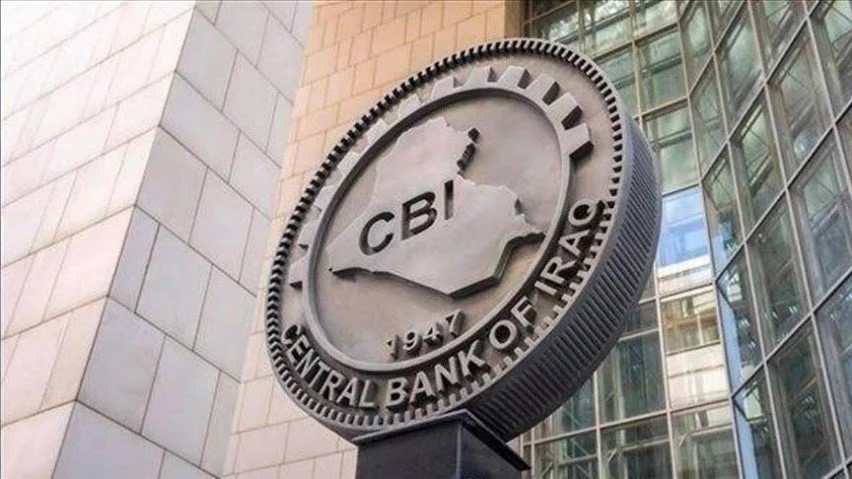
A silent crisis is gnawing at the economy. Central Bank figures are causing alarm in Iraq. Photo credit: eremnews.com
A state of anxiety prevails in Iraq after the Central Bank announced details of the public debt and the actual deficit in the three-year budgets for the years 2023-2025. Opinions differed regarding how the deficit and domestic debt will impact the country's overall economy, and whether they represent a positive indicator of fiscal policy control or a warning of a cumulative financial crisis in light of declining non-oil revenues and the absence of a 2026 budget. Back in 2016, the domestic debt was 40 trillion dinars and jumped to 70 trillion dinars after the COVID-19 pandemic and the drop in oil prices. Although it temporarily declined, it began to rise again in 2025. It is expected that it will exceed 100 trillion dinars in 2026 if the financial situation remains unchanged. Experts point out that the rising domestic debt indicates an expansion in government spending, especially after the expansion of public employment and the addition of more than one million new beneficiaries to the social protection network, which has led to an increase in the wage and allowance bill. Non-oil revenues also declined to less than 10% of total public revenue, compared to previous government estimates of 20%. As for Iraq’s external debt, it has witnessed significant fluctuations since 2003, when it exceeded $125 billion before that, but it declined to $19 billion in 2013 after the Paris Club agreement and the rescheduling of Kuwaiti debt. On the public debt level, the Central Bank, despite its assurances that the public debt-to-GDP ratio does not exceed 43%, which is within international safe limits, economists believe that the nature of the Iraqi economy makes it vulnerable to risks in the event of a drop in oil prices or a delay in the new budget, as oil revenues represent more than 90% of the state's total revenues. The continued deficit in successive budgets also reveals the difficulty of controlling operating expenses, which have increased by about 30% over the past three years. In other words, the Iraqi economy is experiencing a delay in acknowledging the true crisis, until the effects of fiscal policies that have failed to diversify the economy or reduce expenditures will become clear.
Lebanon
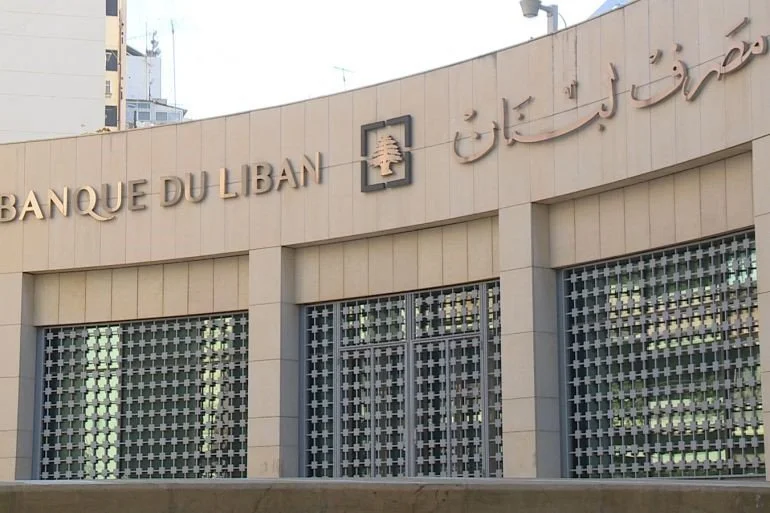
Banque Du Liban’s Governor is attempting to appease the West by combating money laundering and terrorist financing. Photo Credit: Banque Du Liban.
Lebanon hangs in the balance, between rumors of a renewed full scale war and a country that seems to be still grappling with difficult economic conditions. Although economic growth has been registered within the country, it is not sustainable since all indicators measured were recorded after the hostilities have ended and all the positive results were just the consequence of the war ending. Moreover, the government is still yet to enact reforms that can appease the IMF. However, the organization’s conditions, are still considered as harsh and prohibitive by the ruling elite and they are hindering a preliminary agreement on a program that would grant Lebanon a $3.4 billion loan, with the hope that it will double to $8 billion in the coming years. Also, Lebanon has to answer to addressing the repercussions of the financial crimes committed in Lebanon as a result of entrenched corruption, as Lebanon is considered one of the most corrupt countries in the world. For this reason, there are current negotiations with the US treasury department for possible assistance. However, it is most probable that the US well have its own set of requirements that Lebanon will not able to meet. Nevertheless, Banque du Liban Governor Karim Soueid discussed issues related to combating money laundering and terrorist financing with a number of White House economic advisors and an expanded team from the US Treasury Department. This was part of ongoing cooperation to ensure integrity in the financial system and enhance compliance with international standards. Since the United States also controls the IMF’s decisions through its voting power, as a result of its contribution of 17.5 percent of the total votes of the Board of Directors and this percentage doubles to about 35 percent, after taking into account the European Union, it controls the decision to remove Lebanon from the "grey" and "black" lists. This will enable Lebanon to emerge from its isolation and embrace advanced international relations and greater economic openness abroad.
Palestine
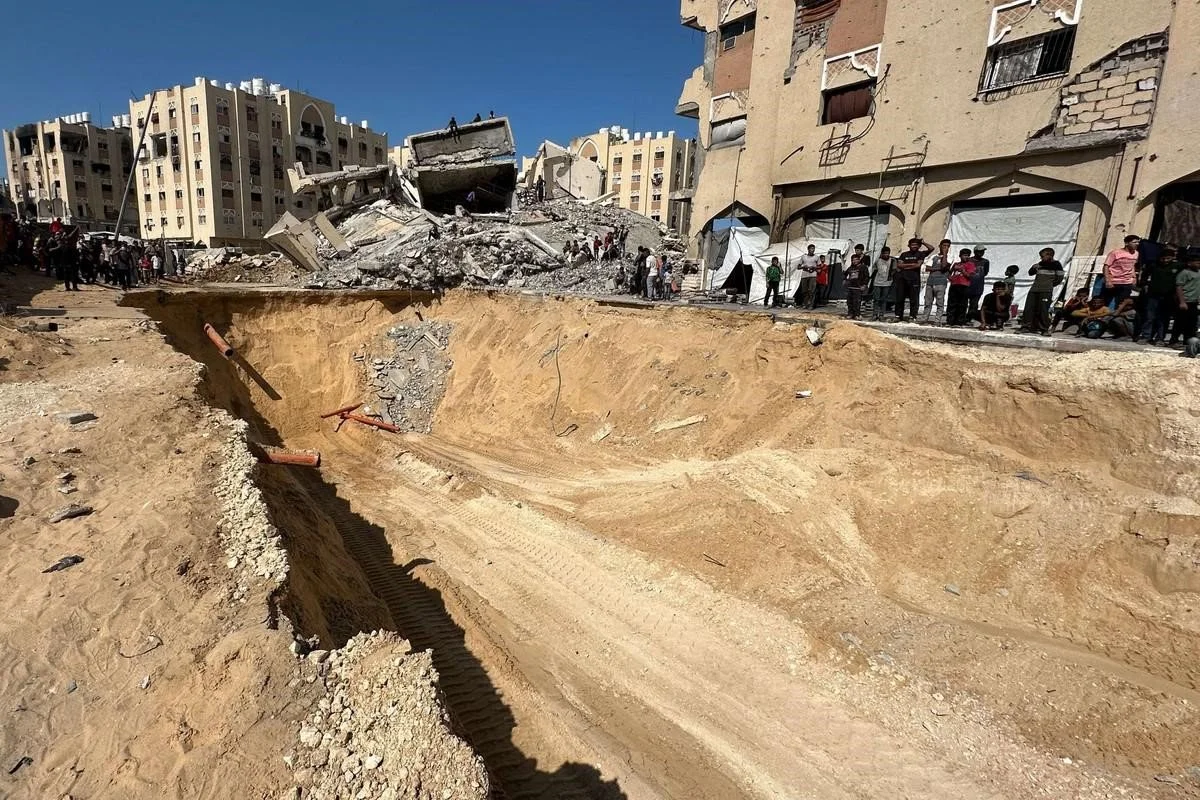
Nearly 10% Palestinian budget deficit in 2025 due to occupant measures. Photo credit: CNBC
According to the Palestinian Economy Minister Mohammed al-Amour the goal of the war in the Gaza Strip, the northern governorates of the West Bank, and East Jerusalem is to liquidate the Palestinian cause and eliminate the Palestinian presence through deportation, displacement, and the destruction of all elements of steadfastness and survival, whether in the Gaza Strip or the West Bank. He added that after two years of these measures, the Palestinian economy is suffering from various economic disruptions, particularly record economic figures related to the economy, namely economic contraction. Al-Amour pointed out that the Palestinian economy had contracted by approximately 29% by the end of last year, representing an unprecedented and severe economic decline, and that there had been total destruction in the Gaza Strip, exceeding 90%. He also noted significant declines in various productive sectors, including industry, trade, agriculture, and education, as a result of occupant’s measures against the Palestinian economy, particularly in the West Bank. According to the Palestinian Minister of Economy, there are more than 1,000 checkpoints and military gates in Palestinian cities, communities, and villages, restricting movement, interaction, and commercial and economic development. All of these measures have negatively impacted the economy, raising the unemployment rate to more than 50% in the Gaza Strip and the West Bank. He also pointed out that there is a deficit in the Palestinian budget of approximately 10% in 2025 as a result of the Occupier’s measures, the scarcity of funding resources for the Palestinian government, and the Occupier deductions from the clearance revenues, which amounted to approximately 13 to 14 billion shekels, equivalent to 4.2 billion dollars. These are sums that the Occupier is using as a pressure campaign against the Palestinian economy. He added that there is unemployment related to the workforce that used to work within the Green Line, as there are more than 200,000 Palestinian workers who are unemployed due to the Occupier authorities preventing them from working inside.
Syria
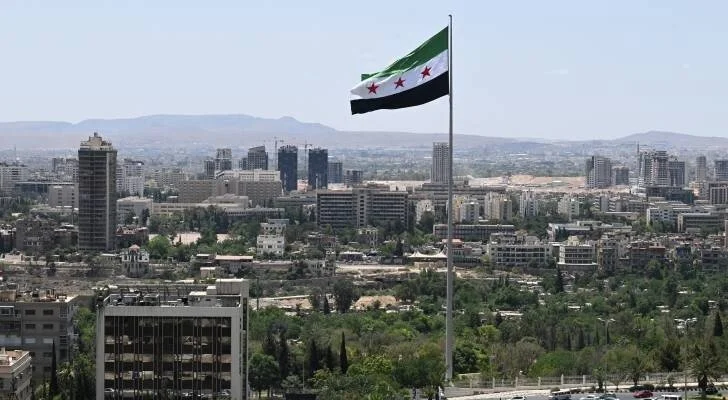
The World Bank estimates the cost of rebuilding Syria at $216 billion and assesses the losses and hardest-hit areas. Photo credit: https://www.elnashra.com/
According to a report issued by the World bank entitled "Physical Damage and Reconstruction Assessment in Syria (2011–2024)”, the cost of rebuilding Syria at approximately $216 billion, after more than 13 years of conflict that has devastated the country and caused significant damage to infrastructure and the economy. The report stated that approximately one-third of Syria's fixed productive assets (such as factories, buildings, machinery, and electricity and water networks) have been damaged since the outbreak of the conflict. Direct material losses to infrastructure, residential and non-residential buildings amounted to approximately $108 billion. The report indicated that infrastructure was the most severely affected, accounting for approximately 48% of the total damage, valued at $52 billion, followed by residential buildings at $33 billion, and non-residential buildings at $23 billion. It indicated that the governorates of Aleppo, Rif Dimashq, and Homs were the most affected areas in terms of the extent of destruction. The report indicated that the costs of rebuilding Syria could range between $140 and $345 billion, with an average estimate of $216 billion. The report indicated that reconstruction costs are approximately ten times greater than Syria's projected GDP back in 2024, reflecting the magnitude of the economic challenge facing the country. From his end, Syrian Finance Minister Mohammad Yasser Barniyeh explained that the report provides a baseline for understanding the scale of the massive destruction and the costs of reconstruction. He called on the international community to "mobilize efforts to help Syria restore its basic infrastructure, revitalize its communities, and lay the foundations for a more resilient future.
In another report also released during this month, Syria's Central Control and Inspection Authority has revealed financial and technical violations amounting to tens of billions of Syrian pounds in oil and gas supply contracts concluded during the rule of the former regime. An inspection mission audited the contractual relationship between a public company operating in the oil and gas sector and a public institution for trading metals and building materials. This review concerns supply contracts concluded over the past few years, covering more than 2,500 items of high-value materials and equipment. According to the investigation results, the inspection mission found that due to the unavailability of materials in the warehouses of the commercial establishment, secondary suppliers were contracted to secure the needs of the oil company's factories in the Homs desert. Therefore, the mission used several technical expertise committees to verify specifications and prices in accordance with the prevailing prices in the local market during the implementation period. The mission's audit revealed significant price discrepancies exceeding 32 billion Syrian pounds, along with technical observations regarding the non-conformity of a number of materials to the required specifications. The mission decided to take precautionary measures against the concerned parties from both departments and secondary suppliers, including the precautionary seizure of movable and immovable assets and a travel ban until the final investigations are completed.
Cyprus

Cyprus’s economy is recording improvements in many sectors. Photo credit: ekathimerini.com
According to revised national accounts data released by the state statistical service (Cystat), the Cyprus’s economy grew by 3.9 per cent in real terms in 2024. President Nikos Christodoulides lauded the country’s performance despite several challenges that have emerged throughout the year. The president claimed that the GDP revision confirms that the economy remains strong and is expected to record growth of 3.5 per cent to 3.9 per cent in 2025, with public debt below 60 per cent of GDP. As for statistical service, Cystat said that the strong economic performance is because of advances in information and communication, hotels and restaurants, construction, and wholesale and retail trade including motor vehicle repairs. Out of those, the information and communication sector recorded the highest results as it improved by 17.5% reaching €3.59 bn. As for the accommodation and food service activities sector, it grew by 11.30 per cent with output of €2.03 bn. Other sectors did also well, but the highest recording growth was awarded to these sectors. Meanwhile, the International Monetary Fund (IMF) recently revised upwards its forecasts for Cyprus, expecting GDP growth of 2.90 per cent in 2025 and 2.80 per cent in 2026. Also, it concluded that the economy is performing better than expected and inflation is expected to slightly decrease sharply to 0.70 per cent in 2025 and 1.30 per cent in 2026, the lowest in the euro area. Also unemployment is set to remain low at 4.50 per cent in 2025 and 4.70 per cent in 2026.
4. The Humanitarian Situation
Egypt
The International Organization for Migration (IOM) and the Cairo International Center for Conflict Resolution, Peacekeeping and Peacebuilding (CCCPA) signed a Memorandum of Understanding to advance peace, security, and migration governance in Middle East and Africa.[1]
Jordan
The UNHCR states that there are currently 447,014 registered refugees in Jordan up until the beginning of October.
The proportion of Syrian displaced people registered within the UNHCR, are distributed as follows:
-141,315 in Amman Governorate (31.6%)
-113,298 in Mafraq Governorate (25.3%)
-80,626 in Irbid Governorate (18.0%)
-65,020 in Zarqa Governorate (14.5%)
-11,934 in Balqa Governorate (2.7%)
-9,281 in Madaba Governorate (2.1%)
-5,425 in Jarash Governorate (1.2%)
-5,771 in Karak Governorate (1.3%)
-6,420 in Maan Governorate (1.4%)
-3,518 in Ajlun Governorate (0.8%)
-3,015 in Aqaba Governorate (0.7%)
-954 in Tafilah Governorate (0.2%)
-437 in other (0.1%)
In a new Norwegian Refugee Council (NRC) report thousands of Syrian refugees living in Jordan are unable to go back to Syria because of legal, economic, and administrative barriers. [2]
Iraq
The UNHCR states that there are currently 344,501 registered refugees in Iraq. Of those, 91,218 live in camps.
The proportion of refugee people (non-camp 253,283) registered within the UNHCR up until the beginning of October, are distributed as follows:
-118,892 in Erbil (46.9%)
-40,472 in Dahuk (16.0%)
-30,748 in Sulaymaniyah (12.1%)
-2,734 in Ninewa (1.1%)
-41,598 in Baghdad (16.4%)
-5,035 in Kerbala (2.0%)
-3,936 in Najaf (1.6%)
-2,403 in Kirkuk (0.9%)
-2,000 in Anbar (0.8%)
-5,572 in other areas (2.2%)[3]
The Italian Ministry for Foreign Affairs and International Cooperation, through the Italian Agency for Development Cooperation (AICS), entrusted UNESCO with the implementation of the project “Improving Access to Inclusive Quality Education in Southern Iraq”. The initiative aims to expand access to education for thousands of out-of-school children in the governorates of Basra, Dhi Qar, and Maysan. [4]
The International Labour Organization (ILO), in partnership with the Ministry of Labour and Social Affairs (MoLSA) and with funding from the German Federal Ministry for Economic Cooperation and Development (BMZ) through the German Development Bank (KfW), has launched the Credit Guarantee Fund to empower small and medium enterprises (SMEs) in Iraq.[5]
Lebanon
Since the beginning of October the number of registered Syrian refugees in Lebanon is 636,051.
Refugees in Lebanon are distributed as follows:
-229,271 in Bekaa (36%)
-198,022 in North Lebanon (31.1%)
-141,787 in Beirut (22.3%)
-66,971 in South Lebanon (10.5%)[6]
According to the UNHCR, Lebanon faces another challenging winter amid prolonged economic decline, fragile security conditions, and weakened coping capacities across all population groups. While returns of both displaced Syrians and internally displaced Lebanese have increased since late 2024, many vulnerable households remain unable to meet their basic needs. [7]
Syria
The United Nations World Food Programme (WFP) and the OPEC Fund for International Development (OPEC Fund) signed an agreement for a US$500,000 grant to support emergency food assistance in Syria.[8]
A new shipment of humanitarian aid has been delivered to Syria, provided by the Internal Security Force (Lekhwiya) and Qatar Fund for Development (QFFD) in cooperation with the United Nations Development Program (UNDP).[9]
The International Organization for Migration (IOM) facilitated the voluntary return of 152 Syrians in vulnerable situations from Libya to Damascus, marking the first Voluntary Humanitarian Return flight to Syria organized by IOM since 2025.[10]
At a time when nearly the entire population is in dire need of humanitarian aid, the International Rescue Committee (IRC) opened its national office in Damascus, expanding its presence in Syria.[11]
In response to the growing need for mental health services in Syria, Qatar Red Crescent Society (QRCS) launched a new project to support the Hope Center for Rehabilitation and Psychological Recovery in Afrin, Aleppo.[12]
The Republic of Korea, in partnership with four United Nations agencies, launched a comprehensive assistance package to support vulnerable communities across Syria. With a total contribution of US$ 38 million, the initiatives aim to address urgent needs in health, education, food security, and infrastructure, while promoting long-term resilience and recovery.[13]
Cyprus
The UNHCR published the number refugee arrivals for the month of August. 190 were recorded which is a decrease when compared to August of last year (216). [14]
[1] OCHA, Oct 21, 2025, https://reliefweb.int/report/egypt/iom-and-cccpa-sign-memorandum-understanding-advance-peace-security-and-migration-governance-middle-east-and-africa
[2] NRC, Sept 24, 2025, https://www.nrc.no/news/2025/september/jordan-syrian-refugees-face-mounting-obstacles-to-return-home
[3] https://data2.unhcr.org/en/situations/syria/location/5
[4]OCHA, Oct 23, 2025, https://reliefweb.int/report/iraq/unesco-and-italian-cooperation-launch-3-year-project-improve-access-quality-education-southern-iraq-enar
[5] OCHA, Oct 8, 2025, https://reliefweb.int/report/iraq/ilo-german-cooperation-and-iraqi-partners-launch-smes-empowerment-guarantee-fund-boost-inclusive-growth-iraq-enar
[6] UNHCR, Oct 28, 2024, https://data2.unhcr.org/en/situations/syria/location/71
[7] OCHA, Oct 28, 2025, https://reliefweb.int/report/lebanon/lebanon-glance-winter-preparedness-response-2025-2026
[8] OCHA, Oct 17, 2025, https://reliefweb.int/report/syrian-arab-republic/opec-fund-supports-wfp-addressing-food-needs-syria-it-recovers-years-conflict
[9] OCHA, Oct 14, 2025, https://reliefweb.int/report/syrian-arab-republic/humanitarian-aid-shipment-delivered-support-syrias-emergency-response-enar
[10] OCHA, Oct 9, 2025, https://reliefweb.int/report/syrian-arab-republic/iom-organizes-first-voluntary-humanitarian-return-flight-syrians-libya
[11] OCHA, Oct 8, 2025, https://reliefweb.int/report/syrian-arab-republic/irc-opens-office-damascus-bringing-aid-closer-syrian-people
[12] OCHA, Oct 7, 2025, https://reliefweb.int/report/syrian-arab-republic/qrcs-shafak-support-mental-health-services-syria-enar
[13] OCHA, Oct 1, 2025, https://reliefweb.int/report/syrian-arab-republic/together-syrias-future-korea-and-un-launch-38-million-lifesaving-aid-and-resilience-projects-revive-hope-and-restore-services
[14] OCHA, Sept 11, 2025, https://reliefweb.int/report/cyprus/cyprus-monthly-arrivals-snapshot-august-2025