A Call from Wadi El Natrun in Egypt to Christians in the World: Let us renew our commitment to faith and unity in Christ Jesus and work for justice and reconciliation
The Sixth World Conference of the Faith and Order Commission of the World Council of Churches Concludes Its Sessions
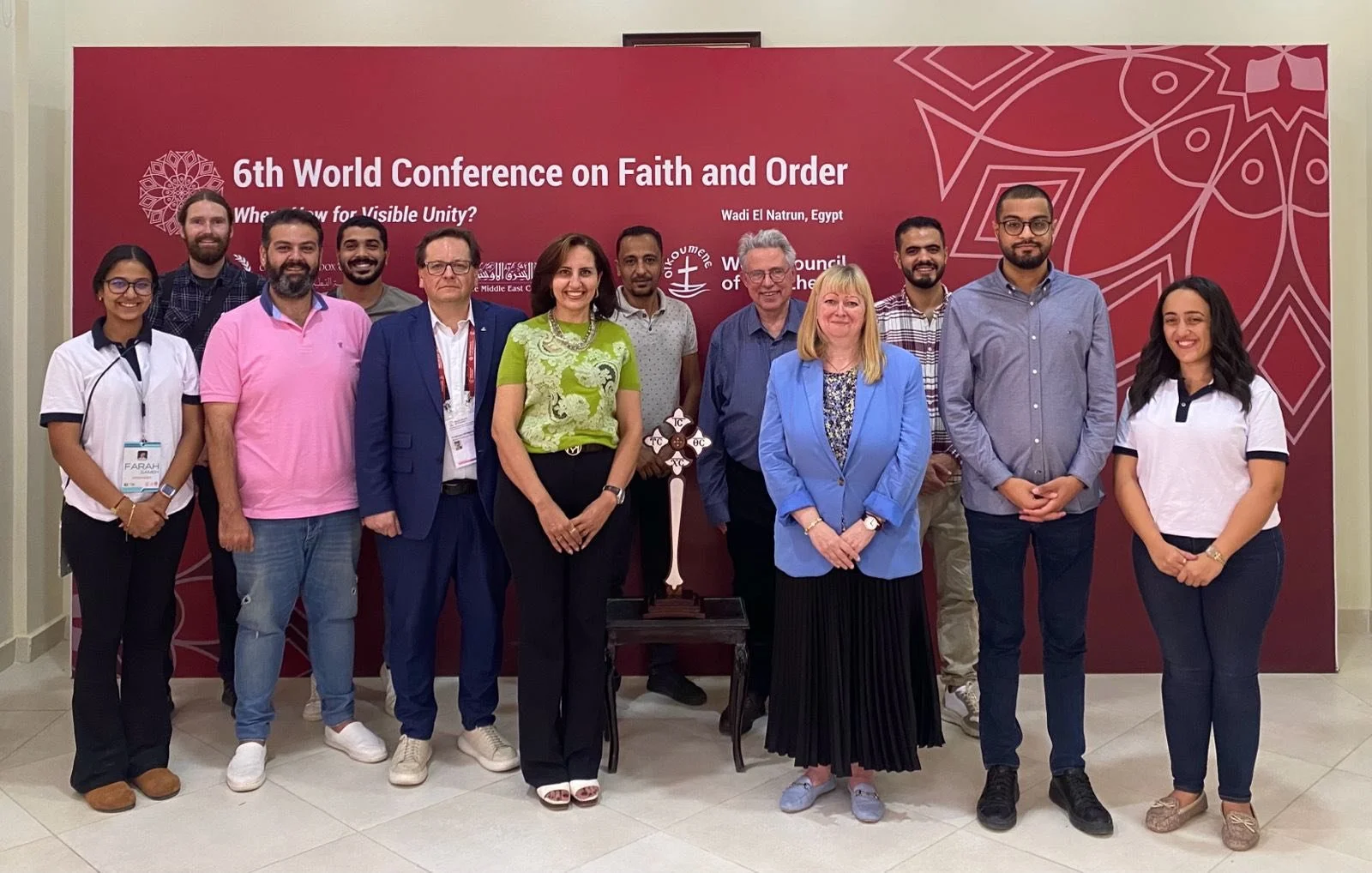
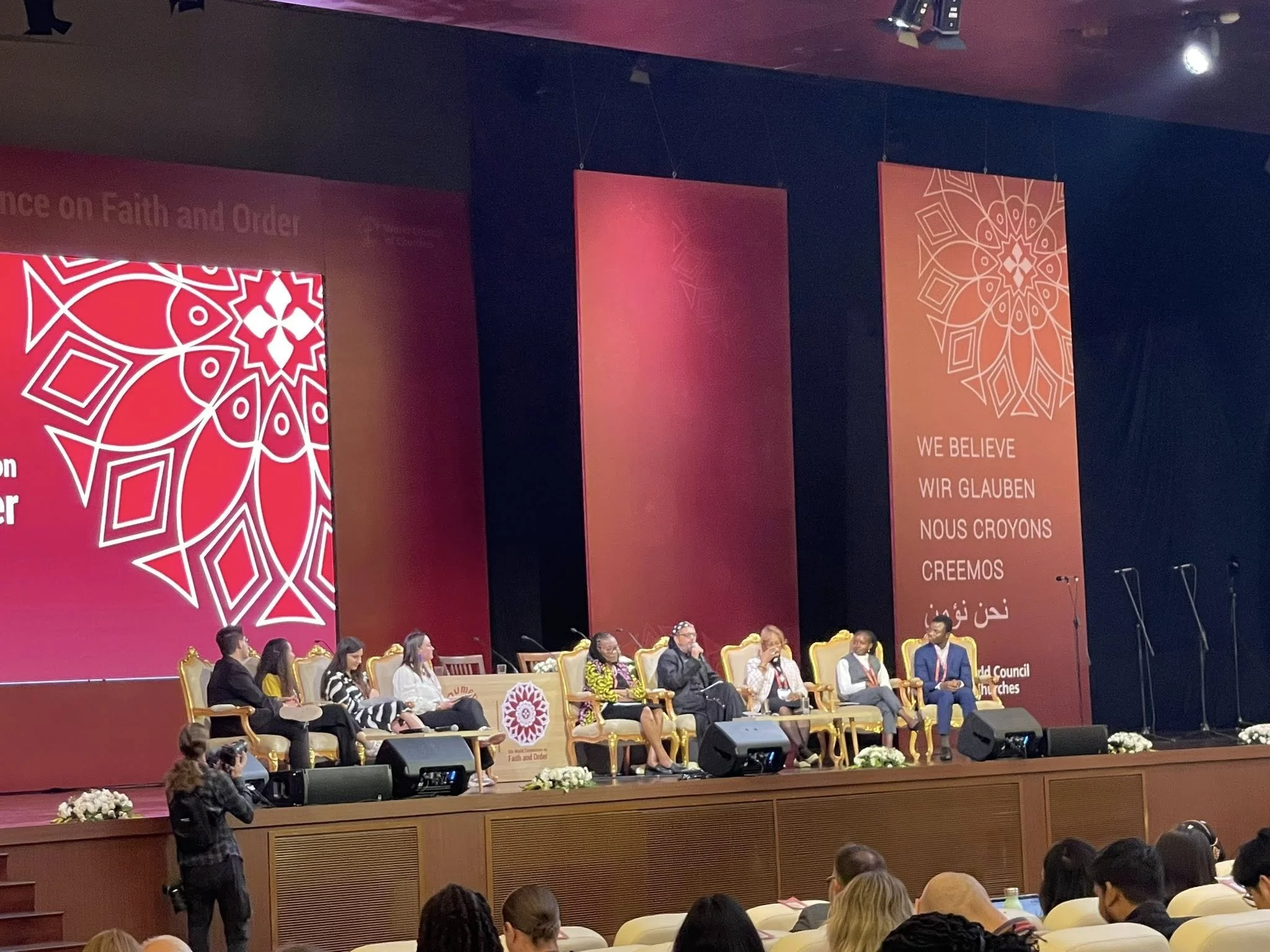
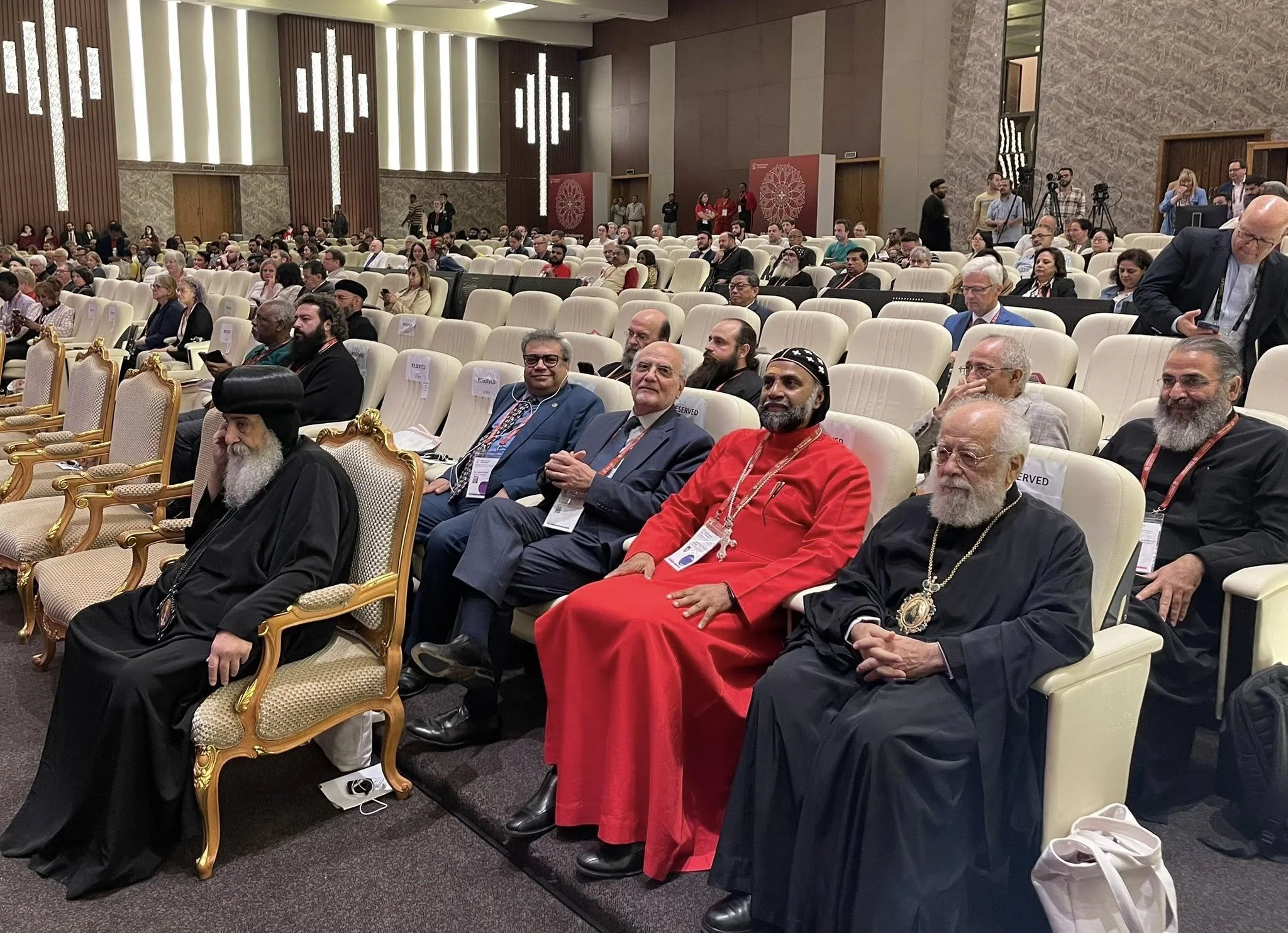
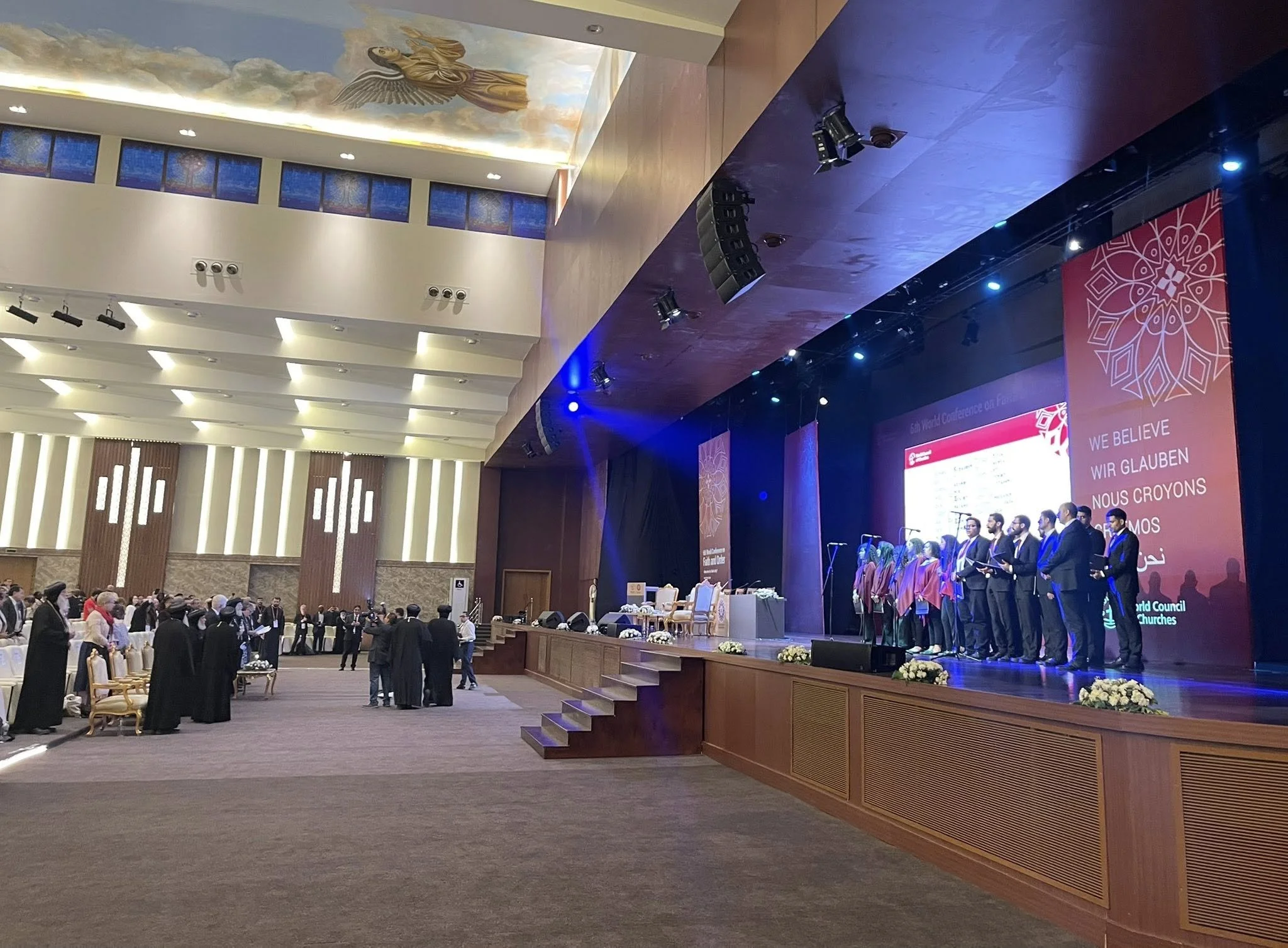
You can find some photos at the end of the text.
Media of the Middle East Council of Churches Media (MECC) - Egypt
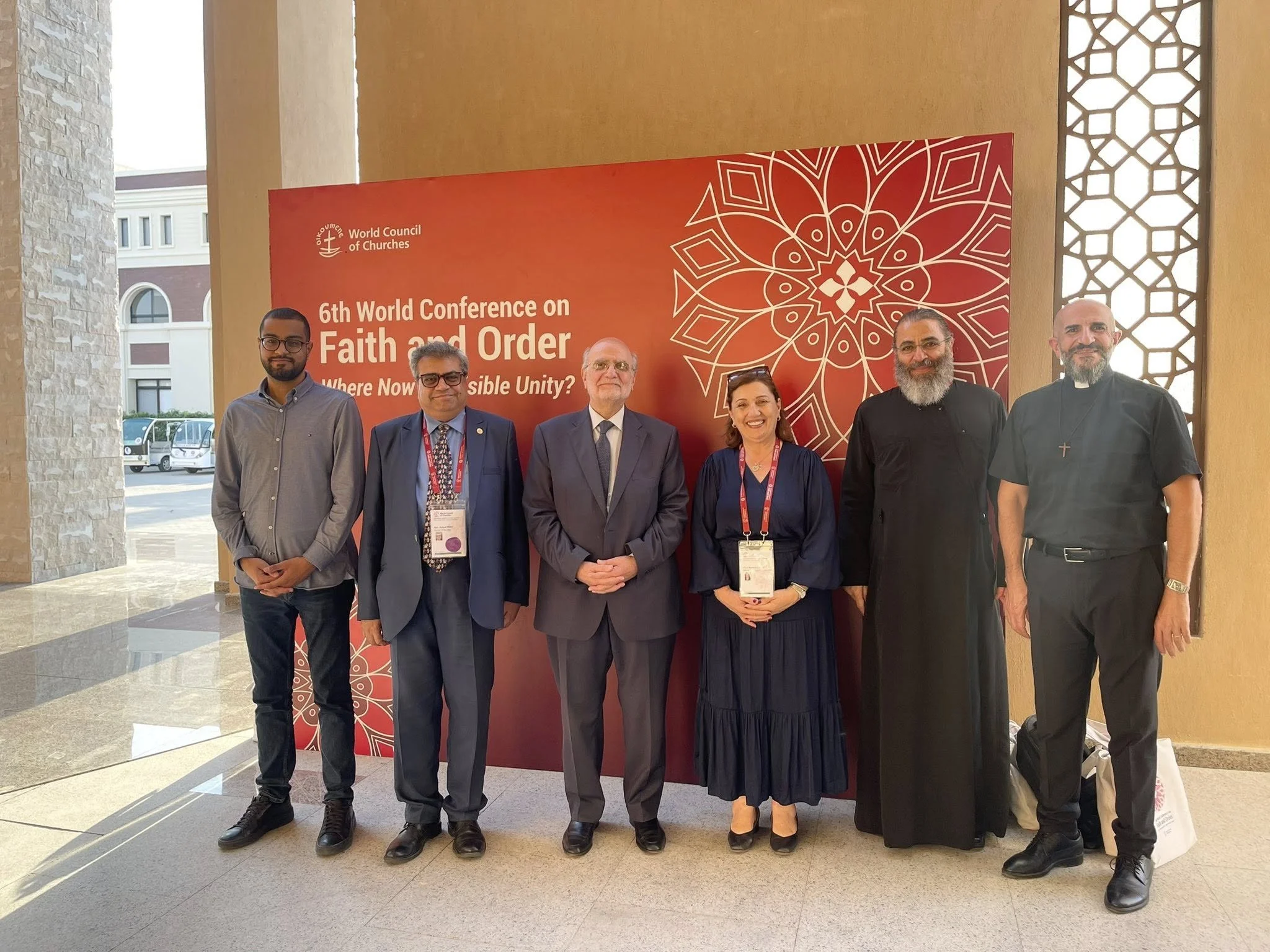
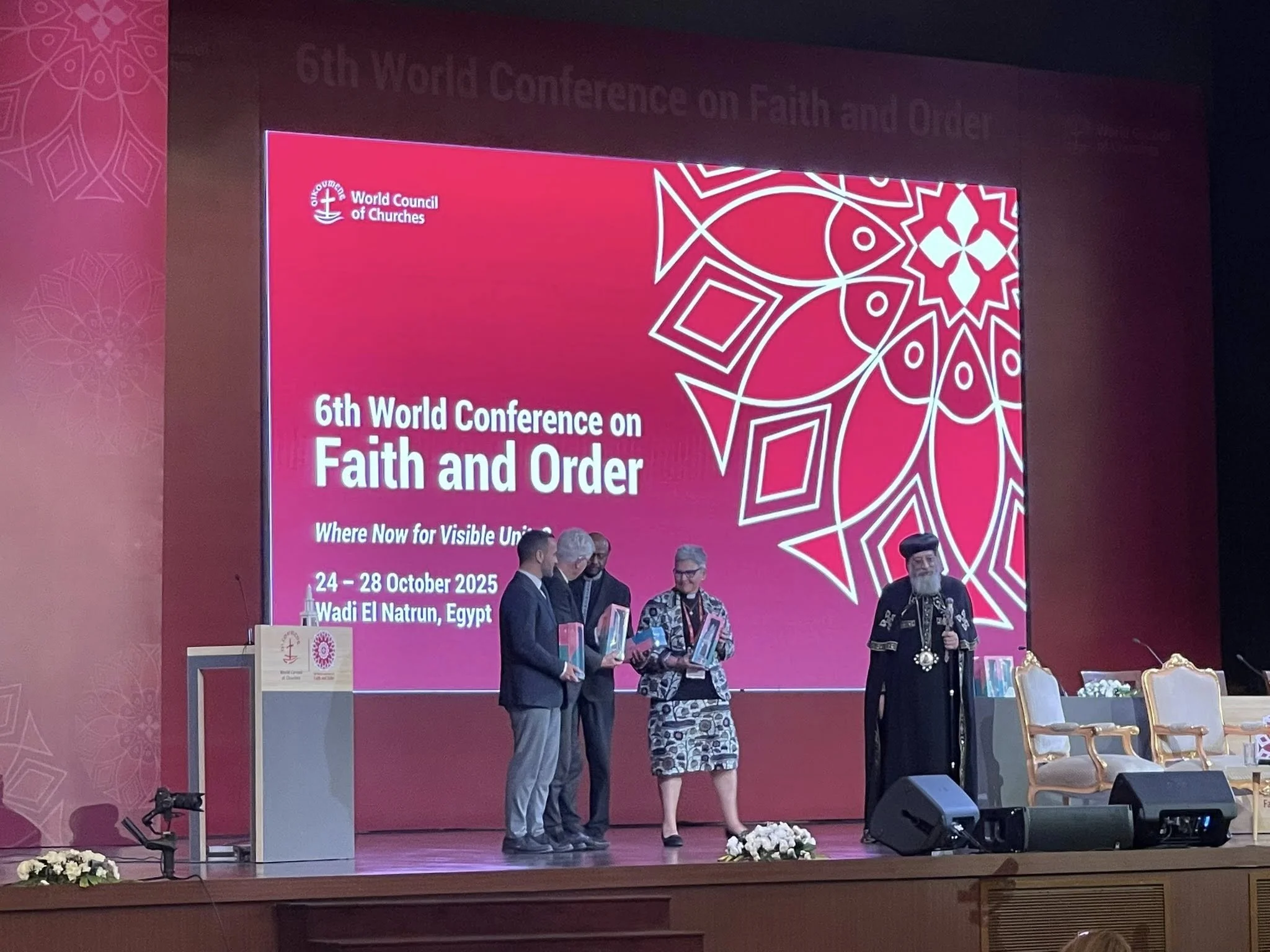
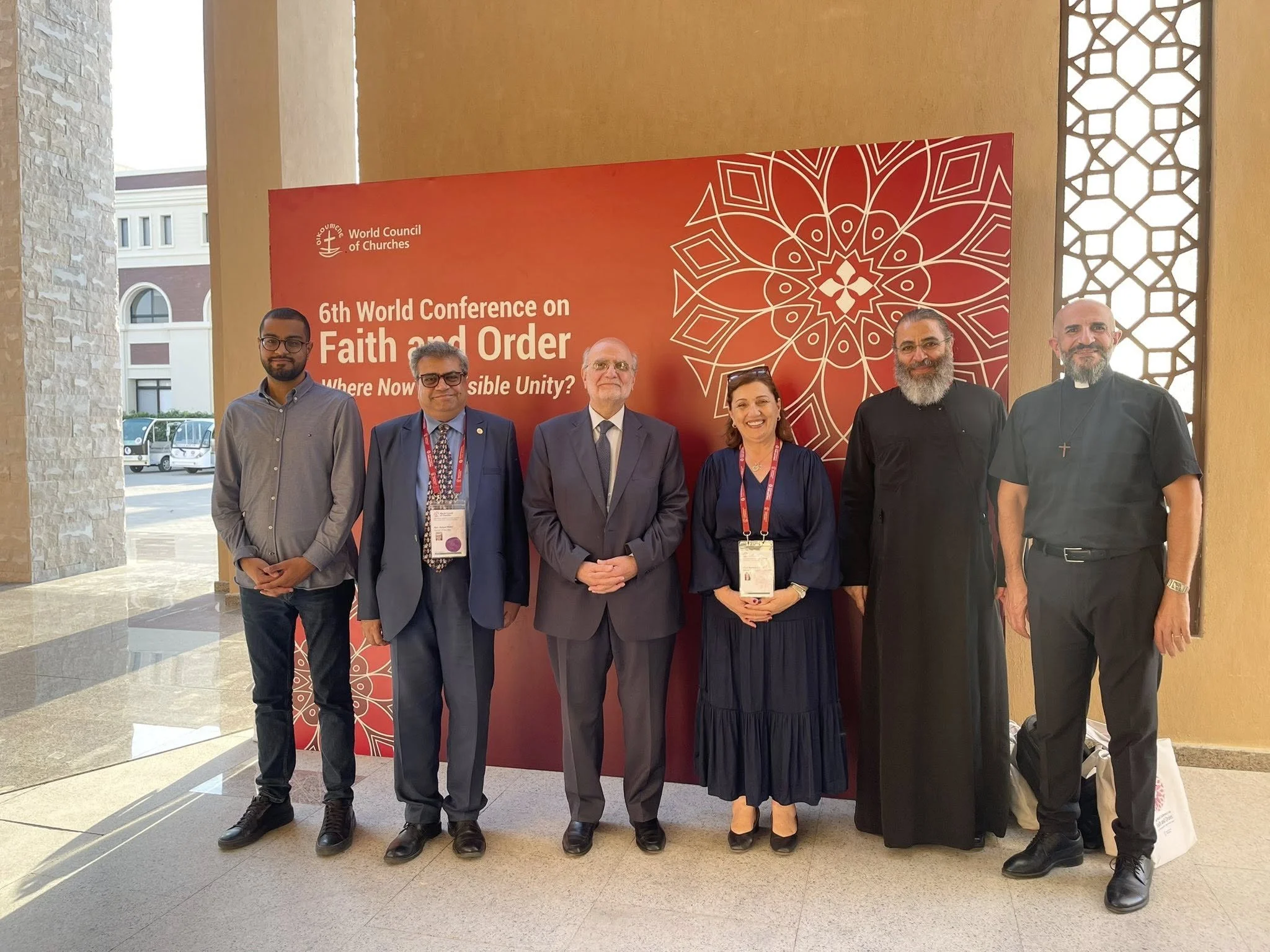
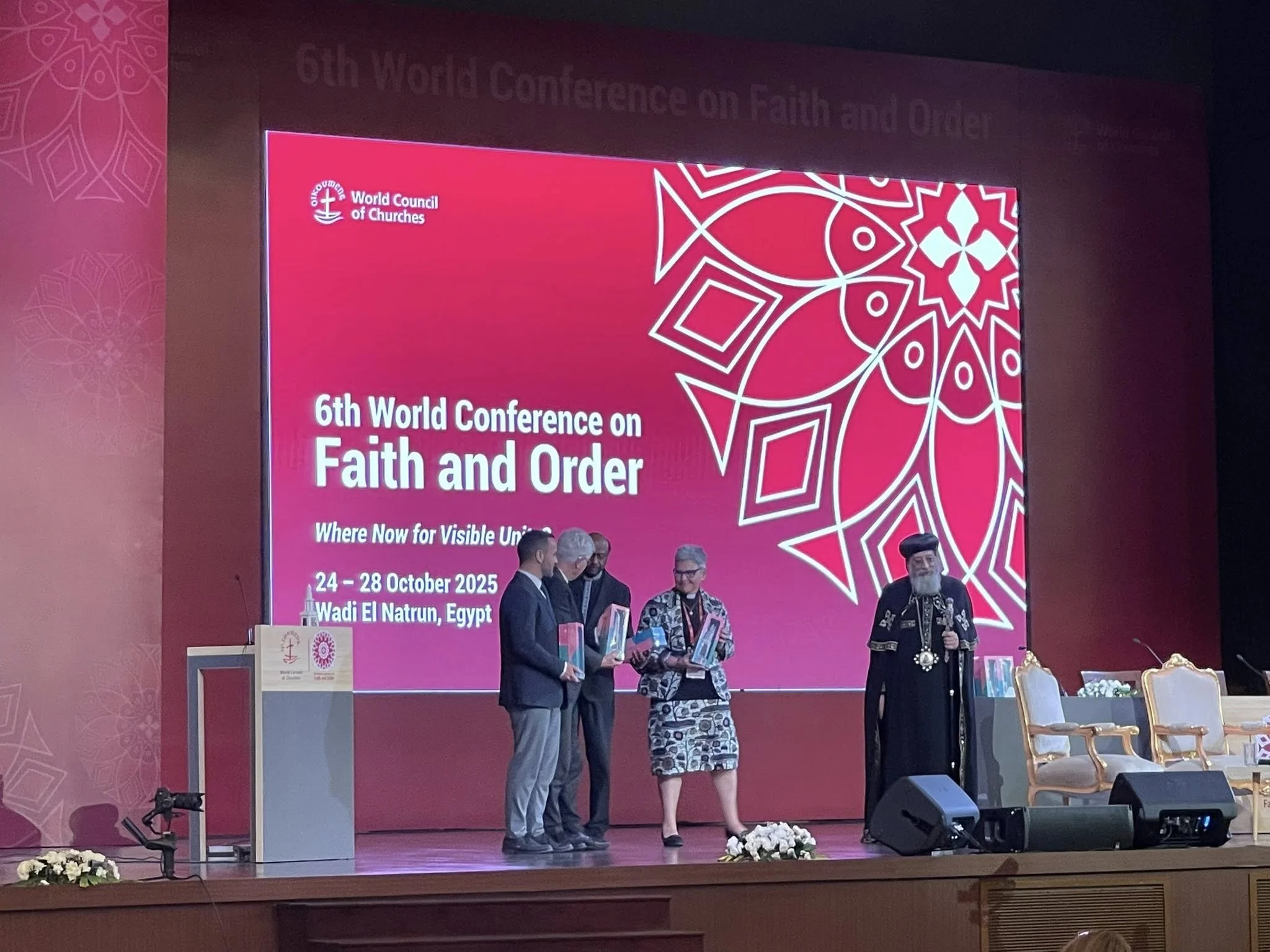
With the blessings of His Holiness Pope Tawadros II, Pope of Alexandria and Patriarch of the See of St. Mark, the Logos Papal Center in Wadi El Natrun, Egypt, bid farewell to the international delegations participating in the Sixth World Conference of the Faith and Order Commission of the World Council of Churches (WCC), held under the theme "Where Now for Visible Unity?", between October 24 and 28, 2025.
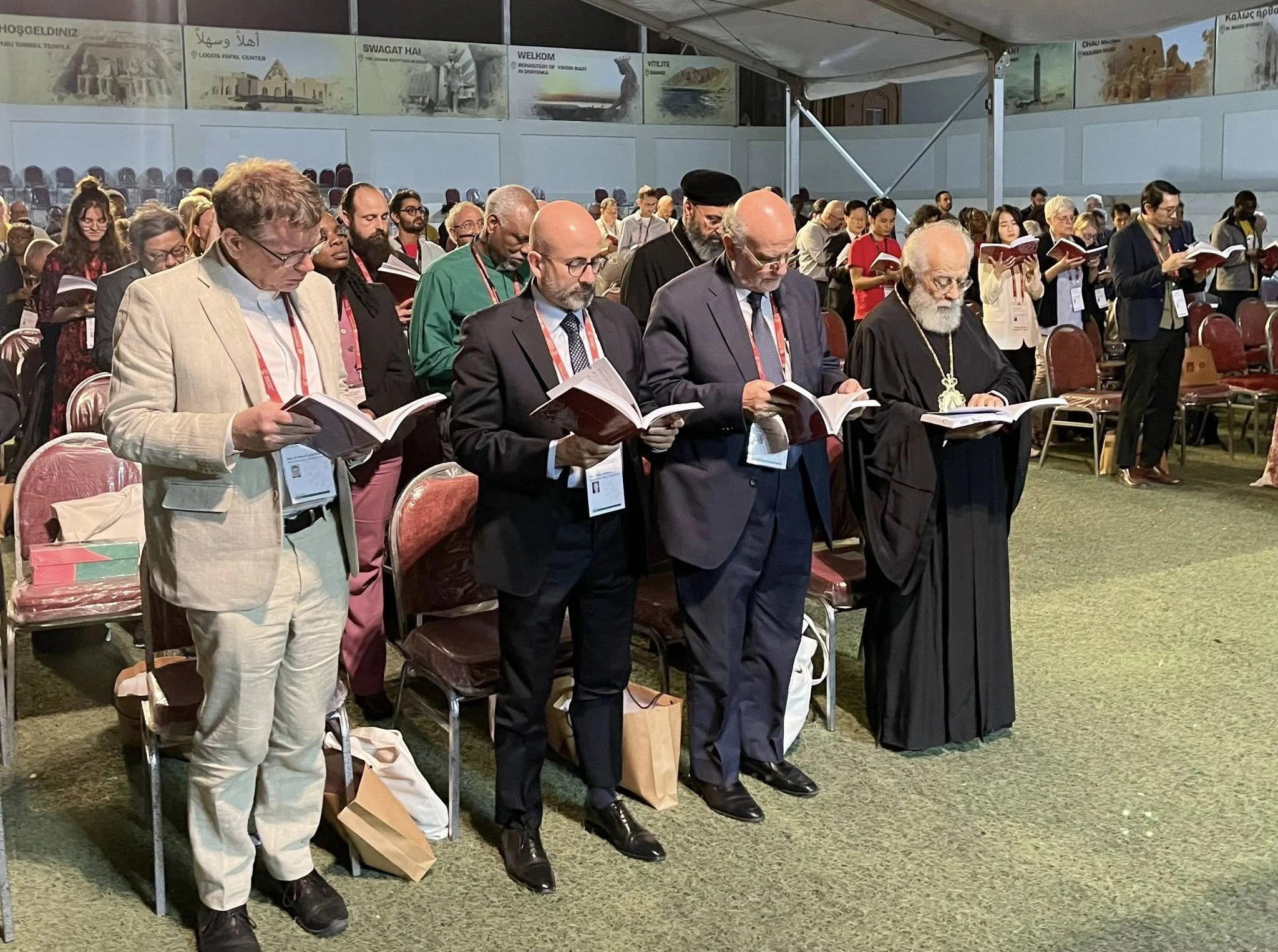
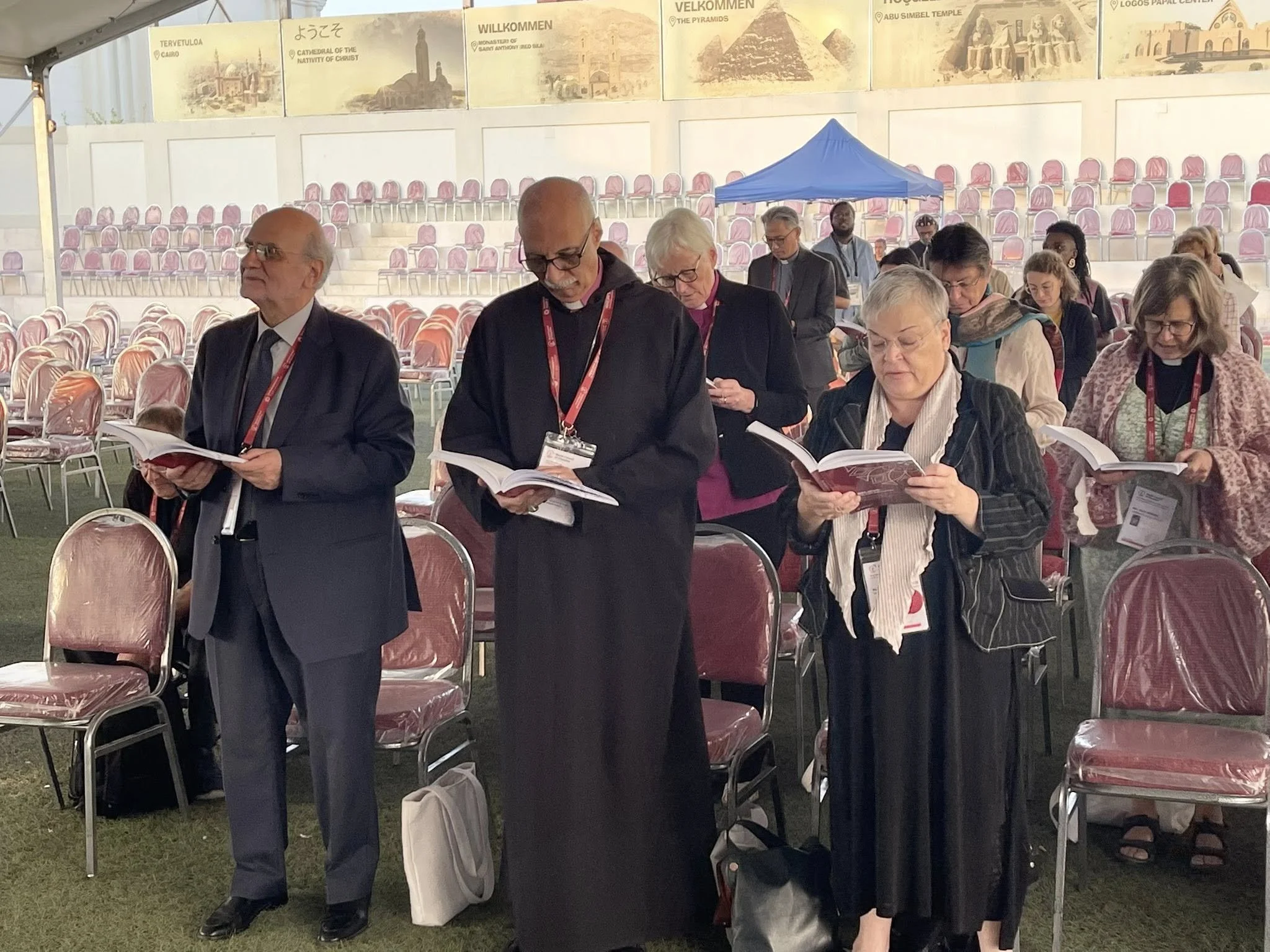
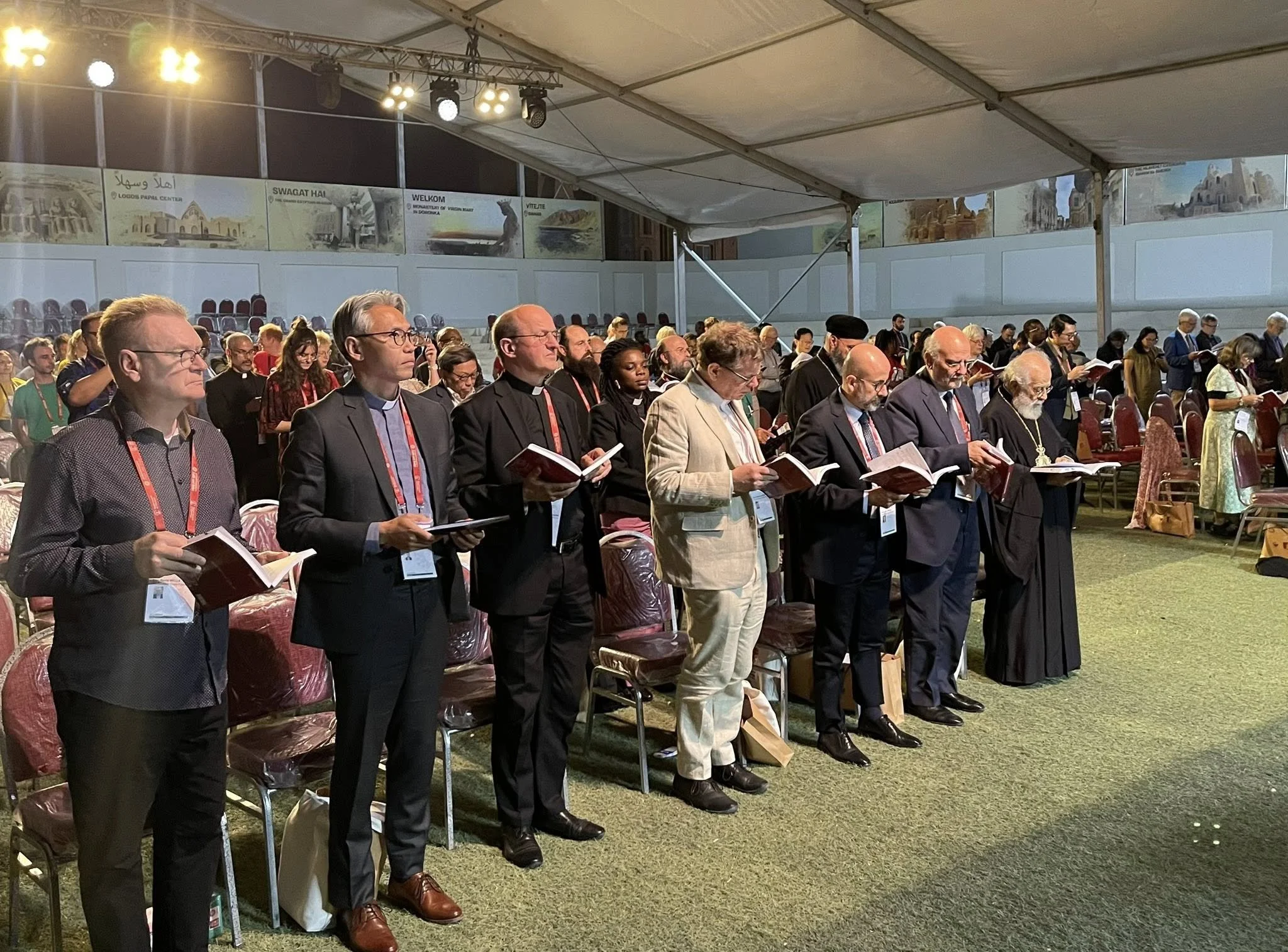
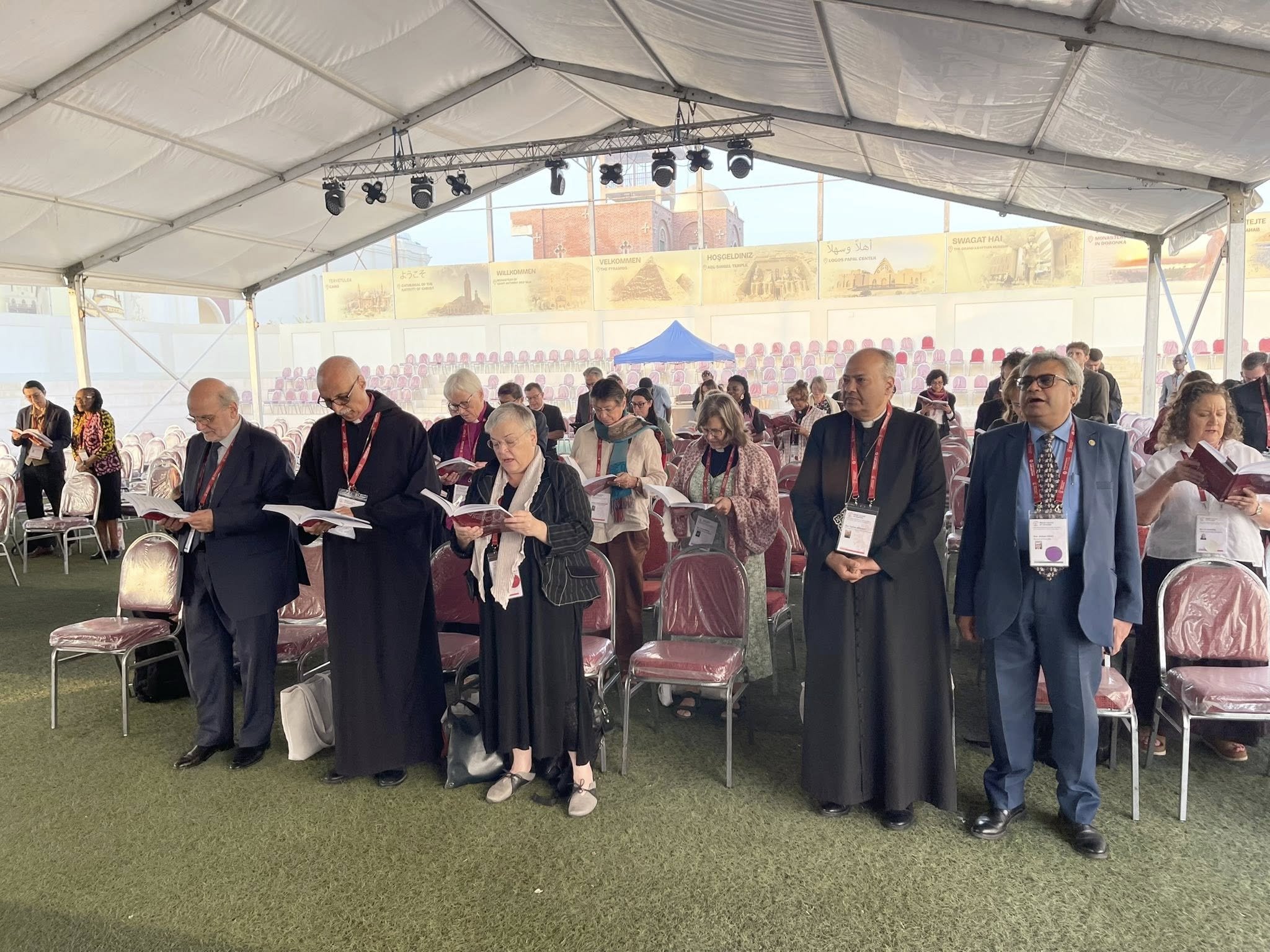
The final day began with a Morning Prayer, as with all the days of the conference, where participants raised their Prayers with hearts full of peace and hope, united in the name of Jesus Christ.
The day's program included various sessions that addressed the reality of Christian unity, its concepts, and most prominent meanings. This was in addition to the challenges that may hinder its achievement and how to overcome all difficulties in order to reach the desired goals.
The sessions also focused on how to live in unity and transform it into a way of life aimed at building bridges and bringing people together without discrimination. They also explored the future of Christian unity and the role of new generations in strengthening the Ecumenical spirit and promoting human values, with the goal of building virtuous societies free from hate speech, injustice, and inequality.
In the closing session, speeches were delivered by His Holiness Pope Tawadros II, Pope of Alexandria and Patriarch of the See of St. Mark; Reverend Prof. Dr. Jerry Pillay, General Secretary of the World Council of Churches (WCC); Reverend Prof. Dr. Stephanie Dietrich, Moderator of the World Council of Churches (WCC) Commission on Faith and Order; and Dr. Andrej Jeftić, director of the World Council of Churches (WCC) Commission on Faith and Order.
The speakers emphasized that living together harmoniously requires meaningful and strong relationships based on love, fraternity, and mutual respect, and most importantly, cooperation, solidarity, and working together to consolidate efforts towards establishing unity in word and deed through all aspects of life.
At the end, the conference participants issued two official messages. The first message was an appeal to Christians worldwide, stating: “Where Now for Visible Unity? In this on-going journey, this is our call: to renew our commitment to faith, mission, and unity in Christ Jesus; to listen together to the Holy Spirit; to walk together as pilgrims: as children of the Father learning together to live out our faith, hope, and love, and in the practice of justice, reconciliation, and unity.”
The second message was issued from students participating in the World Council of Churches’ Global Ecumenical Theological Institute (GETI) program, also held at the Papal Logos Center. They noted that “we must also explore how unity becomes visible through our embodied experience… Let us act with humility, walk in unconditional solidarity, and announce with prophetic courage the hope which dwells within us.”
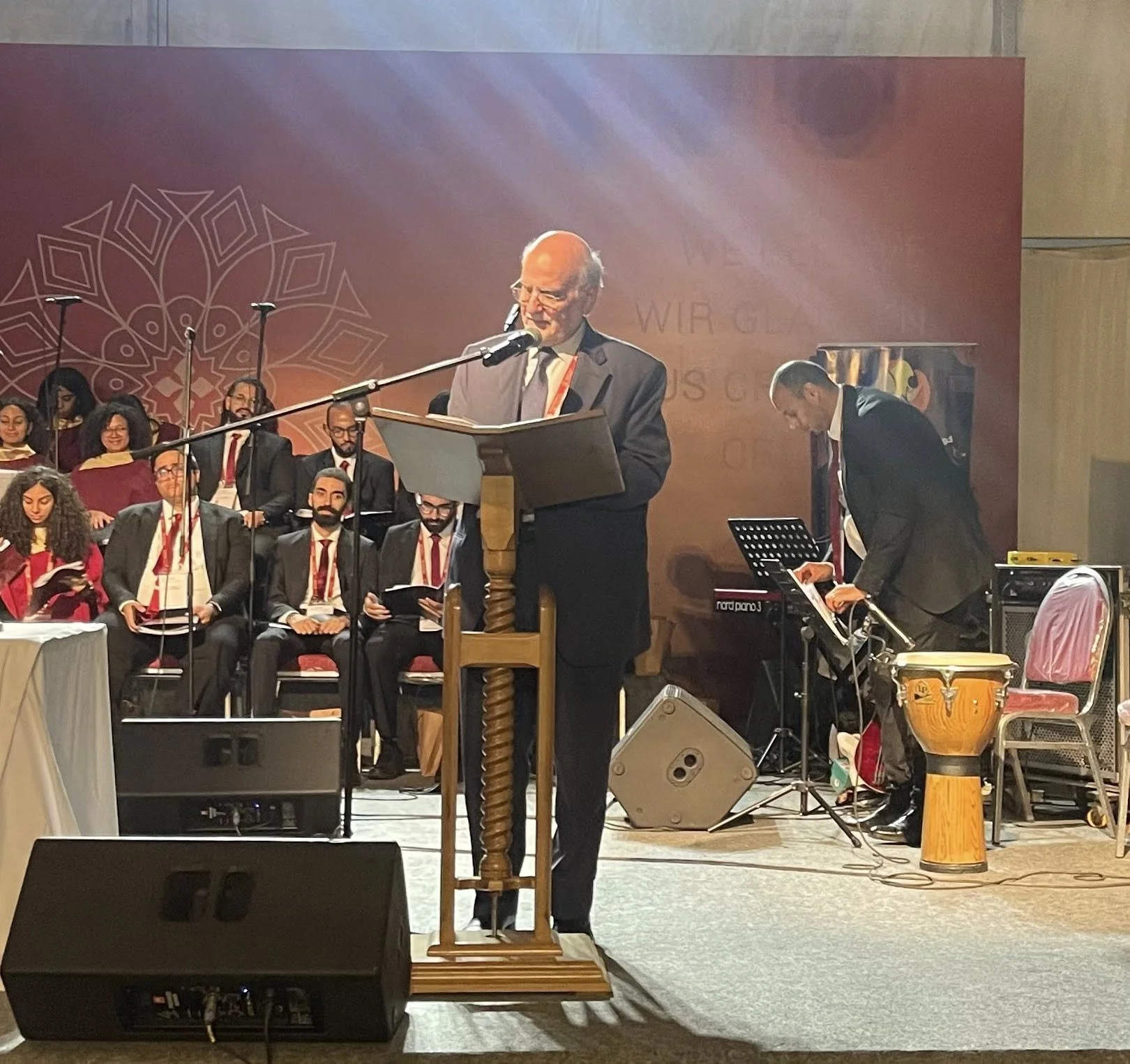
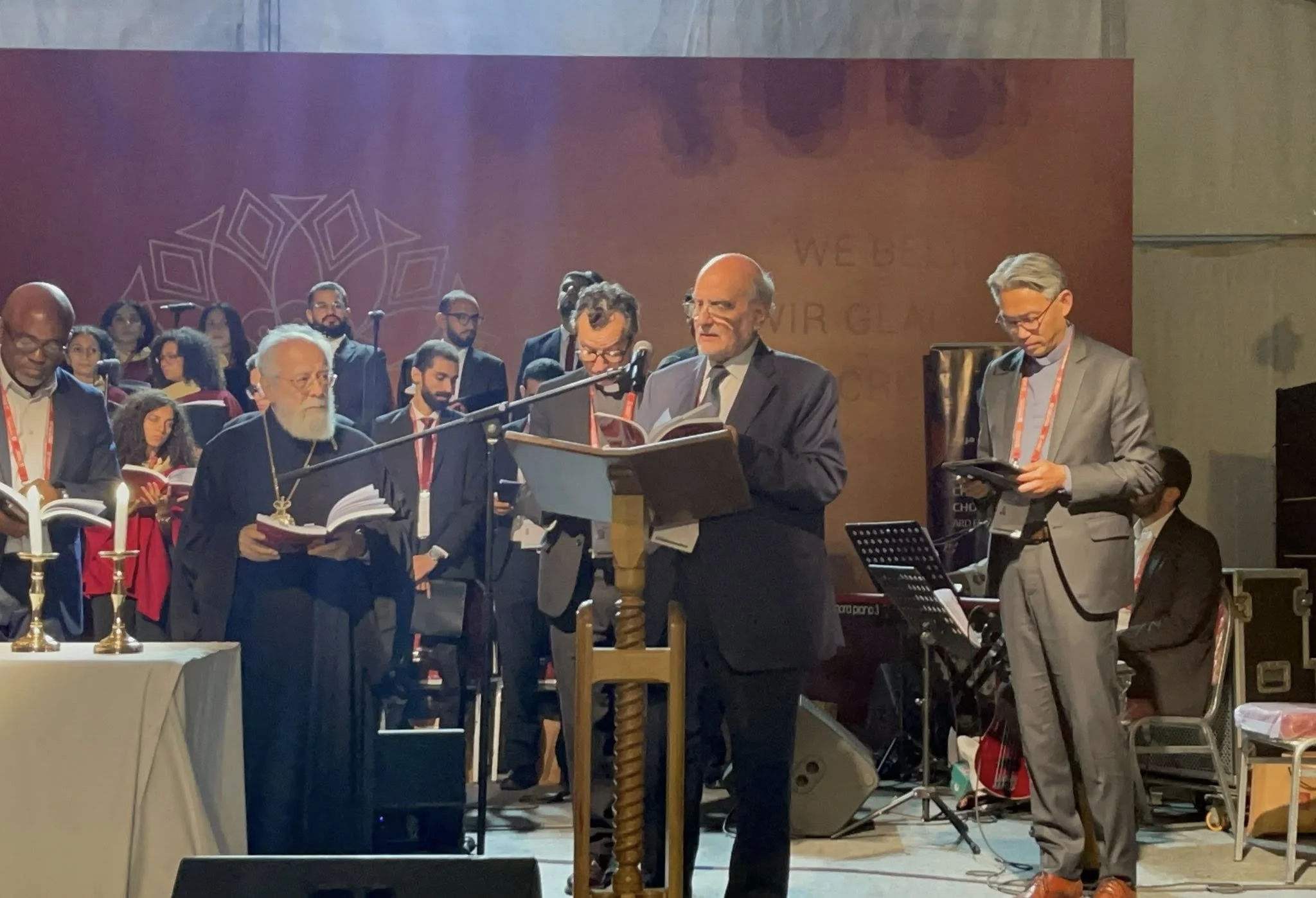
The final day concluded with an Ecumenical Prayer Service that brought the participants together in an atmosphere of reverence. During the Service, Professor Michel Abs, the Secretary General of the Middle East Council of Churches (MECC), presented many reflections and a reading from St. Athanasius of Alexandria.
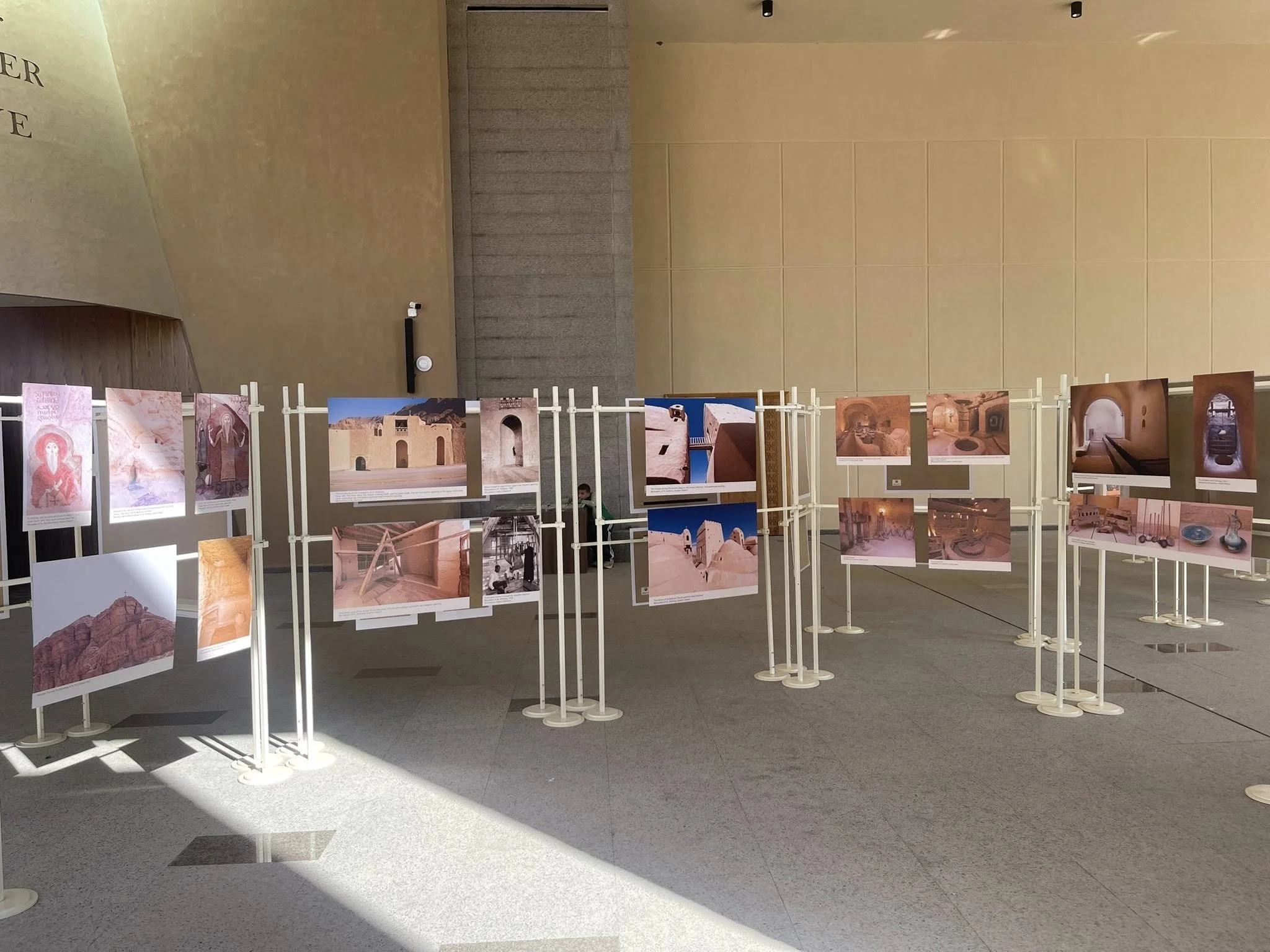
It is worth noting that the conference activities included a photo exhibition, prepared by the St. Mark Foundation for Coptic Heritage, highlighting the most prominent historical Coptic Orthodox Monasteries and Churches in Egypt.
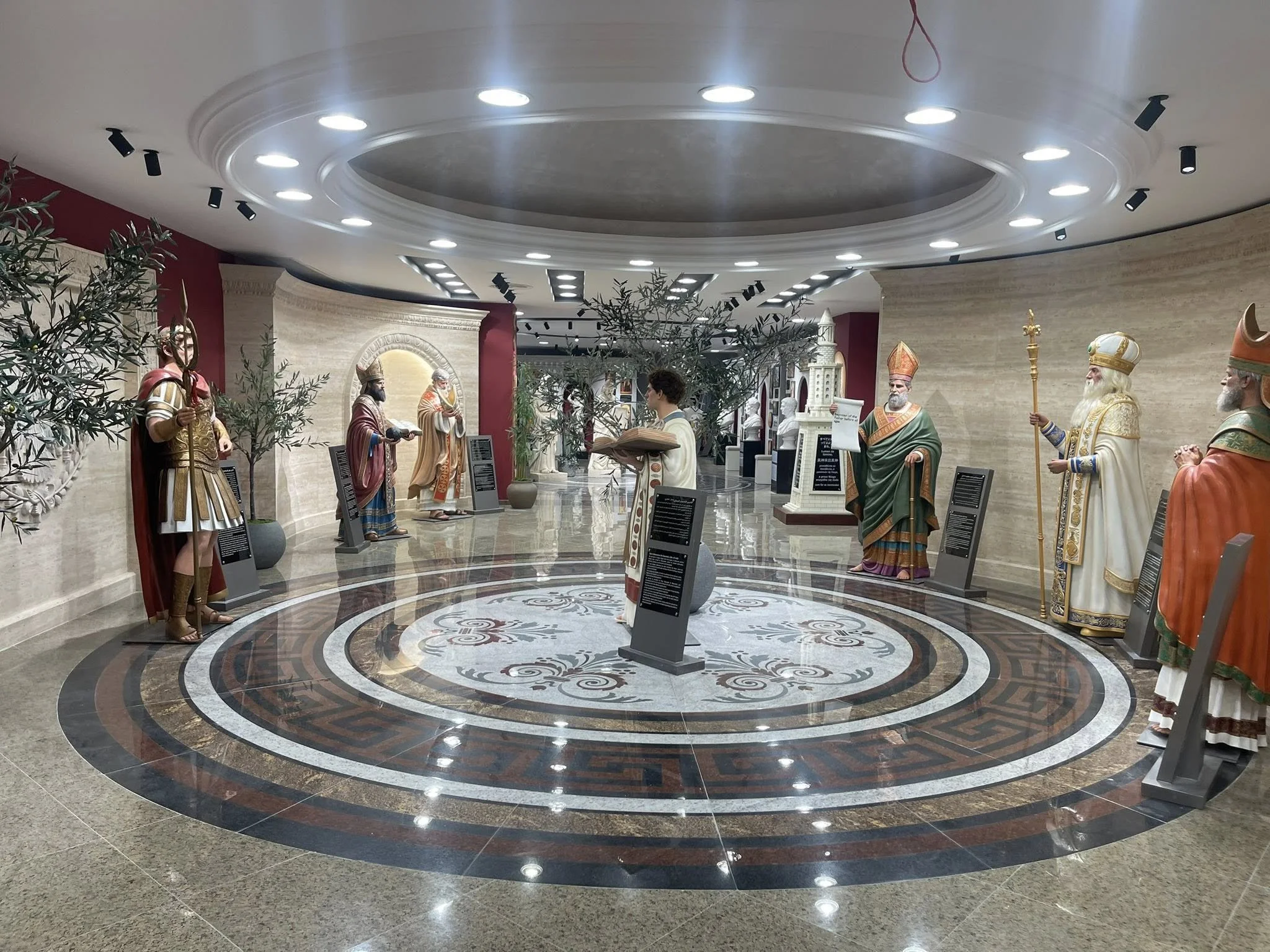
In addition, a Museum was specially prepared to commemorate the 1700th anniversary of the First Ecumenical Council of Nicaea, featuring various sculptures that reflected the history of the Council and the different periods it passed through.
Furthermore, the media coverage of the conference culminated in a fraternal partnership between the World Council of Churches (WCC), the Middle East Council of Churches (MECC), and the Coptic Orthodox Church (COC).
Hence, the conference formed an oasis of knowledge and culture that conveyed a realistic image of Christian unity from the Logos Papal Center in Wadi El Natrun in Egypt to the whole world.