
Pope Leo XIV Visits the Middle East
Middle East Socioeconomic Overview
Report: November 2025
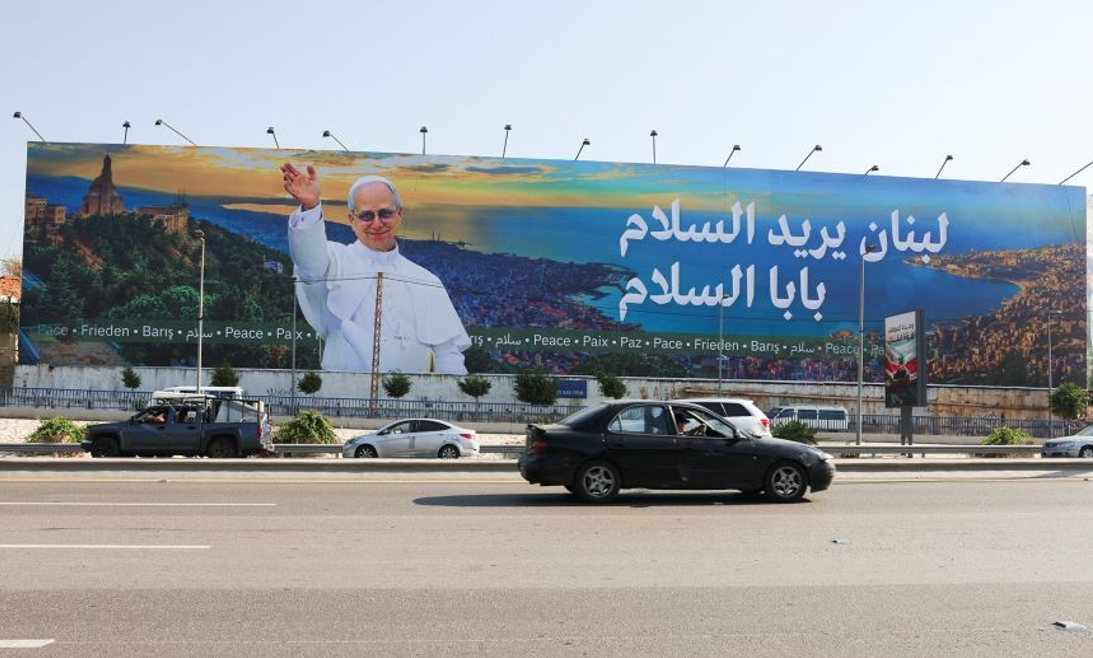
Honoring the promises of his predecessor, Pope Leo XIV visits Turkey and Lebanon in the Middle East.
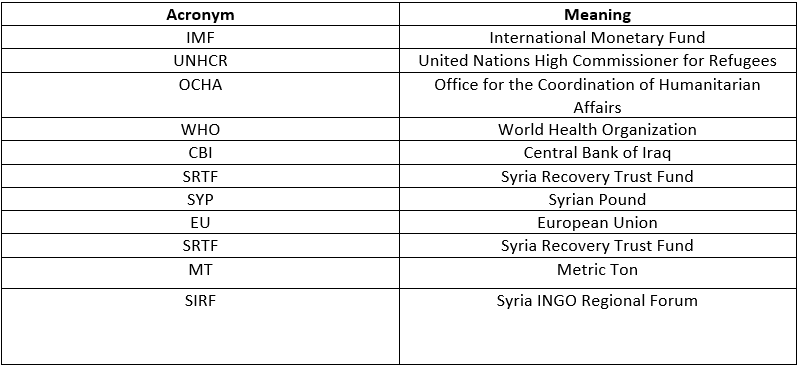
1. Table of Acronyms
2. Introduction
News of the Pope’s historic visit to the Middle East breathed hope into a region that has been struggling with plethora of problems such as war, economic stagnation, poverty, and displacement. His arrival is based on a promise that his predecessor had made but was unable to fulfill them due to health reasons. Pope Leo celebrated the 1,700th anniversary of the Council of Nicaea, which took place in modern-day Iznik, northwestern Turkey. As for Lebanon, his trip aimed to focus on dialogue and unity between the different branches of Christianity and to give hope to the country that has been struggling with war and economic turmoil.
3. The Socio-Economic Situation
Egypt
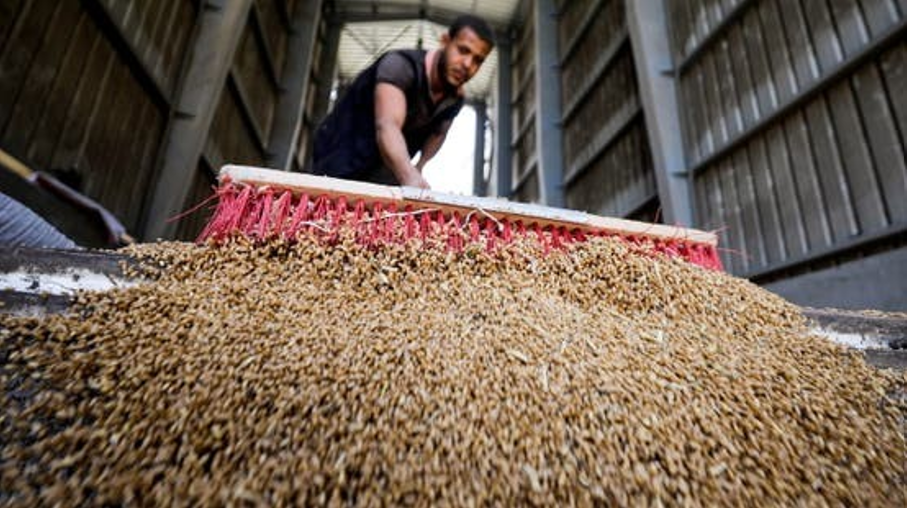
Egypt launched a plan to achieve self-sufficiency by increasing agricultural areas and diversifying import sources. Photo credit: alarabiya.net
According to Prime Minister Mostafa Madbouly, at a meeting held at the government’s headquarters in the New Administrative Capital (NAC), the government is commited to improve various sectors by implementing economic and structural reforms which have been adopted by the state. The purpose of these reforms is to establish a favourable environment that is attractive for both local and foreign investments. This is done by entising investors to pump more investments either in new projects or in expanding and increasing investments in existing ones. He also mentioned the state’s role in expanding the private sector by encouraging participation in development activities, and emphasized the important role his ministry is making in connecting with other world leaders so that to increase investments. According to him, Egypt is seeking new projects in renewable energy, petroleum, industry, tourism, information and communication technology, and other sectors of importance to both Egypt and many local and foreign private sector firms. What bolsters the Prime Minister’s effectiveness of the government’s strategy, is the recent French bank BNP Paribas expects decleration that Egypt’s GDP is set to grow by 5.2% during the current fiscal year. While it didn’t directly site that Egypt’s reforms are behind this growth, it did mention improved consumption, which accounts for 80% of GDP, and the recovery of business activity with monetary easing. All of this point towards the success of reforms that aimed to expand the private sector.
Throughout these reforms, the government is aiming to make the country economically stable while being able to tend to its vast population. For this reason, the government is also turning its attention to its weat reserves as local production only covers 40% of its needs. According to a statement issued by the agency, “Future of Egypt”, a major initiative to convert desert land into fertile farmland to reduce food imports and boost exports, is working on managing the wheat system by combining increased local production and regulating imports, through expanding the agricultural area and raising production capacity by more than one million additional tons compared to the previous season. This will enable it to support the supply system, while being aided by the efforts of the Ministry of Supply. The Future of Egypt Authority also established the Unified Procurement Department in cooperation with the Ministries of Agriculture and goSupply, to unify import operations and put an end to price discrepancies and market fluctuations, thus ensuring the provision of wheat necessary for subsidized bread without any disruptions in supplies. In order to maximize efficiency and reduce financial burdens, the Future of Egypt Authority is also working to launch a barter trade system with a number of international companies, allowing the exchange of goods without intermediaries and opening the door to a more flexible and value-added trade system.
Jordan
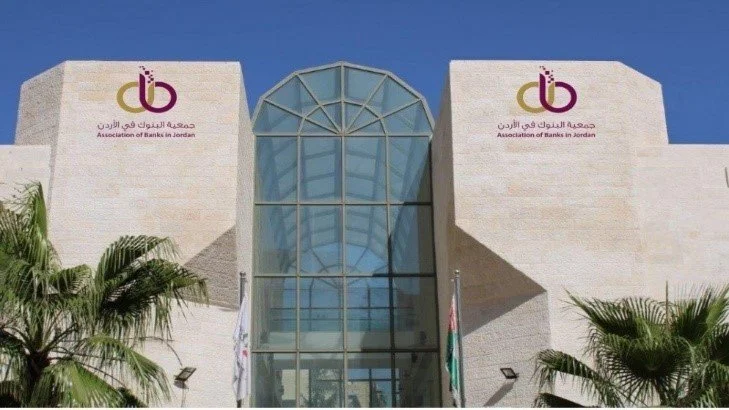
Association of Banks in Jordan. Photo credit: almamlakatv.com
The Association of Banks in Jordan affirmed that the Kingdom’s success in issuing Eurobonds in global financial markets at competitive interest rates reflects the high international confidence in the national economy and its ability to grow and remain stable despite the instability in the region. The association indicated that this success is a result of the strong relations that Jordan has with various countries around the world, thanks to the continuous efforts and wise vision of His Majesty King Abdullah II. The association’s general manager, Maher Al-Mahrouq, said that the issuance of these bonds is a result of economic indicators and performance, especially after Jordan launched its economic modernization vision, in addition to the advanced ratings from international agencies that praised the economic decisions and reforms that the Kingdom has accomplished recently. This will enable it to achieve economic growth and overcome the challenges and difficulties it faces as a result of the unstable developments in the region. He added that despite all the changes and challenges, Jordan has been able to maintain monetary and financial stability thanks to the prudent policies of the Central Bank and the existence of a strong banking system capable of meeting the financing and financial facilities needed by the various economic sectors. He pointed out that the indicators achieved by the national economy since the beginning of this year, whether in terms of growth, the rise in national exports, tourism revenue, foreign currency reserves, or maintaining inflation within global rates, are all components and factors that help to give the national economy confidence from international institutions and foreign investors. Al-Mahrouq stressed that this issuance represents an important step in achieving the sustainability of public debt and reducing the debt interest burden in the general budget, which will improve the performance of the general budget in the future.
Iraq
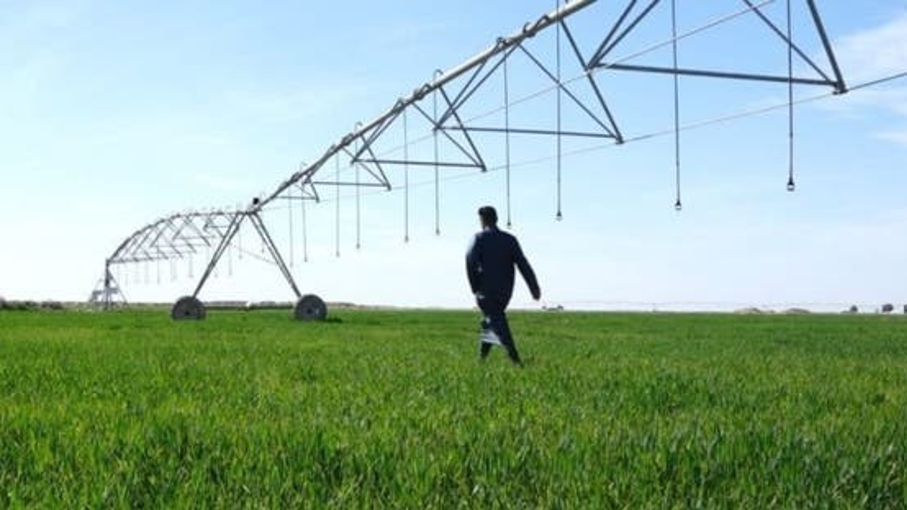
Agriculture in Iraq - Iraqi News Agency. Photo credit: https://www.alarabiya.net/
To avoid drought and prevent the economic implications that emanate from it, the Iraqi Ministry of Agriculture confirmed that the winter season plan will rely on 5 water sources, while obligating orchard owners to use modern irrigation techniques. Ministry advisor Mahdi Al-Qaisi claimed that the Ministry's plan for the 2025-2026 winter season focused on cultivating wheat, explaining that the plan includes cultivating 3.5 million dunams relying on wells and modern irrigation systems. A complementary plan will be set up to cultivate 1,000 dunams using rivers and surface water, provided that sprinkler irrigation systems are adopted. According to the Iraqi News Agency “INA”, the advisor also stated the ministry is adopting sprinkler irrigation systems because they reduce water consumption by 30%-40% compared to surface irrigation. Additionally, the Iraqi cabinet has approved a 60% subsidy for wheat seeds for farmers and agricultural workers as part of the new agricultural plan. Moreover, sprinkler irrigation systems and pioneering systems, which vary in capacity between 60, 80, and 120 dunams, are subsidized by 30%, with the remaining 70% payable in installments over 10 years to facilitate their acquisition by farmers. The ministry has contracted for more than 12,000 pioneering systems, some of which are in cooperation with the Ministry of Agriculture and others through external contracts, and more than half of them have been received and distributed to farmers, which has made the use of these systems fundamental in water conservation plans. He added that the ministry also adopts drip irrigation systems in vegetable farming and horticulture in general, including palm and citrus orchards. He emphasized that orchard owners are obliged to use modern irrigation technologies with distances of no less than eight meters between palm trees to enable the implementation of mechanical operations and reduce the cost of production.
Lebanon
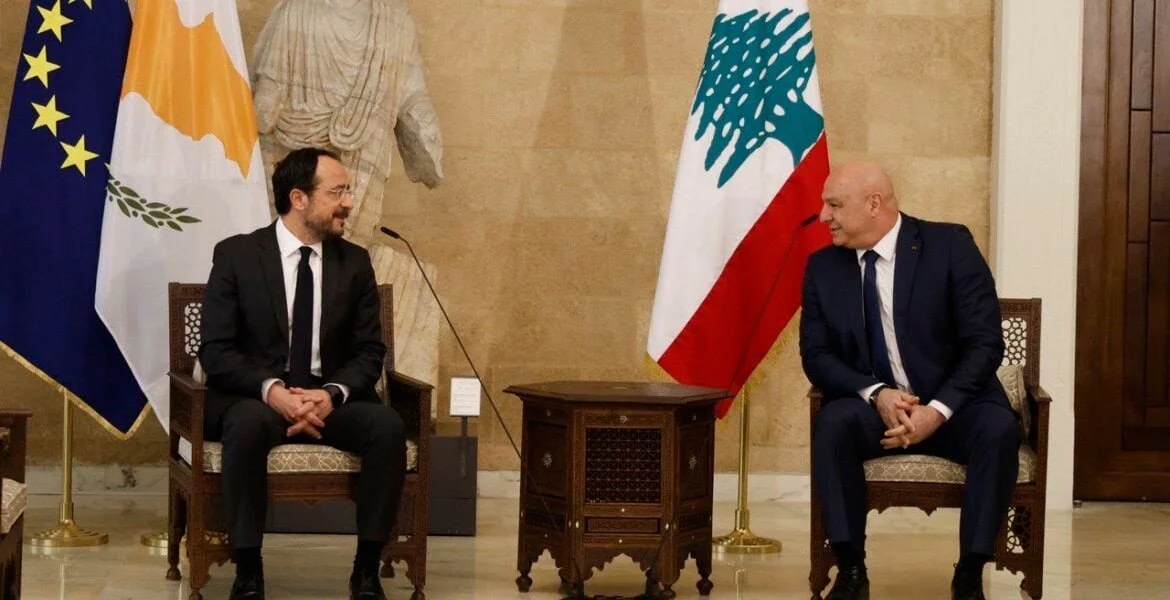
Lebanon and Cyprus have signed a long-awaited maritime boundary agreement, unlocking the potential for offshore energy cooperation and future gas exploration in the eastern Mediterranean. Photo credit: greekcitytimes.com/
In a historic event for Lebanon and a sliver of good news for a country who has been facing nothing but economic stagnation, Cyprus’ President Nikos Christodoulides and Fayez Rasamny, Lebanese minister of public works and transport, sign a maritime demarcation agreement. The agreement was formally signed at the presidential palace in Baabda by Lebanese President Joseph Aoun and Cypriot President Nikos Christodoulides, with the participation of Lebanese Minister of Public Works and Transport Fayez Rasamny who also co-signed the agreement. The meaning of the signing of this agreement is the resolution of an issue which has been pending since 2007 due to stalling by the Lebanese government. Officials hope that this move will speed up the attraction of potential offshore gas and oil companies that can ascertain whether or not there are adequate gas and oil reserves. This could eventually provide crucial state revenue, stimulate investment, and address Lebanon’s chronic energy shortages. However, no commercially viable resources have yet been confirmed in Lebanon’s offshore blocks. Nevertheless, the maritime pact is expected to accelerate exploration efforts and strengthen energy and economic collaboration between Lebanon, Cyprus, and the EU, marking a significant step toward greater regional stability and integration. Some view this move as preliminary act in relation to the developments that are happening in the region and the major geopolitical shifts. Hopefully, the visitation of the Pope is also a positive step in this regard as the country needs every shred of hope it can get. Unfortunately, there is still the threat of the return of escalations in the near future, the uncertainty of what might come out of this and what it may mean for the future of Lebanon.
Palestine
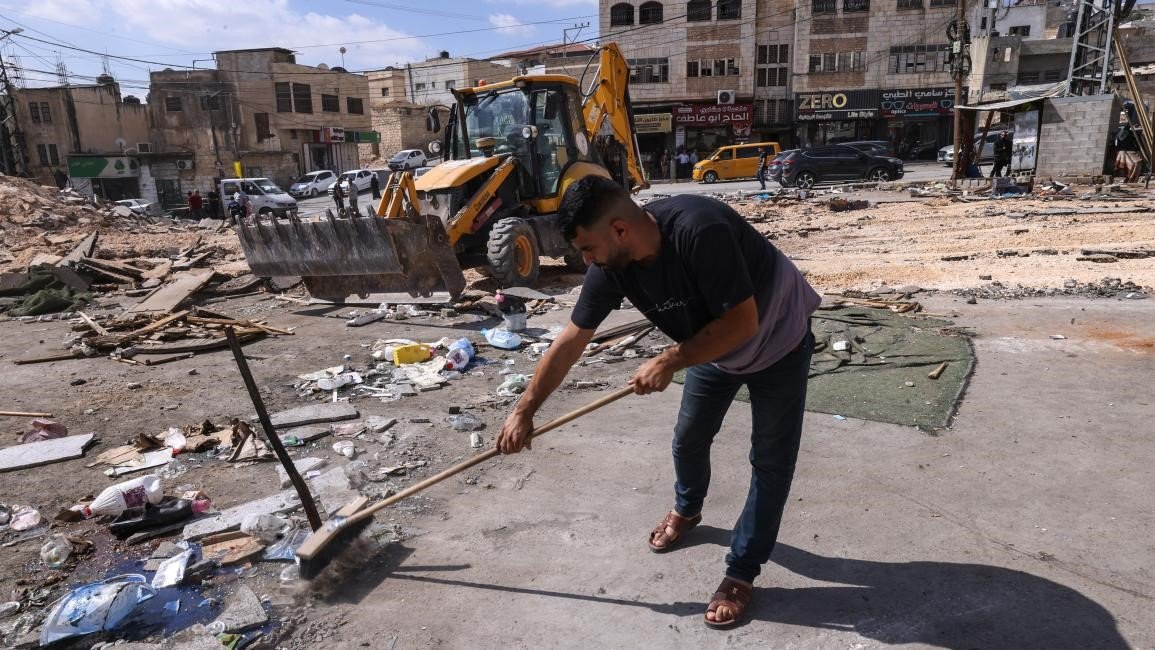
A Palestinian removes rubble after an [Israeli] raid on the West Bank city of Tubas (Hazem Bader/AFP)
The United Nations Conference on Trade and Development (UNCTAD) recently declared that the Palestinian economy is going through the most dangerous phase in its history, warning that the widespread destruction caused by Occupier’s brutal war on the Gaza Strip and the ongoing restrictions in the West Bank threaten a total collapse. According to the UNCTAD report released during the month of November, the cost of rebuilding Gaza could exceed $70 billion, noting that the process could extend for several decades due to the scale and extent of the devastation. The report explained that the latest attack crippled the basic necessities of life in the sector, from food and shelter to health care, pushing Gaza into a complete man-made abyss. The report indicated that the continued destruction raises questions about the sector's ability to recover as a livable environment, both in terms of infrastructure and the population's capacity to recover. The agency stressed that the current situation threatens the very survival of Gaza, calling on the international community to intervene urgently and significantly to restore the minimum requirements for resilience. UNCTAD called for the launch of a comprehensive recovery program, including a coordinated flow of international aid, the resumption of suspended financial transfers, and the easing of restrictions on trade, movement, and investment. Given the worsening multidimensional poverty in the sector, the agency also called for the adoption of an emergency basic income that would guarantee every individual in Gaza a fixed and unconditional monthly sum of money. The report indicated that Gaza’s economy shrank by 87% between 2023 and 2024, resulting in a decline in per capita GDP to just $161, one of the lowest levels in the world. It also noted that the situation in the West Bank is no less dire, as restrictions on the movement of workers, escalating violence and settlement expansion have led to the worst economic decline the region has witnessed since UNCTAD began recording data in 1972.
Syria
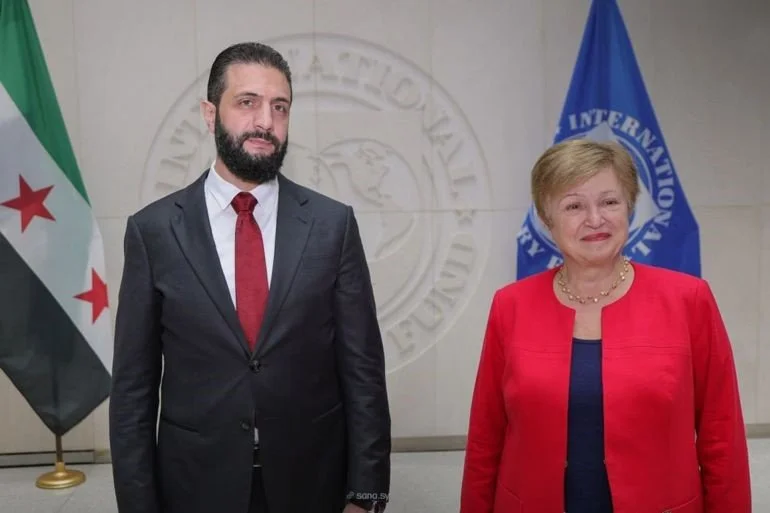
Syrian President Ahmed al-Sharaa with IMF Managing Director Kristalina Georgieva (SANA)
In a major update regarding Syria’s economy, the International Monetary Fund released a statement claiming it intends to implement an "intensive cooperation program" with Syria, which includes providing technical assistance to improve the country's economic data and paving the way for the resumption of periodic annual reviews of economic policies. This is great news for a country which has been trying to change its image and win the favor of the West. Not only will this allow it to gain access to certain IMF provisions, but it can permit it to project stability to any country wishing to increase economic cooperation with the county Syria According to Ron van Rooden, head of the IMF mission to Syria, the Syrian economy is showing signs of recovery and improved prospects, reflecting improved consumer and investor confidence under the new Syrian regime. Moreover, Syria is gradual integrating into the regional and global economy with the lifting of sanctions and the return of more than one million refugees. Financial discussions focused on drafting the government's 2026 budget, which aims to increase fiscal space to meet basic needs, including support for social sectors for the most vulnerable groups, while ensuring it is based on ambitious yet realistic assumptions regarding revenues and financing. The IMF experts also vowed to provide extensive technical assistance to strengthen the fiscal framework by improving public financial management and revenue administration, completing new tax legislation, and developing a strategy to address and improve the management of Syria's long-standing debt.
In another positive update, the Syrian government, similarly to Egypt, is trying to secure agricultural production inputs and enhance food security to further stabilize the country. During this month, the Syrian Ministry of Agriculture placed the conditions that must be met to obtain the interest-free loan allocated to support wheat cultivation. The Ministry of Agriculture's media department explained that the loan is “in kind” and farmers wishing to benefit from it must submit an official document proving land ownership and its suitability for cultivation. It noted that if this document cannot be provided, the relevant Directorate of Agriculture should run an inspection confirming the land's suitability for cultivation. The department indicated that the loan program is implemented in cooperation with the bank and includes all regions according to the specified criteria in terms of the availability of irrigation sources and areas where rainfall is stable. Moreover, the loan includes in-kind materials such as wheat seeds and fertilizers, which are distributed according to the size of the cultivated area. In short, all these provisions and policy shifts by the Ministry of Agriculture are a way to ramp up wheat production so that the country can achieve food security and stability.
Cyprus
Fitch upgrades Cyprus economy prospect to positive, government says more to come. Photo credit: in-cyprus.philenews.com
This month, US credit rating agency Fitch gave the rating A- to Cyprus, falling in line with what other agencies have been lauding over the past month. Fitch, however, added that the economy appears going from stable to positive reiterating what Cyprus’s Finance Minister has been claiming about a future rating rise. The agency justified its decision by saying that Public debt has dropped dramatically during 2022-2025 and falling under the landmark 60% of GDP (55.4%) in 2025, below the EU median, indicating positive development. It predicts that during 2025-2027 a running surplus for Cyprus will continue at an average of 3.2%, while the strong economic growth is expected to rise to 3.4% in 2025. Moreover, it will maintain this growth at around 3% over the next two years and in the medium term. This is a really good indicator given that the average Eurozone growth is 1%. Another thing Fitch added are the excellent employment conditions as unemployment has dropped to pre-2009. The agency stressed however, Cyprus must maintain its credibility through public finance discipline and rational fiscal policies. This will allow it to receive even higher ratings. From his end, Finance minister Makis Keravnos referred to the Fitch upgrade as well as a similar Moody’s previous assessment both as tangible evidence of excellent economic performance and relevant government policies supported by credit rating agencies. He also stressed that his country will work on becoming more competitive and resilient so that to continue in its upward trajectory.
4. The Humanitarian Situation
Egypt
WFP distributed fortified in-school snacks to more than 92,600 students enrolled in community schools in 10 governorates (of which, 66 percent are girls). Furthermore, to support the inclusion of refugees in the Egyptian education system, WFP also distributed fortified in-school snacks to more than 268,700 students.[1]
Jordan
The UNHCR states that there are currently 436,410 registered refugees in Jordan up until the beginning of November.
The proportion of Syrian displaced people registered within the UNHCR, are distributed as follows:
-138,635 in Amman Governorate (31.8%)
-110,253 in Mafraq Governorate (25.3%)
-78,324 in Irbid Governorate (17.9%)
-63,445 in Zarqa Governorate (14.5%)
-11,748 in Balqa Governorate (2.7%)
-9,135 in Madaba Governorate (2.1%)
-5,251 in Jarash Governorate (1.2%)
-5,619 in Karak Governorate (1.3%)
-6,291 in Maan Governorate (1.4%)
-3,395 in Ajlun Governorate (0.8%)
-2,949 in Aqaba Governorate (0.7%)
-949 in Tafilah Governorate (0.2%)
-416 in other (0.1%)
Islamic Relief USA (IRUSA) and UNHCR, the UN Refugee Agency launched an expanded partnership to respond to the health needs of refugees in Jordan through an innovative approach. It is a medical mission program which deploys specialized medical staff to provide needed treatments for refugees and members of the host community.[2]
Iraq
The UNHCR states that there are currently 346,066 registered refugees in Iraq. Of those, 91,210 live in camps.
The proportion of refugee people (non-camp 254,856) registered within the UNHCR up until the beginning of November, are distributed as follows:
-119,446 in Erbil (46.86%)
-40,540 in Dahuk (15.9%)
-30,748 in Sulaymaniyah (11.87%)
-2,734 in Ninewa (1.07%)
-41,598 in Baghdad (16.66%)
-19790 in other areas (7.7%)[3]
In a recent survey released by the UNHCR, Syrian refugees are still unable to return to Syria due to economic and security concerns and their homes are still destroyed. [4]
On World Children's Day, UNICEF sounded the alarm about Iraq's deepening water crisis which is robbing millions of children of their fundamental rights and jeopardizing their futures.[5]
Lebanon
{Distribution data has not been updated for the month of November}
Since the beginning of October the number of registered Syrian refugees in Lebanon is 636,051.
Refugees in Lebanon are distributed as follows:
-229,271 in Bekaa (36%)
-198,022 in North Lebanon (31.1%)
-141,787 in Beirut (22.3%)
-66,971 in South Lebanon (10.5%)[6]
According to the UNHCR, almost 200,000 displaced Syrians still reside in 5,468 active informal settlements, where no permanent infrastructure is permitted, meaning that temporary arrangements for water supply and sanitation have to be provided by the international community.[7]
Syria
According to Medicine Sans Frontiers (MSF), people in northeast Syria continue to struggle with access to healthcare, water, and food.[8]
The UNHCR released a statement that it continues to receive worrying reports about dozens of abductions and enforced disappearances, in addition to the more than 100,000 people who went missing under the Assad regime.[9]
According to the International Organization for Migration (IOM), approximately 1.5 million IDPs remain in 1,373 registered IDP sites and informal sites across Syria.[10]
The security situation in southern Syria remains fragile and armed clashes among a range of actors continue to be reported within the governorate. The hostilities in As-Sweida remain a major driver of humanitarian needs, with displacement exceeding 187,000 people—a level that has shown little change despite a decline in fighting.[11]
Cyprus
According to Interior Minister Constantinos Ioannou, Cyprus has accepted, proportionally, the largest number of Ukrainian refugees, allocating more than €39 million during the first two years of the war to provide accommodation, language classes, psychological support, legal services and tailored assistance for families, children and the elderly. [12]
[1] OCHA, Nov 24, 2025, https://reliefweb.int/report/egypt/wfp-egypt-country-brief-october-2025
[2] UN Refugees, November 24, 2025, https://www.unrefugees.org/news/islamic-relief-usa-and-unhcr-jordan-launch-innovative-health-services-program-for-refugees-and-host-communities-in-jordan/
[3] https://data2.unhcr.org/en/situations/syria/location/5
[4] OCHA, Nov 24, 2025, https://reliefweb.int/report/iraq/overview-syrian-refugees-iraq-intention-return-unhcr-iraq-november-2025
[5] OCHA, UNICEF, https://reliefweb.int/report/iraq/world-childrens-day-unicef-warns-iraqs-growing-water-crisis-putting-childrens-futures-risk-enar
[6] UNHCR, Oct 28, 2024, https://data2.unhcr.org/en/situations/syria/location/71
[7] OCHA, Nov 5, 2025, https://reliefweb.int/report/lebanon/wash-sector-requires-us14-million-critical-life-saving-services-most-vulnerable-syrians-prioritized-informal-settlements-and-collective-shelters
[8] OCHA, MSF, https://reliefweb.int/report/syrian-arab-republic/msf-syria-challenges-northeast-persist-humanitarian-needs-increasing
[9] OCHA, Nov 7, 2025, https://reliefweb.int/report/syrian-arab-republic/syria-continued-worrying-reports-about-abductions-and-enforced-disappearances
[10] OCHA, Nov. 18, 2025, https://reliefweb.int/report/syrian-arab-republic/idp-movement-intentions-survey-syria
[11] OCHA, Nov 20, 2025, https://reliefweb.int/report/syrian-arab-republic/sweida-emergency-response-situation-report-u6-november-19-2025
[12] Cyprus Mail, 2025/11/25, https://cyprus-mail.com/2025/11/25/cyprus-stands-by-ukraine-over-e39m-allocated-to-refugees