
More Tariffs, More Turmoil
Middle East Socioeconomic Overview
Report: April 2025
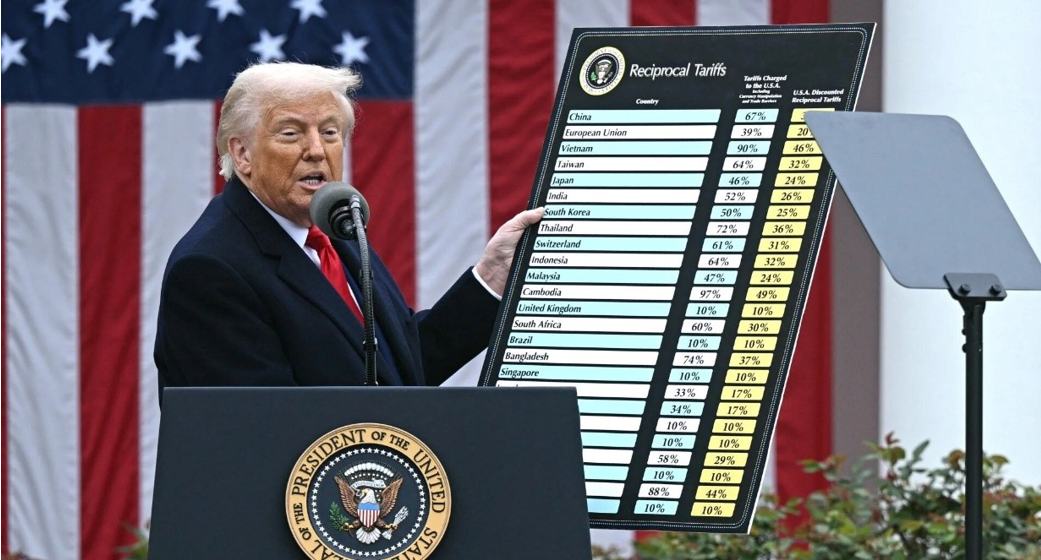
US President Donald Trump holds a chart as he delivers remarks on reciprocal tariffs during an event in the Rose Garden at the White House in Washington on 2 April 2025 (AFP/Brendan Smialowski)
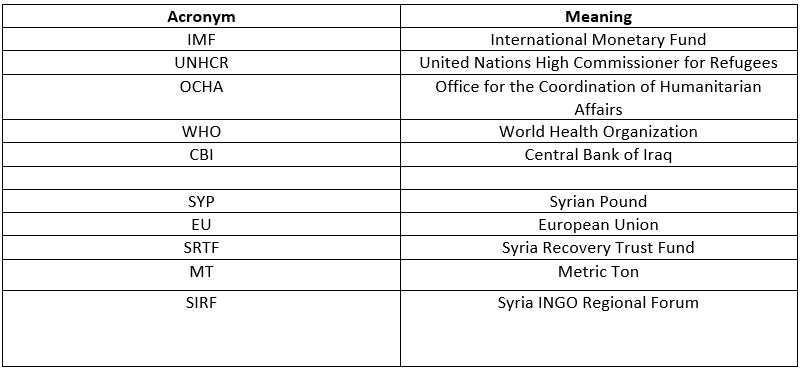
1. Table of Acronyms
2. Introduction
Donald Trump’s imposition of Tariffs on the world in an attempt to close the United States' trade deficit. Unfortunately, this included the Middle East and North Africa, and therefore will have negative repercussions on the trade of these countries. Countries in the region were divided into two categories: Low and High tariffs. Countries in the High category include Algeria, Iraq, Occupied Palestine, Jordan, Libya, Syria and Tunisia. As for countries in the low category include, Bahrain, Egypt, Iran, Kuwait, Lebanon, Mauritania, Morocco, Oman, Qatar, Saudi Arabia, Sudan, Turkey, the UAE and Yemen. It will be quite interesting how countries will react to this move and what policies or new course of actions they will undertake.
3. The Socio-Economic Situation
Egypt
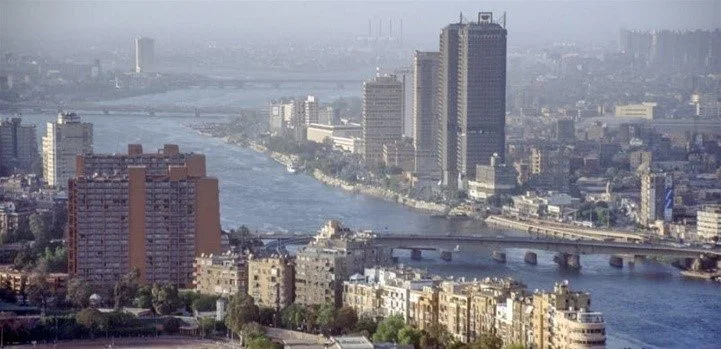
After raising the price of gasoline, Standard & Poor's reveals its future outlook for the Egyptian economy. Photo credit: www.lebanon24.com
According to the Egyptian Ministry of Planning, Economic Development and International Cooperation, the Egyptian economy recorded its fastest quarterly growth in more than two years, driven by an increased focus on domestic manufacturing and exports, despite declining Suez Canal activity. Gross domestic product (GDP) grew by 4.3% in the second quarter of the current fiscal year (Q4 2024), compared to 2.3% in the corresponding quarter of the previous fiscal year. This is the highest rate in nine quarters (since Q3 2022), when the country entered a deep economic crisis. This performance is supported by manufacturing and tourism, and is aided by improved private sector investment, despite continued decline in Suez Canal revenues due to unrest in the Red Sea. The non-oil manufacturing sector grew 17.7% year-on-year during the second quarter, marking the third consecutive quarter of growth. The Ministry of Planning attributed this improvement to structural reforms aimed at boosting productivity and supporting export-led growth. What allowed producted to increase is the fact that Egypt's industry benefited from customs clearance facilities for raw and primary materials, which contributed to the growth of the manufacturing index—excluding crude oil and petroleum products—driven by a significant improvement in the automotive, ready-made garment, beverage, and textile industries. The tourism sector also aided the economy as it is Egypt's most prominent sources of foreign exchange during the second quarter of the fiscal year, recording an 18% annual growth rate. This was driven by a rise in the number of tourists to 4.41 million and an increase in the number of tourist nights, which helped offset the sharp decline in Suez Canal revenues.
From its end, Standard & Poor's affirmed Egypt's credit rating at B, but lowered the outlook to stable from positive. It attributed this to high domestic and external financing requirements, which makes it vulnerable to current fluctuations in the global financial market. The agency claimed that Egypt is among the countries where interest rates consume a large portion of revenues, while its balance of payments is vulnerable to global financing conditions and hot money flows. Moreover, S&P explained that the stable outlook balances Egypt's commitment to financial and economic reforms with the impact of declining global growth and increased volatility in external financing conditions. As for the future, the agency claimed that Egypt's credit rating could be raised if Egypt's net government or external debt improves at a faster pace than currently expected, perhaps through a combination of higher foreign direct investment, government asset sales, and strong growth, which would also help significantly ease the interest burden.
Jordan
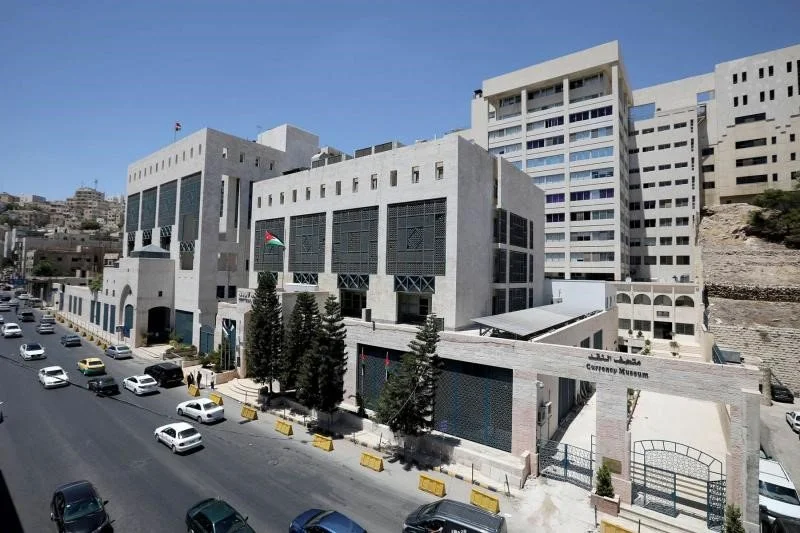
World Bank approves $1.1 billion in financing to boost Jordan’s economy. Photo Credit: The Arab Weekly.
The Jordanian economy continues to defy expectations and exceed initial estimates. The IMF predicted that Jordan's economy will grow by 2.5 per cent in 2025, with another increase expected in 2026 of up to 3 per cent, after achieving growth of 2.3 per cent last year. This estimation came after a recorded increase of 2.7% in the fourth quarter of 2024 compared to the same period in 2023, instead of the estimated 2.5%. It is a clear indication of the resilience of the Jord+anian economy and its ability to grow despite challenges. Achieving 2.5% growth for the full year 2024, compared to initial projections of 2.3%, reflects the economy's ability to adapt to regional pressures and geopolitical changes. In a region plagued by conflict and instability, achieving these rates is an achievement that reflects the vitality of the goods and services sectors. These figures did not come out of nowhere. Rather, they are the result of the performance of key economic sectors, which achieved remarkable growth rates. The agricultural sector recorded an 8.4% increase, while manufacturing industries shone with a 9.4% increase, and extractive industries with a 4.5% increase. This performance demonstrates how a combination of economic strategies and effective public-private partnerships can transform challenges into tangible opportunities. The crucial point here is that the Jordanian government did not stand idly by. Rather, it strengthened the economy's resilience through reform policies. Partnership with the private sector was not just a slogan, but a working method for unlocking the economy's latent potential. These policies not only supported growth, but also contributed to increasing foreign currency reserves and boosting domestic demand. Currently, there are talks to explore ways to increase investment opportunities within Jordan through the strengthening the strategic partnership between Jordan and the European Union. To support the Kingdom, the World Bank also will provide Jordan with $1.1 billion in new financing to support economic reforms and expand social protections.
Iraq
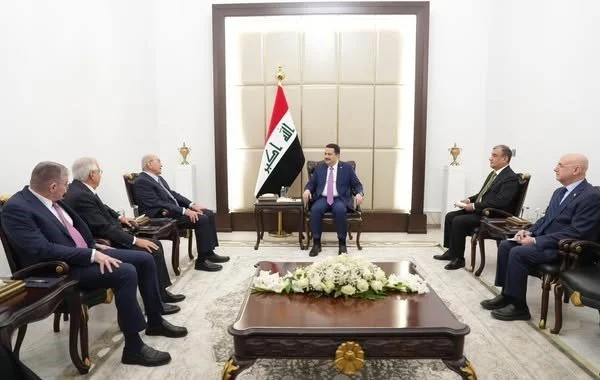
Prime Minister Mohammed S. Al-Sudani Meets with Arab Bank Delegation. Photo credit: Iraqi Prime Minister Media Office
Iraq intends to reduce the assumed price of oil in the federal budget, in light of declining market prices. Mazhar Mohammed Saleh, the prime minister's financial advisor claimed that the estimated oil price for 2025 would be less than $80 per barrel, the price adopted in last year's budget, without providing further details. This decision had been postponed earlier this year due to ongoing negotiations over payments due to oil companies. Oil prices have been on a sharp decline this year, particularly over the past two weeks, after US President Donald Trump's sweeping tariffs triggered turmoil in global markets. Brent crude fell 13% in April amid fears of an economic recession that could impact global energy demand, particularly in the United States and China, the world's largest consumers of crude oil, according to Bloomberg. For this reason, it is becoming more important for Iraq to decrease its reliance on its oil exports. As such, Iraqi Prime Minister Mohammed Shia al-Sudani stressed the importance of private sector projects in Iraq especially those receiving support from the World Bank. During the month of April, the Iraqi Prime Minister received the World Bank's Vice President for the Middle East and North Africa, Ousmane Dione, to discuss projects under discussion with relevant Iraqi ministries and authorities in the railway, highway, and energy sectors, including the fixed gas platform at the Grand Faw Port. Another positive step in the direction of increasing investment is the return of the Arab Bank whose representatives held a series of meetings with the Prime Minister and his office to guarantee is ready to support and facilitate Arab and foreign banking activity that serves Iraq’s economy. Another similar development is Iraq’s success in securing the visit of a US trade delegation representing 60 companies in the energy, technology and health sectors, to sign economic cooperation agreements with the private sector. During the visit, Iraq is expected to sign a landmark agreement with General Electric to develop a high-efficiency power plant.
Lebanon
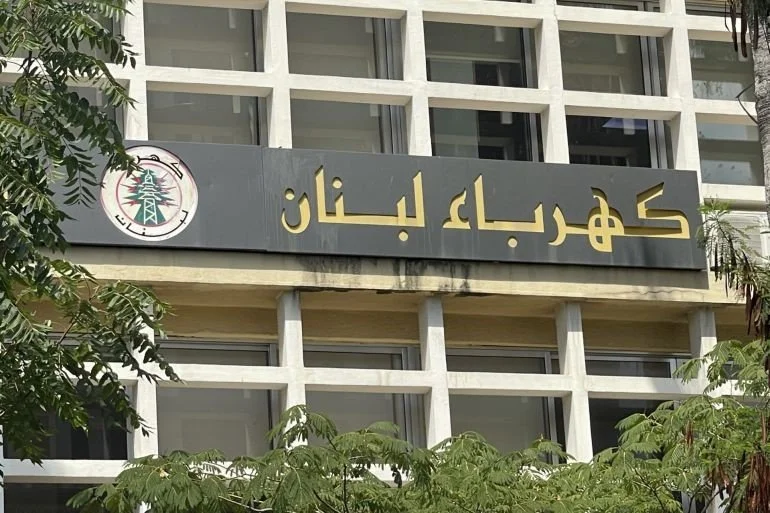
Lebanon has been suffering from an electricity crisis since the 1990s. photo credit: Al Jazeera
According to the country’s finance ministry, the Lebanese government signed a $250 million loan agreement with the World Bank to modernize the country's ailing electricity sector, which has cost the country tens of billions of dollars in debt over the decades. The signing took place on the sidelines of Finance Minister Yassine Jaber's participation in meetings during spring with the World Bank and the International Monetary Fund. Lebanon hopes to secure international support for reform measures and the reconstruction process following an unprecedented economic and financial crisis since 2019 and a destructive war on the south of the country. Both sides agree that the loan is a real step towards bringing about significant change in the way the electricity sector is managed in the country, and that this loan will effectively contribute to enabling Lebanon to move forward on the path of reform. The ministry explained that the loan includes financing the establishment of a new national control center, improving the accounting, billing, and collection system at Electricité du Liban, and developing scalable solar energy farms. The minister did admit that the electricity sector has always been at the heart of the economic and financial challenges facing Lebanon, as successive crises over the past years have led to a significant deterioration in the sector's operational and financial viability. Therefore, solving this problem will go a long way for the rest of the country. The loan allocated to the electricity sector is a part of an aid package worth nearly $1 billion that Lebanon hopes to obtain from the World Bank, according to the Finance Minister. A ministry statement quoted Jaber as saying that Beirut had obtained initial approval to increase the value of the loan provided by the World Bank for the electricity sector from $250 million to $400 million, but nothing has been confirmed so far. For the time being, the international community is demanding that the authorities implement urgent reforms in several vital sectors in order to receive financial support
Palestine
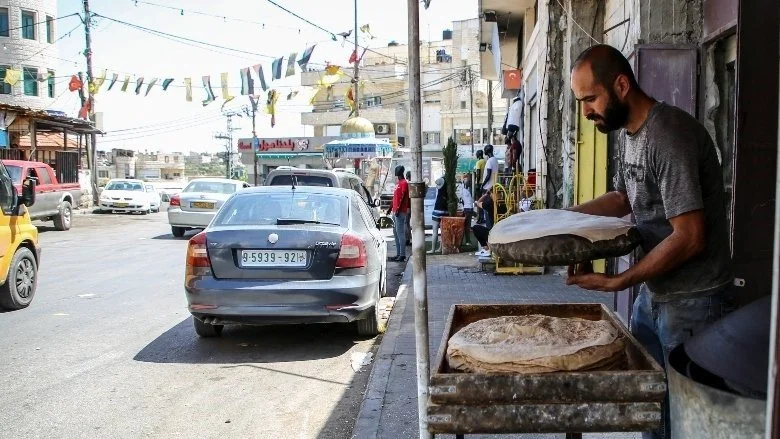
The West Bank’s economy is suffering from the occupier’s policies that punish Palestinians. Photo credit: albankaldawli.org
The economic landscape in the West Bank continues to suffer under the burden of accumulating crises, foreshadowing a bleak future for entire generations. While figures from the Palestinian Central Bureau of Statistics indicate that the average daily expenditure of a household in the northern West Bank is approximately 100 shekels, a paltry sum in itself, the grim reality reveals a huge gap between this theoretical average and the actual ability of most Palestinian families to secure even half of this amount. The severe unemployment that ravages Palestinian society has transformed the lives of many into a bitter daily struggle to secure a living, exacerbating the spectrum of hunger and deprivation that looms large in homes. The Palestinian Central Bureau of Statistics clearly indicates that one of the main factors that contribute significantly to deepening this stifling economic crisis is the continuation of armed conflicts. Some may see this conflict as a legitimate expression of rejection of the occupation and the pursuit of liberation. But the reality on the ground has a different, harsher and more painful side, one whose price is primarily paid by defenseless civilians. Following every resistance operation and armed clash, the pace of occupier sanctions and restrictions imposed, are only increasing their impact on the already crumbling Palestinian economy. These sanctions and restrictions are not merely routine measures; they are lashing whips that gnaw at the very fabric of the Palestinian economy, exacerbating the crisis and making securing basic daily needs an existential challenge for countless families. Closing crossings, restricting the movement of people and goods, and delaying or preventing financial transfers are all tools of economic repression used systematically to collectively punish Palestinians under the pretext of maintaining security. The urgent question is: How long will this economic downfall continue? How long will the Palestinian citizen continue to pay the price of a complex conflict in which political, security, and economic factors intertwine? In other words, when is the looming breaking point? The continuation of this situation portends a true humanitarian and social catastrophe, as the middle class erodes, extreme poverty expands, and hope for a better future fades.
Syria
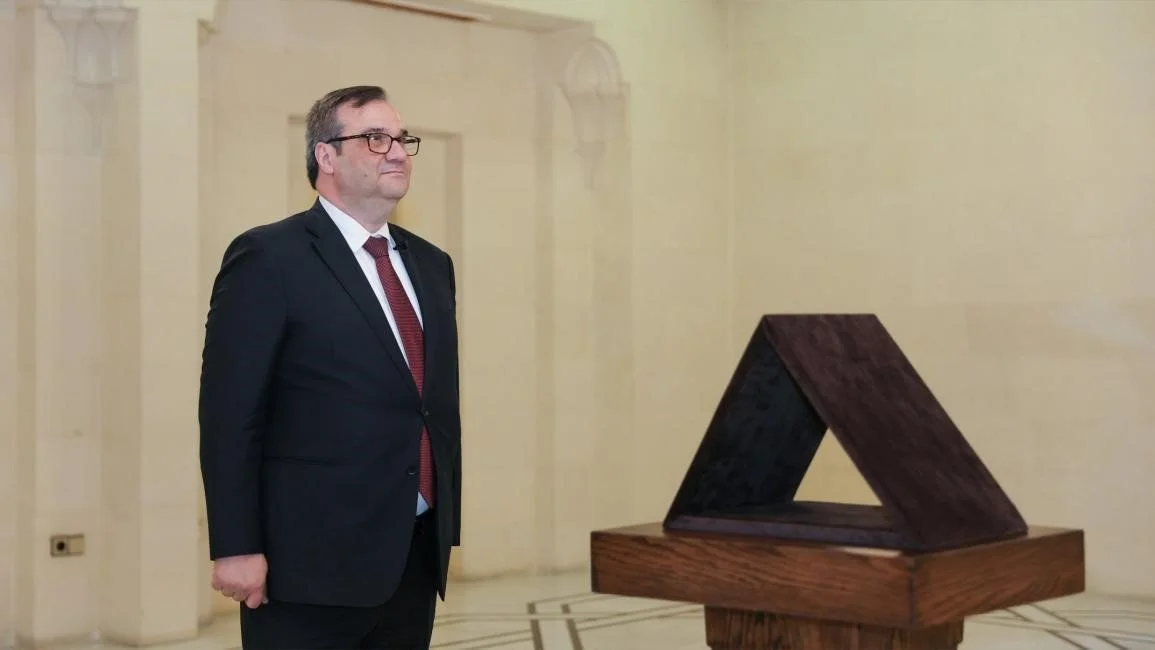
Abdul Qader Hasri takes the oath before Sharia, April 7, 2025
The month of April was marked by a series of beneficial steps that would work in Syria’s favor. In exclusive statements to Al-Araby Al-Jadeed, the Governor of the Central Bank of Syria, Abdul Qader Hasri, said that Saudi Arabia and Qatar have guaranteed the repayment of Syria's $15 million debt to the World Bank. On the sidelines of his participation in the spring meetings of the International Monetary Fund and the World Bank in Washington, D.C., he explained that participating in the meetings represents the beginning of Syria's integration into the global financial system and the beginning of the country's economic transformation. The governor also claimed that serious steps have been initiated to reform Syria's financial institutions to comply with international financial standards, enhance transparency, and support sustainable development. Another positive development is Saudi Arabia considering repaying Syria's $15 million debt to the World Bank, paving the way for approval of multi-million dollar grants to rebuild the country and support its ailing public sector. Observers believe that Gulf Arab support will open the door to the country's reconstruction. The Governor also revealed exclusively that an agreement was reached with international institutions and donors during the meetings to provide grants worth $150 million in direct support to the energy sector in Syria and that it was agreed upon a comprehensive work program for the next two years, covering several axes, including a grant-supported program to reform the energy sector over the next few months enhancing transparency, reforming public institutions and financial market infrastructure, and reforming the banking sector, noting that cooperation with international partners aims to initiate a well-thought-out economic transition.
Another positive indication that Syria’s future might be headed in the right direction, is the fact that the British government announced the lifting of restrictions on certain sectors in Syria, including financial services and energy production, to aid the country's reconstruction. This comes as part of London's efforts to ease sanctions imposed during the rule of ousted President Bashar al-Assad. It also announced the lifting of sanctions imposed on the Syrian Ministries of Interior and Defense, as well as several media groups and intelligence agencies. The new Syrian leadership also announced the dissolution of security agencies dating back to the Assad era. The step by the UK authorities can be a massive achievement as the rest of the West might also follow suit. Hopes are set on the US administration to do the same and lift the remaining sanctions, as they still weigh heavily on the economy. According to some analysts, investors are waiting for these sanctions so that to proceed with projects throughout Syria. In this context, Maysaa Qabbani, Vice President of the American organization "Global Justice," said that most Syrian investors in the United States are planning to come to Syria carrying billions of dollars to invest in several vital sectors. However, the remaining sanctions are still a major obstacle.
Cyprus
IMF logo. Photo credit: reuters.com
Cyprus received further acknowledgement from the International Monetary Fund that it is on the right track with a projected growth of 2.5%. According to the foundation, this is a great transformation considering that the island required a bailout from the IMF in 2013 after fiscal slippage and heavy exposure to Greece, which experienced a full-blown debt crisis. Now, Cyprus is able to weather successive shocks and therefore has developed a special kind of resiliency. The IMF did however stress the importance of maintaining strict fiscal policies and continue to reduce public debt and avoid unbudgeted pay sector hikes given that inflationary pressures remain high above 2%. After all, near-term risks can still threaten the island’s stability as potential trade conflicts can impact Cyprus's main trade partners, regional tensions may intensify or new energy price shocks may appear. Also, there is the fact that Cyprus’s citizens are not doing that well, despite the country’s macro-economic success. According to a study conducted by Insights Market Research of University of Nicosia, inflation is diminishing household spending power and figures indicate that inflation might increase further. Covering the period from January to February 2025, the survey found that families are spending more on basic needs and expect those costs to keep rising in the coming months. According to the survey, the average household now spends about 467 euros a month on groceries. However, things are even more difficult than that. About one in three people claimed they are now spending more than €500 a month just to put food on the table. Unfortunately, the figure is also expected to rise to around €528. If this phenomenon drags on, Cyprus will have this major risk to its economy to tend to, in addition to ramifications of a still unstable region.
4. The Humanitarian Situation
Egypt
The Egyptian Ministry of Interior extended the validity of asylum-based residence permits from six months to one year. This important measure will contribute significantly to enhancing the protection environment for refugees and asylum-seekers in Egypt.[1]
According to the UNHCR, the agency has suspended most of its programs in Egypt due to serious budget cuts, affecting around 20,000 patients.[2]
According to Amnesty International, Egyptian authorities must stop all plans to forcibly return Syrian asylum seekers who are at risk of deportation to Syria as early as possible and end their ongoing crackdown on members of the Ahmadi Religion of Peace and Light. [3]
Jordan
The UNHCR states that there are currently 557,783 registered refugees in Jordan up until the beginning of April.
The proportion of Syrian displaced people registered within the UNHCR for April, are distributed as follows:
-166,833 in Amman Governorate (29.9%)
-143,137 in Mafraq Governorate (25.7%)
-107,274 in Irbid Governorate (19.2%)
-83,987 in Zarqa Governorate (15.1%)
-14,352 in Balqa Governorate (2.6%)
-10,918 in Madaba Governorate (2%)
-7,015 in Jarash Governorate (1.3%)
-6,993 in Karak Governorate (1.3%)
-7,598 in Maan Governorate (1.4%)
-4,613 in Ajlun Governorate (0.8%)
-3,631 in Aqaba Governorate (0.7%)
- 1,148 in Tafilah Governorate (0.2%)
- 284 in other (0.1%)
The United Nations High Commissioner for Refugees revealed that the number of Syrian refugees in Jordan officially registered with it since the beginning of this month has reached 5,457, which is the "highest number" recorded by the agency in a single month in the history of its work in Jordan.[4]
The United Nations High Commissioner for Refugees confirmed that there are no plans to close the Azraq and Zaatari camps. The agency added in a post on its digital platforms that global funding levels for the agency are lower than in previous years.[5]
Iraq
The UNHCR states that there are currently 336,485 registered refugees in Iraq. Of those, 89,786 live in camps.
The proportion of refugee people (non-camp 246699) registered within the UNHCR up until the beginning of April, are distributed as follows:
-117,772 in Erbil (47.9%)
-39,737 in Dahuk (16.2%)
-31,338 in Sulaymaniyah (12.7%)
-2,476 in Ninewa (1%)
-35,385 in Baghdad (14.4%)
-4,317in Kerbala (1.8%)
-3,789 in Najaf (1.5%)
-2,582 in Kirkuk (1.1%)
-2,305 in Anbar (0.9%)
-6,167 in other areas (2.4%)[6]
KSC brings hope to families with essential aid distribution during Ramadan and Eid. Thousands receive food, clothing and financial support thanks to generous donations.[7]
A new Women’s Protection Center has officially opened its doors in Diwaniyah, supported by the United Nations Population Fund (UNFPA) and funded by the Government of France, in close collaboration with local authorities in Diwaniyah and the General Secretariat of the Council of Ministers – Iraqi Women’s Department.[8]
UN-Habitat and the Government of Japan have announced the expansion of their collaborative efforts to support returnees and the most vulnerable people in Northern Iraq in close coordination with the Government of Iraq.[9]
Lebanon
{UNHCR Lebanon did not update its data for April}
Since the beginning of January the number of registered Syrian refugees in Lebanon is 755,426.
Refugees in Lebanon are distributed as follows:
-282,744 in Bekaa (37.4%)
-216,781 in North Lebanon (28.7%)
-172,096 in Beirut (22.8%)
-83,805 in South Lebanon (11.1%)[10]
WFP was forced to cut cash assistance to Syrian refugees from 830,000 to 500,000 starting in February 2025, reaching only 58 percent of its planned target. Emergency cash assistance for 162,000 conflict-affected Lebanese has been halted for 25 percent of the planned caseload in April 2025 and will entirely stop by May if immediate funds are not received.[11]
Project HOPE supported primary health clinics in the Mount Lebanon region through surge nursing staff and essential medications to ensure access to comprehensive care for acute, chronic, and maternal health needs.[12]
The hostilities in the Tartous, Lattakia, Homs, and Hama Governorates of Syria in early March continue to displace people into the North and Akkar Governorates, reaching now nearly 35,900 people with further arrivals expected.[13]
Syria
The SRTF announced the successful closure of, “Provision of Maternity and Paediatric Health Services at One Hospital in Deir-ez-Zor Governorate – Phase II”. Over a period of around 10 months, this project has directly benefitted 52,931 patients through 109,617 consultations, and at least 288,100 individuals indirectly, including around 264,200 host community members and 23,900 internally displaced people.[14]
Some 400,000 Syrians have returned from neighbouring countries since the fall of the Assad regime on 8 December 2024, according to estimates by UNHCR, the UN Refugee Agency.
413,000 residents in Menbij and Kobani have been without electricity and pumped water since December.[15]
International Medical Corps distributed 28,754 non-food items, including 22,077 health items and consumables (toilet seats, clutchers, wheelchairs, diapers, etc.), 2,415 dignity kits, 1,203 hygeine kits and 3,059 winterization kits.
Cyprus
The Cyprus Port and Marine Police has been accused of forcibly returning approximately 80 Syrian refugees seeking asylum back to Syria, in what the non-governmental organization Alarm Phone describes as an illegal pushback operation at sea. [16]
[1] OCHA, April 12, 2025, https://reliefweb.int/report/egypt/unhcr-commends-egyptian-government-extending-refugee-residence-permits-one-year-enar
[2] OCHA, April 4, 2025, https://reliefweb.int/report/egypt/ecre-weekly-bulletin-eu-external-partners-3-april-2025
[3][3] OCHA, April 15, 2025, https://reliefweb.int/report/egypt/egypt-halt-arbitrary-arrest-disappearance-and-threatened-deportation-ahmadi-minority-members
[4] https://jo24.net/article/2623
[5] https://jfranews.com.jo/article/494348#google_vignette
[6] https://data2.unhcr.org/en/situations/syria/location/5
[7] OCHA, April 13, 2025, https://reliefweb.int/report/iraq/ksc-brings-hope-families-essential-aid-distribution-during-ramadan-and-eid-thousands-receive-food-clothing-and-financial-support-thanks-generous-donations-enar
[8] OCHA, April 9, 2025, https://reliefweb.int/report/iraq/new-womens-protection-center-opens-diwaniyah-support-unfpa-and-government-france-enar
[9] OCHA, April 1, 2025, https://reliefweb.int/report/iraq/un-habitat-and-government-japan-expand-efforts-support-returnees-northern-iraq-enar
[10] UNHCR, Oct 28, 2024, https://data2.unhcr.org/en/situations/syria/location/71
[11] OCHA, April 14, 2025, https://reliefweb.int/report/lebanon/wfp-lebanon-emergency-response-external-situation-report-19-07-april-2025
[12] OCHA, April 13, 2025, https://reliefweb.int/report/lebanon/humanitarian-crisis-lebanon-situation-report-5-february-14-2025
[13] OCHA, April 17, 2025, https://reliefweb.int/report/lebanon/unhcr-lebanon-flash-update-new-arrivals-north-lebanon-16-april-2025
[14] OCHA, April 9, 2025, https://reliefweb.int/report/syrian-arab-republic/health-project-successfully-closes-northeast-syria-leaving-positive-impact-residents-area-enar
[15] OCHA, April 16, 2025, https://reliefweb.int/report/syrian-arab-republic/syria-emergency-response-situation-report-9-april-16-2025
[16] In Cyprus, April 23, 2025, https://in-cyprus.philenews.com/local/cyprus-coast-guard-syrian-refugees-pushback-alarm-phone/