
A Tenser Region
Middle East Socioeconomic Overview
Report: June 2025
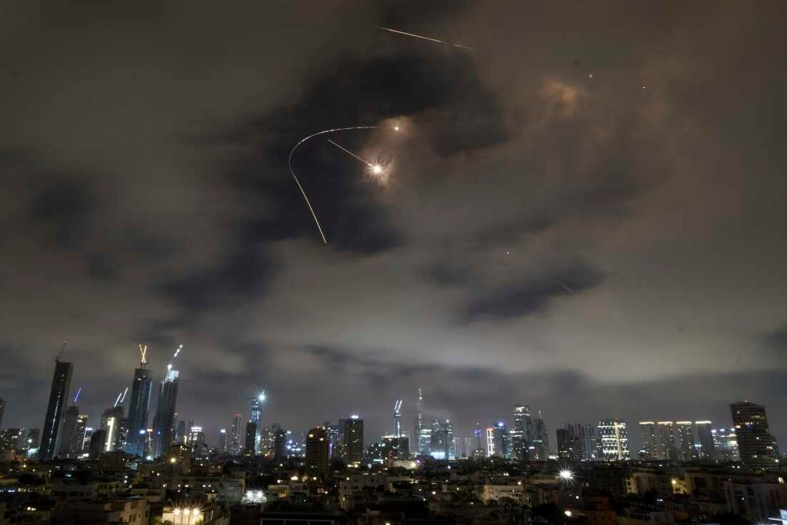
The night sky above [Tel Aviv] lit up, as missiles were being intercepted. Photo credit: npr.org
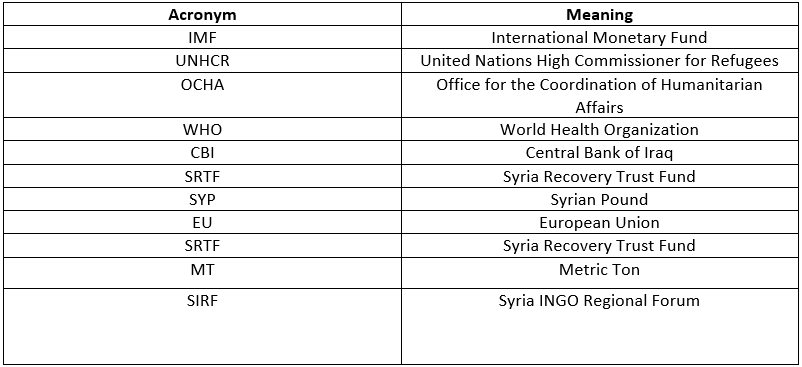
1. Table of Acronyms
2. Introduction
Two rival powers in the region have finally clashed after years of ongoing tension and flashpoints. Although the escalation only lasted for a couple of weeks, it will most likely increase uncertainty in the region as well as socioeconomic hardships. The conflict came at a time during which the World Bank, has already forecasted that MENA countries' growth will decrease by 0.7% to 2.7% for the remainder of the year. Also, the bank also reduced its growth forecast for the region next year by 0.4 percentage points to 3.7%. As such, the conflict will force the World Bank as well as other organizations to rethink their economic predictions, as it is still yet not so clear how things will develop. For the time being, we can only hope the whole thing is over but given the massive animosity between the countries, one cannot be fully certain of a lasting peace.
3. The Socio-Economic Situation
Egypt

Egypt plans to place more lands in its investment portfolio in 2025. File/Reuters
During this month, Egypt achieved some milestones for its economy. From one end, President Abdel-Fattah El-Sisi and the International Finance Corporation (IFC) convened to discuss increasing investment flows into Egypt and financing the private sector at competitive rates to reduce costs. This move, according to the President, will allow Egypt to maneuver through the challenges that the situation imposes and will go hand-in-hand with the structural and economic reforms the country is undergoing. Moreover, it will enhance private sector confidence in the economy and the government. Another milestone the country was able to achieve, is its allocation of a 174 square km plot on the Red Sea coast to the finance ministry for the use in Islamic bond issuances and in efforts to lower the country’s public debt. This move is part of a $35 billion deal with the UAE to develop a 170-square-km tract along the Mediterranean coast and Egypt will be replicating such projects to other lands to attract investment. Another great development Egypt scored this month, is being selected by the Climate Investment Fund for a $1 billion Industrial Decarbonization Program, aimed at reducing emissions in developing nations’ industrial sectors. The selection highlighted Egypt’s strategic shift toward a green economy, institutional readiness, and the engagement of private sector actors in climate financing. This will definitely allow Egypt to attract investment in that field. Similarly, the European Investment Bank and Egypt have signed an agreement for the use of a €21 million grant to help develop Egypt’s green economy. The grant, funded by the European Union and managed by the Bank, is intended to accelerate efforts in that domain.
Despite Egypt’s successes, it will have to now contend with the developing situation in the region. The first hours of the Occupier-Iranian military confrontations, had economic and financial repercussions described as negative for the Egyptian economy. This exacerbates the fears of 107 million Egyptians of even greater effects should the military confrontations escalate into a full-scale war. Already, gas supplies from the occupying state of [Israel] have been halted. This foreshadows grim consequences should the war restart and expand. The imports of gas, oil, electricity, manufacturing, the local currency and stock exchange, indirect investment, Suez Canal traffic, and tourism will all be affected, amid expectations of an anticipated increase in commodity prices and inflation in the local market. According to experts, any increase in oil prices would be followed by pressure on foreign exchange reserves which were $48 billion last April. This will increase the budget deficit of 2025-2026, which could lead to decisions to lift subsidies on petroleum products and increase their prices. In addition, the natural gas shortage crisis will cause the reduction of electricity loads and power outages affecting factories, shops, and citizens. To make matters worse, a week before the confrontations, it was announced that the Egyptian government was planning to raise natural gas prices for factories, with a potential increase estimated at about one dollar per million thermal units. Now the Egyptian government will have to increase the prices again while trying to explain what’s going on to industrialists who are already frustrated with the previous increase.
Jordan
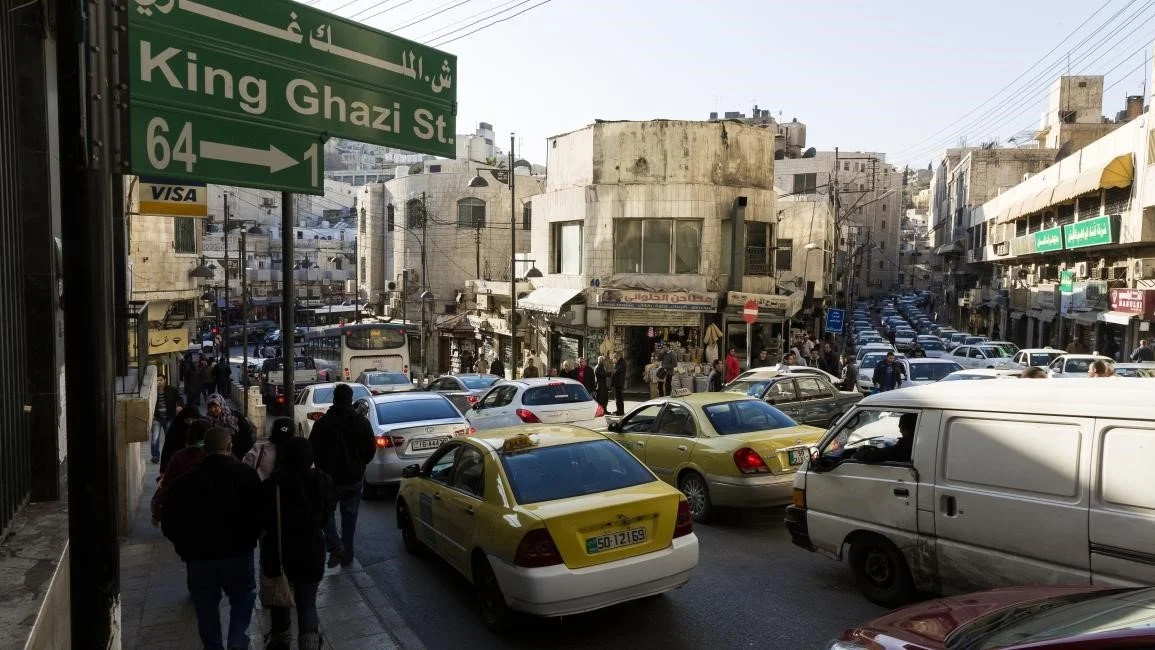
Regional unrest negatively impacts Jordanians' livelihoods (Thierry Tronnel/Getty)
Economic reprecussions of the brief war between its neighbour and Iran have already started to materialize, as the occupier cut off gas supplies from Jordan who has been obtaining its natural gas needs from the occupier under an agreement previously signed between them, which has been in effect for a period of 15 years. Experts believe that the Jordanian economy will face new challenges in the coming period if the gas supply cutoff, which is relied upon to generate electricity at lower costs than heavy fuel oil, continues for a prolonged period. This will lead to higher costs and further losses for the National Electric Power Company, which is fully owned by the government, in turn raising electricity tariffs in the near future. In other areas, the trade, tourism, services, and other sectors will not be immune from the negative repercussions of the situation, especially when things are not so amicalble between the two and there is a high chance things might re-escalate causing a significant increase in shipping costs. The impact on public life in Jordan was evident from the first day of the exchange of attacks, with many local commercial activities and domestic tourism halted, and social events canceled. This was especially true with the government urging citizens to stay home and to gather in public places to avoid the fall of any flying objects such as missiles, drones, and anti-aircraft missiles. Amman Chamber of Commerce member Alaa Diraniya commented on the situation by stating that this had direct negative impacts on various economic sectors. He noted that tourism is at the forefront of the affected sectors and added that this is a decline in domestic and foreign tourism and a reluctance of tourists to visit Jordan due to the high risk factor. He added that groups have cancelled their trips to the region in general, as the tourism sector is considered one of the most important economic tributaries for Jordan. Another indicator that the war had impact Jordaned is its effect on Gold prices which rose in the Jordanian local market according to the General Syndicate of Owners of Jordanian Jewelry and Goldsmiths. The selling price of a gram of 21-karat gold, the most sought-after by citizens, reached 69.60 dinars for sale from jewelry stores.
Iraq
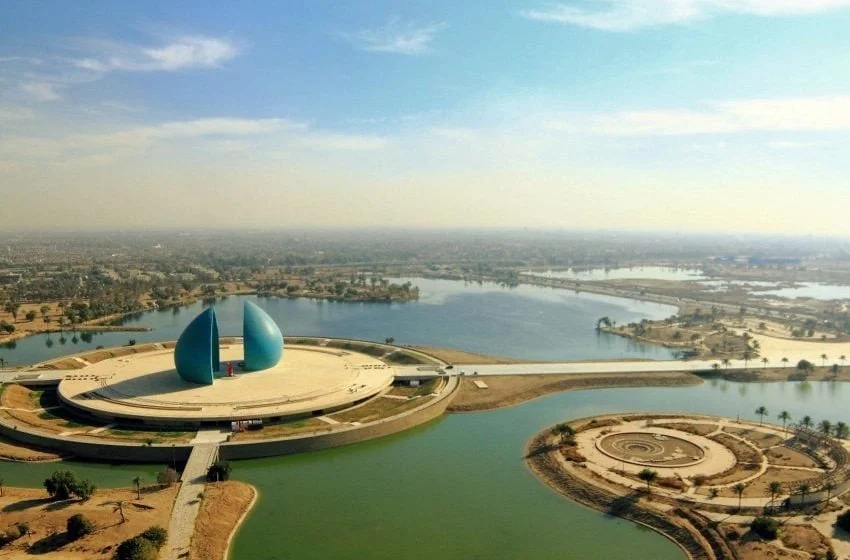
An aerial view of the Iraqi capital, Baghdad.
Since Iraq is within the Middle East and is a direct neighbor of Iran, understandably the military conflict has affected its economy. It has been already observed that there was the rise in the dollar exchange rate in the Iraqi market, which reflects concerns about the expansion of the conflict in the region and the potential disruption to oil exports or state revenues. This rise weakens the dinar and leads to higher prices for imported goods, creating inflationary pressure on Iraqi citizens. Secondly, there is a certain freeze in the local market, where at the level of investments or trade exchange, businesses and decision makers are treading carefully, wary whether or not the conflict will resume and whether or not it will cause them increased losses. Another consequence of the war is the noticeable increase in prices of some food items and goods, driven by concerns about disruptions to supply chains and speculation or monopolization by some merchants. This has a direct social impact and increases the fragility of food security in the country, especially given the heavy reliance on imports. According to some analysts, the war, if it restarts or expands in scope and size, Iraq will face greater and more complex challenges, because it relies on almost a single outlet for its oil exports: The Gulf, specifically the Strait of Hormuz, which could become subjected full or partial closure. If shipping in the canal is disrupted, even for a few days, Iraq will lose billions of dollars and face a stifling financial crisis that cannot be tolerated by a budget that relies 90% on oil revenues. Also, the continuation of the war will mean an escalation of influence and tension between regional powers within Iraq itself, which could clearly impact the security environment and economic stability, especially if American or foreign interests are targeted, or if southern cities witness unrest linked to the regional conflict. The greatest danger lies not in the war itself, but in its continuation without a clear horizon, and its transformation into a war of attrition that extends in time and opens the door to side conflicts within countries like Iraq, leading to a gradual economic paralysis from which it is difficult to recover easily. The solution lies in a preemptive move by the Iraqi government to fortify the market, protect the dinar, and activate its network of diplomatic relations with the aim of distancing Iraq from the repercussions of the conflict, politically and economically.
Lebanon
$250 million from the World Bank to support Lebanon's post-conflict reconstruction. Photo credit: https://aawsat.com/
The World Bank's Board of Executive Directors approved $250 million in financing for Lebanon to support the emergency restoration and reconstruction of critical infrastructure, restore vital services, and enhance sustainable rubble and debris management in areas affected by the conflict in Lebanon. The Lebanon Emergency Assistance Project aims to enhance the economic and social impact of the reconstruction process as quickly as possible, by prioritizing and sequencing its timeline, adopting a phased approach to response and recovery. The World Bank's Rapid Damage and Needs Assessment (RDNA), conducted from October 8, 2023, to December 20, 2024, revealed that total direct damages across 10 key sectors amounted to approximately $7.2 billion, while recovery and reconstruction needs were estimated at approximately $11 billion. Damage to vital infrastructure and facilities—which are essential pillars of economic activity and the health and safety of local communities—was estimated at approximately $1.1 billion, including the transportation, water, energy, municipal services, education, and healthcare sectors. Given the significant needs in the basic infrastructure and public facilities sector, the project was designed to contribute to their restoration and the restoration of services, as this is a prerequisite for achieving economic and social recovery. World Bank financing contributes to the implementation of immediate response activities needed to accelerate recovery and create conditions conducive to a return to normal life, particularly through the safe management and proper planning of rubble and debris, which promotes their reuse and recycling. The financing will also support rapid rehabilitation and recovery efforts in essential services, such as water, energy, transportation, public health, education, and municipal services. Finally, the project will support the reconstruction of severely damaged infrastructure, starting with environmental and social design and assessments, financed through the initial contribution from the World Bank.
Palestine

Minister of Labor launched some programs to alleviate the socioeconomic burdens impacting the Palestinian people. Photo credit: https://www.parlmany.com/
The brutality of the occupier continues to take the news as poverty is no longer a statistic, but a reality witnessed by hundreds of thousands of those who have lost their livelihoods under the weight of bombing and siege. Factories have been reduced to rubble, life has completely stopped as Palestinians face a silent famine, and unemployment which has reached 80%, has exceeded all expectations. In the West Bank, the picture is no less dire. Military checkpoints cut off cities, restrict workers' movement, and empty the job market of opportunities. Within the Green Line, more than 200,000 Palestinian workers suddenly found themselves unemployed after losing their permits or being forcibly expelled from their workplaces due to the occupation's policies. Amid this bleak situation, the Palestinian Ministry of Labor is moving to contain the disaster through emergency programs, external employment agreements, and legal amendments aimed at protecting their remaining rights. These emergency programs included preparing shelters for Palestinian laborers in all governorates, and providing with food and housing, as well as urgent monthly financial assistance to help and alleviate their suffering. These programs will go hand in hand with others which have been implemented to support the economy in Gaza in the public services, public works, and municipalities sectors. The aim of this is to provide hundreds of temporary employment opportunities for a number of job seekers (graduates, technicians, and workers) in order to achieve economic resilience and obtain decent job opportunities through the Employment Fund. The Ministry of Labor, in cooperation with the Palestinian Monetary Authority, also provided, through Palestinian banks, soft loans to laborers, through the Badir financing program for Green Line workers, with a financial portfolio equal to 70 million shekels. An amount of zero-interest 30 million shekels was also allocated, under this program for Green Line workers to establish their new private projects. Green Line workers were also given free health insurance.
Syria
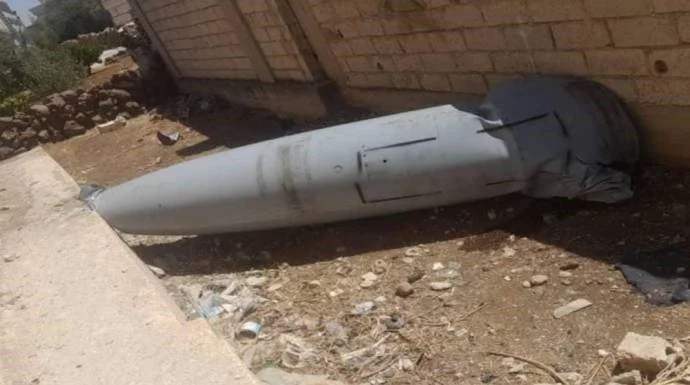
A missile fragment fallen on Syrian grounds. Photo credit: https://www.eqtsad.net/
Barely a few days after Western sanctions on Syria were lifted and hopes for improved living conditions revived, the Occupier-Iranian war erupted. According to experts, this war will have negative repercussions for the region, including the battered Syrian economy, which was just hoping to recover. Although Syria was not directly involved, it will be among the countries most directly affected politically and economically, particularly if the war restarts and expands. This has immediately increased oil prices, which will impact the prices of imported goods by the country. The conflict has put pressure on the value of the Syrian pound, which had enjoyed a period of stability before the war. This raises fears of a significant increase in food and fuel prices, which could exacerbate the already dire living conditions affecting the broader Syrian population, more than a quarter of whom live in extreme poverty, according to UN statistics. To make matters worse, reports that the war may re-ignite, might as well scare off potential Investment opportunities not to mention US/European interest in developing Syria after the ouster of the previous regime. In any case, the resumption of the war, at least for time being, could hinder the economic recovery that Syria has just begun after nearly 13 years of war, which has exhausted all economic sectors in the country and paralyzed the infrastructure.
In this context, the impact of the war on the Syrian economy is not limited to one aspect, but extends to most vital economic sectors. This further complicates the domestic economic landscape, which is already suffering from structural fragility and a long-term recession. The crisis is more acute in the energy sector, and Syria today lacks sufficient domestic production of oil and gas, and relies heavily on imports through politically and security-unstable means. With global oil prices rising as a result of escalating tensions in the Arabian Gulf and threats to vital shipping lanes such as the Strait of Hormuz, the cost of securing fuel is rising significantly, doubling the burden on the public treasury and leading to disruptions in the availability of petroleum products, whether for domestic use or in the transportation and industrial sectors. As such, the situation in the commercial sector will be bleak, because the Syrian market is highly dependent on imports, whether they are food, electrical appliances or building materials. With the disruption of supply lines and the high costs of insurance and transportation, the prices of goods will rise significantly. Undoubtedly, the industrial sector in Syria will be affected to great extent. As such, rising fuel prices, the difficulty of securing production requirements, and the stagnation of the local market are all factors that lead to the closure of many workshops and factories, or the reduction of their production to the lowest possible level, which exacerbates unemployment rates and reduces local added value.
Cyprus

Investopia Global Launches New Economy Dialogues in Cyprus. Photo Credit: June 10, 2025.
With the regional tensions brewing in the region, Cyprus’s economy suffers a bit of decline. According to the Central Bank of Cyprus (CBC) the GDP for March of 2025, was revised to have dropped from 3.2 to 2.1 per cent. Although the setback is mild, it signals a deterioration in economic performance forced by a decrease in inbound investment. The 2025 IMD competitiveness ranking sited problems related to the country’s infrastructure as also a contributor. However, these issues can be solved easily especially when Cyprus had worked to improve the country in terms of government and business efficiency. As such, this is being done by improving the management of green transition and climate-related risks by facilitating investments and reforms in the domain. Also, it is actively tackling the economic effects of elevated trade policy and geopolitical uncertainty, and is implementing tax and education reforms to enhance economic outcomes. Moreover, it is working on addressing its skills shortages which can improve productivity, and fill quality jobs. Another tool Cyprus is using to improve the conditions of its economy, is its excellent bilateral relationship with Greece, as together, they search for opportunities to both benefit from. Currently, they are deepening their economic and tourism partnerships with the UAE through a series of high-level bilateral talks focused on sustainability and innovation, aiming to create new pathways for collaboration in sectors such as renewable energy, smart tourism, digital infrastructure, and environmentally responsible investment. As the UAE is attempting to diversify its economy and decrease its dependency on the oil sector, Cyprus and Greece are too keen on nurturing entrepreneurship, and facilitating economic integration between the Gulf and Mediterranean countries. As such, this is definitely a win-win situation which will benefit all parties involved.
4. The Humanitarian Situation
Egypt
· Representative of the UN High Commissioner for Refugees (UNHCR) to Egypt and the Arab League Hanan Hamdan stressed the importance of increasing international support, not only for refugees, but also for host communities that are facing growing pressures.[1]
Jordan
The UNHCR states that there are currently 534,694 registered refugees in Jordan up until the beginning of June.
The proportion of Syrian displaced people registered within the UNHCR for June, are distributed as follows:
-162,289 in Amman Governorate (30.4%)
-137,760 in Mafraq Governorate (25.8%)
-101,173 in Irbid Governorate (18.9%)
-78,737 in Zarqa Governorate (14.7%)
-13,989 in Balqa Governorate (2.6%)
-10,549 in Madaba Governorate (2%)
-6,713 in Jarash Governorate (1.3%)
-6,751 in Karak Governorate (1.3%)
-7,350 in Maan Governorate (1.4%)
-4,500 in Ajlun Governorate (0.8%)
-3,554 in Aqaba Governorate (0.7%)
-1,112 in Tafilah Governorate (0.2%)
-349 in other (0.1%)
The Jordanian Ministry of Interior announced that the percentage of Syrian refugees in one of the governorates adjacent to the Syrian border has exceeded the number of Jordanian residents. The ministry said, according to its own statistics, that "the number of Syrian refugees in Mafraq Governorate, located in the northeastern part of the Kingdom and adjacent to the Syrian border, has reached 400,000, representing 129.1% of the governorate's total population of 310,000."[2]
The United Nations High Commissioner for Refugees (UNHCR) revealed that more than 85,000 registered Syrian refugees in Jordan have returned to their country since December 2024, a clear indication of the increasing pace of voluntary returns following the political transformations in Syria.[3]
Iraq
The UNHCR states that there are currently 339,510 registered refugees in Iraq. Of those, 89,390 live in camps.
The proportion of refugee people (non-camp 250120) registered within the UNHCR up until the beginning of June, are distributed as follows:
-118,511 in Erbil (47.7%)
-39,998 in Dahuk (16.1%)
-31,305 in Sulaymaniyah (12.6%)
-2,498 in Ninewa (1%)
-37,921 in Baghdad (15.3%)
-4,415 in Kerbala (1.8%)
-3,962 in Najaf (1.6%)
-2,688 in Kirkuk (1.1%)
-2,002 in Anbar (0.8%)
-5,002 in other areas (2.00%)[4]
Save the Children launched a capacity building program in the newly recognized province of Halabja reinforcing its commitment to protecting the most vulnerable. The campaign focuses on equipping staff from key public departments—under the Directorate of Social Care & Development—with the tools and knowledge needed to uphold children’s rights and respond effectively to cases of abuse, neglect and violence[5].
Lebanon
{UNHCR Lebanon did not update its data for May}
Since the beginning of April the number of registered Syrian refugees in Lebanon is 722,173.
Refugees in Lebanon are distributed as follows:
-268,559 in Bekaa (37.2%)
-214,655 in North Lebanon (29.7%)
-163,208 in Beirut (22.6%)
-75,751 in South Lebanon (10.5%)[6]
Salesian missionaries during the month of June provided emergency assistance for people impacted by the war in Lebanon thanks to donor funding from Salesian Missions.[7]
The World Health Organization (WHO) Lebanon, in close collaboration with the Ministry of Public Health (MoPH) and with generous support from the Government of Japan, has launched a project to strengthen emergency preparedness, improve public hospital infrastructure and ensure reliable access to lifesaving medical supplies across Lebanon.[8]
The WFP (World Food Program) published a report claiming that one in five people in Lebanon – around 1.17 million individuals – are facing crisis or emergency levels of acute food insecurity between April and June 2025.[9]
Syria
The HALO Trust warned that the end of the school year in the Middle East in late June will see a significant spike in fatalities and injuries as hundreds of thousands of families return home to areas that were recently frontline battlefields.[10]
The Food and Agriculture Organization (FAO) issued a Drought Alert following severe winter rainfall deficits resulting in the failure of the 2024/2025 wheat production across Syria.[11]
The SRTF announces the beginning of the wheat harvest season for supported farmers across Northern Syria. A total of 2,000 farmers in Northern Aleppo and 1,127 farmers in Ar-Raqqa and Deir-ez-Zor governorates have begun harvesting their wheat crops.[12]
Six rainwater harvesting systems have been delivered and installed under “Restoration of Sustainable and Safe Water Access to Six Communities in A Sub-District in Northern Aleppo”.[13]
Following the lifting of the EU's economic sanctions against Syria, the European Commission donated €175 million for the social and economic recovery of the country.[14]
Cyprus
Deputy Minister for Migration Nicholas Ioannides claimed that Cyprus will offer Syrians money to help them resettle back in their home country, while allowing each family's main earner to remain on the island to work for up to three years.[15]
[1] Egypt Independent, June 21, 2025, https://www.egyptindependent.com/un-hails-egypts-refugee-hosting-experience-as-example-to-follow/
[2] https://jo24.net/article/54685
[3] https://nesan.net/article/320865
[4] https://data2.unhcr.org/en/situations/syria/location/5
[5] OCHA, June 22, 2025, https://reliefweb.int/report/iraq/protecting-children-starts-knowledge-ksc-launches-capacity-building-campaign-newly-recognized-province-halabja-training-public-institutions-strengthen-child-protection-systems-and-uphold-childrens-rights
[6] UNHCR, Oct 28, 2024, https://data2.unhcr.org/en/situations/syria/location/71
[7] OCHA, June 20, 2025, https://reliefweb.int/report/lebanon/lebanon-salesian-missionaries-provide-support-273-people-impacted-war-thanks-donor-funding-salesian-missions
[8] OCHA, June 19, 2025, https://reliefweb.int/report/lebanon/lebanon-who-ministry-public-health-and-government-japan-act-strengthen-emergency-response-and-resilience
[9] OCHA, June 13, 2025, https://reliefweb.int/report/lebanon/food-insecurity-lebanon-returns-near-pre-conflict-levels-gains-remain-fragile-new-report-shows
[10]OCHA, June 2025, https://reliefweb.int/report/syrian-arab-republic/syrian-landmine-casualties-set-spiral-school-year-ends
[11] OCHA, June 2025, https://reliefweb.int/report/syrian-arab-republic/syria-historic-drought-impacting-food-security-dg-echo-un-ocha-fao-wfp-echo-daily-flash-19-june-2025
[12] OCHA, June 18, 2025, https://reliefweb.int/report/syrian-arab-republic/northern-syrias-wheat-harvest-season-heralds-excellent-harvest-bringing-new-gains-farmers
[13] OCHA, June 18, 2025, https://reliefweb.int/report/syrian-arab-republic/water-project-delivers-and-installs-rainwater-harvesting-systems-northern-aleppo
[14] OCHA, June 4, 2025, https://reliefweb.int/report/syrian-arab-republic/eu-announces-eu175-million-support-recovery-syria
[15] Euro News, May 29, 2025, https://www.euronews.com/my-europe/2025/05/29/cyprus-offers-syrians-resettlement-money-to-return-home-migration-minister-says