
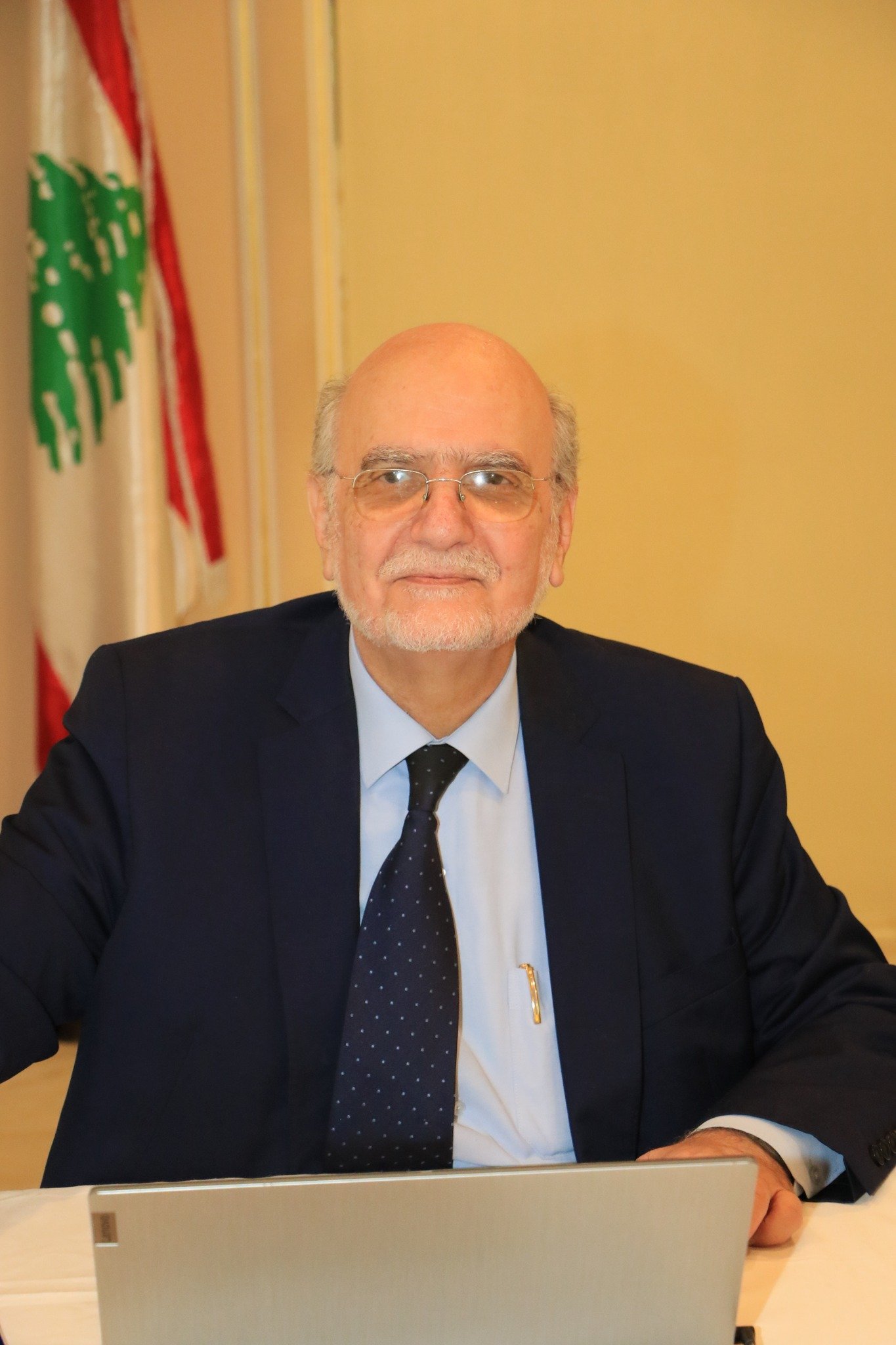
Secretary General Professor Michel Abs at the Opening
of the Annual MECC Partners Meeting:
Dignity is among the most important commandments of the Savior, embodied in all He said and did, and we must be instruments for its preservation

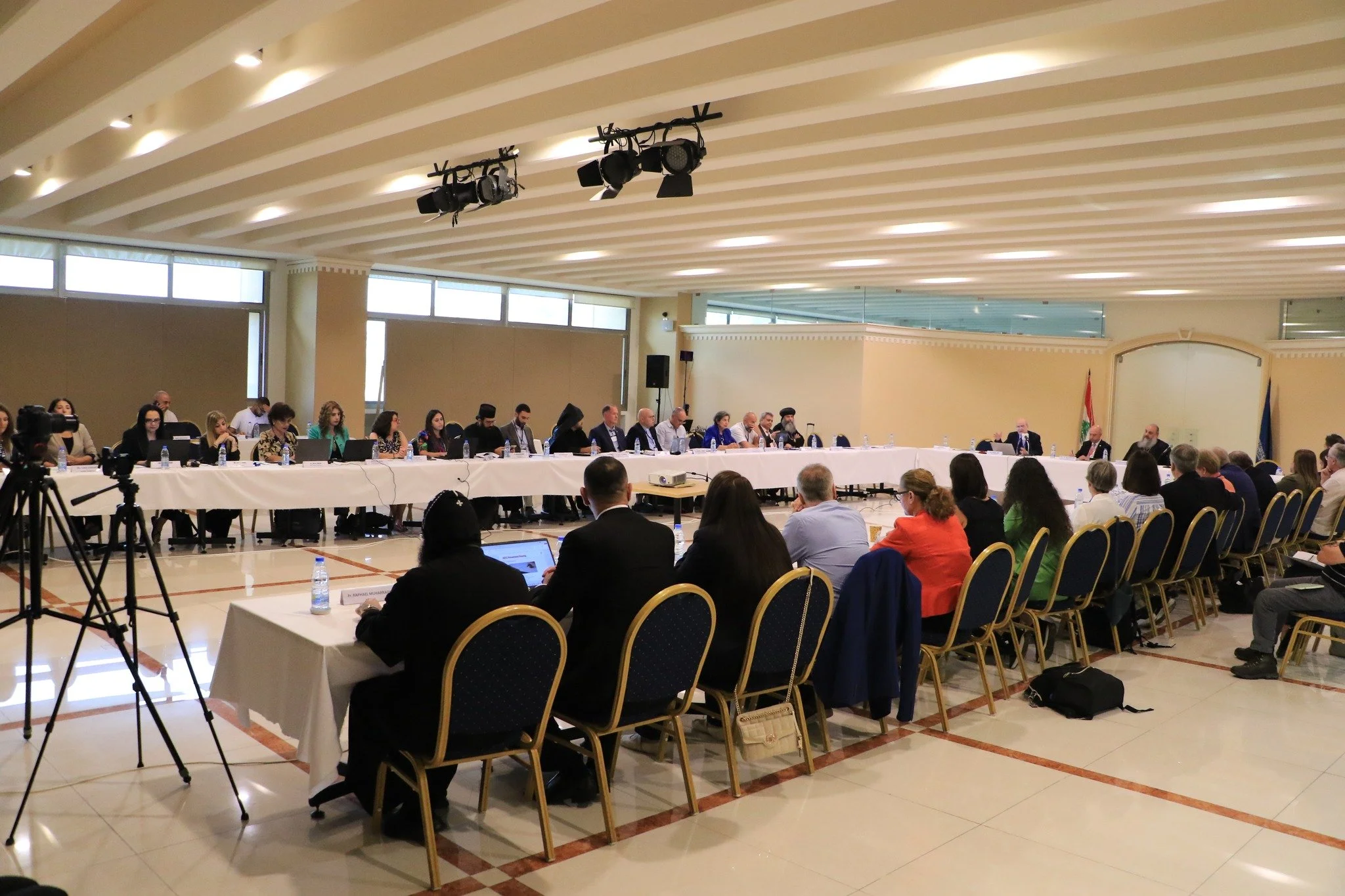
The Middle East Council of Churches (MECC) held the opening session of its international partners annual meeting on Tuesday, September 10, 2025, which will continue until Wednesday, September 11, at the Liqaa Center - Rabweh, Lebanon.
In this context, the Secretary General of the Middle East Council of Churches (MECC) Professor Michel Abs, delivered a speech entitled “On Spiritual Partnership and Institutional Policies,” in which he said:
“Lebanon, Palestine, and other Middle Eastern and Arab countries suffered disasters and calamities that deeply affected them and produced changes that were almost structural.
In the midst of these events, institutions that have taken it upon themselves to heal people’s wounds and share their burdens continued to carry out their duty as much as possible, within the limits of their available resources, under economic conditions that cannot be described as favorable for the non-industrialized world already burdened with countless crises.”
He added, “I wish to affirm, as someone active in the ecumenical movement since 1981, that the Church and the ecumenical bodies it inspired played a decisive role in these cultural shifts in the West, shaping how peoples view various issues and thorny questions on regional and international stages. What concerns us today is the shift in financial support policies adopted by institutions in industrial surplus societies…”
Professor Abs continued, “In this reality, donor institutions’ staff, in coordination with recipient institutions’ staff, must align their efforts and goals to serve the afflicted, the needy, the burdened, and the exhausted, for whom honest and capable people strive to secure better days.
Bridging the gap between what is spiritual and what is institutional is not easy, as there are always differences between spiritual, personal, or moral considerations on one hand, and institutional considerations on the other. Thus, institutions’ policies do not always reflect the will of the individuals working in or leading them.”
He concluded, “I must express my joy at welcoming true partners in every sense of the word, where spiritual partnership, mutual love, and shared values—shaped through decades of maturation—carry the same weight as material partnership through project funding or financial support in general… Dignity is among the most important commandments of the Savior, embodied in all He said and did, and we must be instruments for its preservation.”