
The Next Phase
Middle East Socioeconomic Overview
Report: August 2025
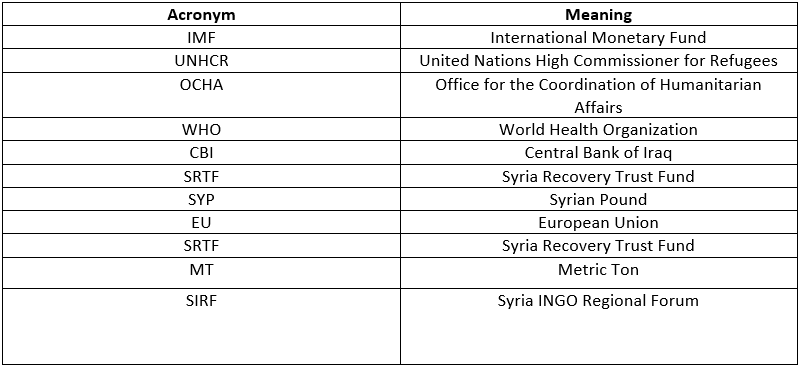
1. Table of Acronyms
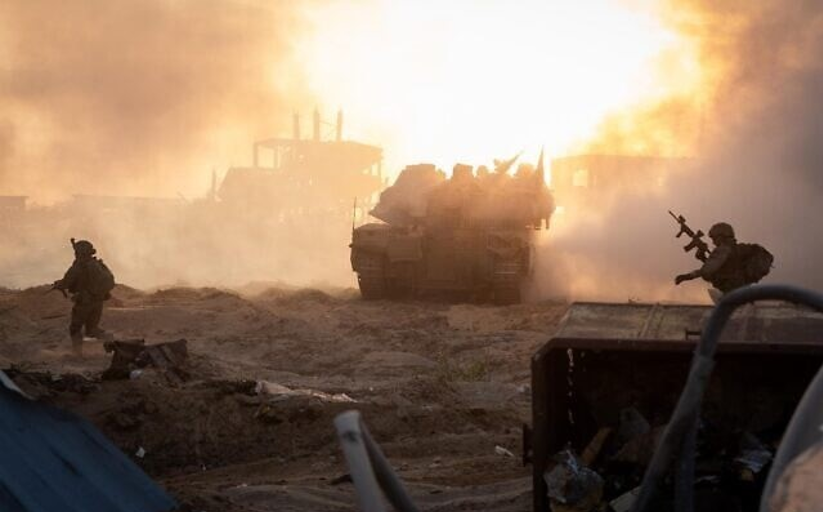
Occupation forces repositioning in Gaza to conduct a full-scale takeover. Photo Credit: https://apnews.com/
2. Introduction
The war in Gaza reached a new phase of human suffering. Now, the occupation is proceeding to invade the sector to achieve full takeover. However, the process is involving increased suffering as the war escalates and the occupier is increasingly committing heinous war crimes. Hospitals are being targeted, journalists are being killed, and aid supplies are being disrupted as more civilians are being slain in the process. All of this is happening for the glory of a radical dream and ideology which doesn’t care about wrong or right or number of lives destroyed.
3. The Socio-Economic Situation
Egypt
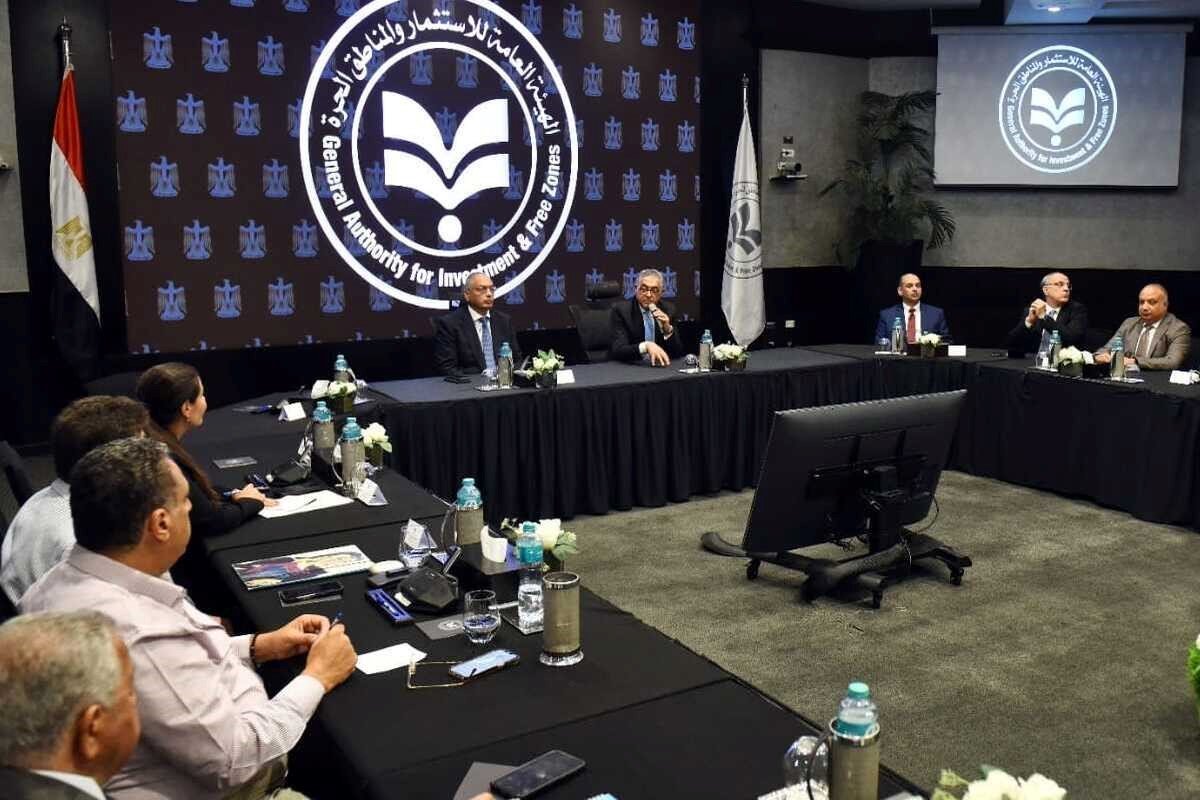
Production from the new zones will be directed exclusively to exports to help Egypt meet its target of $140 billion in annual exports by 2030. Photo credit: https://economymiddleeast.com/.
During this month, Egypt reported positive indicators that are the product of the country’s attempts to upgrade the economy. In thisregard, Egypt's Central Agency for Public Mobilization and Statistics (CAPMAS) claimed that the country's unemployment rate fell to 6.1 percent in the second quarter of 2025, down from 6.3 percent in the previous quarter. The latest figures show continued improvement in the Egyptian labor market, with the unemployment rate declining by 0.2 percentage points quarter-on-quarter. The data revealed that the number of unemployed individuals reached 2.054 million out of the total labor force. This number represents a significant decrease of 57,000 unemployed individuals compared to the previous quarter, and 4,000 unemployed individuals compared to the same quarter last year. What’s more, the unemployment rate among women fell to 15.8 percent, compared to 16.4 percent in the previous quarter and 17.3 percent in the same quarter last year. Another positive indication which hints towards the improvement of the economy is that the average hotel occupancy rates in Egypt exceeded 80% in most tourist areas across the country, amid a 23% year-on-year increase in tourist numbers since the beginning of the year. According to the Minister of Tourism, Sherif Fathy the number of new rooms added in the first half of this year reached 6,000, noting that the ministry anticipates the opening of additional rooms in the coming period. Currently, the revenue from the tourism industry has increased by 22%, despite the instability in the nearby region.
As for the current endevours that Egypt is currently pursing to enhance its economy, Egypt is currently aiming to create four new public free zones, to be ready by the end of 2026. This is a bid to expand industrial investment and boost exports. The production from the new zones will be directed exclusively to exports to help Egypt meet its target of $140 billion in annual exports by 2030. The move will maximize the benefits of investment incentive policies, focusing on green transformation and environmental compliance in the export sectors, and ensuring the success of strategies targeting foreign markets with Egyptian products. Another positive move that will enhance the economy is the signing of the Egyptian Cabinet a contract with the Chinese Silon Group to build a tire factory in the Suez Canal Economic Zone, with total investments amounting to $1 billion. The first phase will have a production capacity of three million passenger car tires and 600,000 truck and bus tires, and is scheduled to be completed by 2026. This project comes as part of China's efforts to strengthen its economic presence in Egypt, through investments spanning the ports, green hydrogen, industry, and space sectors. With actions like these and many others, Egypt is upgrading itself to be a country that can produce things on its lands and export them. Not only this is providing jobs and therefore is contributing to the decrease in unemployment, it is also contributing to bringing foreign money into the country; a goal which the current government is closely pursuing.
Jordan
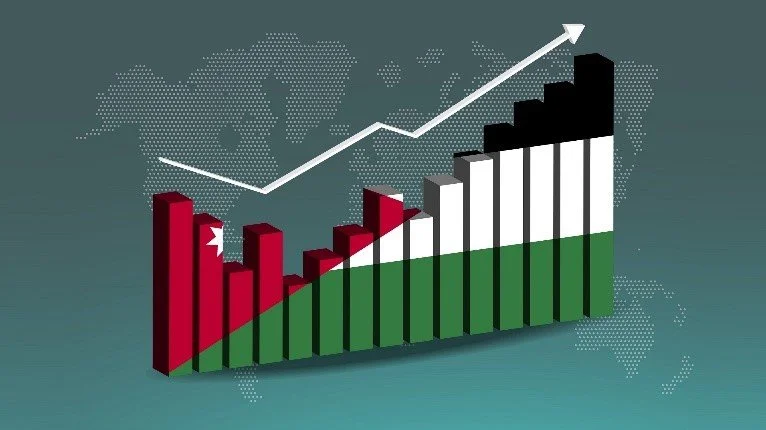
Jordan’s foreign exchange reserves have been increasing over the years, giving the country a stable outlook. Photo credit: the media line.
Amidst the geopolitical and economic challenges facing the world, the Jordanian economy continues to demonstrate positive indicators that bolster confidence in the strength of fiscal and monetary policies and confirm its ability to withstand and achieve sustainable growth. The Central Bank of Jordan's latest report, which maintained interest rates on dinar instruments, included a number of encouraging indicators, most notably an economic growth rate of 2.7% in the first quarter of 2025, a stable inflation rate of 2%, and foreign exchange reserves exceeding $22 billion, sufficient to cover Jordan's imports for approximately nine months. The Jordanian economy achieved these results despite difficult regional conditions, most notably the war in Gaza, its negative impact on commercial activity in the Red Sea, the disruption of trade and tourism, and the continuing repercussions of the Russian-Ukrainian war. The key factors behind the resilience of the Jordanian economy include a solid economic base, the continued implementation of the economic modernization plan, and the Central Bank's prudent monetary policies, which have contributed to maintaining financial stability. Tourism revenues grew by 12% during the first half of the year, reaching $3.7 billion. This was due to the tourism sector's shift towards Arab and alternative markets, while maintaining Jordan's position as a safe and attractive destination for tourists. Domestic exports grew by 7%, driven by the industrial sector's activity, particularly food industries, which have become a source of confidence for Gulf markets. This was in addition to the expansion of service exports, such as information technology and contracting, which strengthened Jordan's presence in Gulf and Iraqi markets, with hopes for an active Jordanian role in Syria's future reconstruction. Regarding inflation, it remains stabile at 2% reflecting an improvement in the purchasing power of Jordanian citizens, without additional living pressures, which helps enhance social stability.
Iraq
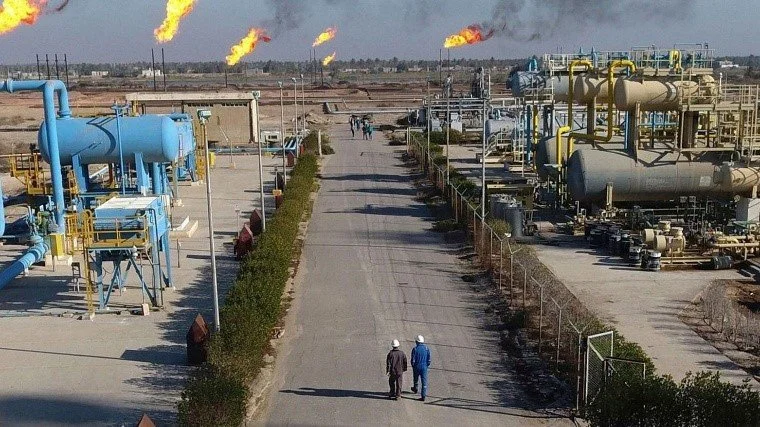
Iraq’s unresolved dependence on oil is putting the country in a precarious situation. Photo credit: kurdistan24.ne
According to Kurdistan 24 news agency, economists warn that Iraq's near-total dependence on oil revenues to cover salaries undermines its ability to develop the economy and provide basic services. Observers describe the approach as fatal since any disruption to the oil market directly threatens the livelihood security of millions of Iraqis. Experts believe this situation leaves the government with limited and difficult options: either increase public revenues by diversifying income sources and activating non-oil taxation, or reform the payroll system, including controlling spending, combating corruption, and addressing the issue of double salaries and those with fixed incomes. Otherwise, future governments may find themselves forced to devalue the dinar or reduce government subsidies, steps that will be borne by the poor and those on fixed incomes. Ministry of Finance data for the first half of 2025 indicates that total expenditures on salaries, compensation, and social grants exceeded 44.9 trillion dinars, while oil revenues amounted to approximately 45.3 trillion dinars. This means that oil covered 99% of the wage bill. This issue is not the only concern threatening Iraq’s economy but there is the problem the collapse of agriculture in the heart of Mesopotamia. This crisis, stemming from a sharp decline in water imports from neighboring countries, coupled with weak domestic water supplies and recurring droughts, not only threatens farmers' livelihoods but also opens the door to a broader crisis affecting national food security. The agricultural sector, which consumes more than 75% of the country's water resources, faces significant challenges as a result of repeated droughts, increasing pressure on the economy and the labor market. Experts warn that the threat to key crops such as wheat and rice will force Iraq to import hard currency, given declining oil revenues. This will present the economy with a severe test and a new financial burden in a country that already has a problem with self-sufficiency. The worsening water scarcity, coupled with declining reserves in major dams, could lead to a near-halt in wheat cultivation this September.
Lebanon
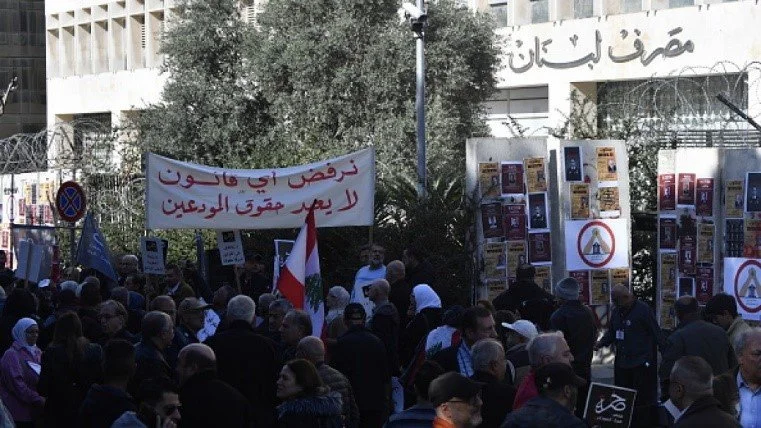
Depositors have warned against any law that would make them bear responsibility for financial losses, arguing that the government, Central Bank and commercial banks are to blame for the crisis. Source: getty images.
In a long-delayed step, which should have been done years ago, Lebanon’s parliament passed a major piece of legislation for the banking sector that could finally restructure the brokenness the system. This is the first serious step by the government that aims to address the problem of depositors locked out of their savings since 2019. The legislation will replace the existing Banking Control Commission with a new Bank Restructuring Authority, empowered to restructure, recapitalize, merge, or liquidate failing banks. The aim is to stabilize the sector and pave the way for returning funds to small and medium depositors. Around 84% of bank accounts in Lebanon have 100,000 USD or less and amount to 20 billion USD. Therefore, releasing these trapped funds will give a massive boost to the Lebanese economy. Experts warn; however, the Bank Restructuring law is not enough without further legislation especially when it comes to allocating losses among different parties. According to the Lebanese government, financial losses in the banking sector are about $70 billion. Introducing a Financial Gap law would make the state, Central Bank, commercial banks, and possibly depositors bear these losses. Of course, this would be subject to a transparent accounting framework that would support depositor compensation and restructuring plans. Also, the plan is to burden the banks and not the shareholders for any losses that has been incurred. Some observers have criticized the government for putting the Bank Restructuring law before the Financial Gap law, saying it should have happened the other way round for effectiveness. Some even point out that it is a ploy to allow banks to get away with some stuff and a lack of political will to confront the financial crisis at its roots. Nevertheless, what was done it a positive step forward as in the past nothing has been done in that regard. Hopefully in the coming months there will be additional steps which can include the Financial Gap law.
Palestine
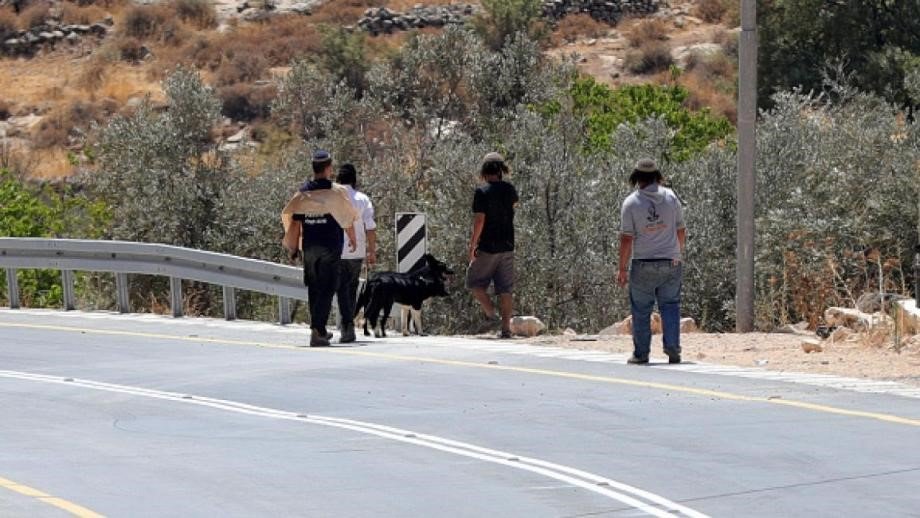
Settlers are also responsible for choking the last remnants of the Palestinian economy. Photo Credit: https://felesteen.news
In Gaza today, we can no longer speak of an economy in the traditional sense. The terms used by economists such as GDP, growth, investment, labor market, etc… are no longer applicable due to the extent of the destruction, the ruined homes and informal camps. Unemployment, which has been one of the leading problems in recent years, is no longer just a number exceeding half of the workforce. In fact, there is no workforce at all, factories are at a standstill, farms are bulldozed, and construction sites have disappeared under the rubble. As such, hundreds of thousands of people who previously worked for low wages are now completely unemployed, relying on food aid delivered through restricted crossings or limited airdrops that are not enough to feed an entire neighborhood. As for inflation, it too has lost its meaning. Prices are rising exponentially, in a reality where there is no steady income or regular work. Any price, no matter how modest, is beyond the reach of most families. A kilo of flour or a liter of fuel is no longer just an expensive commodity, but a dream that rarely comes true, and often a miracle. As the genocide in the Gaza Strip escalates, attacks by the occupation and settlers in the West Bank also continue. A systematic war of destruction targeting various economic sectors has struck the nerve center of a number of these sectors, amidst a comprehensive financial blockade imposed by the occupation on the Palestinian Authority. Recently, the occupation has taken a dangerous decision to transfer the administration of all authorities in the West Bank to the apparatus headed by the leader of a radical religious movement. This represents a fundamental change in the administration of the West Bank, which was previously under military administration as an occupied territory. It is now administered by a civilian apparatus within the occupation government, which means subjecting it to occupation sovereignty. In other words, the last remnants of a free Palestine are being eroded until there is no room for an independent or semi-independent society.
Syria

Syria is aiming to reset its economy given the lifting of sanctions and the increasing investment opportunities. Photo credit: alaraby.co.uk
The US Treasury Department announced the removal of sanctions against Syria following a presidential decision to end the national emergency that had been the basis for those sanctions since 2004, marking a radical shift in US policy toward Syria. According to a statement issued by the Office of Foreign Assets Control (OFAC), the move comes in response to the new Executive Order 14312 issued on June 30, which officially ended the state of emergency declared by former US President George W. Bush on May 11, 2004, under Executive Order 13338. The Treasury Department said the decision reflects positive developments in the Syrian political landscape, particularly the transformations the country has witnessed over the past six months under the leadership of Syrian President Ahmad al-Sharaa, which have prompted the US administration to reevaluate its relationship with Damascus. The regulatory amendment will take effect upon its publication in the Federal Register by the end of August, according to the statement. This paves the way for Syria's return to the global financial system and the reactivation of its international economic dealings. In this context, the Governor of the Central Bank of Syria, Abdul Qader Al-Husriya, confirmed that the bank is in the process of integrating the Syrian financial system with the global financial system for the first time in the history of the Syrian economy. Al-Hussari noted that the bank has succeeded in improving the value of the Syrian pound by approximately 35% since the fall of the former regime, despite the difficult circumstances. He also emphasized that Syria will be removing the two zeros from the Syrian currency and that it will not affect its value.
Another positive development that will aid Syria in coming out of its economic problems is the very fact the private sector has begun taking the lead in developing economic relations between Saudi Arabia and Syria, with investors preparing to launch various projects in Damascus, particularly in the energy, investment, industry, trade, and transportation sectors. This comes as part of the Saudi-Syrian Partnership and Investment Forum, which kicked off in the Saudi capital, Riyadh. The forum comes after the investment forum between the two countries was held last July in Damascus, with the participation of more than 100 Saudi companies and 20 government agencies from the Kingdom. The signed agreements included 47 investment projects in vital sectors, with total investments exceeding 24 billion riyals. Related to the subject, Syria's first equity investment fund announced the establishment of the first fund of its kind, aiming to regulate the entry of individuals and institutions into the stock market and enhance investment opportunities in joint-stock companies. This comes at a time when the Syrian market is witnessing increasing activity. There are currently 27 companies listed on the Damascus Stock Exchange, with this number expected to increase in the coming period, making investment in this sector promising. The fund's establishment aims to operate within the Syrian financial markets, given the gains they have witnessed over the past period. It is expected to develop opportunities with partners, encourage the establishment of financial blocs, employ youth, stimulate the economy, and reduce unemployment.
Cyprus
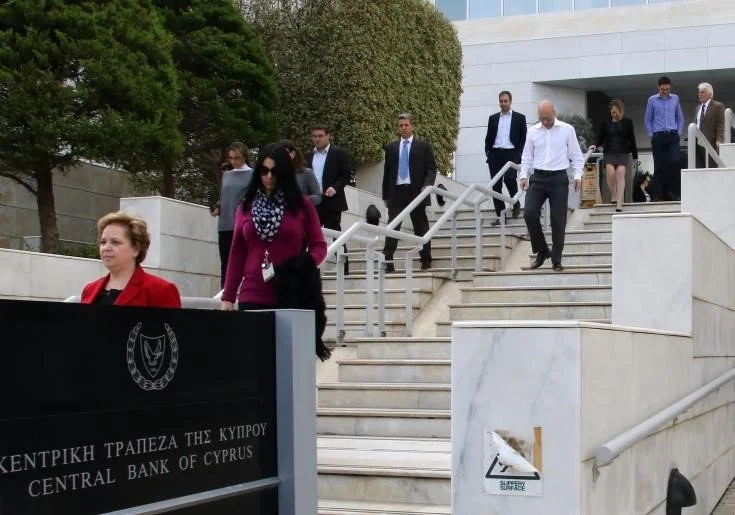
Central Bank of Cyprus entrance. Photo credit: https://in-cyprus.philenews.com
According to the latest flash estimate by the state statistical service (Cystat), Cyprus’ GDP growth rate in real terms for the second quarter of 2025 was positive, increased by an estimated 3.3 per cent when compared to the corresponding quarter of last year. The positive performance of the economy is mainly attributed to growth in the sectors of wholesale, retail trade, repair of motor vehicles, information and communication, and hotels and restaurants. Despite this, the Central Bank has warned that the situation of private enterprises remains fragile because they are dependent on external developments. In its report, the Central Bank detailed that the situation is negatively impacting existing debt servicing making banks unable to process new clients. Similarly, there has been increases of non-performing loan levels and restricted access to new borrowing for vulnerable households and businesses. According to the bank, continued high level of debt burdening private non-financial sector balance sheets, particularly vulnerable households and businesses, is creating challenges in repaying obligations. High private debt for both non-financial corporations and households are increasingly becoming a primary vulnerability source for financial stability. This is making it difficult for banks to have an adequate loan repayment capacity during negative macroeconomic fluctuations. This is very detrimental for small and medium enterprises who depend on the banking system for financing. Moreover, potential macroeconomic deterioration, coupled with increasing inflationary pressures due to geopolitical or financial pressures, can affect attempts to reduce private debt and intensify financial stability risks. Therefore, the private sector’s exposure to these kinds of problems represents a vulnerability for financial stability and may lead to longer term problems not visible in any kind of economic assessment.
4. The Humanitarian Situation
Egypt
The United Nations High Commissioner for Refugees has issued an urgent appeal for international solidarity with Egypt, where the number of registered refugees and asylum seekers has exceeded one million, the vast majority of whom are from neighboring Sudan.[1]
Jordan
The UNHCR states that there are currently 481,116 registered refugees in Jordan up until the beginning of August.
The proportion of Syrian displaced people registered within the UNHCR for August, are distributed as follows:
-150,253 in Amman Governorate (31.2%)
-123,159 in Mafraq Governorate (25.6%)
-88,400 in Irbid Governorate (19.1%)
-69,376 in Zarqa Governorate (14.4%)
-12,827 in Balqa Governorate (2.7%)
-9,633 in Madaba Governorate (2%)
-6,010 in Jarash Governorate (1.3%)
-6,148 in Karak Governorate (1.3%)
-6,852 in Maan Governorate (1.4%)
-3,797 in Ajlun Governorate (0.8%)
-3,263 in Aqaba Governorate (0.7%)
-998 in Tafilah Governorate (0.2%)
-400 in other (0.1%)
As part of cost-efficiency measures, the UNHCR closed the Irbid Registration Centre, following the closure of the Mafraq Registration Centre in June. Now all registration activities for urban refugees are centralized at the Amman Registration Centre.[2]
Iraq
The UNHCR states that there are currently 341,545 registered refugees in Iraq. Of those, 91,108 live in camps.
The proportion of refugee people (non-camp 250,437) registered within the UNHCR up until the beginning of May, are distributed as follows:
-118,283 in Erbil (47.2%)
-40,182 in Dahuk (16.0%)
-39,858 in Sulaymaniyah (12.8%)
-2,704 in Ninewa (1.1%)
-39,858 in Baghdad (15.9%)
-4,830 in Kerbala (1.9%)
-3,947 in Najaf (1.6%)
-2,436 in Kirkuk (1.0%)
-1,989 in Anbar (0.8%)
-5,806 in other areas (1.7%)[3]
Iraq has taken a historic step with the launch of its first ever national migration plan, designed to promote safe, orderly and regular pathways for Iraqis returning home and around 370,000 migrants living and working inside the country.[4]
Lebanon
{UNHCR Lebanon did not update its data for August}
Since the beginning of July the number of registered Syrian refugees in Lebanon is 716,312.
Refugees in Lebanon are distributed as follows:
-265,892 in Bekaa (37.1%)
-214,363 in North Lebanon (29.9%)
-161,561 in Beirut (22.6%)
-74,496 in South Lebanon (10.4%)[5]
According to a report by the World Food Program Lebanon remaines in the grip of a worsening humanitarian crisis during the first half of 2025, driven by prolonged economic collapse, persistent conflict, and regional instability. Due to severe funding shortfalls and delays, WFP was forced to reduce assistance by 37 percent, reaching 876,000 people in June, down from 1.4 million in January. By June, support to Syrian refugees dropped to 677,000 (from 859,000), while assistance to vulnerable Lebanese fell to 184,000 (from 530,000 at the peak of the crisis). In response to the new arrivals from Syria, WFP also provided emergency food assistance to 55,200 newly displaced Syrians.[6]
Syria
Save the Children opened its first national office in Syria, ending 13 years of management from Jordan, Türkiye and Lebanon, with plans to scale up programmes at a time when a record three in every four children need humanitarian assistance.[7]
The King Salman Humanitarian Aid and Relief Centre (KSrelief) declared that it has exceeded USD 528 million in humanitarian assistance to Syria, a landmark in international relief efforts for the region. Through 418 projects, KSrelief has delivered essential support in the food security, health, education, shelter, WASH and protection sectors, reaching thousands of Syrians affected by conflict and displacement.[8]
As part of its ongoing humanitarian interventions to support the Syrian health care sector, Qatar Red Crescent Society (QRCS) has launched a project to provide sustainable and lifesaving medical services for the most vulnerable patients with kidney failure, chronic diseases, and disabilities in Aleppo and Idlib governorates.[9]
DG ECHO is providing EUR 1.6 million in emergency humanitarian funding to support people most affected by the recent violence via its Relief EU instruments ALERT and DREF, bringing the EU’s 2025 humanitarian budget for Syria to EUR 204.1 million.[10]
UK to provide vital humanitarian assistance for more than 85,000 Syrians affected by recent violence. This £1.7 million of assistance will be delivered through UK partnerships with the United Nations Population Fund (UNFPA), International Medical Corps (IMC), and local Syrian organisations working with the Aid Fund for Syria (AFS).[11]
Cyprus
July registered 156 refugees entering Cyprus compared to 171 in July 2024. Total number of boats was 0 compared with 0 boats in March 2024. [12]
[1] Info Migrants, August 8, 2025, https://www.infomigrants.net/ar/post/65862
[2] OCHA, August 26, 2025, https://reliefweb.int/report/jordan/jordan-operational-update-july-2025
[3] https://data2.unhcr.org/en/situations/syria/location/5
[4] OCHA, https://news.un.org/en/story/2025/08/1165728
[5] UNHCR, Oct 28, 2024, https://data2.unhcr.org/en/situations/syria/location/71
[6] OCHA, August 26, 2025, https://reliefweb.int/report/lebanon/wfp-lebanon-2025-mid-year-highlights
[7] Save the Children, August 25, 2025, https://reliefweb.int/report/syrian-arab-republic/syria-save-children-opens-first-national-office-syria-looks-expand-support-children
[8] OCHA, Aug 11, 2025, https://reliefweb.int/report/syrian-arab-republic/ksrelief-surpasses-usd-528-million-humanitarian-aid-syria
[9] OCHA, May 11, 2025, https://reliefweb.int/report/syrian-arab-republic/qrcs-supports-syrian-patients-kidney-failure-chronic-diseases-disabilities-enar
[10] OCHA, August 7, 2025, https://reliefweb.int/report/syrian-arab-republic/syria-eu-provides-eu16-million-humanitarian-funding-response-escalation-violence-southern-syria-dg-echo-dg-echo-partners-un-ocha-idp-taskforce-echo-daily-flash-7-august-2025
[11] OCHA, August 6, 2025, https://reliefweb.int/report/syrian-arab-republic/uk-provides-vital-support-over-85000-syrians-following-recent-violence
[12] OCHA,https://reliefweb.int/report/cyprus/cyprus-monthly-arrivals-snapshot-july-2025