
Palestine Observatory
Report: Friday 30 January 2026
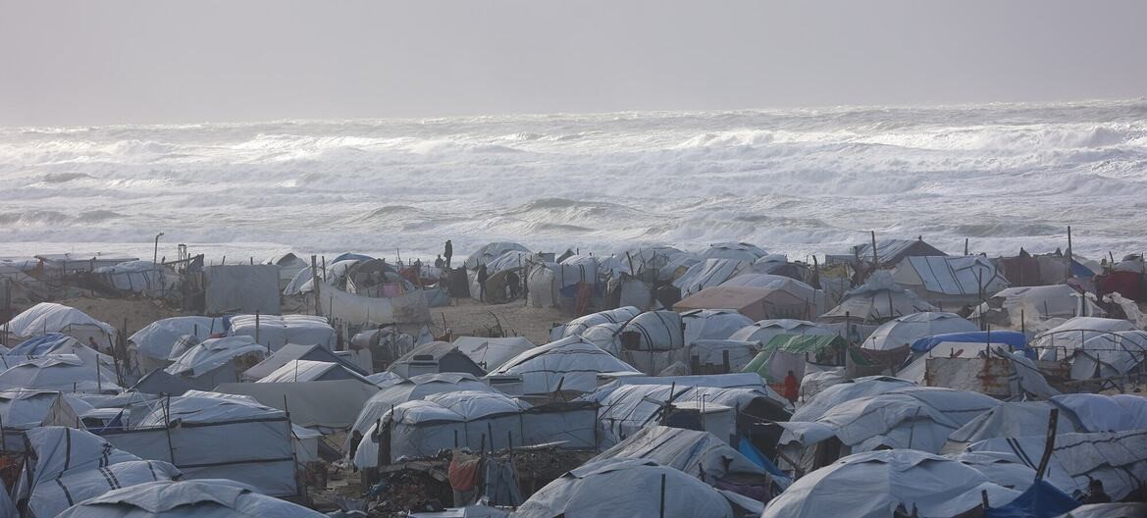
A refugee camp in Gaza – Photo source: United Nations Website
In light of the worsening humanitarian and social conditions in the region due to the escalation of security operations, the Middle East Council of Churches presents a weekly report entitled "Palestine Monitor," which includes the latest developments in Palestine, especially amid the deteriorating living, social, and security conditions in the country. Some texts will be in Arabic, and some others in English, depending on the source.
Latest updates:
The United Nations mentioned on its Website that “despite a modest increase in humanitarian assistance, the situation in Gaza remains “dire”, with children among the hardest hit by shortages of shelter, basic services and education”.
It added “Children remain among the hardest hit. According to the UN Children’s Fund (UNICEF), the war has erased years of educational progress. ‘Almost two and a half years of attacks on Gaza’s schooling have left an entire generation at risk,’ UNICEF spokesperson James Elder said. About 60 per cent of school-aged children have no access to in-person learning, and more than 90 per cent of schools have been damaged or destroyed.”[1]
On the humanitarian level also, the United Nations stated on its Website that “although more aid is entering Gaza, quantities are not yet sufficient to meet the immense needs. Furthermore, ‘the situation also remains extremely precarious and deadly for many children,’ said Mr. Ted Chaiban, UNICEF Deputy Executive Director, Humanitarian Action and Supply Operations. More than 100 children have been reported killed in Gaza since the ceasefire of early October. Despite the progress with food security, 100,000 children remain acutely malnourished and require long term care. 1.3 million people, many of them children, are in urgent need of proper shelter. Families are shivering in fabric tents and bombed-out buildings amid freezing temperatures that have killed at least 10 children this winter season.[2]
On the educational level and according to an interview conducted by AsiaNews with Father Ibrahim Faltas, Franciscan Friar and Director of the Custody’s Schools, the situation is also dire. The interview which was published on the Website of Abouna.org, stated:
“Teachers and students at schools run by the Custody of the Holy Land, important centers of excellence, face huge hurdles and difficulties at present, this according to Father Ibrahim Faltas, Franciscan friar and director of the Custody’s schools.
The picture the clergyman draws from the reality on the ground is one of enduring suffering fed by, among other things, [Israel]’s restrictions on teachers’ permits; the enduring trauma cause by the war that broke out on 7 October 2023, which has claimed hundreds of lives despite a fragile truce, more theoretical than real; and the makeshift classes in Gaza where schools, like most other buildings, have been razed to the ground.
The war “has inflicted severe trauma that is still visible today in all its potency,” the clergyman explained. Students “have lost their smile, they have lost their confidence, they have lost everything, and they have changed. They are no longer the same kids they were before.”[3]
On another side, and according to reliefweb.in, the situation in Gaza is highlighted as the following points:
- Attacks, shelling, and shooting continue across Gaza, raising serious concerns over the continued killing of civilians, according to the UN Human Rights Office.
- Over 100,000 tents have entered Gaza through UN coordination and bilateral donations since October, but tents are not a durable solution: winter storms and material restrictions have left hundreds of thousands exposed to winter-related risks. Eleven children have reportedly died from hypothermia.
- Food and cash assistance reached hundreds of thousands of households in January, while fragile markets, low purchasing power, and prevalent malnutrition continue to drive extreme risks for children.
- Health services have expanded with more functional health points and the first open-heart surgeries since 2023, yet a surge in communicable diseases driven by winter, poor shelter, and unsafe water continues to strain Gaza’s fragile health system.
- As 60 per cent of school-aged children in Gaza remain without access to in-person learning, UNICEF and education partners are scaling up temporary learning spaces and delivering the first recreational and school kits allowed into Gaza in over two years to support children’s learning and wellbeing.[4]
[1] https://news.un.org/en/story/2026/01/1166842
[2] https://news.un.org/en/story/2026/01/1166835
[3] https://en.abouna.org/content/father-faltas-christian-schools-healing-human-and-social-wounds-gaza-war?fbclid=IwY2xjawPoH7pleHRuA2FlbQIxMABicmlkETFhOFpnQ05qdGRVNzNyangzc3J0YwZhcHBfaWQQMjIyMDM5MTc4ODIwMDg5MgABHmwMzK-i8kK-JJEmiVi7z14UzJ9DlFO93g3C-eBOF8e0BbrYmCAa1QAp4h1f_aem_BkVRplvnEZ_ED3mTuDoFDw
[4] https://reliefweb.int/report/occupied-palestinian-territory/humanitarian-situation-update-355-gaza-strip