From the Suez Canal to Beirut: Living Water Brings Churches Together
You can find some photos at the end of the text.
Written by Fr. Antoine Al Ahmar, Director of the Theological and Ecumenical Department at the Middle East Council of Churches (MECC)
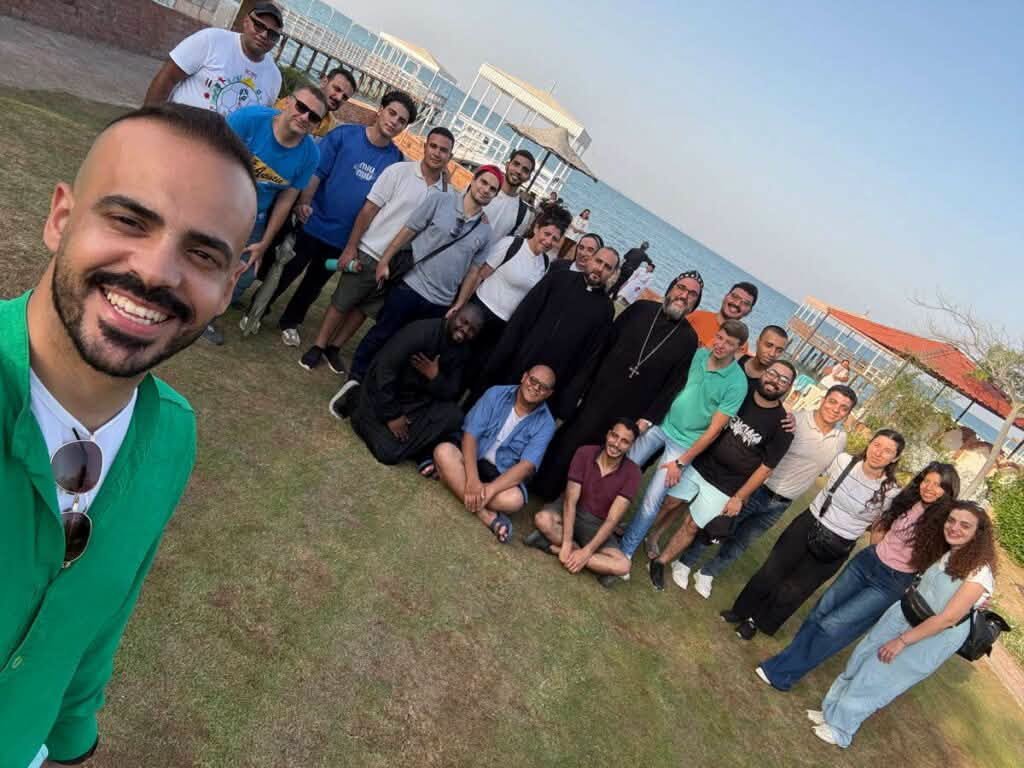
As the sun set over the Suez Canal, young Christians from different Church traditions gathered beside the water to pray. Earlier that day, they had planted trees and blessed water together. For some, connecting care for the Earth so directly with their Christian faith was something new.
“Planting a tree and praying together is a new experience for us,” one young participant reflected.
Another, who had travelled from a different region, was already thinking about what could come next: “We would like to organize similar activities in our region as well.”
These simple words capture something of what the Season of Creation 2026 is seeking to inspire across the Middle East: allowing faith, ecumenical encounter and care for creation to flow together like the “Living Water” at the heart of this year’s theme.
Planting and Praying in Egypt
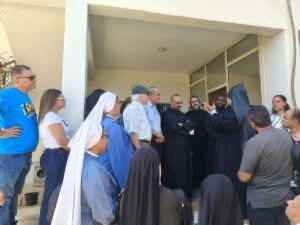
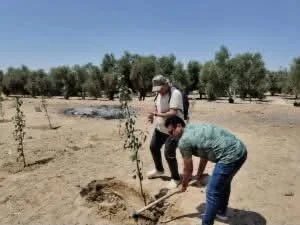
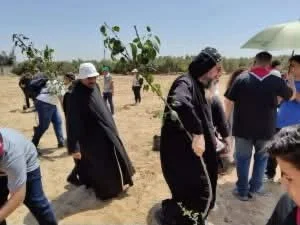
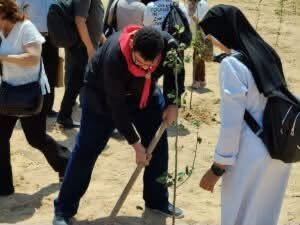
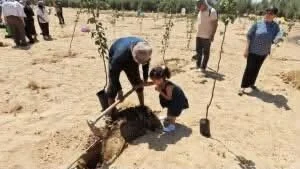
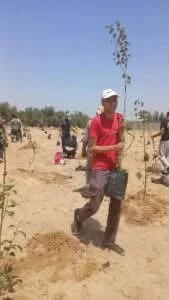
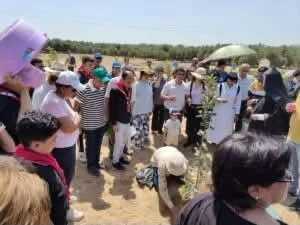
The journey began on 23 July in Ismailia, Egypt, where the Middle East Council of Churches (MECC) and local partners brought together young people, church ministers, monks, nuns and Christians from Orthodox, Catholic and Evangelical traditions for a day of prayer, learning and environmental action.
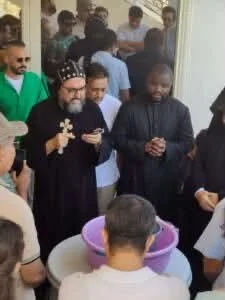
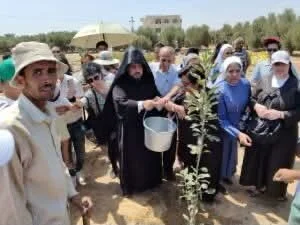
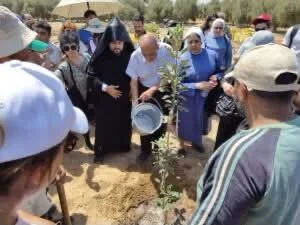
At the Benedictine Monastery in El-Tal El-Kebir, participants celebrated the Blessing of the Waters and then used the blessed water to water newly planted trees. Two hundred apple and pear trees formed a new “Transfiguration Orchard” on the monastery grounds.
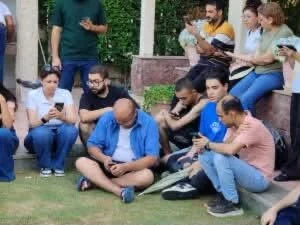
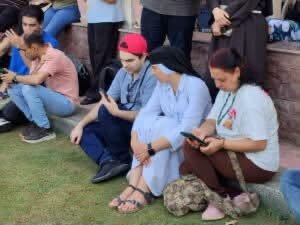
Later, the participants travelled to Fayed on the Suez Canal. There, beside the water, they prayed with the words of the prophet Ezekiel that inspire this year’s Season: “Where the river flows everything will live” (Ezekiel 47:9).
The experience showed how prayer can lead to action—and how young people can carry that experience home to their own communities.
When Lebanon’s Waters Met in Beirut
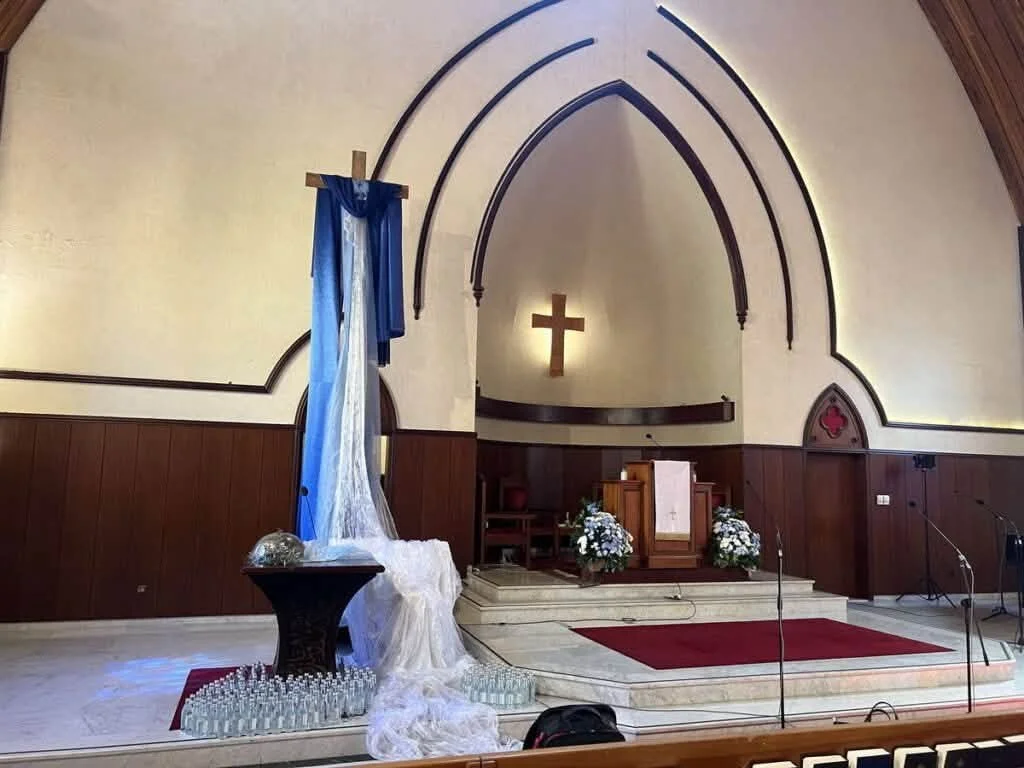
Several weeks later, on September 6, Living Water brought another ecumenical community together, this time at the National Evangelical Church of Beirut.
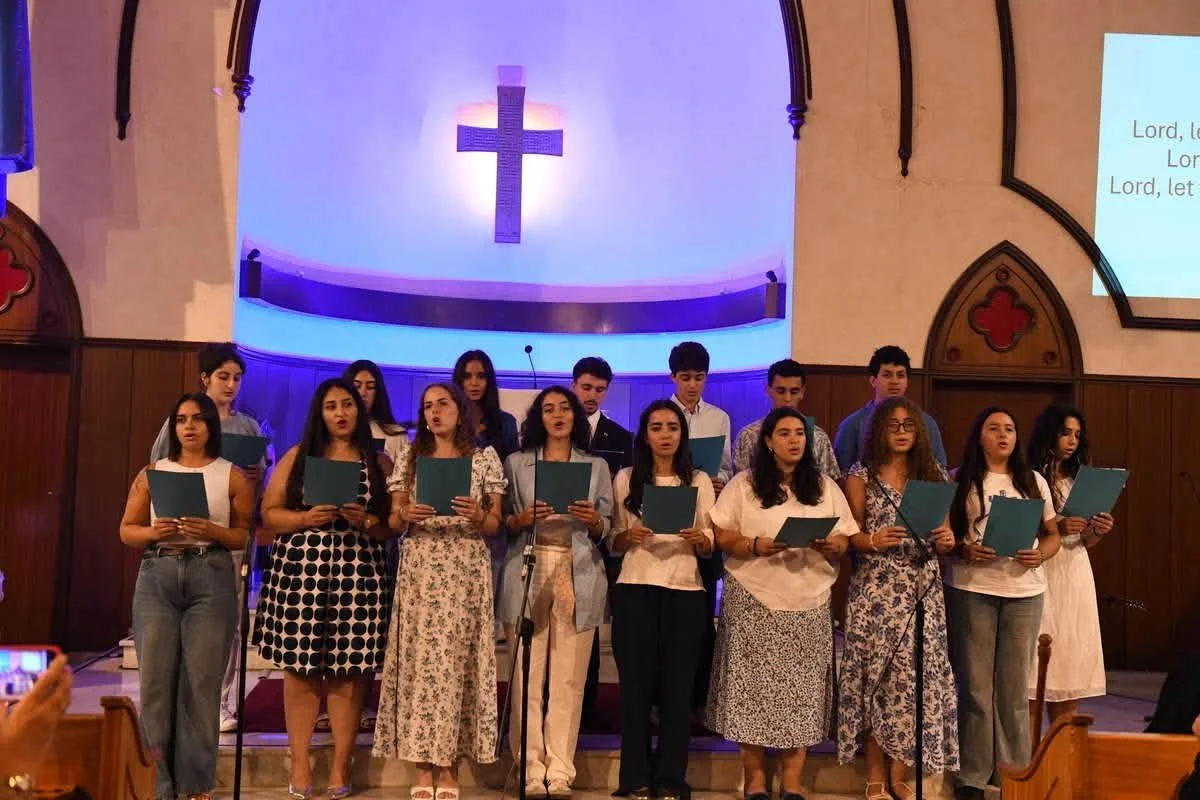
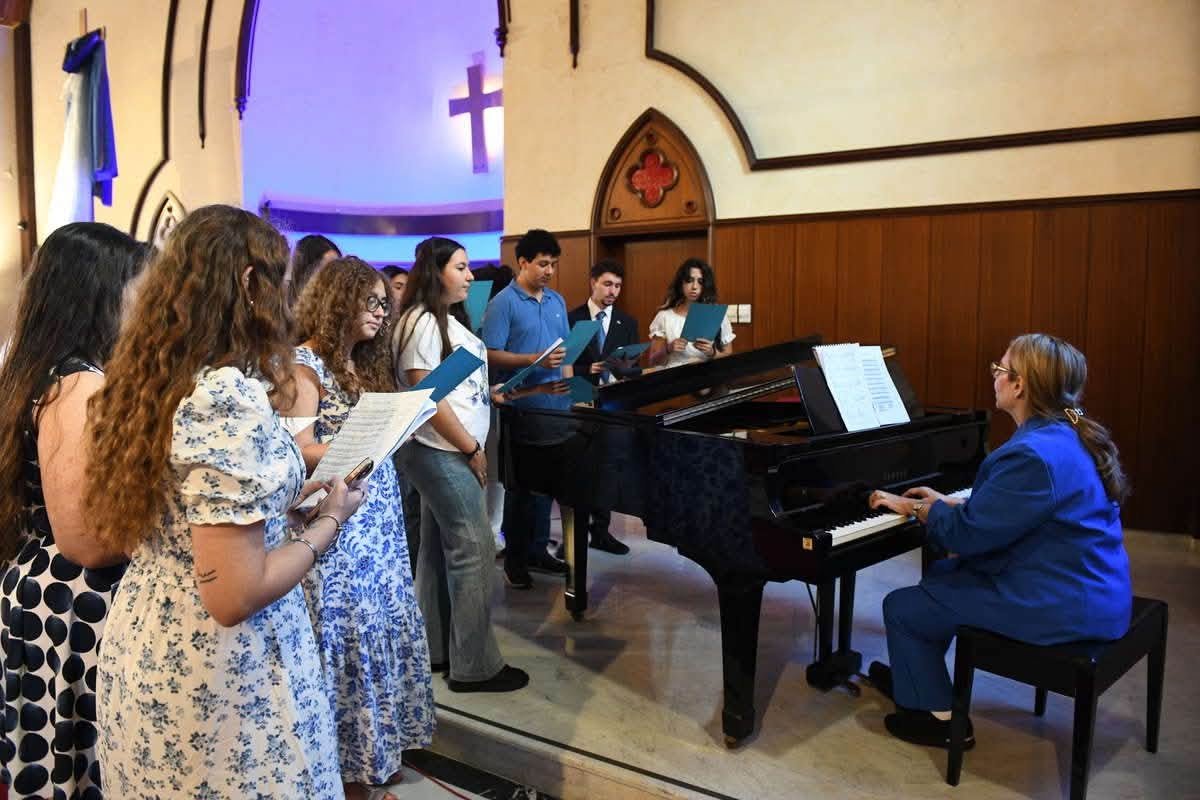
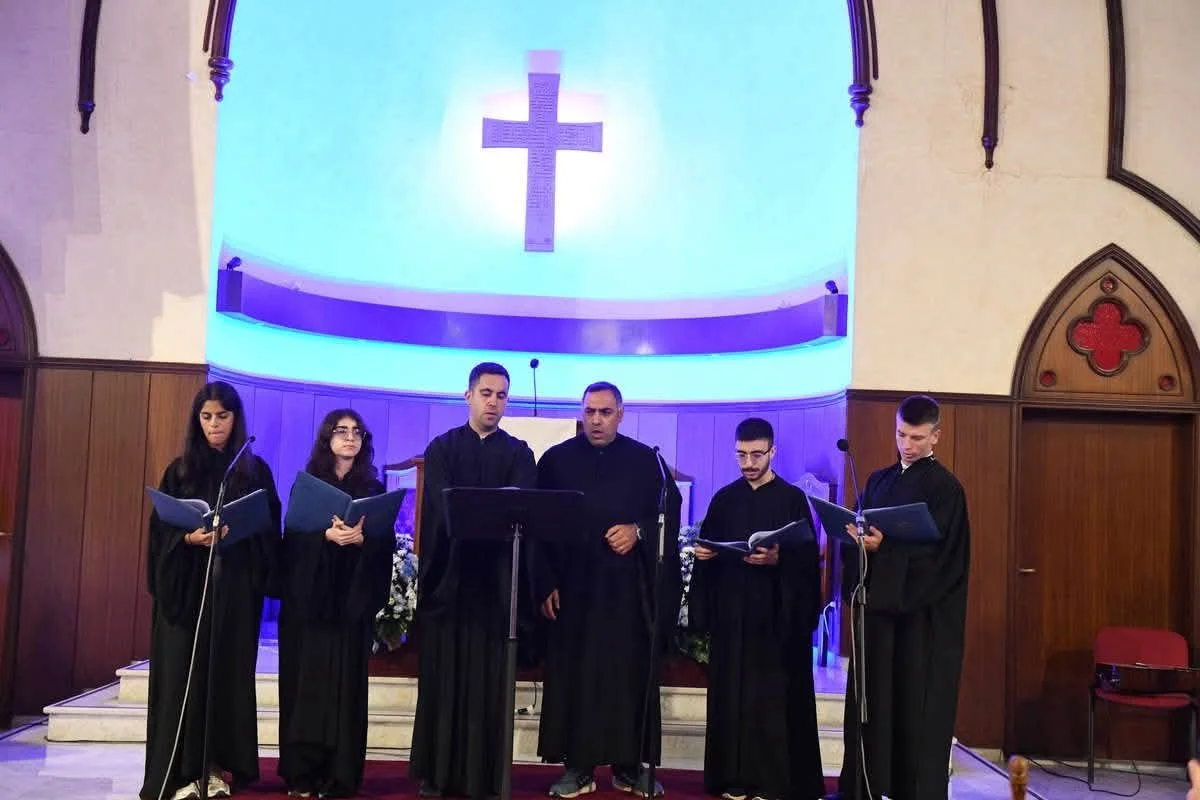
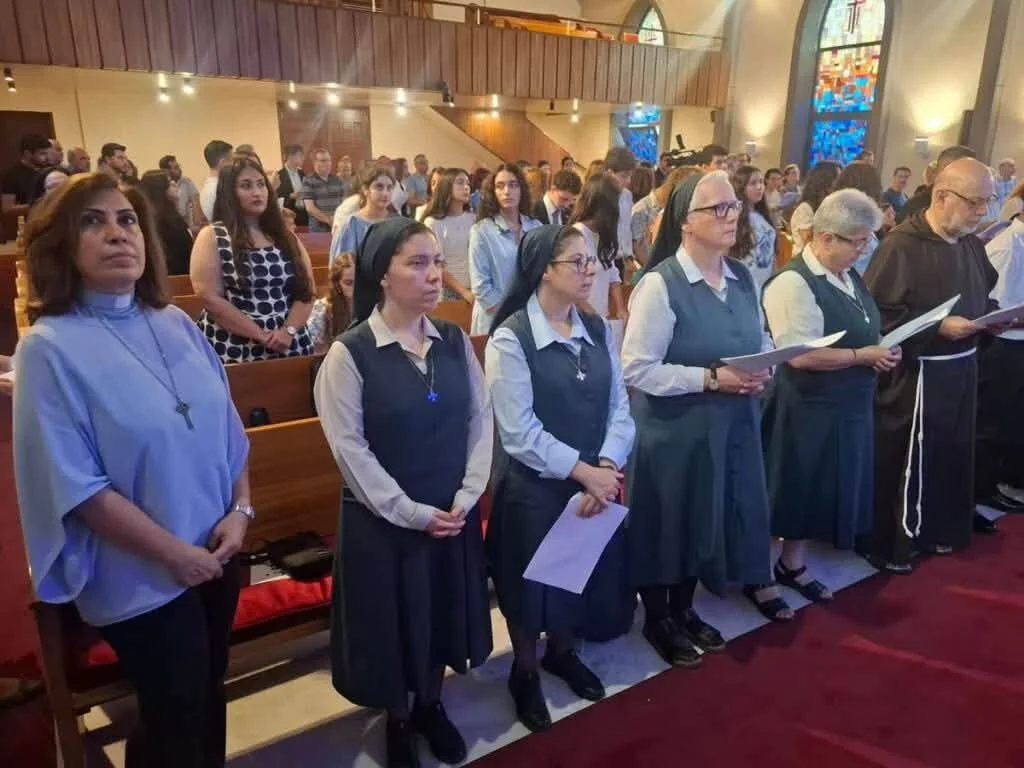
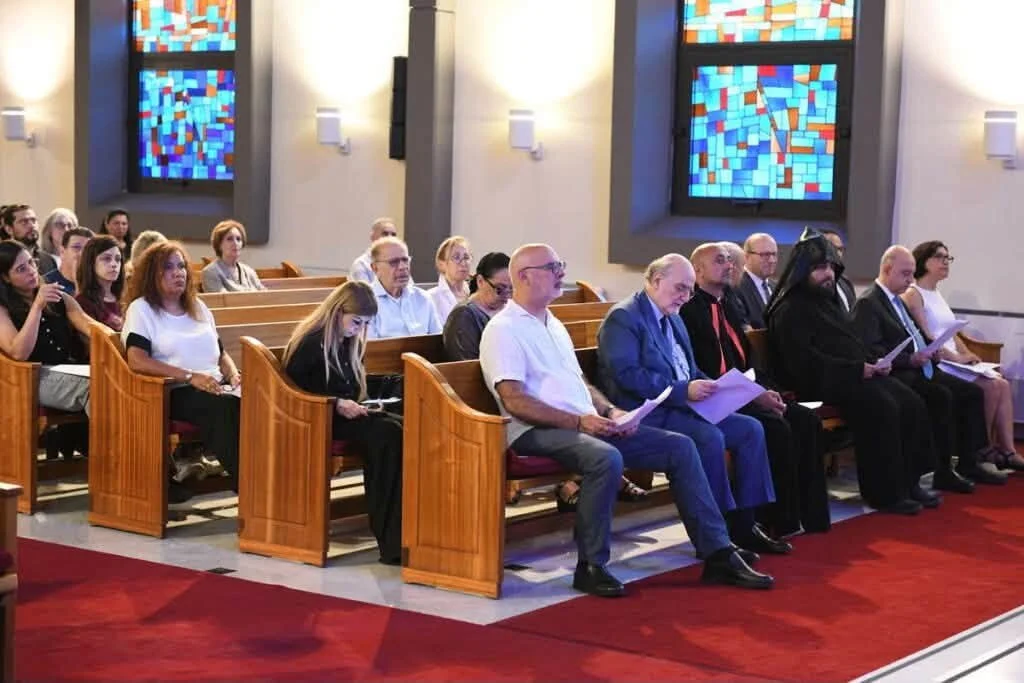
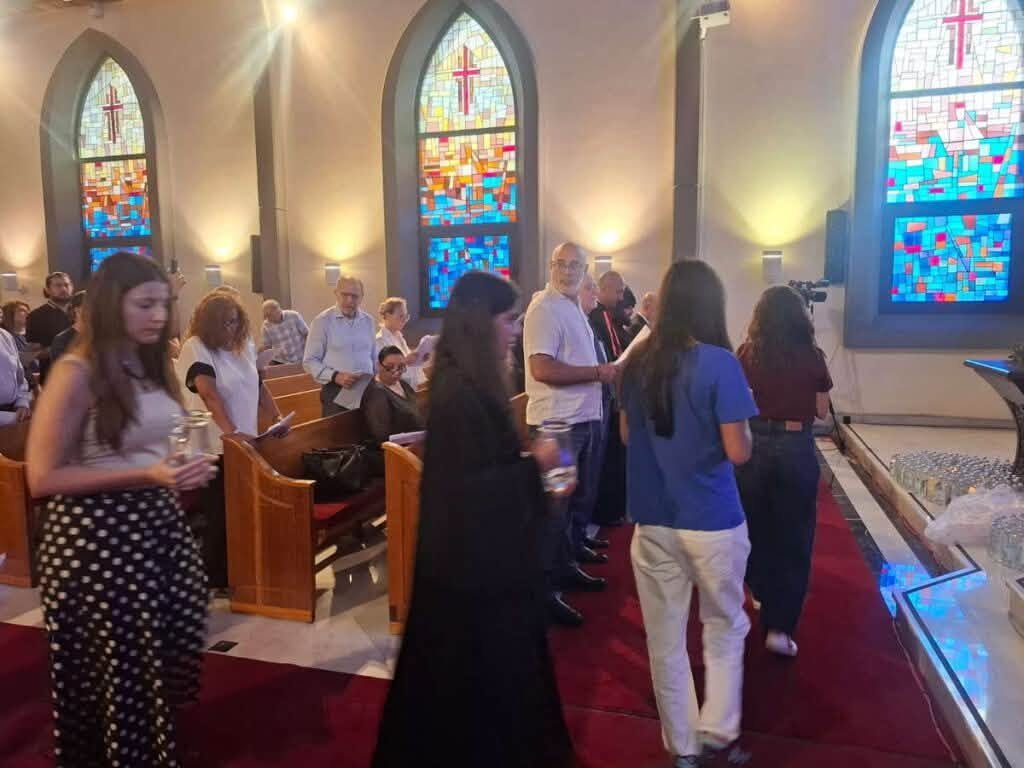
Church leaders, clergy, religious sisters and brothers, young people, representatives of environmental organizations and believers from different Christian traditions gathered for the MECC’s ecumenical celebration of the Season of Creation. Choirs and cantors from four different Church traditions filled the church with their different musical heritages, united in the same prayer.
One moment made the theme particularly visible.
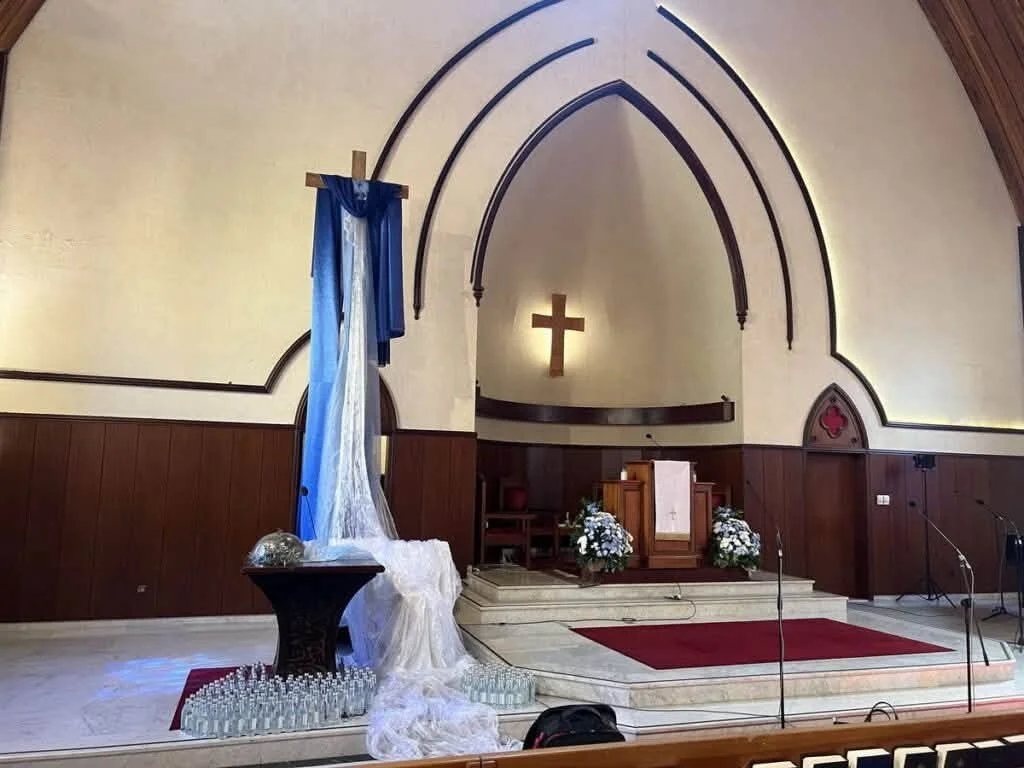
Young women and men came forward carrying water collected from different parts of Lebanon—from the South, the Bekaa, the sea and the mountains. They poured these waters together into the baptismal font. Different waters became one, just as Christians from different traditions had gathered around one faith and one baptism.
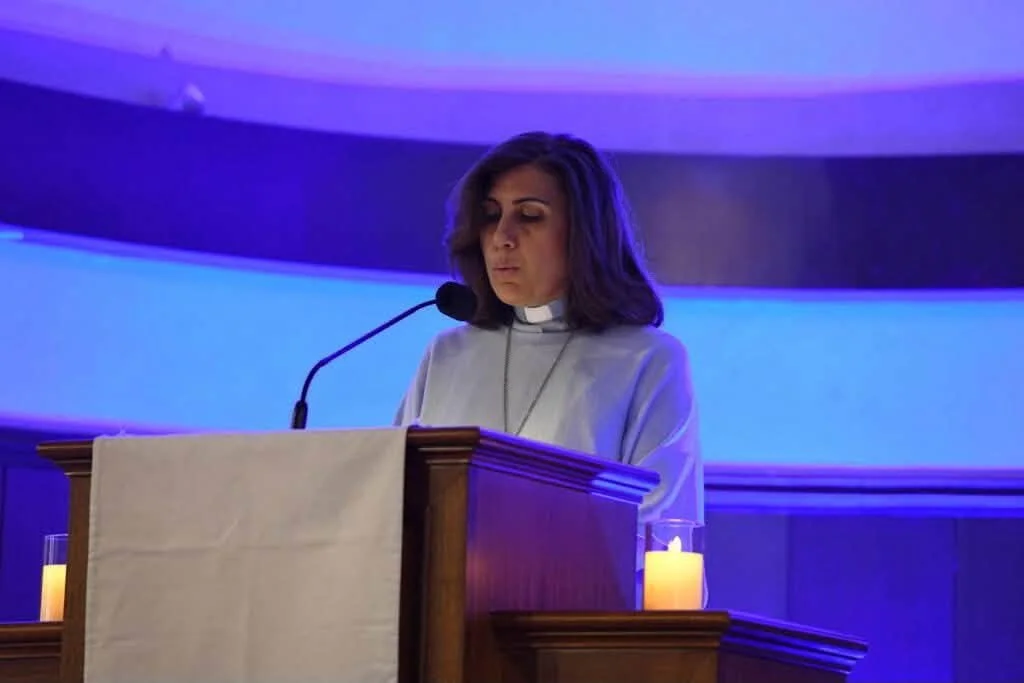
Rev. Dr. Rima Nasrallah, pastor of the National Evangelical Church of Beirut, captured the meaning of the encounter: “It is beautiful that creation is also becoming a new space of encounter between the Churches, and a step on the path toward Christian unity. Despite our different traditions, we live on one Earth, drink from the same waters, and together face the wounds of this creation.”
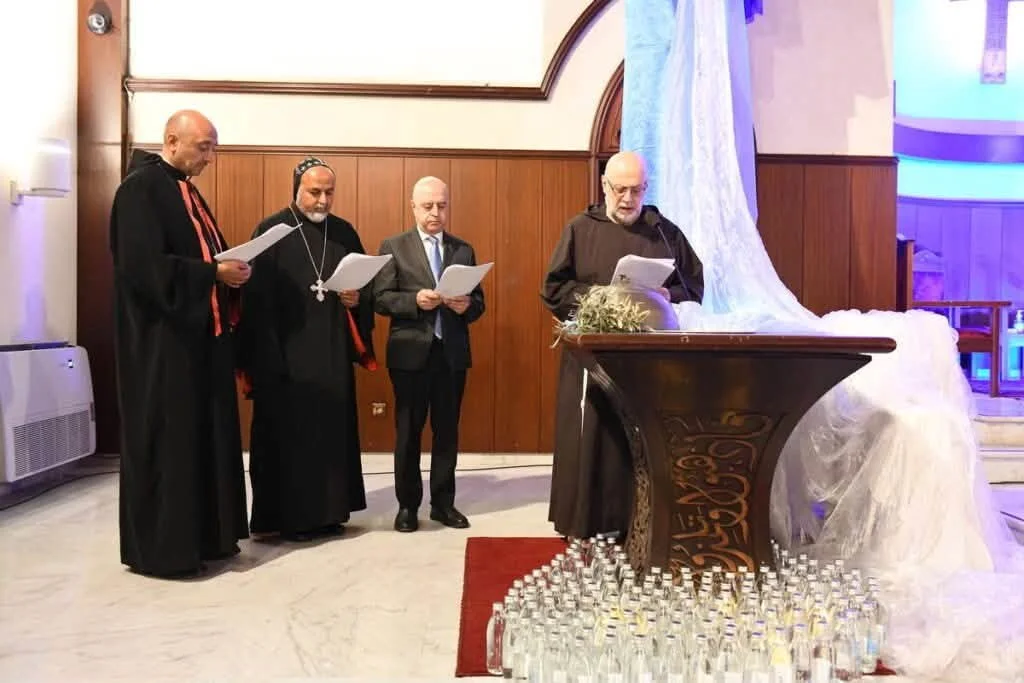
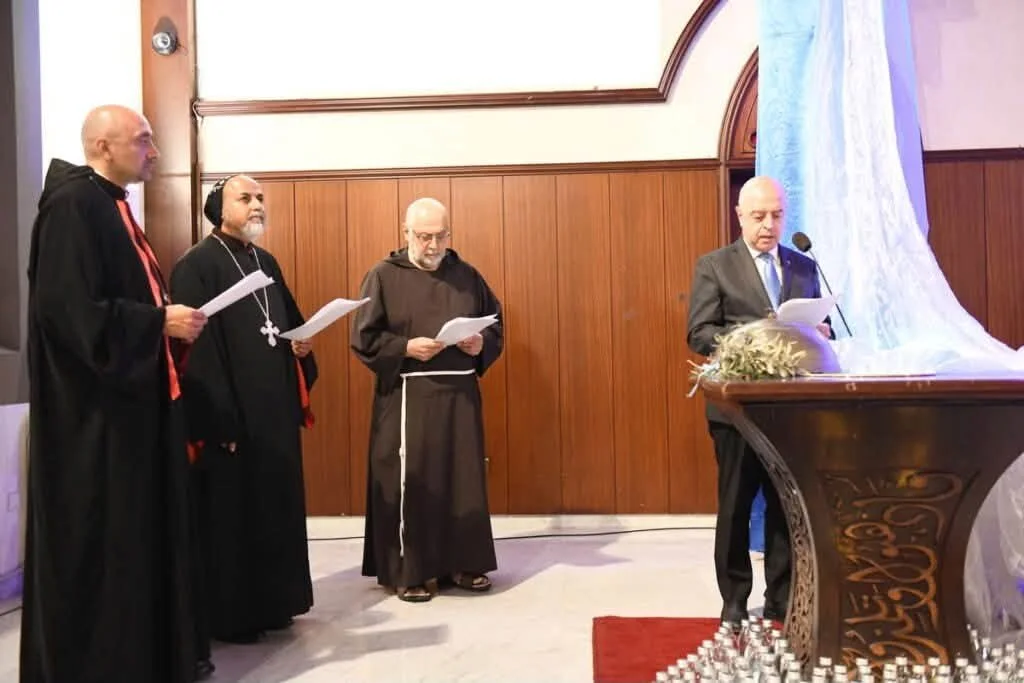
At the end of the service, representatives of the Churches blessed the water. The congregation was sprinkled with it using an olive branch, recalling baptism and renewing the Christian vocation to protect water and care for creation. Participants then took small bottles of blessed water home with them—a simple reminder that the commitment celebrated in church must continue in daily life.
“Where There Is Death, Let Us Carry Life”
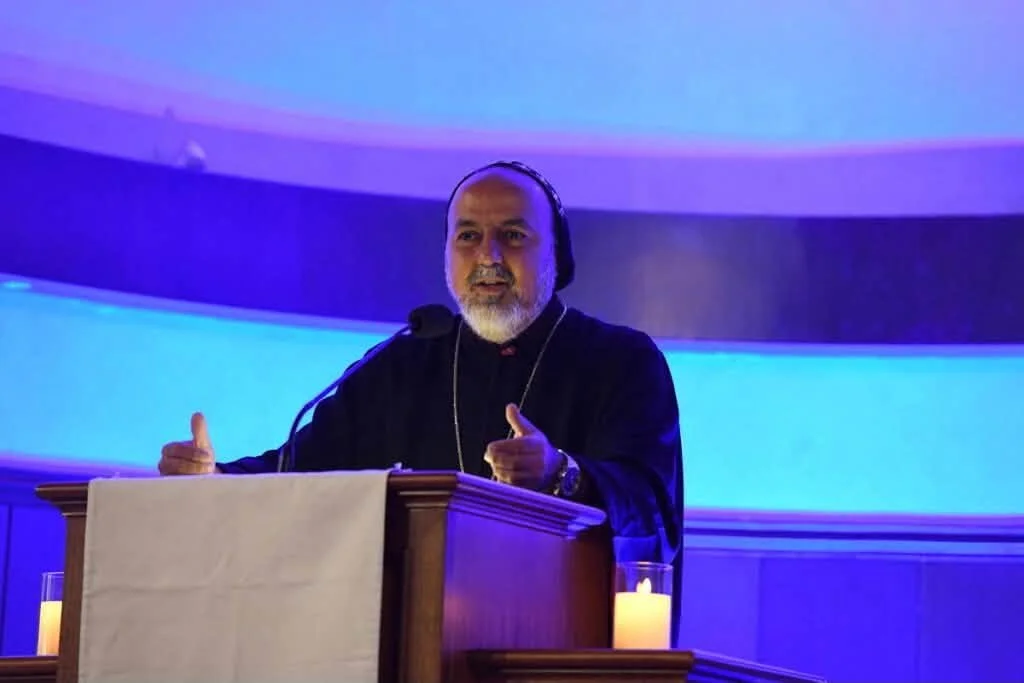
Preaching on Ezekiel’s vision of the life-giving river, Metropolitan Mor Severius Roger Akhrass of the Syriac Orthodox Church reminded the congregation that creation cannot be separated from Christian faith.
“We are not gathered today to speak about nature as though nature were something external to our faith,” he said. “We are drops of water gathered in the living river.”
His prayer transformed the image of Living Water into a calling: “Where there is death, let us carry life. Where there is division, let us be a channel of reconciliation. And where there are wounds in creation, let us be leaves for healing.”
These words have particular resonance in a Middle East where water is both precious and vulnerable. Pollution, scarcity, environmental degradation, conflict and unequal access to clean water affect communities across the region. Caring for water is therefore inseparable from caring for people.
The message has also travelled beyond those who participated in the gatherings. Through MECC media and interviews with MTV Lebanon and SAT-7, the Season of Creation is opening a wider conversation about why protecting water, land and the whole community of life belongs at the heart of Christian witness.
The River Continues to Flow
The story is only beginning.
In October, an environmental day is planned at Saint George Monastery in Mechtaya, Wadi al-Nasara, Syria. In November, another environmental day will take place at the Schneller School in Lebanon’s West Bekaa. An additional youth-led environmental initiative is also being prepared through the MECC’s Youth Leadership Building programme, with the support of ACT Alliance MENA.
The hope expressed by the young participant in Egypt—“We would like to organize similar activities in our region as well”—is already beginning to take shape.
At the Beirut celebration, MECC Secretary General Prof. Michel Abs offered a simple way of understanding the responsibility ahead:
“Water is a gift, and a gift calls for gratitude. Water is life, and life calls for protection. Water is a sign of renewal, and renewal calls for faithfulness. Water is entrusted to us by the Creator, and what is entrusted to us must be preserved for those who come after us.”
From trees taking root in Egyptian soil to waters from across Lebanon meeting in a baptismal font, the Season of Creation reminds us that large transformations can begin with small acts: planting a tree, carrying water, praying together, or returning home determined to do the same in another community.
The river has begun to flow. May we have the courage to follow where it leads—so that, as Ezekiel envisioned, where the river flows, everything will live.
These initiatives form part of the three-year “Care for Creation” programme implemented by the Theological and Ecumenical Department of the Middle East Council of Churches with the support of Danmission.