
For Human Dignity and Living Together
Final Statement of the Cairo Charter for Countering Hate Speech and Protecting Human Dignity
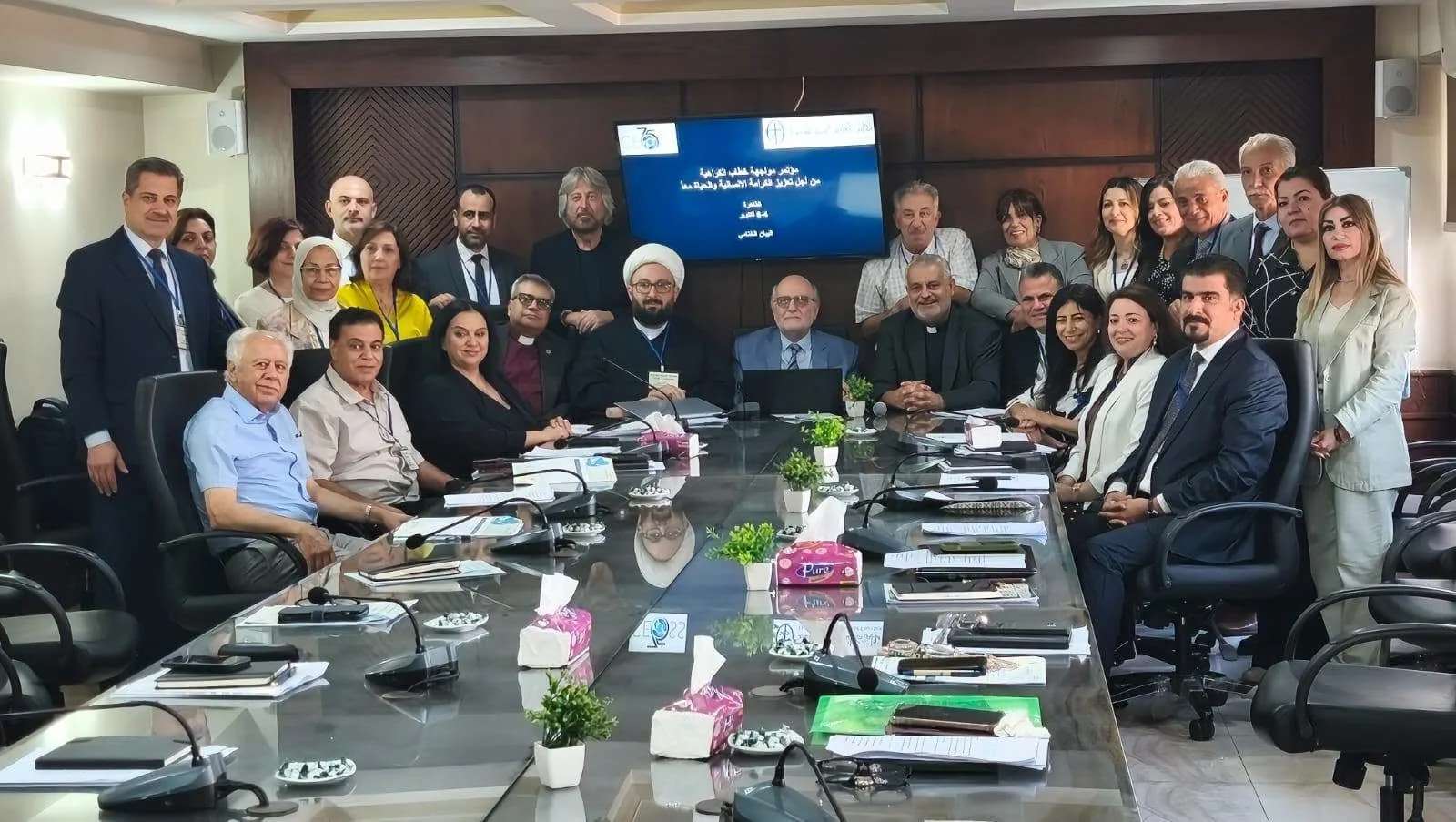
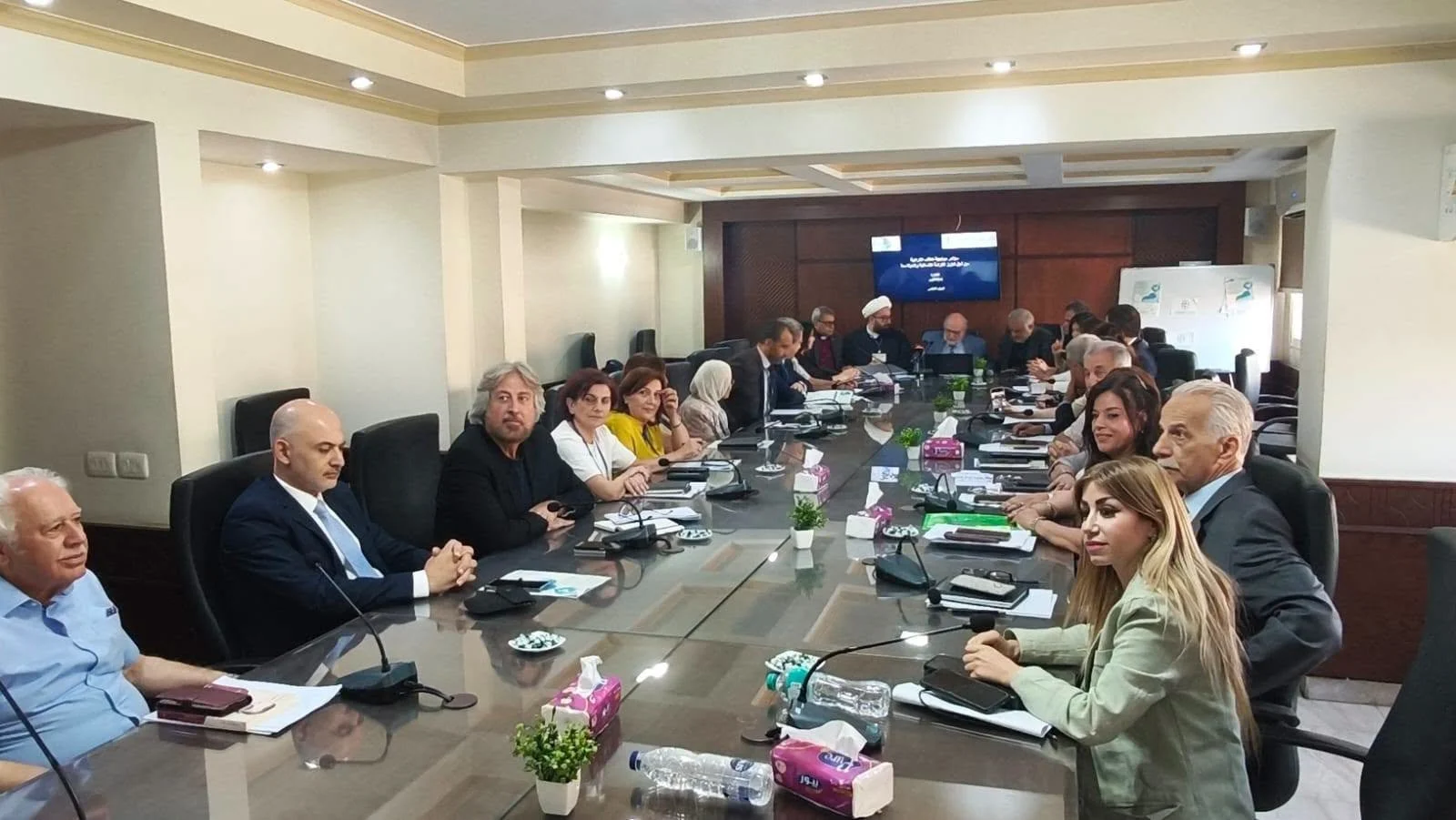
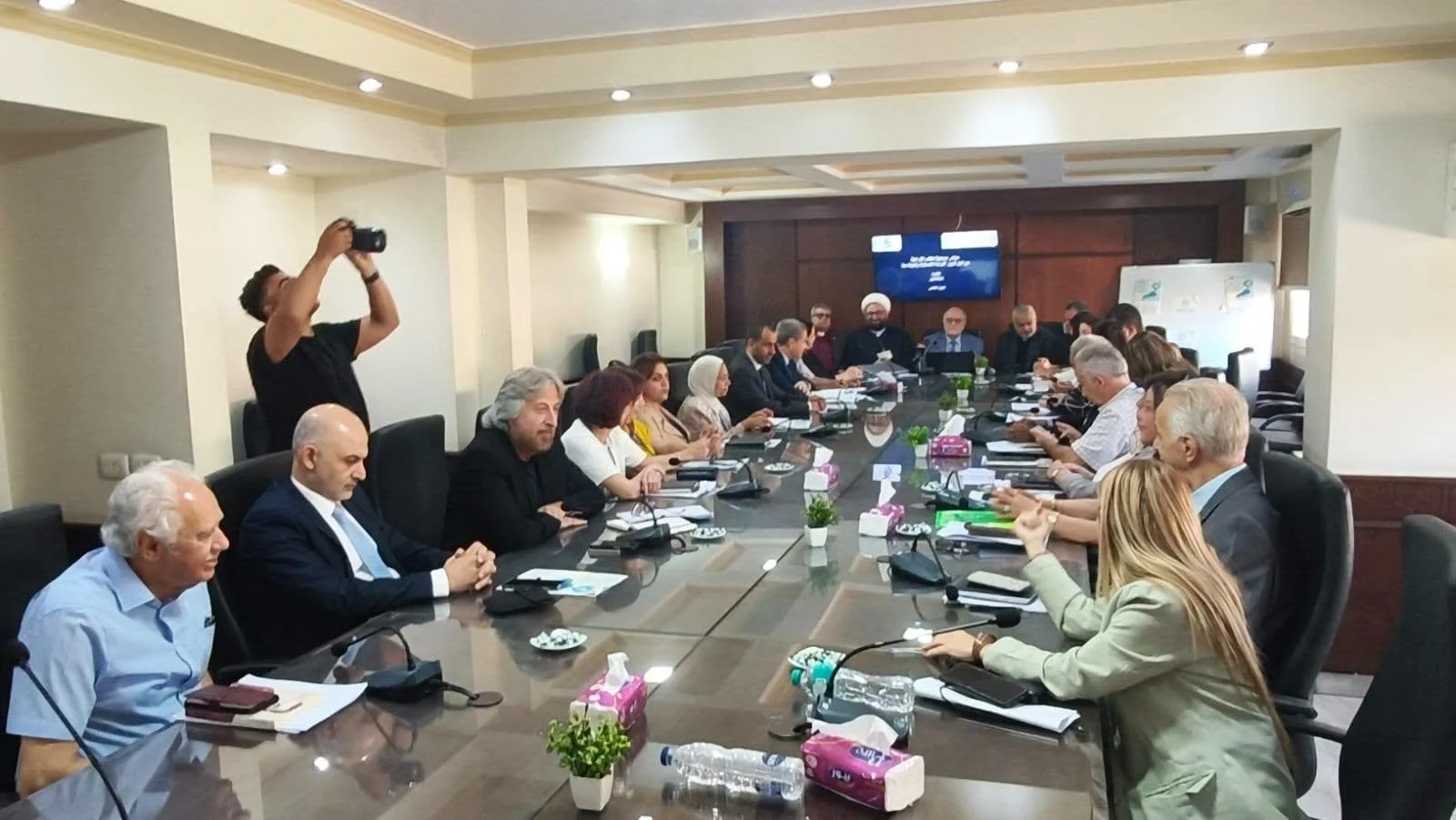
The Middle East Council of Churches (MECC), in partnership with the Coptic Evangelical Organization for Social Services (CEOSS), held a regional conference in Cairo from 4 to 6 October 2026, under the title: “Countering Hate Speech to Promote Human Dignity and Coexistence.”
The conference brought together researchers, Religious Leaders, experts, and specialists from various fields to discuss the causes, forms, and consequences of hate speech, and to explore practical approaches and mechanisms that contribute to promoting human dignity, social cohesion, and peaceful coexistence.
Over three consecutive days, speakers and specialized researchers examined the phenomenon of hate speech from Religious, social, legal, educational, and media perspectives. Dedicated sessions also addressed the role of digital platforms and artificial intelligence in countering and reducing hate speech.
The conference further explored public policies and regional initiatives through a series of presentations and discussions on social cohesion.
Recognizing that human dignity is an inherent right of every human being, and that Religious, cultural, intellectual, and political differences are a source of richness rather than a justification for exclusion or violence, we affirm that collective action to counter hate speech and protect communities from incitement, discrimination, and the violation of human dignity is a responsibility that must be upheld.
We affirm the following:
- Promoting national identity, social cohesion, and the building of the nation-state.
- Freedom of expression is a fundamental right and may only be restricted in accordance with the law and where such restrictions are necessary and proportionate, with a clear distinction between legitimate expression and incitement to discrimination, hostility, or violence.
- Human dignity, equality, justice, freedom, and non-discrimination are non-negotiable principles.
- Religious, cultural, and intellectual pluralism is an essential component of our societies and must be protected.
- Countering hate speech is a shared responsibility among governments, Religious institutions, educational institutions, media, civil society, digital platforms, and individuals.
- Adopting clear national action plans to counter hate speech, based on prevention, monitoring, accountability, and the protection of targeted individuals and groups.
- Developing legislation, policies, and practices to prevent incitement to discrimination, hostility, and violence without undermining freedom of opinion, criticism, or academic inquiry.
- Promoting education in citizenship, critical thinking, and media literacy, as well as fostering dialogue.
- Ensuring that media outlets adhere to the principles of professional responsibility and reject stigmatization, dehumanization, and incitement.
- Ensuring the responsible use of digital platforms and artificial intelligence, while strengthening transparency, accountability, and human oversight.
- Encouraging Religious institutions to play an active role in promoting the values of compassion, justice, and mutual respect, and in rejecting the labeling of others as unbelievers and all forms of dehumanization.
- Promoting a culture of dialogue and tolerance among members of society.
- Empowering youth, women, and civil society to participate in monitoring, prevention, and the development of alternative, constructive narratives.
- Recognizing hate speech and incitement, particularly during conflicts and crises, as early warning indicators that require swift intervention, documentation, and accountability in accordance with the law.
- Strengthening regional and international cooperation through a permanent network for monitoring, coordination, and the exchange of expertise and best practices.
Our Commitment
Countering hate speech does not mean eliminating differences; rather, it means protecting them from turning into fear, discrimination, or violence.
Living together is not merely about accepting others; it is about building a partnership with them based on dignity, rights, responsibility, and a shared future.