“We Bid Farewell to a Spiritual and Intellectual Figure Whose Life Embodied the Story of the Eastern Church and Its Humanitarian Mission”
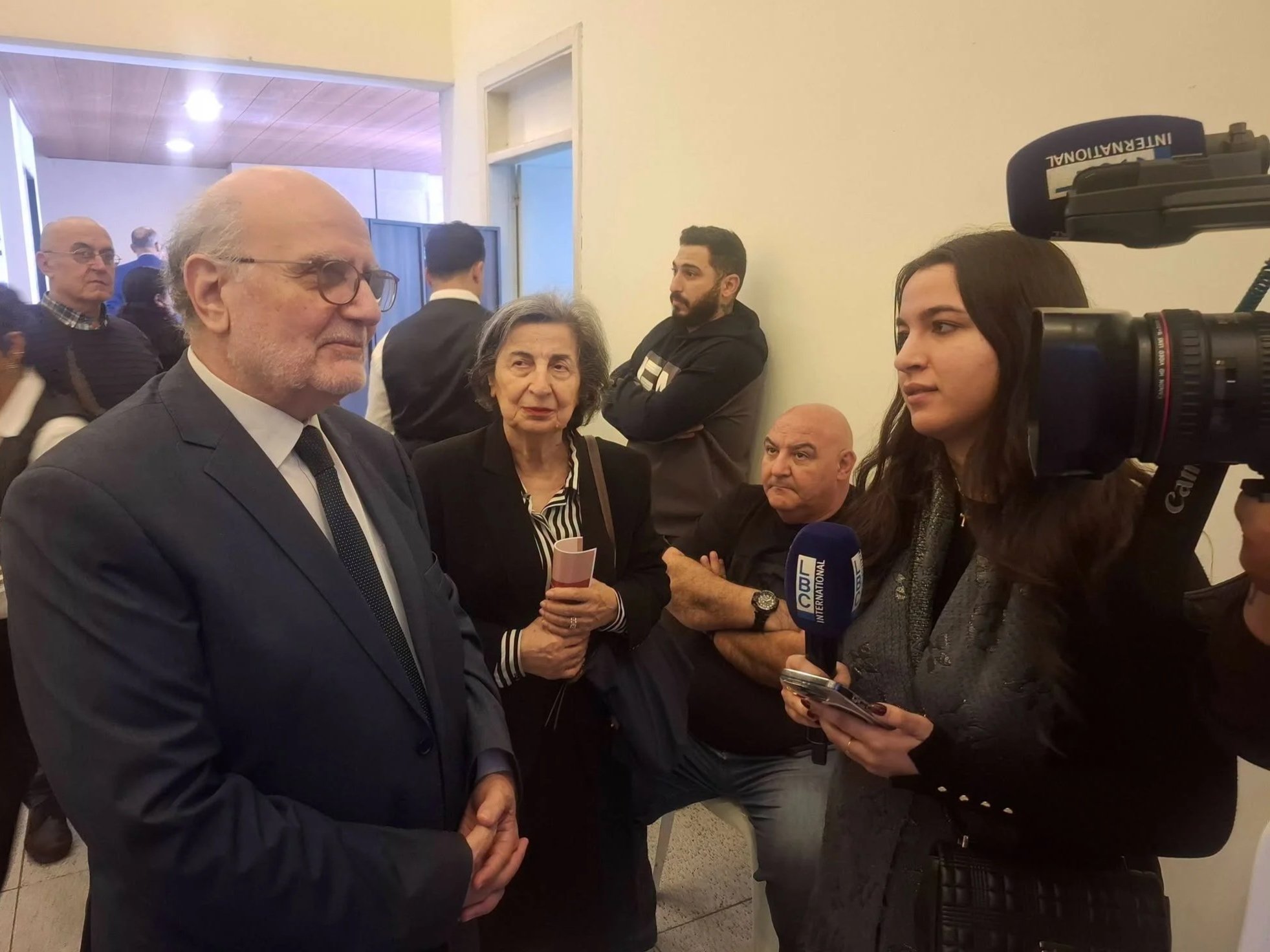
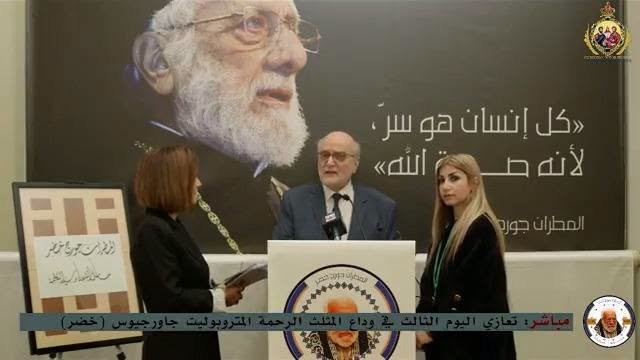
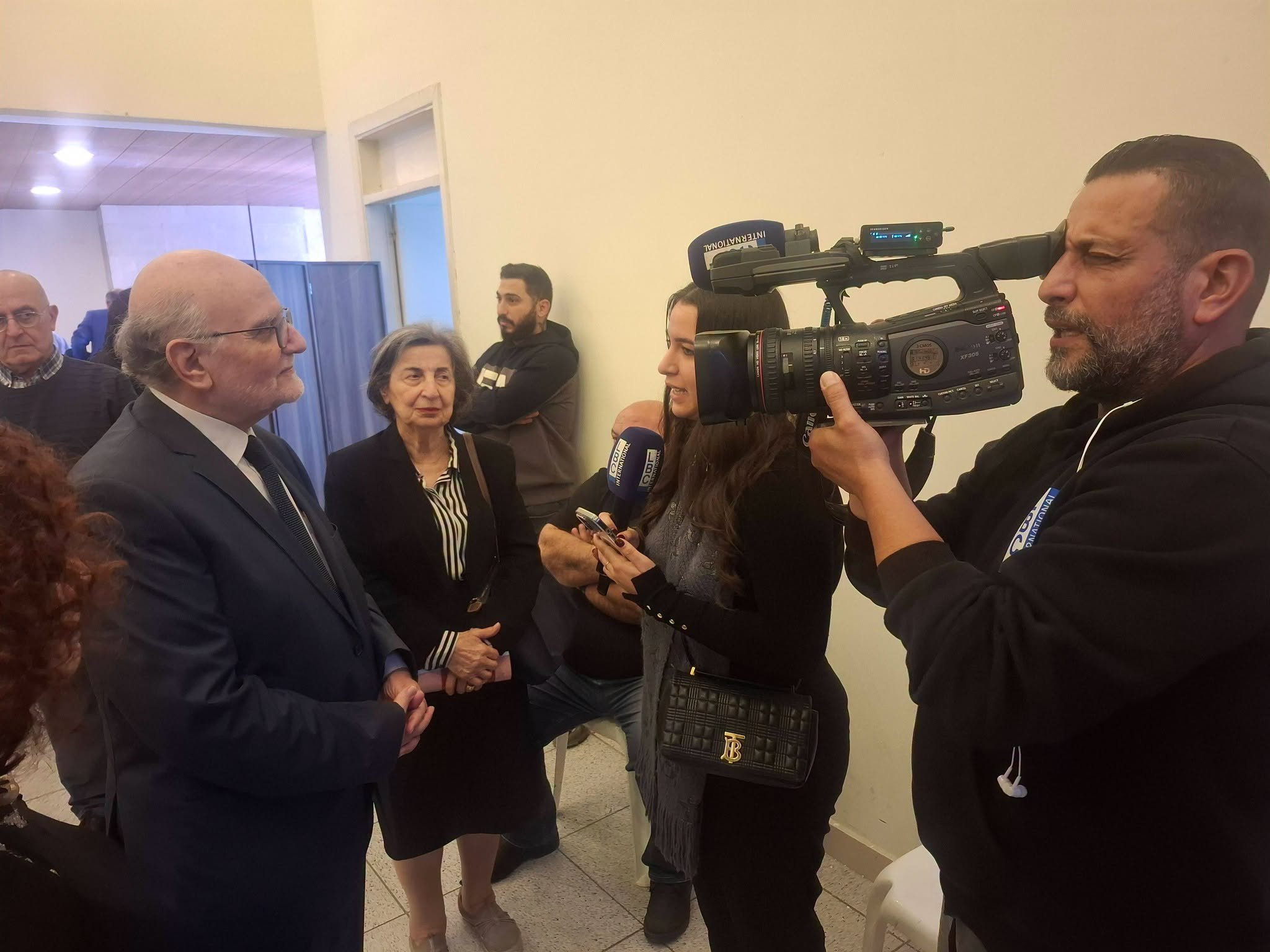
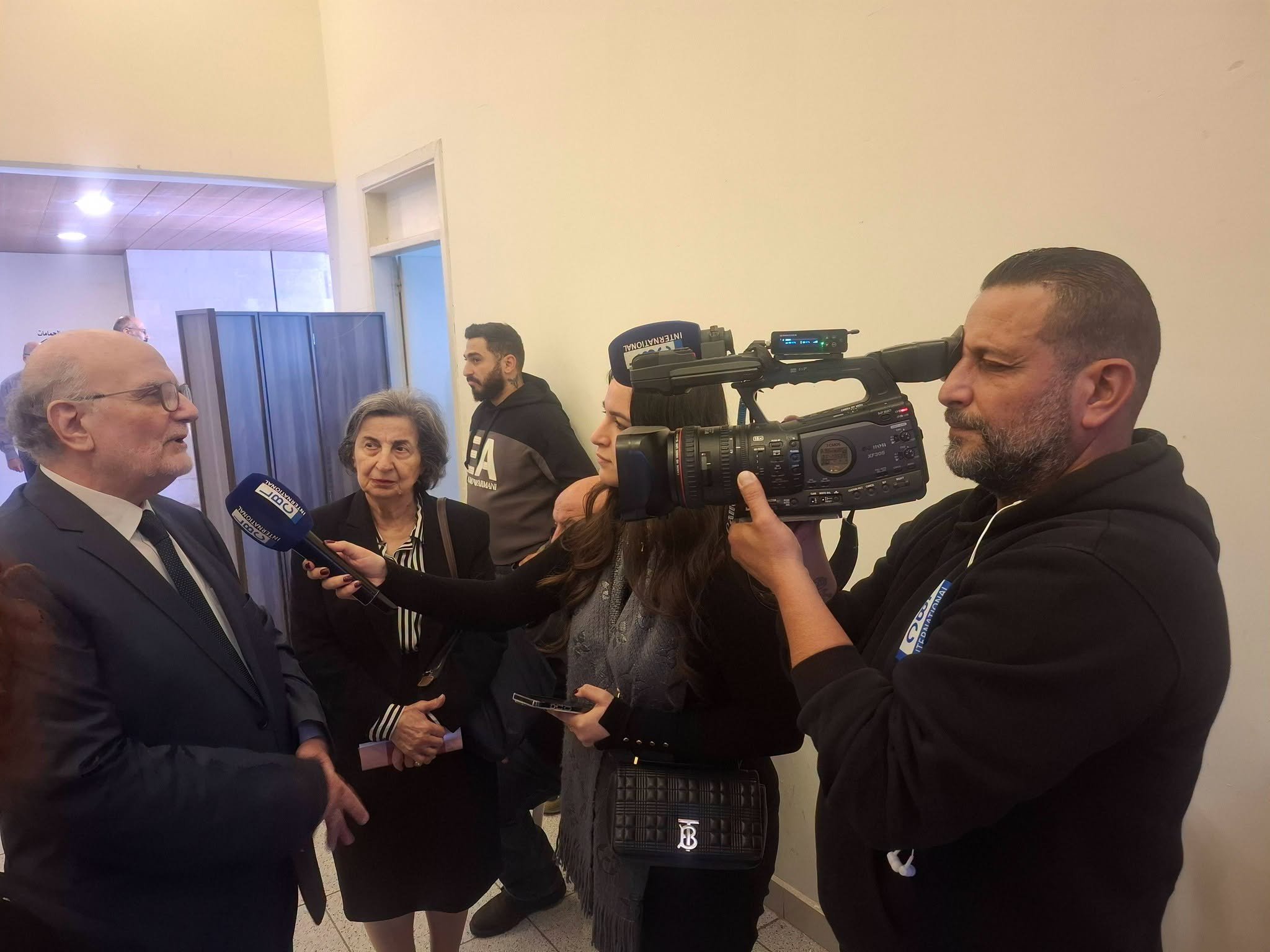
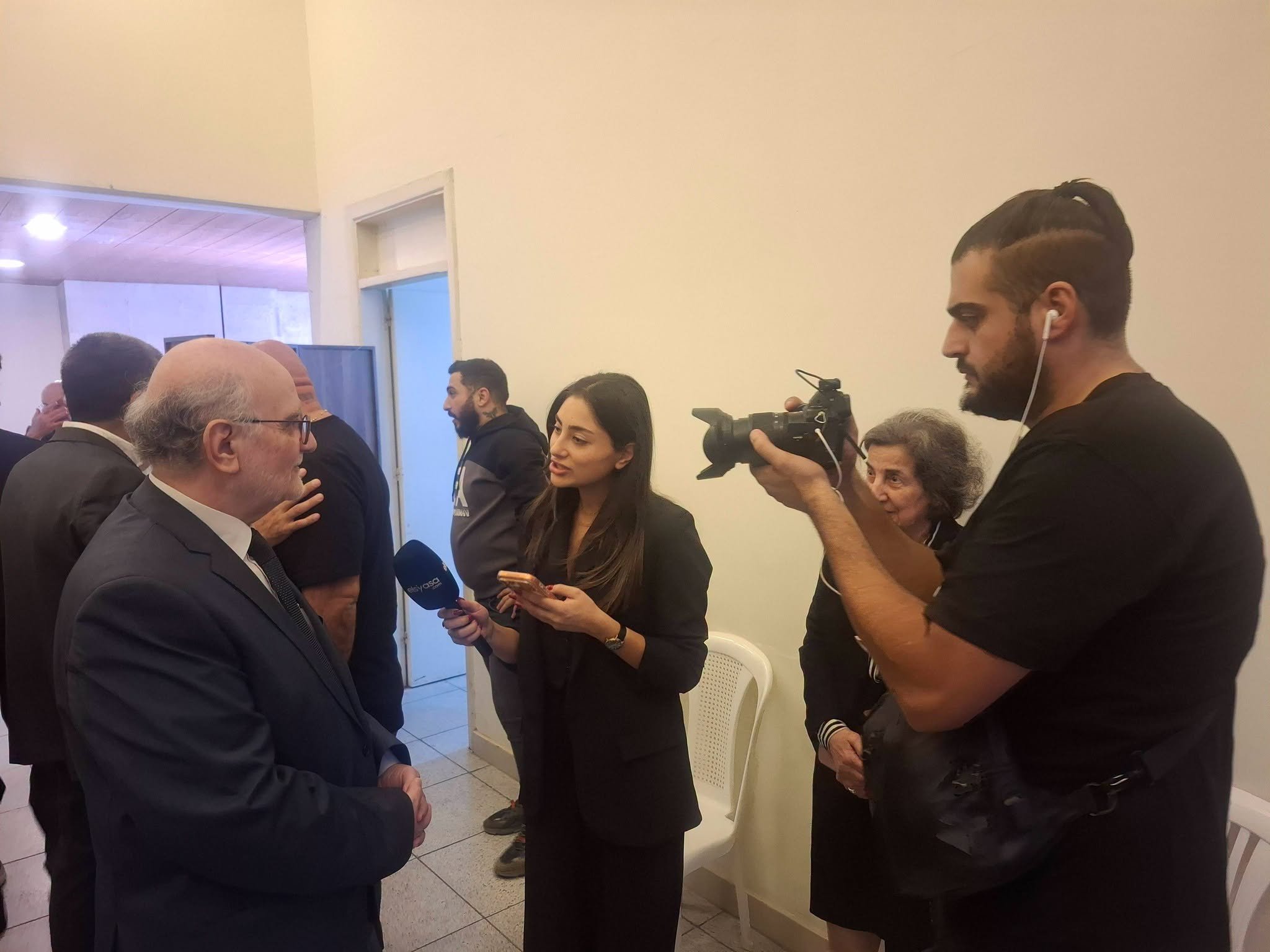
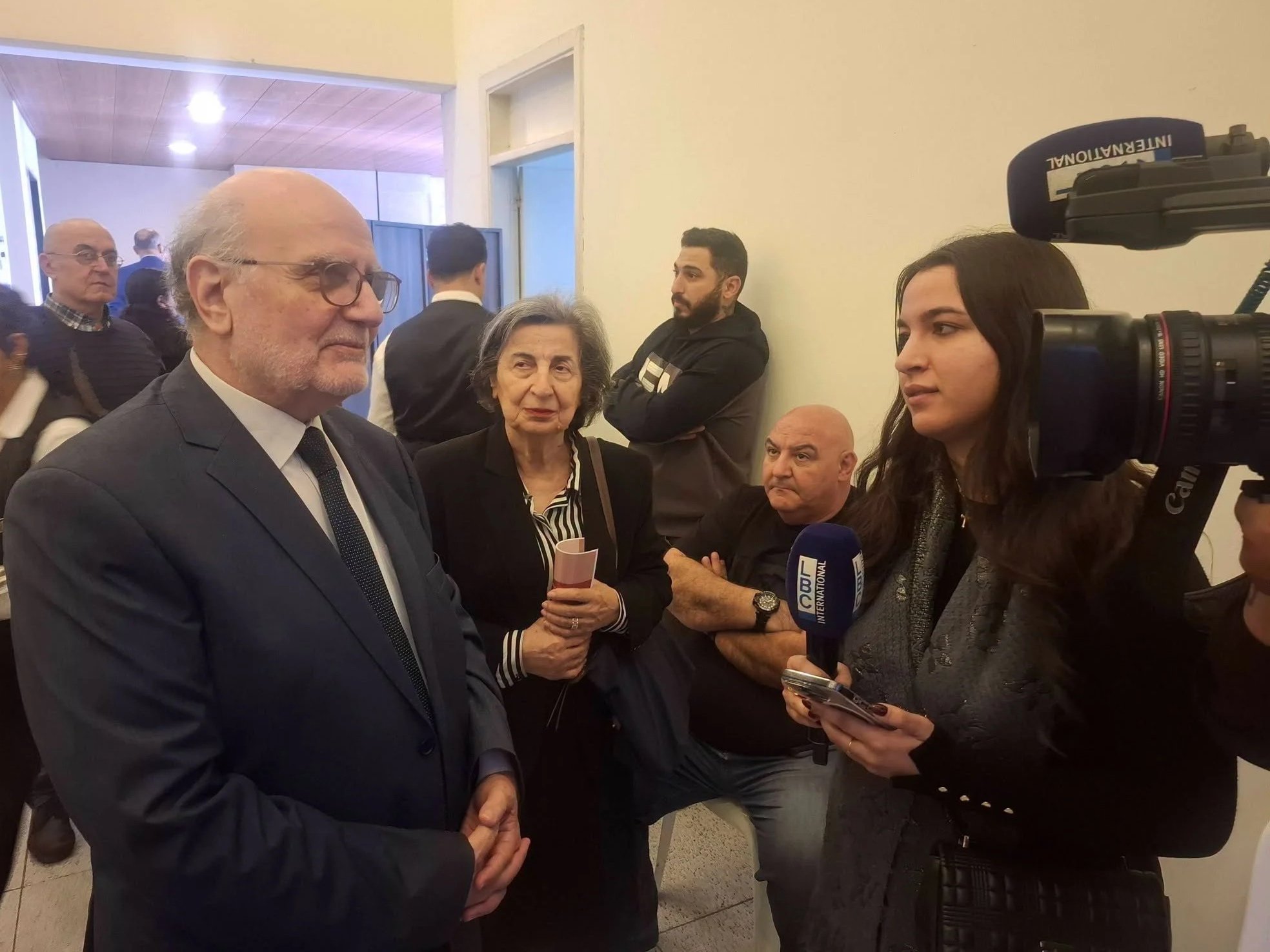
On the day of the farewell to the late Metropolitan Georges Khodr, Professor Dr. Michel Abs, Secretary General of the Middle East Council of Churches, spoke to the media, reflecting on the life and legacy of the departed, recalling an exceptional personality whose profound impact left its mark on the Antiochian Church, Lebanon, and the wider Middle East. His influence extended beyond ecclesiastical affiliation into the broader realms of thought, culture, and human dialogue.
Professor Abs considered that the passing of Metropolitan Georges Khodr represents a great loss to the world of Eastern theological thought and to a man who never confined his mission to the traditional boundaries of ecclesiastical service. Rather, he made faith a starting point for understanding humanity, knowledge a bridge for communication, and dialogue a means of strengthening coexistence and respect for diversity.
Professor Abs also recalled key milestones in the life of the late Metropolitan, who was born in Tripoli in 1923 and devoted his life to learning, theology, and ecclesiastical service. He was among the founders of the Orthodox Youth Movement in 1942, before being ordained a priest and continuing his pastoral ministry. In 1970, he was elected Metropolitan of the Diocese of Byblos, Batroun, and Dependencies, where he left a remarkable imprint on pastoral, social, and intellectual life.
Professor Abs also highlighted Metropolitan Khodr’s cultural and intellectual contributions through his writings, articles, and lectures, which reflected profound theological and humanistic insight, as well as openness to different cultures and religions. Particular emphasis was placed on Christian-Muslim dialogue, which, for Metropolitan Khodr, was not merely a meeting between representatives of different religions, but a daily practice grounded in acknowledging the other and respecting their dignity and rights.
He noted that Metropolitan Georges Khodr was among those who understood, at an early stage, that the Christian presence in the East cannot be separated from the region’s history and its civilizational and cultural diversity. The mission of the Churches, he stressed, can only be fulfilled through active engagement in human and societal concerns and through the defense of freedom, justice, and peace.
Professor Abs added that the late Metropolitan embodied the model of an ecclesiastical intellectual who brought together profound faith and extensive knowledge, spiritual commitment and intellectual openness. His words provided a space for reflection and discussion, while his positions expressed the conscience of a man who never hesitated to defend humanity and its right to dignity and freedom.
He affirmed that Metropolitan Khodr’s legacy cannot be measured solely by the books and writings he left behind, but also by the generations influenced by his thought, the spaces he opened for dialogue, and the awareness he fostered that the Church is called to be present at the heart of society, bearing witness to love, truth, and hope.
Professor Michel Abs concluded by emphasizing that bidding farewell to Metropolitan Georges Khodr is not simply bidding farewell to an ecclesiastical figure, but to an entire era rich in Eastern thought and theology. He stressed that great figures do not truly depart with their passing, for the intellectual legacy, witness, and life journey they leave behind remain alive in the hearts and consciousness of the Church and society.