Theological Students Conclude Five Days of Ecumenical Formation, Leadership Development, and Spiritual and Cultural Encounters in Lebanon
Bqennaya, Lebanon – 13 November 2026 – The Association of Theological Institutes in the Middle East (ATIME), affiliated with the Middle East Council of Churches (MECC), continued its Capacity-Building Workshop on Thursday, 12 November 2026, with a programme combining spiritual reflection, project presentations, and encounters with prominent Church leaders in Lebanon.
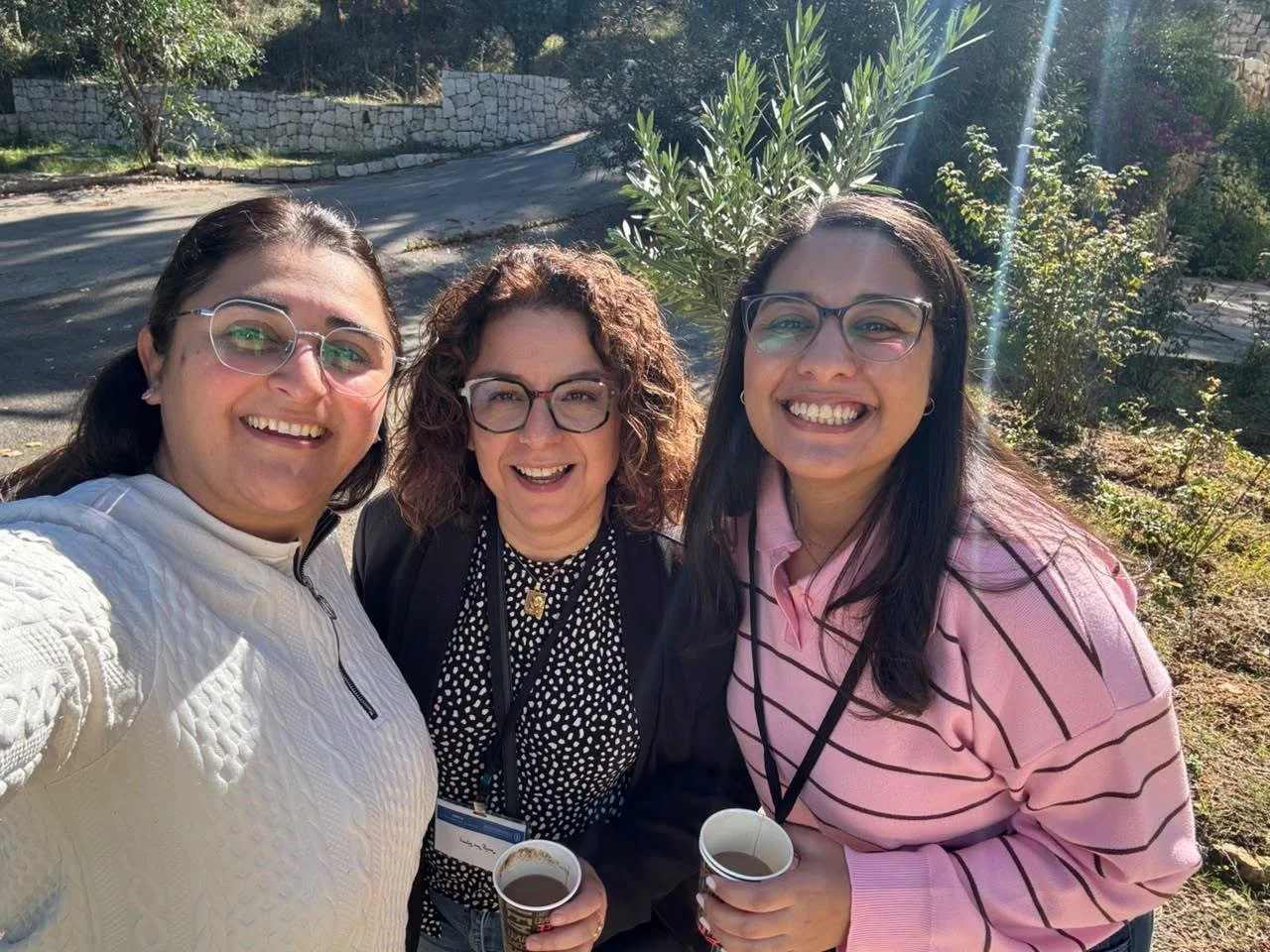
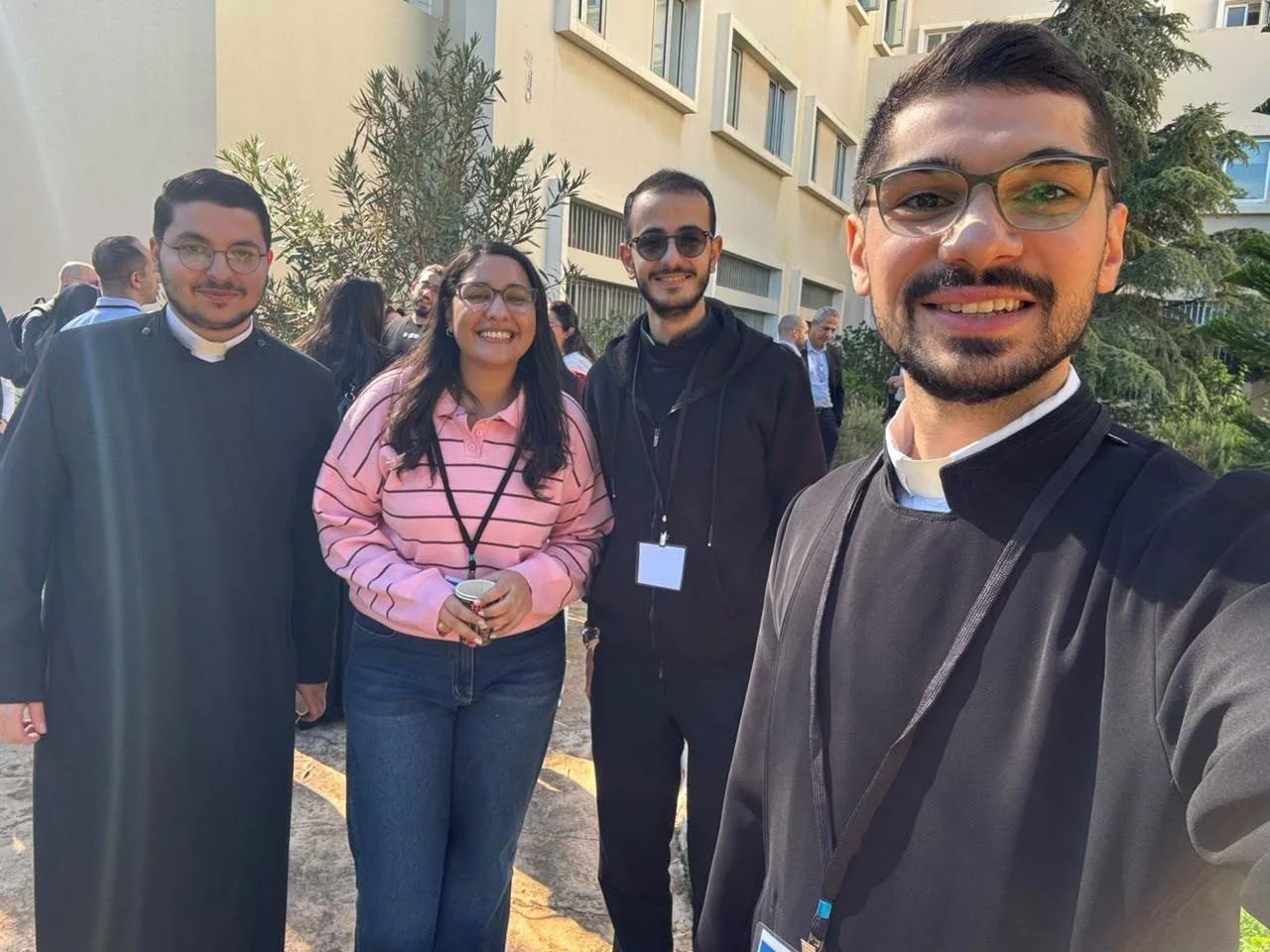
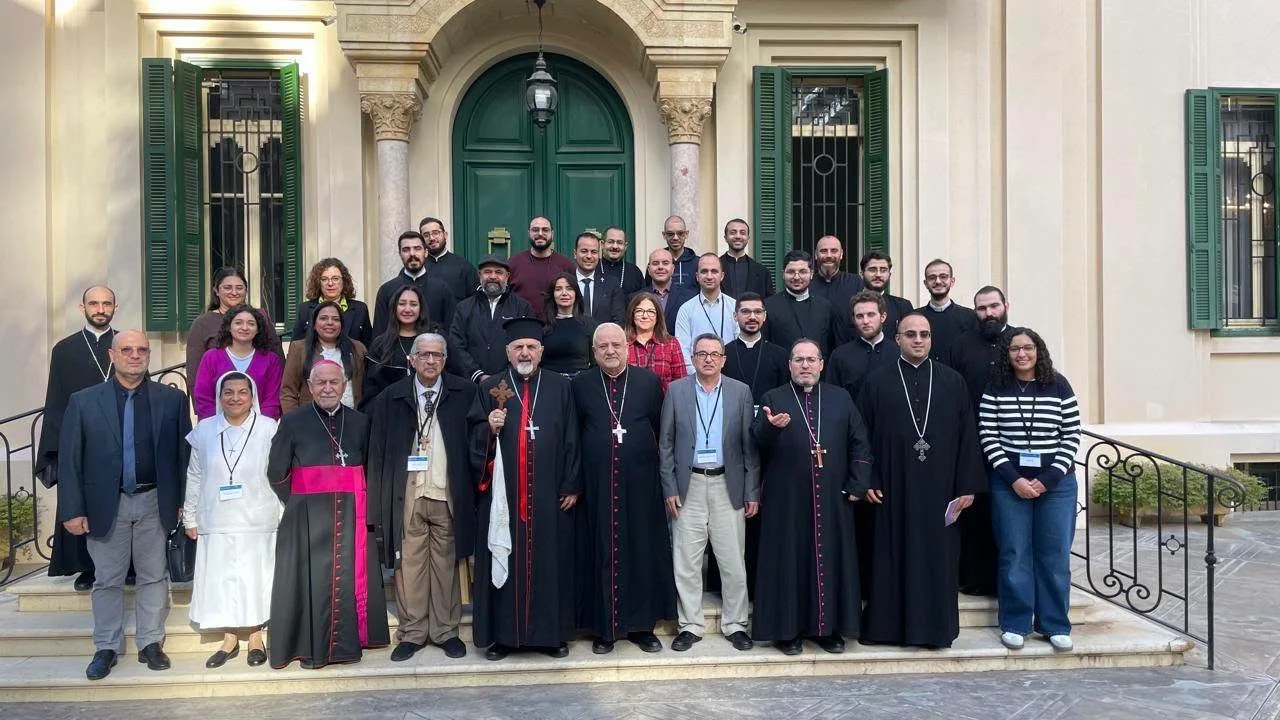
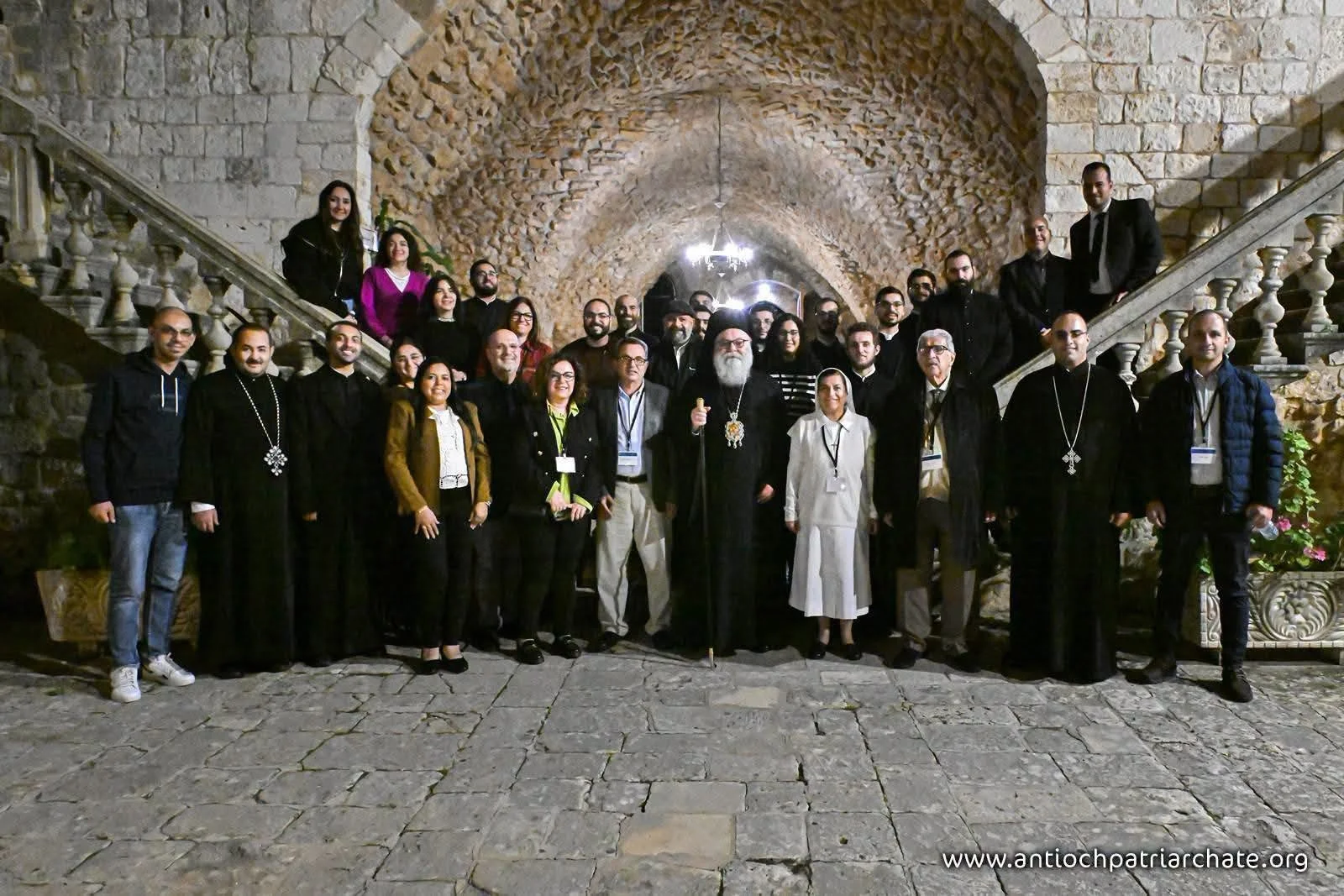
Held at Notre Dame du Puits in Bqennaya from 9 to 13 November under the overarching theme “Theory of Change,” the workshop brought together theological students from Egypt, Lebanon, Syria, and Iraq, alongside members of the ATIME Students Committee and Executive Secretariat. Organized with the support of the Finnish Evangelical Lutheran Mission (FELM), the gathering aimed to strengthen the capacities of future Church leaders, encourage ecumenical cooperation, and equip participants with practical tools for serving their Churches and communities.
Morning Prayer, Sustainability in Church Projects, and Student Presentations
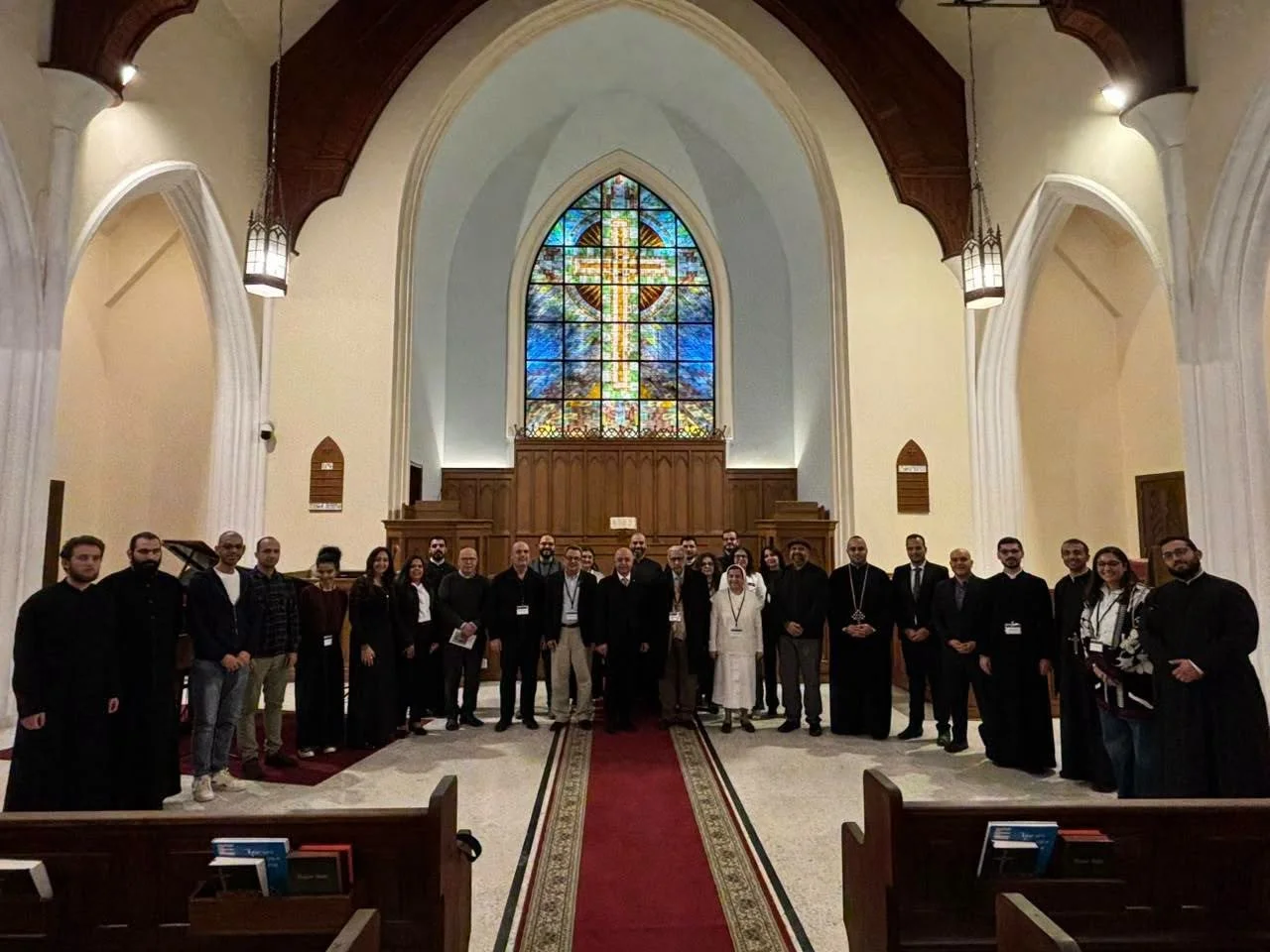
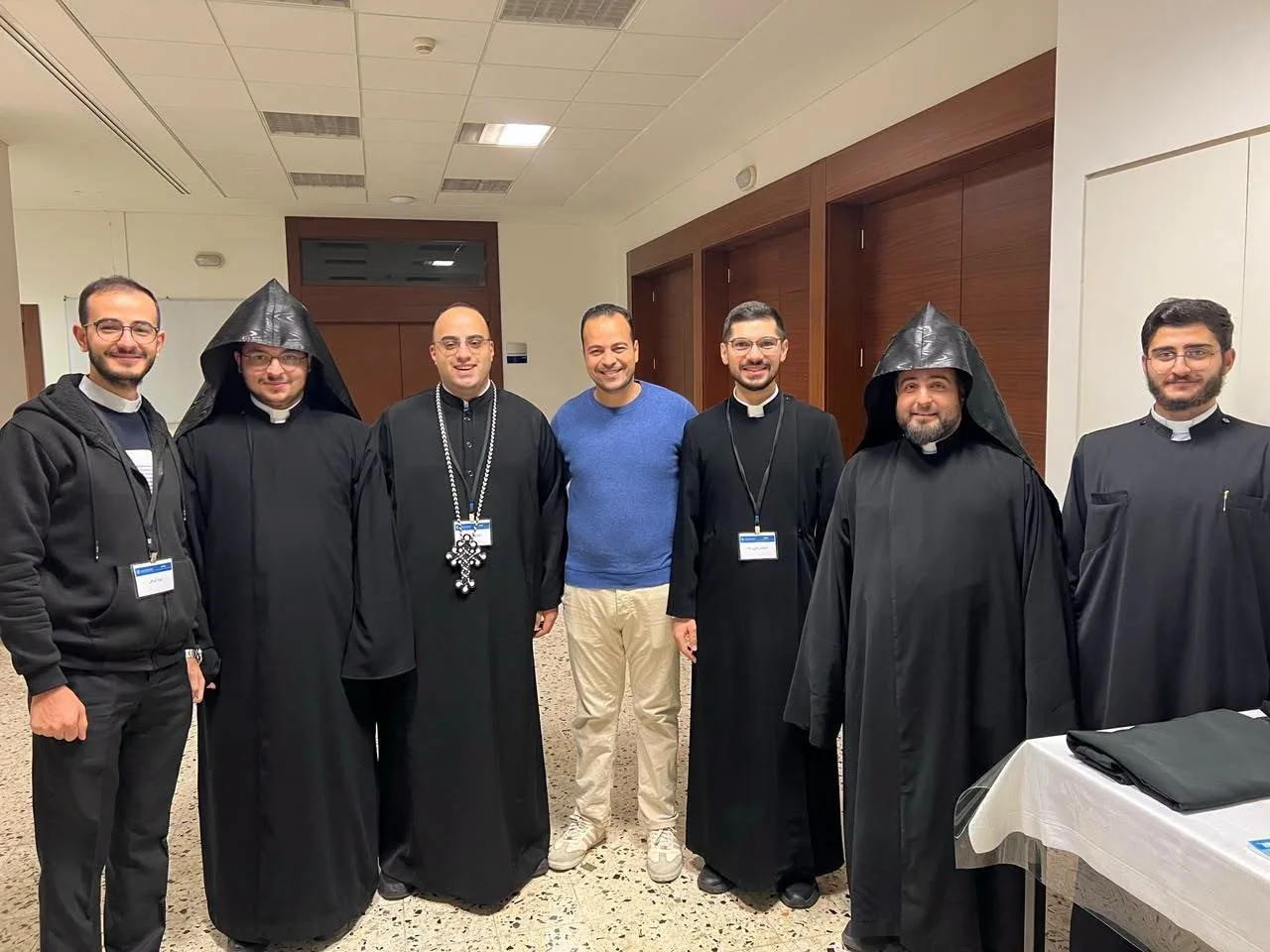
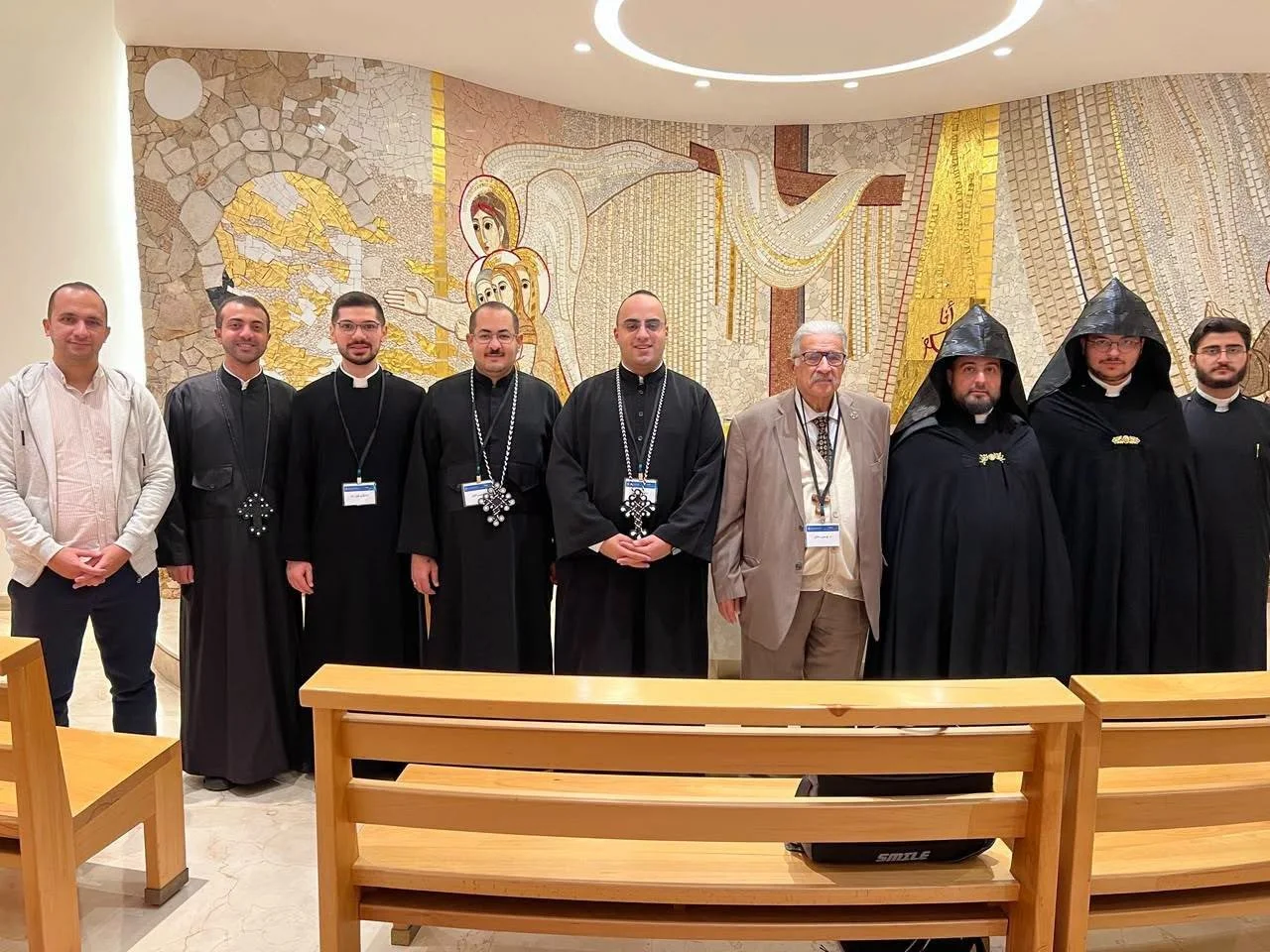
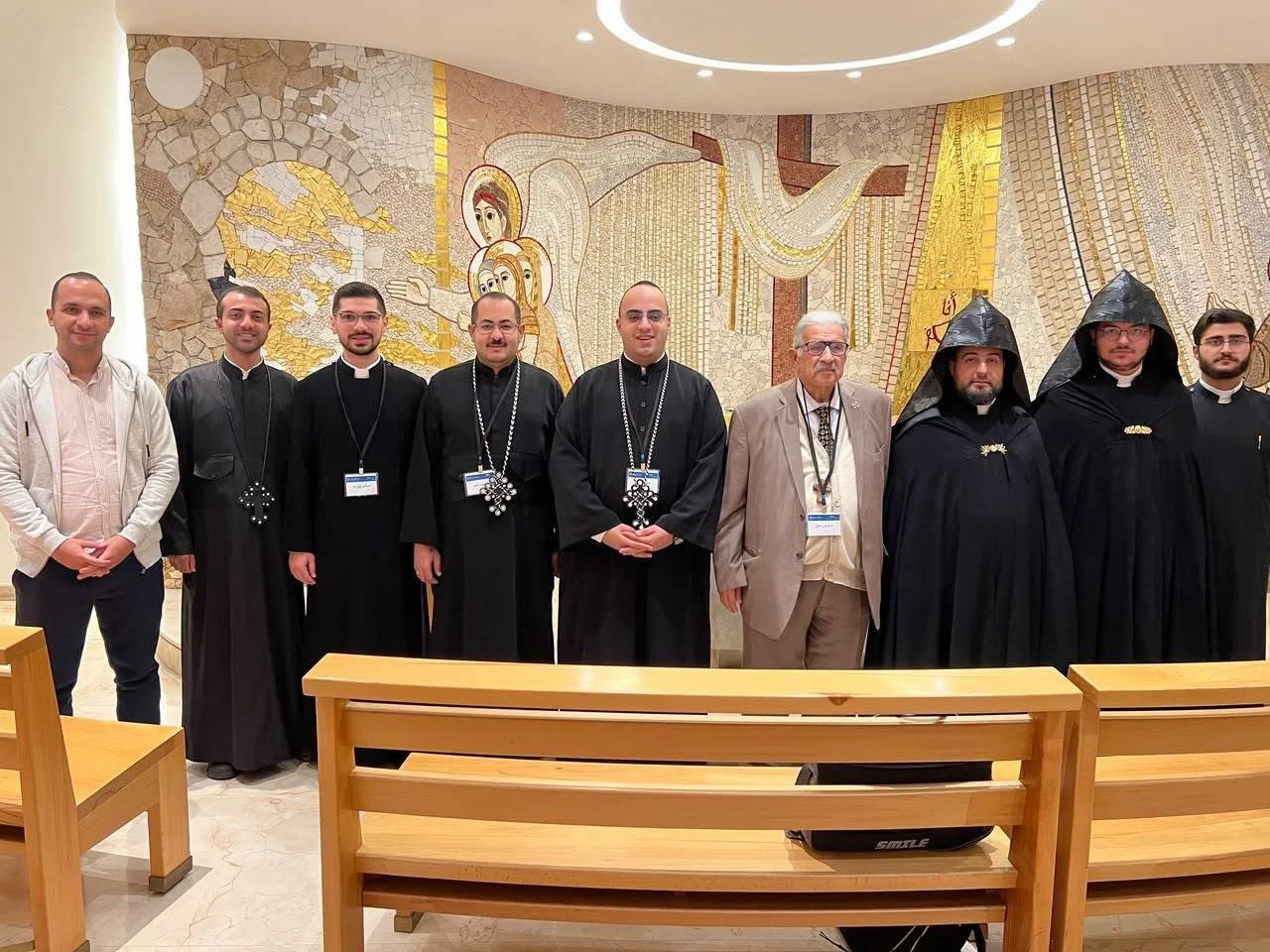
Thursday's programme began with a morning prayer service according to the Armenian Orthodox tradition, presided over by Fr. Movses Yosolkanian, offering participants another opportunity to experience the richness and diversity of the Christian liturgical traditions of the Middle East.
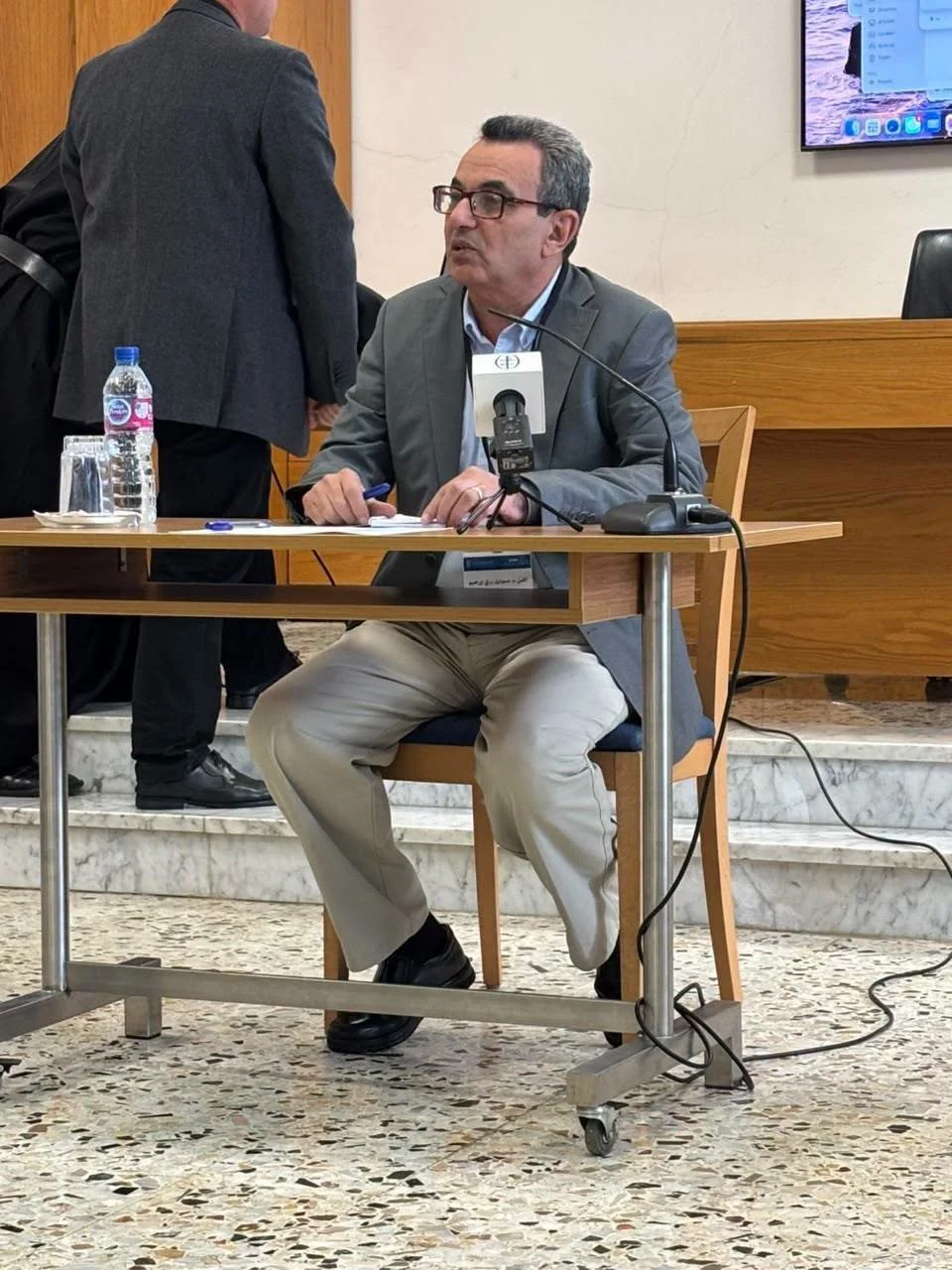
Following the prayer, Fr. Yosolkanian delivered a session on “Sustainability in Church Projects,” exploring the concept from theological, pastoral, and practical perspectives, and highlighting the importance of ensuring that ecclesial and community initiatives generate lasting impact beyond their initial implementation.
He began by emphasizing that sustainability in the Church starts with sustaining the faithful in their faith, nurturing their spiritual lives and strengthening their commitment to their Christian vocation. He then addressed the sustainability of the family, highlighting its fundamental role in transmitting faith and values across generations.
Broadening the discussion, Fr. Yosolkanian introduced the basic principles of sustainable development and the United Nations Sustainable Development Goals (SDGs), examining their relevance to the mission and social responsibility of the Churches. He also presented examples from the work of the Middle East Council of Churches (MECC), particularly its projects related to ecological justice and care for creation, illustrating how theological convictions can inspire concrete action in response to contemporary challenges.
The session also highlighted the importance of the long-term viability of Church projects, the responsible use of available resources, and the need for local ownership and continuity in achieving meaningful and lasting change.
Concluding his presentation, Fr. Yosolkanian raised a fundamental question: “What is Christian profit?” He explained that, unlike purely economic approaches to sustainability, the ultimate purpose of the Church's mission is to gain souls, bringing people closer to God and strengthening their life in Christ. In this perspective, genuine sustainability requires a close connection between theological reflection and practical action.
During the discussion, Rev. Samuel, ATIME Executive Secretary, raised two important questions concerning the financial sustainability of Church institutions and projects, and the sustainability of Church leadership, particularly the need to ensure continuity and prepare future generations of leaders.
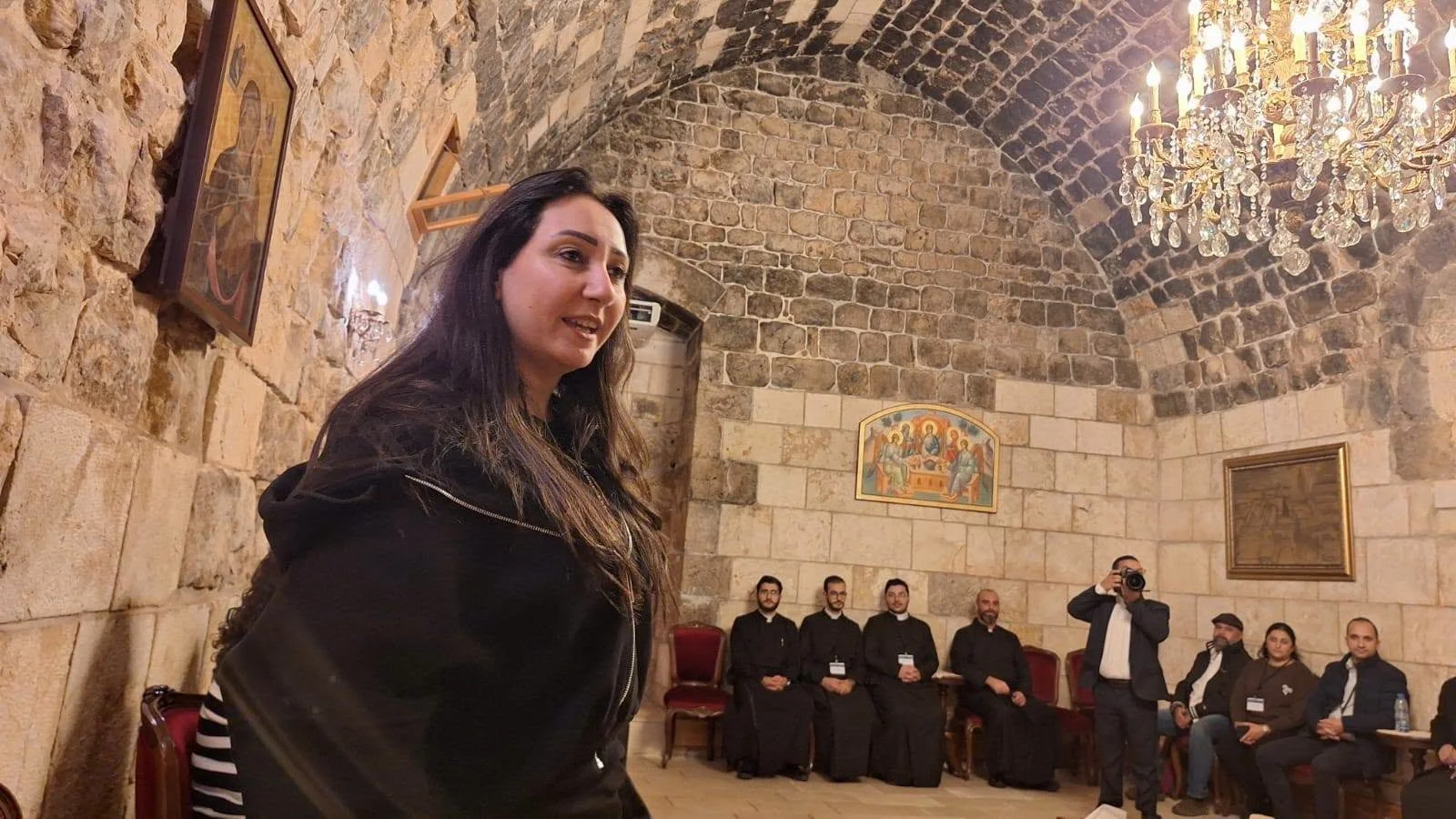
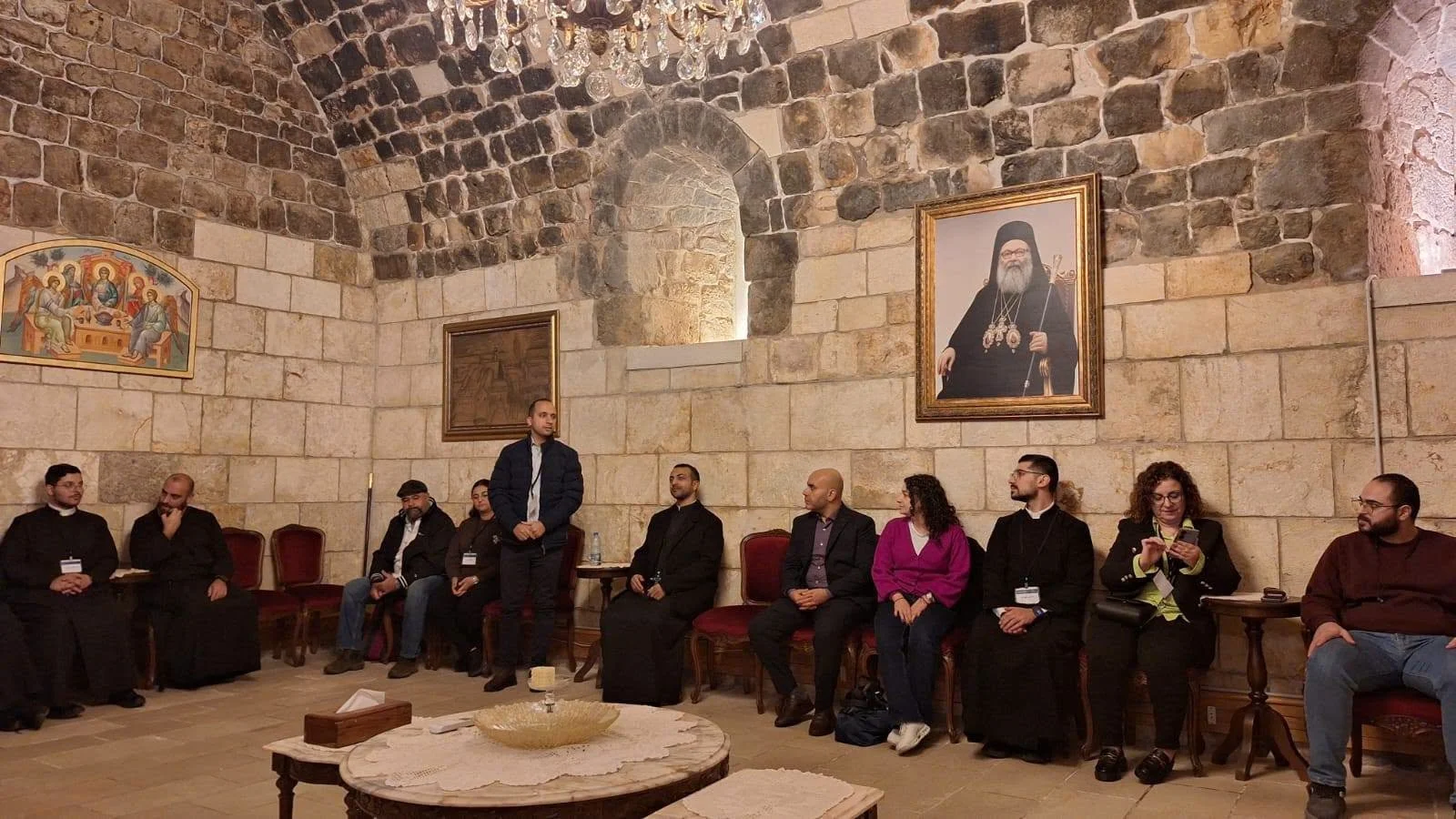
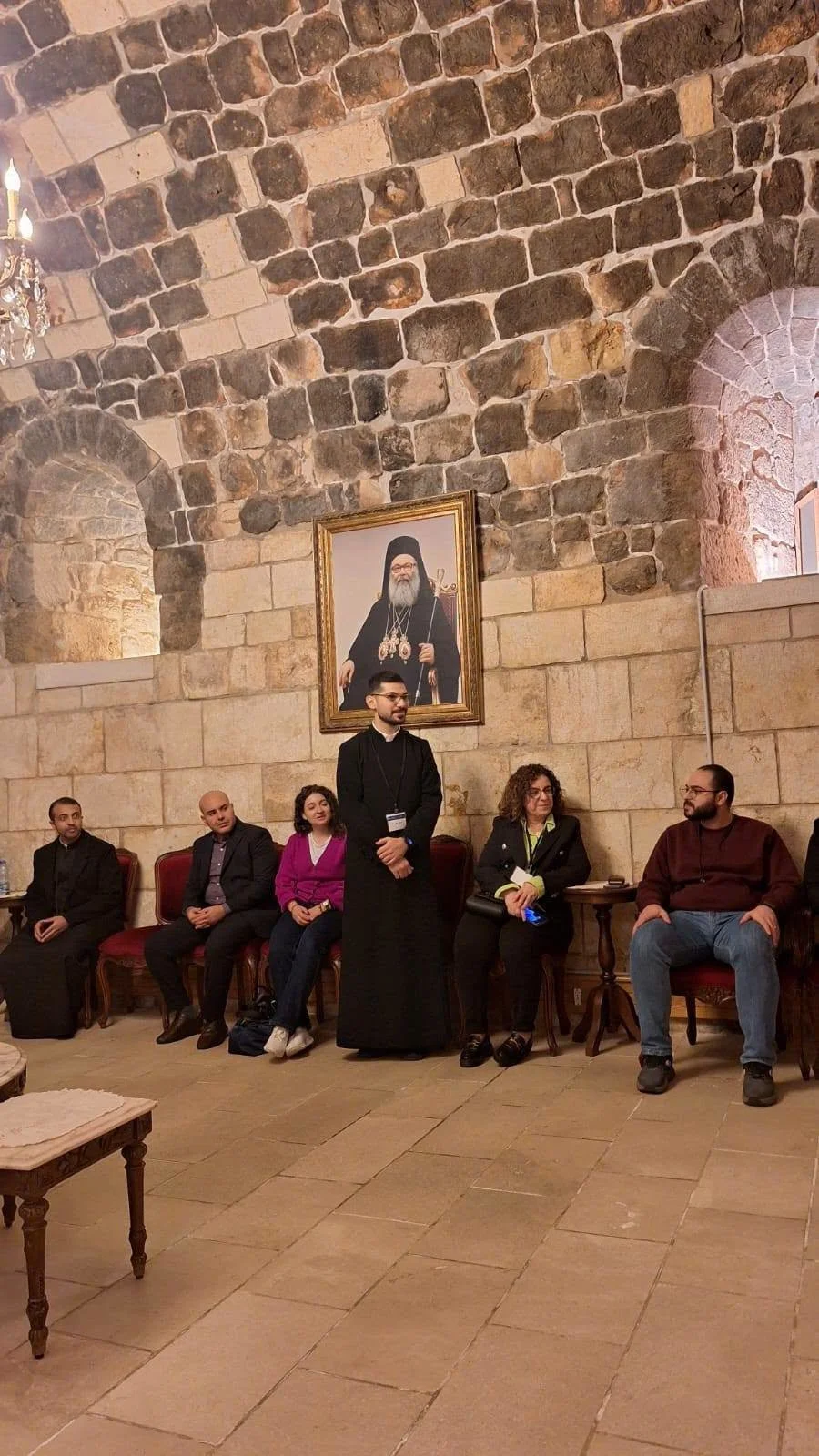
The second morning session was dedicated to student project presentations and discussions. Participants presented their proposed initiatives, drawing on the knowledge and skills acquired throughout the workshop, particularly the Theory of Change approach. The presentations provided an opportunity for collective reflection, constructive feedback, and the exchange of ideas on how theological formation can be translated into concrete initiatives responding to the needs of Churches and communities.
The morning programme concluded with a closing session, during which participants reflected on their shared learning experience, the friendships established across ecclesial and national boundaries, and their commitment to putting the acquired knowledge and skills into practice.
Encounter with the Syriac Catholic Patriarch
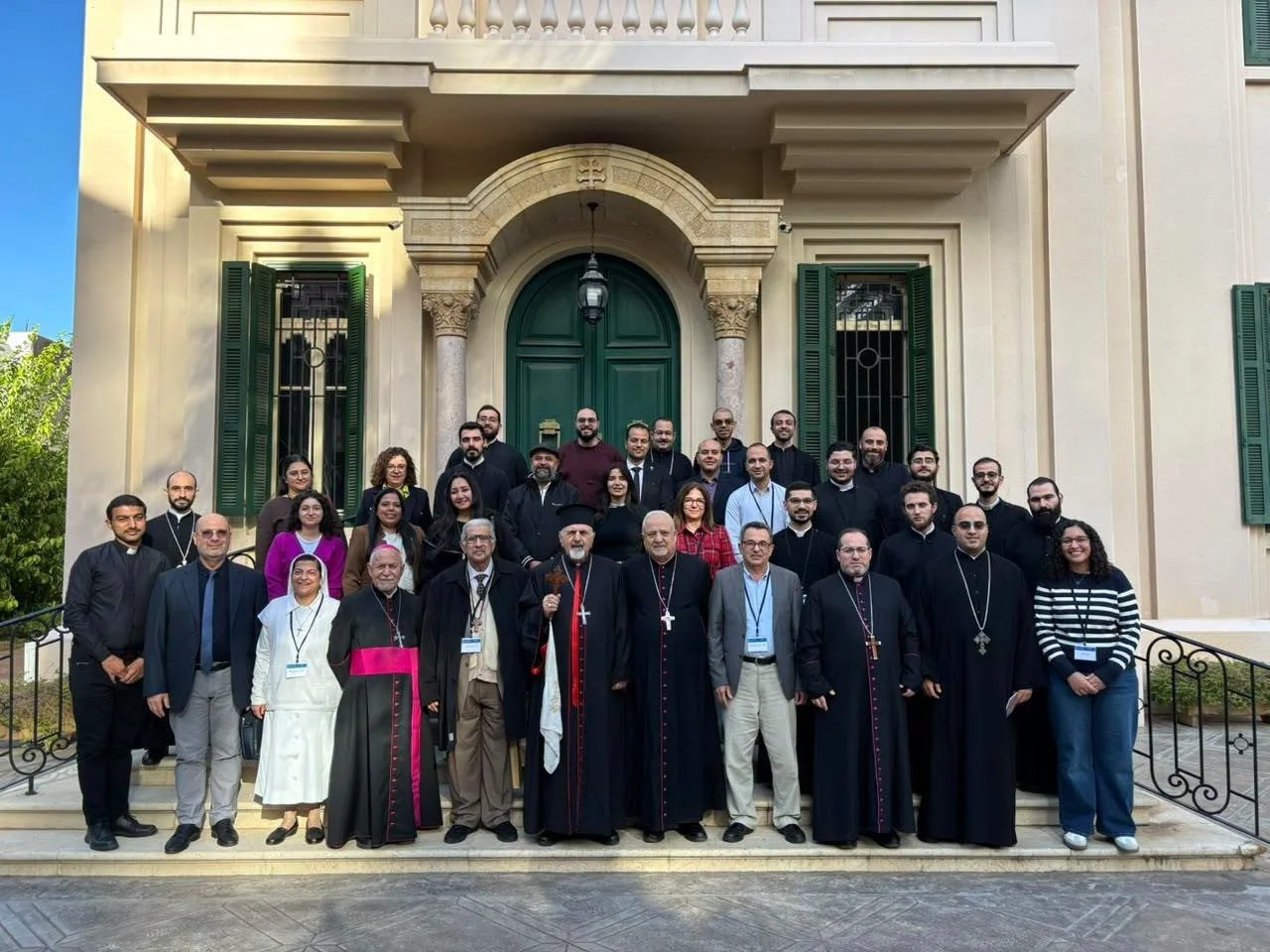
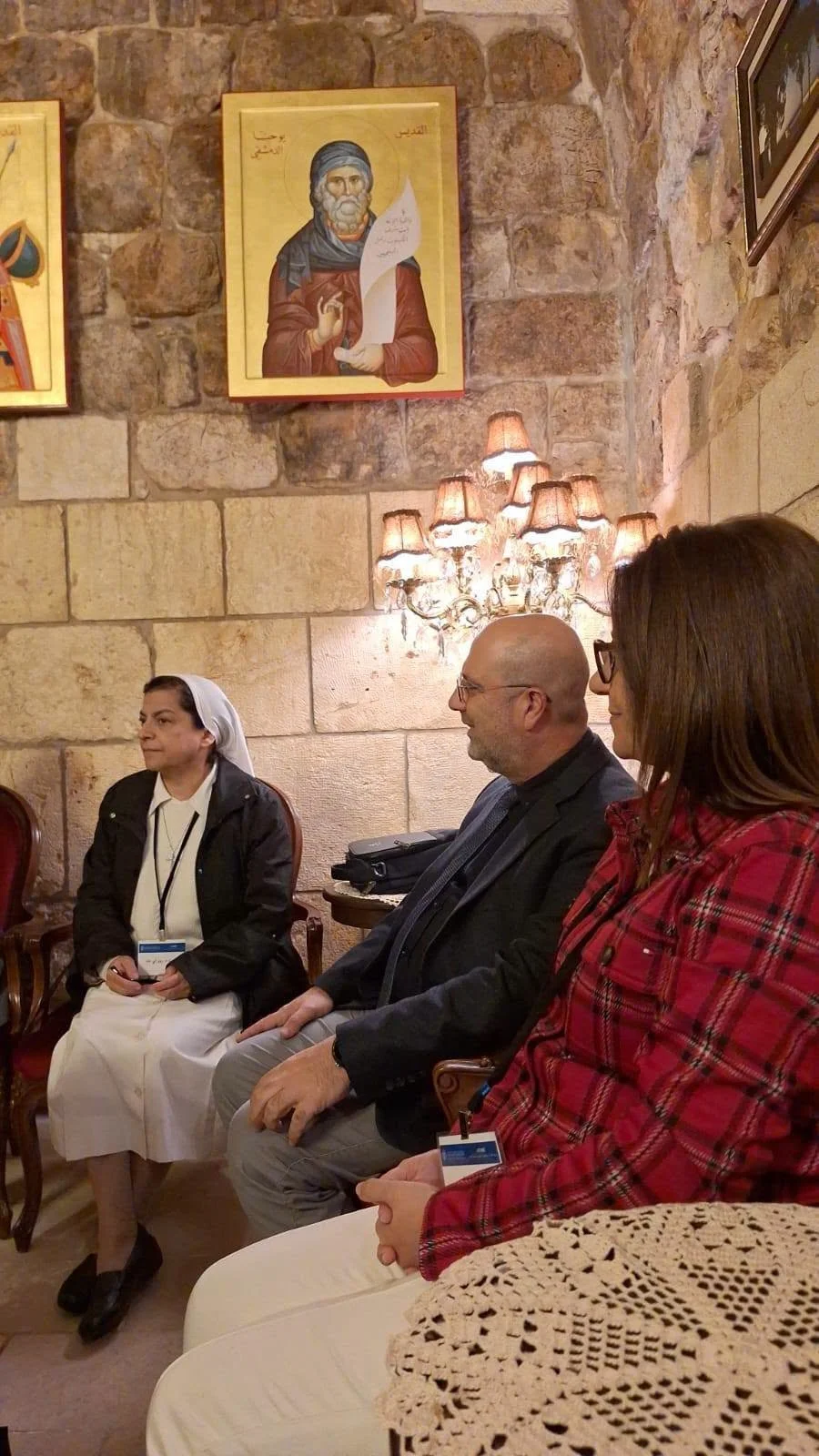
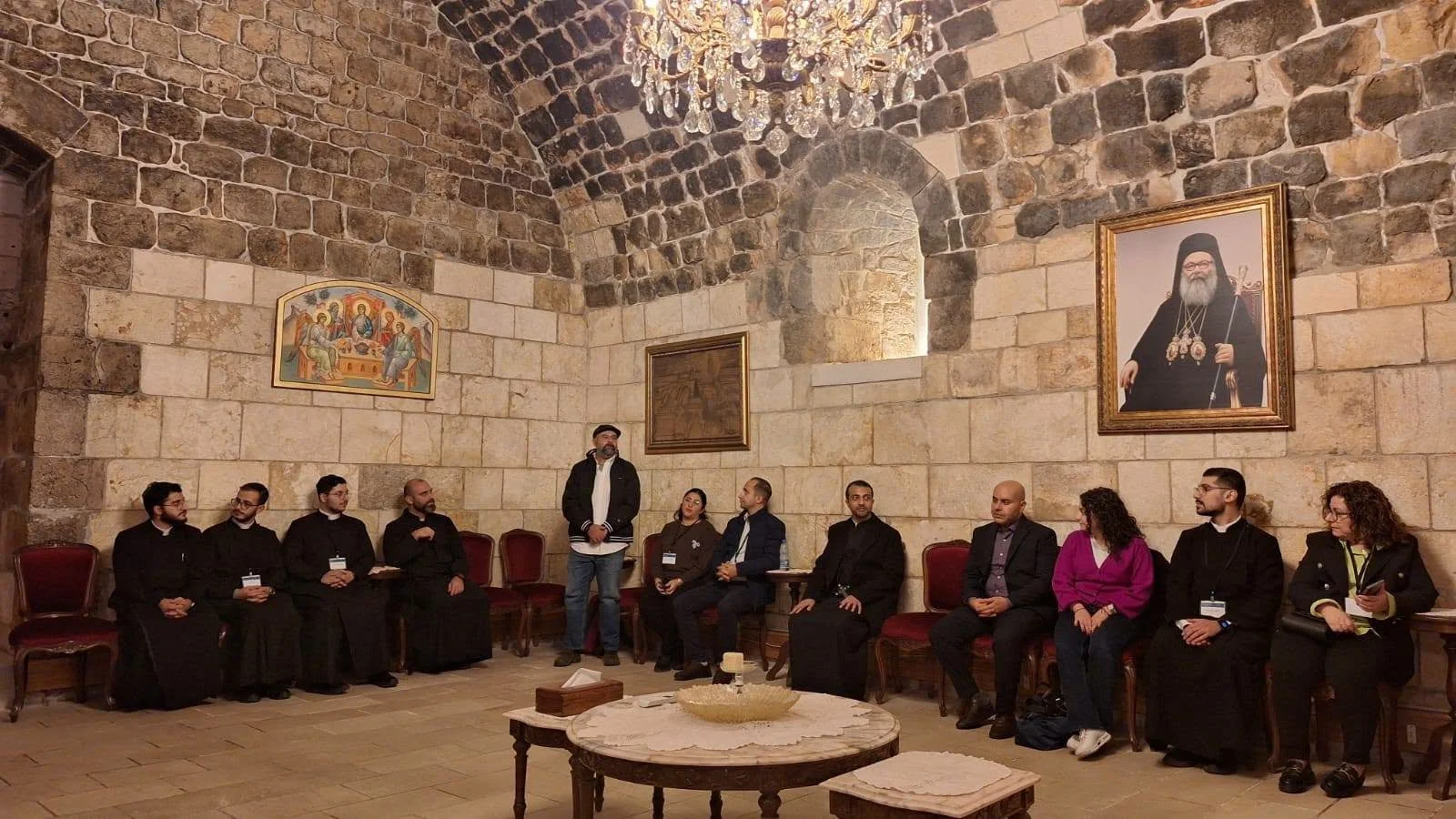
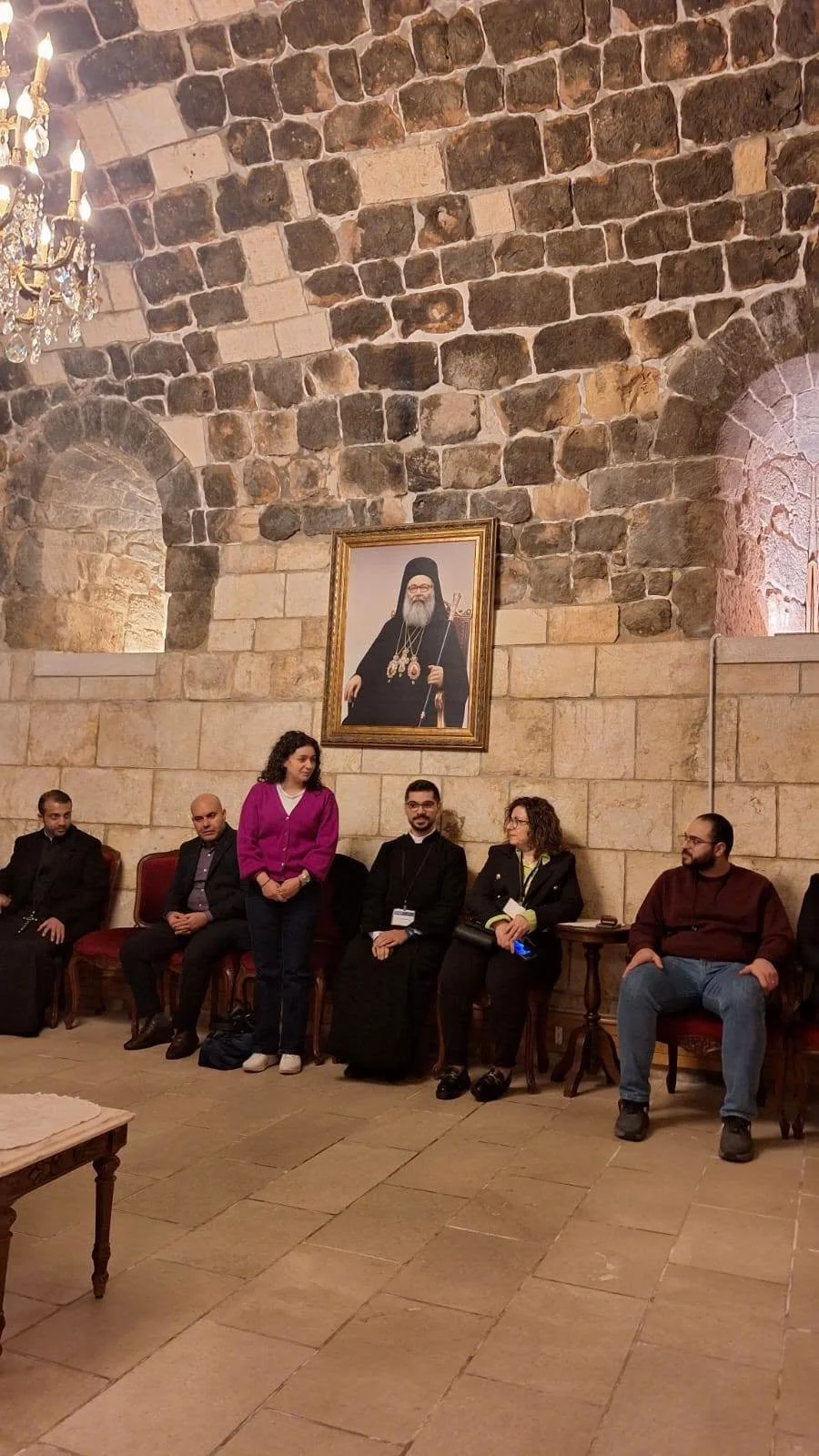
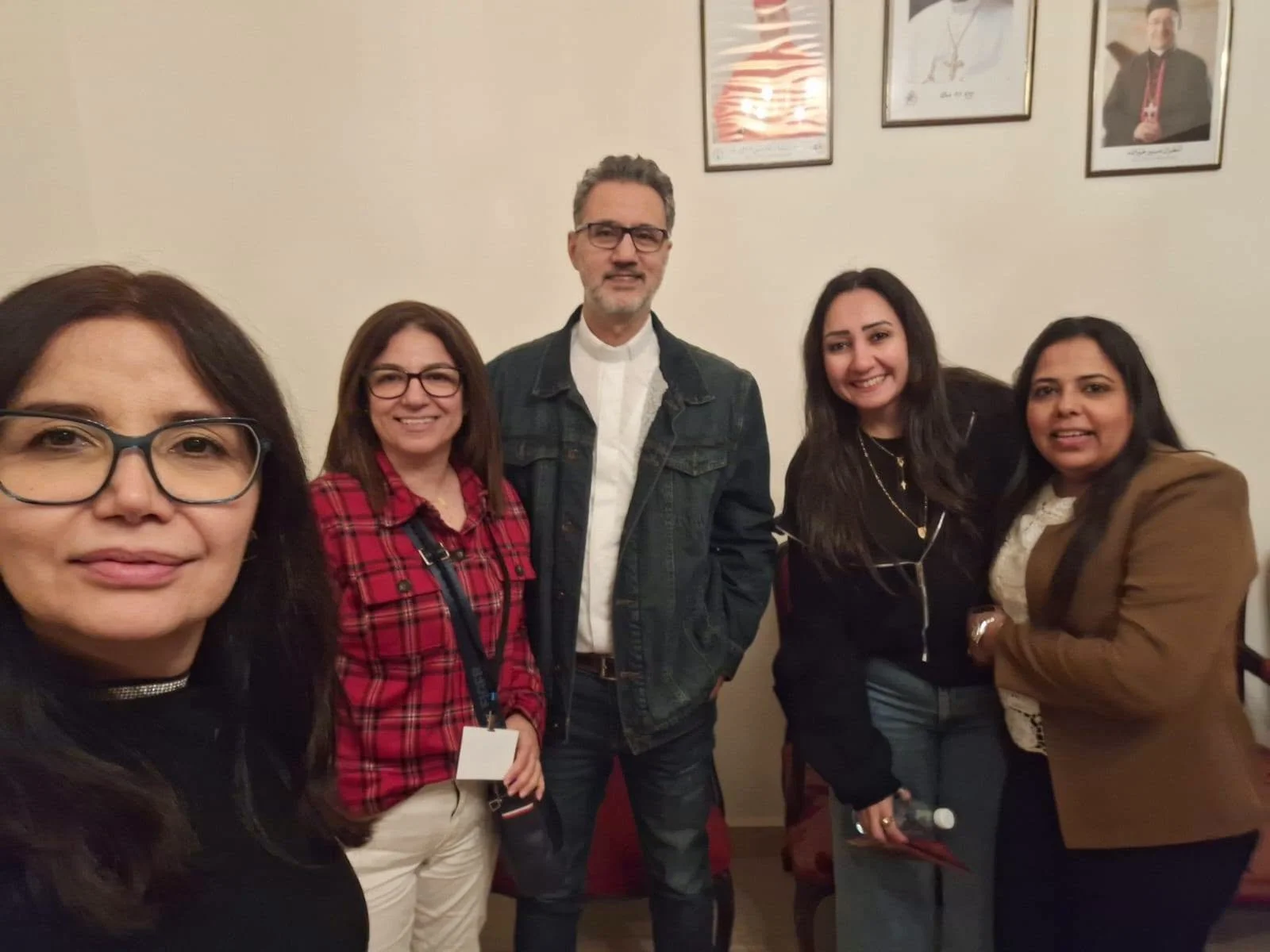
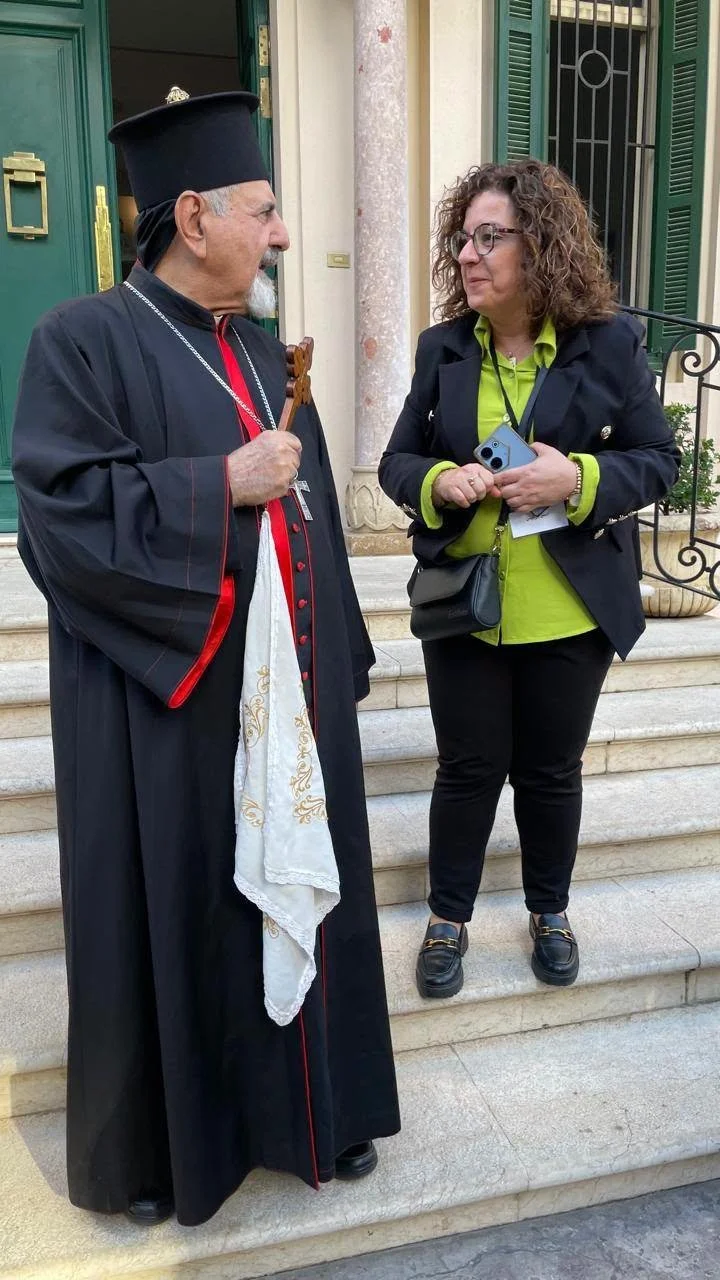
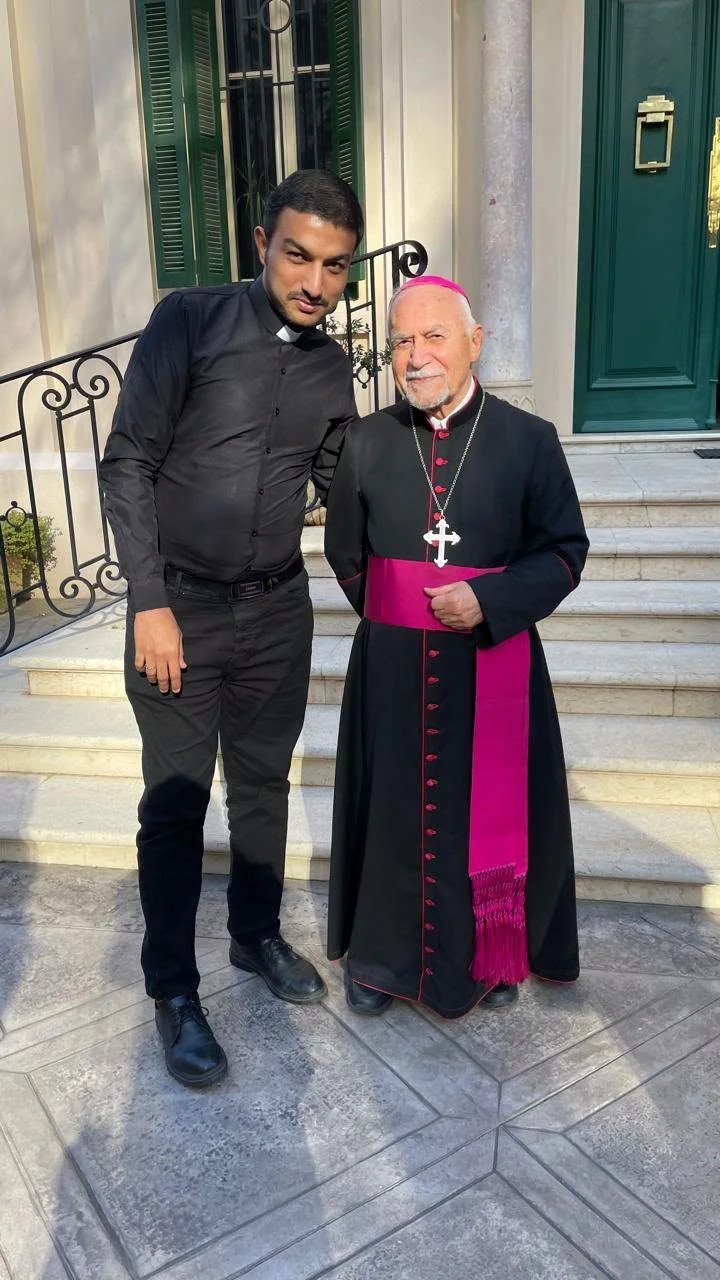
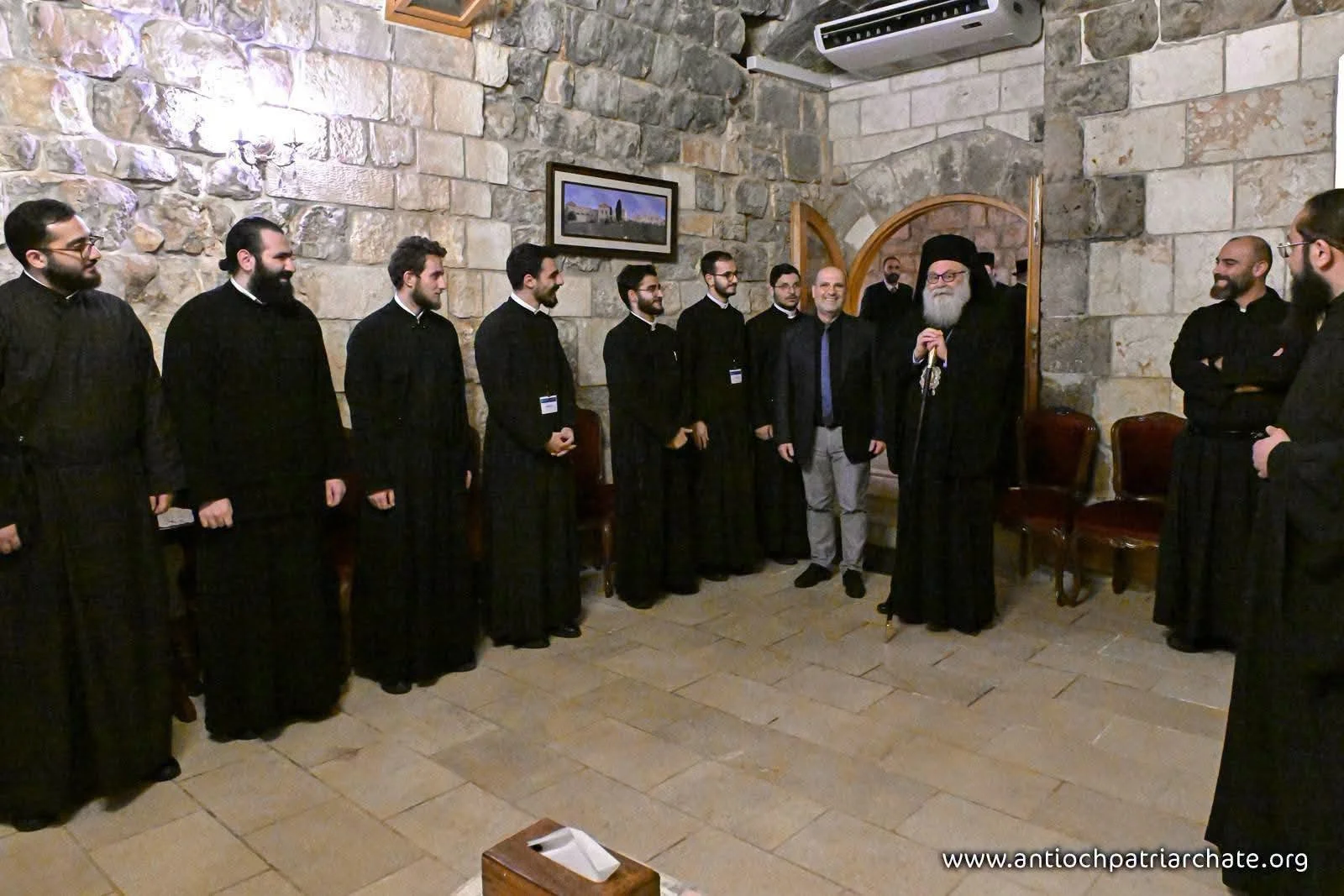
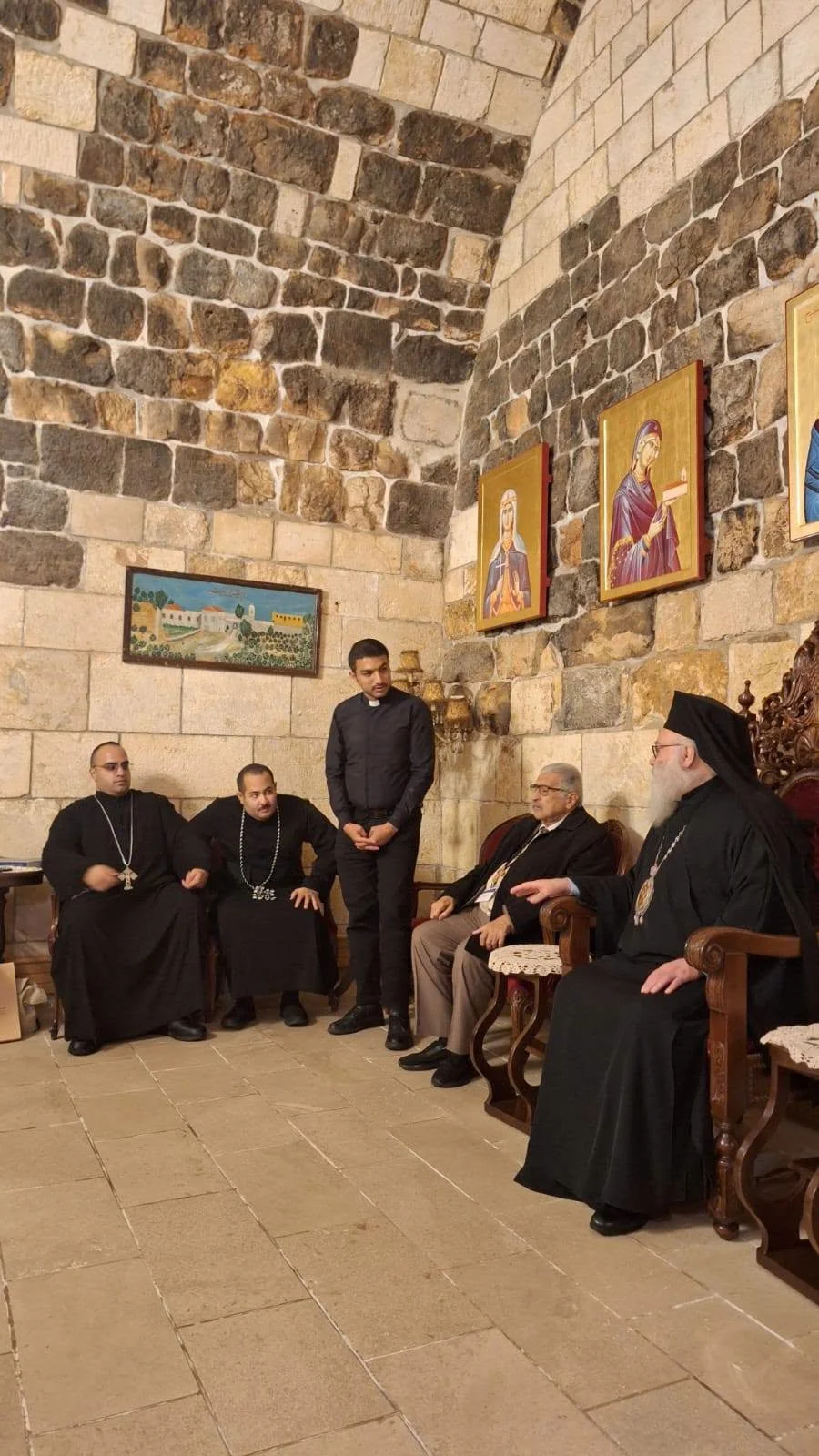
In the afternoon, the ATIME delegation visited the Syriac Catholic Patriarchate, where participants were received by His Beatitude Mar Ignatius Youssef III Younan, Syriac Catholic Patriarch of Antioch.
During the encounter, His Beatitude offered an overview of the situation in the Middle East, addressing the challenges facing Christian communities amid the region's ongoing political, social, and economic difficulties.
Speaking directly to the theological students, the Patriarch conveyed a message of faith, perseverance, and hope, encouraging them to remain steadfast in their Christian convictions and to face the challenges of the present with courage and confidence.
His Beatitude also reflected on the mission and witness of the Syriac Church, highlighting its historical heritage and its missionary presence beyond the Middle East, particularly in India and China.
The meeting offered participants an opportunity to deepen their understanding of the challenges and responsibilities facing the Churches of the region, while drawing inspiration from the Patriarch's encouragement to remain faithful to their vocation and mission.
Meeting with Patriarch John X at Balamand
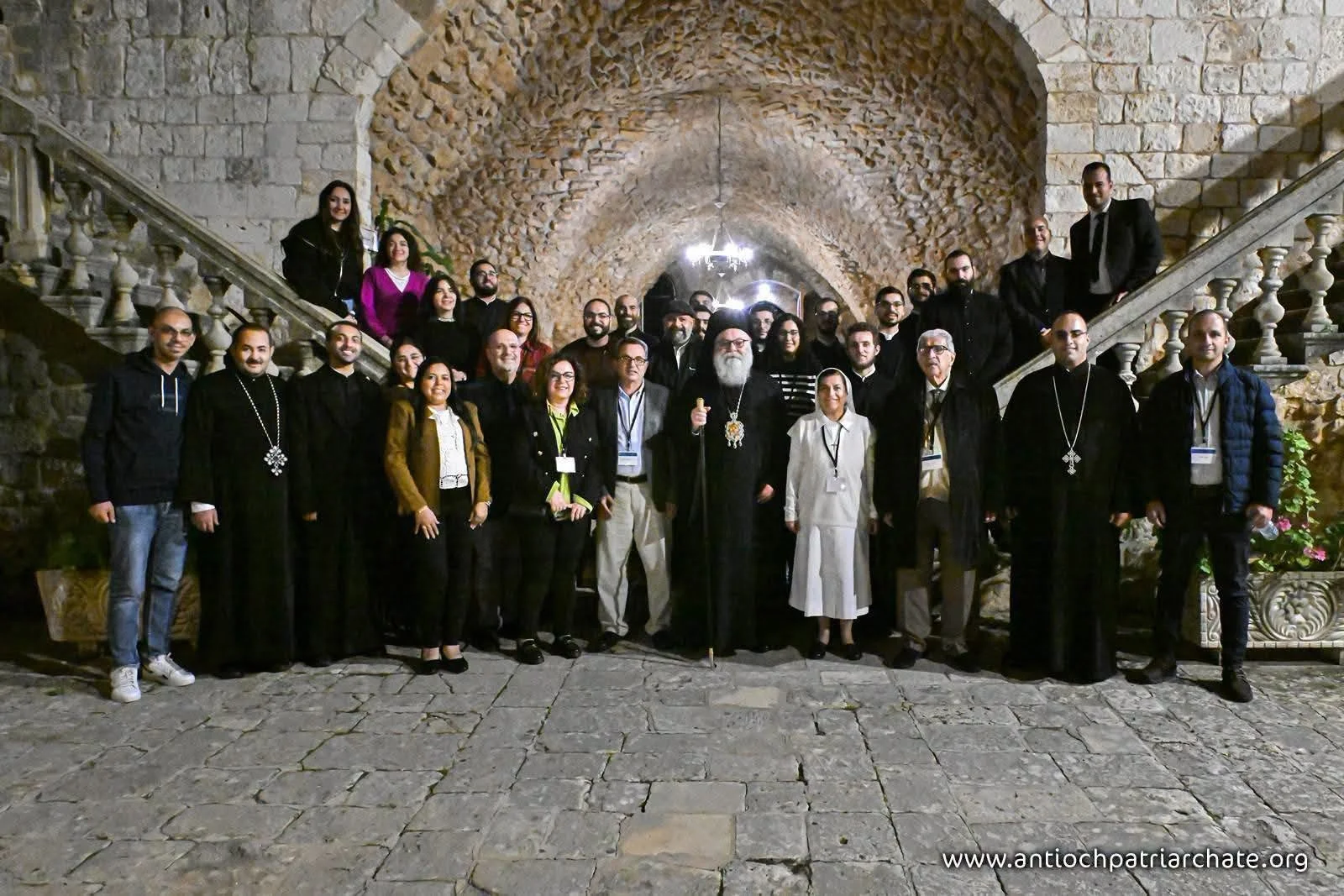
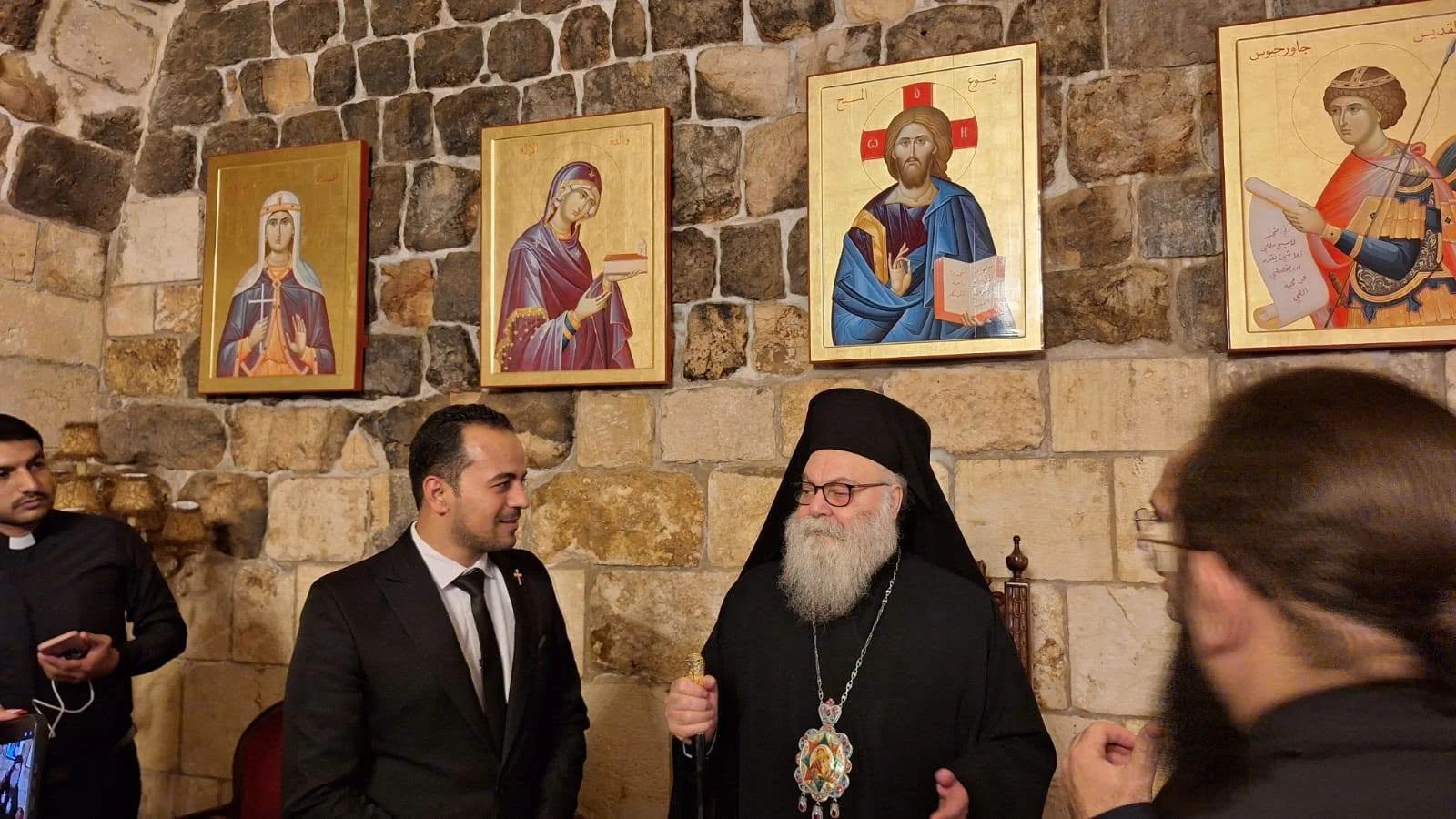
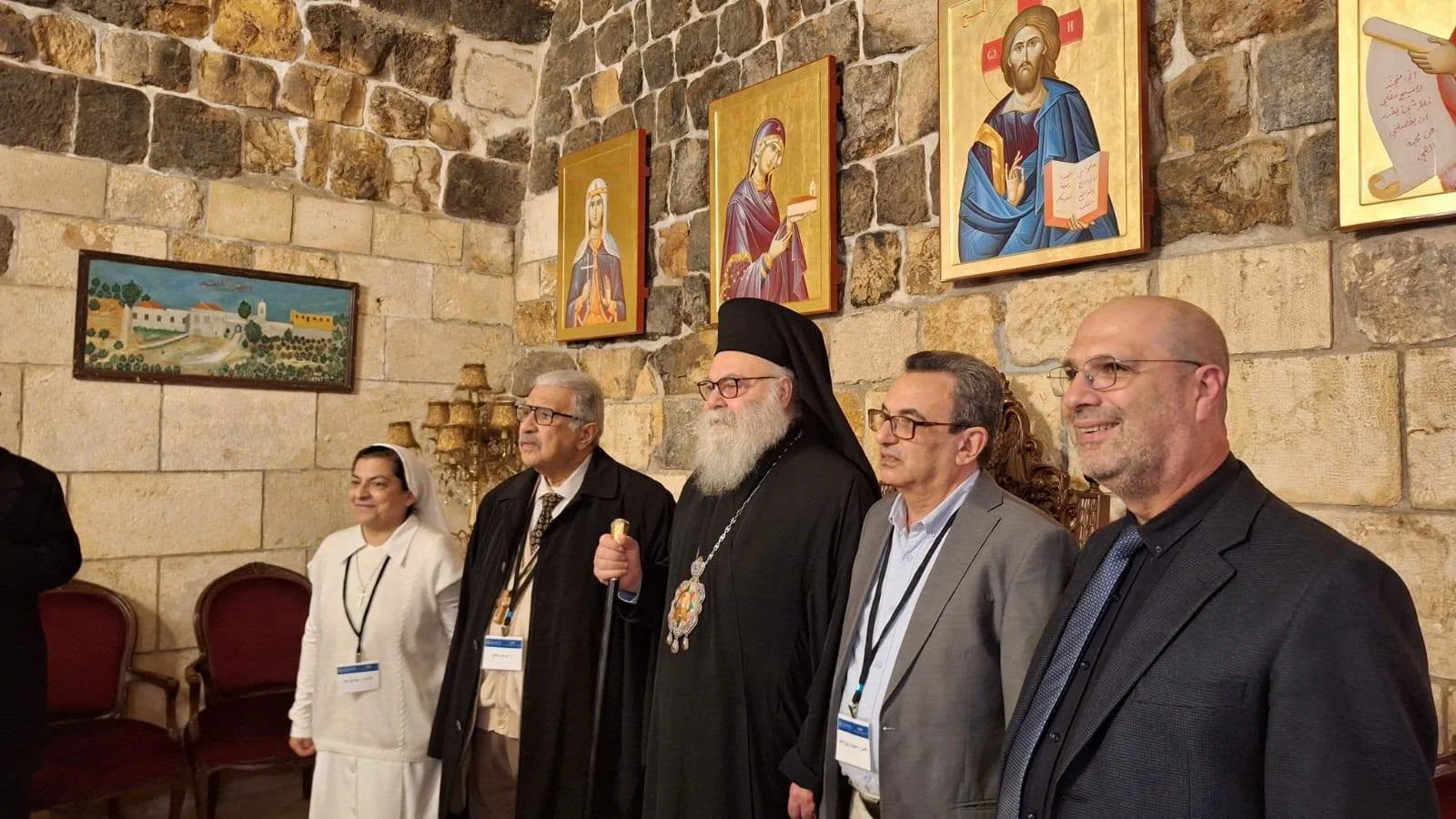
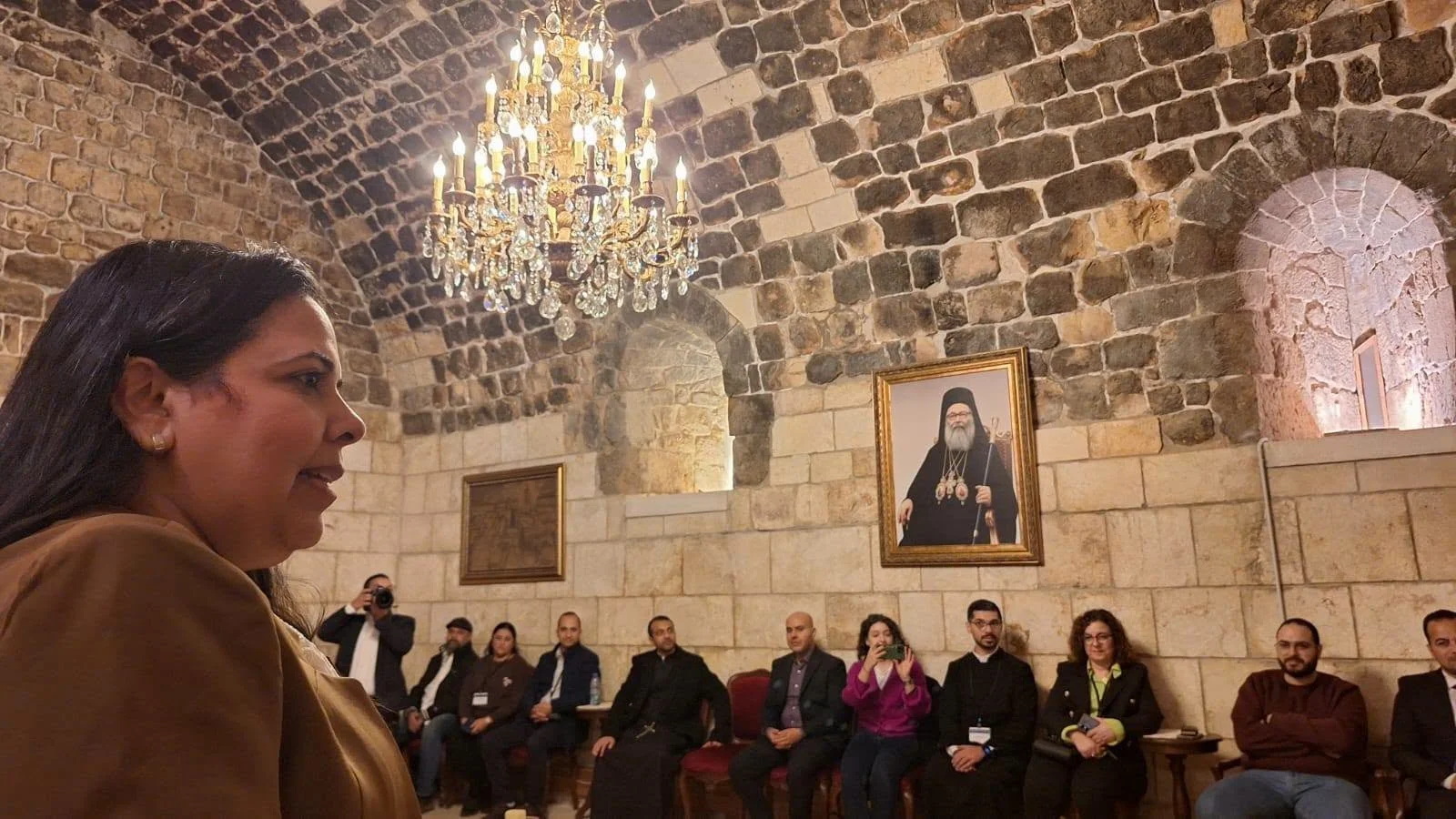
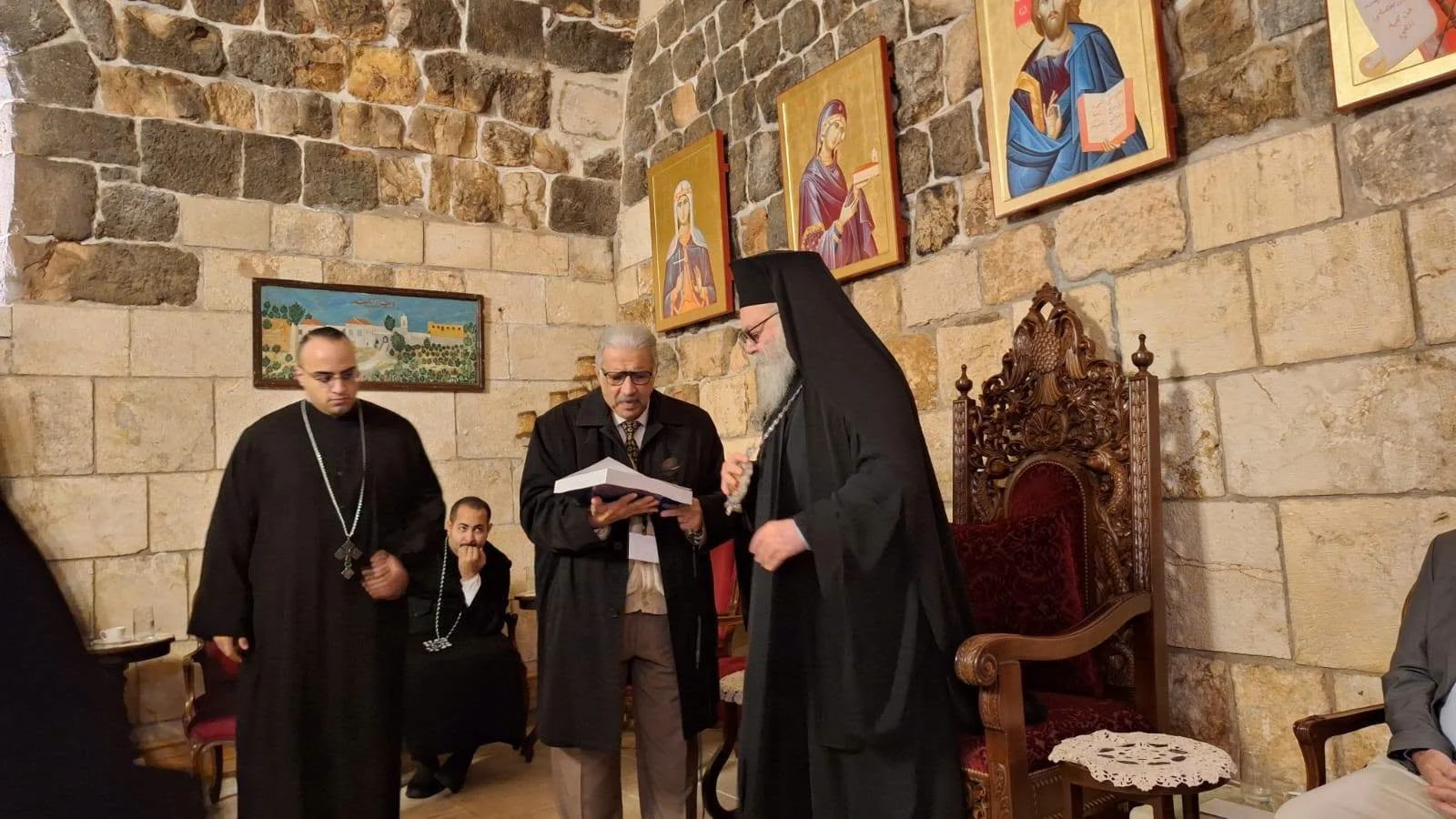
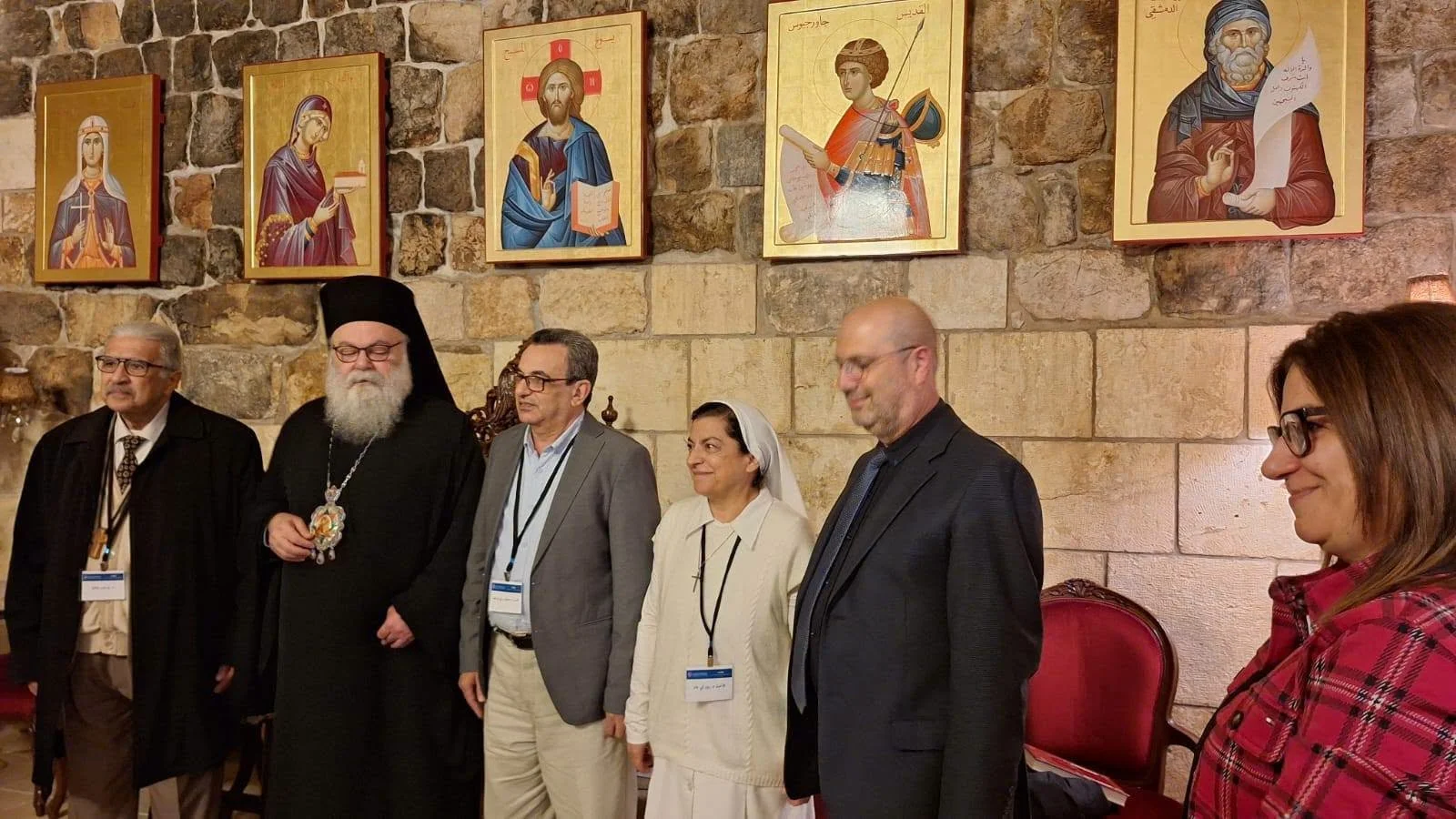
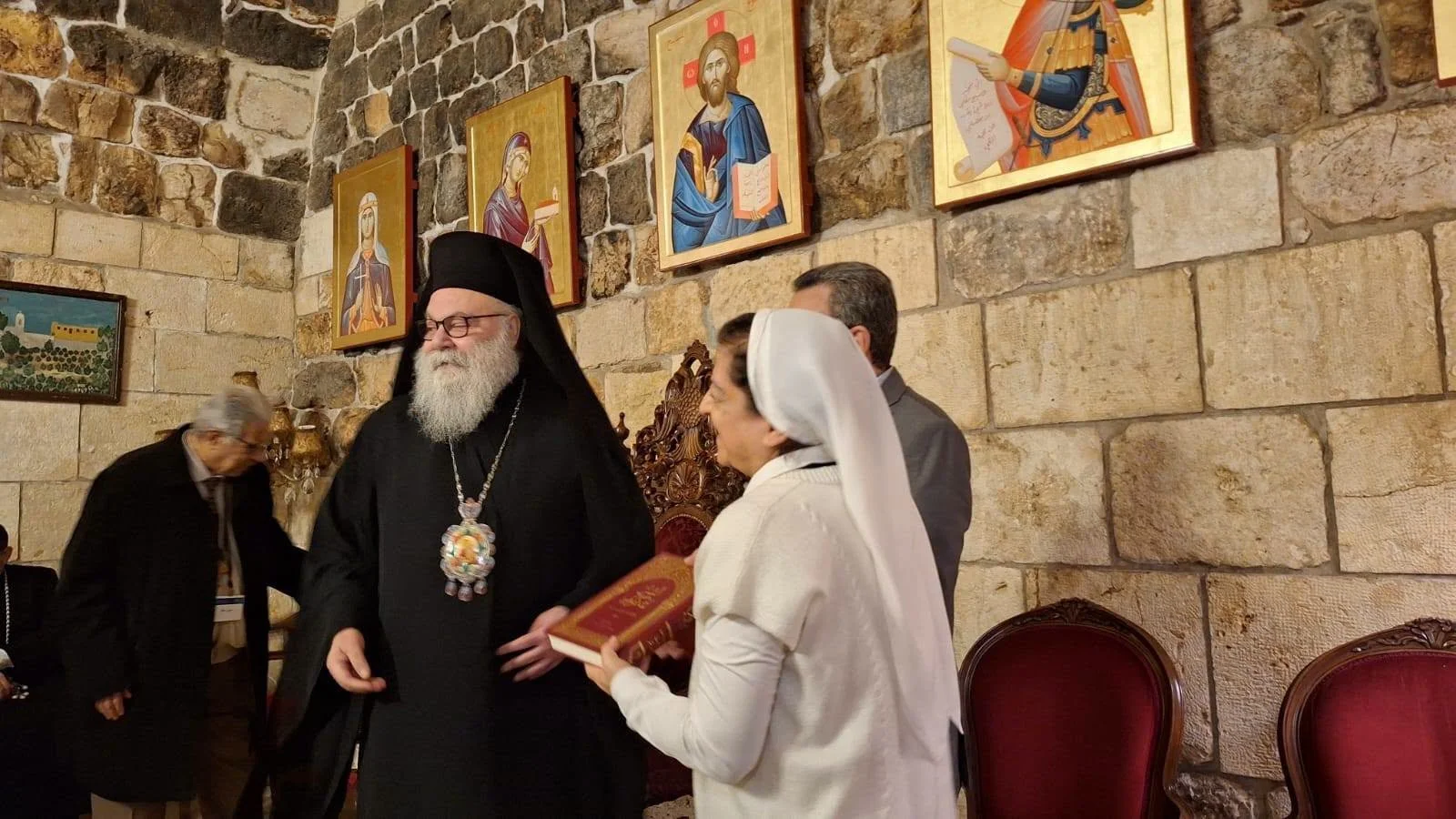
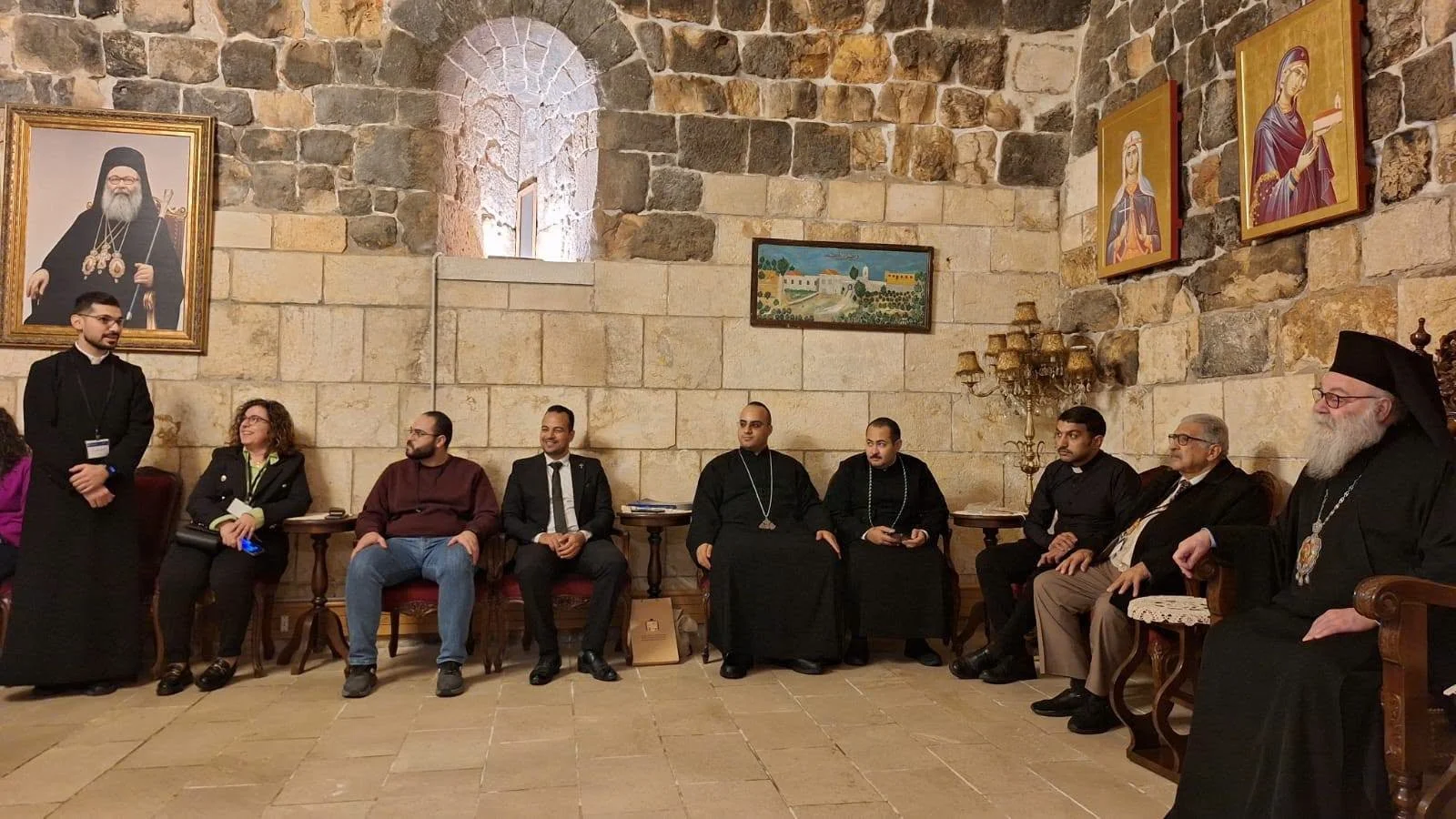
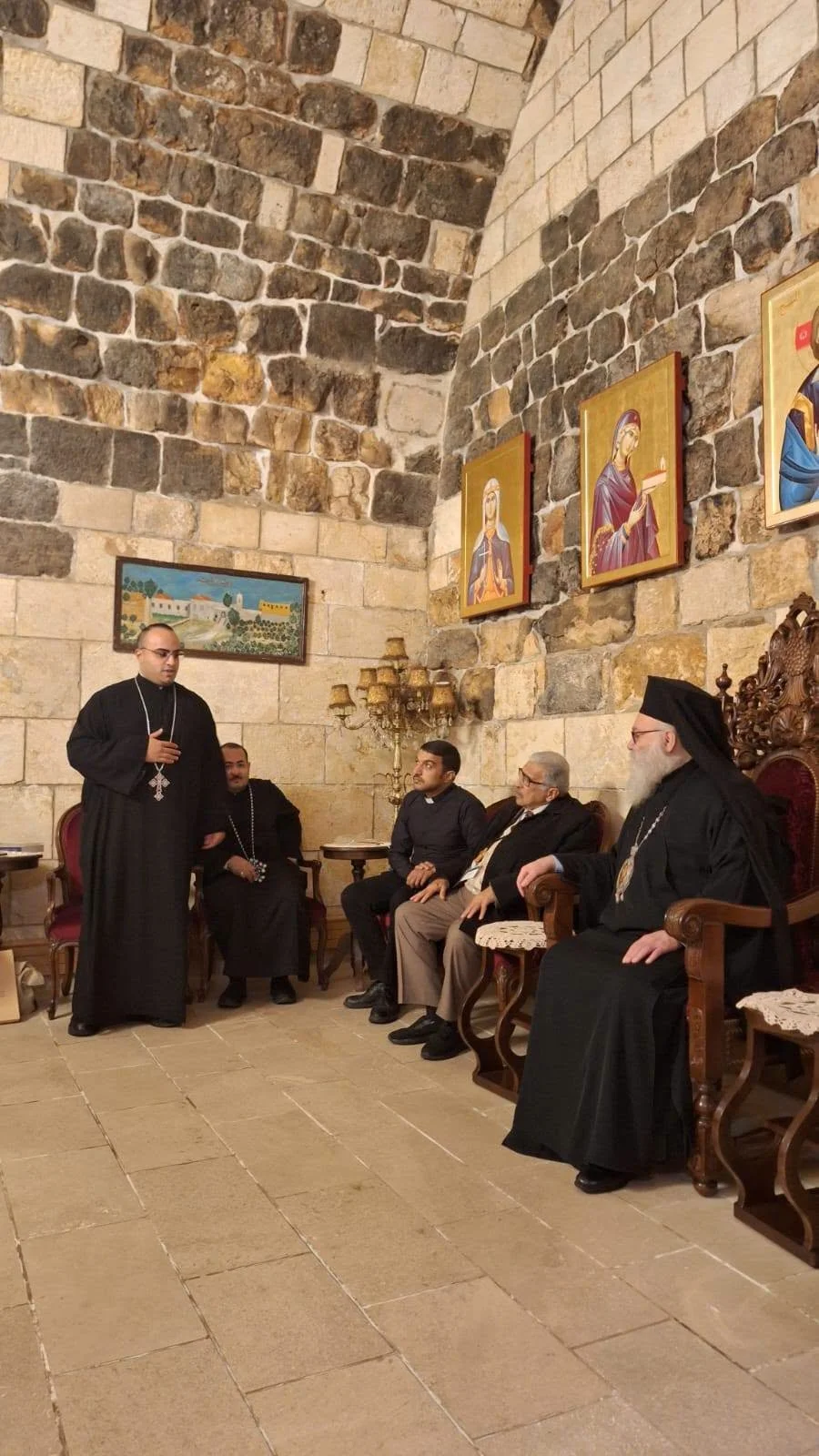
The delegation then travelled to Balamand, where participants were welcomed by His Beatitude John X, Greek Orthodox Patriarch of Antioch and All the East, who also serves as President of the Middle East Council of Churches, representing the Eastern Orthodox family.
Addressing the theological students, His Beatitude emphasized the importance of understanding theology not merely as an academic or theoretical discipline, but as a living reality that must be translated into concrete practice and service.
He underlined that the practical dimension of theology is essential to theological formation, encouraging students to connect their academic studies with the pastoral, spiritual, and social realities of the communities they will be called to serve.
The Patriarch also offered an overview of the Christian presence in the Middle East, reflecting on the historical roots of Christianity in the region, the challenges facing its communities, and the importance of their continued presence, role, and witness in their societies.
The encounter reinforced the connection between theological education, ecclesial responsibility, and the lived experience of Christian communities, providing participants with valuable insights into the pastoral and spiritual dimensions of their future ministry.
Exploring Batroun's Christian Heritage and Sharing a Moment of Fellowship
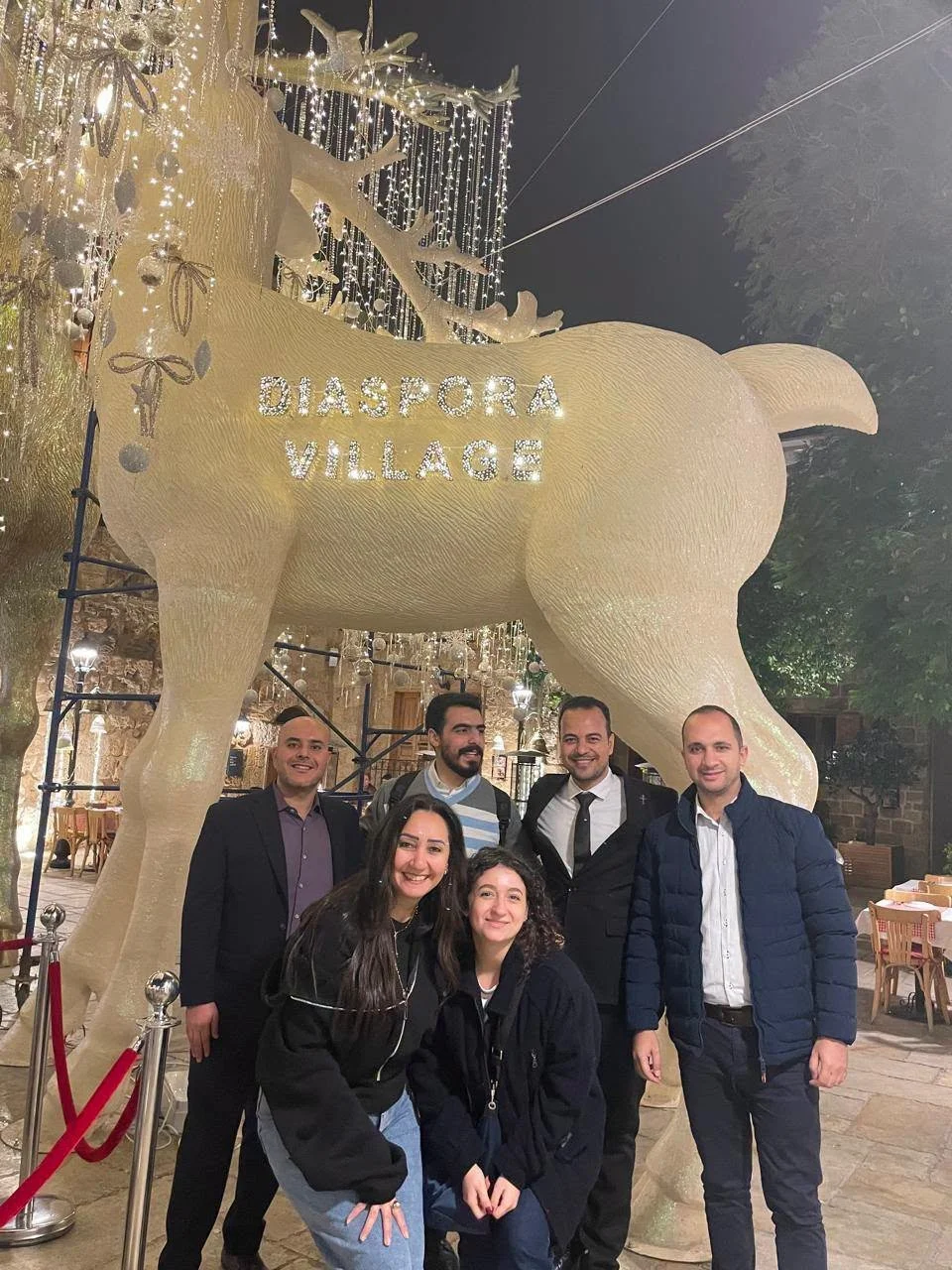
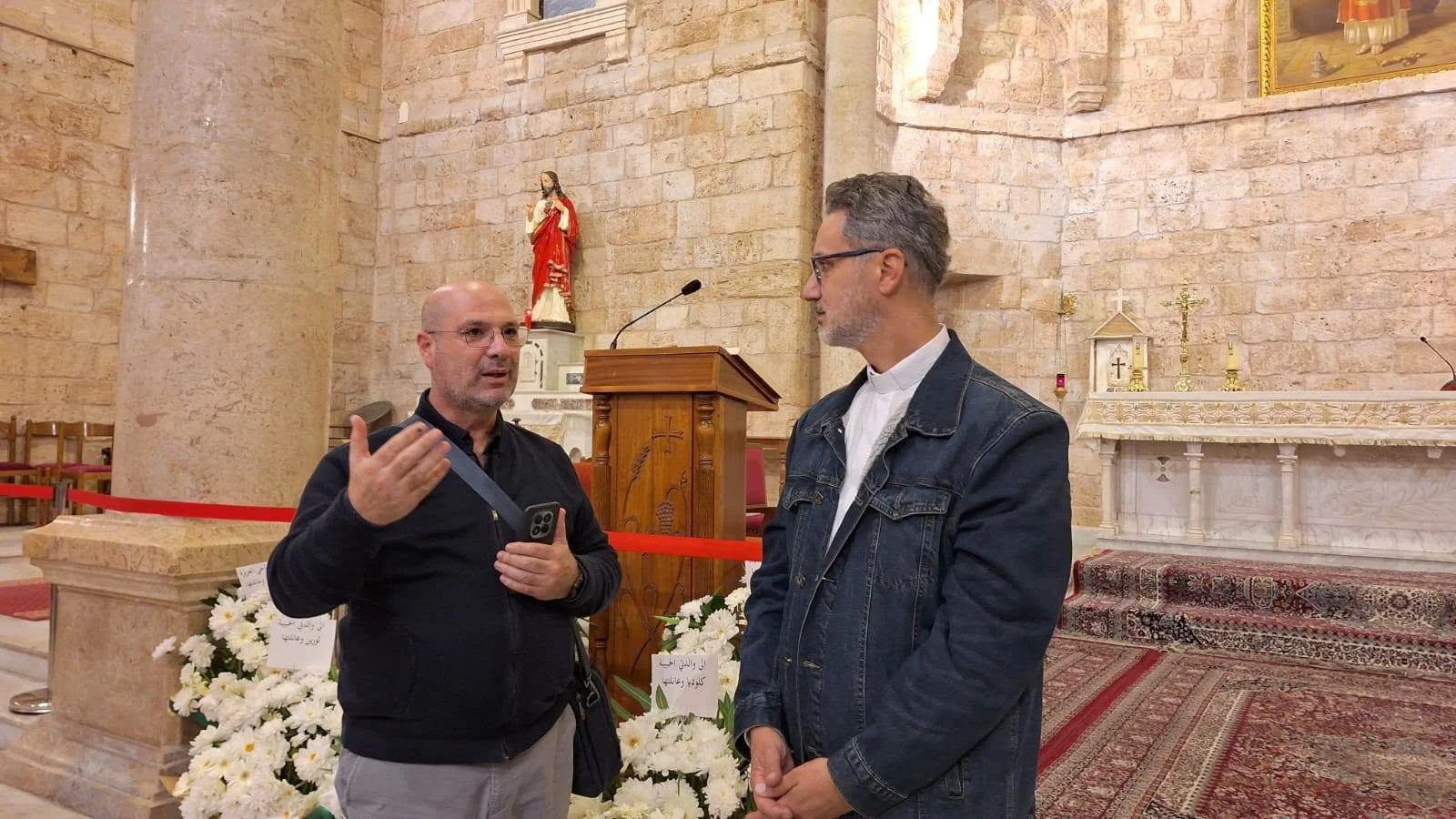
On their return journey, the participants stopped in the historic coastal city of Batroun, where they were warmly welcomed by representatives of the Maronite and Greek Orthodox Churches.
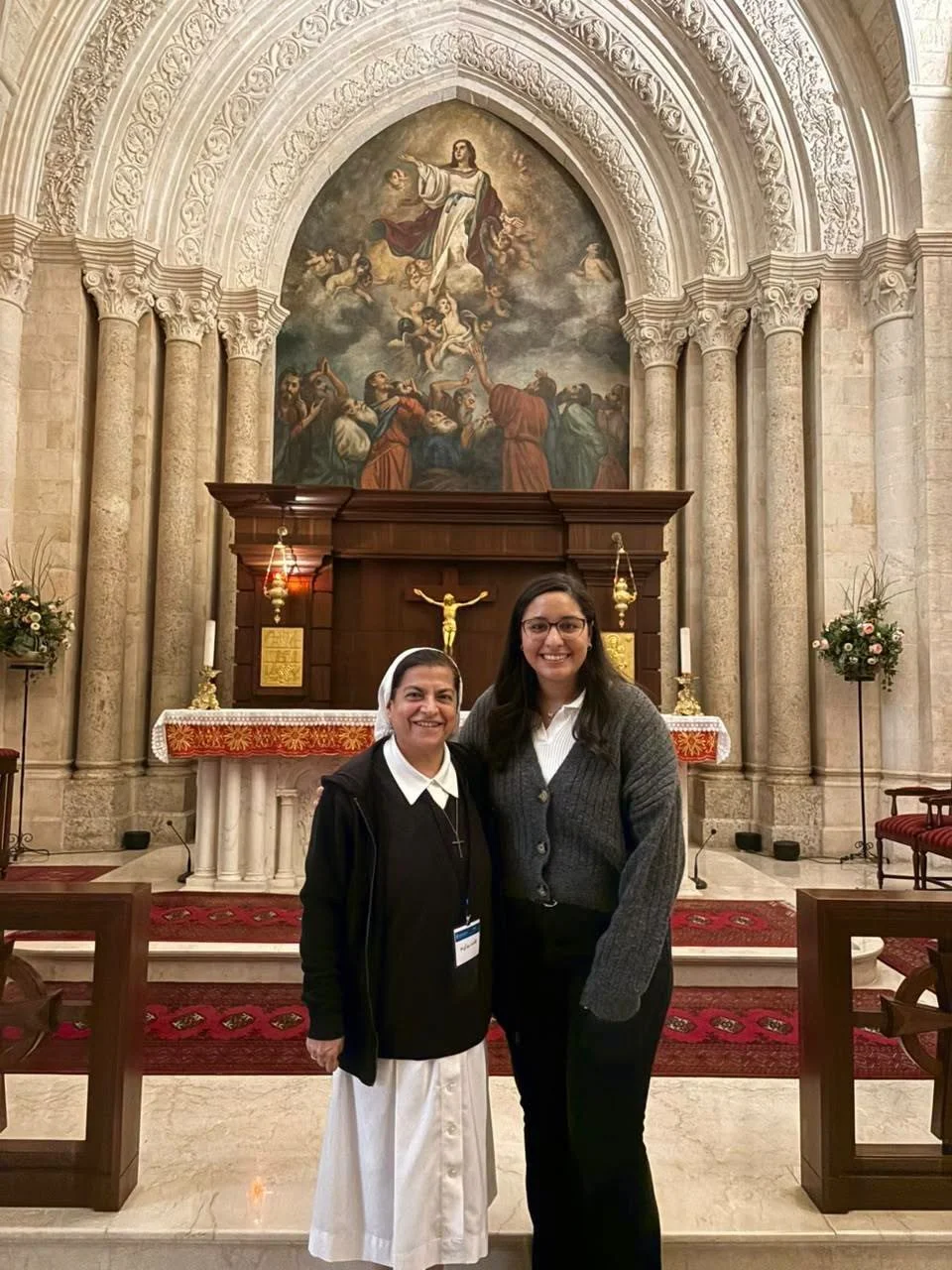
The first visit was to Saint Stephen's Maronite Cathedral, where Fr. François Harb introduced the students to the history of the cathedral, the life of Saint Stephen, and the pastoral life of the parish.
The delegation then visited Saint George's Greek Orthodox Church, where Fr. Jean Kahaleh offered an explanation of the church and its icons, highlighting the distinctive features of Christian iconography and drawing comparisons between the Coptic and Jerusalemite iconographic traditions.
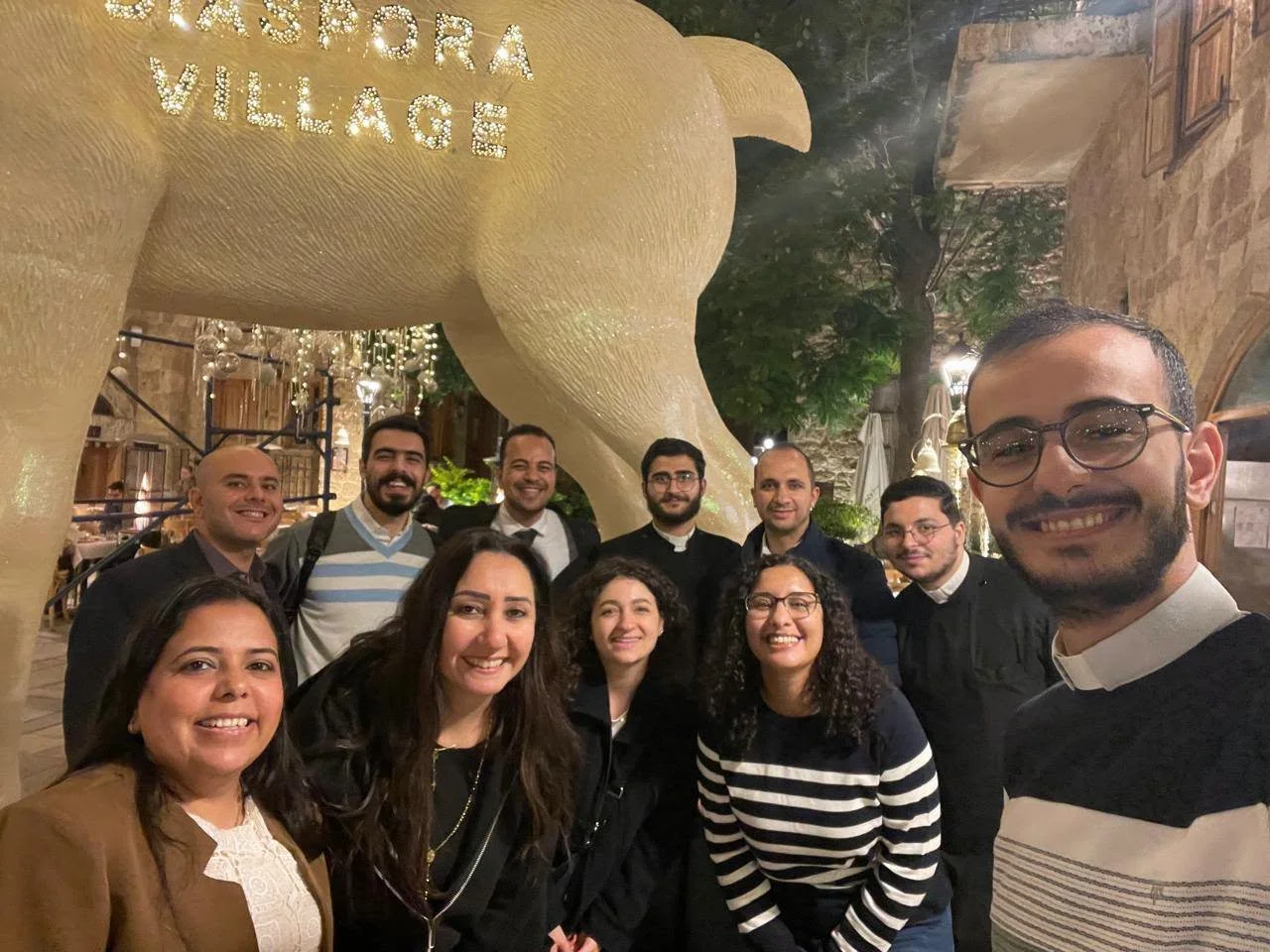
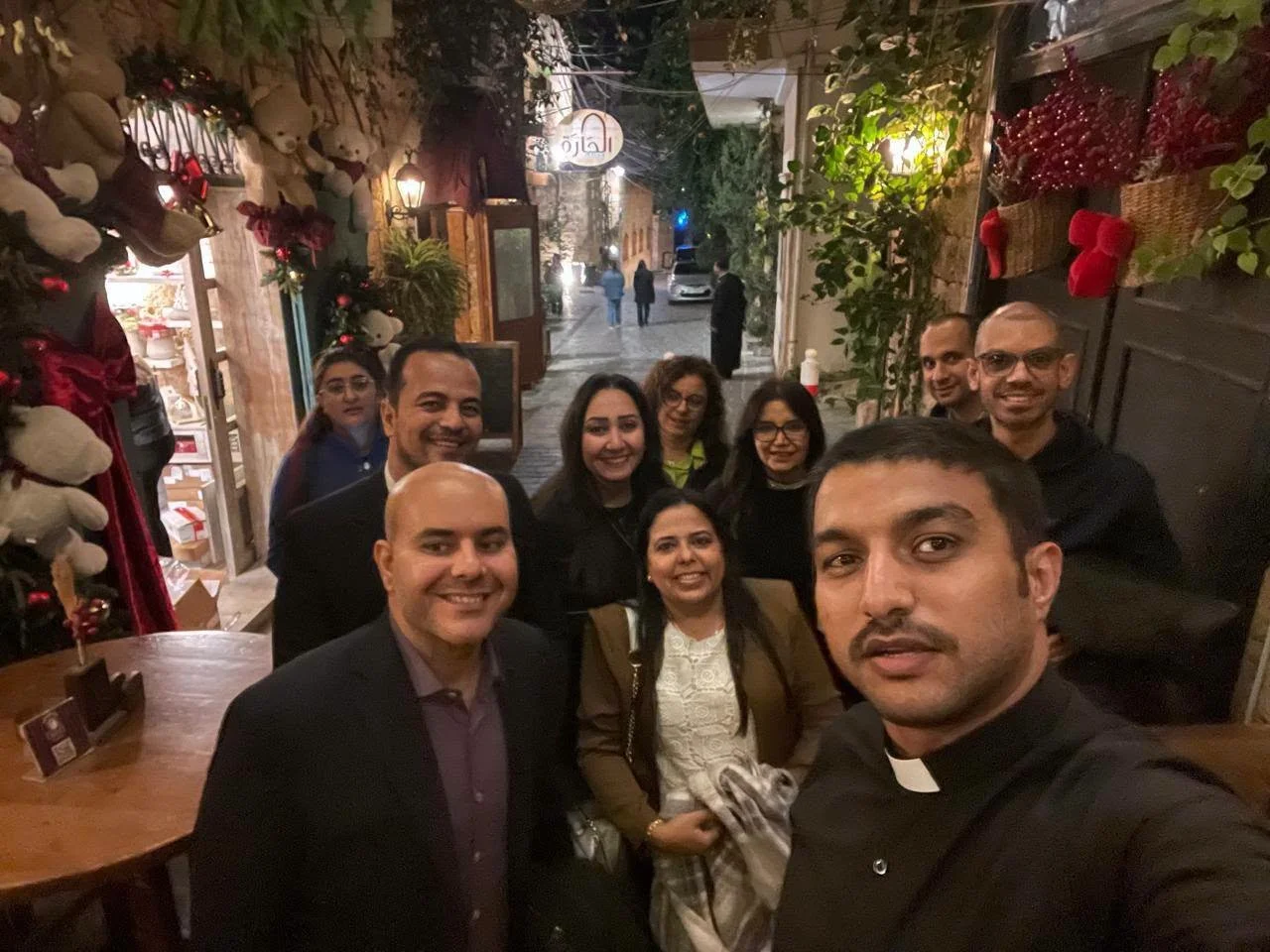
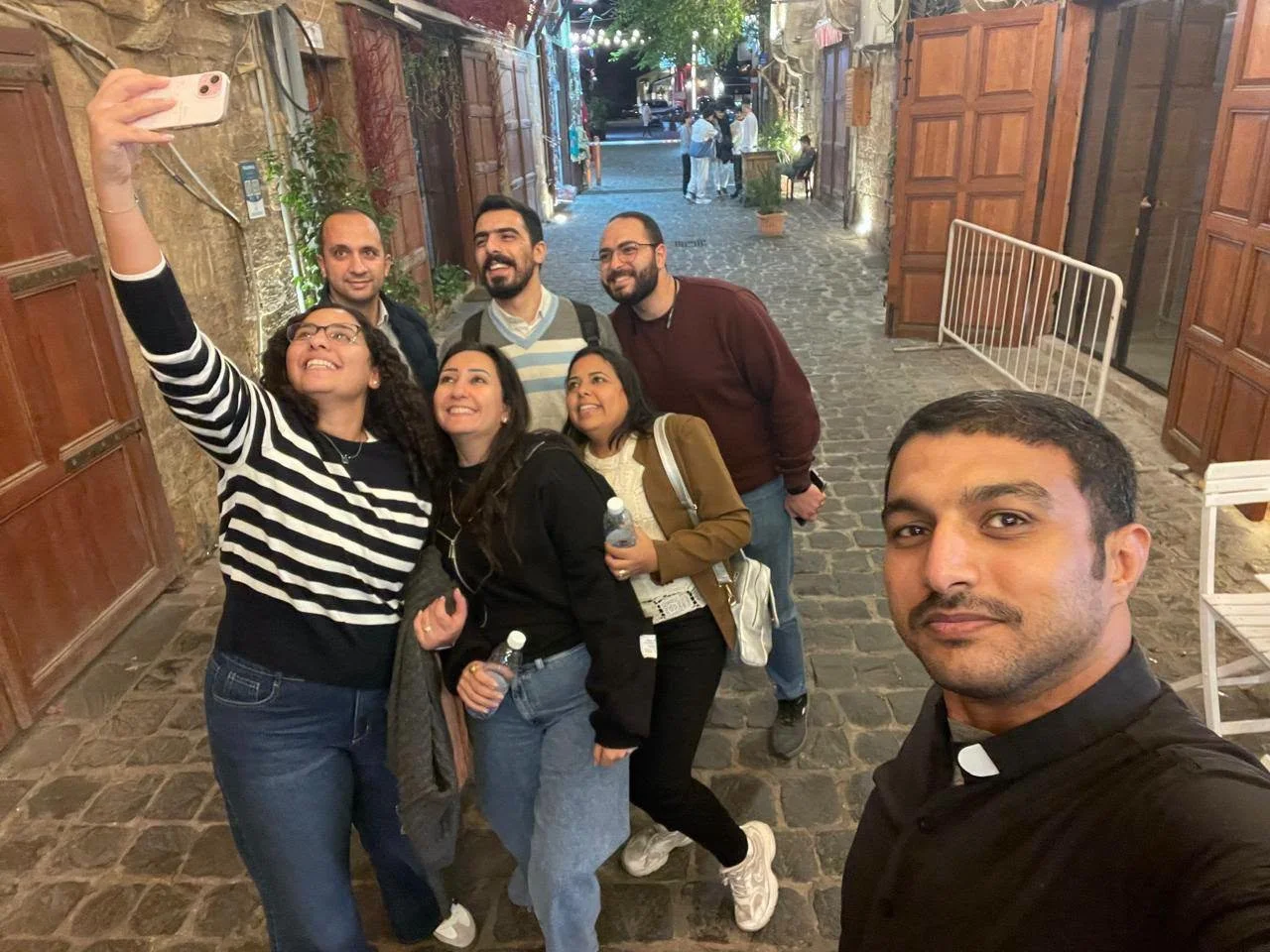
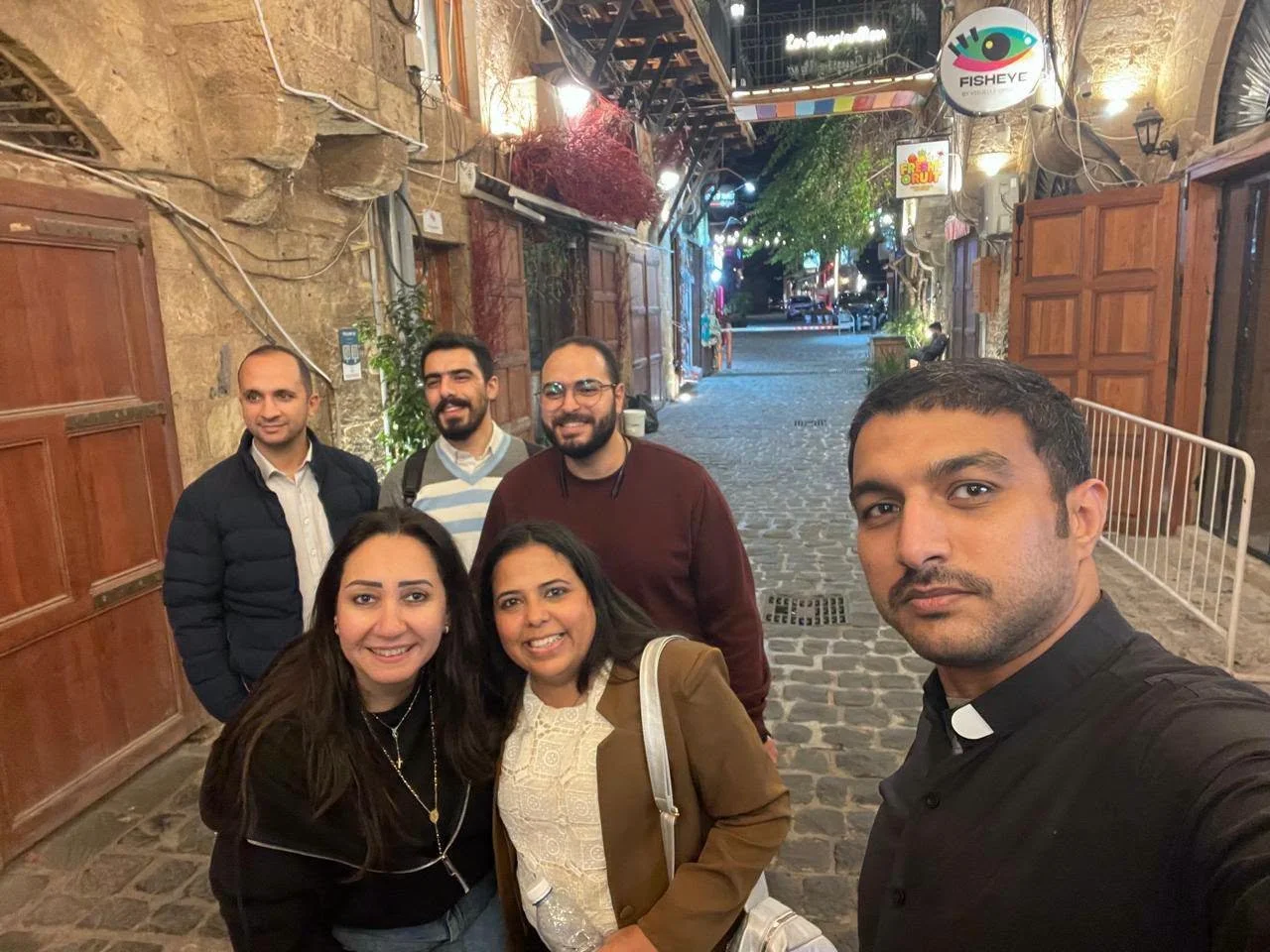
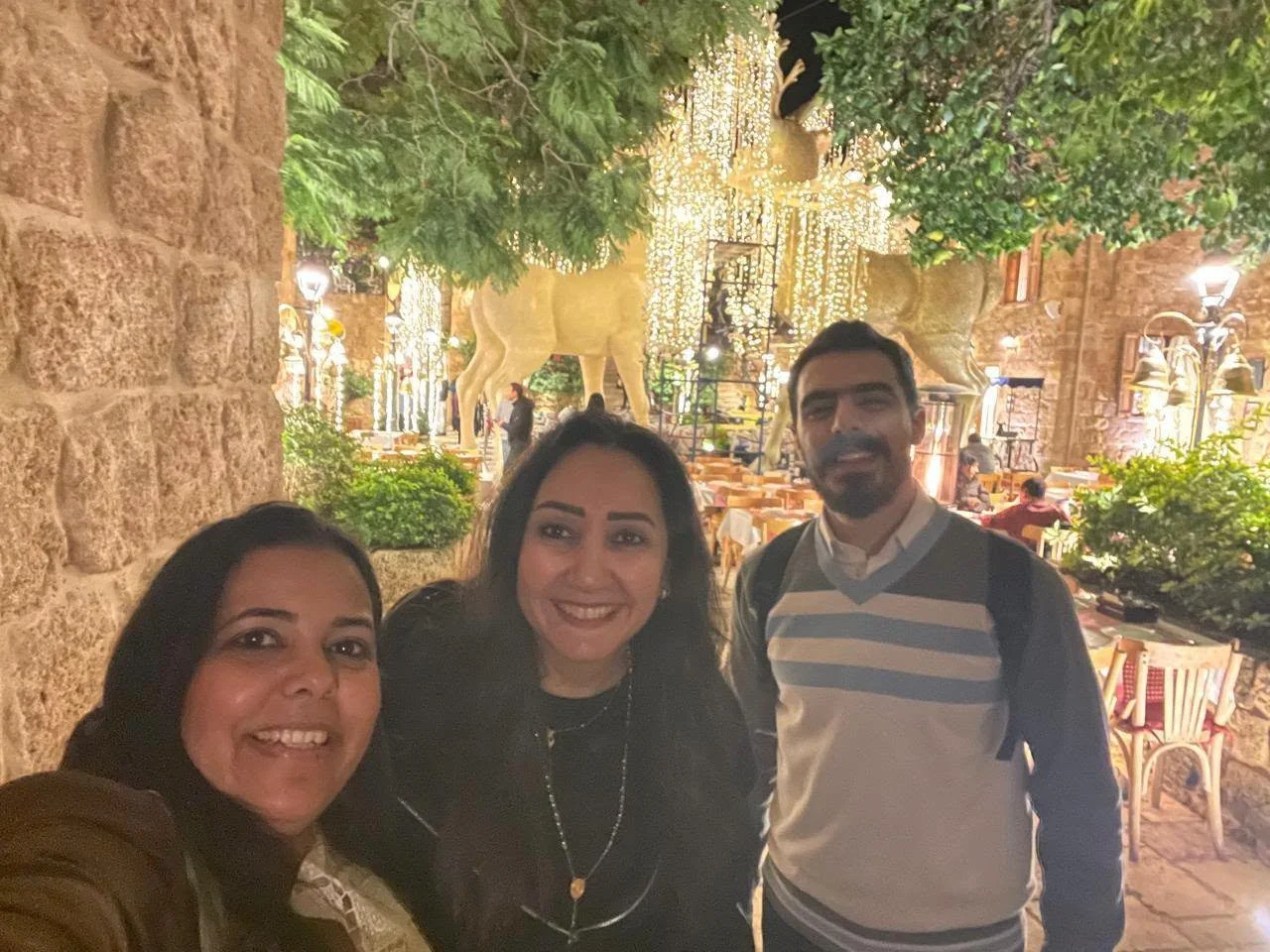
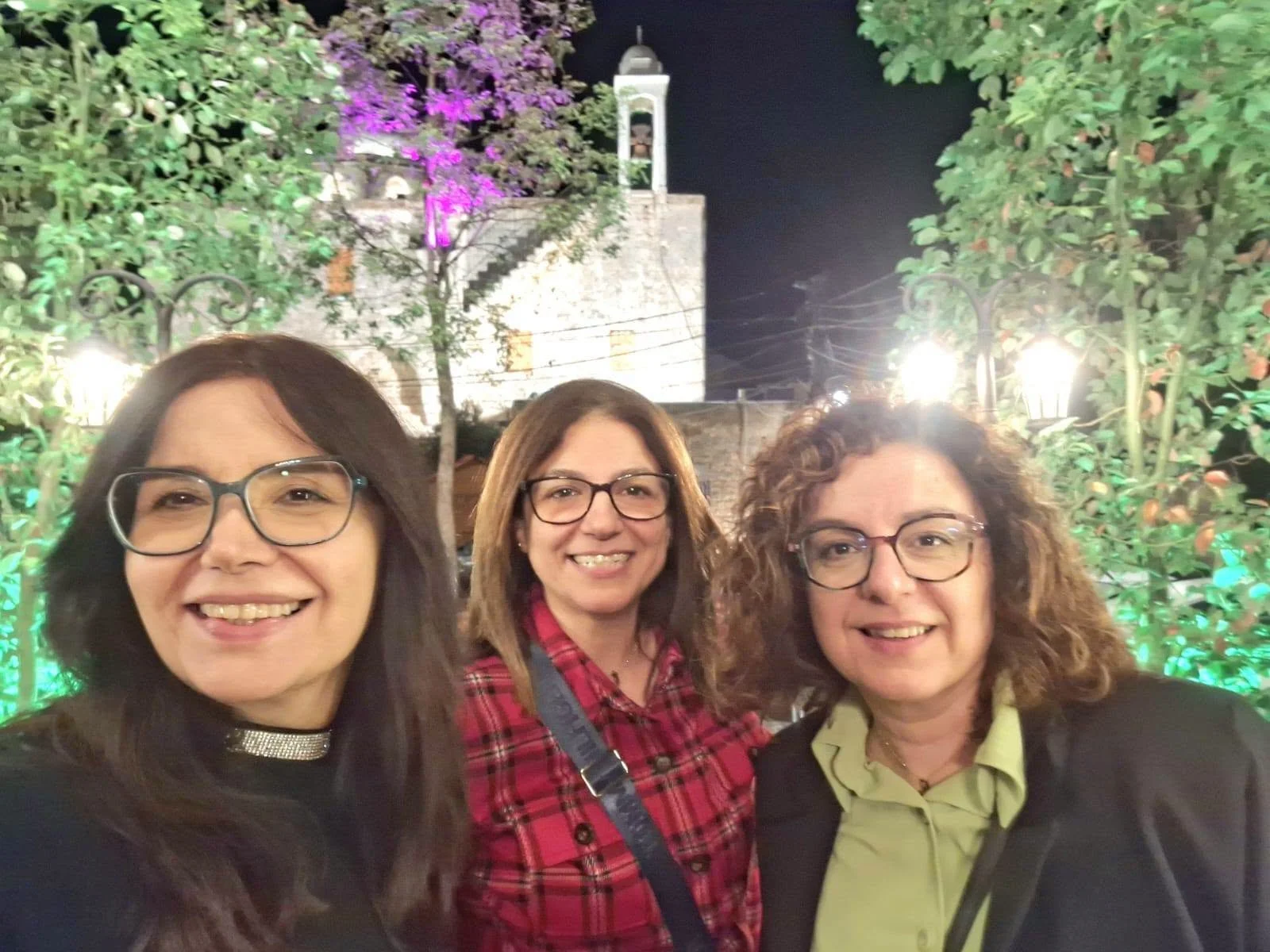
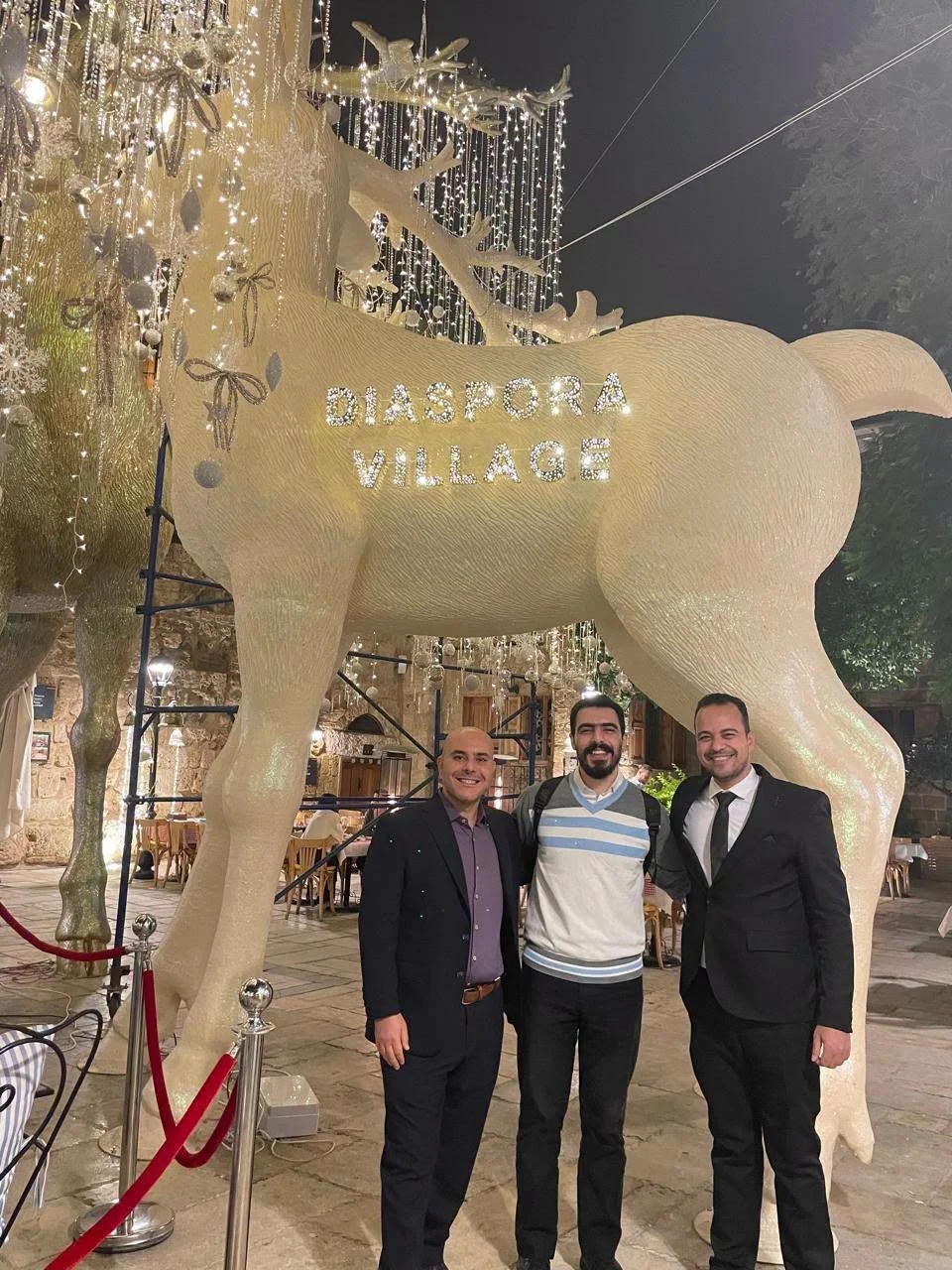
The participants also visited Our Lady of the Sea Church (Notre-Dame de la Mer), before enjoying a walk through the charming streets of Batroun's old town, discovering its historical and cultural heritage.
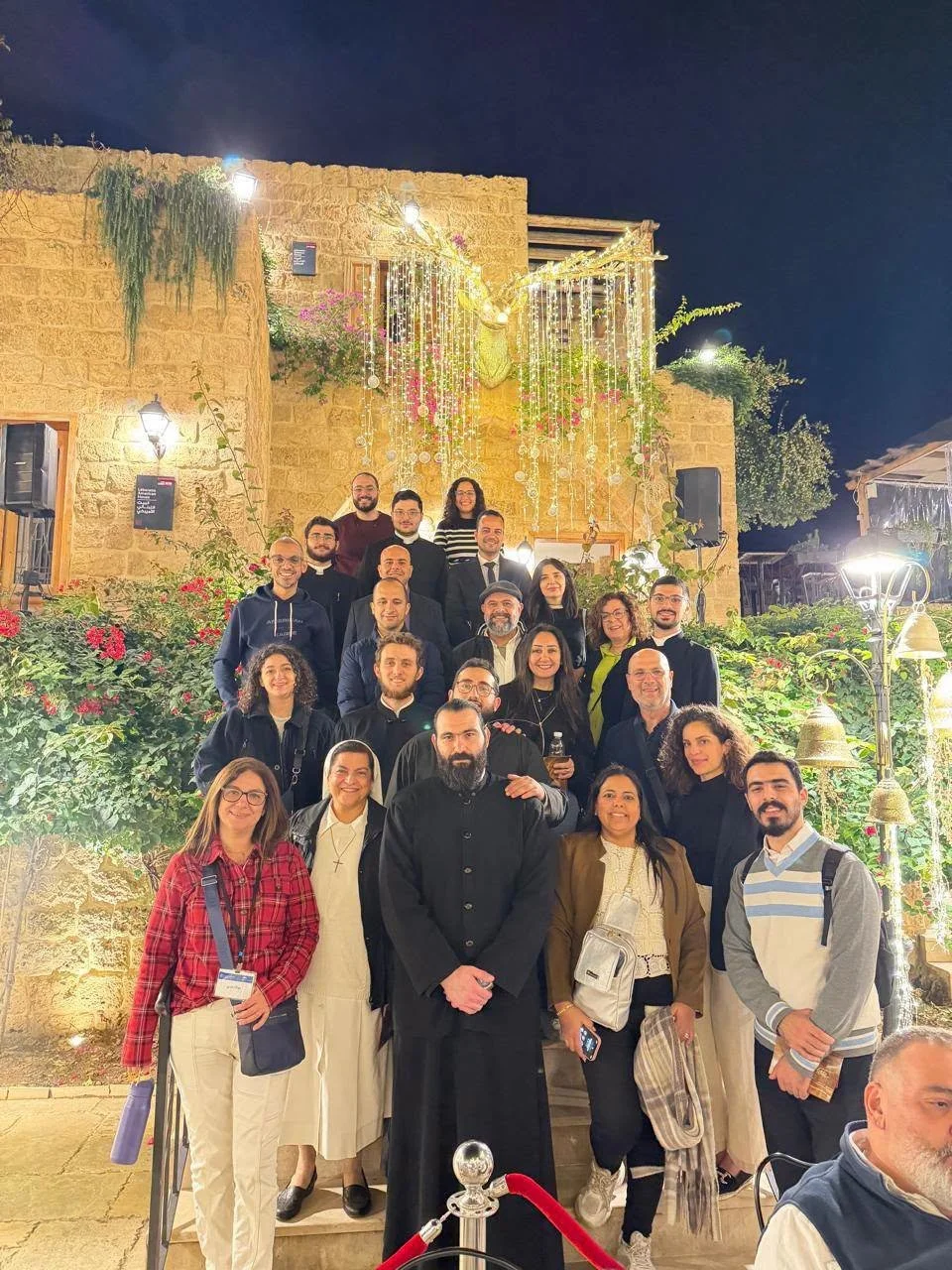
The evening concluded with a convivial dinner, offering participants another opportunity to strengthen the bonds of friendship and fellowship established throughout the workshop, in a spirit of ecumenical fraternity and shared joy.
Concluding the Workshop with Visits to Lebanon's Spiritual and Cultural Landmarks
The five-day ATIME Capacity-Building Workshop concluded on Friday, 13 November 2026, with a programme of visits offering participants an opportunity to discover further aspects of Lebanon's natural beauty, spiritual heritage, and rich history.
The participants visited the renowned Jeita Grotto, one of Lebanon's most remarkable natural landmarks, before proceeding to the Sanctuary of Saint Charbel in Annaya, where they also visited the hermitage associated with the saint's life of prayer and solitude.
The programme continued with a visit to the historic city of Byblos (Jbeil), where participants explored its old town and discovered aspects of the country's ancient cultural heritage.
A Conclusion Marked by Fellowship, Commitment, and Hope
These visits brought the five-day gathering to a close in an atmosphere of friendship and fellowship, strengthening the bonds established among theological students from different countries and Church traditions.
Throughout the workshop, participants had the opportunity to explore the Theory of Change approach, strengthen their leadership and project-planning capacities, engage in ecumenical and interreligious dialogue, and encounter Church leaders representing different Christian traditions.
The success of the workshop was made possible through the dedicated efforts of the ATIME Executive Secretariat, particularly Rev. Samuel Rozfy, Dr. Gergis Saleh, and Sr. Rose Abi Aad, whose commitment and collaboration contributed to the preparation and implementation of this important gathering.
Special recognition goes to Dr. Élie Dannaoui, whose outstanding dedication and organizational efforts, both in the months leading up to the workshop and throughout its implementation, played a central role in ensuring the smooth coordination of the programme, its various activities, and the numerous visits and encounters. His tireless work, attention to detail, and commitment were instrumental in making this five-day experience both enriching and memorable for all participants.
Through its combination of theological reflection, leadership formation, practical learning, ecumenical encounters, and visits to Lebanon's spiritual and cultural landmarks, the workshop reaffirmed ATIME's commitment to preparing a new generation of Church leaders, rooted in their faith, open to ecumenical cooperation, and equipped to respond creatively and responsibly to the challenges facing the Churches and societies of the Middle East.