
Middle East Council of Churches Publishes “Light of Hope,” Issues Humanitarian Appeal
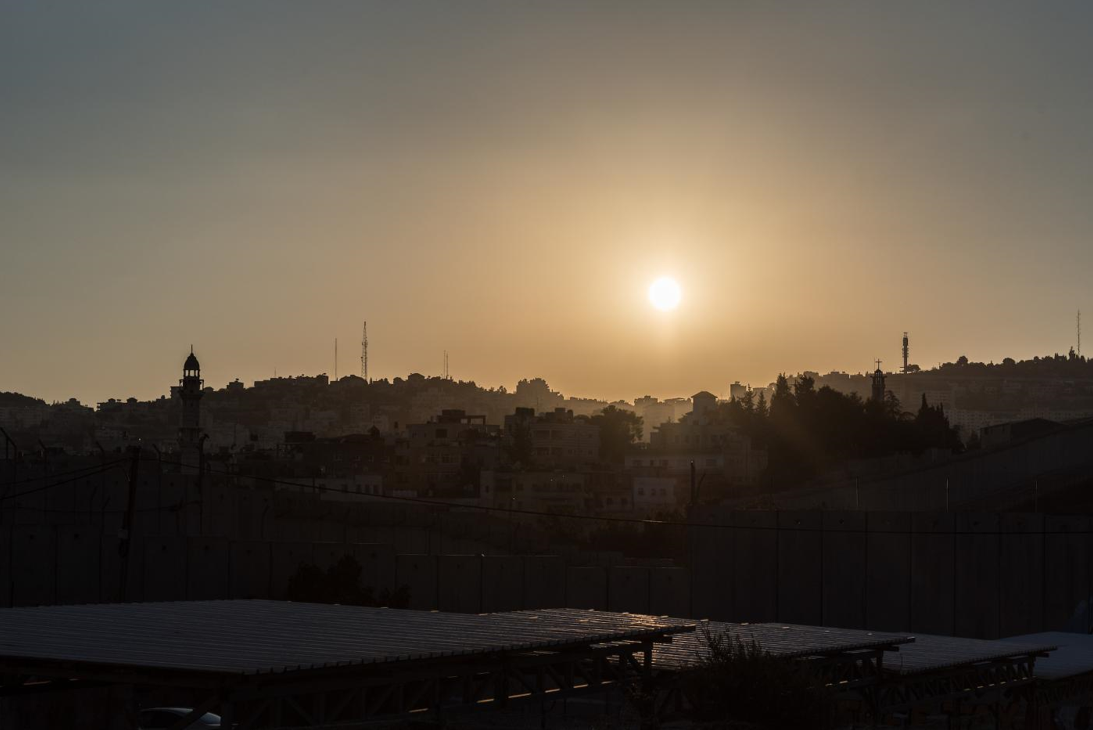
Photo: Albin Hillert/ World Council of Churches (WCC)
Below you can find a news release prepared by the World Council of Churches (WCC) about the “Light of Hope” and Humanitarian Appeal issued by the Middle East Council of Churches (MECC) about the war in the Middle East.
The Middle East Council of Churches has published a new bulletin, titled “Light of Hope,” that expresses the pain of the war in the Middle East and appeals for humanitarian aid.
Professor Dr. Michel Abs, Secretary General of the Middle East Council of Churches, said: “The light of hope will always be there to help humanity get out of the darkness in which human greed and arrogance through it. Whenever we go through a long night, apparently with no end, His words and deeds will always be our light of hope.”
The first issue of the bulletin contains a humanitarian appeal that follows the war in the Middle East and its harsh consequences.
Lea Adel Maamary, Coordinator of Media and Church Relations at the Middle East Council of Churches, said: “Amidst the noise of the world, the drums of war, and the darkness of time, we have no choice but to turn to the Gospel, which teaches us love, mercy, and the humanization of humanity. The Gospel teaches us to abandon violence, not to surrender, to choose dialogue, and to stay away from sin so that we may live in a more peaceful and stable society and homeland.”
The appeal addresses the severe humanitarian consequences affecting civilians and local communities in several countries across the Middle East. "The recent events, in addition to those that preceded them, have led to painful human losses and damages, resulting in a humanitarian situation that can only be described as catastrophic,” reads the appeal.
The appeal notes that what the region is witnessing today is part of a series of accumulated crises that its peoples have faced over the past years, with many communities already suffering from difficult economic conditions and increasing vulnerability in their social fabric.
“The recent escalation has exacerbated the scale of the humanitarian tragedy, particularly with the damage to essential facilities such as hospitals, schools, and vital service networks,” the appeal notes. “This situation threatens all social groups, particularly the most vulnerable, with special impacts on children, the elderly, patients, and those with special needs.”
The Middle East Council of Churches is closely following the reality of the affected communities through its networks, which include churches and partner institutions spread across the region.
“The churches and their institutions have proactively provided emergency humanitarian aid to needy families without discrimination, based on their mission to serve humanity, preserve dignity, and foster solidarity among local communities,” reads the appeal. “However, the increasing scale of humanitarian needs today exceeds the capacity of local initiatives alone.”
Thousands of families are in urgent need of assistance, including food, healthcare, safe shelter, psychological and social support, as well as the rehabilitation of damaged homes and community facilities.
“These humanitarian consequences have already become clear in Lebanon, where recent developments have led to civilian casualties, severe damage to infrastructure and vital facilities, and waves of displacement as families were forced to leave their homes in search of safety,” continues the appeal. “This suffering has become a daily reality for a growing number of families who now find themselves in urgent need of emergency humanitarian aid.”
Based on these facts, the Middle East Council of Churches issued the urgent humanitarian appeal to its partners, including donor agencies and international humanitarian organizations, to support efforts to respond to the increasing needs of the affected communities and contribute to alleviating the suffering of families facing extreme humanitarian conditions.
“Amid this crisis, the Middle East Council of Churches reminds the international community that the protection of human dignity and the preservation of human life must remain central to their focus,” the appeals notes. “The suffering of civilians is not just a transient crisis; it is a radical change in the core of their lives and the foundation of their existence.”