
WCC Hosts Consultation with Heads of churches in the Middle East
The MECC Secretary General Professor Michel Abs Participates in this Consultation
The World Council of Churches (WCC) convened an online consultation on 6 March with heads of member Churches in the Middle East. Under the theme “Standing Together in Faith and Discernment in a Time of War,” participants met to reflect on the unfolding developments and the widening escalation of violence in the region.
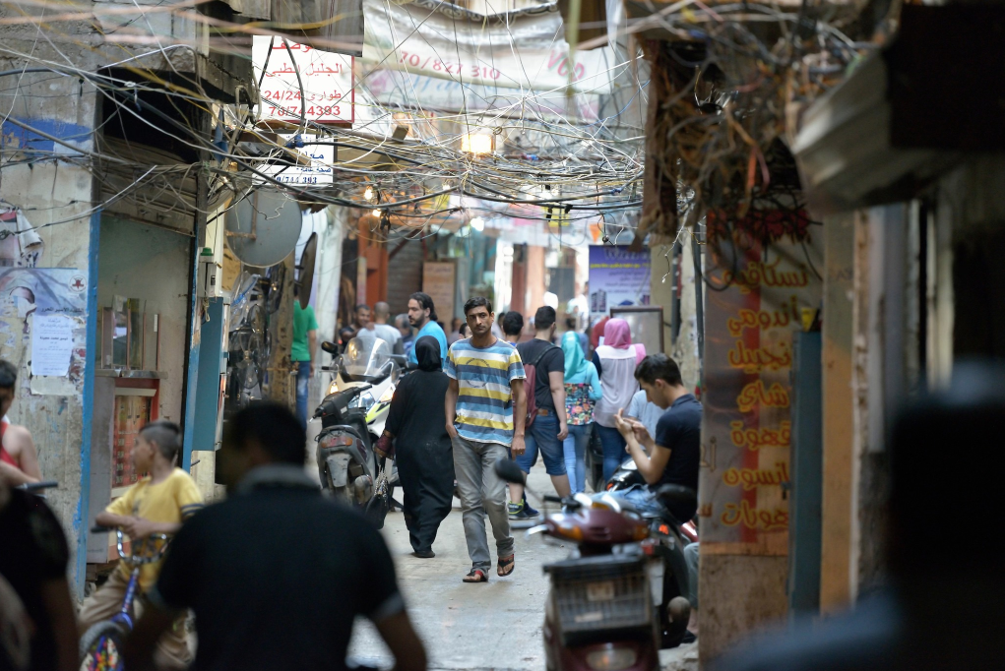
The Shatila refugee camp in Beirut, Lebanon. Photo: Paul Jeffrey/life on Earth
“We are acutely conscious that in times such as these, the churches are called to stand at the crossroads of suffering and hope — accompanying the fearful, sheltering the vulnerable, and bearing witness to the God of life in the midst of destruction,” said WCC General Secretary Reverend Professor Dr. Jerry Pillay, describing the impetus behind the meeting. “Please know that the global ecumenical fellowship stands with you in solidarity and support.”
The online consultation provided space to hear the church leaders’ assessment of the broader geopolitical situation, including how they perceive current dynamics evolving in the days and weeks ahead. The WCC also listened carefully to the pastoral, humanitarian, security, and institutional challenges confronting Churches and communities, and created space for sharing these realities openly. The meeting provided an opportunity to discern together, in a spirit of prayer and ecclesial responsibility, how these developments affect all people in the region, and to reflect collectively on the role the World Council of Churches is called to play at this moment.
“Today’s video conference was a precious way of experiencing the community as sisters and brothers in Christ beyond our own contexts,” said Bishop Prof. Dr Heinrich Bedford-Strohm, Moderator of the WCC Central Committee. “We have heard firsthand about the suffering and hardship that people in the Middle East are now experiencing as a consequence of the escalation of violence.”
He added that people from the region asked the WCC as a global community of Churches to keep them in our Prayers. “We promised to follow their call to pray and will do everything in our power to call for the end of escalation and to encourage paths to security and dignity for all people in the Middle East,” Bedford-Strohm concluded.
Reverend Professor Dr. Jerry Pillay expressed gratitude to the leadership of the Churches in the Middle East and their strong commitment. “On behalf of the fellowship of Churches, you are not alone,” said Pillay. “We stand with you, and you are accompanied in prayers and hope all over the world.”
Pillay added that the WCC would intensify its work on peace-building efforts, inter-religious dialogue, and advocacy in the region with MECC and its various counterparts. “The humanitarian part is very crucial and WCC will speak to sister organisations to assist people in the region.,” he said. The meeting concluded in prayers for a better and peaceful world for all.”
This report was originally published on the Website of the World Council of Churches (WCC).