
An All Out Conflict
Middle East Socioeconomic Overview
Report: March 2026
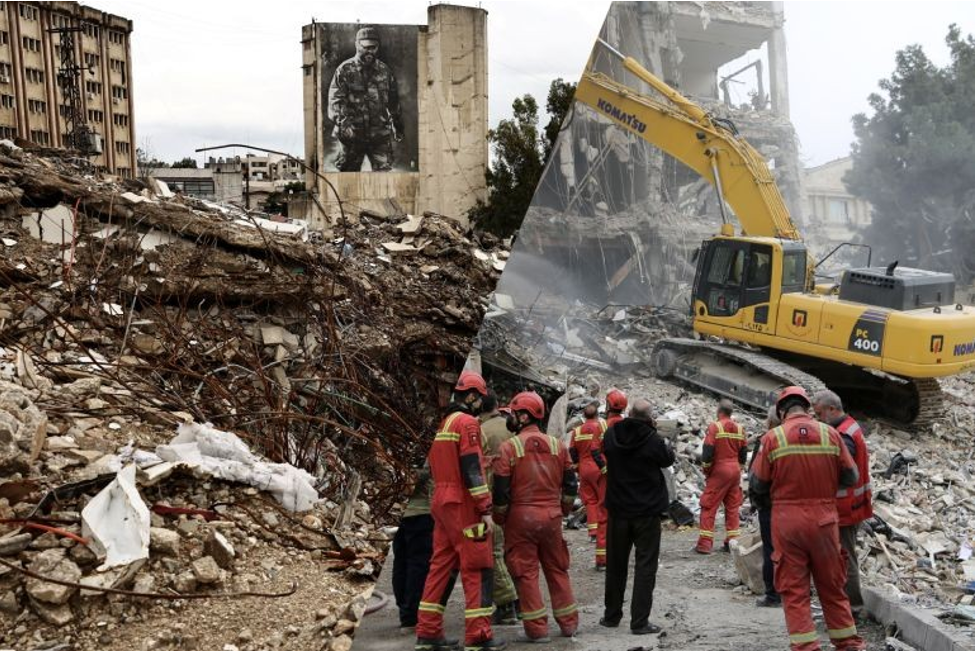
A snapshot of the destruction the war is leaving behind. Photo Credit: Aljazeera.com
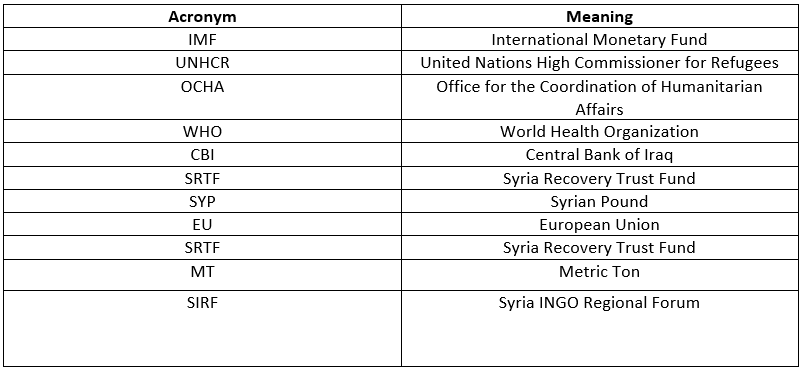
1. Table of Acronyms
2. Introduction
As the war which was only hypothesized to last for a few days, drags on beyond a month, the regional economy takes a hit as energy prices increase. Inflation is affecting all ME countries, some more than others, while the rest of the world also feels the consequences of the aftershock. Analysts from different domains, warn of direr ramifications if this war continues for an extended period time. Already there is much displacement, destruction, and economic turmoil and further expansion of the war, which has a very high likelihood of happening, can incur unpredictable results the world may not be able to handle.
3. The Socio-Economic Situation
Egypt
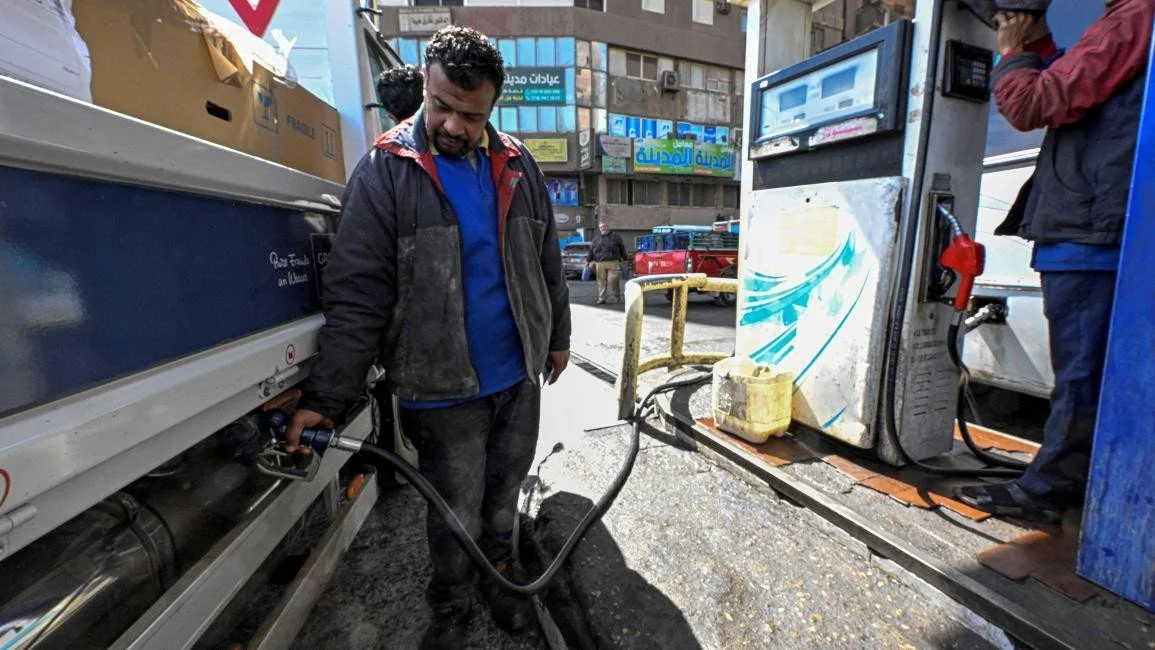
Energy prices have already started to rise in Egypt causing inflation of 15%. Photo credit: alaraby.co.uk
As Egypt was on a momentum in its improvement of its economy, the war on Iran arrived to the derayl the proccess while reversing progress. In just two days, the gains of eight months for the pound evaporated, and the cautious optimism in the markets turned into a wave of withdrawals and financing pressures, leaving the government facing a new test, before the repercussions of previoud economic problems had been fully adressed. The economy, which had been counting on a strong tourist season in 2026, stable investment flows, and a gradual improvement in the exchange market, began to receive warning signs as the exchange rate of the pound fell by about 3.8%, exceeding 50 pounds to the dollar, amid the exit of billions of dollars in investments from local debt instruments. On the stock exchange, the main index fell 2% amid heavy selling by foreign and Arab investors. Since the start of the war at the end of February, stocks have lost approximately 21.2 billion Egyptian pounds in market capitalization, settling at 3.1 trillion pounds, with about 64% of the 216 traded stocks declining. Foreign investors recorded net sales of 753 million pounds. As for the Suez Canal, most companies have stopped using the canal, the latest being Maersk. The occupier also halted the flow of 1.1 billion cubic feet of natural gas per day to Egypt from the Tamar and Leviathan fields, which has Egypt relied on for local production. In response to such a problem, Egypt has asked international suppliers to bring forward the delivery of two shipments of liquefied natural gas in order to fill the gap caused by the sudden halt in supplies from the Eastern Mediterranean. However, this move raised energy costs for the Egyptian economy in which inflation has already risen to 15%.
In light of what is happening in the region, the Egyptian government activated the Cabinet's crisis room, while indicating the stability of the electricity grid and food commodity reserves. The Cabinet's operations room will follow up in real time with the relevant authorities and various governorates, to issue follow-up reports on the situation, and present them to the Prime Minister, to be informed of the course of events, developments, crisis scenarios, and to assess its impact on the countries of the region and the Egyptian interior. In this context, the government clarified that Egypt’s stock of various food commodities is secure and sufficient for several months, while noting the stability of work on the national electricity grid and renewable energy, despite the developments of regional events in the region. From his end, the Minister of Electricity and Renewable Energy confirmed the stability of work on the national electricity grid, in its various sectors, with the regular supply of natural gas to the stations, with plans in place to continue working to ensure the stability of the grid and the continuity of electricity for various uses. As for the issue of Food Security, the Minister of Supply confirmed the availability of a safe stock of various basic commodities, with reserves sufficient for several months, while continuing efforts to supply goods to the markets and monitor prices, in coordination with various authorities, to achieve the necessary control for the benefit of citizens, and to prevent any monopolistic practices.
Jordan
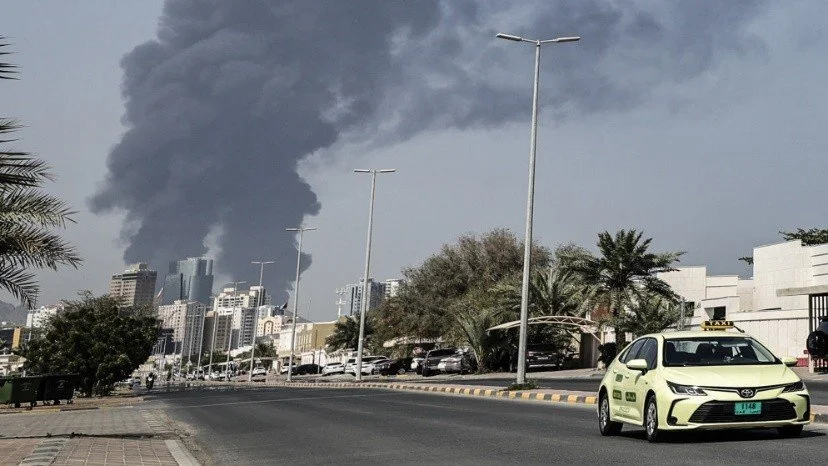
Continued aggression will increase pressure on Jordan's economy and add to the burdens on families. Photo credit: https://jo24.net/
The war in the region has already directly impacted the Jordian economy especially in the field of energy. Current estimates indicate that the high oil prices at the levels we are currently witnessing could cost Jordan tens of millions of dollars per month. This is not just an increase in the import costs, but the beginning of broader pressures that extend to the costs of electricity, transportation and production. Even if inflation have yet to appear from the outset in Jordan, the continuation of the war means that these costs will gradually be passed on to the prices of goods and services, putting pressure on local markets and weakening the purchasing power of families, especially in light of already low income levels. However, the danger is not limited to the rise in oil prices alone, but is also related to the possibility of prolonging the war, which would disrupt navigation in the Strait of Hormuz, with the possibility of the unrest extending to the Bab al-Mandab Strait as well. In such a scenario, oil, insurance, and shipping prices could rise to very large and unforeseen levels. This puts Jordan, as an economy dependent on energy imports and on regional and international supply chains, in a very sensitive position. Every disruption to trade or every increase in transportation costs is directly reflected on the local industry that depends on imported inputs, on the importers, and on the end consumer. In this context, trade is no less important than energy. Shipping costs have quadrupled in some cases, and air freight prices have risen significantly, meaning that the crisis not only threatens the flow of goods, but also raises the cost of producing and transporting them. This puts pressure on the competitiveness of Jordanian industry and increases the burden on the trade balance and the current account in the balance of payments. When import costs rise, the consequences are also social: higher prices, reduced purchasing power, and greater pressure on the middle and lower classes. As such, the Jordanian economy, despite its financial and monetary stability, remains vulnerable to gradual depletion if the war continues and its economic and temporal effects expand.
Iraq
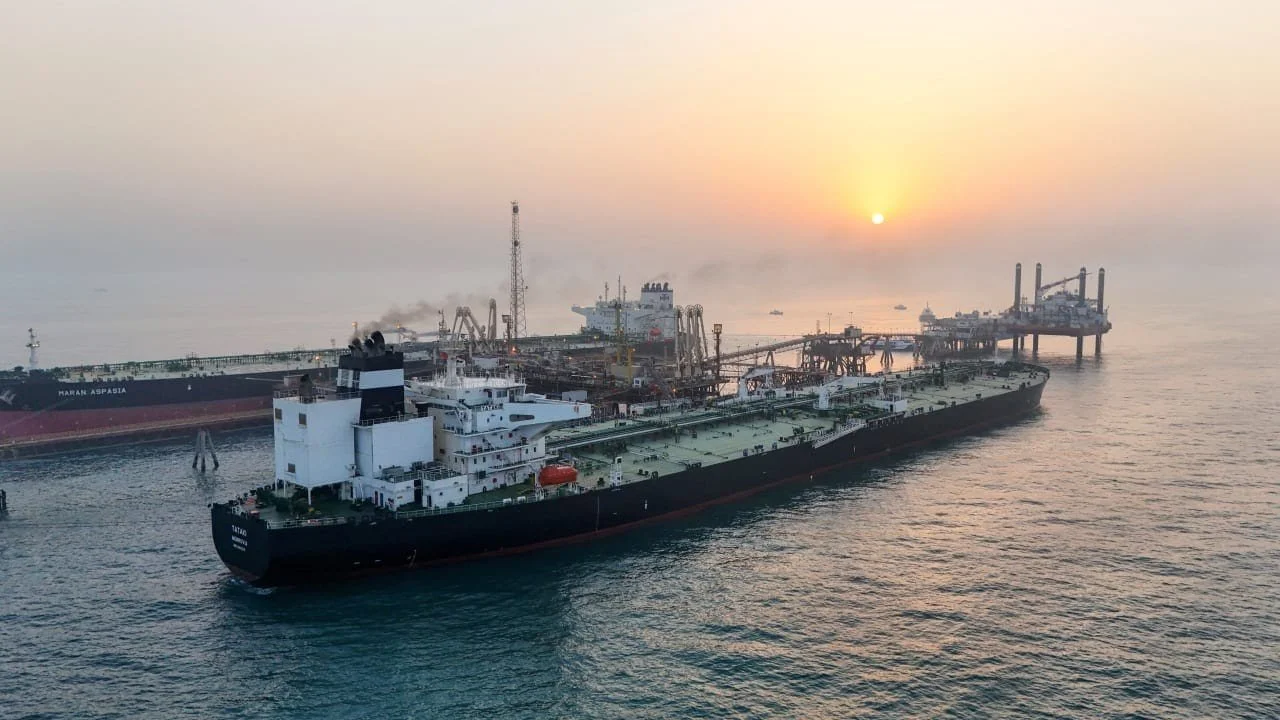
Iraq is scrambling to find alternative solutions to curb the escalating situation which is threatening its heavily-based economy. Photo Credit: shafaq.com
Iraq is incurring billions of dollars in losses due to the disruption of oil exports through the Strait of Hormuz, and these losses are likely to increase if the Iran war continues for an extended period of time. Analysts expect these losses to exacerbate the deterioration of the Iraqi economy, which is heavily dependent on its monthly oil revenues to meet its needs, including government salaries and pensions. Fitch Solutions expects that any severe and prolonged disruption to Iraqi oil production will put pressure on the government’s ability to pay public sector salaries, estimated at around $6.5 billion per month, affecting more than 4.2 million employees, 3 million retirees, and 3 million beneficiaries of social welfare programs. Disruptions to shipping traffic through the Strait of Hormuz have forced the closure of several major southern oil fields, reducing current production to about a third of pre-Iran war levels. Iraq exports most of its oil through the Strait of Hormuz, at a time when it suffers from limited storage capacity in the country. The sharp decline in the volume of Iraqi oil exports will directly constrain revenues at a time when financial reserves are dwindling and current expenditures, particularly public sector salaries, remain structurally high. For this reason, it is difficult for Iraq to bear the consequences of a long war, as it does not have readily available cash that the government can resort to, and there is no option other than borrowing from the central bank. The financial advisor to the Iraqi Prime Minister, Mazhar Muhammad Saleh, told the Iraqi News Agency that if the crisis continues, the Iraqi government may be forced to resort to borrowing in order to secure salaries and pay external obligations. Also Iraq asked the Kurdistan region to resume oil exports through the Turkish port of Ceyhan, at a time when the region announced its readiness to negotiate with the Iraqi government after it had rejected a previous request to resume exports. What’s interesting about all this, the Iran war came at a time when the International Monetary Fund was advising Iraq to undertake a major fiscal adjustment to mitigate macroeconomic risks, contain liquidity risks, and stabilize debt in the medium term.
Lebanon
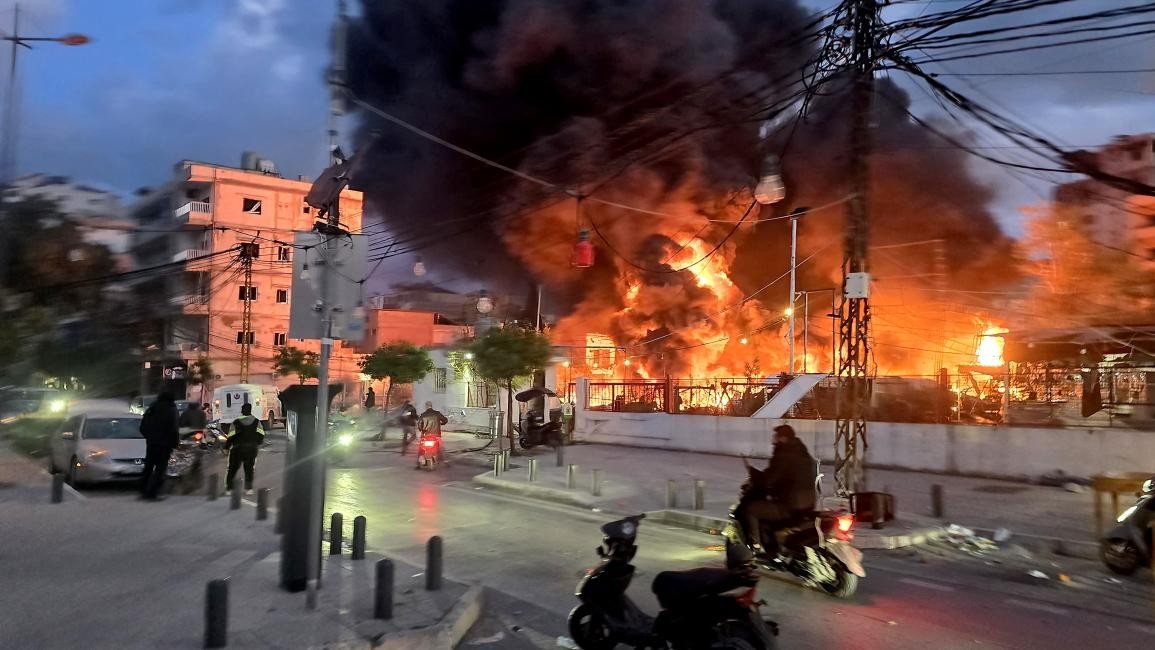
A power station in Tyre, Lebanon, was bombed. Photo credit: Alaraby.co.uk
Lebanese citizens are facing displacement and bombardment while the economy has yet to recover. As missiles rain down, buildings collapse, and thousands face a new wave of displacement from their homes, markets are grappling with profound fragility and a complex web of crises, including a persistent monetary crisis, soaring inflation, rising unemployment, and weak investment. With the war spreading within Lebanon and Beirut's southern suburbs, and with rising global energy and commodity prices, Lebanon faces additional challenges that impact prices and purchasing power. These developments come at a time when the economy has yet to achieve a genuine recovery or reach stability, despite the change in government. Poverty rates remain high, and citizens' purchasing power is weak, while large sectors of the economy rely on external factors such as remittances from expatriates and seasonal tourism. Furthermore, the internal displacement the country has experienced has led to changes in market dynamics and increased demand for goods, as well as putting pressure on supply chains. The high prices were already present before the war, and the war has led to further price increases and a rise in demand for fuel and food. However, we may witness a contraction in the markets in the coming period, as the market will be affected by the war, and prices are also rising due to Lebanon's reliance on imports for approximately 80% of its goods. The high prices were already present before the war, and the war has led to further price increases and a rise in demand for fuel and food. However, Lebanon may witness a contraction in the markets in the coming period, as the market will be affected by the war, and prices are also rising due to Lebanon's reliance on imports for approximately 80% of its goods. To make matters worse, the war in the Gulf is also having repercussions for Lebanon, especially since the local economy is largely dependent on Lebanese expatriates in the Gulf countries. With diminished foreign currency entering the country the risk of a liquidity crisis will increase.
Palestine

Palestinian workers killed on their way to work. Photo Credit: alaraby.co.uk
As the regional conflict in the Middle East has widened in recent weeks, uncertainty has increased, investor confidence has declined, and trade, shipping, and energy supplies have been disrupted. While these developments have begun to affect economic activity in the region as a whole, they have also cast a shadow over a besieged economy that has suffered for decades from deep structural imbalances that have narrowed the prospects for economic development in Palestine. In light of this reality, economic growth is no longer viable and therefore cannot be discussed. Rather, the main challenge has become resilience and maintaining a minimum level of economic stability and preventing further deterioration. On the public finance front, the Palestinian Authority is facing a severe financial crisis. Domestic revenues have declined sharply, while clearance revenues, which constituted about two-thirds of public revenues, have stopped entirely since May 2025. As a result, the fiscal deficit widened to high levels, forcing the government to delay the payment of public employees' salaries and postpone fulfilling its obligations to the private sector, thus accumulating more arrears as a means of covering basic operating expenses. In light of this difficult situation, the Palestinian government’s priority has become maintaining the functioning of public institutions, accelerating the pace of necessary reforms that support financial stability, and ensuring the continuity of basic services provided to citizens. The effects of the crisis are directly reflected in the lives of citizens through the fluctuations in the labor market. Unemployment rates have risen to record levels, especially in the Gaza Strip where they have exceeded 80%, while reaching nearly 30% in the West Bank. As a result, the ongoing war will only make things worse as statistical data has yet to be compiled of the actual damage it has incurred on the Palestinian economy. What’s more the occupiers have only increased their oppression of the Palestinian people. For instance, reports have emerged of killing Palestinians when they are going to work at crossings thus making harder for them to make ends meet.
Syria
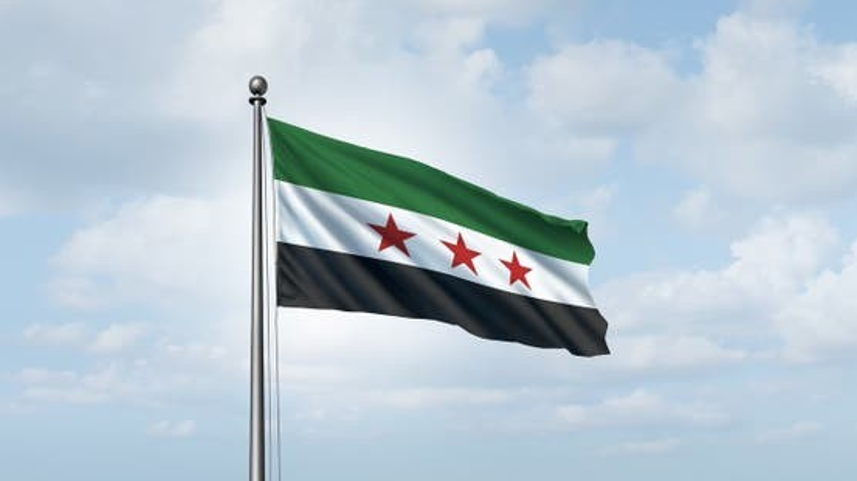
Syria announces new measures to support women economically. Photo Credit: alarabiya.net
Despite what is happening in the region, economic outlook within Syria, to the very least, seems to be positive and hopeful. According to the Syrian news agency SANA, Syrian President Ahmed al-Sharaa, while speaking at the People's Palace in Damascus claimed that Syria’s budget for 2026 is $10.5 billion, nearly five times the 2024 budget, with expectations that the gross domestic product during the current year will reach between $50 and $60 billion, bringing it back to the level it was at in 2010. He based his prediction on the fact that government spending in Syria reached $2 billion in 2024, then rose to $3.5 billion in 2025, coinciding with GDP growth of about 30% to 35% to reach about $32 billion. This indicates that the country recorded a budget surplus for the first time which is major achievement since the downfall of the previous regime. He said that the government has approved spending priorities, foremost among them to address the issue of displacement camps and enabling residents to return to their villages and towns that were destroyed during the war. The state has developed a plan to rehabilitate the infrastructure in the destroyed villages and towns, especially in the rural areas of Idlib, Aleppo, northern Hama and northern Latakia, in addition to some areas of Eastern Ghouta, Daraa and Deir ez-Zor. The president also explained that the government will allocate a fund to support infrastructure with no less than $3 billion of government spending, “and it will not be aid or loans” which he stated in his own words. The government will also allocate a separate amount to the eastern regions, Deir ez-Zor, Hasakah and Raqqa, with a focus on basic services such as hospitals, schools and roads, in addition to improving infrastructure and services in the rest of the cities. He pointed out that the areas that were recently recaptured have many resources which have much added value to Syrian economy in the fields of energy, food and water, adding that 40% of this year's budget will be allocated to services, including health and education.
Another massive indicator that the Syrian economy is moving in the right direction is the very fact the new government is trying to increase the participation of women in the economy. The Women's Business Committee of the Damascus Chamber of Commerce announced initiatives to support women economically with the aim of empowering them, enhancing their participation in the labor market, and removing social restrictions that limit their role. The head committee stressed the need to change stereotypical ideas about women's work, emphasizing that they are an essential partner in the economy, which requires raising societal awareness. It also claimed that the most prominent challenges in empowering women economically lie in the lack of confidence and fear of seeking support, which calls for providing a supportive environment that includes financing in cooperation with banks, mentoring programs and exchange of experiences to help women develop their projects. As part of enhancing women’s economic role, the committee is working on implementing a set of integrated strategies, most notably focusing on capacity building through training in entrepreneurship, management and digital marketing, while facilitating financing through soft loans and supporting women’s projects. The committee will also work to promote networking through platforms that connect businesswomen with investors, supported by digital transformation for product marketing and connecting companies with job seekers, guidance to connect beginners with experts, community awareness to enhance women’s economic role, and support for innovation through incubators for emerging women’s projects.
Cyprus
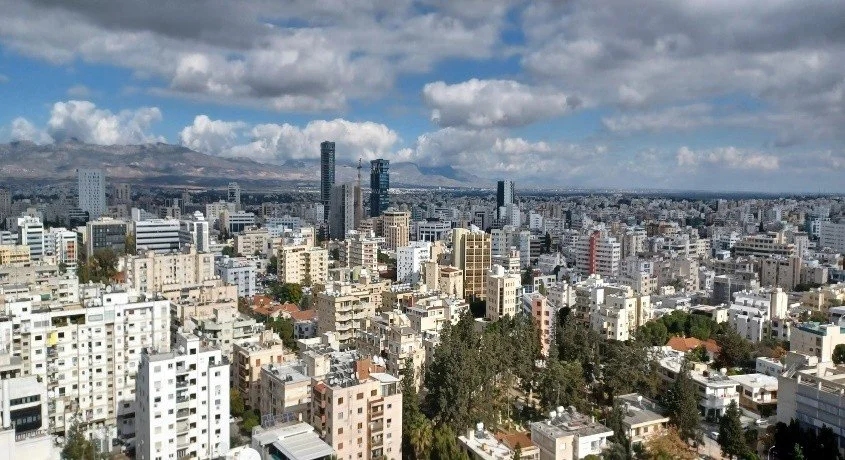
Council calls for targeted support rather than blanket measures. Photo credit: https://cyprus-mail.com/
In preparation for an eventual fallout from the war going on in the region, the Cyprus Fiscal Council warned of significant pressure on the Cypriot economy. Therefore, it recommended that the government begin immediate preparations to address potential and current consequences that pose significant risks across all aspects and industries of the economy. Despite the potential severity of the situation, the council called on the government to avoid blanket support measures, instead recommending targeted interventions. For instance, it should focus on low-income households and small and medium-sized enterprises, in order to protect employment and sustain economic growth. Also support must target the resilience of each sector depending on liquidity levels, past profitability, and banking sector exposure. Already, inflation has made its way into the Cypriot economy and has impacted prices at an unexpected level. For instance, even the price of meat has increased by 28% where as other agricultural products have increased between 11% and 14%. Therefore, intervention is necessary to protect the average consumer from the pitfalls the war is causing. A silver lining to all this is the affirmation by Standard & Poor’s of the Republic of Cyprus’ A rating grade despite everything that is happening. It is the economy’s prudent economic policy has allowed it to be so successful and will allow it to withstand the developing events. Cyprus has already demonstrated resilience during the COVID-19 pandemic and the initial phase of the Russian-Ukrainian war. The key is Cyprus’s strong “Fiscal discipline” which, even now, is allowing it to guarantee a 3% GDP over the coming years. Even now domestic demand is expected to increase while being supported by a strong labor market, rising incomes, and significant public and private investment.
4. The Humanitarian Situation
Egypt
UNHCR, the UN Refugee Agency, has signed a General Cooperation Agreement with AXON Plus to enhance access to affordable health care for refugees registered with UNHCR in Egypt.[1]
Jordan
The UNHCR states that there are currently 404,047 registered refugees in Jordan up until the beginning of March.
The proportion of Syrian displaced people registered within the UNHCR, are distributed as follows:
-128,624 in Amman Governorate (31.8%)
-101,976 in Mafraq Governorate (25.2%)
-71,755 in Irbid Governorate (17.8%)
-58,976 in Zarqa Governorate (14.6%)
-11,068 in Balqa Governorate (2.7%)
-8,462 in Madaba Governorate (2.1%)
-4,769 in Jarash Governorate (1.2%)
-5,272 in Karak Governorate (1.3%)
-6,167 in Maan Governorate (1.5%)
-3,039 in Ajlun Governorate (0.8%)
-2,866 in Aqaba Governorate (0.7%)
-913 in Tafilah Governorate (0.2%)
-160 in other (0.1%)
According to UNFPA (United Nations Population Fund) located in Jordan, an estimated 415,000 refugees, asylum seekers, and stateless persons will require humanitarian assistance this year, of whom nearly 108,000 are women of reproductive age (15–49), with an estimated 12,000 women expected to become pregnant in the next 12 months.[2]
Iraq
The UNHCR states that there are currently 351,571 registered refugees. 91,969 live in camps.
The proportion of refugee people (non-camp) registered within the UNHCR up until the beginning of February, are distributed as follows:
-151,195 in Erbil (43.0%)
-92,226 in Dahuk (26.2%)
-39,997 in Sulaymaniyah (11.4%)
-2,800 in Ninewa (0.8%)
-44,806 in Baghdad (12.7%)
-20,743 in other areas (5.9%)[3]
The World Health Organization has allocated US$500,000 from its Emergency Contingency Fund to support the health response in Iraq amid the current regional escalation and growing humanitarian health needs.[4]
Lebanon
[UNHCR Lebanon did not update distribution data for the month of March]
Since the beginning of January the number of registered Syrian refugees in Lebanon is 532,357.
Refugees in Lebanon are distributed as follows:
-189,605 in Bekaa (35.6%)
-165,737 in North Lebanon (31.1%)
-119,773 in Beirut (22.5%)
-57,242 in South Lebanon (10.8%)[5]
On the first day of the war Secretary General Guterres launched the Lebanon Flash Appeal alongside Prime Minster Salam. The Appeal calls for USD $308.3 million to provide lifesaving assistance and protection to one million affected people for three months.
UNICEF expand its operation to reach 130 shelters in Lebanon, to ensure children and families receive the protection and life-saving support they need.
Caritas Lebanon declared a state of emergency and activated its Emergency Response Unit. The organization is coordinating with national authorities, mobilizing volunteers, and expanding operations.
In its first emergency distribution since the escalation of conflict on March 2nd, CARE staff dispense 450 bottles of water to internally displaced people in Beirut.
Relief International, deployed emergency mobile medical units to shelters in Beirut, Bekaa, West Bekaa, and Baalbek.
Doctors Without Borders/Médecins Sans Frontières (MSF) medical teams in Lebanon are scaling up activities to respond to the growing humanitarian needs.
WFP and Government of Lebanon launched cash assistance to conflict-affected people amid spiraling needs and mass displacement.
World Vision New Zealand is calling for urgent international action as renewed conflict in Lebanon has forced more than 94,000 people, including thousands of children, from their homes.
The EU has mobilised emergency humanitarian aid consisting of food and medical kits, shelter materials, recreation kits and winter clothing kits, to meet the urgent, rising humanitarian needs in Lebanon.
The WFP will deliver 404 metric tons of food assistance to more than 90,000 people. The operation is funded by a flexible EU-WFP funding modality that allows for faster mobilisation of pre-positioned food stocks and rapid provision of cooked meals in the Middle East.
UNIFIL peacekeepers helped about 80 civilians move out of UNIFIL’s area of operations in accordance with its protection of civilians mandate and in coordination with the Lebanese Armed Forces.
Qatar dispatched urgent humanitarian aid to more than 40,500 displaced families affected by the escalation. This will be achieved through the distribution of more than 12,000 food baskets, along with a range of essential non-food items such as blankets, mattresses, hygiene supplies, diapers, and essential household items. In addition, hygiene kits containing essential personal and household sanitation supplies will be distributed, helping to maintain public health and reduce health risks in overcrowded shelters.
Canada announced more than $37.7 million in funding to provide critical assistance in Lebanon, including food, medical and health services, shelter and clean water.
The International Organization for Migration (IOM) launched a $19 million appeal to bolster its emergency response in Lebanon, where the number of people forced to flee has risen to nearly one million following a sharp escalation of hostilities since March 2.
The ICRC has provided medications and medical supplies (weapon-wounded kits), to ensure the continuity of essential medical care. In addition, the hospital received 15,000 liters of fuel, two new generators, plumbing spare parts, oxygen cylinders and drinking water filters.
At the Tebnine Government Hospital, the ICRC provided medicines and medical supplies (kits for treating gunshot wounds) to ensure the continuity of essential medical care. In addition, the hospital received 15,000 liters of fuel, two new generators, plumbing spare parts, oxygen cylinders, and drinking water filters.
Qatar Charity (QC) has launched a multi-sector emergency response valued at USD 2.35 million, combining direct implementation with partner-led interventions to ensure timely and coordinated assistance. The response includes a contribution of USD 300,000 from the Qatar Fund for Development (QFFD), with the remaining funding provided by Qatar Charity.
UK based humanitarian charity Human Appeal has launched an emergency appeal to combat food security by providing urgently needed food parcels and hot meals. The project will initially distribute 8,585 hot meals and 601 Ready-to-Eat (RTE) food parcels to displaced civilians residing in school-based collective shelters in Saida, helping 930 families who have been displaced.
Australia declared that it will provide an additional $5 million for lifesaving assistance to civilians impacted by the ongoing conflict in Lebanon, with a focus on the most vulnerable, particularly women and children.
UNICEF has delivered 32.5 metric tons of emergency medical supplies to strengthen hospitals and frontline health services. [6]
Syria
116,900 IDPs remain internally displaced across 165 communities in Aleppo and Al-Hasakeh governorates. Critical infrastructure failures continue to impede basic services, with frequent electricity outages affecting water stations, hospitals and referral pathways.[7]
As part of Qatar’s constant support for the struggling Syrian health system, Qatar Red Crescent Society (QRCS) has concluded a successful medical convoy in Damascus, Syria. Overall, 74 cardiac catheterizations were performed (33 for adults and 41 for children) and 28 medical consultations were given.[8]
The World Bank Board of Executive Directors approved on March 5 a US$20 million grant financing to Syria from the International Development Association (IDA) to strengthen efficiency, transparency and accountability in the use of public funds.[9]
The EU declared that it will deploy €210 million in EU humanitarian funding to sustain life-saving emergency response and protection across the entire country. The funds will be used for the sake of 3.2 million returnees who face destroyed infrastructure and a lack of livelihood opportunities. Funding covers food assistance, healthcare, shelter, clean water and education for children out of school.[10]
Cyprus
UN in Cyprus released a report in March claiming that, some 24,000 persons have been granted international protection from 2002 until the end of 2025 in Cyprus, of whom approximately 5,100 have been granted refugee status, and 18,900 are subsidiary protection beneficiaries.[11]
[1] OCHA, March 4, 2026, https://www.unhcr.org/eg/news/press-releases/unhcr-axon-partner-expand-access-affordable-health-care-refugees-egypt
[2]OCHA, Mar 13, 2026, https://reliefweb.int/report/jordan/unfpa-humanitarian-appeal-refugee-response-jordan-2026
[3] https://data2.unhcr.org/en/situations/syria/location/5
[4] WHO, March 19, 2026,reliefweb.int/report/iraq/who-allocates-us500000-support-emergency-health-response-iraq-enar
[5] UNHCR, Oct 28, 2024, https://data2.unhcr.org/en/situations/syria/location/71
[6] Reliefweb.net
[7] OCHA, Mar 8, 2026, https://reliefweb.int/report/syrian-arab-republic/syria-humanitarian-response-aleppo-and-north-east-humanitarian-situation-report-no-4-4-march-2026-enar
[8]OCHA, Mar 9, 2026, https://reliefweb.int/report/syrian-arab-republic/qrcs-medical-mission-damascus-successful-enar
[9] OCHA, March 12, 2026, https://reliefweb.int/report/syrian-arab-republic/new-20-million-grant-enhance-public-financial-management-syrias-recovery-and-development-enar
[10] OCHA, March 16, 2026, https://reliefweb.int/report/syrian-arab-republic/eu-announces-eu458-million-humanitarian-aid-war-torn-middle-east
[11] OCHA, Mar 24, 2026, https://reliefweb.int/report/cyprus/cyprus-reception-factsheet-january-2026