
MECC
The August 4 Beirut Blast
Latest updates and humanitarian response
Reporting Period: From 5 to 26 August 2020
The Devastated Beirut Port: One of the Nation’s Economic Pillars
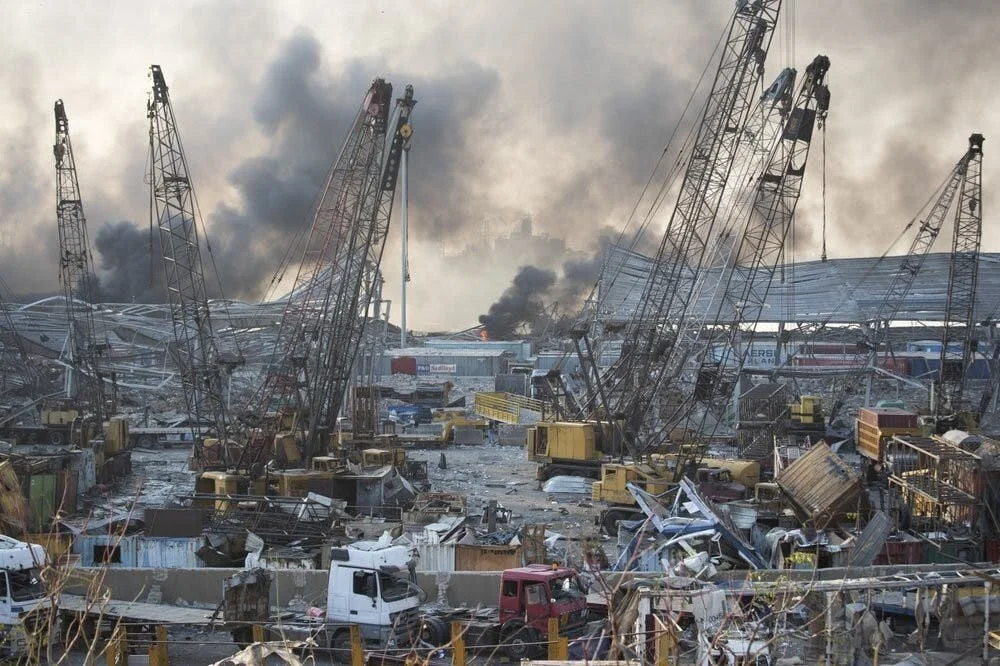
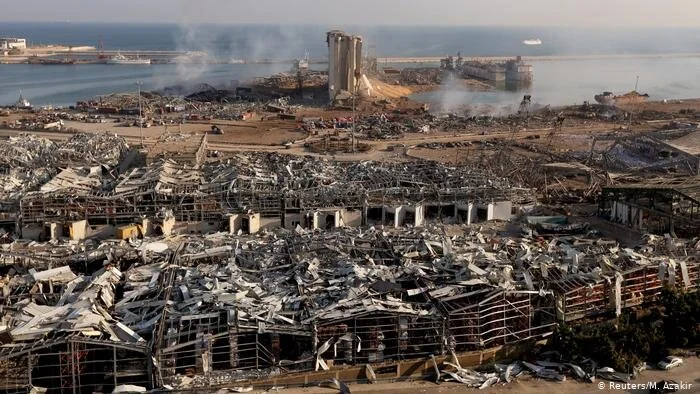
On the 4th of August 2020, a catastrophic and cataclysmic chemical blast at the Port of Beirut made the whole world sit still, as apocalyptic images surfaced all over international and local media outlets. More than 171 people lost their lives, some were obliterated and others were buried under the heaps of concrete and debris. 6000 people were injured and thousands of buildings were damaged or laid to waste. In addition, to the crumbling economy and the worsening COVID-19 situation, things took to the worse, as around 300,000 Lebanese and foreigners residing in Beirut, lost their homes, livelihoods, and of course, their mental health.
The Wounded Churches of Beirut
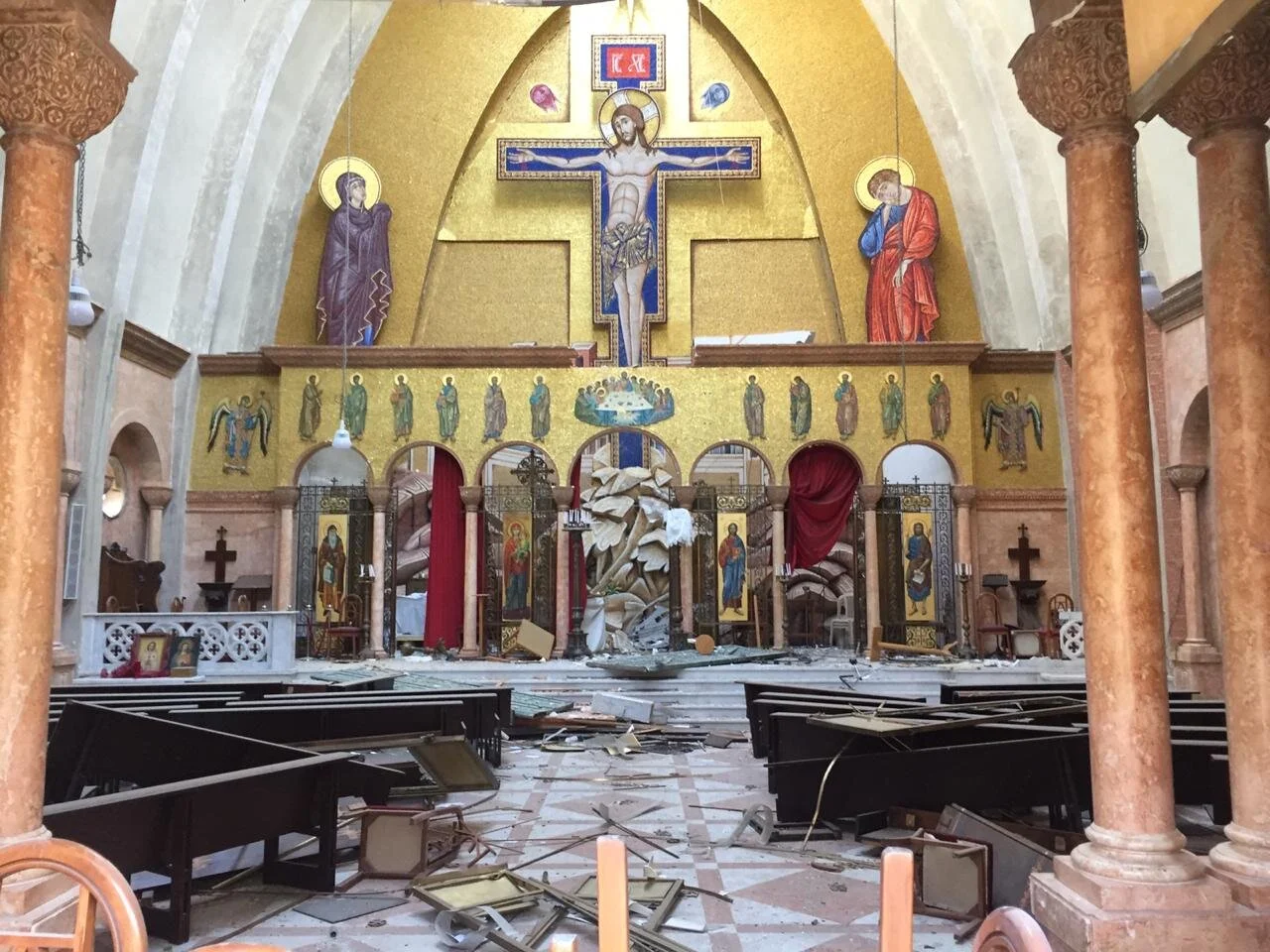
Amid the political, economic and health crises facing Lebanon, Beirut was devastated by a terrible explosion that hit the port of Beirut, turning the capital into an afflicted city in a split second, exactly at 6:07 pm on Tuesday August 4, 2020. It is a disaster that affected a huge number of innocent civilians and left thousands injured, hundreds dead, and dozens of people missing. The explosion also resulted in massive damage and heavy losses to public and private property, including buildings, cars, institutions and vital facilities. Moreover, churches and their affiliated institutions were unfortunately deeply affected by the massive destruction.
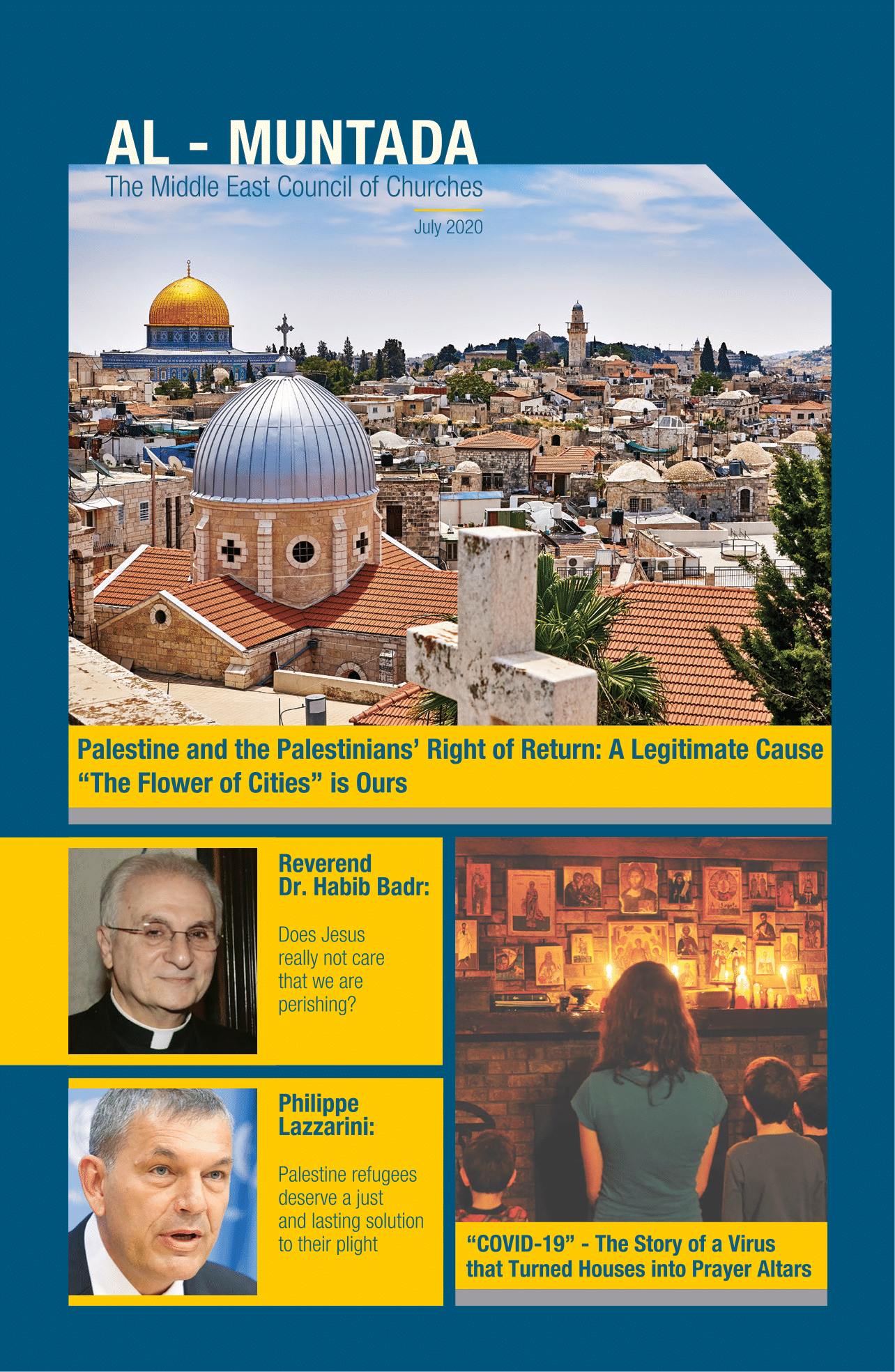
The New “Al Muntada” Magazine Issue, Published by the Middle East Council of Churches
The Communication and Public Relations Department of the Middle East Council of Churches (MECC) published a new issue of its periodic magazine, “Al-Muntada”, in July 2020, in Arabic and English. The issue focuses on two main topics: Jerusalem and the Palestinian refugees’ right of return, and the Middle East region’s approach in facing the Coronavirus pandemic.
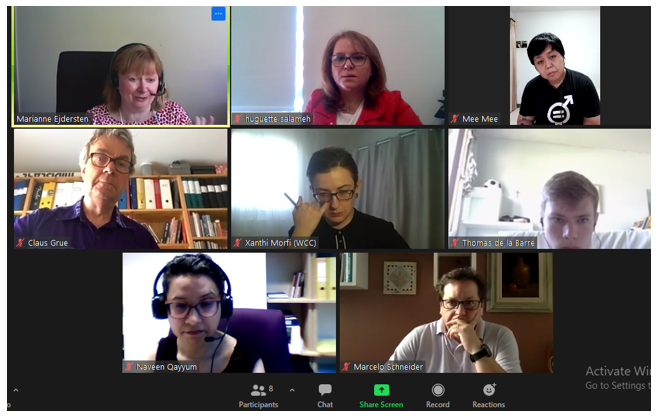
Online Meetings Gathering the Communication Directors of REOs Continue
Online meetings gathering the communication directors of regional ecumenical organizations (REOs) are ongoing at the invitation of the Communication Department of the World Council of Churches (WCC), noting that the Communication and Public Relations Department of the Middle East Council of Churches (MECC) is taking part in those meetings. In the last virtual meeting, the participants discussed the situation imposed by the Coronavirus pandemic and its repercussions on each continent they represent, in addition to common issues and concerns.
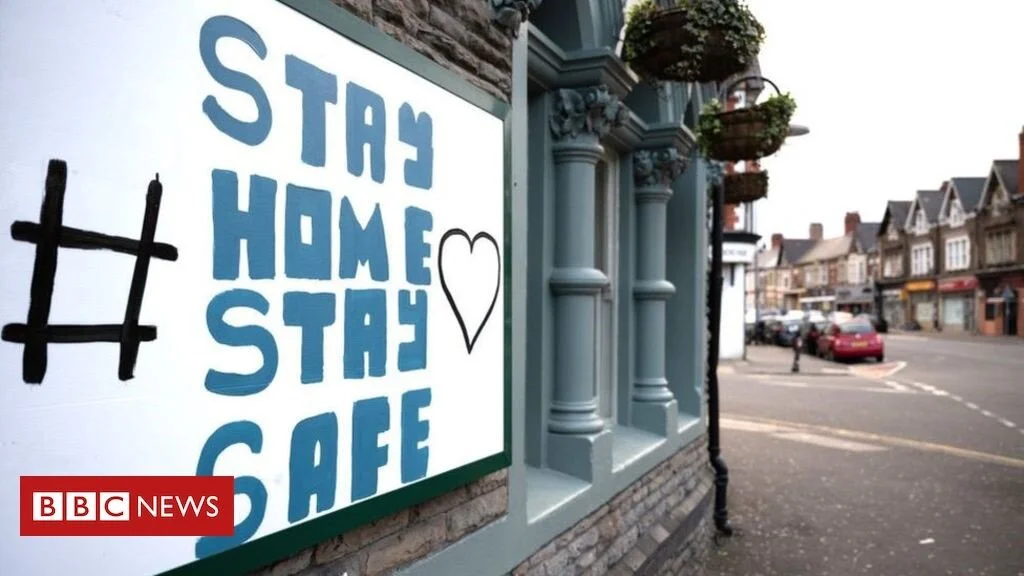
Covid-19, An End to the Lockdown Draws Near?
There is no doubt, that the infectivity rate of the covid-19 pandemic has receded over the past few days, ushering glimmers of hope to a world that awaits any subtle sign which could give it relief. Nations had implemented lockdowns, have shut their land and sea borders, and closed their airports in an attempt to quell the spread; which they have succeeded in doing so. Despite this good news and despite all collective efforts, the World Food Program has warned that the global pandemic is in a stage where it can cause global famines of 'biblical proportions,' if not addressed while the WHO (World Health Organization) claimed that the virus will stay with us ‘for a long time’.
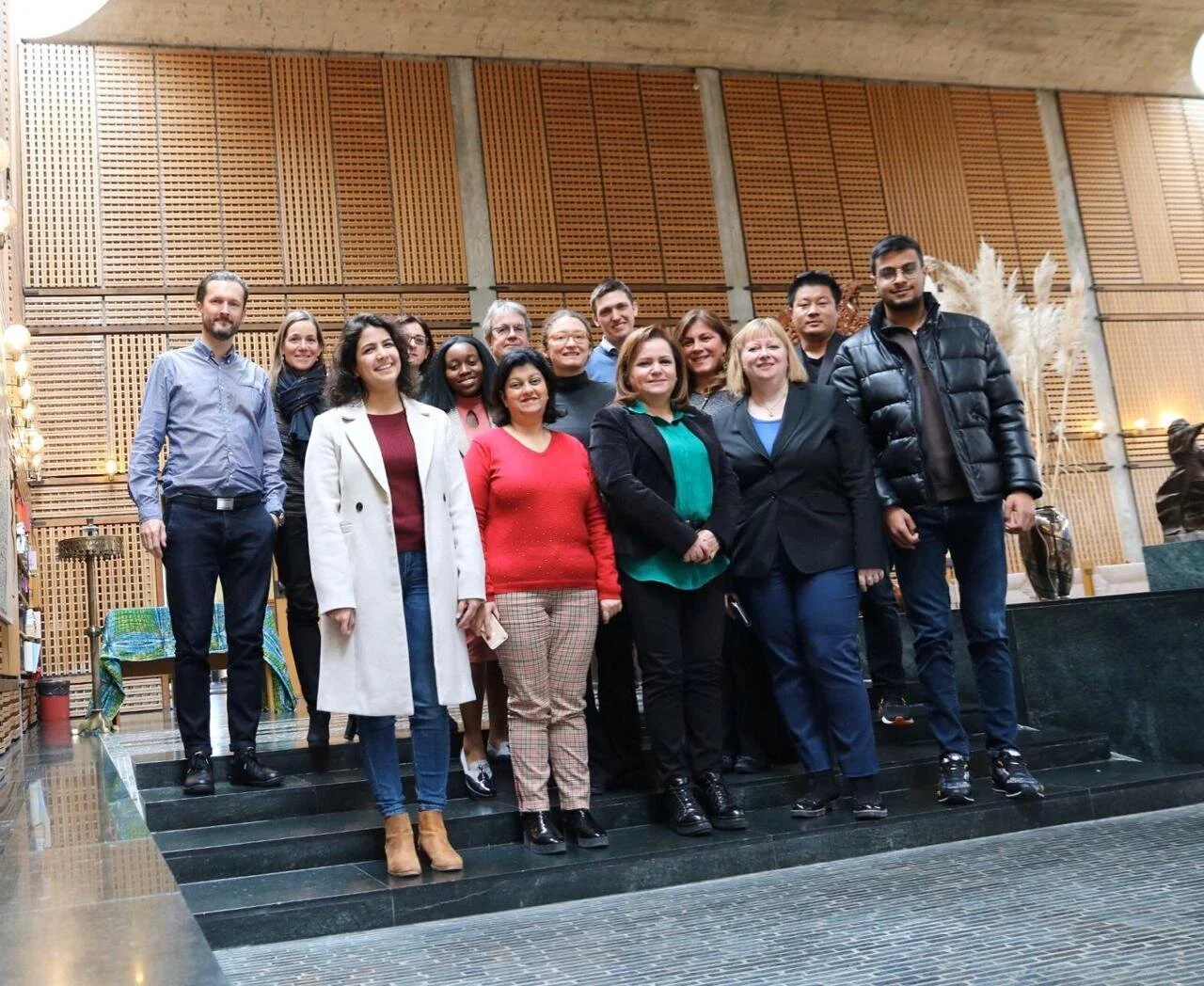
The MECC Communication and Public Relations Department on a learning journey to the World Council of Churches in Geneva
The MECC Communication and Public Relations Department on a learning journey to the World Council of Churches in Geneva
As an advanced step to strengthen the cooperation and deepen the coordination and communication between the Middle East Council of Churches (MECC) and the World Council of Churches (WCC) on many levels, MECC Communication and Public Relations Department and Archives team visited WCC Communications Department at the Ecumenical Center in Switzerland - Geneva.
MECC launched its newly redesigned website
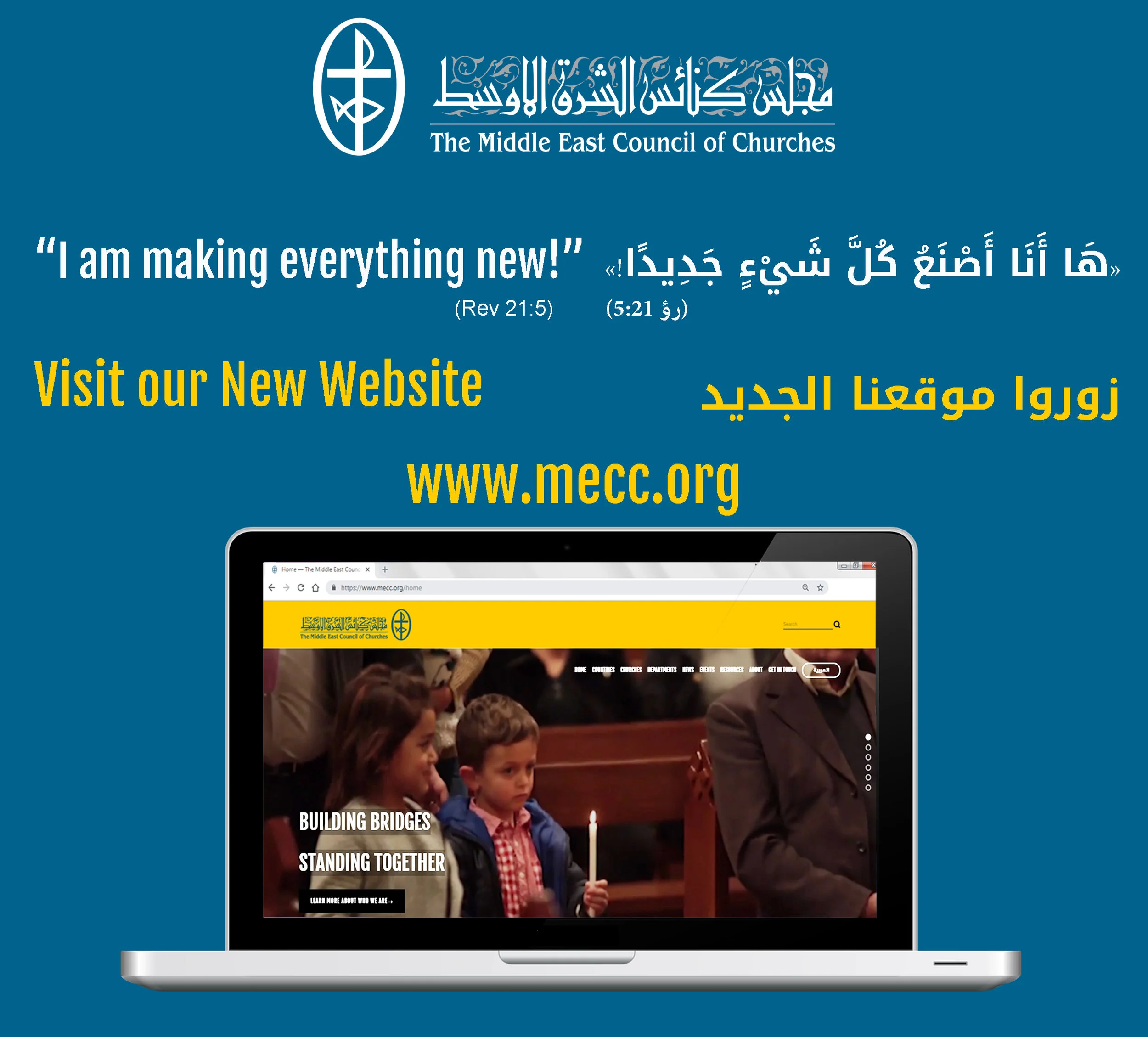
Under the slogan “I am making everything new,” the Middle East Council of churches launched on Tuesday, August 28, its website with a new look that reflects the ecumenical mission of the Council, which is based on unity in diversity and partnership in the service of human dignity and openness to the other.
AUB Conference on “The Crucial Role of Local Faith Actors Delivering the Global Compact on Refugees”
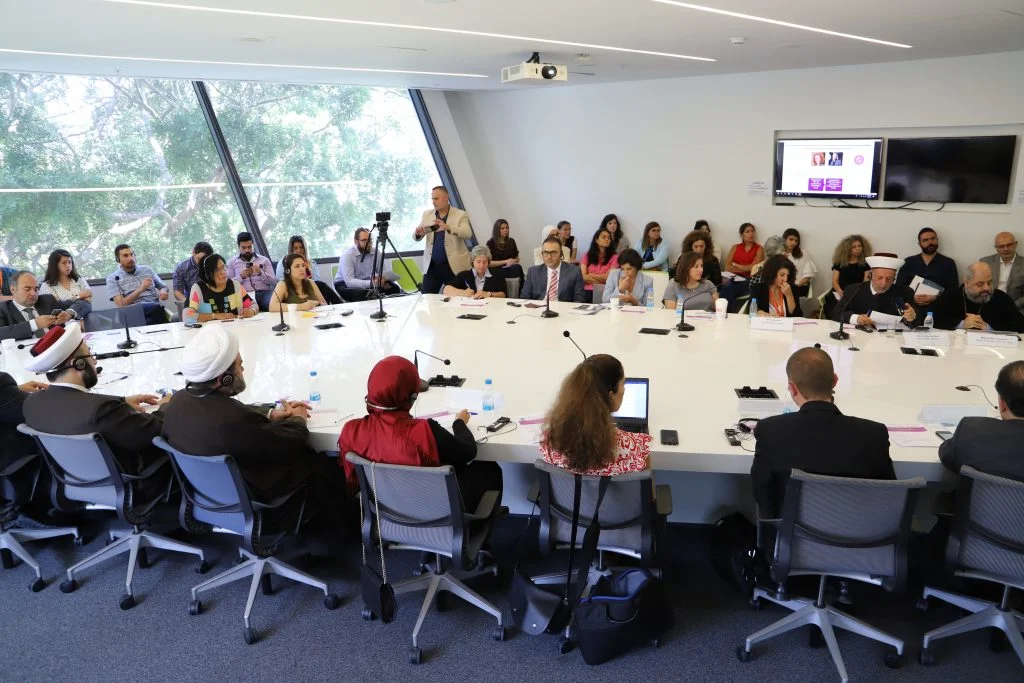
Ziad EL Sayegh from MECC: “Religious authorities should stir the leap towards a healthily diversity management, away from generating xenophobia”.
MECC participated in a conference on ” The Crucial Role of Local Faith Actors Delivering the Global Compact on Refugees”, held on Tuesday, the 18th of June, at the Issam Fares Institute, American University of Beirut.