MECC
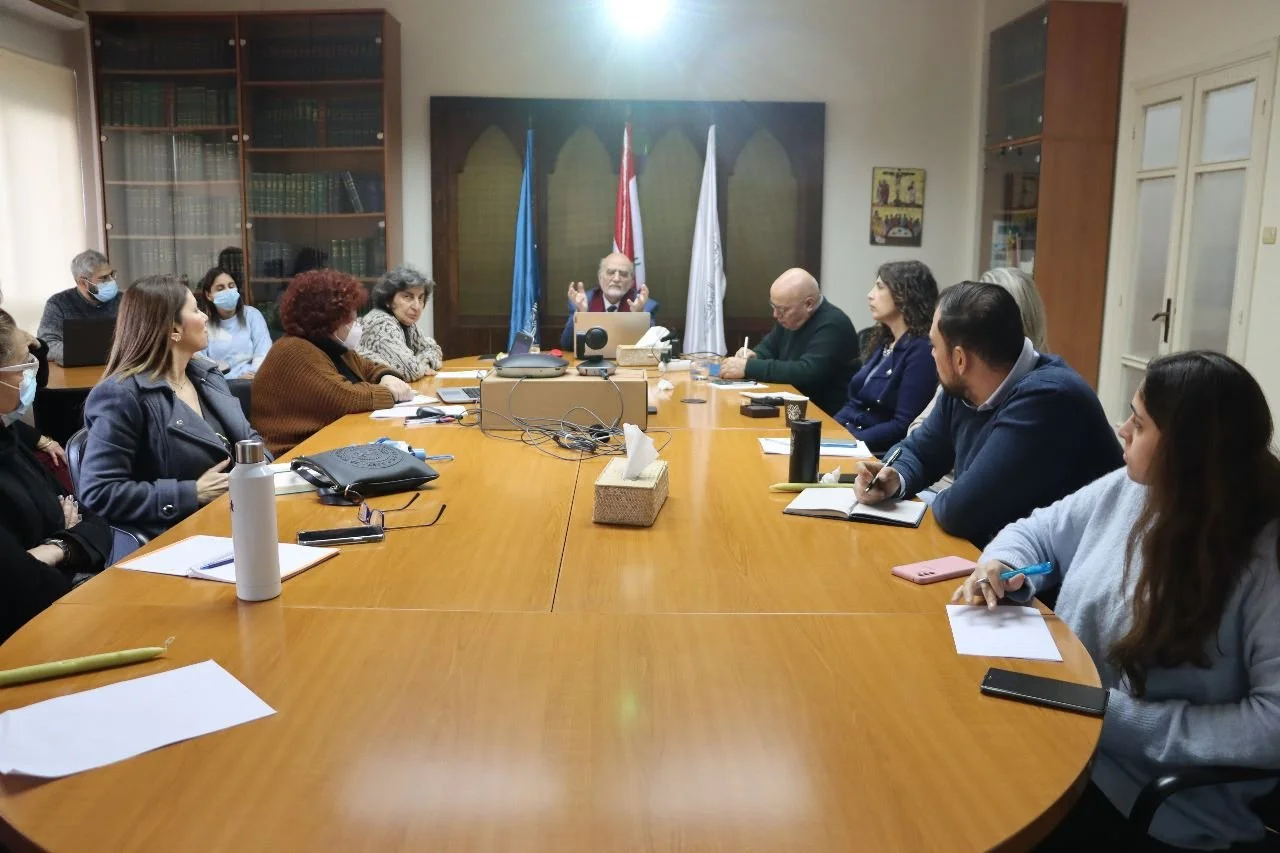
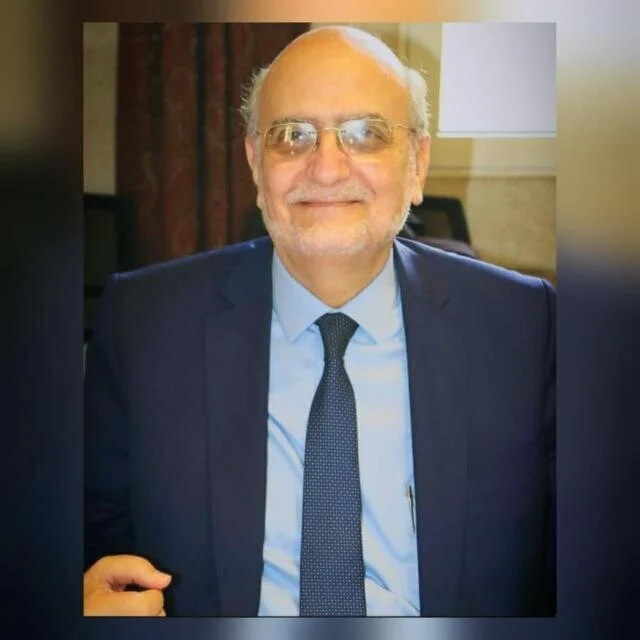
Developing the Skills of the MECC Team with the Secretary General Dr. Michel Abs
Skills development and capacity building are main objectives that the Middle East Council of Churches is seeking to achieve with its team work in Beirut and in the various countries of the region. This is in order to develop the potential of its members and enhance their professional, cultural, intellectual and spiritual performance.
Within this context, the MECC Secretary General Dr. Michel Abs launched a training program which includes many monthly sessions focusing on the basics of organizational behavior and its foundations, in addition to its importance, especially in the institutions’ management. Thus, Dr. Abs held the first training session on Thursday 2 February 2023, during which attendees were the team work who participated at the offices of the MECC General Secretariat in Beirut and online via Zoom.

Momentum, the Weekly Newsletter from the Middle East Council of Churches
In the new issue of the weekly newsletter Momentum issued by the Middle East Council of Churches, Communication and Public Relations Department, you can find the weekly message of the MECC Secretary General Dr. Michel Abs, entitled “Interfaith Harmony”, on the occasion of the International Week of Interfaith Harmony which extends from 1 to 7 February every year.
The issue also includes a news about the visit of the MECC Secretary General Dr. Michel Abs, heading an MECC delegation, to His Holiness Catholicos Aram I, Catholicos of the Armenian Church, Holy See of Cilicia, at the Catholicosate in Antelias, Lebanon.
Interfaith Harmony
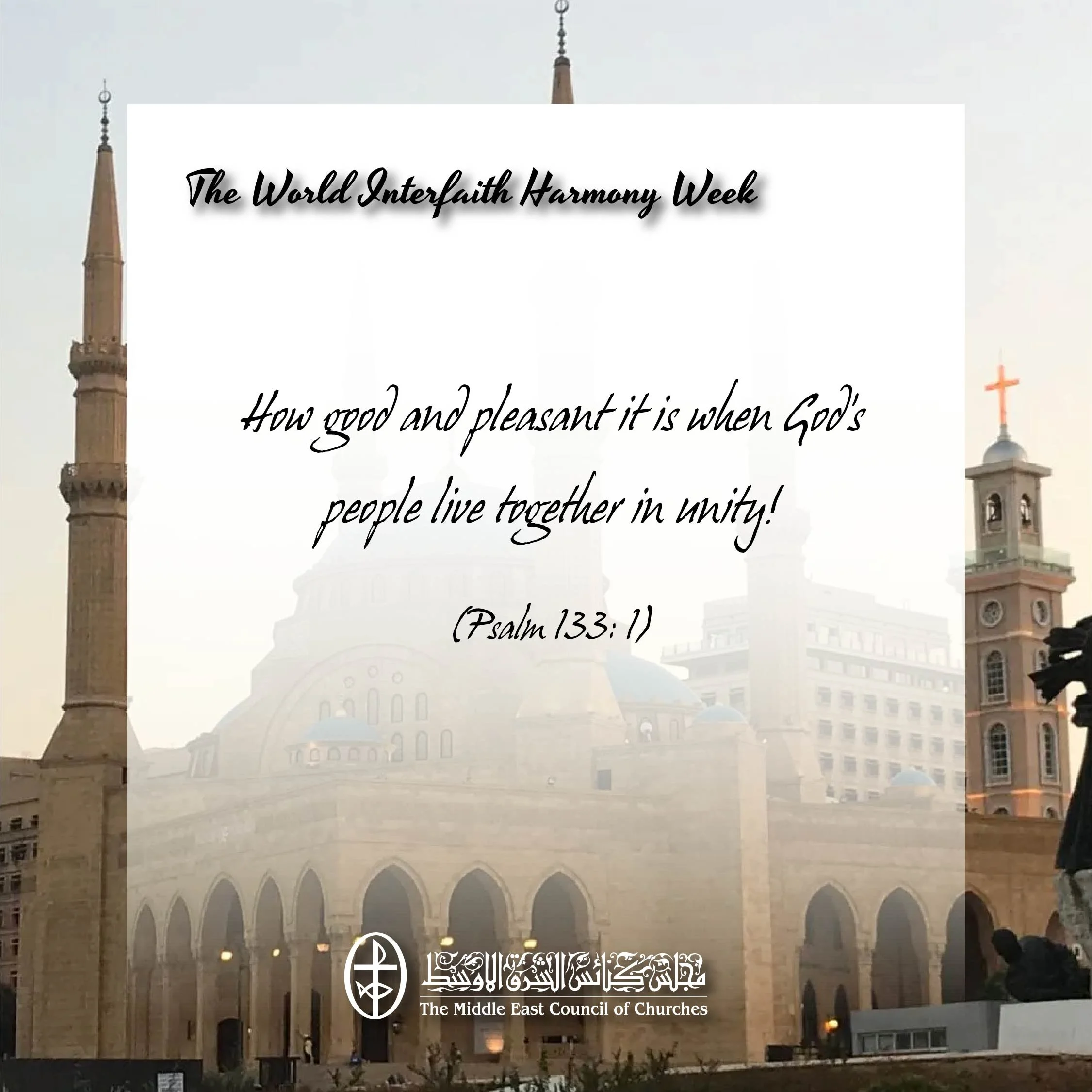
Today begins the International Week of Interfaith Harmony, which is credited for its initiation to His Majesty King Abdullah II, King of Jordan, at the United Nations in 2010, with the aim of promoting cultural peace and renunciation of violence.
The General Assembly of the United Nations adopted and approved this proposal and designated the first week of February as the International Week of Interfaith Harmony, blending in it the promotion of religious and ethnic conflicts as well as requesting that all governments and NGOs celebrate it in various ways by initiating activities as well as programs that would help achieve harmony in a world in which interreligious as well as interethnic conflicts abound.
The United Nations also considered that dialogue between people belonging to different religions that would lead to mutual acceptance and understanding, constitutes the cornerstone for a culture of peace at international level, as well as for harmony between adepts to different religions in the world.
Thus, this week's activities constitute attempts intended to promote harmony among people of all religious creeds and sectarian affiliations.
Amidst Global Change
Report: January 2023
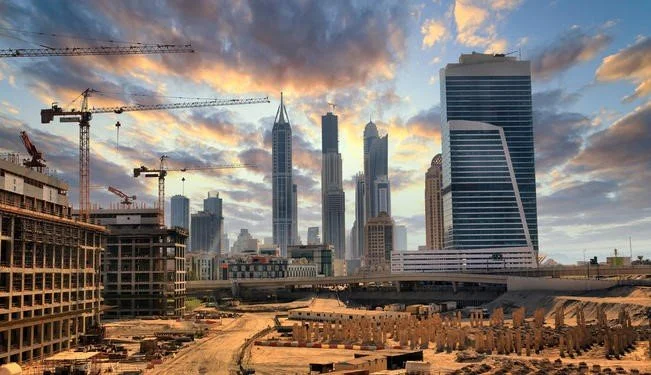
Despite the positive advancements some Middle East countries are witnessing, others such as Egypt, Lebanon, Syria, and Palestine are struggling amid economic difficulties. So far, global inflation has yet to let up and global recession might be soon upon us. As such, it will be difficult for most of these countries to maneuver past all the global changes. Hopefully, better off countries, especially those that benefited from the increase in oil prices, would offer assistance or forms of partnership that can boost the regional economy.
Religion and Power: Relations and Challenges
The MECC Secretary General Dr. Michel Abs Presents a Lecture at USJ in Beirut:
There should be a connection between science and religion in order to guarantee both protection, so people’s religion may face people's tyrant and hence serve other people
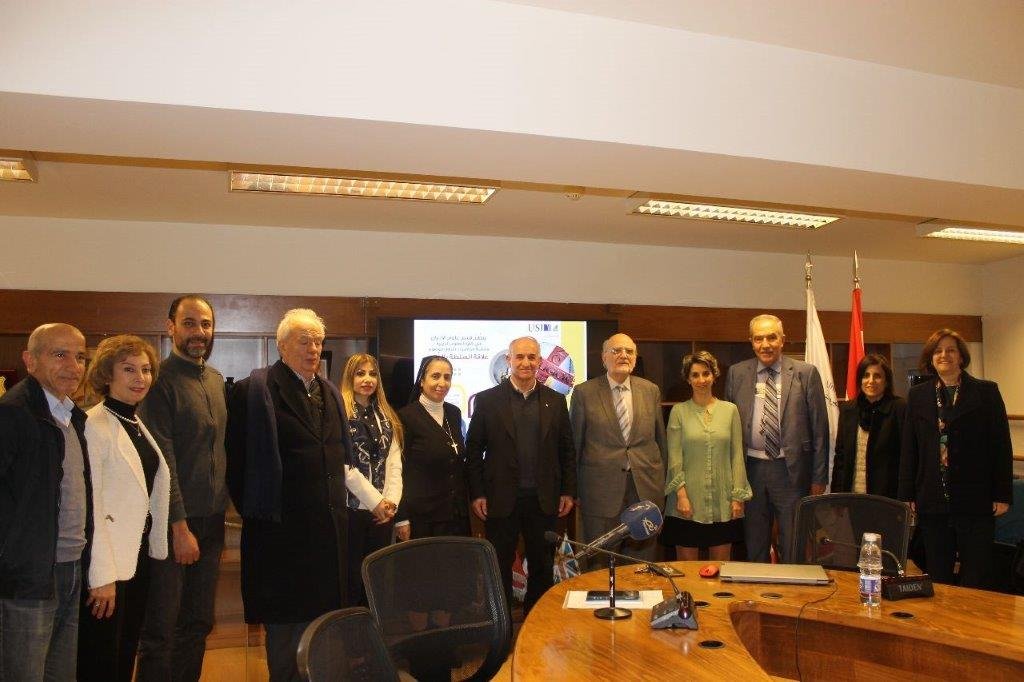
The Secretary General of the Middle East Council of Churches Dr. Michel Abs delivered a lecture entitled “Religion and Power: Relations and Challenges”, on Wednesday 25 January 2023, at the Humanities Campus at the Saint Joseph University (USJ) in Beirut. This lecture was part of a series of seminars organized by the Department of Religious Sciences at the Faculty of Religious Sciences at USJ, under the title of “The Relation Between Power and Religion”.
Attendees were the Rector of the Faculty of Religious Sciences at USJ Father Salah Abou Jaoudeh, the Director of the Higher Institute of Religious Studies at the University, Sister Yara Matta, the Director of the Department of Religious Sciences at the Faculty Dr. Marguerite Asmar Bou Aoun. As well as, participants were professors and students from the Saint Joseph University and the Lebanese University.
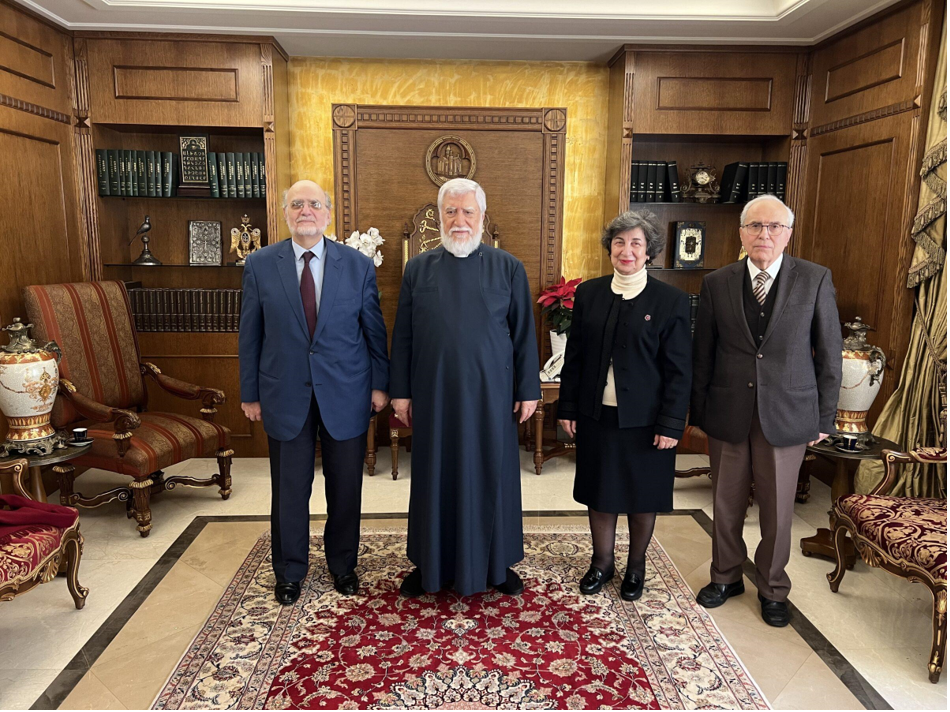
His Holiness Catholicos Aram I Receiving an MECC Delegation: To Strengthen the MECC’s Role and Continue Developing Its Relationships With Non-Christians
The Secretary General of the Middle East Council of Churches Dr. Michel Abs visited His Holiness Catholicos Aram I, Catholicos of the Armenian Church, Holy See of Cilicia, at the Catholicosate in Antelias, Lebanon. Dr. Abs was accompanied by an MECC delegation which included the MECC Associate Secretary general Mrs. Seta Hadeshian, and member of the MECC’s Executive Committee Dr. Jean Salmanian.
The meeting aimed to discuss with His Holiness some issues related to MECC.

Momentum, the Weekly Newsletter from the Middle East Council of Churches
In the new issue of the weekly newsletter Momentum issued by the Communication and Public Relations Department of the Middle East Council of Churches, you can find details about the round table organized by MECC, as part of its monthly seminars, under the title “The Prisoner and Human Dignity”, on Thursday 26 January 2023, at the MECC Headquarters in Beirut. As for the weekly message of the MECC Secretary General Dr. Abs, it is entitled “Between punishment and Reform... Dignity”, and it was the speech which he delivered at the beginning of the round table.
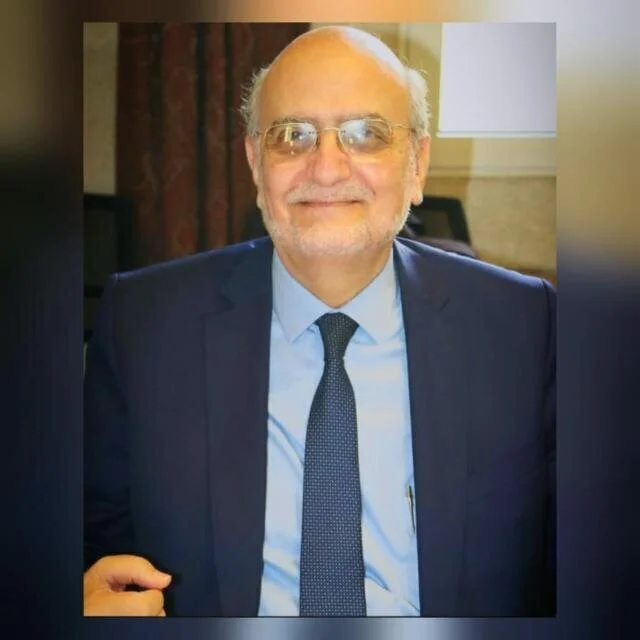
Between punishment and Reform... Dignity
For every crime, there is a punishment!
This is how we have been taught, and this is how laws are enacted and implemented, and this is how justice systems operate in the world.
People understand punishment as a punishment of a criminal act, a retaliation of each criminal according to his crime, and those affected by the crime declare that they have been psychologically relieved after the verdict or implementation of the punishment.
Moreover, in some cases, the affected people find that the verdict is not commensurate with the crime, and thus they express the depth of the damage or pain they have suffered, adding to that their disappointment with the judicial decision.
On the other hand, the perpetrator or his family find that the punishment was severe and harsh, and they give the perpetrator mitigating reasons to justify his criminal actions.
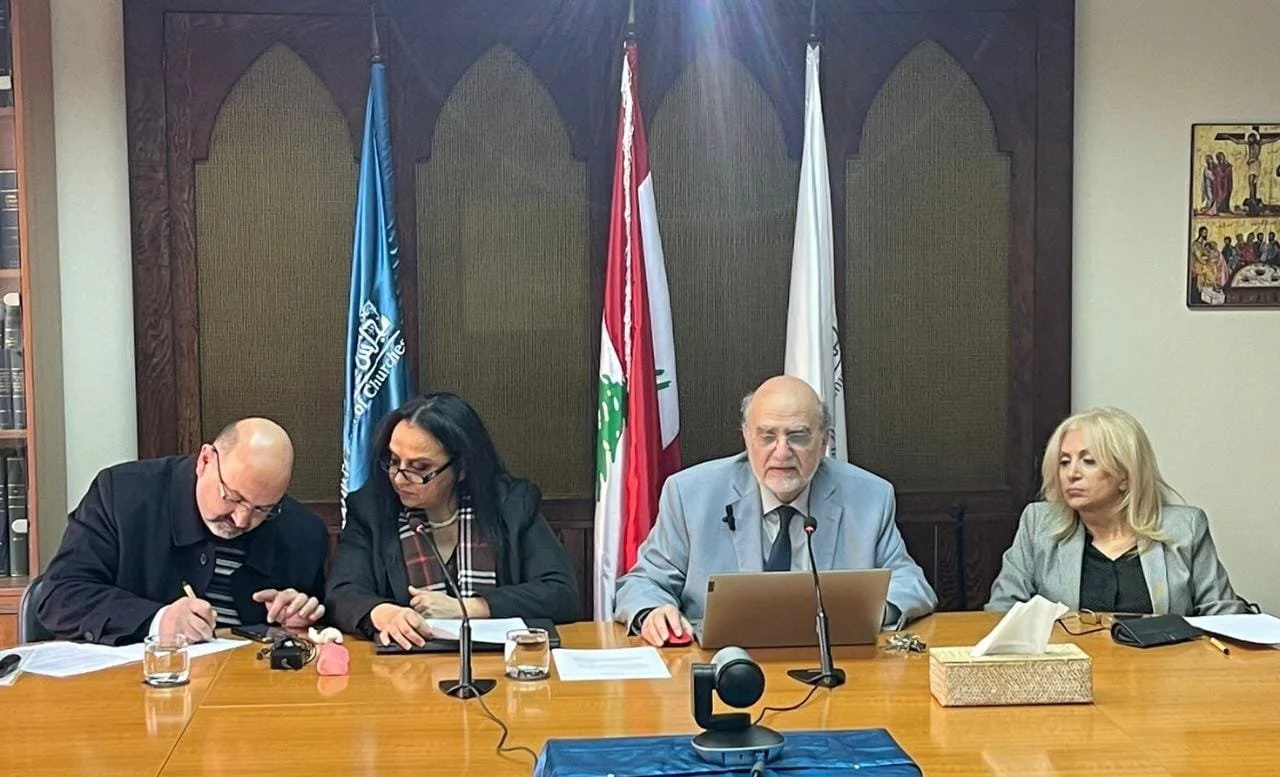
The Prisoner and Human Dignity
A Round Table Organized by MECC
Secretary General Dr. Michel Abs: If prison is not a place where the perpetrator regains his self-confidence and lost dignity because of what he had committed, then what a miserable place it is!
Amidst the exacerbated economic, social and political crises... in the region and the world, the human dignity is at risk, especially among the most vulnerable people. In light of the painful circumstances, the prisoner’s issue in the countries of the region seems to be forgotten or as if it is a side issue due to other humanitarian problems that may be considered as priorities for governments. But what are the prisoner's challenges today? How can we describe their psychological situation? What are the views of the law, society and religion towards the prisoner's issue?
Answers were highlighted during a round table held by the Middle East Council of Churches under the title "The Prisoner and Human Dignity", on Thursday 26 January 2023, as part of its series of monthly seminars. Participants were guests and experts who attended at the headquarters of the MECC’s General Secretariat in Beirut, or online via Zoom.
The seminar was broadcasted live on the MECC Facebook page and started with a speech delivered by the MECC Secretary General Dr. Michel Abs.