MECC
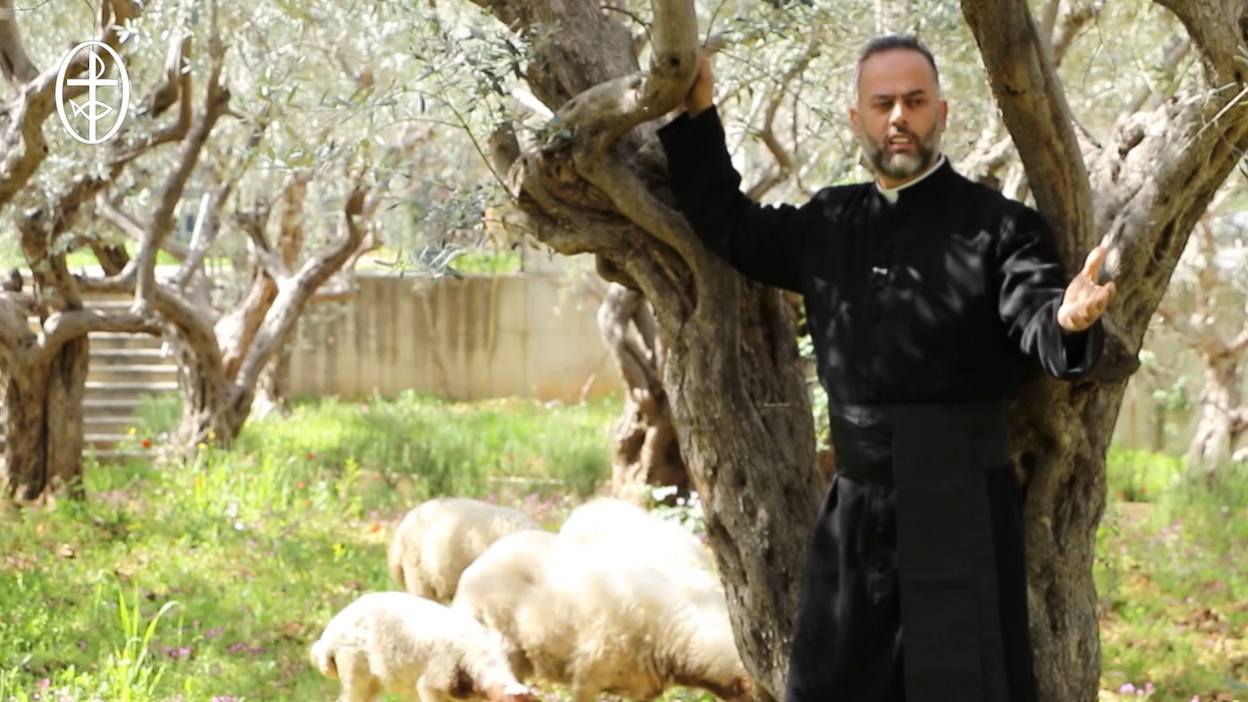
Video - A Special Episode Entitled
"Poetic Whispers, From the Olive Grove to the Grave"
Poetry and Recitation by Father Dr. Rawad Al Chkour
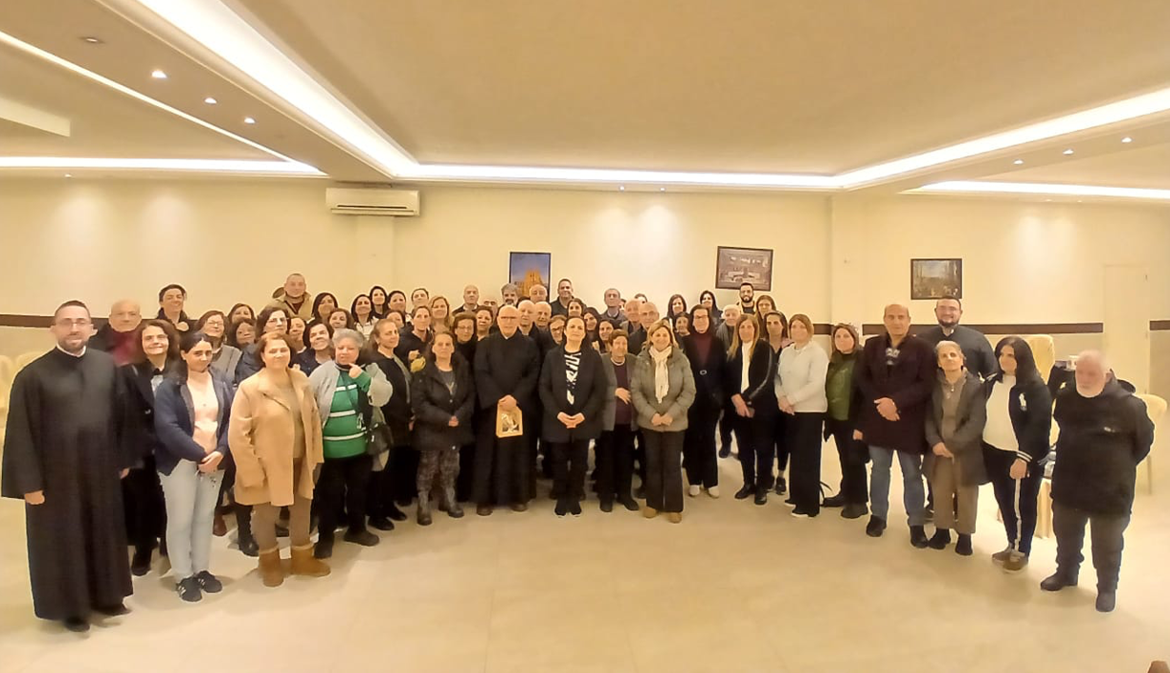
The Middle East Council of Churches Contributes in Raising Awareness in Lebanon about the Common Date for Easter
As part of an awareness campaign on the Common Date for Easter, the Director of the Theological and Ecumenical Department at the Middle East Council of Churches (MECC) delivered a lecture at the Dekwaneh Parish in Lebanon, on Monday evening, March 30, 2026, following the Holy Week Prayer Service, with the participation of many Parishioners.
The lecture focused the historical and Theological aspects of Easter, highlighting the common roots of this Feast in various Churches and the importance of working towards a unified date for its celebration, given its spiritual and Ecumenical significance in strengthening shared Christian witness.
As well as, the booklet, "Towards a Common Date for Easter," published by MECC, was also presented. It includes the well-known 1997 Aleppo Statement, along with lectures explaining the background of the differences, proposed solutions, and ongoing efforts in this regard. The booklet also presents the current positions of the Churches on this issue.
Feast of Creation: New Liturgical Feast, Gift for the Third Millennium
The “Feast of Creation”, also known as “Creation Day” or “World Day of Prayer for Creation”, is officially entering the liturgical calendars of many churches. Celebrated on September 1st or – most frequently – on the following Sunday, the feast is inspired by an ancient liturgical tradition of the Eastern Orthodox church.
Many non-Byzantine churches will begin their celebrations this September, with the Feast formally enshrined in their lectionaries and liturgical books. Given the Christological nature of the liturgical year in many traditions, a title that is sometimes used is “Feast of Creation in Christ”. Among other highlights, the Feast is being added to the Revised Common Lectionary used by many Protestant and Anglican churches, in time for this year’s celebrations.
The words of Prophet Isaiah capture well what is happening: “See, I am doing a new thing! Now it springs up; do you not perceive it?” (43:19).
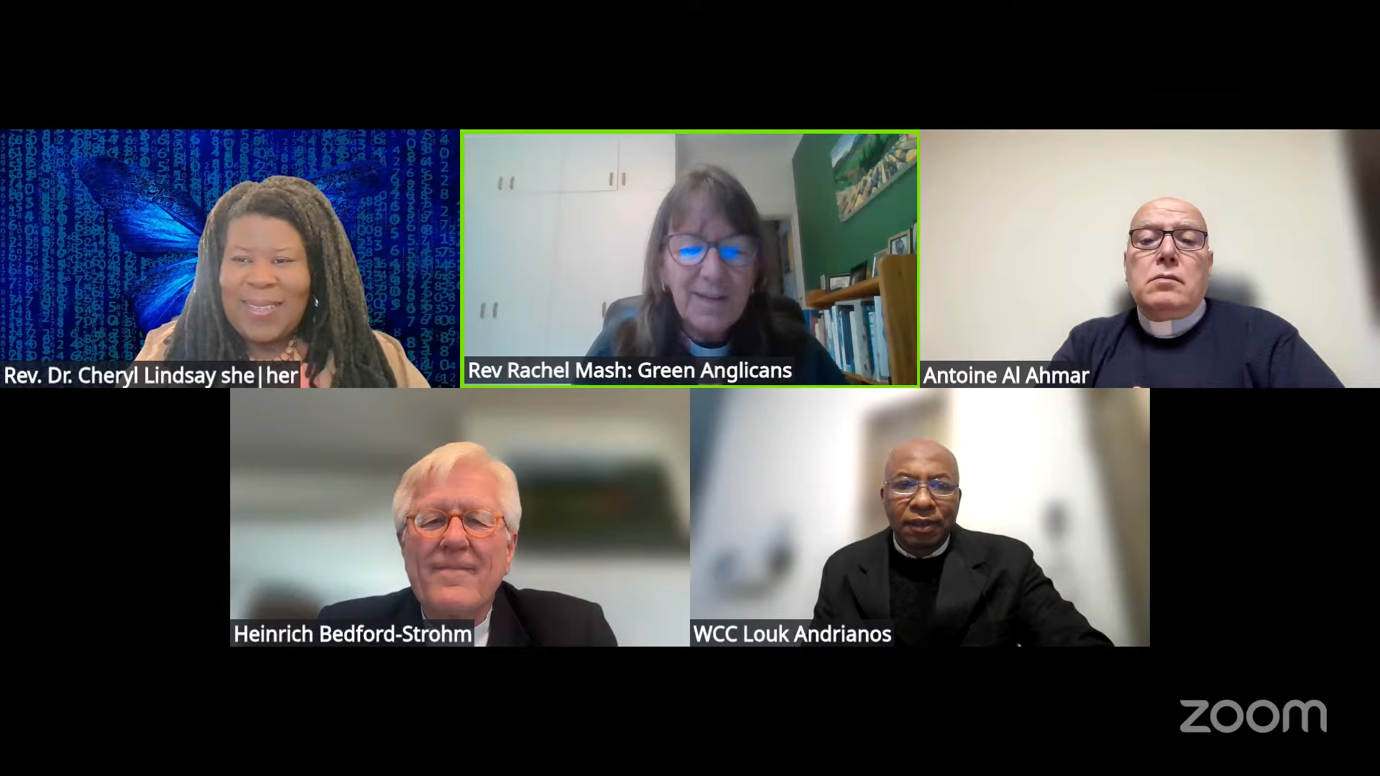
To explore this promising ecumenical process, a major online event was held on March 18-19, entitled “The Feast of Creation: A New Liturgical Feast, a Gift for the Third Millennium”. Convened by the World Council of Churches, Middle East Council of Churches, and various Christian world communions and regional ecumenical bodies, the event drew registrations from over 600 church leaders worldwide.
Statement of Condemnation Issued by the Middle East Council of Churches
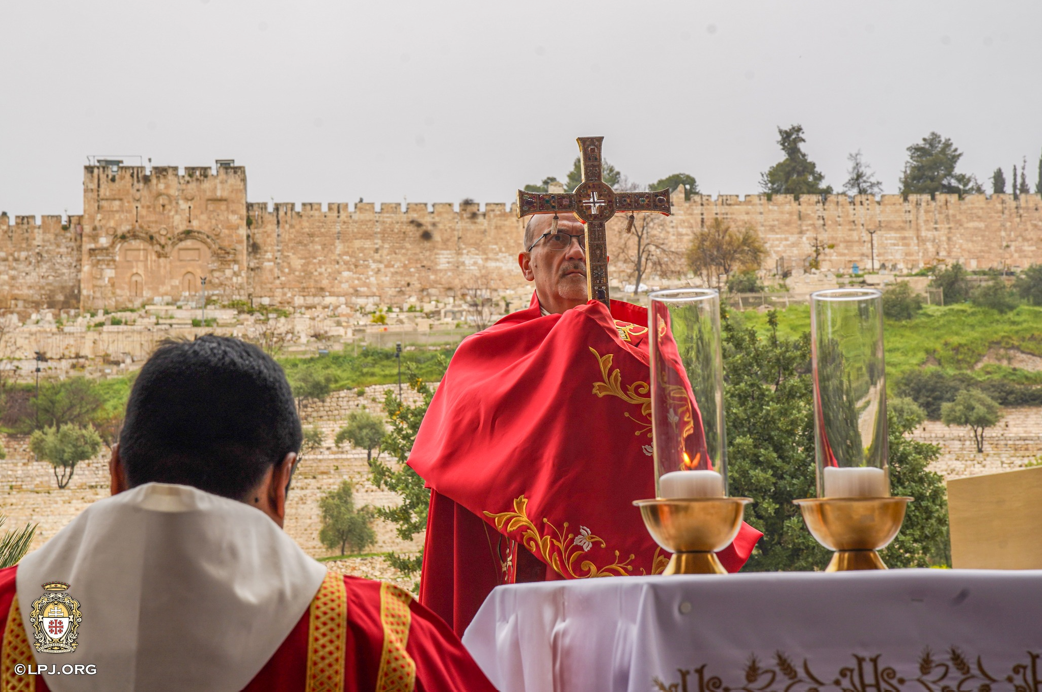
The Middle East Council of Churches (MECC) expresses its deep concern and strong condemnation of the events that took place in Jerusalem on Palm Sunday, when His Beatitude the Latin Patriarch Cardinal Pierbattista Pizzaballa was prevented from celebrating the Mass at the Church of the Holy Sepulchre. This constitutes a clear violation of the special sanctity of these holy sites, as well as the right of access to places of worship and the freedom to practice religious rites.
This unfortunate incident strikes at the very core of fundamental religious rights and represents an infringement on the freedom of believers to observe their religious practices, especially on one of the most sacred occasions in the Christian calendar. It also contravenes the established historical and legal status (Status Quo), which ensures respect for the arrangements in place at the holy sites and their preservation.
While the MECC expresses its full solidarity with the Christians in the Holy City, it emphasizes the necessity of respecting their dignity and religious rights and safeguarding their authentic historical presence in Jerusalem, the City of Peace.
In these difficult times facing the region, the Middle East Council of Churches renews its call to uphold prayer as a source of hope and peace and urges all believers to offer prayers for an end to violence, the establishment of justice, and the realization of peace in the Holy Lands, in Lebanon, and across the Middle East.
"Blessed are the peacemakers, for they shall be called children of God" (Matthew 5:9).
The Great and Holy Week
A Journey of Repentance and Prayer from the Darkness of Sin to the Joy of the Resurrection
Media of the Middle East Council of Churches (MECC)
Here comes the Great Week or the Passion Week, and our East is still wounded and suffering, waiting for a resurrection that will save it from its sorrows. The people of the region are preparing for the Feast of Feasts and the Season of Seasons, eagerly awaiting the joy of the Resurrection with hearts full of faith and hope. They have nothing but this hope in the Lord Jesus, from Whom they draw all their strength and determination amidst the challenges that surround them.
However, no challenges are invincible before the power of Prayers, through which the faithful walk in a journey of Lent and reflection, culminating in one of the Holiest Christian Seasons: The Great Week. How Great this week is, carrying in its Liturgy Prayers and traditions that guide the faithful from the sea of sins to the harbor of salvation, from the darkness of days to the joy of the Resurrection.
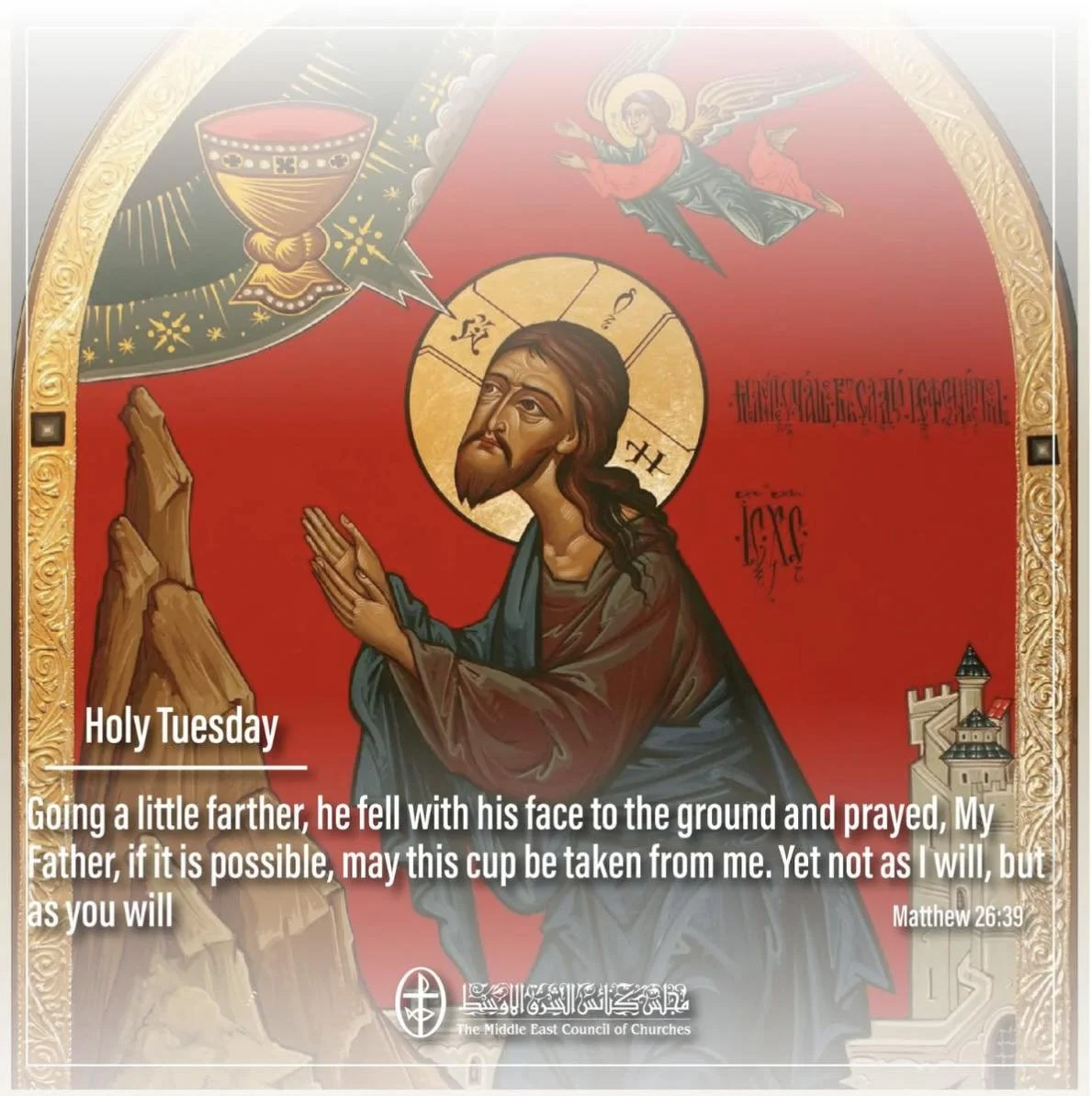
The celebrations of the "Great and Holy Week" or "Passion Week" embody the most significant salvific events through which the Lord of all creation redeemed us by His death and Resurrection. It is a week that strengthens the faithful and urges them to examine themselves, deepen their repentance, and enhance their faith in preparation for Christ’s Resurrection.
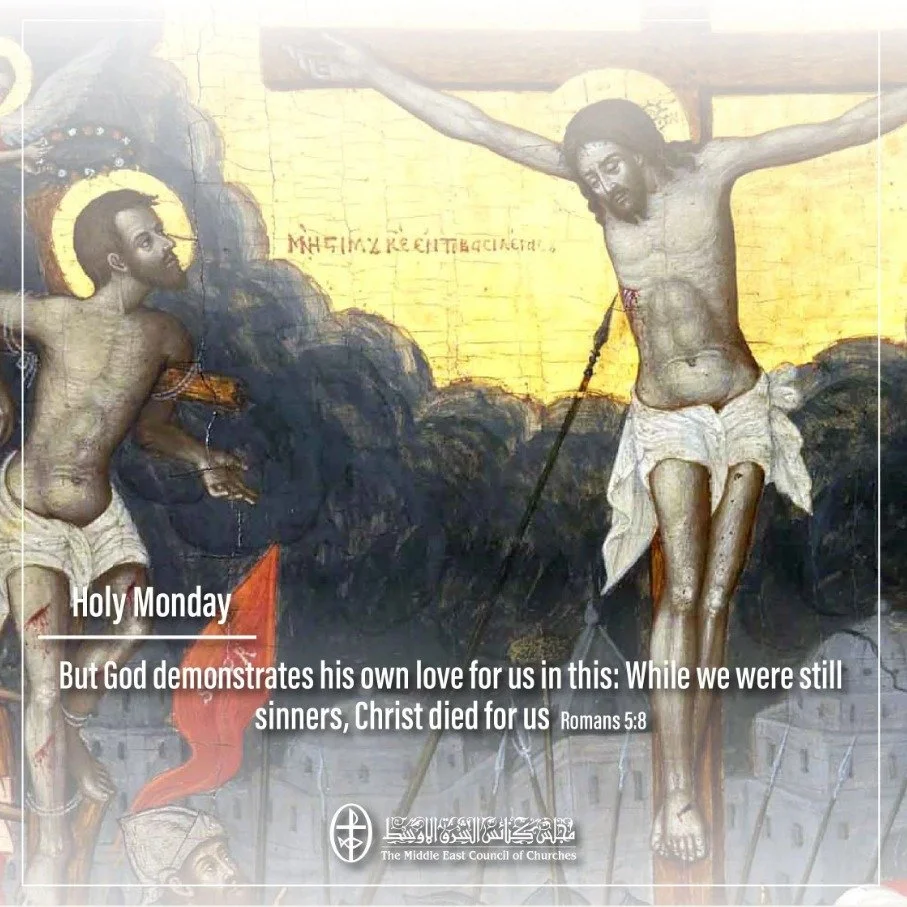
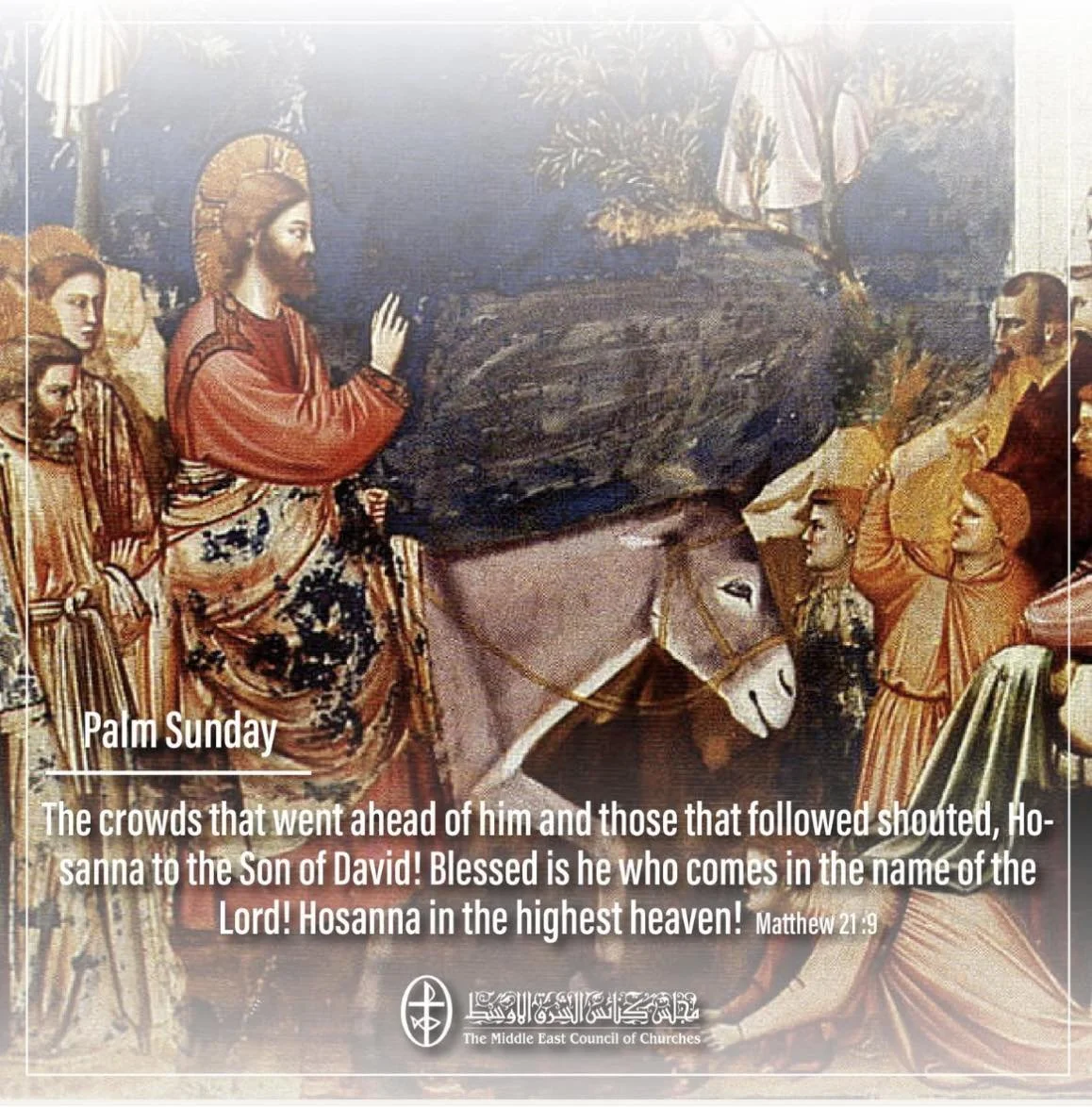
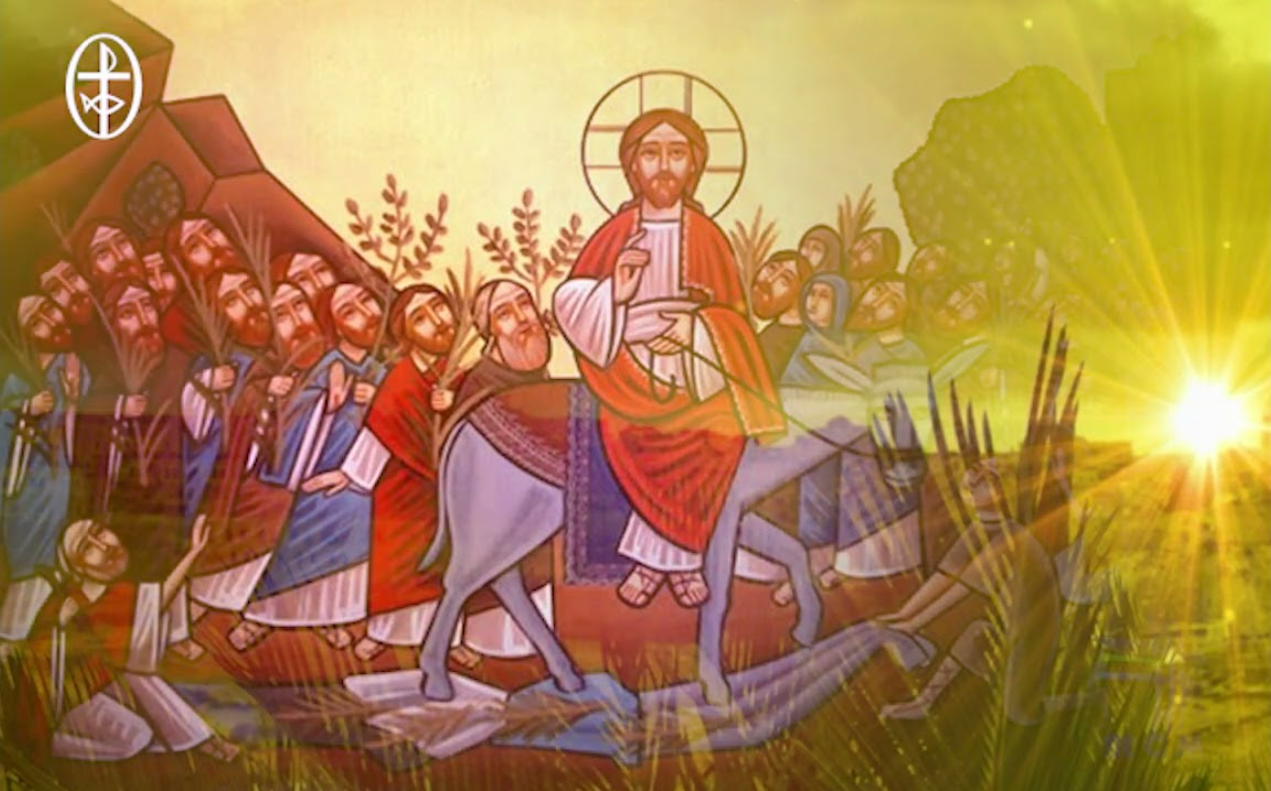
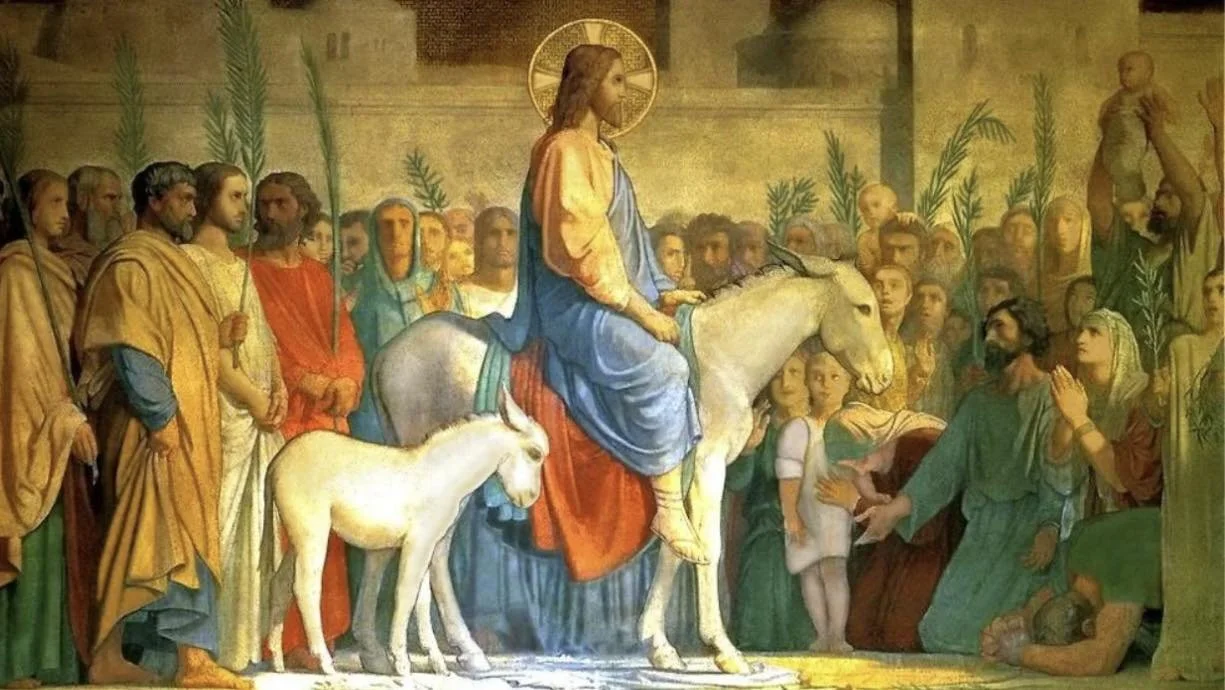
Hosanna in the Highest, Blessed is He Who Comes in the Name of the Lord
Palm Sunday: A Passage from the Earthly Jerusalem to the Heavenly Jerusalem
Media of the Middle East Council of Churches (MECC)
It is a Feast of self-purification and the renewal of the inner temple... It is a feast of returning to innocence and simplicity... It is a holy season in which we open our hearts to welcome Jesus Christ, who entered as a King into the Earthly Jerusalem to lift us today to the Heavenly Jerusalem. It is the Palm Sunday, the seventh Sunday of Lent and the last before Easter.
Everyone, without exception, both young and old, clergy and laypeople, joyfully shout with hearts full of hope, "Hosanna in the highest, blessed is He who comes in the name of the Lord!"
On this day, Churches are filled with believers, especially children, who carry candles and prepare with their families to participate in the Palm Sunday procession after attending the Divine Liturgy. This is a symbol of the path of Jesus Christ in the streets of Jerusalem.
Besides the traditions and popular customs that take place for this occasion, we must remember the event of Palm Sunday, which brings much joy, renewal, and faith. It is the day when Jesus Christ entered Jerusalem after leaving Bethany six days before Easter, and walked to the Temple. The crowds of people spread their clothes before Him, while others laid palm branches as a sign of celebration.