
مرصد فلسطين - تقرير الجمعة 20 شباط/ فبراير 2026
Palestine Observatory - Report: Friday 20 February 2026
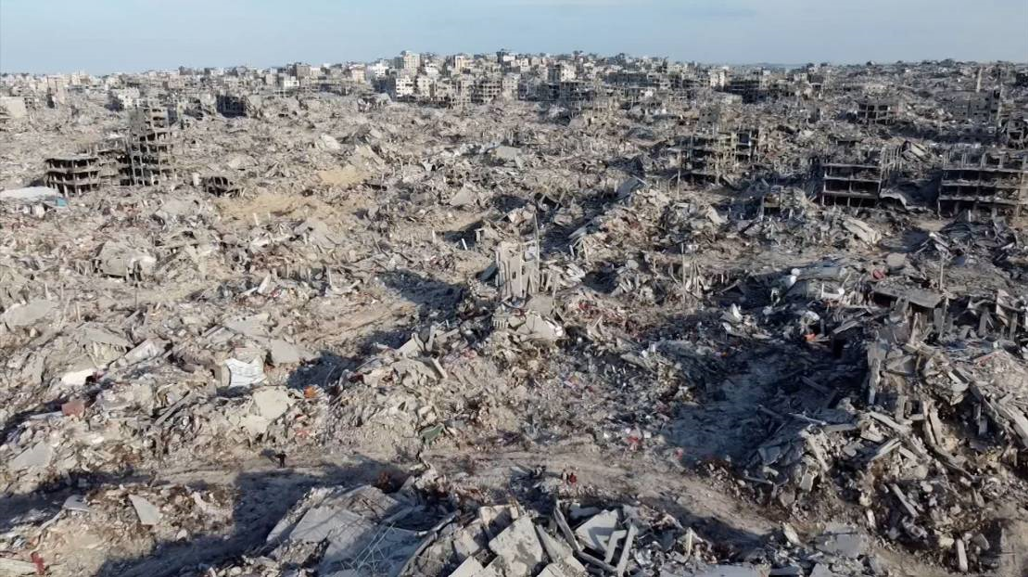
مشهد عام عن غزّة – مصدر الصورة: موقع :"قدس الإخباريّة" - A General View of Gaza – Photo source: Qudsn.co Website
في ظلّ تفاقم الظروف الإنسانيّة والاجتماعيّة في المنطقة جرّاء تصاعد العمليّات الأمنيّة فيها، يقدّم مجلس كنائس الشرق الأوسط تقريرًا أسبوعيًّا بعنوان "مرصد فلسطين" حيث يتضمّن آخر المستجدّات الّتي تشهدها فلسطين خصوصًا وسط تدهور الظروف المعيشيّة والاجتماعيّة والأمنيّة في البلاد. ستكون بعض النصوص باللغة العربية، وبعضها الآخر باللّغة الإنكليزيّة، وذلك حسب المصدر.
In light of the worsening humanitarian and social conditions in the region due to the escalation of security operations, the Middle East Council of Churches presents a weekly report entitled "Palestine Monitor," which includes the latest developments in Palestine, especially amid the deteriorating living, social, and security conditions in the country. Some texts will be in Arabic, and some others in English, depending on the source.
في آخر المستجدّات:
كنسيًّا، وبحسب موقع "أبونا":
"تناول غبطة البطريرك الكاردينال بييرباتيستا بيتسابالا، بطريرك القدس للاتين، في مقابلة مع مراسل صحيفة Avvenire، جاكومو غامباسي، قضية تحقيق السلام في غزة وفي سائر الأرض المقدسة، التي ما تزال في وضع توتّر شديد. ومعلّقًا على الوضع في قطاع غزة، شدّد غبطته على استحالة التفكير في مستقبل لإعادة الإعمار من دون أخذ معاناة وتطلعات وكرامة مليوني فلسطيني يعيشون هناك...
على الرغم من وقف إطلاق النار، لا يزال الناس يموتون في غزة. «صحيح، لم يعد هناك قصف شامل، كما أشار بطريرك القدس للاتين- لكن هناك عمليات تصفية مستهدفة. 96% من المراكز السكنية سُوّيت بالأرض، المدارس مغلقة منذ ثلاث سنوات، والأدوية غير متوفرة، لذلك يموت الناس بسبب البرد والعدوى ونقص الرعاية». وفي مجمّع كنيسة العائلة المقدّسة وحدها، توفي 23 شخصًا بسبب «نيران مباشرة»، كما يذكّر البطريرك بيتسابالا، ومثلهم توفّوا بسبب الجوع والبرد.
لن يعود شيء كما كان في تلك الأرض، «ولا نعرف حتى كيف سيكون ما بعد ذلك». هكذا أجاب الكاردينال بيتسابالا ردًّا على سؤال حول مسار السلام. «الحديث عن السلام الآن ليس له معنى. السلام يتطلّب ثقافة، وأسسًا، وسياسة، وحدّ أدنى من الثقة، بينما كانت الثقة أول ضحية لهذه الحرب».
وفيما يتعلّق بأهمية الحضور المسيحي في غزة، أكد البطريرك مجدّدًا أن قرار البقاء هناك ليس مسألة سياسة، بل «أمانة تجاه الأشدّ ضعفًا الذين لا يستطيعون التحرّك، ومسألة انسجام وتضامن». وقال: «المسيحيون فلسطينيون مثل جميع الآخرين»...[1]
أمنيًّا وإنسانيًّا، جاء في أحد تقارير وكالة الأمم المتّحدة لغوث وتشغيل اللّاجئين الفلسطينيّين:
"القتلى والجرحى
في الفترة ما بين 7 تشرين الأول/ أكتوبر 2023 وحتّى 11 شباط/ فبراير 2026، وفقًا لوزارة الصحة في غزة، حسبما ذكره مكتب تنسيق الشؤون الإنسانية، فقد قتل 72,045 فلسطينيًا في قطاع غزة وأصيب 171,686 شخصًا بجروح. وبحسب وزارة الصحة، قُتل 601 فلسطينيًا، وأُصيب 1,607، منذ اتفاق وقف إطلاق النار.
الأزمة الصحية
تحذر مجموعة التغذية من أن التحسينات الطفيفة في إمكانية الوصول إلى الخدمات غير كافية قياسًا بحجم الاحتياجات وخطورتها. ووفقًا لتحليلات التصنيف المرحلي المتكامل للأمن الغذائي بشأن سوء التغذية الحاد، تبقى مدينة غزة في المرحلة الحرجة (المرحلة 4) حتى نهاية نيسان/ أبريل، بينما من المتوقع أن تبقى دير البلح وخان يونس مصنفتين ضمن المرحلة الخطيرة (المرحلة 3) حتى منتصف نيسان./ أبريل
الأزمة التعليمية
كما ورد في تقرير صادر عن جامعة كامبريدج ومركز الدراسات اللبنانية في كانون الثاني/ يناير 2026، لا تزال الهجمات على التعليم تؤثر على حياة الأطفال والمعلمين في غزة بطرق متعددة، تشمل إلحاق أضرار مادية بالبنية التحتية للمدارس، وتهديد التقدم التعليمي، فضلاً عن تأثيرها على المعلمين والمرشدين الذين يتحملون عبئًا مزدوجًا يتمثل في دعم الطلاب في ظل تعرضهم الشخصي للخسارة وانعدام الأمن.
النزوح وإدارة المواقع
تواصل الأونروا رصد حركة النازحين ومواقع النزوح. يقدر أن 73 ألف نازح يعيشون في الملاجئ الطارئة الجماعية التابعة للأونروا والمناطق المحيطة، بما في ذلك 83 موقع نزوح تديرها الوكالة.
يوجد حاليا 117 مرفقًا تابعًا للأونروا داخل المنطقة ]العسكرية الإسرائيلية[ خارج ما يُسمى بـ "الخط الأصفر"، والمناطق التي يتطلّب الوصول إليها تنسيق/موافقة ]إسرائيل[.[2]
على صعيد أمني أيضًا، أشار موفع "قدس الإخباريّة" أنّ شبان فلسطينيون نفّذوا "22 عملًا مقارمًا في مناطق الضفة الغربية والقدس المحتلتين خلال الأيام الماضية، توزعت بين مواجهات وإلقاء حجارة وتصدي للمستوطنين وتنفيذ إرباك ليلي واستخدام مفرقعات نارية إضافة إلى مظاهرة بقلقيلية...".[3]
[1]https://abouna.org/content/%D8%A7%D9%84%D9%83%D8%A7%D8%B1%D8%AF%D9%8A%D9%86%D8%A7%D9%84-%D8%A8%D9%8A%D8%AA%D8%B3%D8%A7%D8%A8%D8%A7%D9%84%D8%A7-%D8%A5%D8%B9%D8%A7%D8%AF%D8%A9-%D8%A5%D8%B9%D9%85%D8%A7%D8%B1-%D8%BA%D8%B2%D8%A9-%D9%85%D8%B3%D8%AA%D8%AD%D9%8A%D9%84%D8%A9-%D8%AF%D9%88%D9%86-%D8%A7%D8%AD%D8%AA%D8%B1%D8%A7%D9%85-%D9%83%D8%B1%D8%A7%D9%85%D8%A9-%D8%A7%D9%84%D9%81%D9%84%D8%B3%D8%B7%D9%8A%D9%86%D9%8A%D9%8A%D9%86
[2]https://www.unrwa.org/ar/resources/reports/%D8%AA%D9%82%D8%B1%D9%8A%D8%B1-%D8%A7%D9%84%D8%A3%D9%88%D9%86%D8%B1%D9%88%D8%A7-%D8%B1%D9%82%D9%85-209-%D8%AD%D9%88%D9%84-%D8%A7%D9%84%D8%A3%D8%B2%D9%85%D8%A9-%D8%A7%D9%84%D8%A5%D9%86%D8%B3%D8%A7%D9%86%D9%8A%D8%A9-%D9%81%D9%8A-%D9%82%D8%B7%D8%A7%D8%B9-%D8%BA%D8%B2%D8%A9-%D9%88%D8%A7%D9%84%D8%B6%D9%81%D8%A9-%D8%A7%D9%84%D8%BA%D8%B1%D8%A8%D9%8A%D8%A9
[3]https://qudsn.co/post/214493/22-%D8%B9%D9%85%D9%84%D8%A7-%D9%85%D9%82%D8%A7%D9%88%D9%85%D8%A7-%D9%81%D9%8A-%D8%A7%D9%84%D8%B6%D9%81%D8%A9-%D9%88%D8%A7%D9%84%D9%82%D8%AF%D8%B3-%D8%AE%D9%84%D8%A7%D9%84-48-%D8%B3%D8%A7%D8%B9%D8%A9
Latest updates:
The United Nations Relief and Works Agency for Palestine Refugees in the Near East (UNRWA) indicated in one of its latest reports the following:
“Fatalities and injuries
Between 7 October 2023 and 11 February 2026, according to the Ministry of Health (MoH), as reported by OCHA, 72,045 Palestinians were killed in the Gaza Strip and another 171,686 injured. The MoH reported that since the ceasefire agreement, 601 Palestinians have been killed, and 1,607 injured.
Health crisis
The Nutrition Cluster warns that modest improvements in access are inadequate relative to the scale and severity of needs. According to successive IPC Acute Malnutrition analyses, Gaza City remains in Critical (Phase 4) through April, while Deir al-Balah and Khan Younis are expected to remain categorized as Serious (Phase 3) until mid-April.
Education crisis
As stated in a report published by University of Cambridge and Centre for Lebanese Studies in January 2026, attacks on education continue to affect the lives of children and teachers in Gaza in multiple ways including physical damage to school infrastructure, threats to education progress, as well as the impact on teachers and counsellors who carry the dual burden of supporting students while navigating their own exposure to loss and insecurity.
Displacement, Site management
UNRWA continues to monitor the movement of displaced persons and displacement sites. An estimated 73,000 displaced people are living in UNRWA collective emergency shelters and the surrounding areas, including in 83 displacement sites managed by the Agency.
Currently, 117 UNRWA facilities are located within the [Israeli-militarized] zone behind the so-called “Yellow Line” and in areas where access is subject to [Israeli] approval or coordination”.[1]
On another side, the United Nations mentioned that “a UN Human Rights Office report raises concerns over ethnic cleansing by [Israeli] authorities in both Gaza and the West Bank, amid increased attacks and forcible transfers that appear aimed at a permanent displacement of Palestinians throughout the occupied territories.
During the reporting period, from 1 November 2024 to 31 October 2025 “intensified attacks, the methodical destruction of entire neighborhoods and the denial of humanitarian assistance appeared to aim at a permanent demographic shift in Gaza”, says the report. “This, together with forcible transfers, which appear to aim at a permanent displacement, raise concerns over ethnic cleansing in Gaza and the West Bank.”
In the Gaza strip, the report details the continued killing and maiming of unprecedented numbers of civilians over the course of the reporting period by [Israeli] forces, the spread of famine, and the destruction of the remaining civilian infrastructure — imposing on Palestinians conditions of life increasingly incompatible with their continued existence in Gaza as a group.
The report also says the patterns of deadly attacks witnessed in Gaza raised grave concerns that [Israeli] forces intentionally targeted civilians and civilian objects, and launched attacks knowing civilian harm would be excessive in relation to the anticipated military advantage. Such acts would constitute war crimes, the report underlined.[2]
[1] https://www.unrwa.org/resources/reports/unrwa-situation-report-209-humanitarian-crisis-gaza-strip-and-occupied-west-bank
[2] https://www.ohchr.org/en/press-releases/2026/02/ethnic-cleansing-concerns-gaza-and-west-bank-amid-intensified-violence-and