
مرصد فلسطين - تقرير الجمعة 6 شباط/ فبراير 2026
Palestine Observatory - Report: Friday 6 February 2026
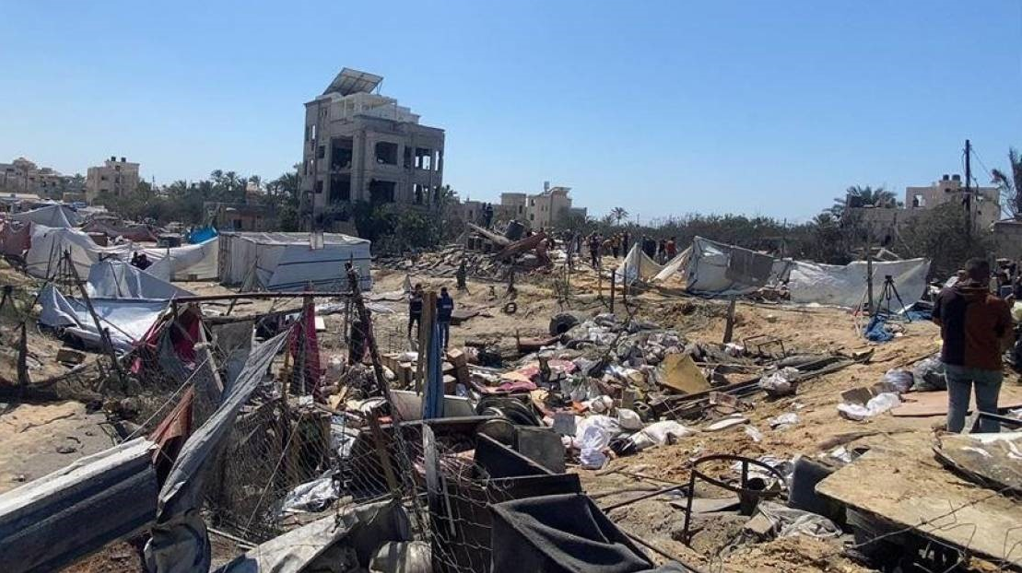
تصعيد ميداني واعتداءات في غزة – مصدر الصورة: موقع :"قدس الإخباريّة" - Field escalation and attacks in Gaza – Photo source: Qudsn.co Website
في ظلّ تفاقم الظروف الإنسانيّة والاجتماعيّة في المنطقة جرّاء تصاعد العمليّات الأمنيّة فيها، يقدّم مجلس كنائس الشرق الأوسط تقريرًا أسبوعيًّا بعنوان "مرصد فلسطين" حيث يتضمّن آخر المستجدّات الّتي تشهدها فلسطين خصوصًا وسط تدهور الظروف المعيشيّة والاجتماعيّة والأمنيّة في البلاد. ستكون بعض النصوص باللغة العربية، وبعضها الآخر باللّغة الإنكليزيّة، وذلك حسب المصدر.
In light of the worsening humanitarian and social conditions in the region due to the escalation of security operations, the Middle East Council of Churches presents a weekly report entitled "Palestine Monitor," which includes the latest developments in Palestine, especially amid the deteriorating living, social, and security conditions in the country. Some texts will be in Arabic, and some others in English, depending on the source.
في آخر المستجدّات:
بحسب خبر نُشر على موقع "قدس الإخباريّة"، رصد المكتب الإعلامي الحكومي في غزة، "1520 خرقًا لاتفاق وقف إطلاق النار في غزة، خلال 115 يومًا من توقيع اتفاق وقف إطلاق النار في تشرين الأوّل/ أكتوبر الماضي، مشدّدًا على ارتكاب الاحتلال خروقات جسيمة ومنهجية، ما يمثل انتهاكًا صريحًا للقانون الدولي الإنساني، وتقويضًا لبنود البروتوكول الإنساني الملحق للاتفاق".
وجاء في الخبر "فصّل المكتب، في بيانه الخروقات ]الإسرائيلية[ بـ522 جريمة إطلاق مباشرة ضد المدنيين، و73 توغلًا للآليات العسكرية داخل المناطق السكنية، ناهيك عن 704 جريمة قصف واستهداف لمواطنين عزل ومنازلهم، عدا عن 221 جريمة نسف وتدمير ومؤسسات وبنايات مدنية.
وأكد المكتب أن الانتهاكات ]الإسرائيلية[، أسفرت عن استشهاد 556 مواطنًا، وإصابة 1500 آخرين، إلى جانب 50 حالة اعتقال غير قانوني نفّذتها قوات الاحتلال".
وأضاف الخبر "على صعيد البروتوكول الإنساني، قال المكتب أن الاحتلال يواصل تنصله من التزاماته في الاتفاق، إذ لم يلتزم بالحدّ الأدنى من كميات المساعدات المتفق عليها، حيث لم يدخل إلى قطاع غزة خلال 115 يومًا سوى 29,603 شاحنة من أصل 69,000 شاحنة يفترض إدخالها، بنسبة التزام لا تتجاوز 43 في المائة.
وشدّد المكتب على أن انتهاك البروتوكول الإنساني، قد أدى إلى استمرار نقص الغذاء والدواء والماء والوقود، وتعميق مستوى الأزمة الإنسانية الكارثية في قطاع غزة.
وبين أن شحنات الوقود الواردة إلى غزة، خلال الفترة نفسها، بلغت 808 شاحنة فقط من أصل 5,750 شاحنة وقود يفترض دخولها، وبمتوسط 257 شاحنة يوميًا، بنسبة التزام بلغت 14 في المائة فقط من الكميات المتفق عليها بخصوص الوقود.
وأوضح المكتب أن هذه القيود أبقت المستشفيات والمخابز ومحطات المياه والصرف الصحي في وضع شبه متوقف، ويفاقم المعاناة اليومية للسكان المدنيين".[1]
صحيًّا، أشار موقع "الأمم المتّحدة" إلى أنّه "تزامنًا مع اليوم العالمي للسرطان (الموافق 4 شباط/ فبراير)، حذرت منظمات صحية محلية في قطاع غزة من أن نحو 11 ألف مريض في غزة محرومون من العلاج التخصصي والتشخيصي داخل القطاع وخارجه، فيما ينتظر أربعة آلاف مريض ممن لديهم تحويلات للعلاج خارج غزة منذ أكثر من عامين فتح المعابر كي يتسنى لهم السفر للعلاج... داخل قسم الأورام المتهالك، يعاني المرضى من نقص الأدوية والتجهيزات الأساسية، فيما يعاني كثيرون آخرون من آلام مزمنة تمنعهم من الحركة... وفي آخر الشهر الماضي قال مكتب الأمم المتحدة لتنسيق الشؤون الإنسانية أنّ وزارة الصحة في غزة أفادت بوفاة أكثر من 1200 مريض- وفق التقارير- أثناء انتظار إجلائهم الطبي من القطاع وأن نحو 4000 مريض بالسرطان مسجلون على قوائم الانتظار الحرجة للإجلاء الطبي".[2]
في سياق متّصل وفي ما يتعلّق بالأوضاع الصحيّة العامة، ذُكر على موقع "الأمم المتّحدة" أنّ المتحدث باسم منظمة الصحة العالمية كريستيان ليندمير قال أن الإجلاء الطبي لخمسة مرضى من غزة إلى مصر عبر معبر رفح "هو أمر رائع"، لكن هناك حاجة لإجلاء عدد أكبر بكثير، حيث إن أكثر من 18,500 مريض مازالوا بحاجة إلى رعاية طبية متخصصة غير متوفرة حاليًَا في القطاع".[3]
أمنيًّا، أفاد موقع "قدس الإخباريّة"، أنّ قطاع غزة شهد فجر وصباح يوم الأربعاء 4 شباط/ فبراير 2026، "تصعيدًا ميدانيًا عنيفًا، حيث شنت قوات الاحتلال ]الإسرائيلي[ سلسلة من الهجمات الجوية والمدفعية استهدفت مناطق متفرقة من القطاع، مما أسفر عن ارتقاء 18 شهيدًا، بينهم أطفال ونساء، تزامنًا مع زعم جيش الاحتلال بوقوع إصابة خطيرة في صفوف قواته.
وفي مدينة غزة (حي التفاح والدرج)، تعرض حي التفاح لقصف مدفعي مستمر وإطلاق نار كثيف من طائرات المسيرة "كواد كابتر"، التي استهدفت منازل المواطنين بشكل مباشر، خصوصًا في شارع يافا، وسط تحليق مكثف ومنخفض للطيران المسير في أجواء الحيين.
وفي جنوب القطاع (خانيونس)، استهدفت مدفعية الاحتلال المناطق الشرقية للمدينة، فيما سقطت قذائف على خيام النازحين في المناطق الجنوبية خارج نطاق انتشار قوات الاحتلال، مما أدى إلى وقوع مجزرة صغيرة بحق النازحين العزل.
ووسط القطاع، استهدف قصف مدفعي متواصل الأطراف الشمالية الشرقية لمخيم البريج".[4]
على صعيد آخر، أفادت الكنيسة الإنجيلية اللوثرية في الأردن والأراضي المقدسة عبر صفحتها على موقع فيسبوك أنّ "مكتب العدالة بين الجنسين في الكنيسة عقد ورشة العمل الثانية لمناقشة مسودة الدراسة البحثية حول آثار الحرب على غزة، مع تركيز خاص على النساء والأطفال. واستضافت جامعة القدس المفتوحة في رام الله هذا اللقاء الذي جمع نخبة من الخبراء والقيادات المحلية للحوار وتبادل الآراء.
افتتحت الورشة بكلمات لكل من رئيس الجامعة الدكتور إبراهيم الشاعر، وسيادة المطران الدكتور عماد حداد، مطران الكنيسة الإنجيلية اللوثرية في الأردن والأراضي المقدسة، ومعالي وزيرة شؤون المرأة السيدة منى الخليلي، حيث شددوا جميعًا على أهمية تعزيز العدالة بين الجنسين، وضرورة تكاتف الجهود لحماية الفئات الأكثر تهميشًا في أوقات الحرب والأزمات.
كما جرى عرض مسودة الدراسة من قبل القاضية سكارلت بشارة من المحكمة الكنسية اللوثرية، والقاضية صمود ضميري من المحكمة الشرعية. وقد تم إعداد هذه الدراسة بدعم من برنامج سواسية، في إطار الجهود الرامية إلى تعزيز الوصول إلى العدالة وتطوير المعرفة المبنية على الأدلة".[5]
[1]https://qudsn.co/post/214291/115-%D9%8A%D9%88%D9%85%D8%A7-%D9%85%D9%86-%D8%A7%D8%AA%D9%81%D8%A7%D9%82-%D8%BA%D8%B2%D8%A9-556-%D8%B4%D9%87%D9%8A%D8%AF%D8%A7-%D9%881500-%D9%85%D8%B5%D8%A7%D8%A8%D8%A7-%D8%AE%D9%84%D8%A7%D9%84-1520-%D8%AE%D8%B1%D9%82%D8%A7
[2] https://news.un.org/ar/story/2026/02/1144158
[3] https://news.un.org/ar/story/2026/02/1144149
[4]https://qudsn.co/post/214282/%D9%85%D8%AD%D8%AF%D8%AB-18-%D8%B4%D9%87%D9%8A%D8%AF%D8%A7-%D9%81%D9%8A-%D9%84%D9%8A%D9%84%D8%A9-%D8%AF%D8%A7%D9%85%D9%8A%D8%A9-%D8%A8%D8%BA%D8%B2%D8%A9%C2%A0
[5] https://www.facebook.com/share/p/1ASJVmiRx9/
Latest updates:
The United Nations Relief and Works Agency for Palestine Refugees in the Near East (UNRWA) mentioned in one of its latest reports the following:
“Fatalities and injuries
Between 7 October 2023 and 28 January 2026, according to the MoH, as reported by OCHA, 71,667 Palestinians were killed in the Gaza Strip and another 171,343 injured. Since the start of the ceasefire in October 2025, 492 Palestinians have been killed, 1,356 injured, and 715 bodies retrieved from under the rubble.
UNRWA has recorded 390 colleagues killed in Gaza since the start of the war (309 UNRWA personnel, in addition to 81 persons who were supporting UNRWA activities), as of 27 January 2026.
Health crisis
As part of its infectious disease surveillance, UNRWA health teams recorded a significant increase in acute respiratory infections, with 9,613 cases reported between 26 January and 1 February, compared to 8,963 cases in the previous week. UNRWA continues to monitor the situation, in coordination with the MoH and health partners.
UNRWA also recorded an increase in cases of acute jaundice syndrome (hepatitis A) connected to contaminated water. Since 1 November 2025, over 480 cases have been reported. While the trend has been reversed over the past two weeks thanks to targeted WASH interventions by UNRWA teams, such as chlorinating contaminated sites, the Agency will continue to monitor the situation.
Education crisis
As stated in a recent report published by University of Cambridge and Centre for Lebanese Studies, attacks on education continue to affect the lives of children and teachers in Gaza in multiple ways including physical damage to school infrastructure, threats to education progress, as well as the impact on teachers and counsellors who carry the dual burden of supporting students while navigating their own exposure to loss and insecurity.
Displacement, Site management
UNRWA continues to monitor the movement of displaced persons and displacement sites. An estimated 75,000 displaced people are living in UNRWA collective emergency shelters and the surrounding areas, including in 83 displacement sites managed by the Agency.
Currently, 117 UNRWA facilities are located within the [Israeli-militarized] zone behind the so-called “Yellow Line” and in areas where access is subject to [Israeli] approval or coordination”.[1]
According to reliefweb.in and based on the reports of the United Nations Office for the Coordination of Humanitarian Affairs (OCHA), the situation in Gaza is highlighted as the following points:
“Nearly 700 Palestinians in nine communities have been displaced due to settler attacks so far in 2026, including 600 displaced from Ras Ein Al Auja Bedouin community in Jericho governorate.
Large-scale operations by [Israeli] forces have significantly expanded beyond the northern West Bank to include the central and southern governorates, including in Qalandiya refugee camp and Kafr Aqab in Jerusalem governorate.
Repeated [Israeli] settler attacks on the Ein Samiya wells east of Ramallah damaged critical infrastructure and blocked repairs, cutting the main water supply intermittently for three days and affecting an estimated 100,000 Palestinians across eastern Ramallah governorate.
About 170 Palestinians have been displaced since the beginning of 2026 by the demolition of homes for lack of [Israeli-issued] building permits, following a record year in 2025 when more than 1,700 Palestinians were displaced due to lack-of-permit demolitions in Area C and East Jerusalem”.[2]
On another side, the Evangelical Lutheran Church in Jordan and the Holy Land (ELCJHL) mentioned on its Facebook Page that the “ELCJHL Gender Justice Ministry held a second workshop to discuss the forthcoming research study about the impacts of the war on Gaza, particularly on women and children. The latest discussion with local experts and leaders was held at Al Quds Open University in Ramallah.
The workshop was opened with remarks by University President Dr. Ibrahim Al-Shaer, Bishop Dr. Imad Haddad, ELCJHL Bishop, and Palestinian Minister of Women’s Affairs Mrs. Mona Al-Khalili. All three speakers emphasized the importance of gender justice and efforts like this to protect vulnerable groups in society during times of war and conflict. The draft study was then presented by Judge Scarlet Bishara of the ELCJHL Ecclesiastical Court and Judge Somoud Damiri of the Sharia Court. This study was developed with the support of the Sawasya Programme, as part of ongoing efforts to enhance access to justice and strengthen evidence-based knowledge.”[3]
[1] https://www.unrwa.org/resources/reports/unrwa-situation-report-207-situation-gaza-strip-and-west-bank-including-east-jerusalem
[2] https://reliefweb.int/report/occupied-palestinian-territory/humanitarian-situation-update-356-west-bank
[3] https://www.facebook.com/share/p/1ASJVmiRx9/