
Meditation of His Beatitude Patriarch Cardinal Pierbattista Pizzaballa: XIX Sunday Of Ordinary Time
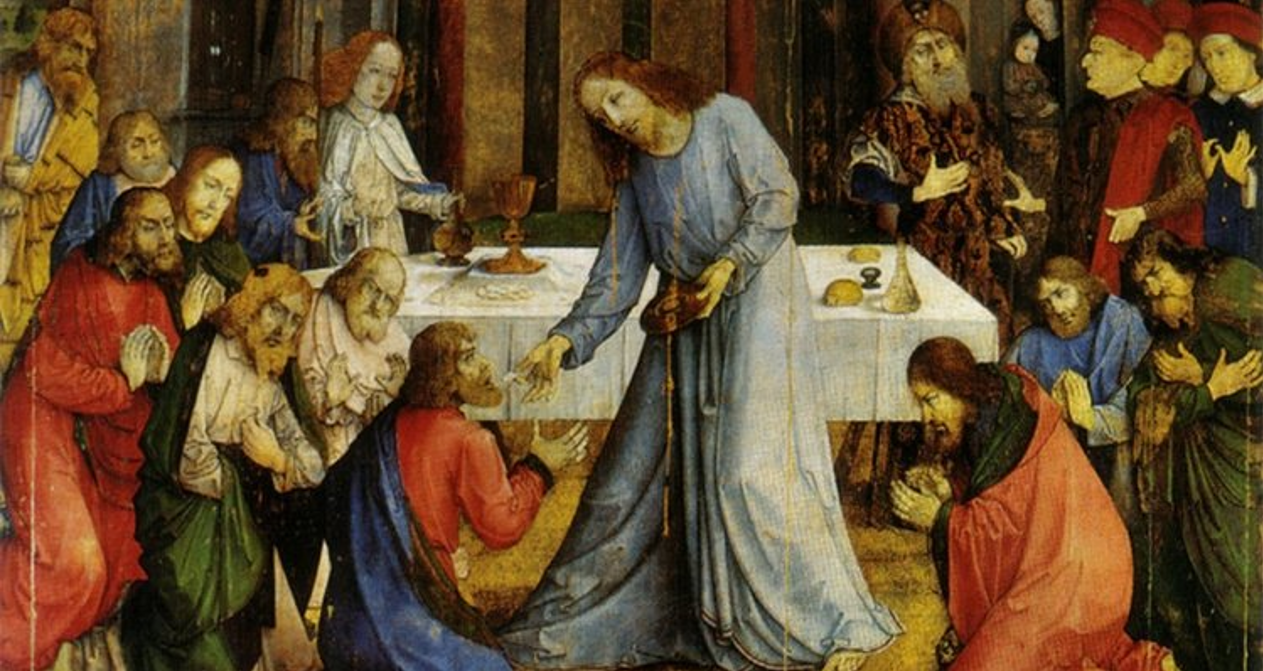
Below you can find the Meditation of His Beatitude Patriarch Cardinal Pierbattista Pizzaballa, Latin Patriarch of Jerusalem, for the XIX Sunday of Ordinary Time, Sunday 11 August 2024.
Jn 6:41-51
In verse 46 of today's Gospel passage, we encounter a phrase, a Word, that serves as a key to understanding this section of John Chapter 6, presented to us in the Liturgy. We read thus, “Not that anyone has seen the Father except the one who is from God; he has seen the Father”.
The concept of "seeing God" is a prominent theme in John's writings. This is evident at the end of the Prologue of the Fourth Gospel, which notes that while no one has ever seen God, the only begotten Son, who became flesh, has revealed Him (cf. Jn. 1:18). The First Epistle of John also touches on this theme, indicating that although no one has ever seen God, if we love one another, God dwells in us, and we can come to know Him (cf. 1 Jn. 4:12).
This word reveals the deepest longing of the human heart: the desire to see God, to know Him, and to be in a relationship with Him. It shows our yearning for God’s love to be visible, tangible, and experienced (cf. 1 John 1:1-3).
Moreover, this Word explains how we can attain this knowledge and what, or rather who can lead us to see God and experience the signs of His love.
The Prologue of John's Gospel tells us that it is the Son who became flesh that brings us to this understanding. The opening of the Gospel is filled with wonder at the fact that the Son of God, through whom all things were made, took on flesh, meaning, our human form.
But this alone is not enough. The evangelist also reveals how the Son of God enables us to know the Father.
Two key passages stand out to me.
The first is from chapter 6 of the Gospel, where Jesus' humanity takes the form of bread. The Son descends from heaven as bread, symbolizing that God provides nourishment and that heaven itself is represented in the bread. This bread is not a symbol a tangible manifestation of God—humble, broken, and shared through the humanity of Jesus, who takes the form of bread.
The second revelation is from the First Letter of John, which we mentioned earlier. It tells us that just as Jesus' humanity offered in the bread reveals and makes God present among us, so too does our love for one another, meaning, when we too become bread, an offering to others. When our life becomes bread – humble, broken, and shared - even then God makes himself seen and present through us.
Those who allow themselves to be drawn into this love dynamic ("No one can come to me unless the Father who sent me draw him" - Jn. 6:44), which the Father, through the Spirit, ignites in our hearts, can make God present and become signs of Him to others. This is the essence of eternal life, the true life ("Amen, amen, I say to you, whoever believes has eternal life" - Jn. 6:47).
In today's Gospel, we also find the recurring theme of murmuring, reminiscent of the complaints that accompanied the people during their journey through the desert.
We see that the crowd murmurs because Jesus said he is the bread that came down from heaven, while they know very well where Jesus came from: he is Joseph's son, and they know his father and mother, meaning they are familiar with his background (Jn. 6:41-42)…
This Meditation was originally published on the website of the Latin Patriarchate of Jerusalem. Please click here to read the full text.