MECC Organizes a New Course About Disaster Risk Management and Churches Response
His Eminence Bishop Michel Kassarji: It is necessary to enhance cooperation, solidarity and God-reliance
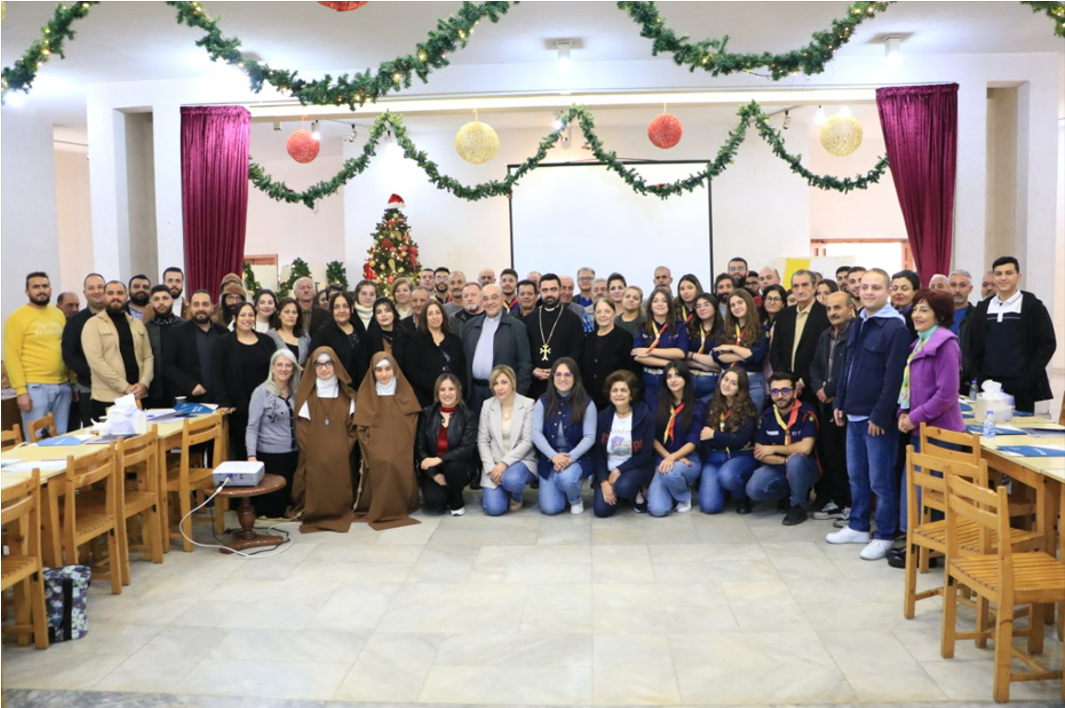
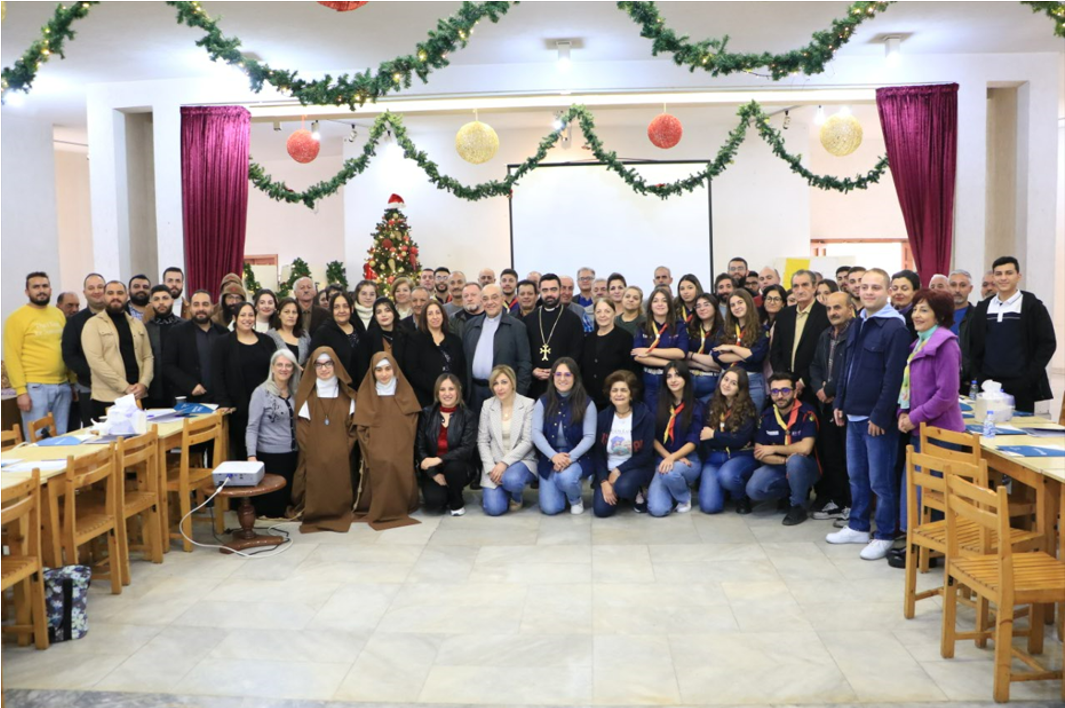
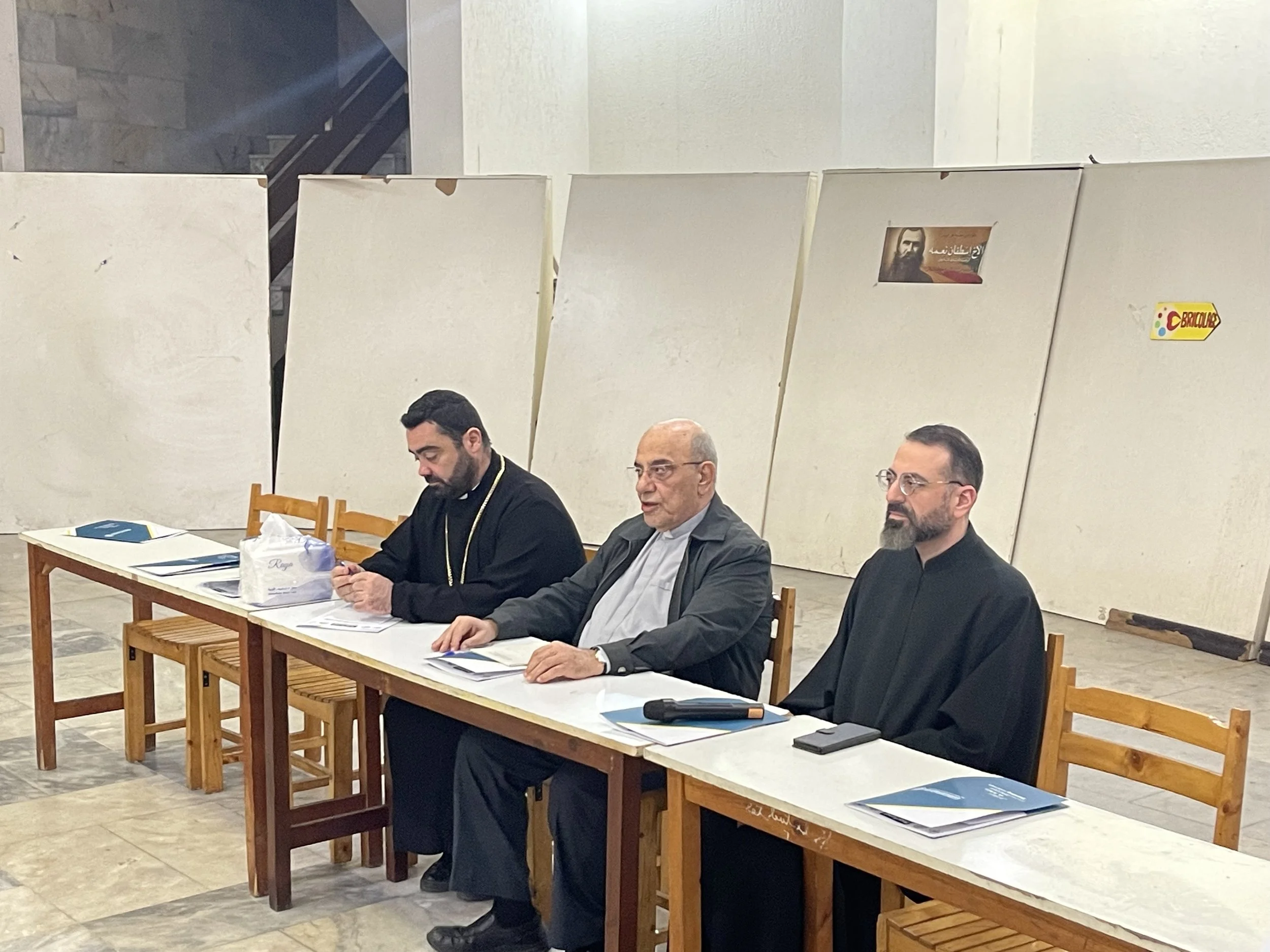
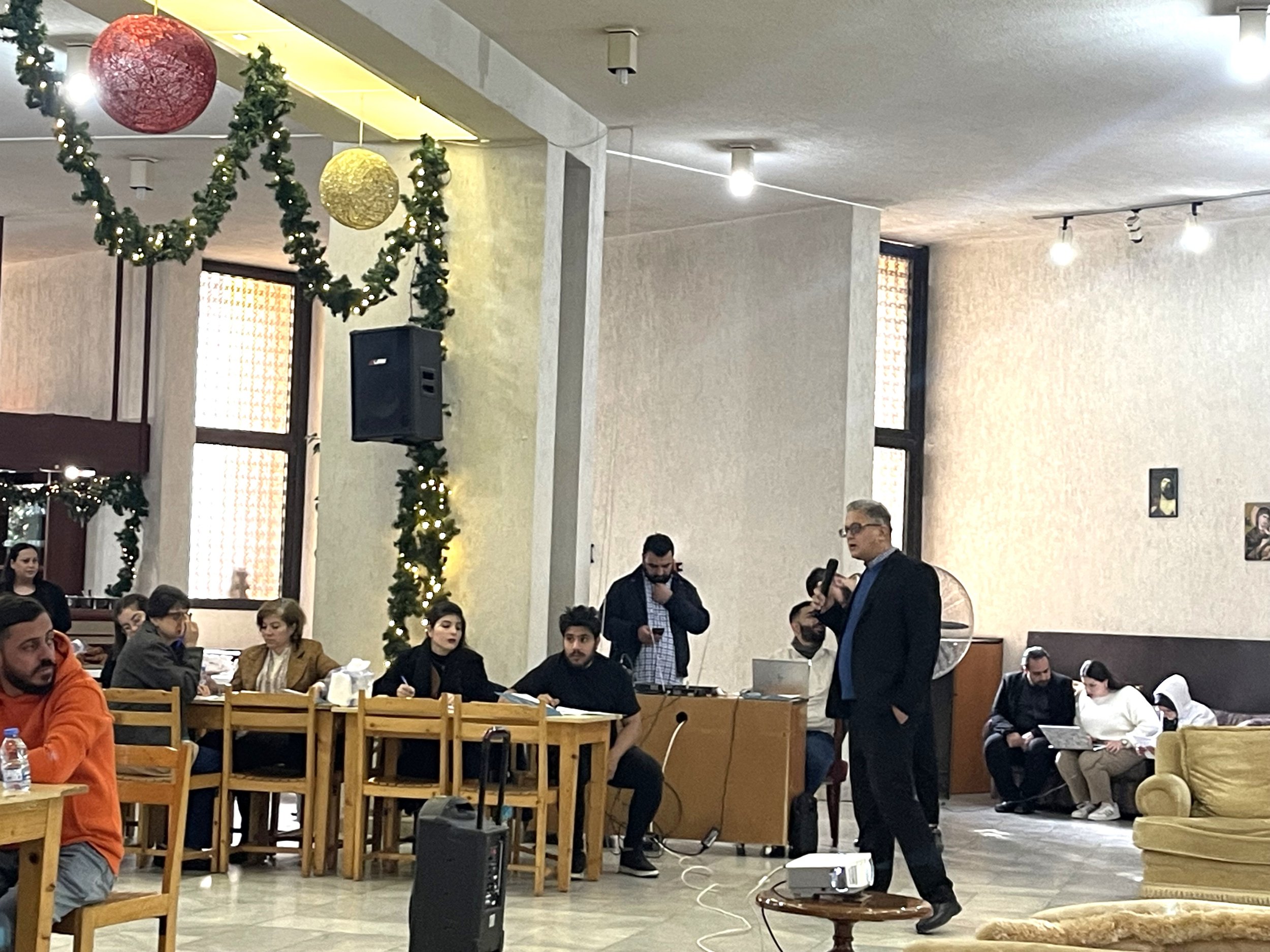
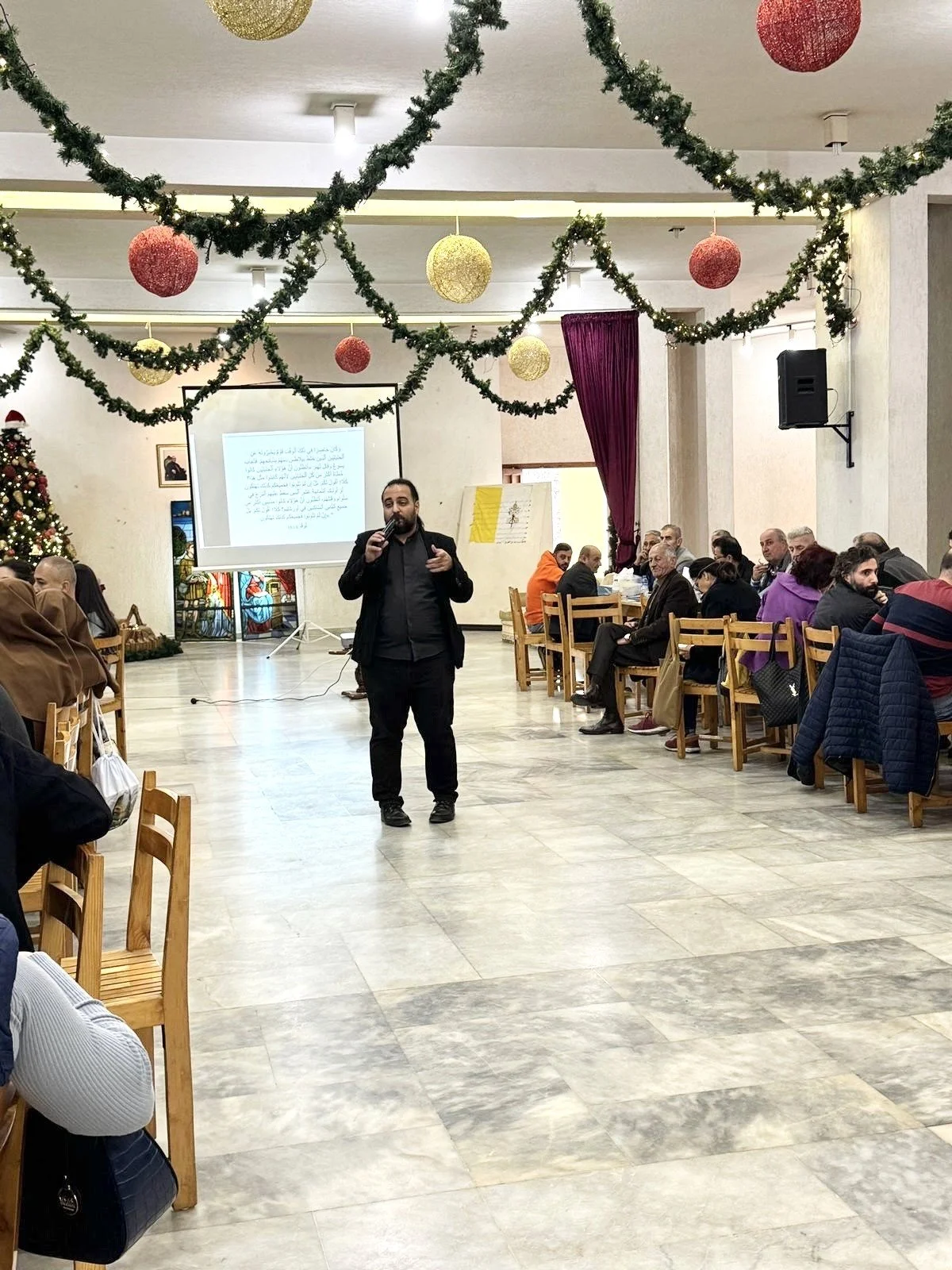
You can find some photos at the end of the text.
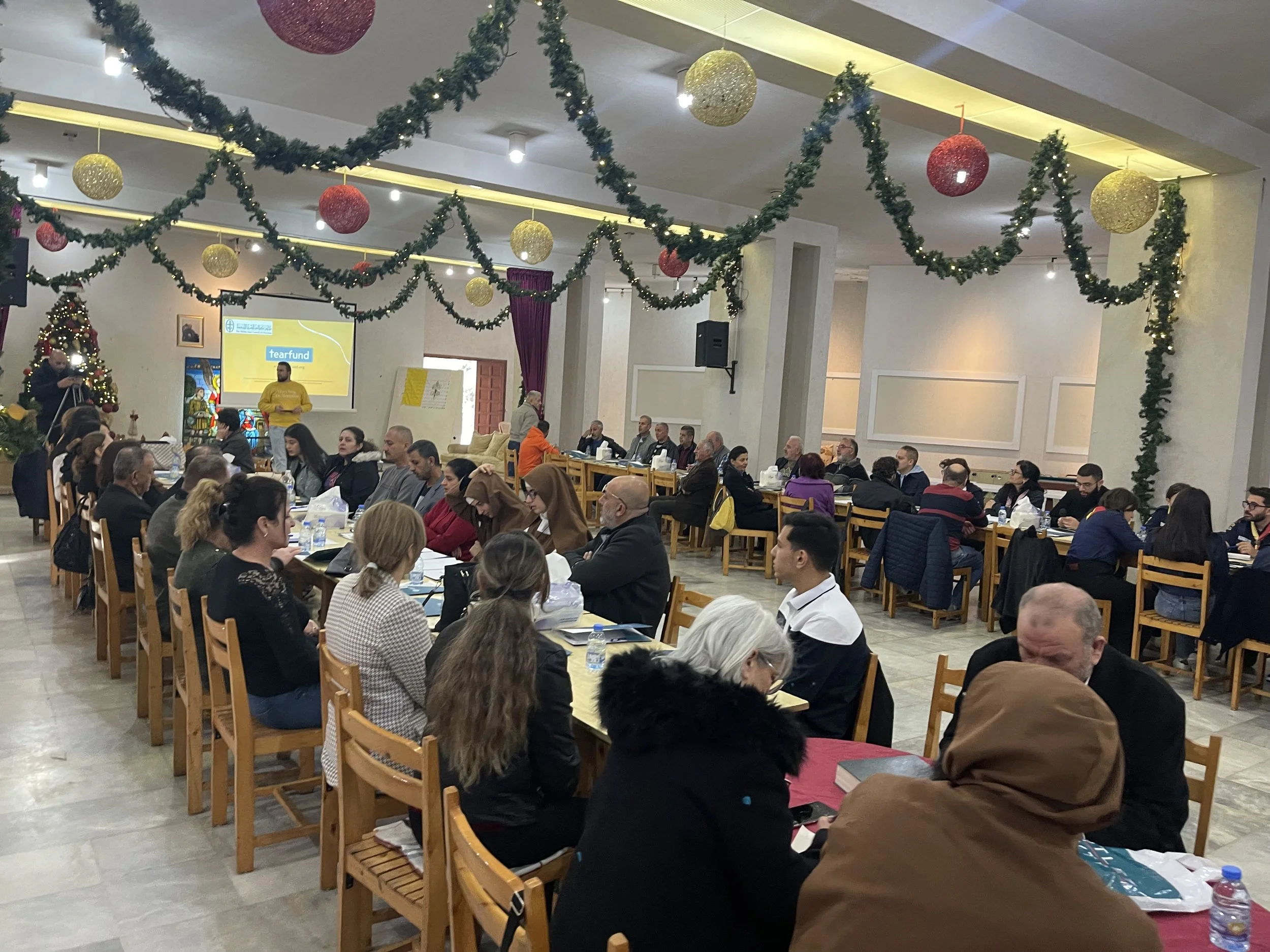
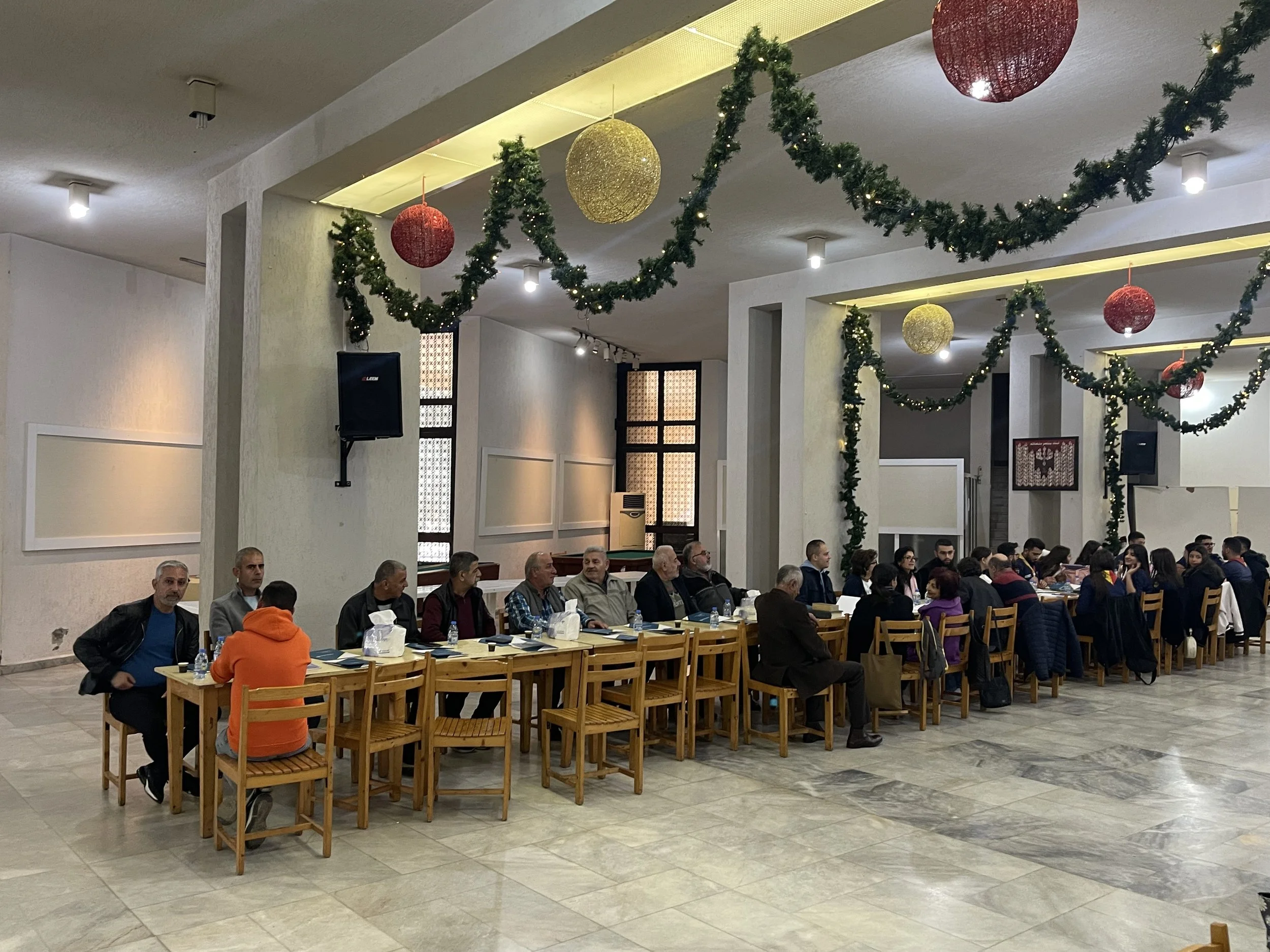
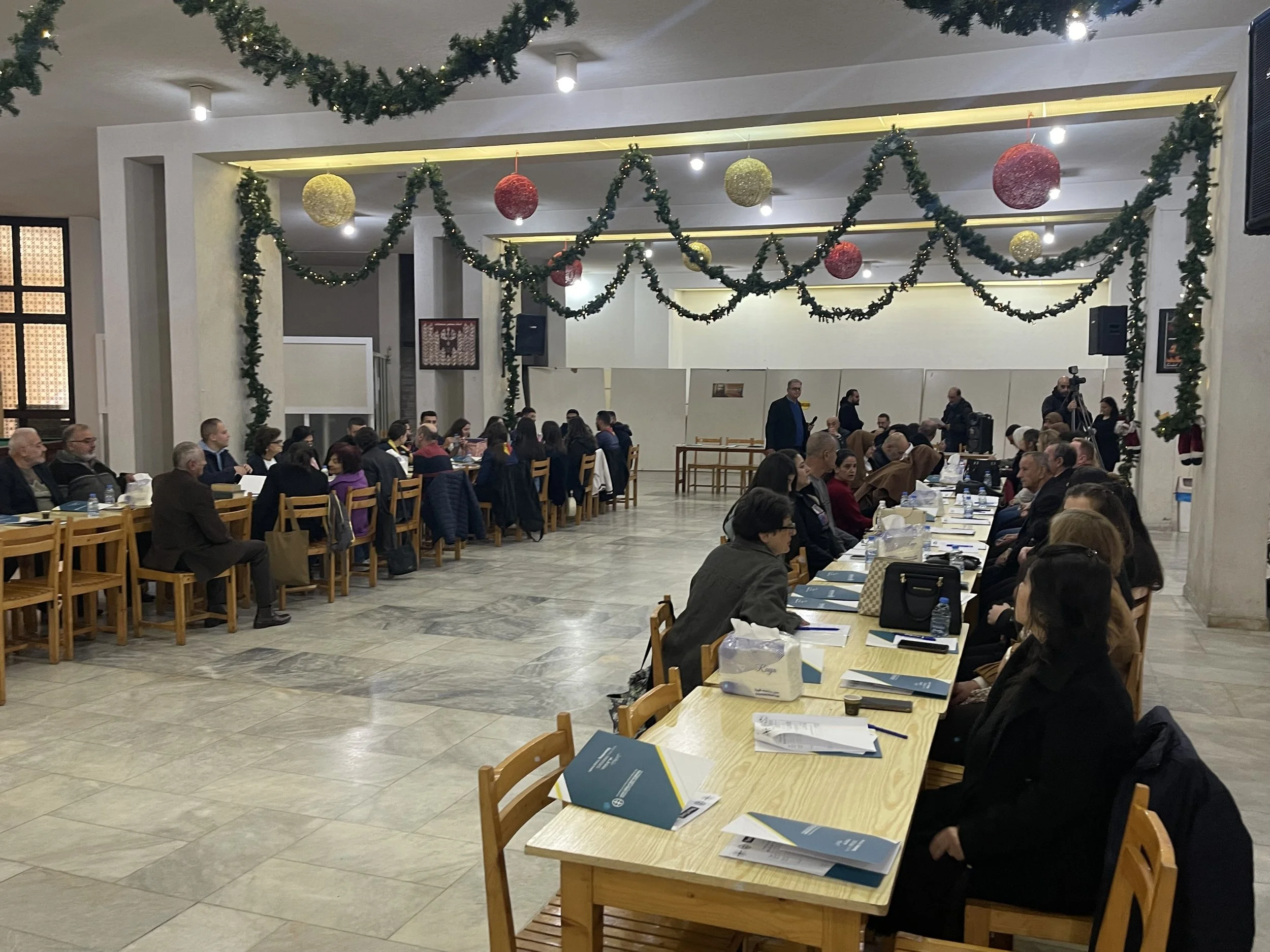
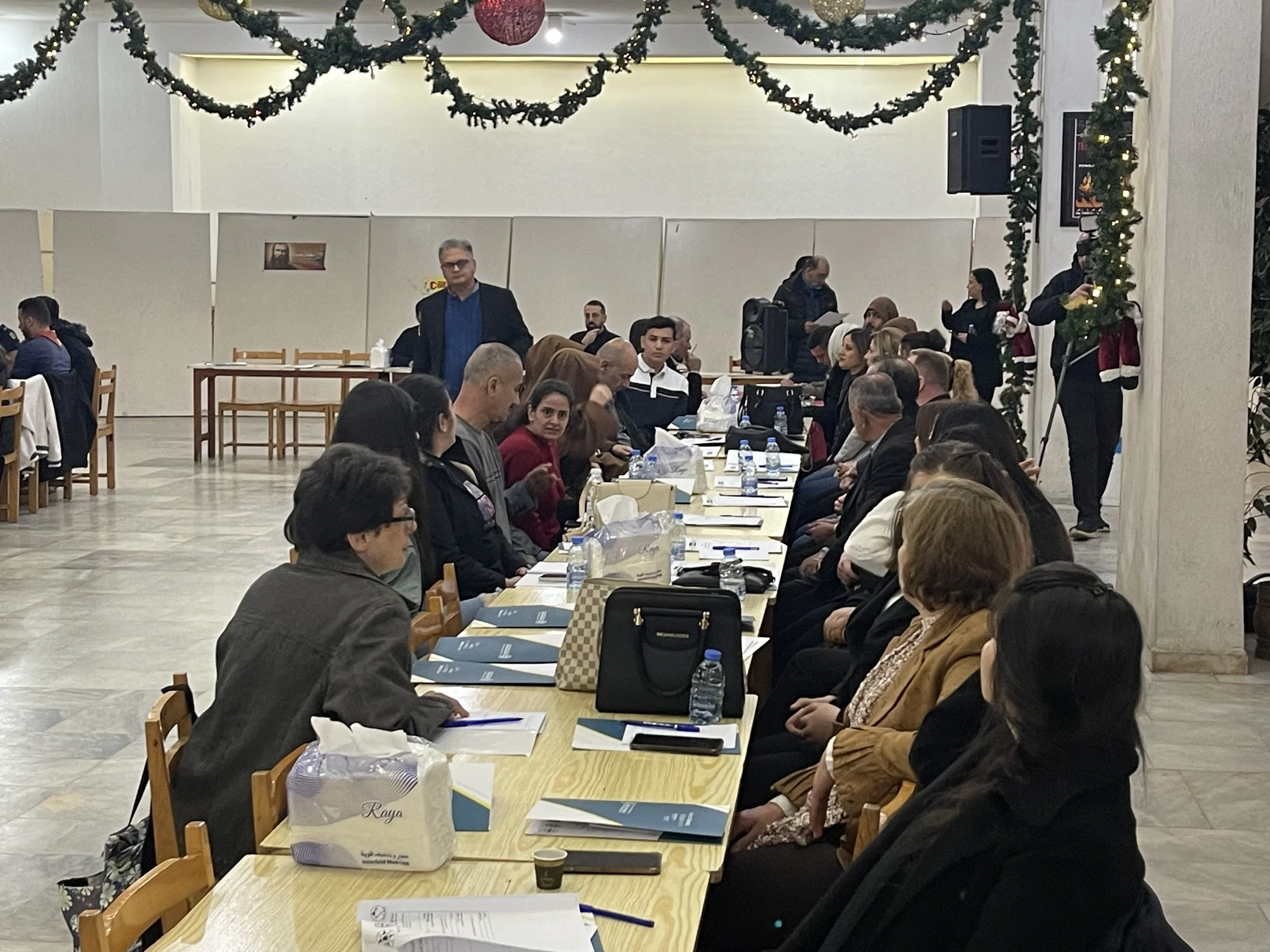
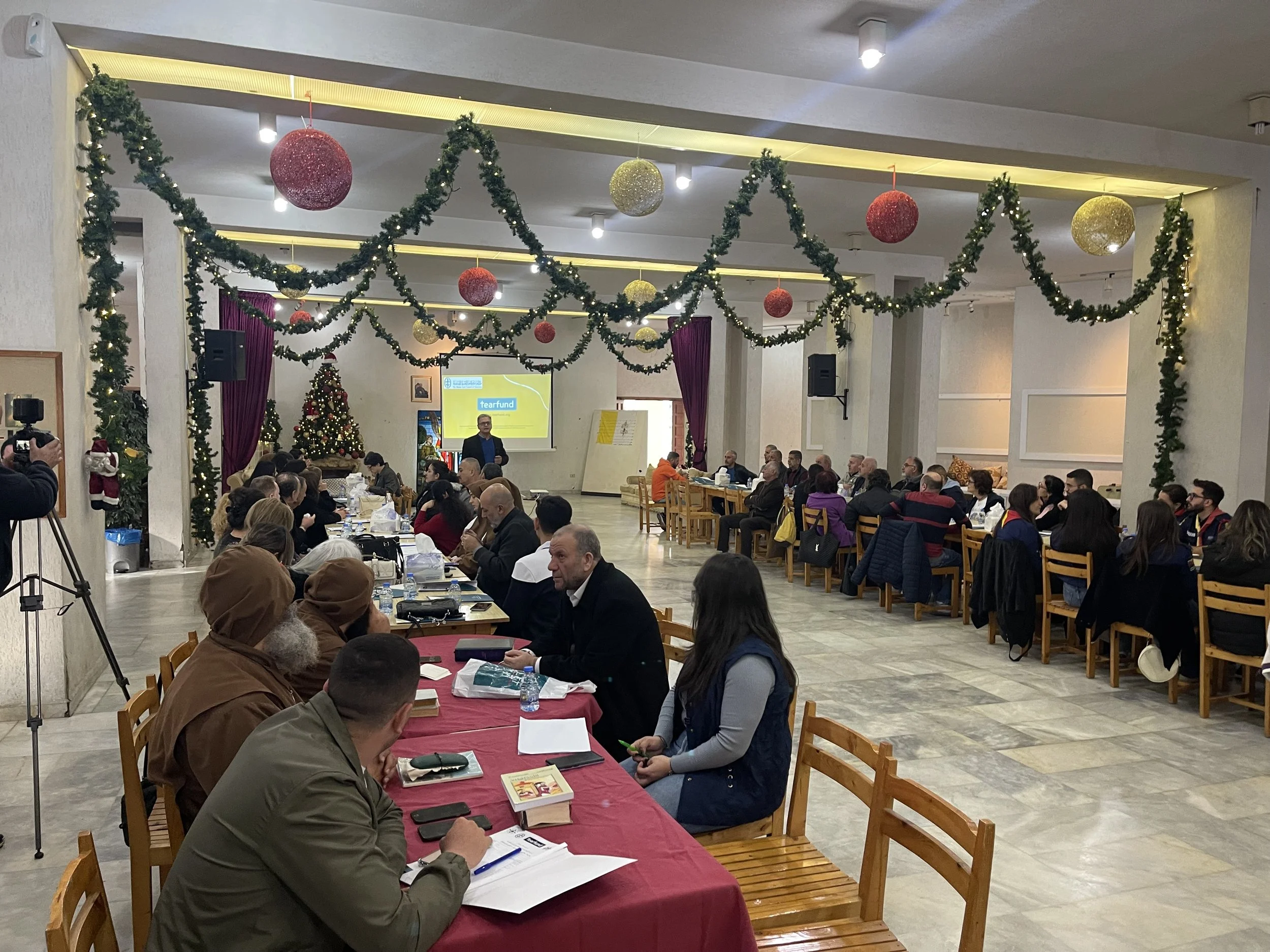
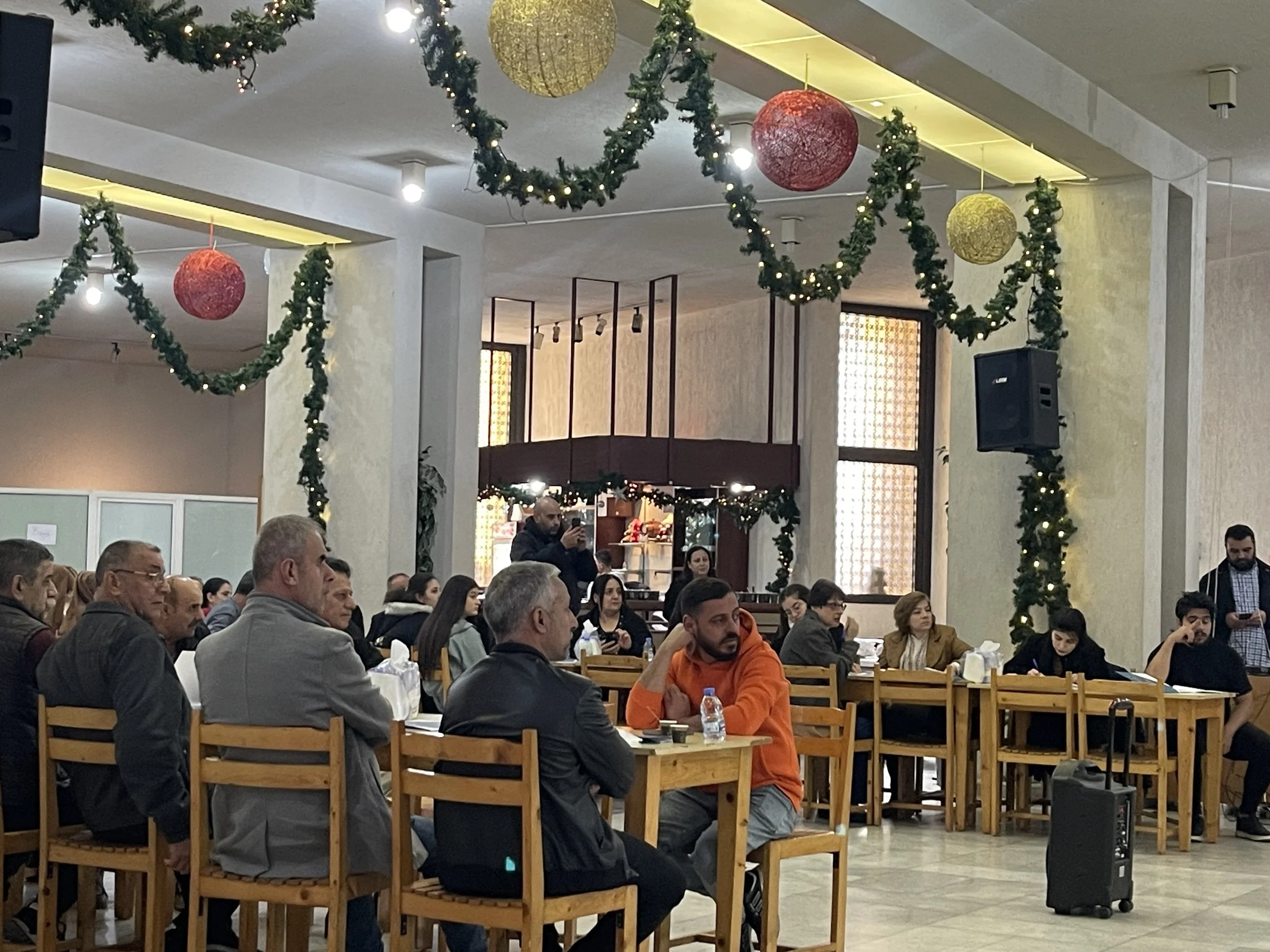
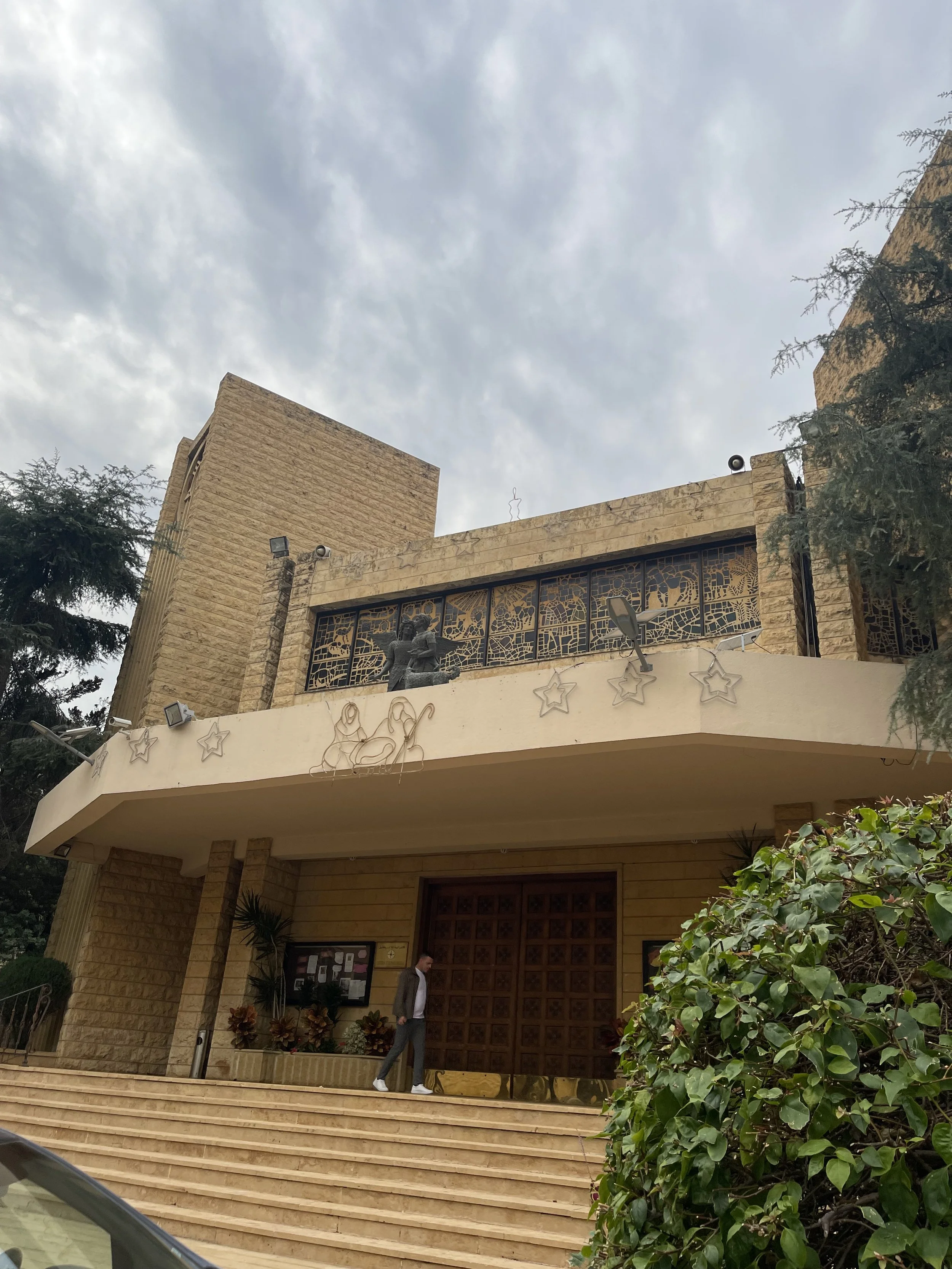
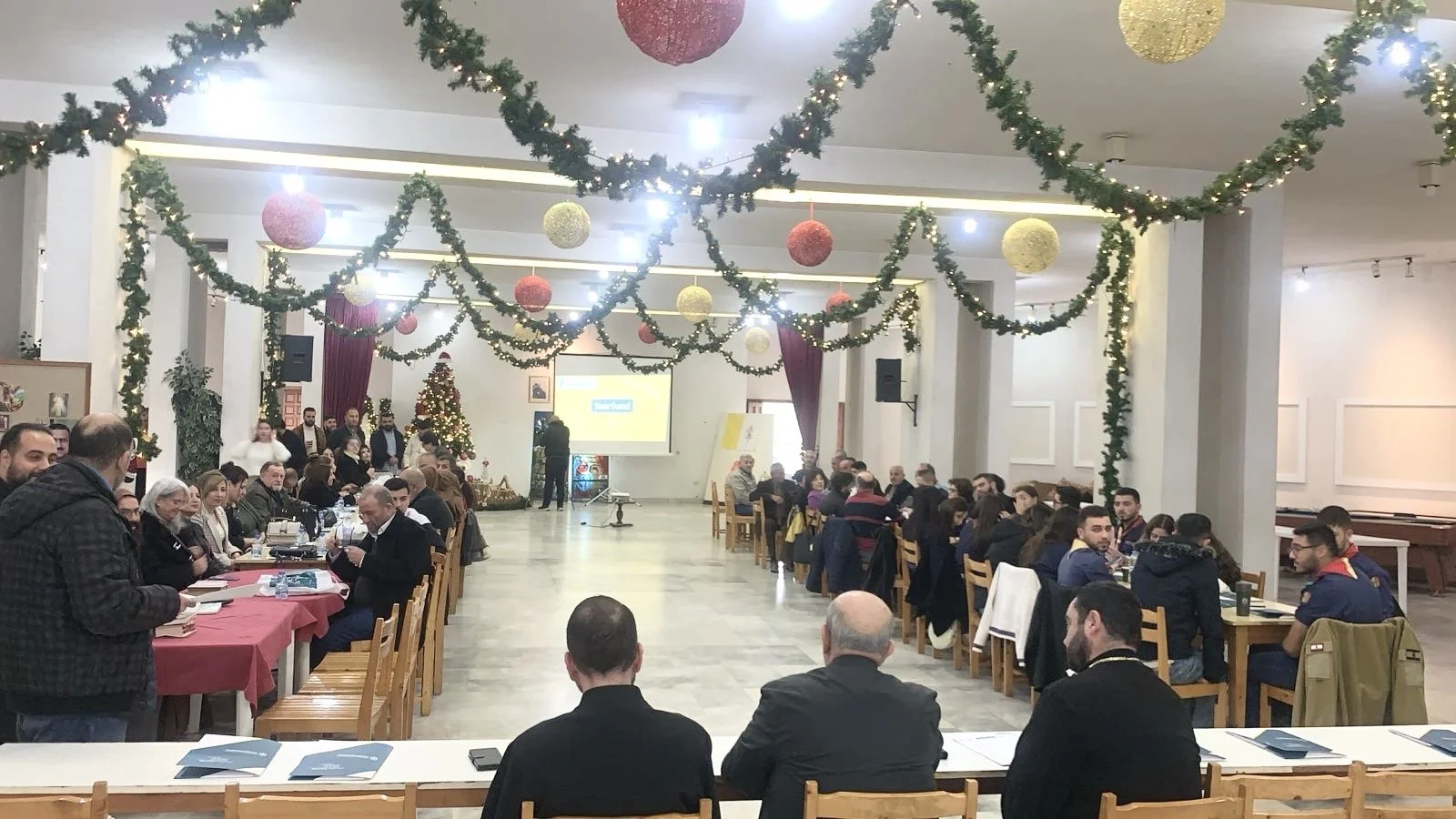
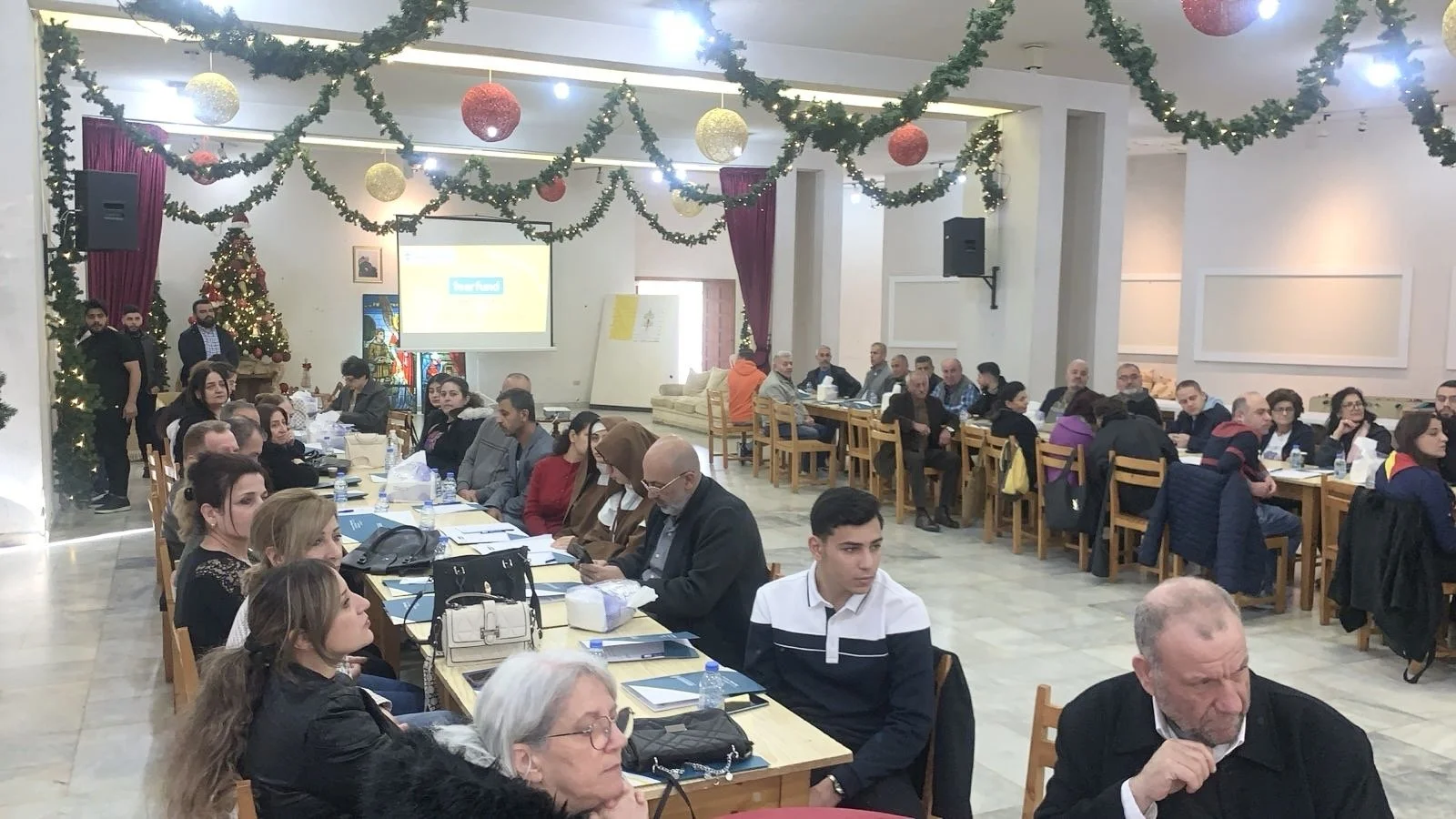
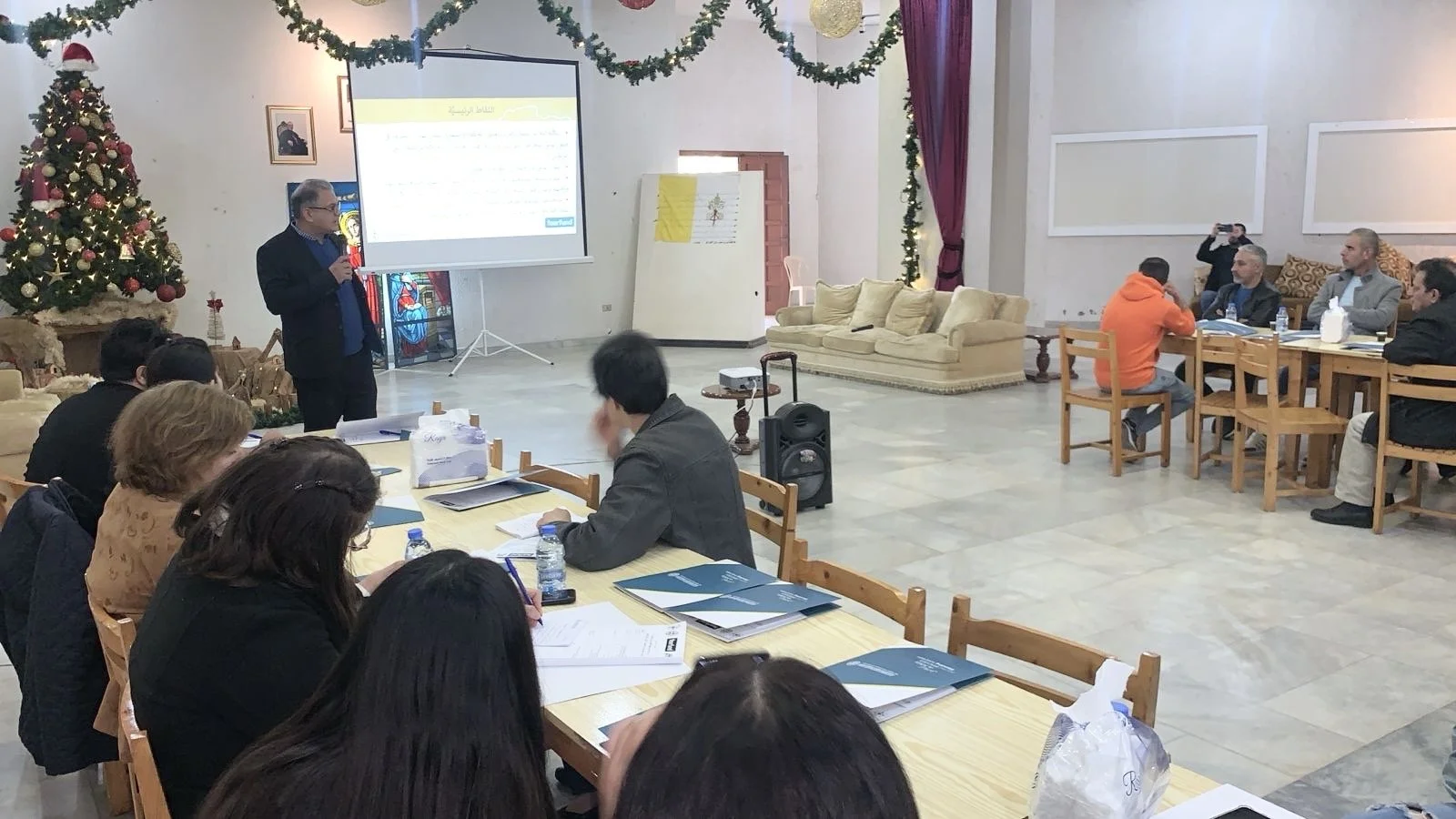
With the blessing and presence of His Eminence Bishop Michel Kassarji, Head of the Chaldean Community in Lebanon, the Middle East Council of Churches (MECC), Diakonia and Social Service Department – Lebanon’s Office, in partnership with TearFund organization, held a new training course within the program "Disaster Risk Management and Churches Response", on Saturday, December 7, 2024, hosted by the Chaldean Archdiocese of Beirut, Hazmieh - Lebanon.
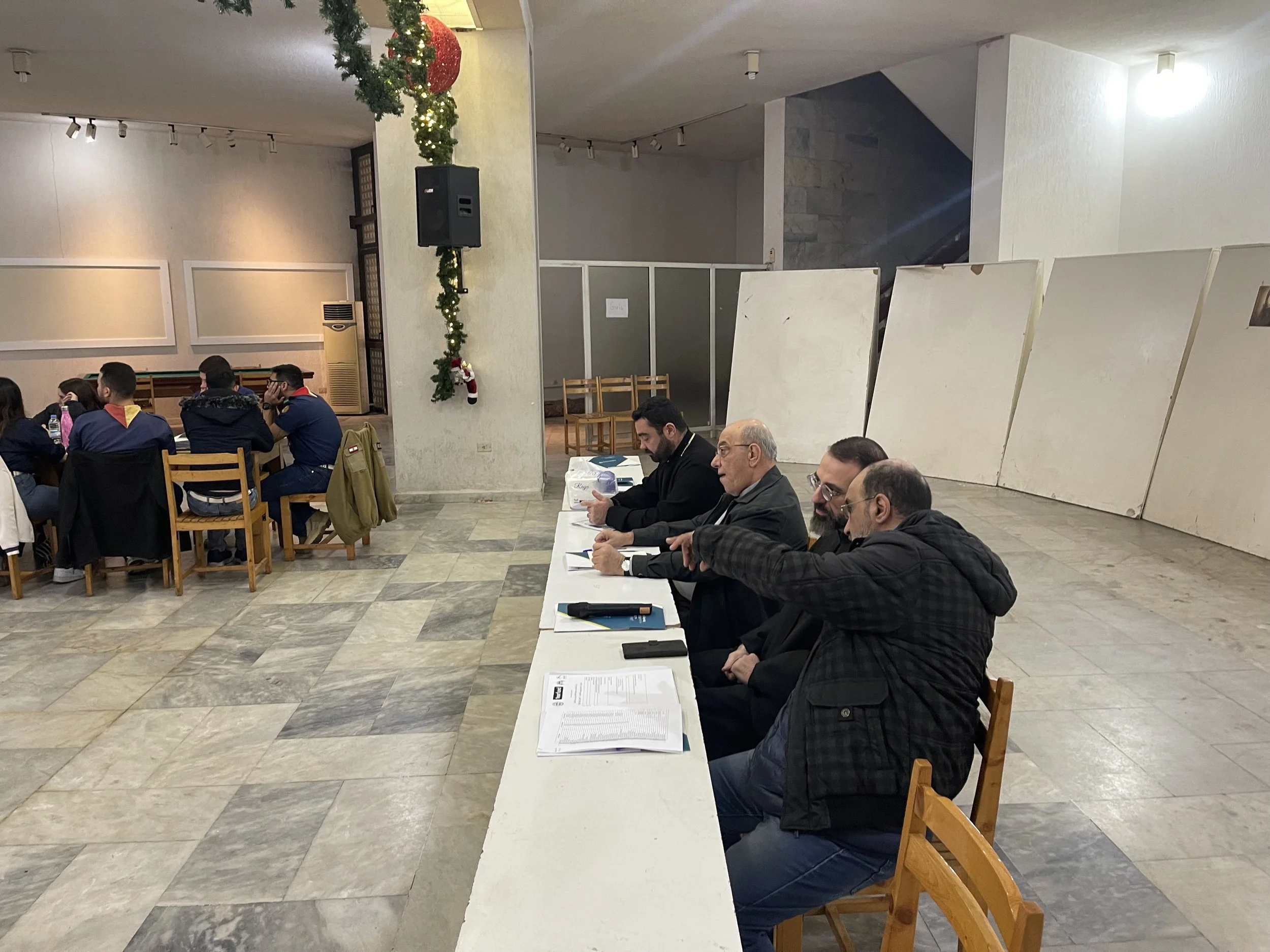
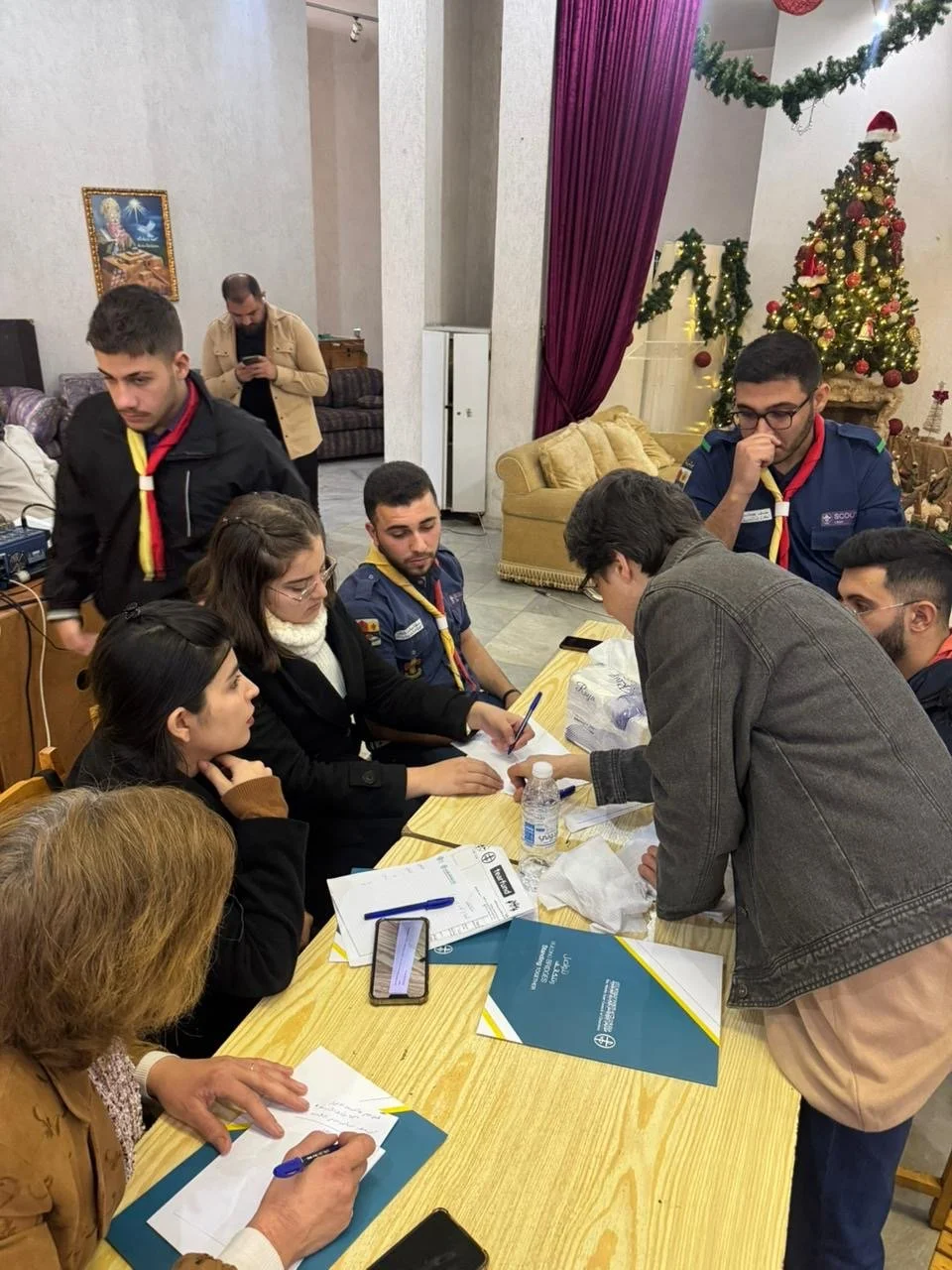
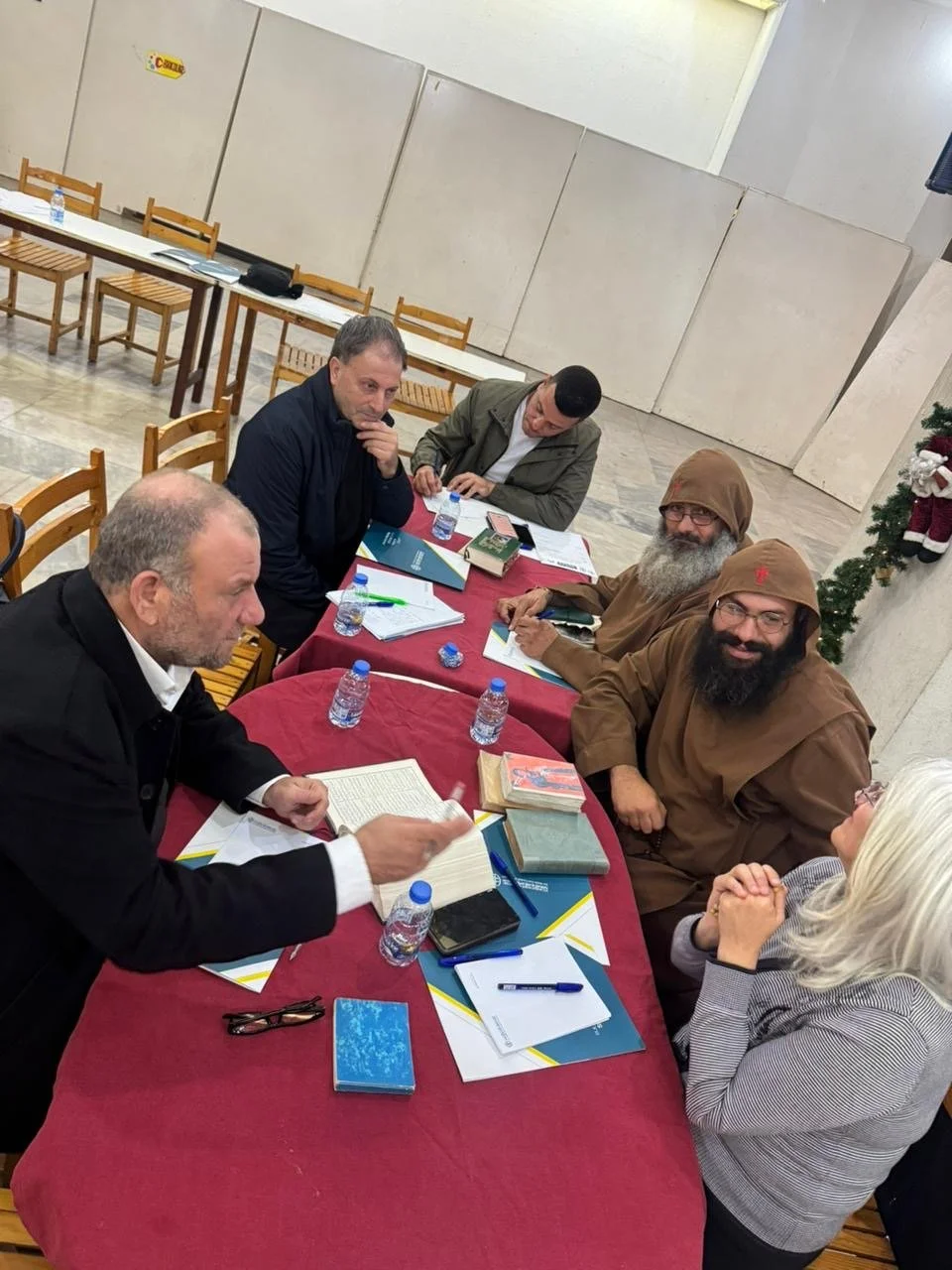
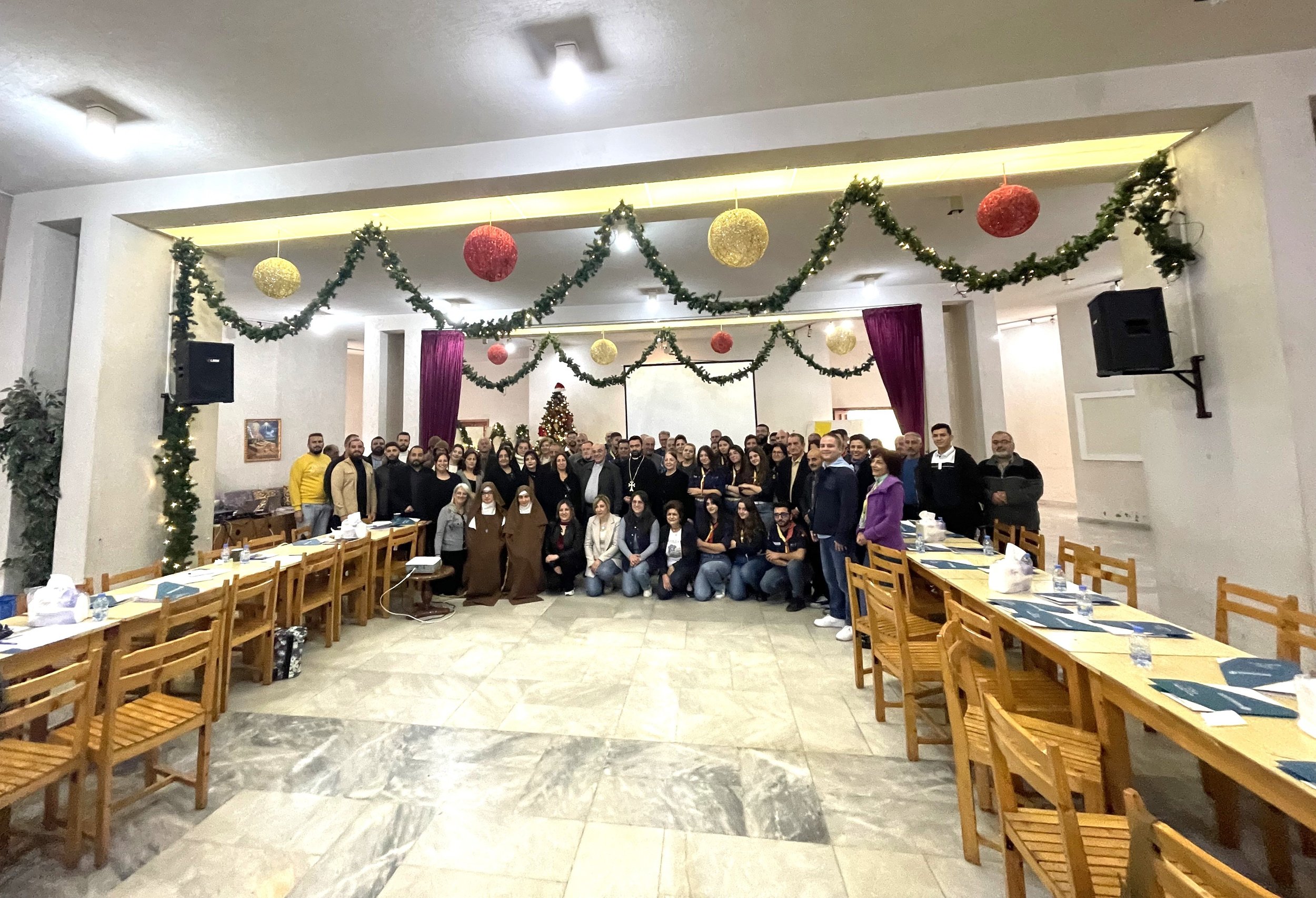
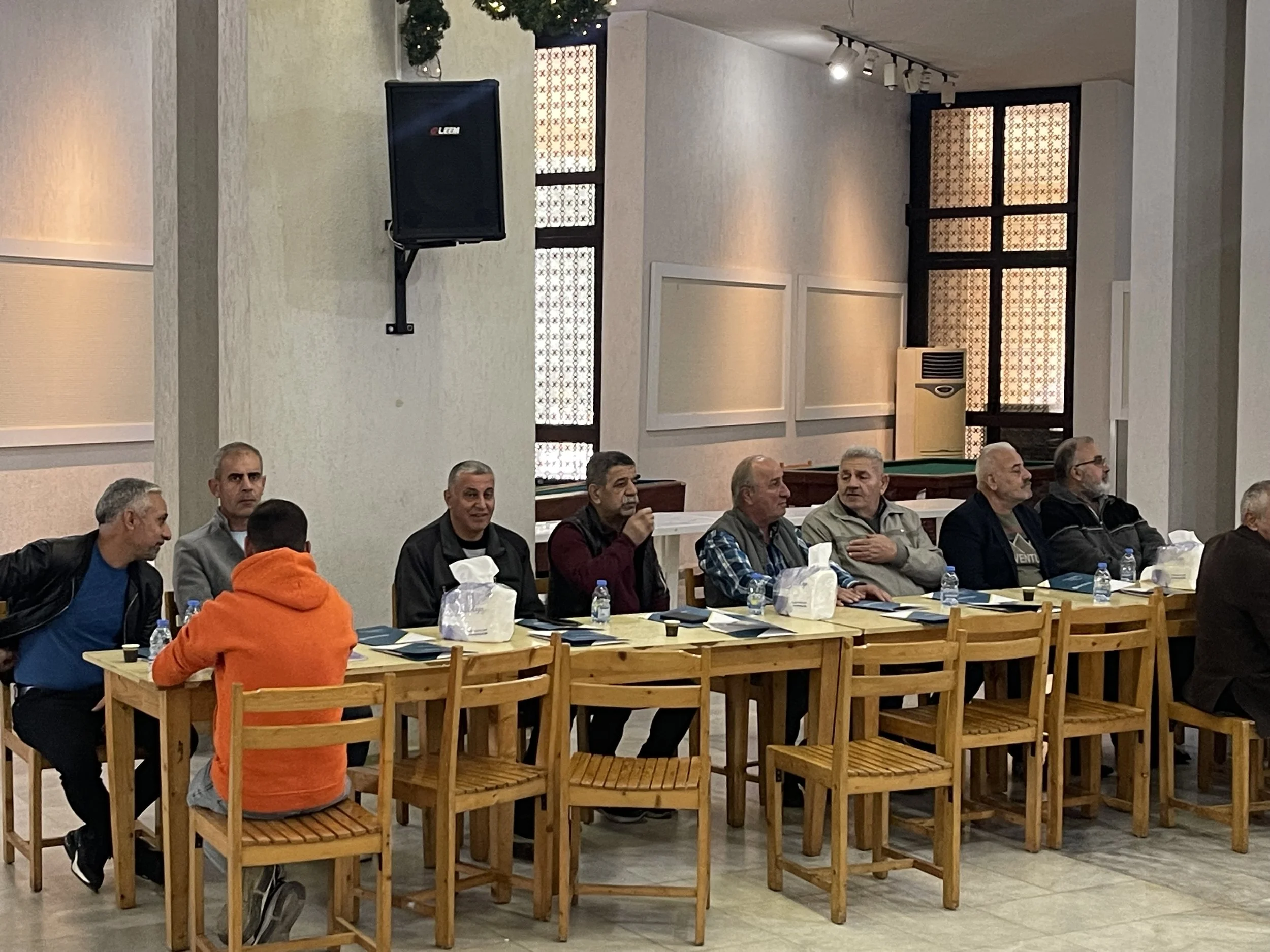
The training was held in the presence of Monsignor Raphael Traboulsi, the General Vicar of the Chaldean Diocese of Beirut, and Father Khoren, Priest of the Armenian Orthodox Cathedral Church in Zkak el-Blat, Beirut, and the participation of an Ecumenical group including 120 participants of clergy, consecrated men and women, lay people, scouts and workers in the Church field from the Chaldean Diocese of Beirut, the Syriac Orthodox Archdiocese of Beirut, and the Armenian Orthodox Archdiocese of Lebanon.
The training aimed to empower the participants and develop their capacities on the topic at hand in order to support them and provide them with the basic skills that will help them train workers in their Parishes. Thus, it will enable them to help the Church in supporting the neediest and most affected people by the crises and difficult living conditions, on various humanitarian, social, health and psychological levels.
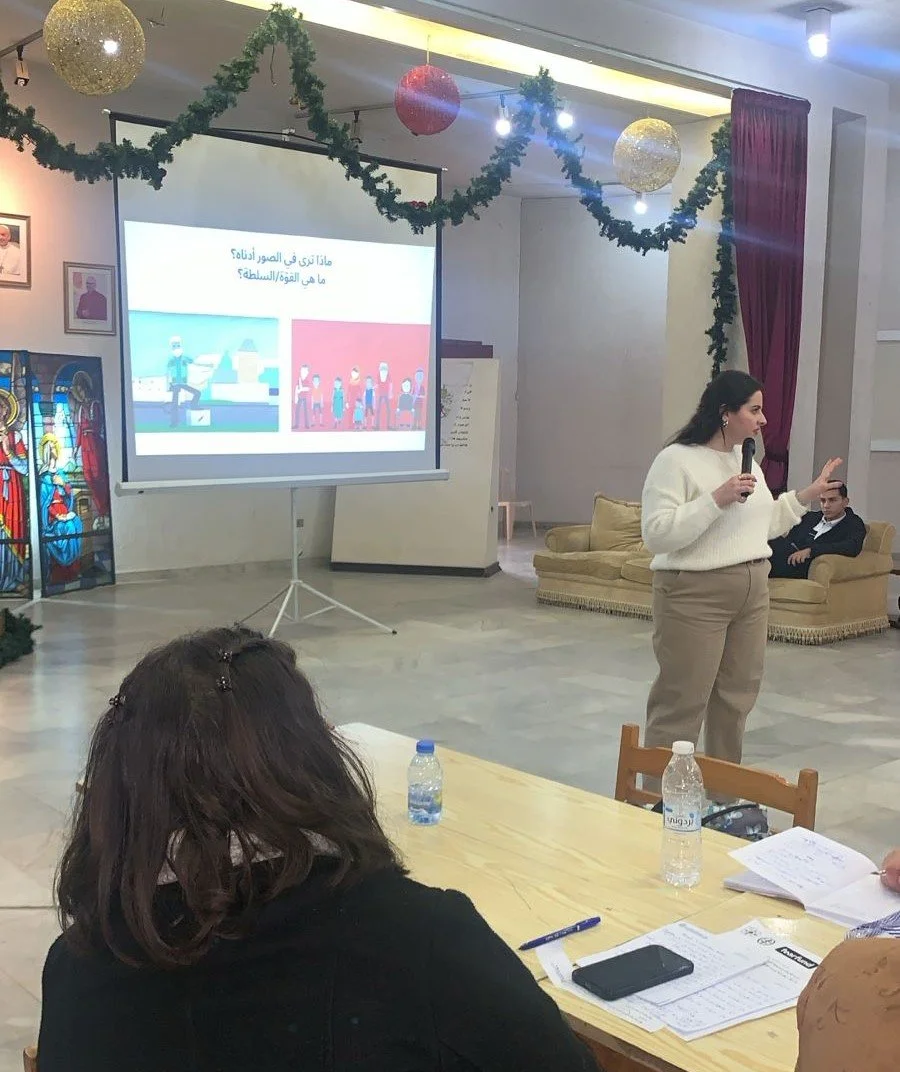
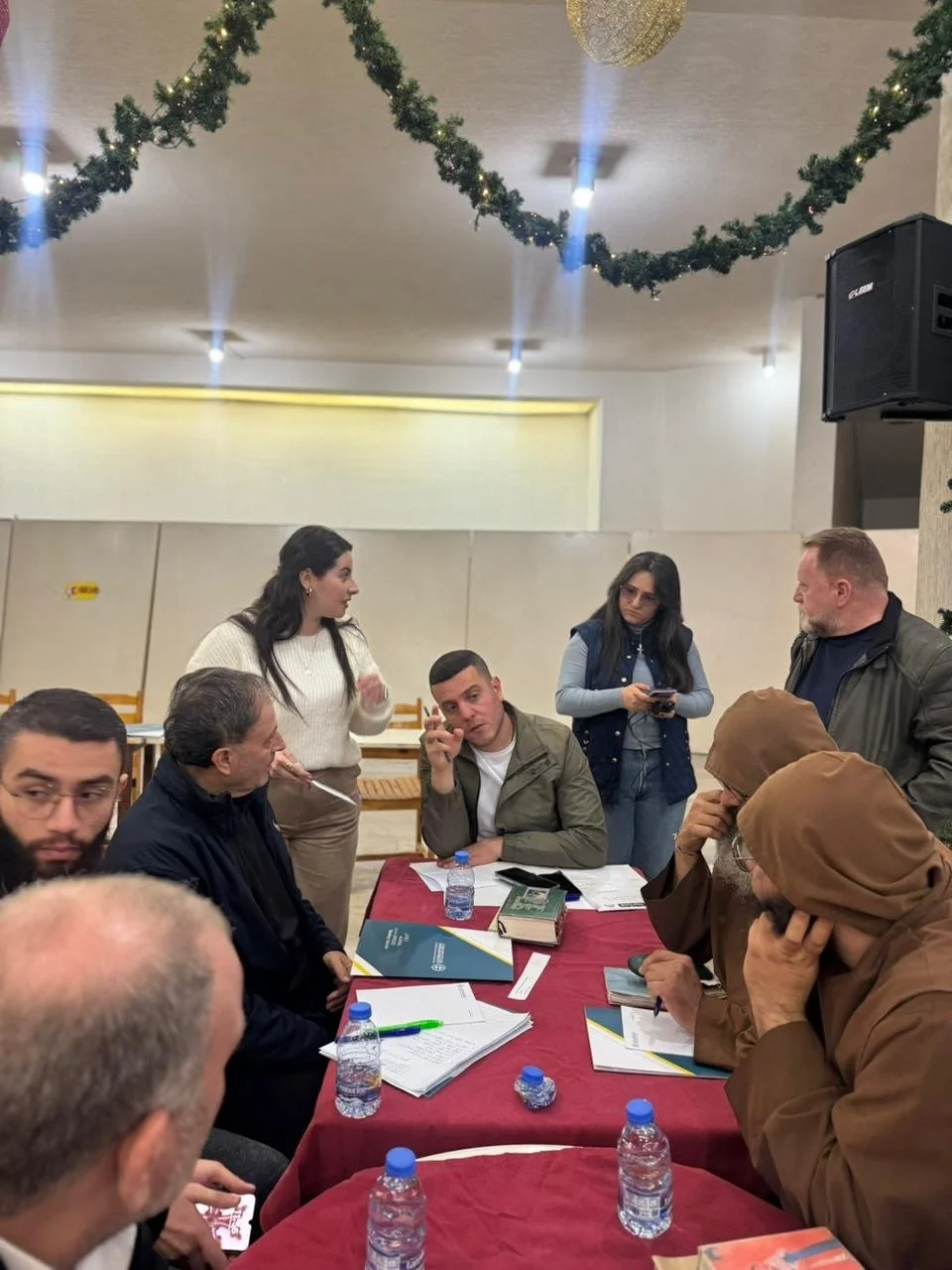
The course included Theological, humanitarian and programmatic sessions, as well as many workshops, accompanied by trainers from various fields who had participated in a previous training on "Disaster Risk Management and Churches Response". Hence, they presented their experiences and skills to a new group of trainees.
Following the Morning Prayer, the course began with a speech delivered by His Eminence Bishop Michel Kassarji in which he stressed the importance of the training, especially in light of the various conflicts and crises that the country is witnessing, thanking the Middle East Council of Churches for this organization as it allowed them to meet together and live this experience with great joy and love.
His Eminence also mentioned the need to exchange opinions and experiences on ways to confront crises in Lebanon as well as discuss the role of the local Church and its movements in times of disasters, stressing the need today to enhance cooperation, solidarity and God-reliance, opening our hearts and consciences and saying together "Let Your will be done, O Lord, and not my will."
The first session was then devoted to a study from the Bible entitled “The Response of the Church of Antioch to the Famine in Jerusalem”, based on the Acts of the Apostles, with Mr. George Makdisi Elias, who spoke at length about the concept of crises and the importance of the local Church and its actions in responding to disasters.
In the second session, Deacon Garen Yosolkanian, Coordinator of the MECC Eco-Justice Unit, presented a study from the Bible entitled “Why God Allows Suffering”, based on the Gospel of Luke and the Old Testament, the Book of Samuel, explaining on another side the codes of conduct and policies followed in the Church.
In the third and fourth sessions, Mrs. Marianne Korkis gave a presentation on first aid, especially psychological aid during emergencies, talking about the international humanitarian and political standards followed for humanitarian work.
The training ended with an evaluation by the participants, and a Closing Prayer offered by Monsignor Raphael Traboulsi, Father Maurice Wehbe, from the Greek Catholic Church, and Deacon Garen Malkania, from the Armenian Orthodox Church.