The MECC Theological and Ecumenical Department
Organizes a Regional Workshop as Part of the of the “Trauma Healing and Spiritual Counseling” Program
The Secretary General Professor Michel Abs Visits the Participants and Supports Them
You can find some photos at the end of the text.
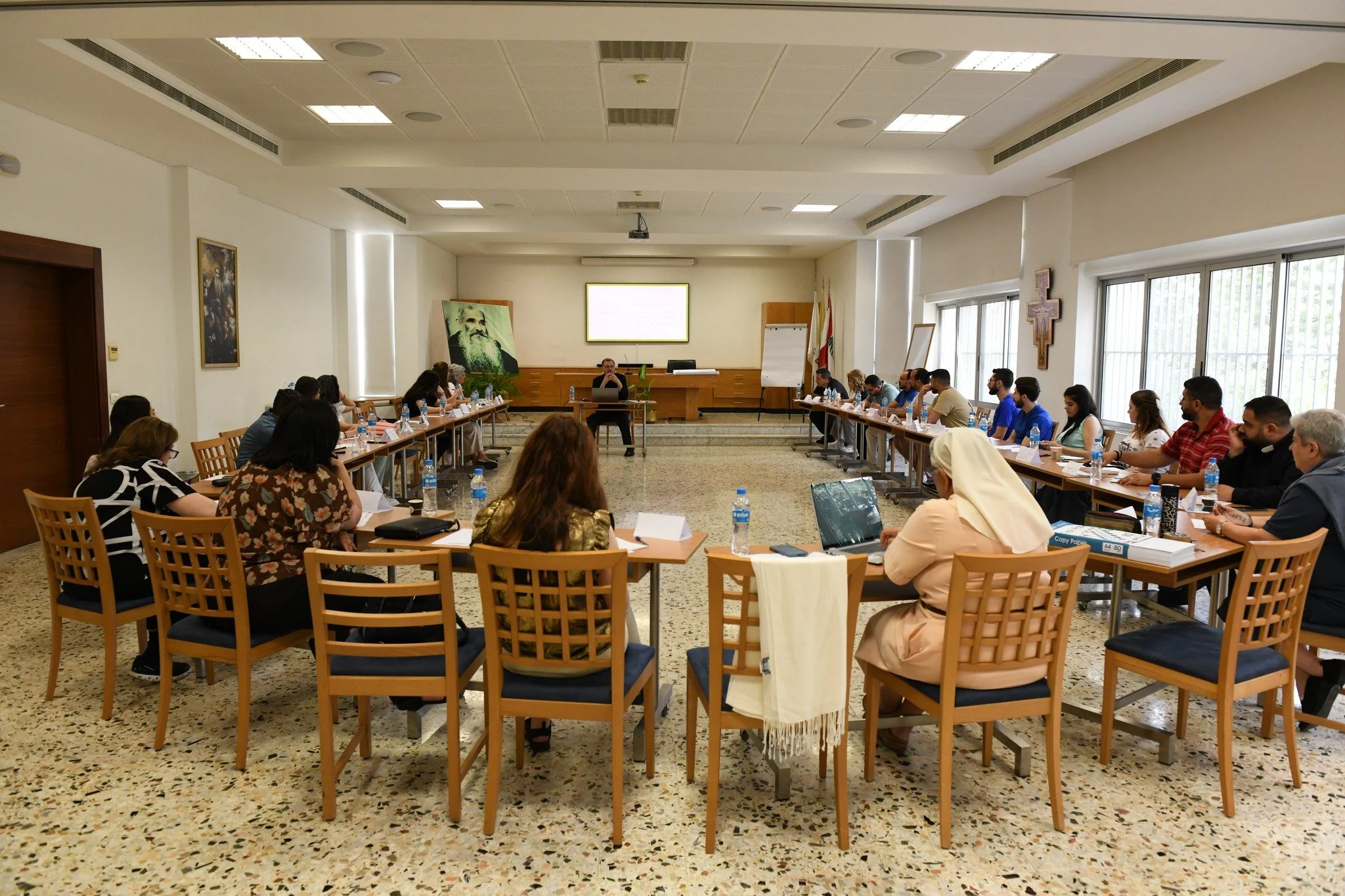
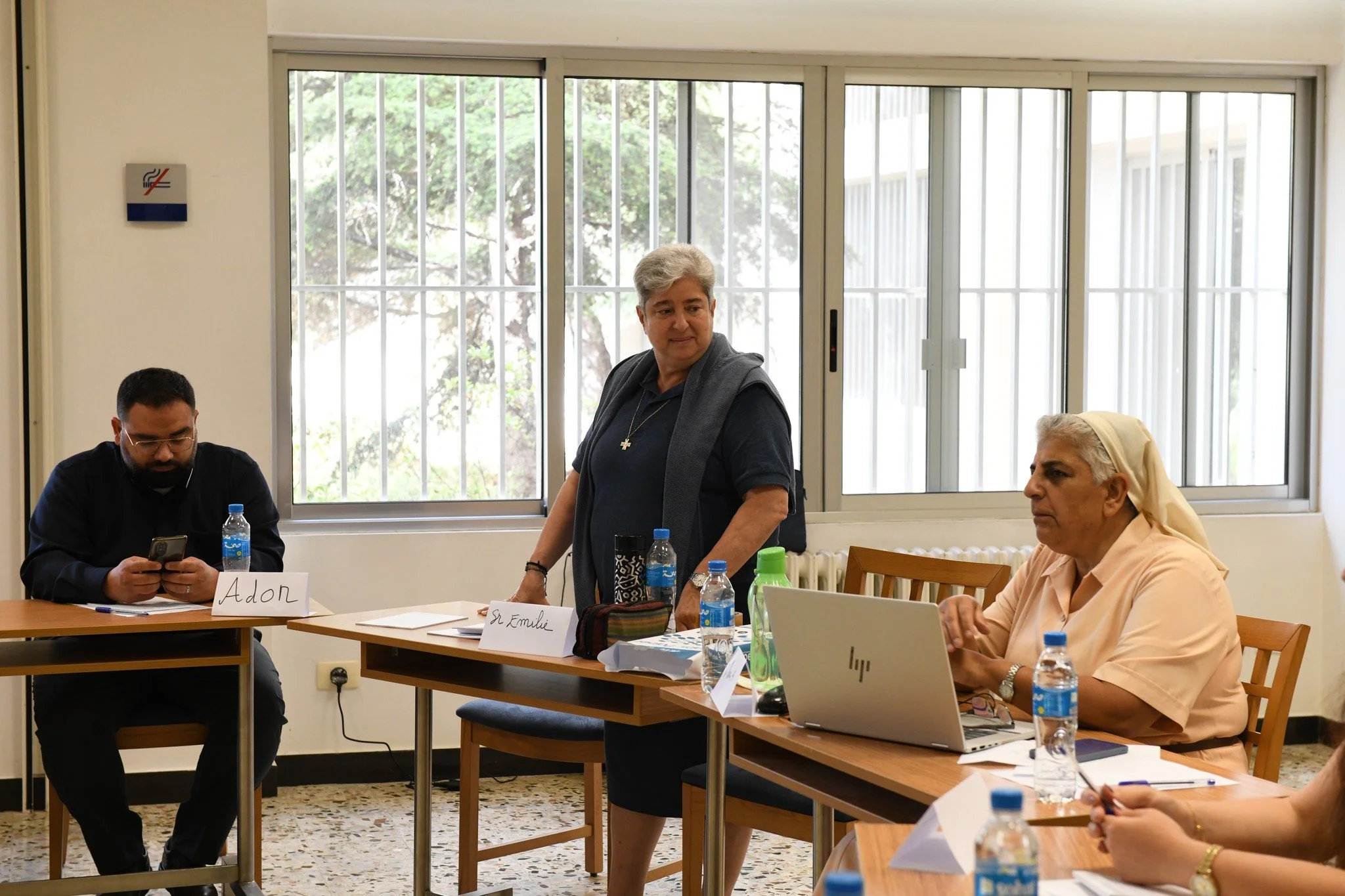
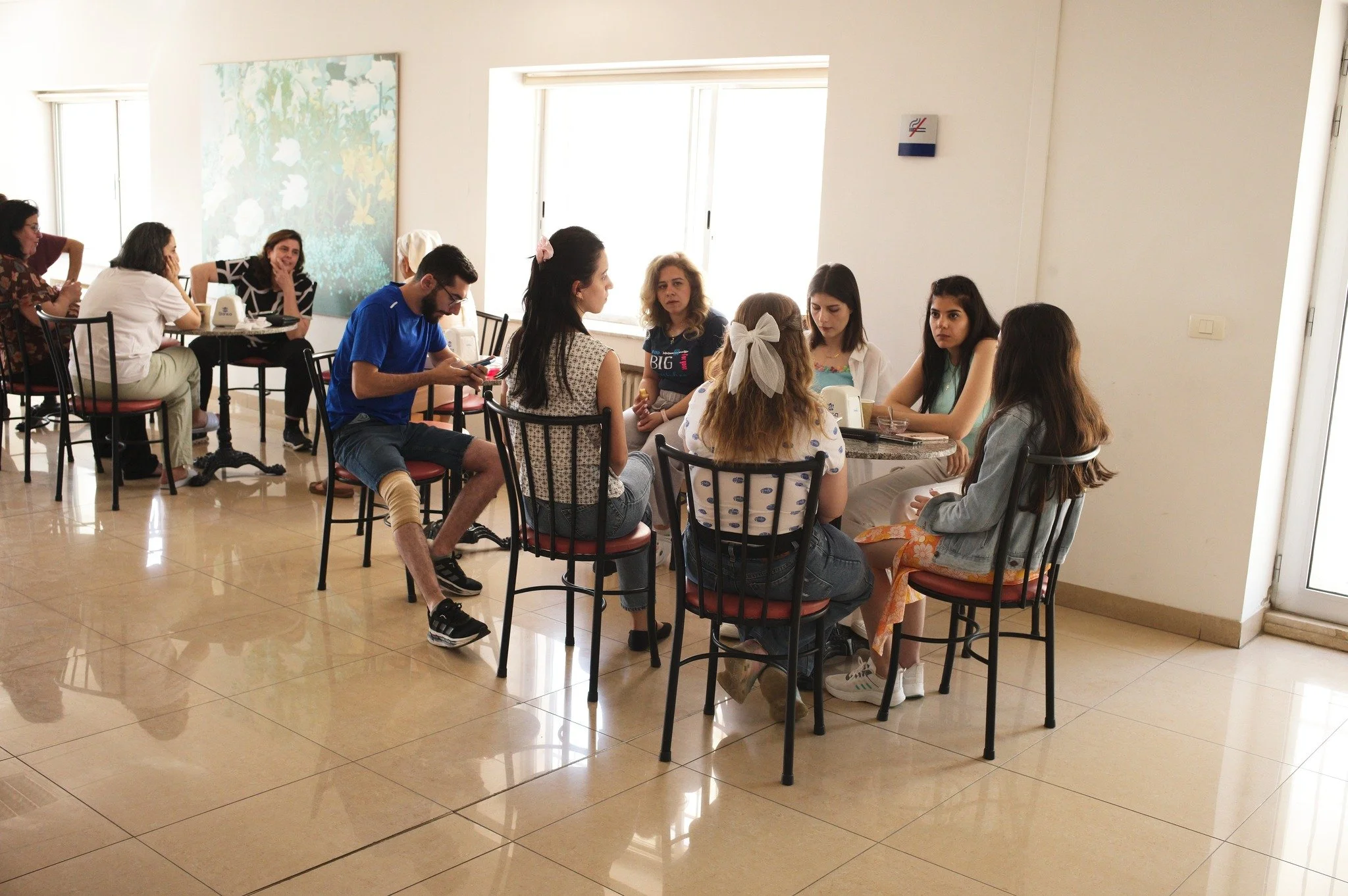
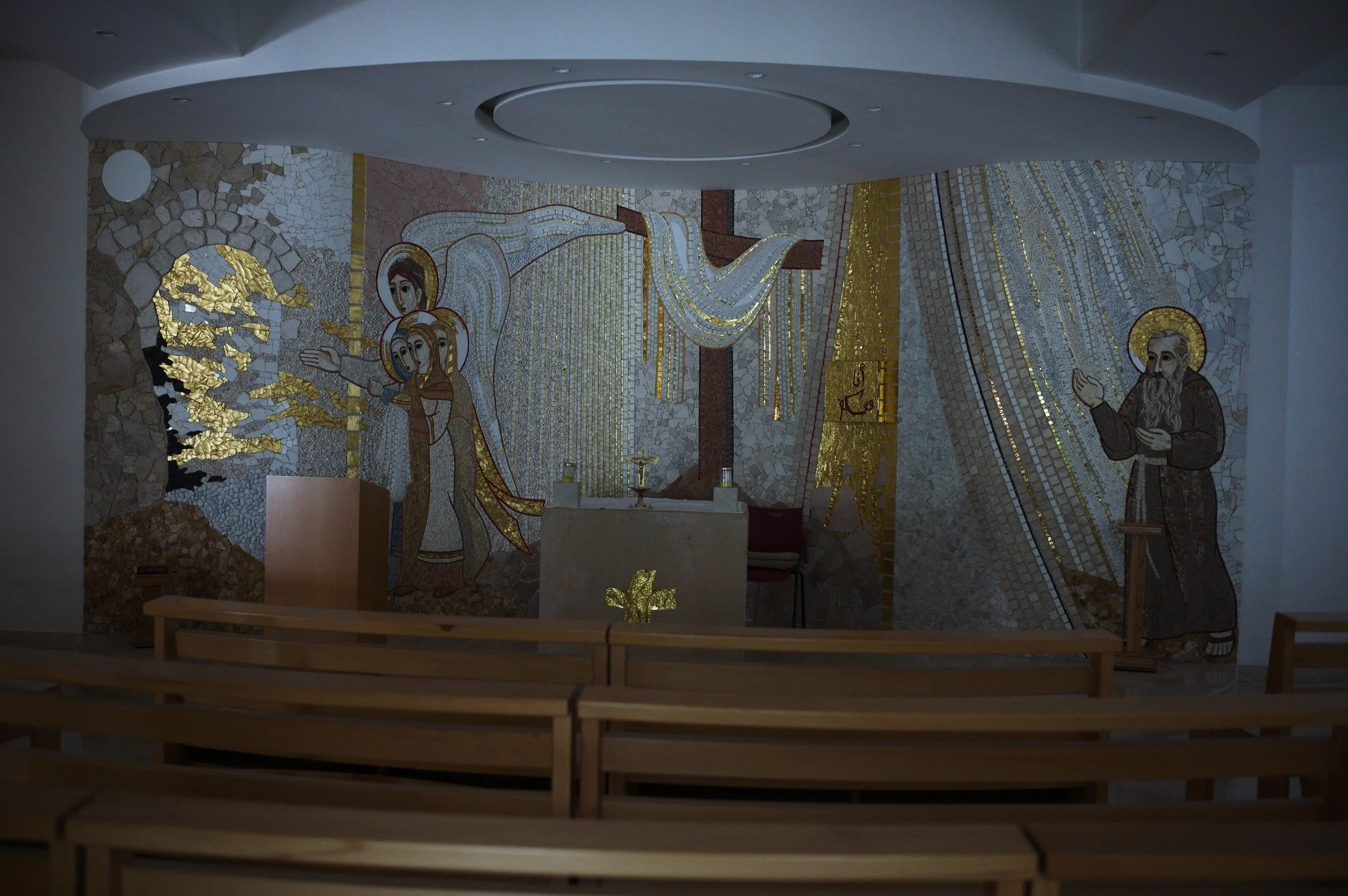
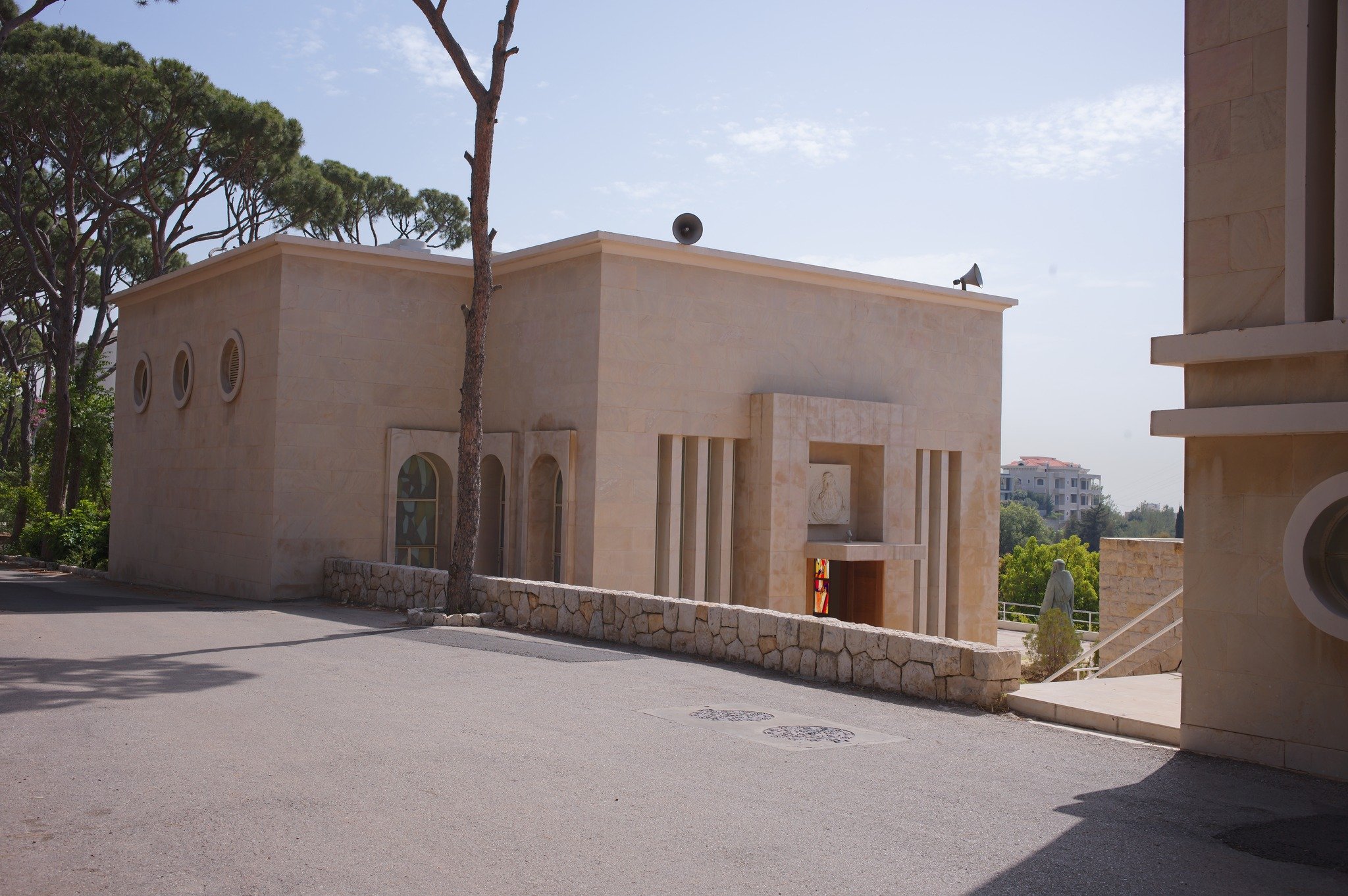
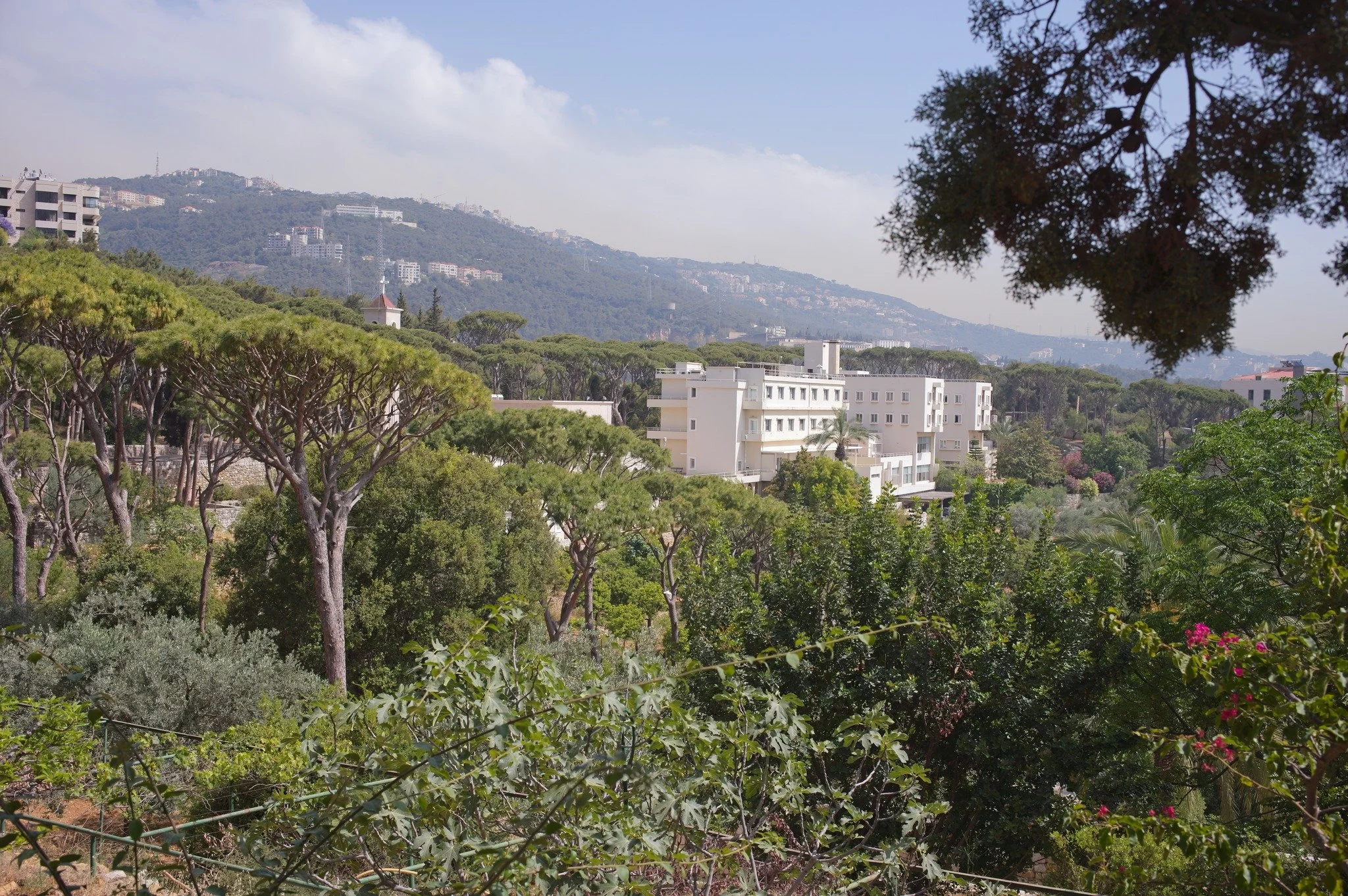
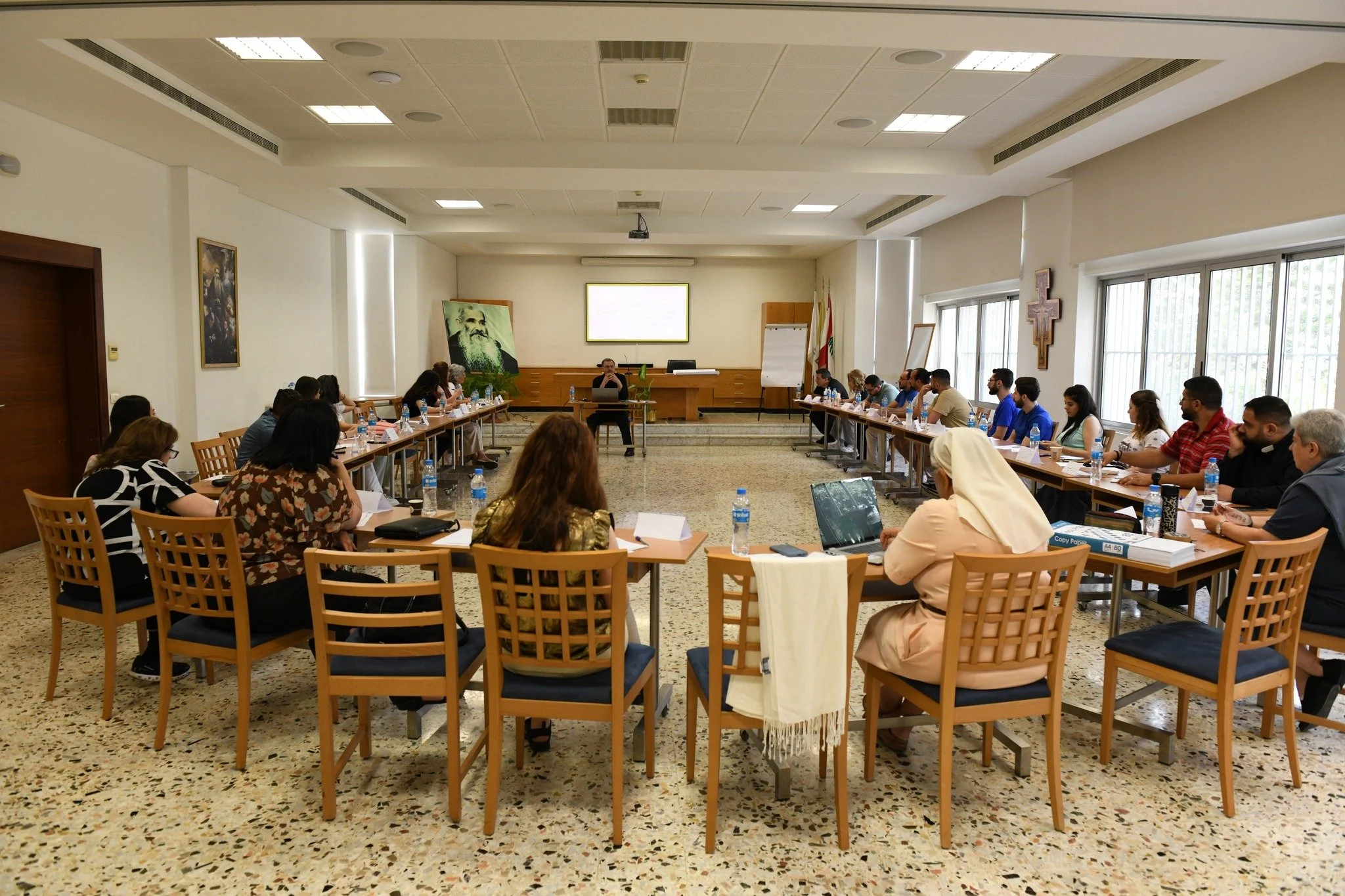
The Theological and Ecumenical Department at the Middle East Council of Churches (MECC) implemented a new workshop to train the trainers, as part of the regional program "Trauma Healing and Spiritual Counseling". It took place between May 25 and 30, 2025, at the Monastery of Notre Dame du Puits in Beqanaya - Lebanon.
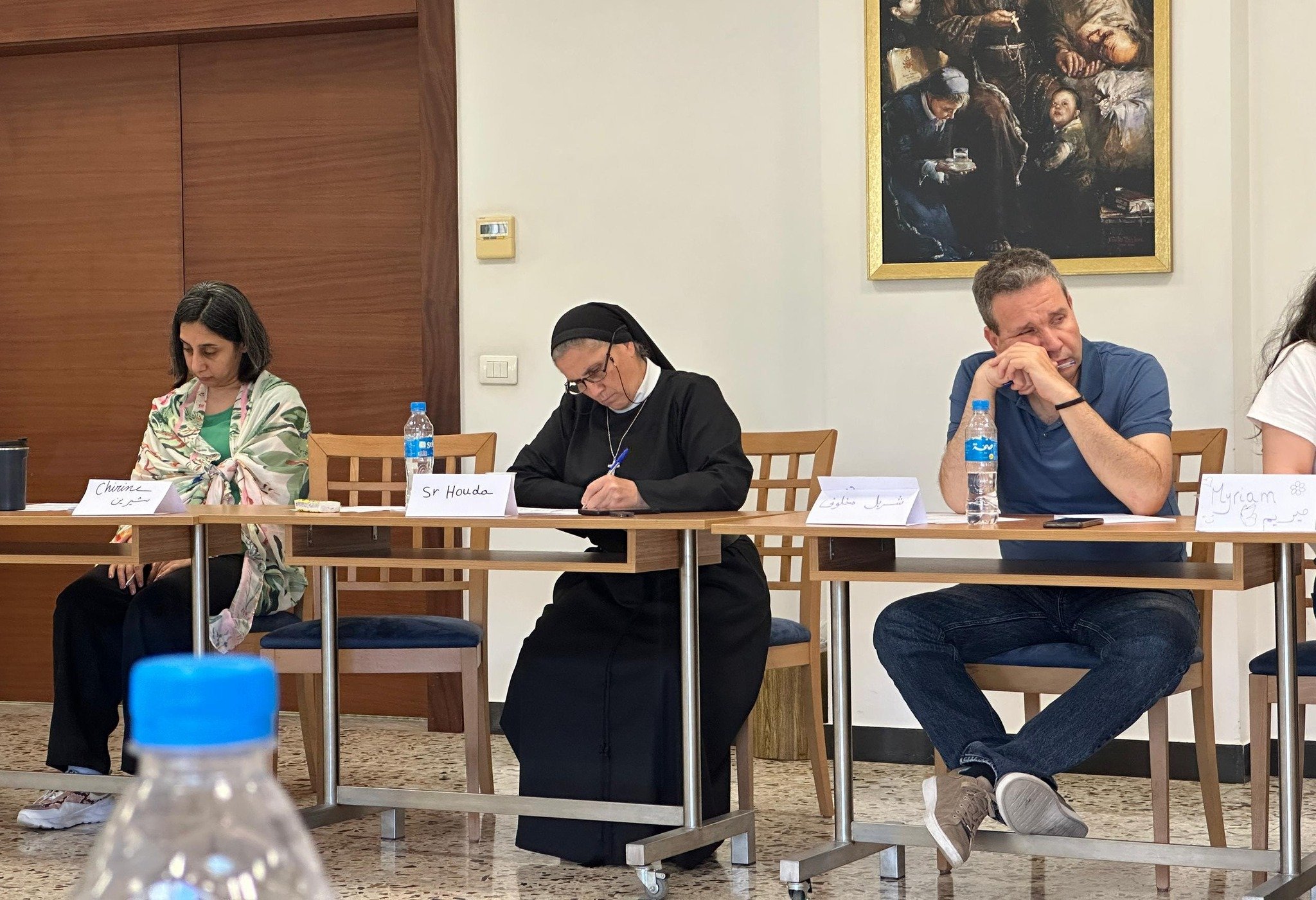
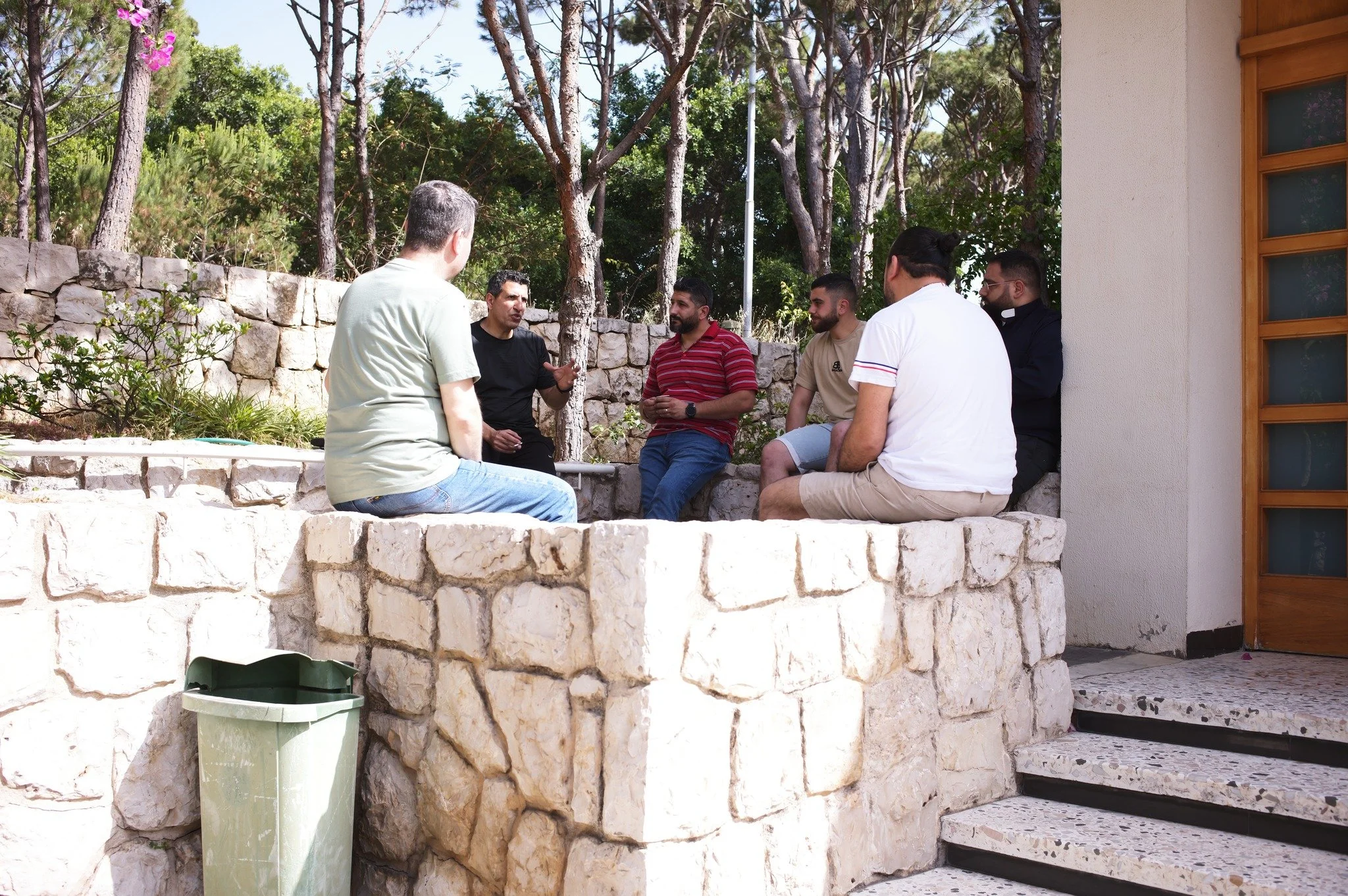
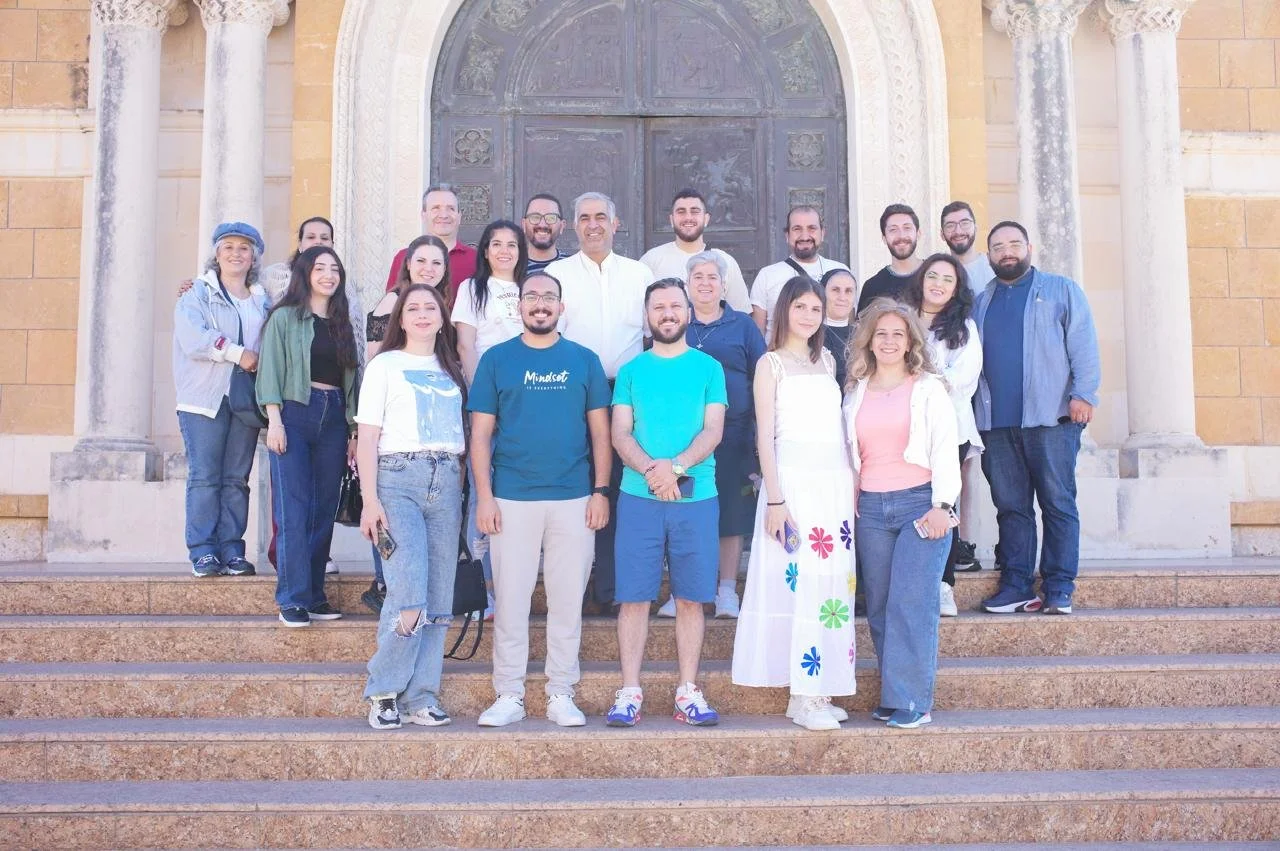
Participants were a group of Clergy, Nuns, lay people, and pastoral workers, representing various Church Families and countries of the Middle East such as Lebanon, Syria, Iraq, Jordan, Palestine, and Egypt. Noting that they had previously participated in national workshops organized in their countries as part of the same program, and are now trained to develop their capacities to provide support within their communities.
This workshop was held in response to the urgent psychological and spiritual needs of communities suffering from crises and instability in the region. Therefore, the program aimed to enhance participants' awareness of the concept of trauma and ways to heal it through pastoral ministry, as well as to empower them to support others in similar areas.
Through interactive sessions, practical workshops, and theological reflection, participants explored key topics such as spiritual accompaniment and its potential pitfalls, Christian perspectives on authority and power, ethical challenges in ministry, emotional and intellectual intelligence in leadership and post-traumatic growth and group facilitation.
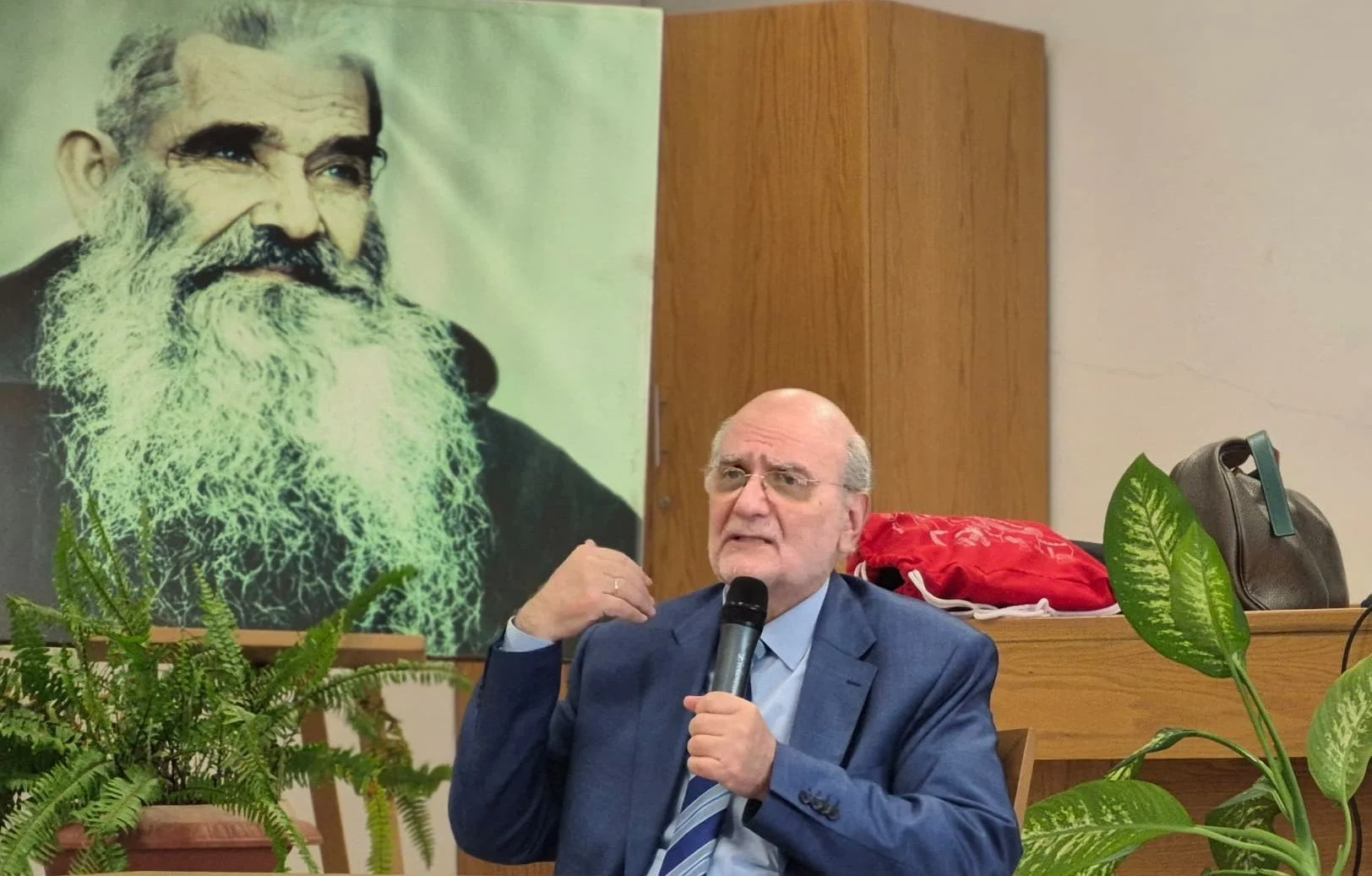
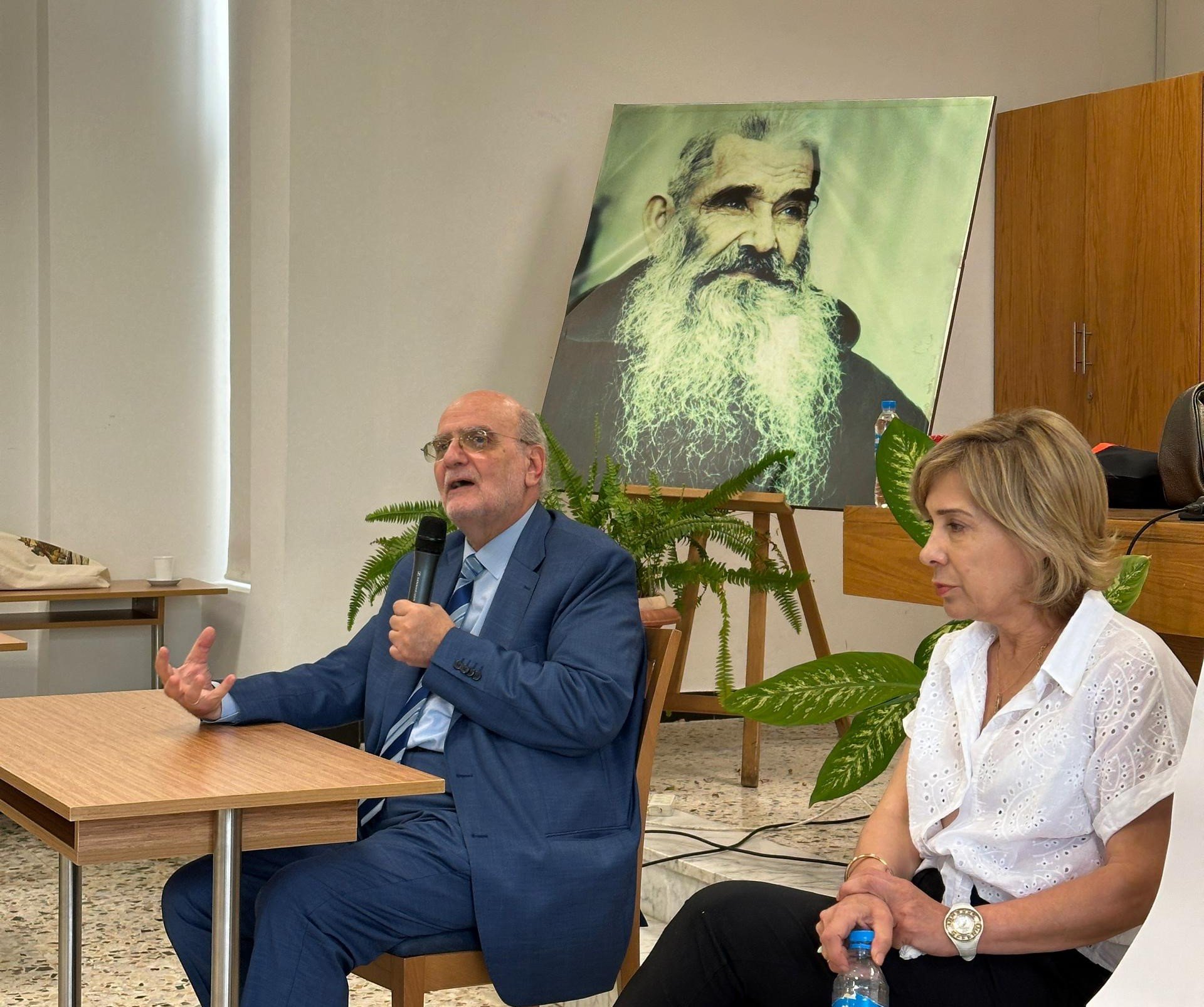
On the fourth day, the Secretary General of the Middle East Council of Churches (MECC) Professor Michel Abs visited the participants and addressed them with a word of support. He presented an explanation about the MECC work and mission, as well as its history, structure, activities, and role in building bridges between Churches.
Professor Abs also emphasized the necessity of working together and cooperation in light of the difficult circumstances that the region is facing, stressing the need of not giving up, but adhering to faith and hope, and standing by every human.
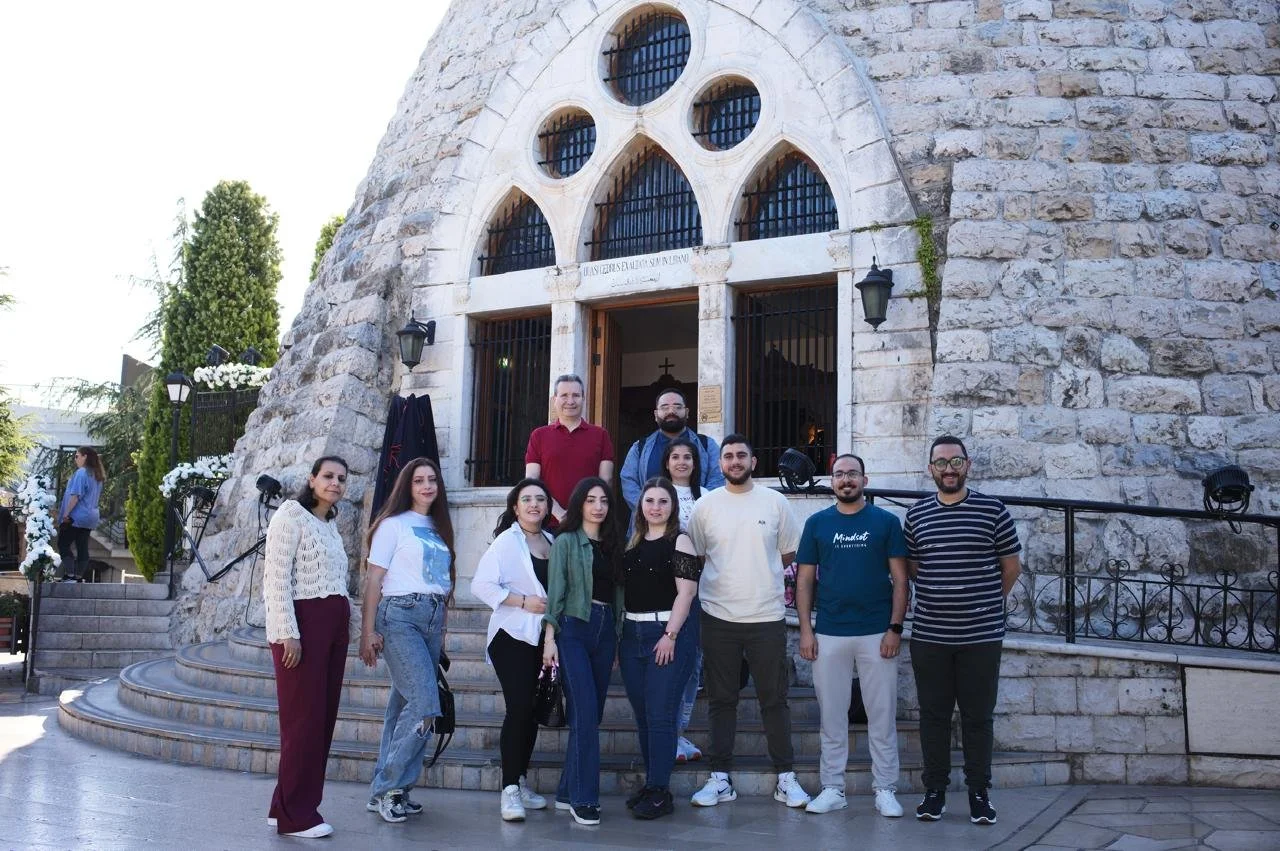
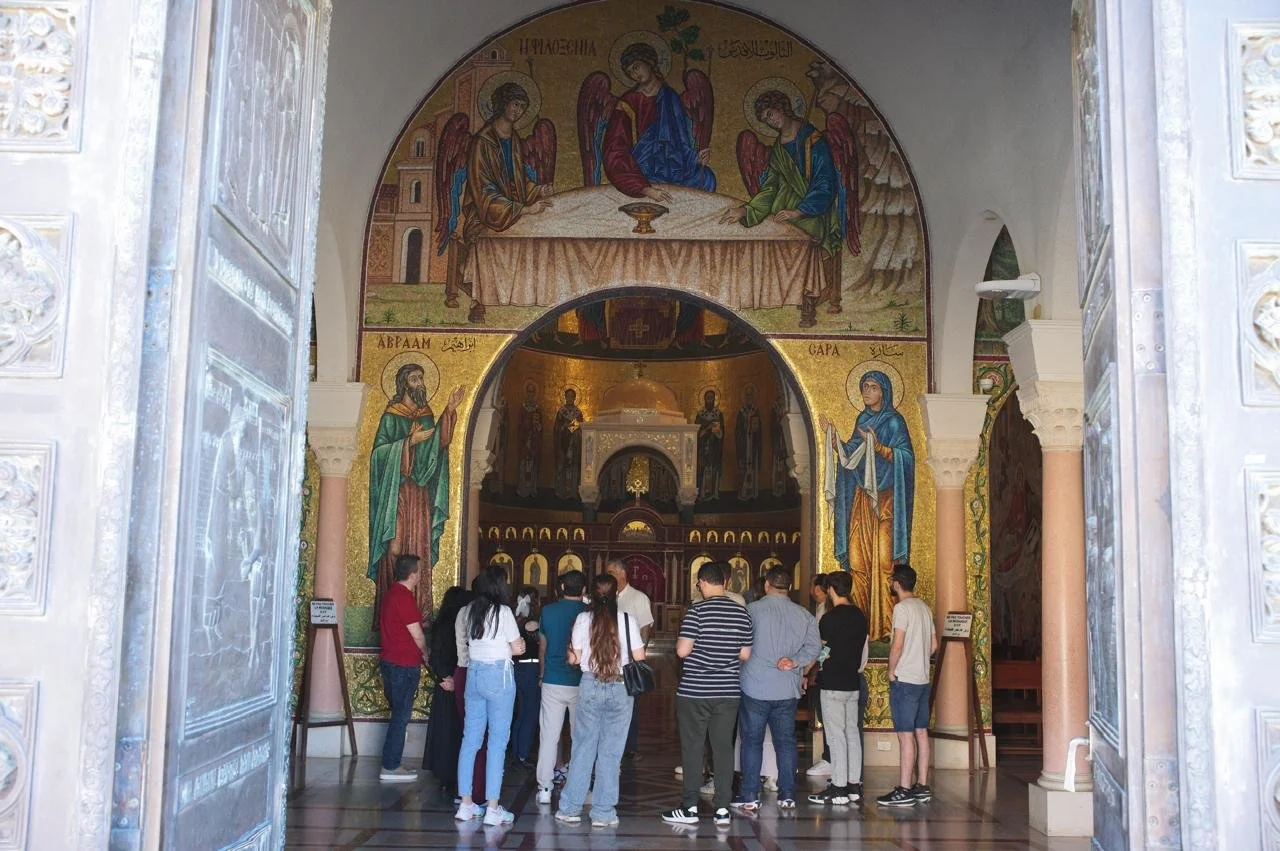
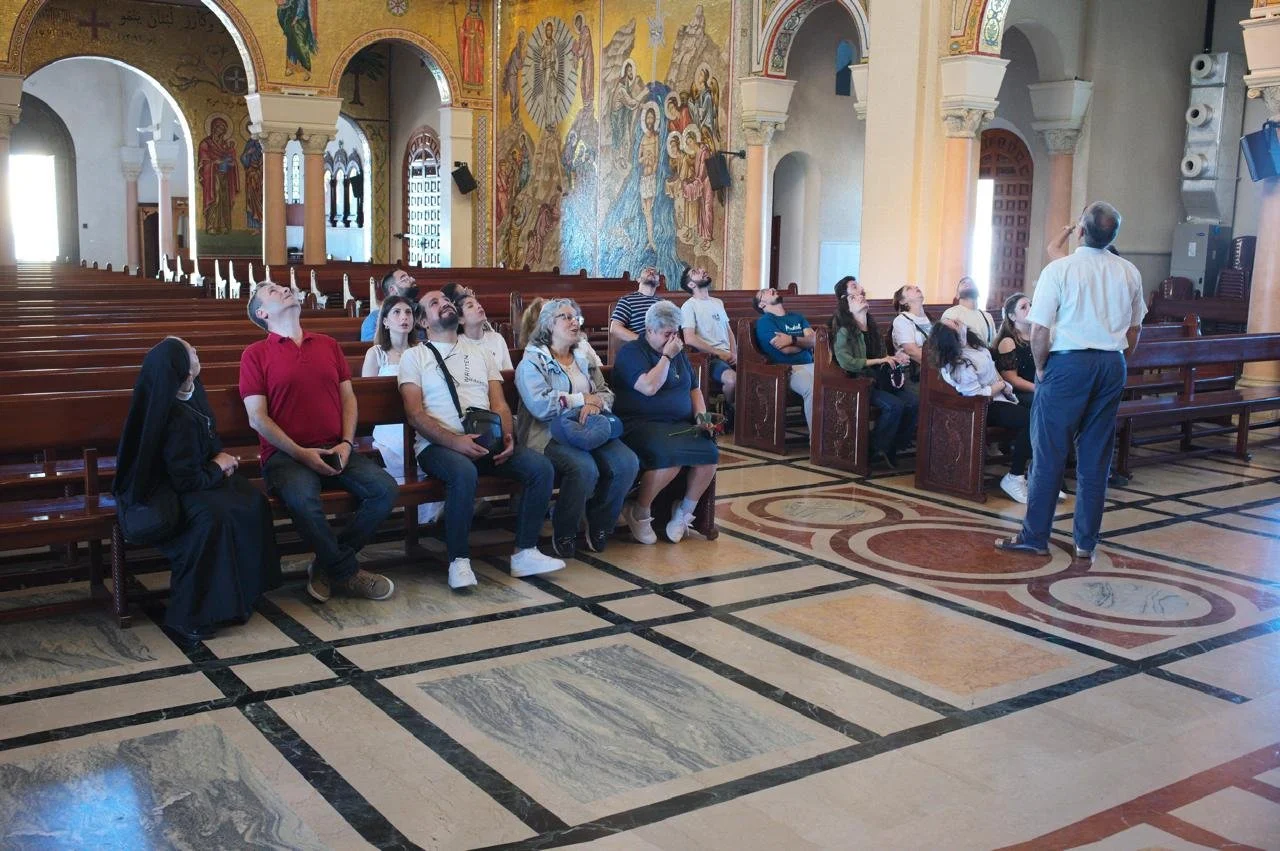
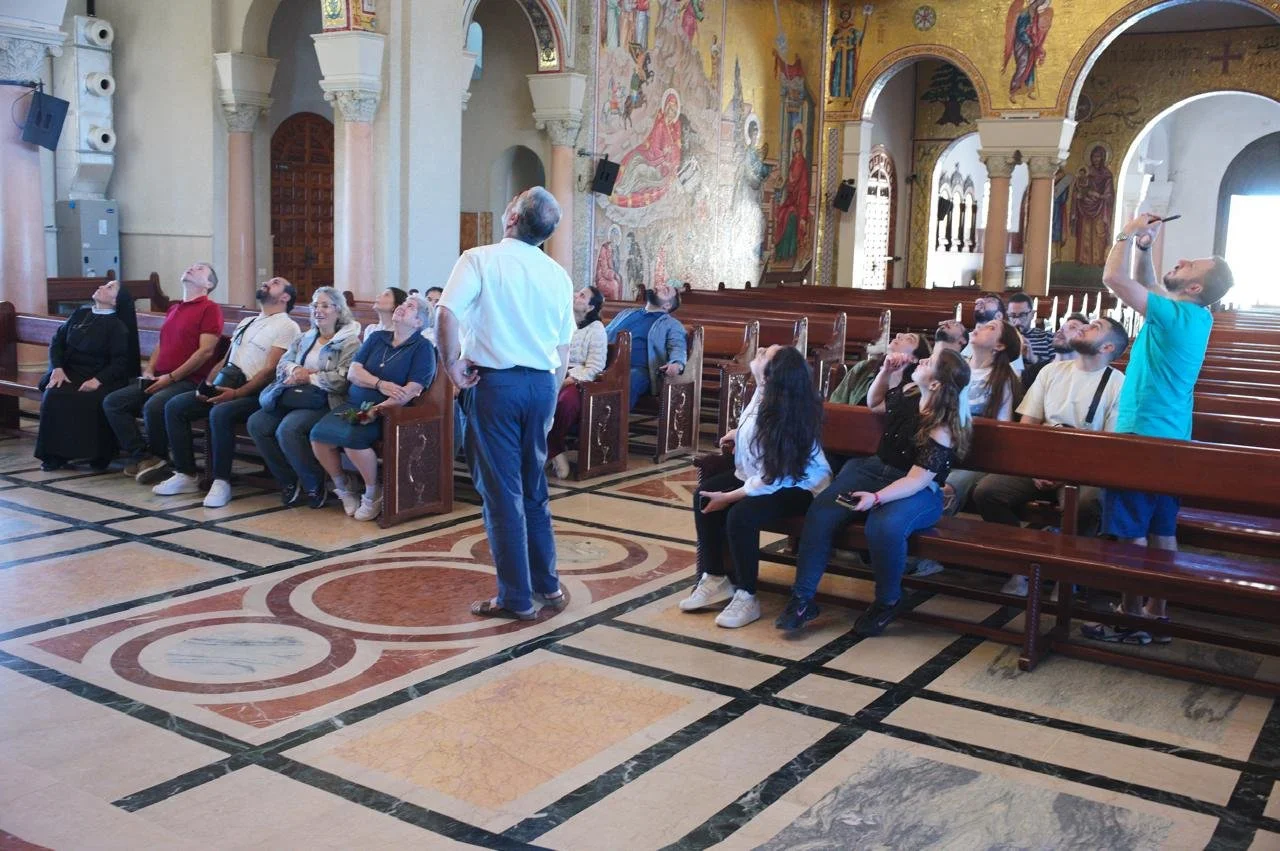
As well as, the training included sessions for rest, Worship, and reflection, and ended with a pilgrimage to some of Lebanon's Christian Religious Sites and Sanctuaries.
The workshop was distinguished by its Ecumenical atmosphere, providing a space for meaningful dialogue, mutual learning, and cooperation between the Churches, as well as forging new fraternal friendships.