
His Holiness Pope Leo XIV Spends a Period of Summer with Ongoing Activity
Castel Gandolfo and the Pontifical Villas: A Historical Church Heritage and an Oasis of Rest and Tranquility


Media of the Middle East Council of Churches (MECC)
From the Vatican City to Castel Gandolfo, from the meetings, files, and urgent Church and social issues to a space of rest, reflection, and tranquility, His Holiness Pope Leo XIV moved from his residence at the Holy See to the Pontifical Villas in Castel Gandolfo.
There, he is spending a summer period from Sunday, July 6, until July 20, according to a statement issued by the Prefecture of the Papal Household. He will return to this Papal summer residence for a short period in mid-August.
Since this announcement, the name of Castel Gandolfo has become under the spotlight of social media, which follows the Pope's activities and Prayers at the Italian summer residence, moment by moment.
Remarkably, by visiting this town, Pope Leo XIV is reviving the tradition of Popes leaving the Vatican for a summer vacation. The late Pope Francis has canceled this tradition, preferring to spend the holidays at his residence in Casa Santa Marta.
It is worth noting that Pope Francis transformed the Pontifical villas into a museum in 2016, opening its doors to visitors who can taste local agricultural products from the villas' grounds. In 2013, Pope Francis established the "Laudato Si Village" in Castel Gandolfo, a concrete initiative to promote environmental education. Pope Leo XIV visited it at the end of May.
But what about Castel Gandolfo? What are the characteristics of the Pontifical villas?
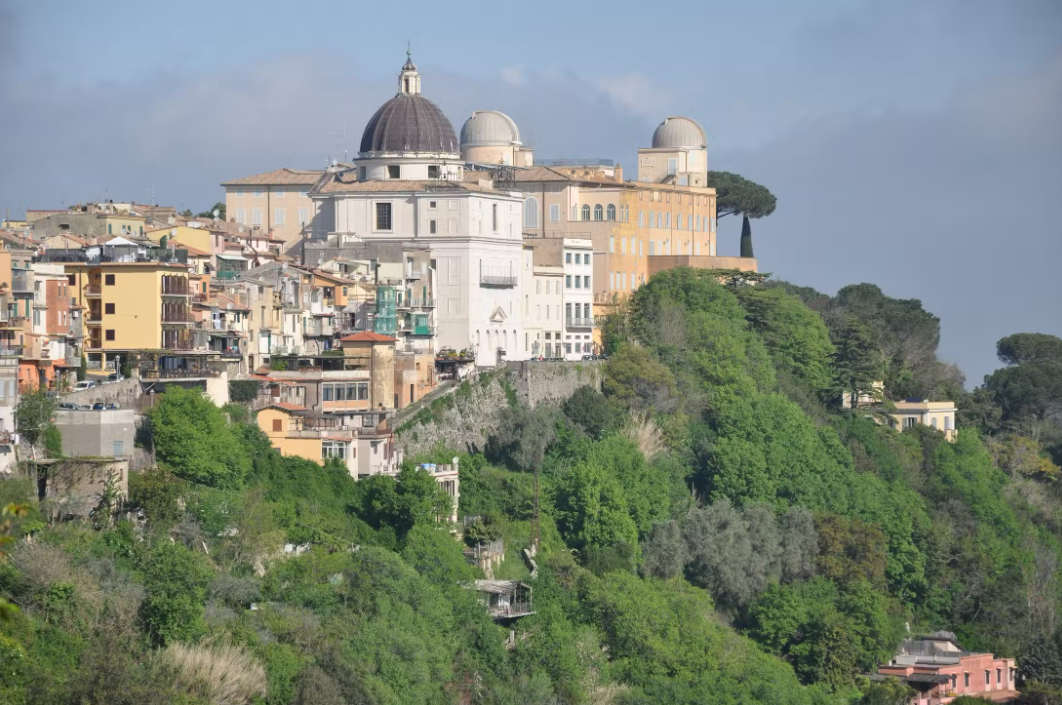
In fact, this town is located about 15 miles, 24 kilometers, southeast of the Italian capital, Rome, and is approximately 1,400 feet above sea level, making it a convenient escape from the summer heat. The town also offers stunning views of the deep blue lake, and some visitors call it the "antechamber of paradise" or anticamera del paradiso in Italian.
According to sources, "The Pontifical villas at Castel Gandolfo were built on the ruins of the old villa of the Roman Emperor Domitianus (81-96 AD), known as the Albanum Domitiani. In the Middle Ages, the Gandolfi family built a castle on the ruins, and ownership later passed to the Savelli family until 1596. The Apostolic Court eventually confiscated the property from the Savelli family due to financial difficulties. In 1604, Castel Gandolfo was declared a possession of the Holy See."
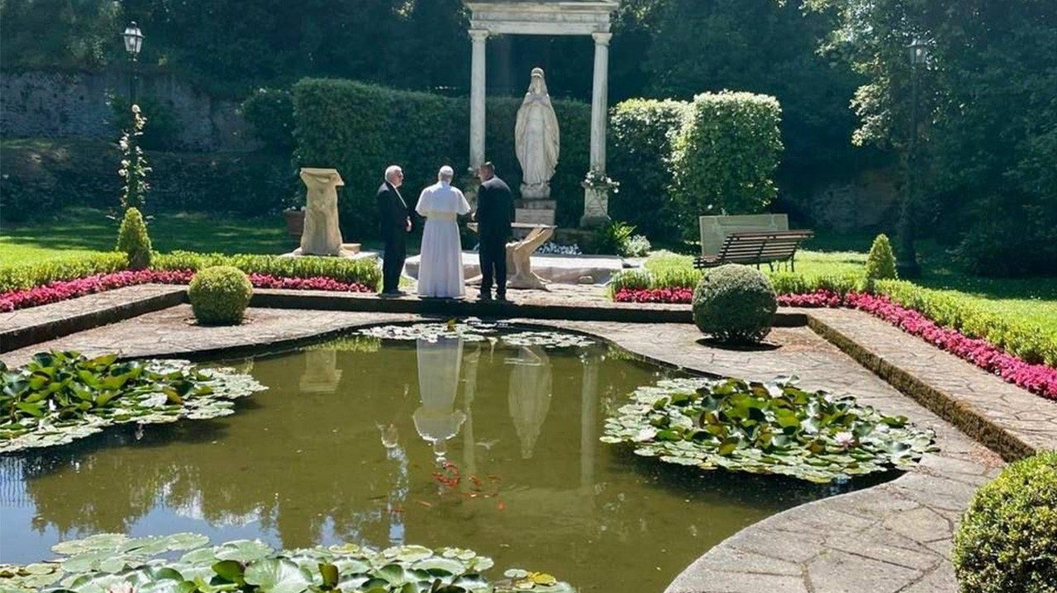
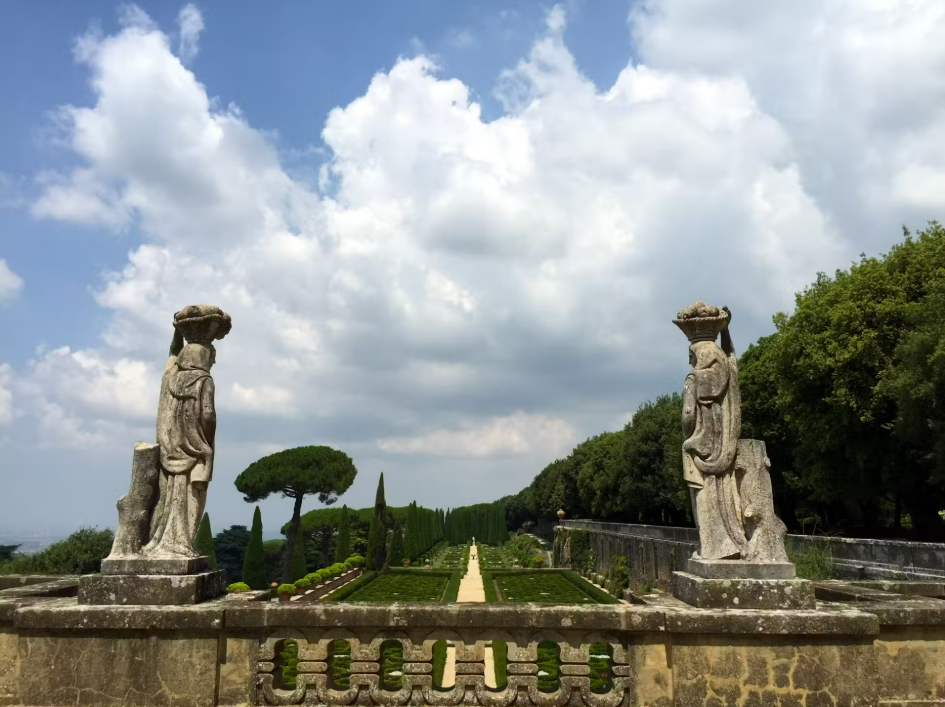
Over the years, Castel Gandolfo and the Pontifical villas have undergone various legal, technical, and artistic changes, procedures, and updates. Over the years, these villas have expanded to cover an area of 55 hectares, encompassing the Apostolic Palace, Villa Barberini, and Villa Cibo, as well as various Italianate gardens and several historic rooms.
This is in addition to the balcony overlooking the square, which, according to sources, has become "a symbol in the collective memory as it witnessed the last public appearance of Pope Benedict XVI after renouncing his Papal ministry. He spent about a month there before returning to the "Mater Ecclesiae" Monastery in the Vatican."
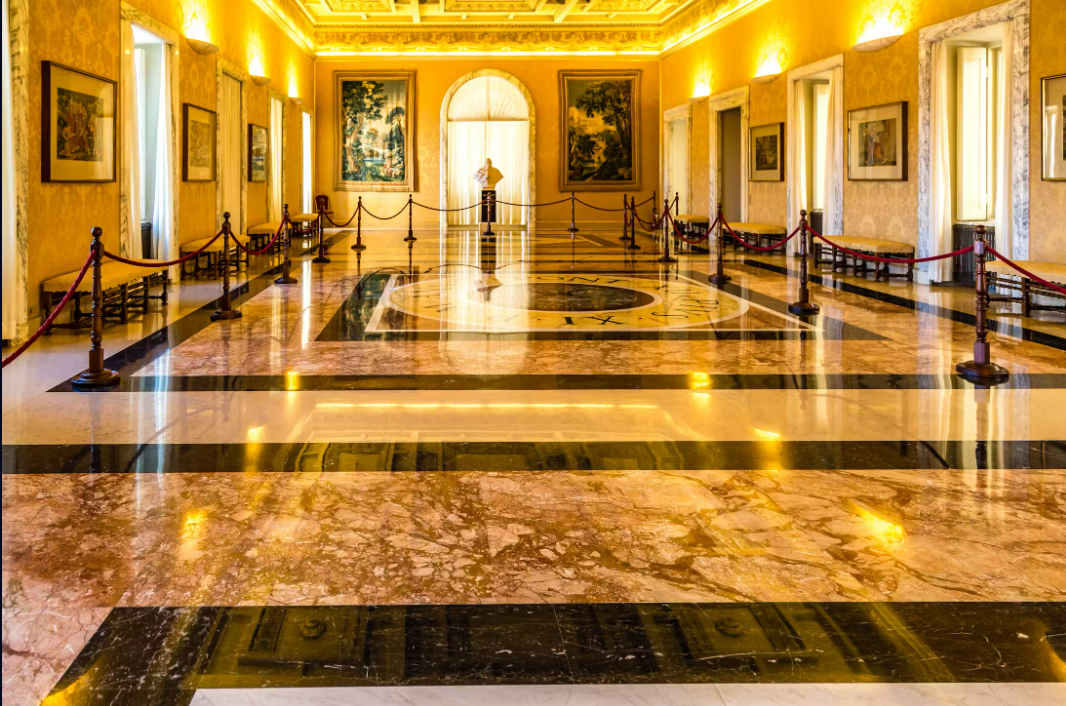
While Pope Leo XIV continues his activities at Castel Gandolfo, the museum's doors remain open to visitors, with some changes to visiting hours in accordance with His Holiness's program, particularly on Sundays during the Angelus. The museum also includes the Del Moro Garden and the Secret Garden. Visitors can also explore some of the normally closed spaces that reflect the private lives of the Popes, such as the Urban VIII Chapel, the billiard room, and the music room.