Student Theology Conference in Cairo:
"Nicaea from the Preaching of the Apostles... to the Evangelization of Today"
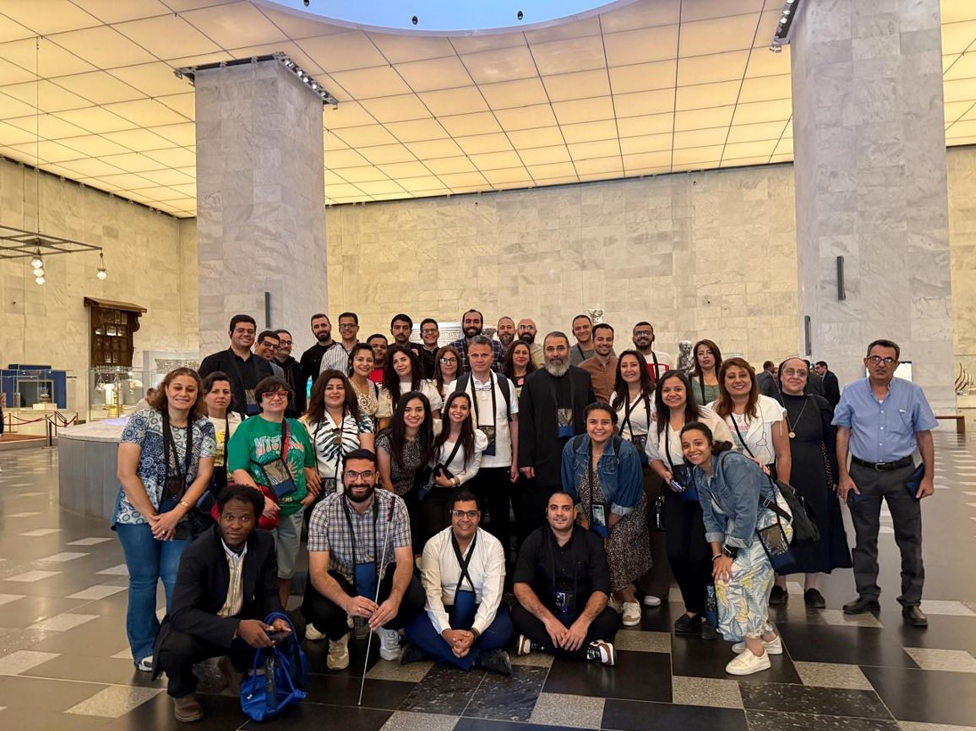
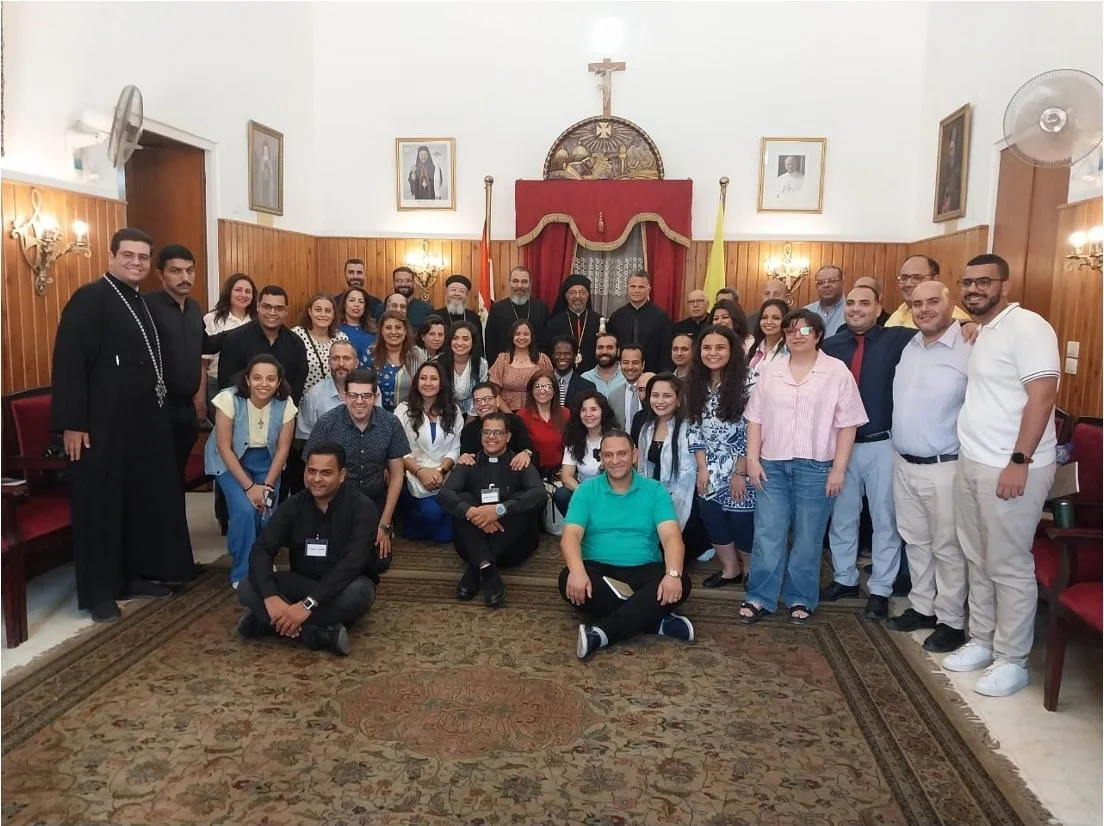
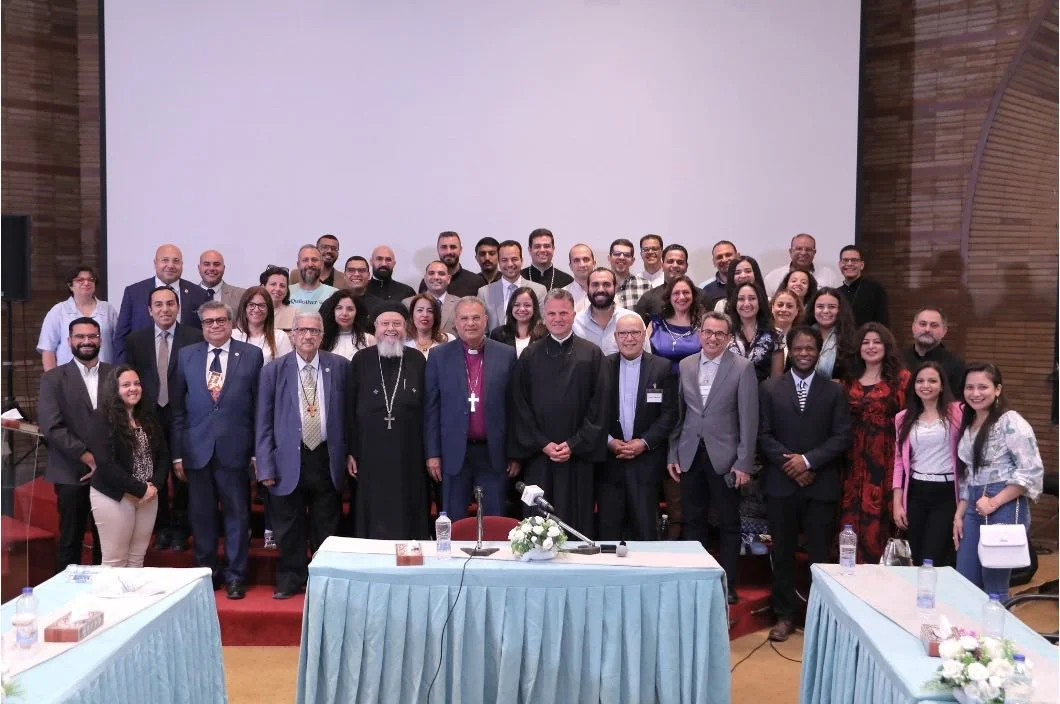
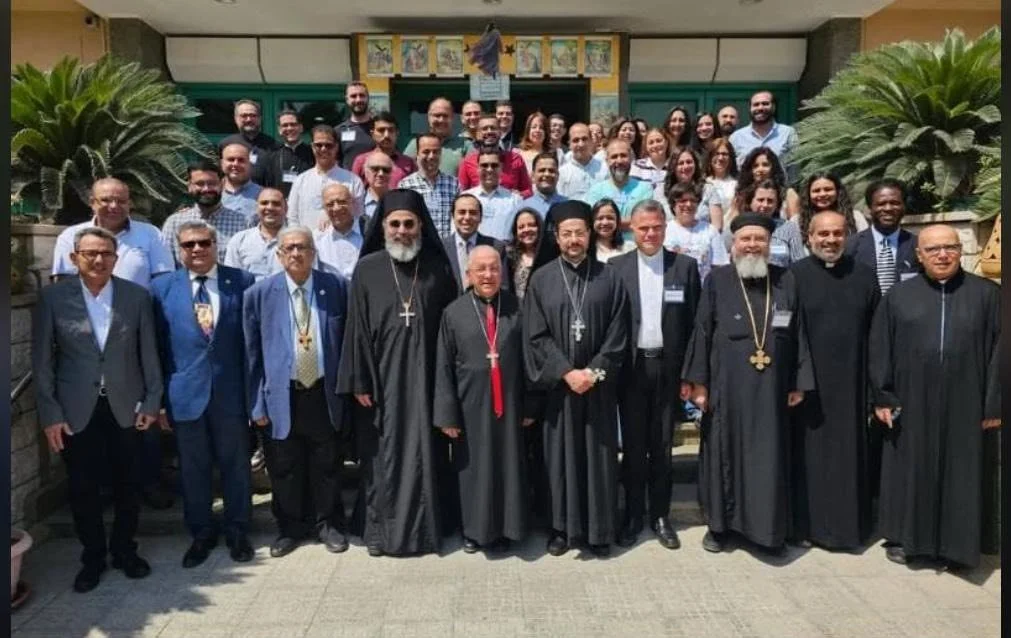
You can find some photos at the end of the text.
At a regional moment saturated with transformations, and in the heart of Cairo, more than fifty students from various Churches and Theological Institutes in the Middle East gathered to participate in the third student conference of the Association of Theological Institutes in the Middle East (ATIME), entitled:
"The Council of Nicaea - The Faith of the Church from the Preaching of the Apostles to the Evangelization of Today," which took place from July 13 to 18, 2025, at Our Lady of Peace Hotel, Sheraton Heliopolis, Cairo.
The conference was organized by the ATIME’s Executive Secretariat, headed by Archimandrite Jack Khalil, and coordinated directly by Father Dr. Michel Kanbar (Executive Secretary), with the participation of the Associate Secretaries Reverend Dr. Bishoy Helmy, Reverend Dr. Samuel Rozfy, and Father Antoine Al Ahmar, Director of the Theological Department of the Middle East Council of Churches (MECC). It provided unique space that combined serious Theological research, living Ecumenical experience, and human communication across Church Affiliations.
From Nicaea to the Present: One Faith with Multiple Facets
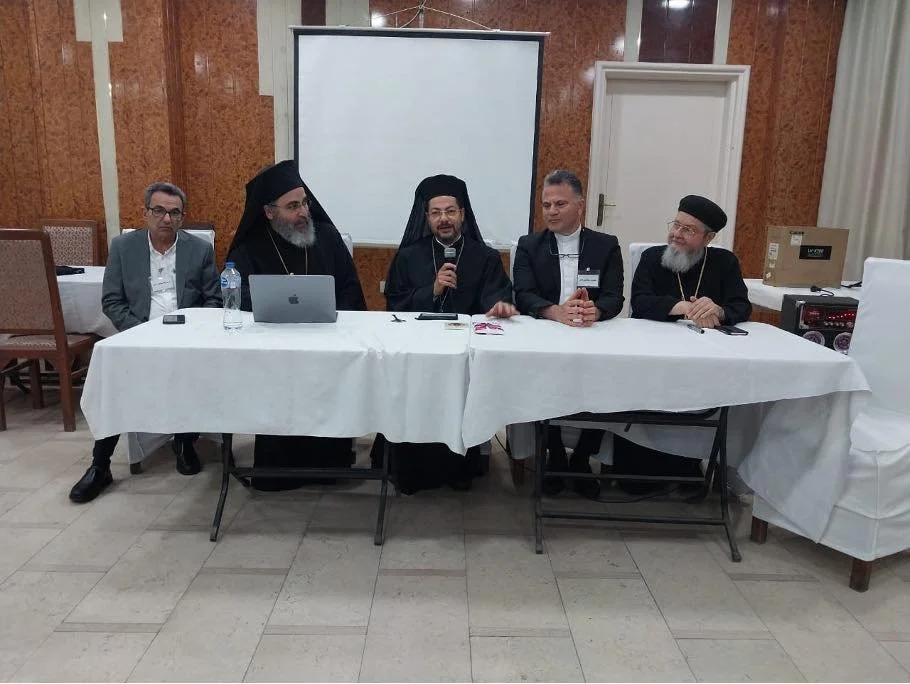
The conference began on Monday morning, July 14, with a morning Prayer according to the Eastern Orthodox Church Rite. It was followed by an official opening in which Archimandrite Khalil delivered a welcoming speech outlining the conference's objectives and its historical context. This is in addition to remarks delivered by the Representatives of the Churches.
In the conference' series of lectures, Father Antoine Al Ahmar delivered a lecture entitled "The Political, Intellectual, and Ecclesiastical Context of the Council of Nicaea," placing the Council within its precise historical and Theological map and demonstrating how this Council constituted a foundational event in the formulation of the Universal Christian Doctrine.
Father Bishoy Helmy delivered a lecture entitled "The Challenges of the Christian Faith Between Yesterday and Today," posing the students with a major challenge: How do they bear witness to the faith of our Fathers in a changing age?
Archimandrite Jack Khalil highlighted the Council of Jerusalem as a pioneering model in leading the Church towards unity, through his striking lecture: "The Council of the Apostles in Jerusalem as a Model for Church Leadership."
As well as, Professor Ziad Copty joined from Canada via Zoom to speak about "The Ethical Use of Artificial Intelligence in Theological Studies and the Church Environment."
Reverend Dr. Samuel Rozfy chose to conclude the lectures with the centrality of Christ's Priestly Prayer in the Gospel of John 17, emphasizing that the Church's witness is inseparable from the unity of its body.
Visits and Meetings with Church Leaders: Ecumenism in its Pastoral Dimension
This year's conference featured a series of high-level meetings that reflected the presence of partner Churches in the student scene:
On Monday evening, the students visited the headquarters of the Evangelical Organization in El Nozha to meet with Reverend Dr. Andrea Zaki, where an open discussion took place about the role of the Evangelical Church in defending moral values and active citizenship.
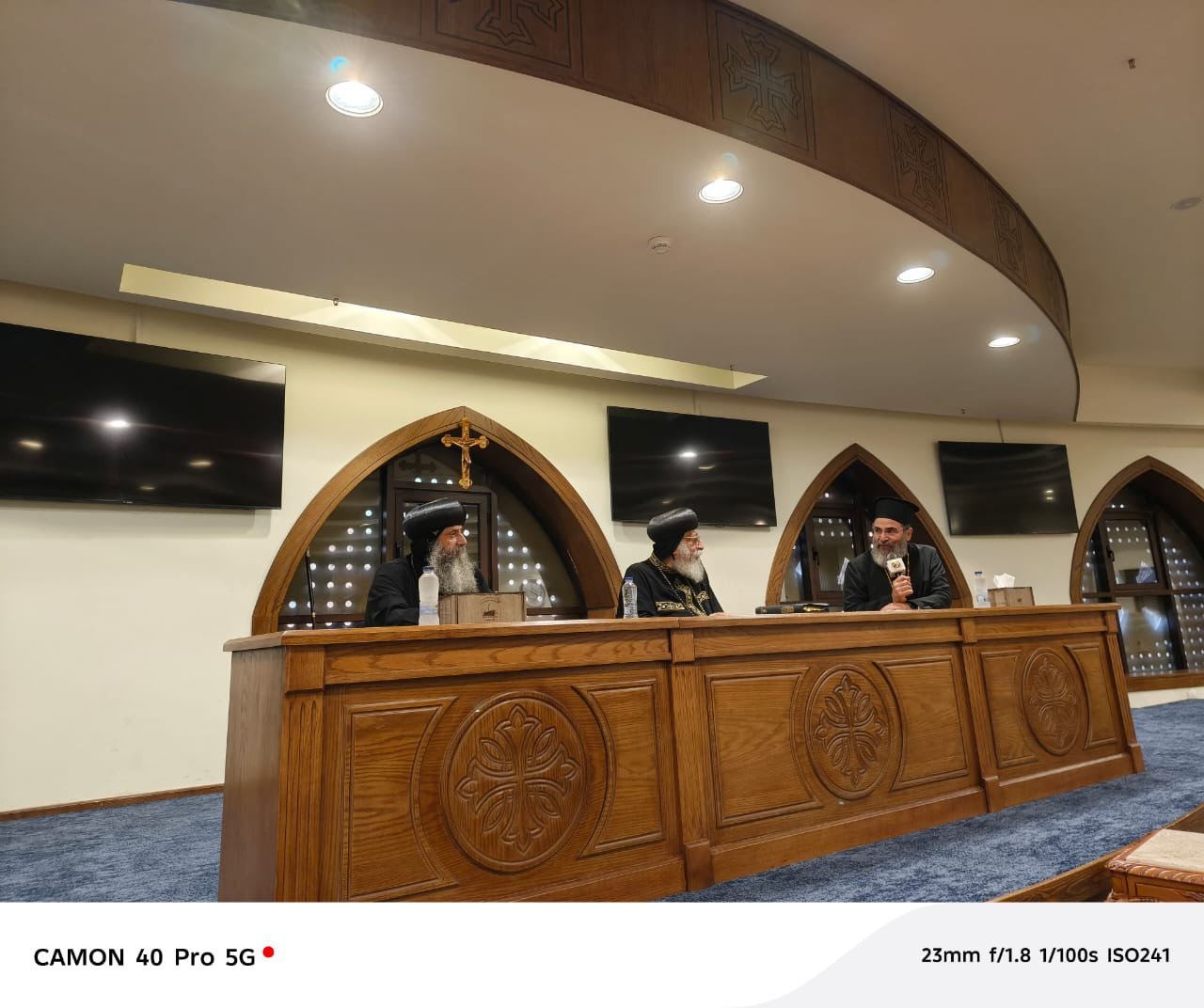
Then, a visit was made to His Holiness Pope Tawadros II at St. Mark's Cathedral in Abbassia, where the students listened to a Pastoral address from His Holiness on Orthodox Faith and daily witness in a changing world.
On the second day, the students were welcomed by His Beatitude Patriarch Ibrahim Isaac, Coptic Catholic Patriarch of Alexandria, who spoke about Ecclesial hope amidst crises.
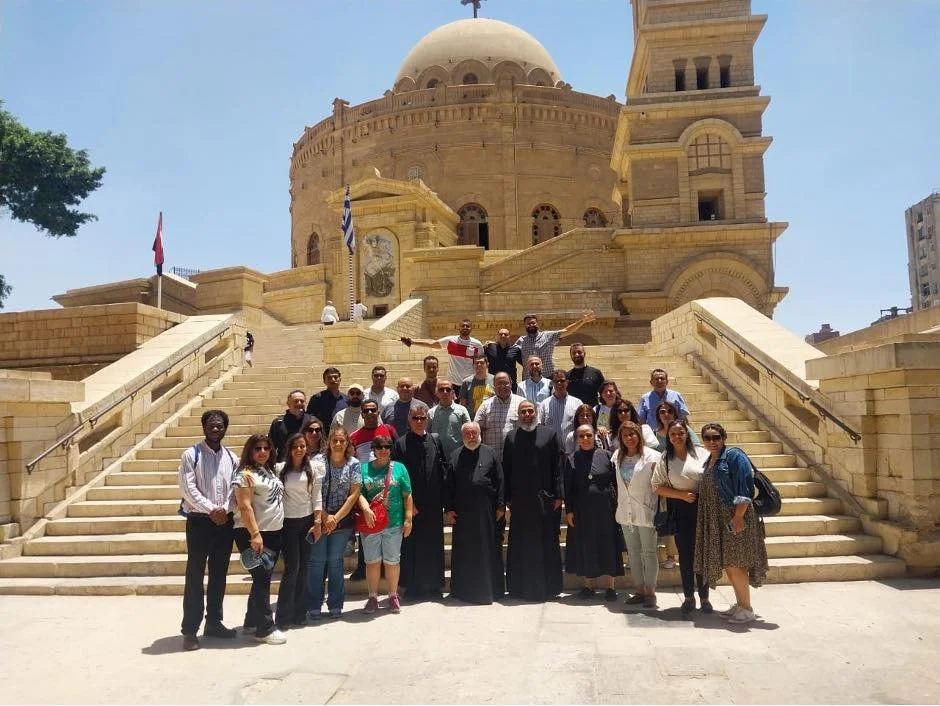
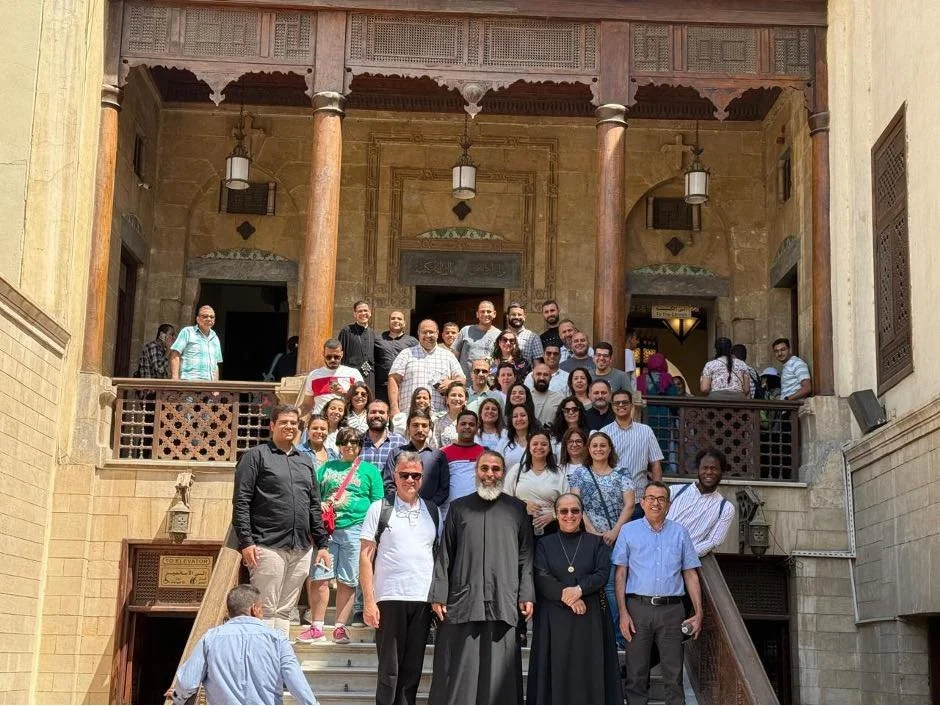
At the end, a visit was held to St. George's Cathedral in Old Cairo, as well as to the Hanging Church.
Extensive coverage of these visits was published on the Association's official platforms (Facebook and Instagram) and broadcasted via live videos that captured the students' interactions and the authentic presence of the Pastors.
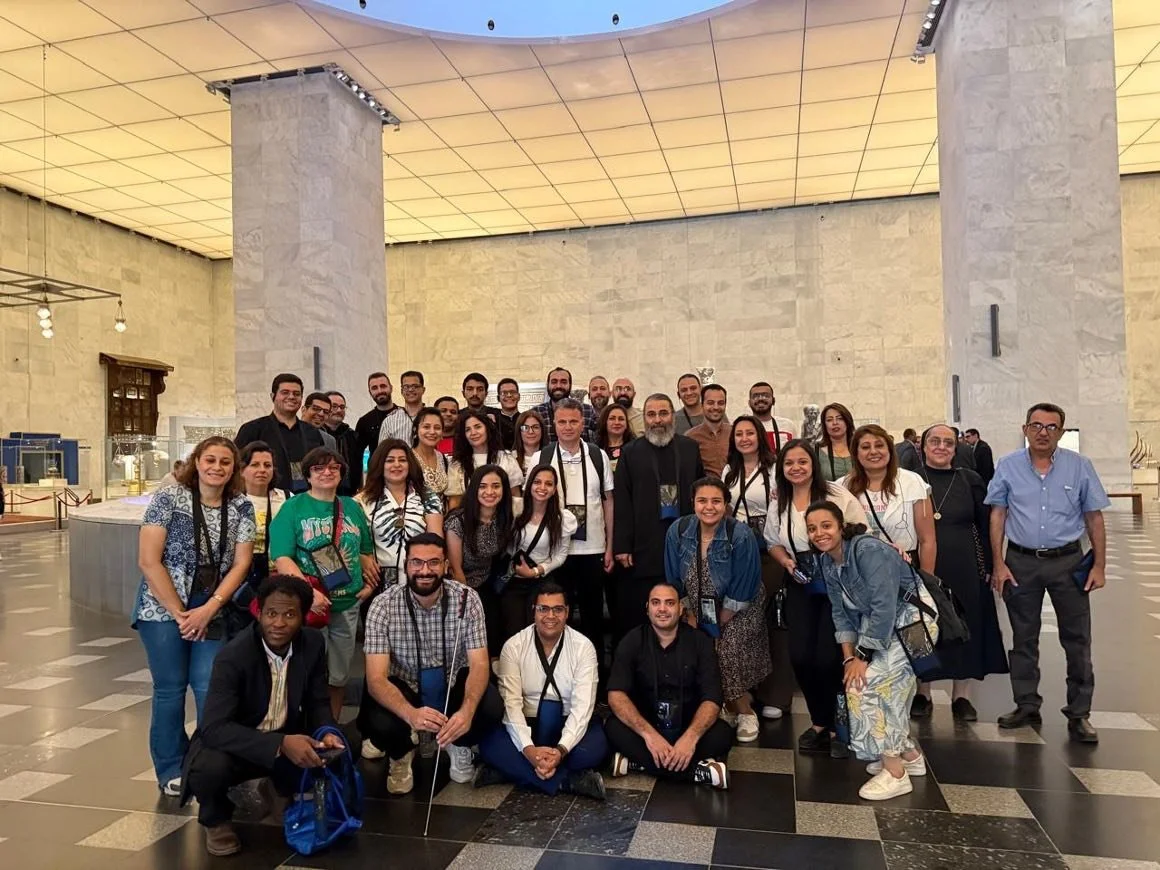
In addition to the spiritual dimension, the conference included a visit to the Museum of Civilizations in Cairo and new elections for the regional student committees. These elections took place after an agreement on the principle of rotation among Church Families, ensuring fair representation and streghening a culture of partnership.
Towards a Church that Lives Through Its Youth and Reflects on Its Future
This conference confirmed once again that Theological youth in the Middle East are not merely recipients of the past, but partners in shaping the present and creators of the future. The meeting in Cairo was like a workshop of living Theological, cultural, and Ecumenical faith.