
A Delegation from the Middle East Council of Churches Visits His Excellency the President of the Lebanese Republic General Joseph Aoun
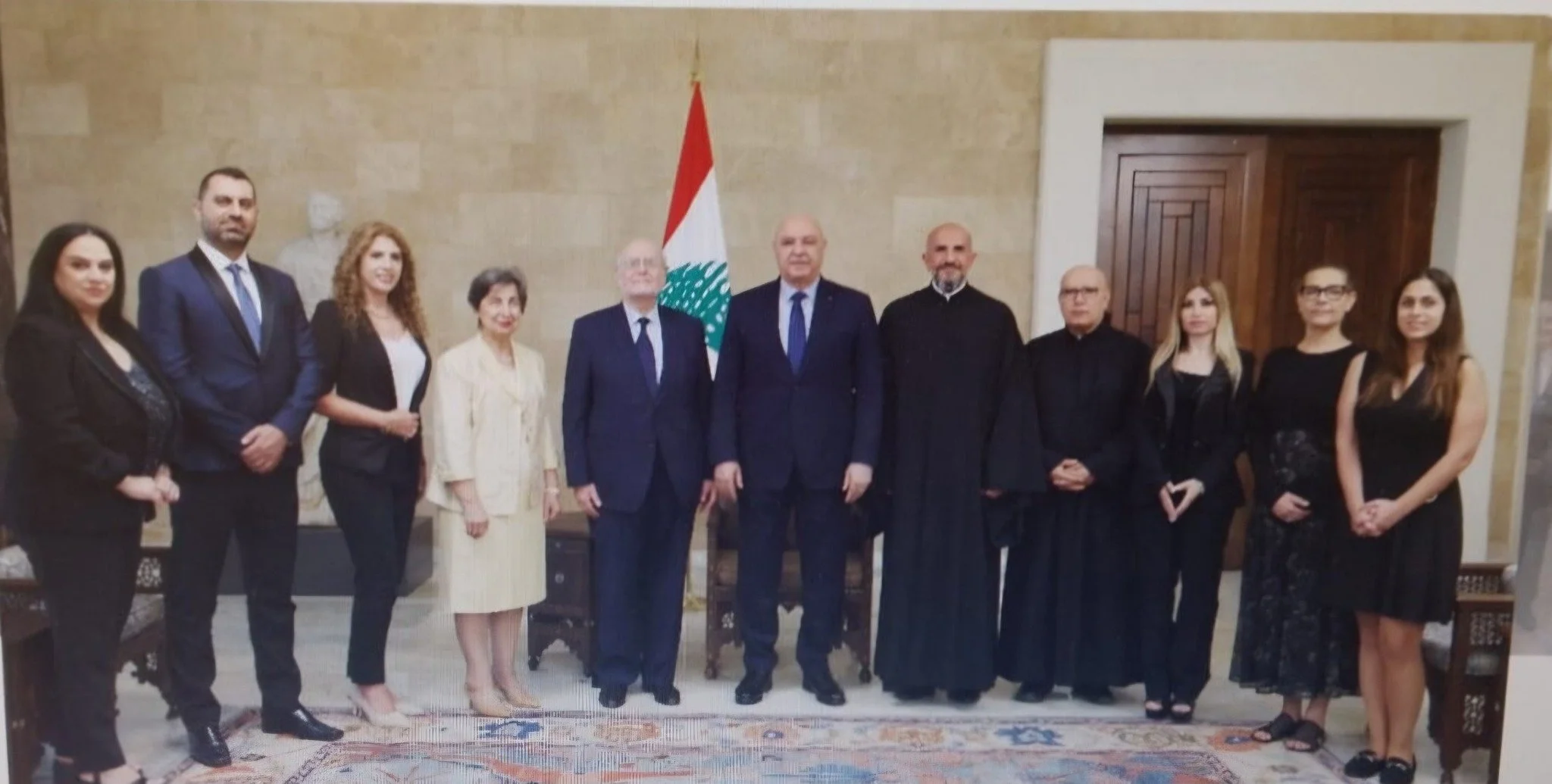
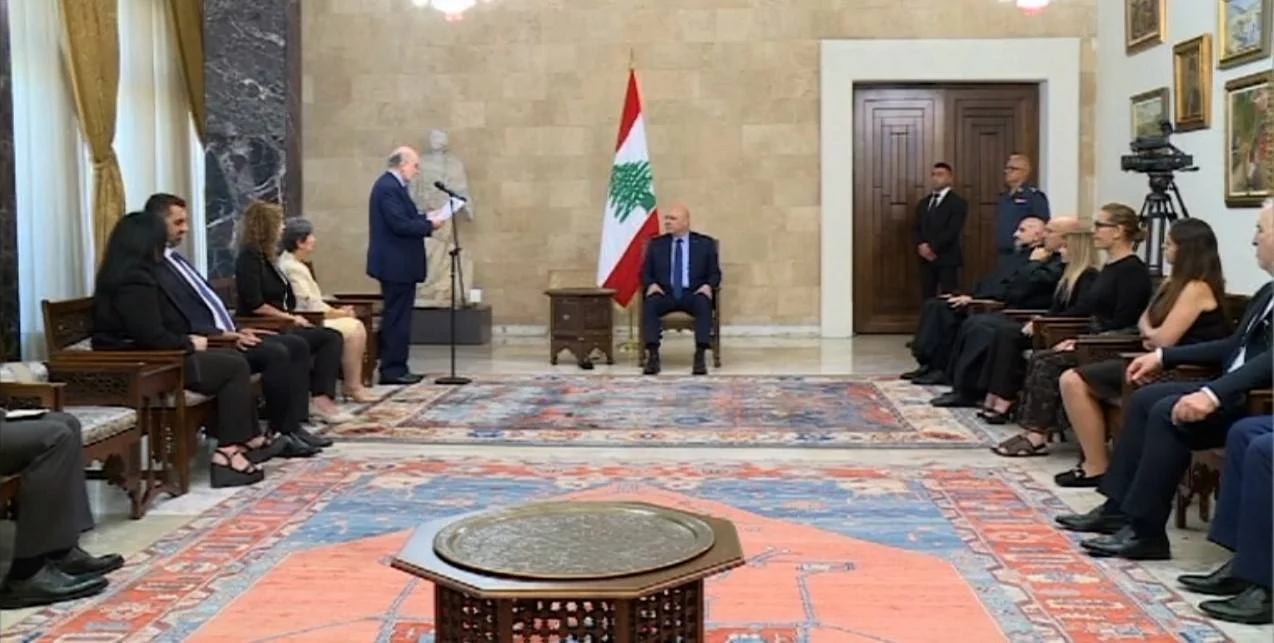

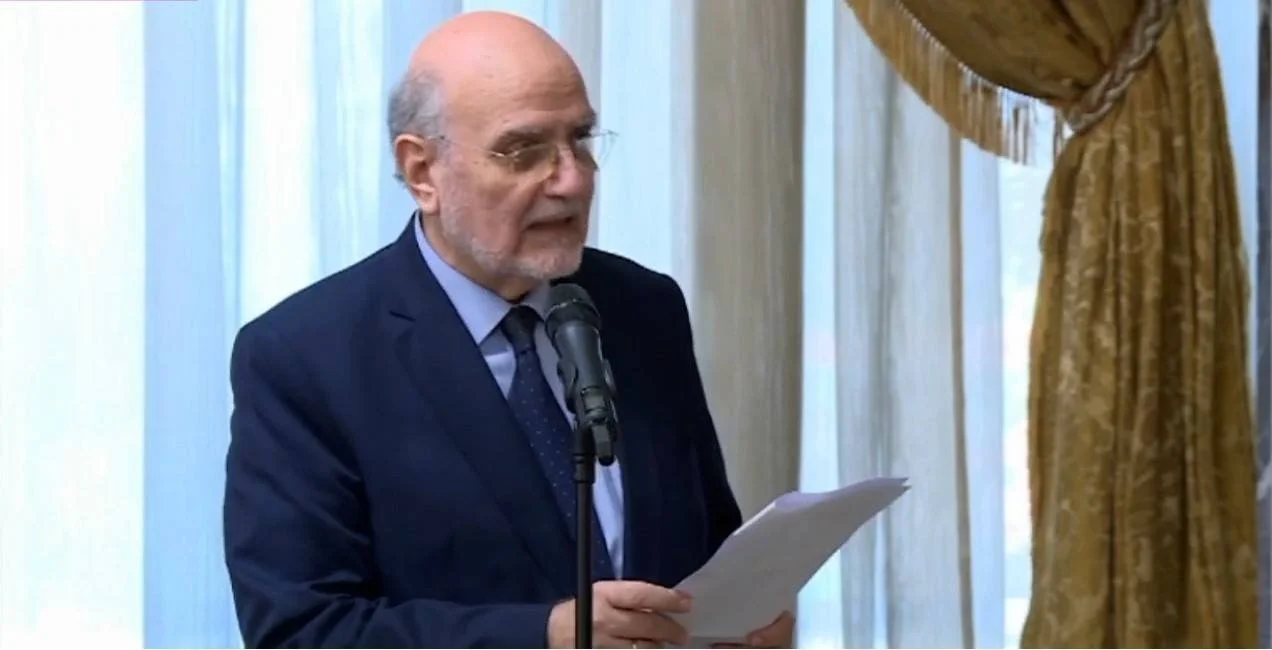
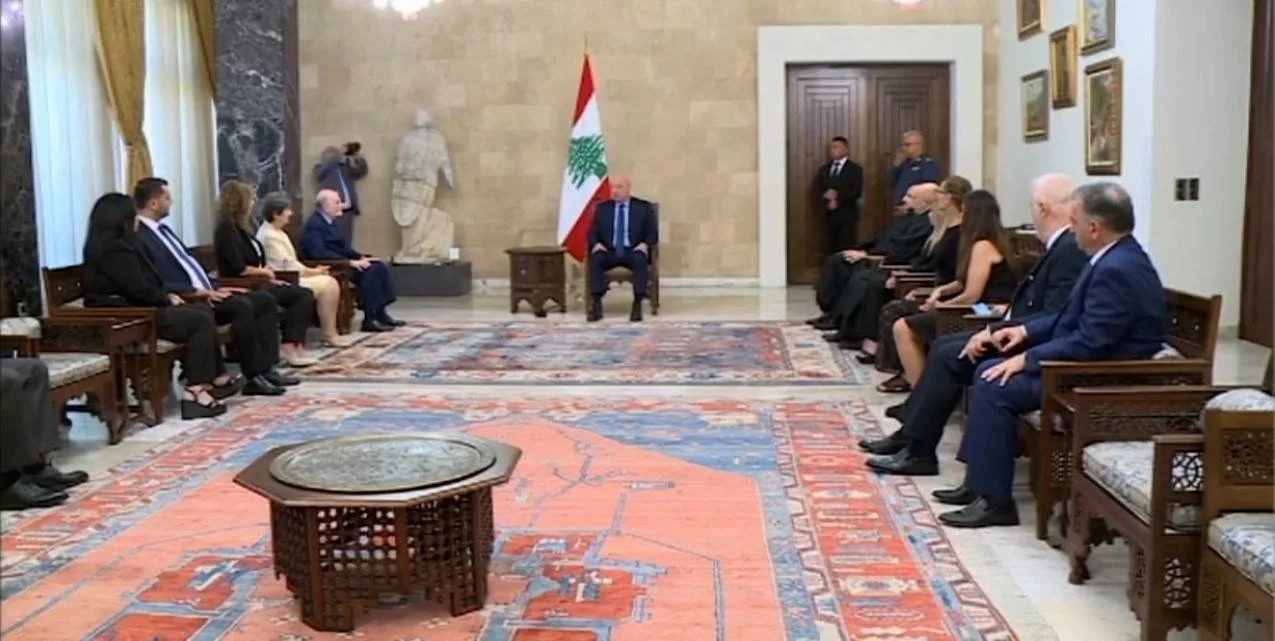
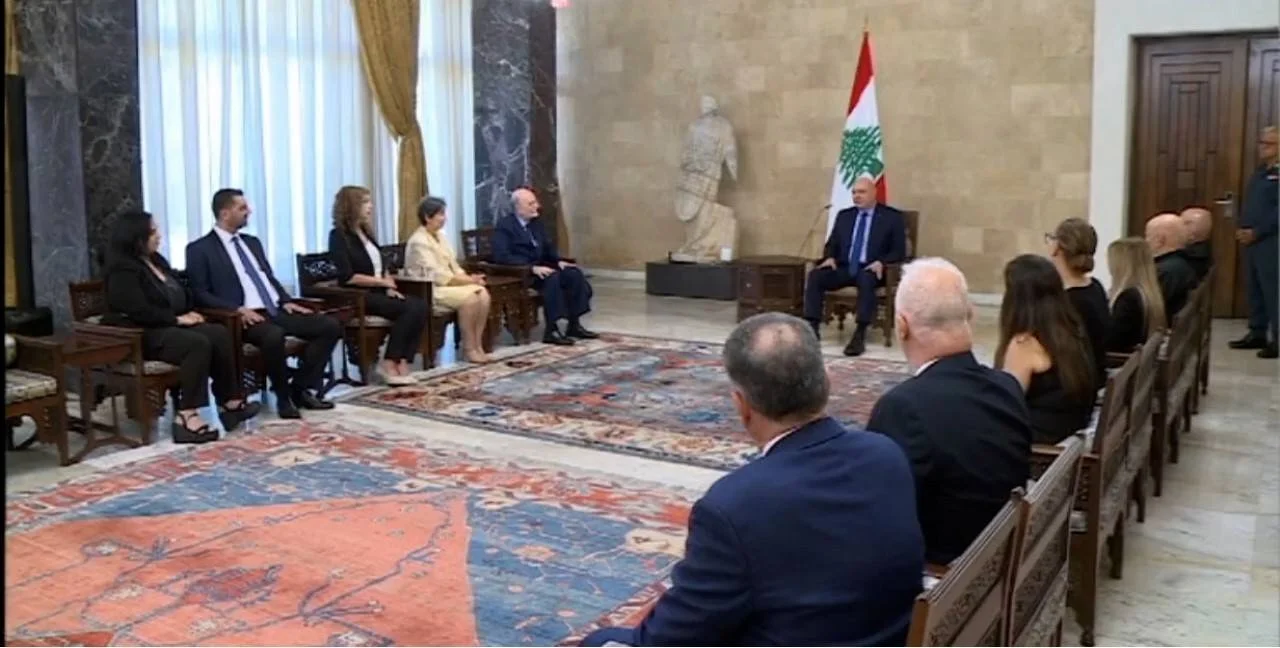
The President of the Lebanese Republic General Joseph Aoun, met with a delegation from the Middle East Council of Churches (MECC), headed by its Secretary General Professor Michel Abs. At the beginning of the meeting Professor Abs said, "It is with joy and hope that we visit you today, as a delegation from the Middle East Council of Churches, composed of the Associate secretaries general and heads of central departments within the Council." He added, "visiting the head of state is a tradition observed by the Council whenever its Executive Committee convenes in a country where its member churches are present."
He said, " The Middle East Council of Churches is entering the second 50 years of its age, which we hope will be long and fruitful. It is a regional institution licensed in Beirut and includes 21 churches from all over the Middle East, grouped into four ecclesial families based on their theology. The Council has its main office in Lebanon and additional offices in Syria (Damascus, Daraa, Aleppo), Jordan (Amman), Jerusalem, Nazareth, Gaza, with a Cairo office being reopened in Egypt, and offices planned for reopening in Iraq and Cyprus."
He said, "For half a century, the Council has worked in diverse fields that serve society and bring people closer together—first and foremost among the churches. It was a pioneer in launching interfaith and interethnic dialogue. It works in development, education, environment, youth, media, and continues to serve Palestinian refugees and the displaced of the Middle East. It has also been active in social research and intellectual development, and remains engaged in combating extremism, racism, hate speech, and demonization of groups."
He continued, "Our ecumenism as a Council is complete and embraces all segments of society, because Christians live in fraternity not only with one another but also with their fellow citizens of all religions and sects—believing in societal unity and human brotherhood."
He added: "We are an institution far from politics, but we care deeply about the fate of our nations. For this reason, we were particularly concerned that Lebanon would have a president with a solid institutional background, and this is exactly what happened with your election, given your outstanding leadership of the Lebanese Army during the most difficult times. That day, while following the elections with colleagues in the office, I said: "The Republic is saved." May God guide your steps in restoring institutional vitality and formalizing activities that need it, and this means a great deal to us, as a Council that believes in and operates from an institutional mindset."
He concluded by saying: "Being a Christian president in the Arab world matters greatly to us, as an open Christian ecumenical institution. We want the world to see that in Lebanon, we are united before God. Our Christianity is with others and for others, not against others, a truth clearly reflected in your leadership of the blessed Lebanese Army. With you, we look forward to a healthy, unified Lebanon, free of corruption, one that serves as a model. Lebanon the Message, Lebanon the Space for Free Thought, Lebanon of Freedoms and Creativity, remains an inspiration to the region that loves and respects it. Thus, under your leadership, Lebanon would have filled the mission for which it was created, and which is its raison d’être. Lebanon the role model, Lebanon the example, this is what we expect during your era."
President Aoun
President Aoun welcomed the delegation and said: "It is a joint responsibility which does not fall on one individual or group, but on all segments of society, at the judicial, political, religious, and health levels…, as well as at the level of state officials. We have great opportunities. Most importantly, as you mentioned, dialogue remains, and the most prominent thing in it is that Christians work for others, not against others, especially in the current period we are living in and in the region surrounding us. The attempts of some people to scare the Lebanese from each other are unrealistic. Your role is essential through your daily interaction with people and with all segments of society. Yesterday, there was a national work between Dar El-Fatwa and the Sheikhdom of the Mind, through issuing a joint statement to protect the Lebanese society from the repercussions of what happened in Syria."
He said, "We support you and wish you success in your mission, because your role is significant and essential. Together, we look forward to bringing the ship to safety. Hatred and malice breed destruction and devastation. In Lebanon, we all share one flag and one identity. The right to disagree is sacred, but dispute is not permitted. What you are doing to protect citizens from strife and demonization is an essential message, because some people are working in this context, either for external or personal interests, with the aim of scoring points in preparation for the parliamentary elections. But I have full confidence that with people like you, these matters will be confronted wisely and effectively."
He concluded by saying, "In Lebanon, we have been very hostile to each other, and we have dealt with the outside against the other inside, and this has been our greatest sin. Let us draw strength from each other internally against the outside, whatever that outside may be. What gives us strength is our unity."
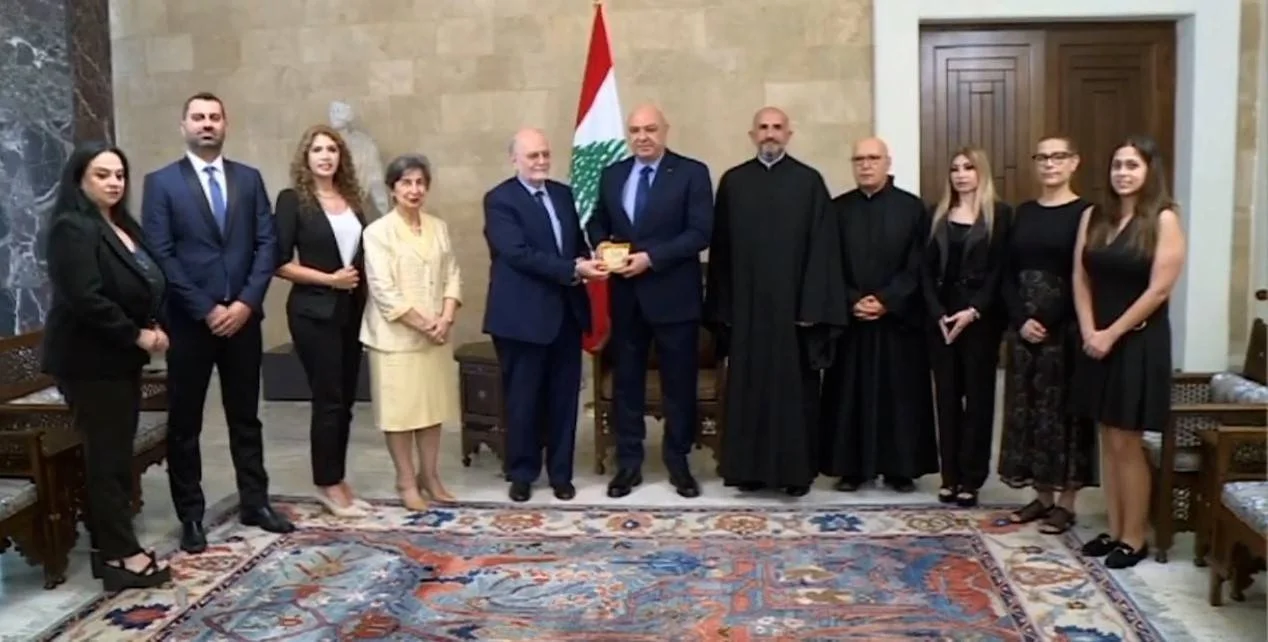
At the end of the meeting, Professor Abs presented the Council's golden medal to President Aoun.