
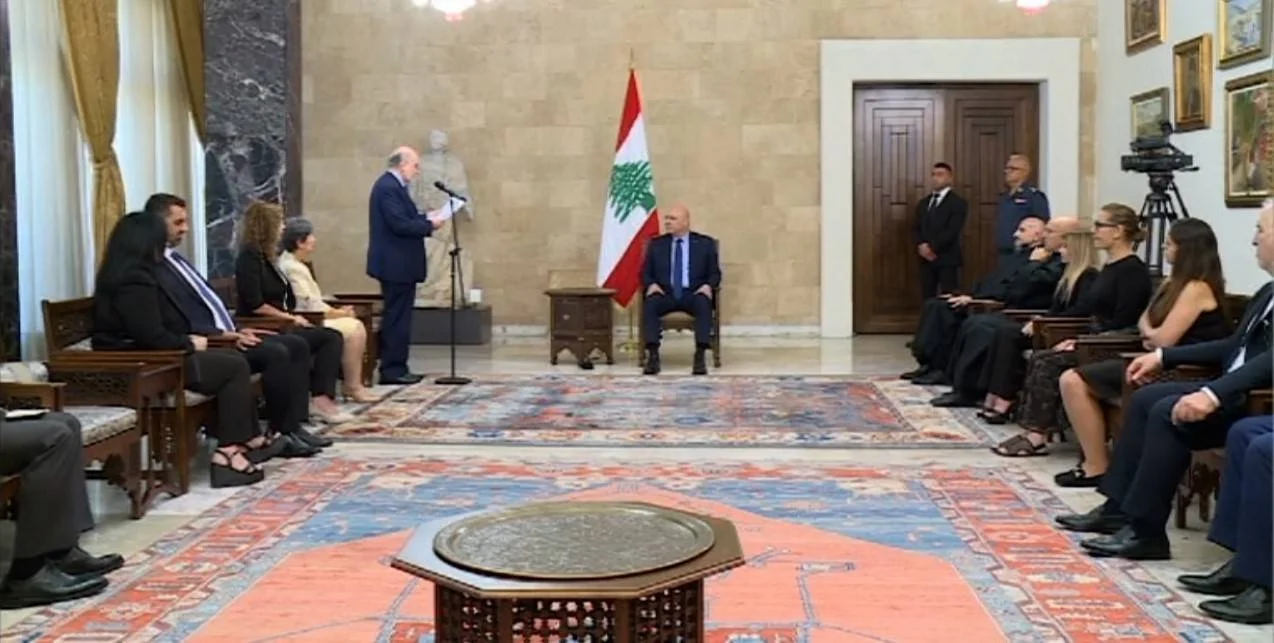
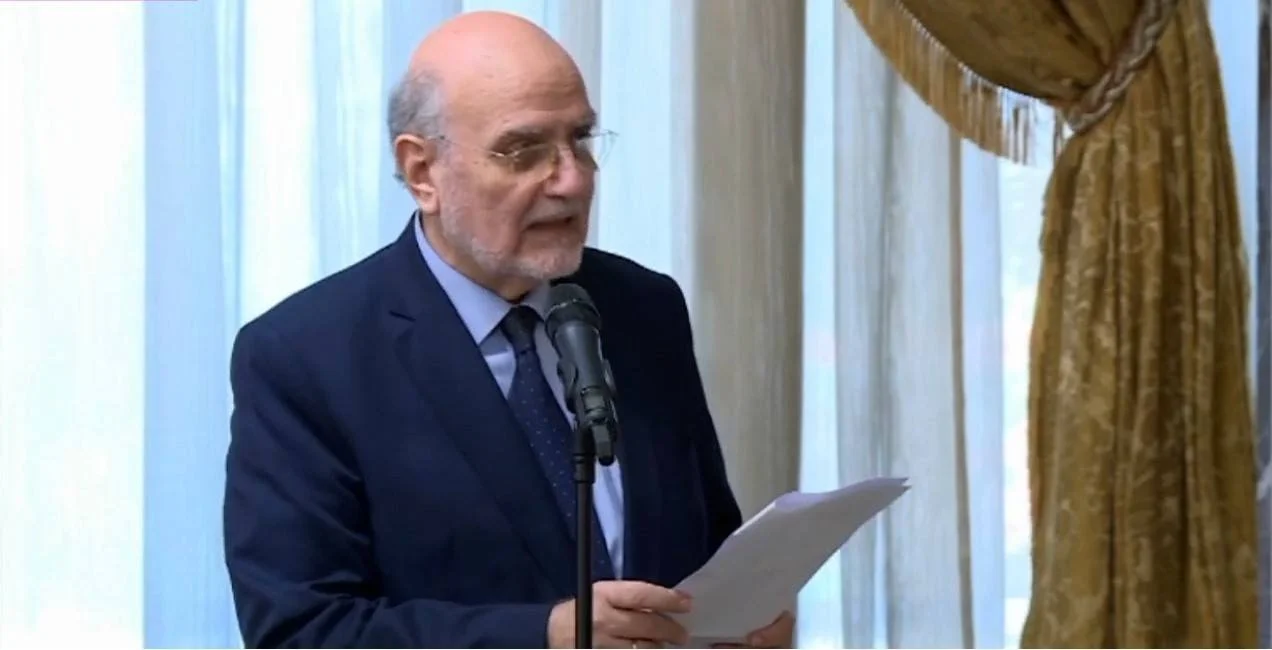
Speech of the Secretary General of the Middle East Council of Churches Professor Michel Abs
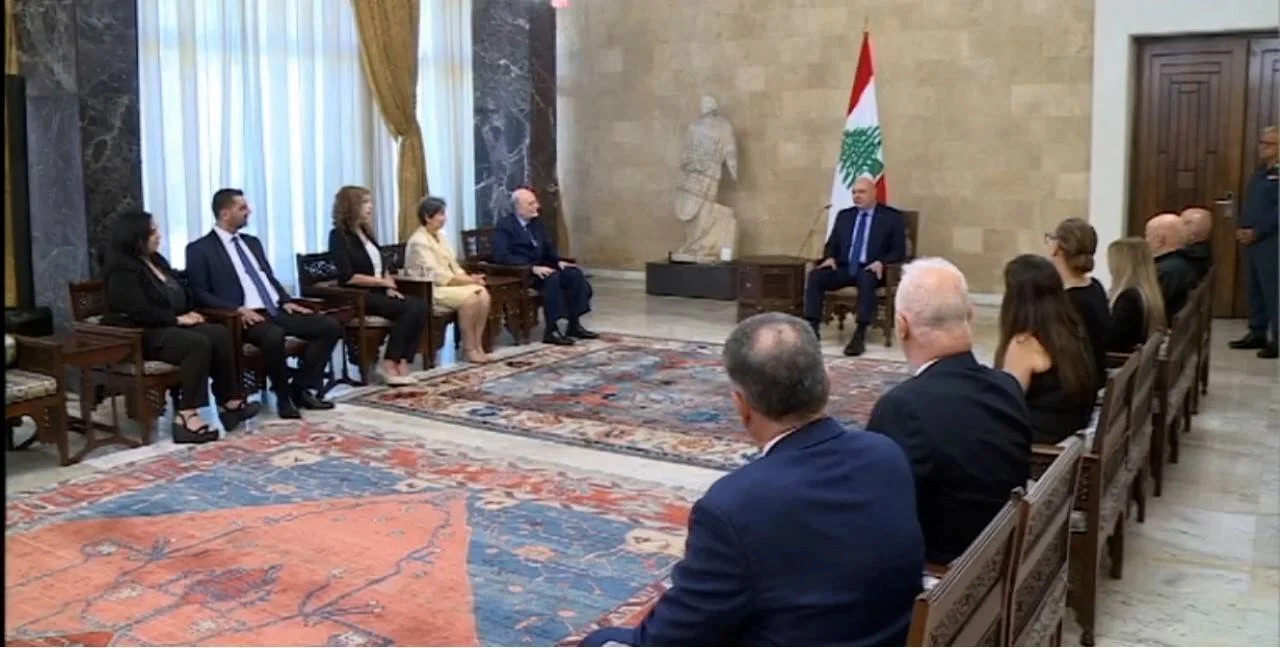
At the Welcome and Well-Wishes Meeting with His Excellency
The President of the Lebanese Republic,
General Joseph Aoun
Republican Palace – Baabda
28.07.2025

Your Excellency,
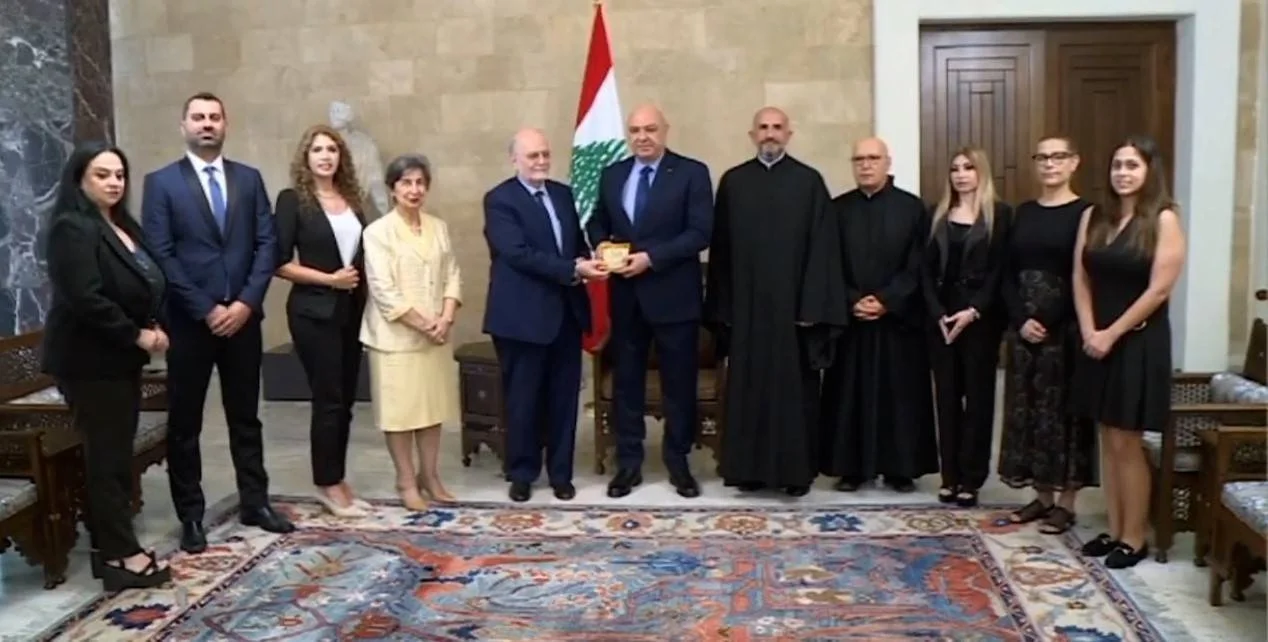
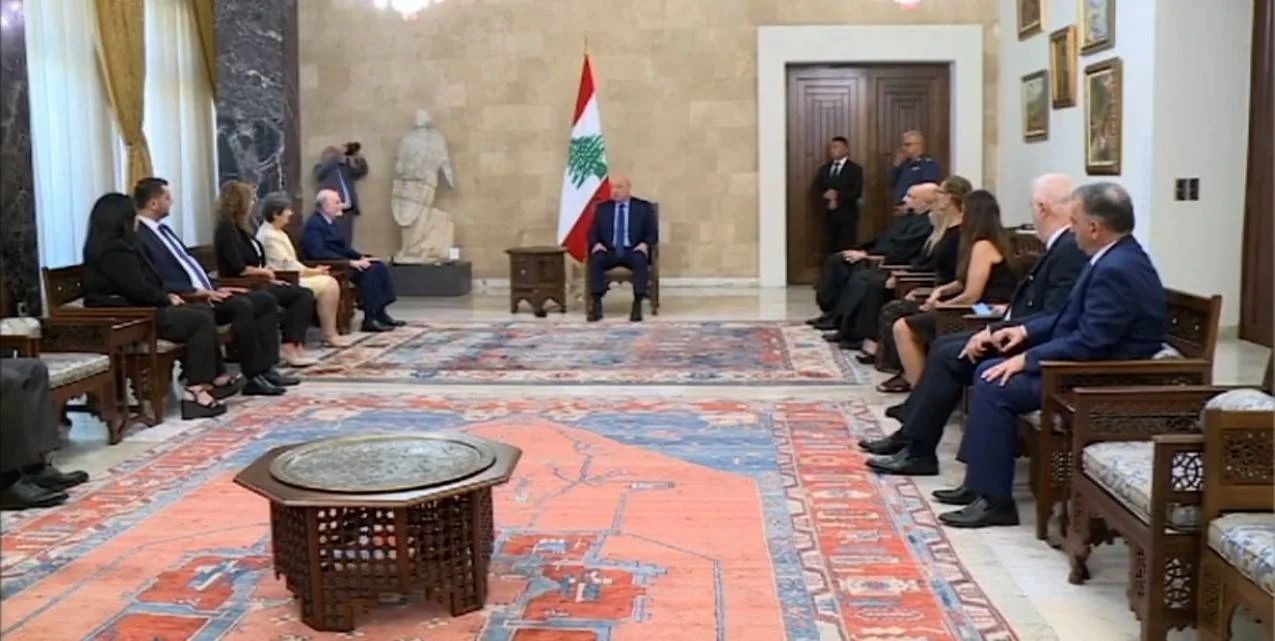
It is with joy and hope that we visit you today, as a delegation from the Middle East Council of Churches, composed of the associate secretaries general and heads of central departments within the Council.
We had hoped that the four Presidents of the Council, Metropolitan Anba Antonios, His Beatitude Patriarch John X, Reverend Dr. Paul Haidostian, and His Beatitude Patriarch Raphael Bedros XXI Minassian, as well as members of the Executive Committee could lead the delegation. However, due to some being abroad and the short notice between the date of invitation and this visit, that was not possible. We will make up for this by visiting you all together during the upcoming Executive Committee meeting scheduled in Lebanon in early December. It is worth noting that visiting the head of state is a tradition observed by the Council whenever its Executive Committee convenes in a country where its member churches are present.
The Middle East Council of Churches is entering the second 50 years of its age, which we hope will be long and fruitful. It is a regional institution licensed in Beirut and includes 21 churches from all over the Middle East, grouped into four ecclesial families based on their theology.
The Council has its main office in Lebanon and additional offices in Syria (Damascus, Daraa, Aleppo), Jordan (Amman), Jerusalem, Nazareth, Gaza, with a Cairo office being reopened in Egypt, and offices planned for reopening in Iraq and Cyprus.
For half a century, the Council has worked in diverse fields that serve society and bring people closer together—first and foremost among the churches. It was a pioneer in launching interfaith and interethnic dialogue. It works in development, education, environment, youth, media, and continues to serve Palestinian refugees and the displaced of the Middle East. It has also been active in social research and intellectual development, and remains engaged in combating extremism, racism, hate speech, and demonization of groups. The Council is currently in dialogue with the Minister of Information regarding awareness campaigns coordinated with the Lebanese state.
Our ecumenism as a Council is complete and embraces all segments of society, because Christians live in fraternity not only with one another but also with their fellow citizens of all religions and sects—believing in societal unity and human brotherhood.
Thanks to its wide ecumenical and non-ecumenical networks, the Council is able to raise the voice of our countries across the globe through its publications and deep-rooted relationships. The Council also enjoys high credibility due to its professionalism and transparency, which define its work and reputation.
We are an institution far from politics, but we care deeply about the fate of our nations. For this reason, we were particularly concerned that Lebanon would have a president with a solid institutional background, and this is exactly what happened with your election, given your outstanding leadership of the Lebanese Army during the most difficult times. That day, while following the elections with colleagues in the office, I said: "The Republic is saved."
May God guide your steps in restoring institutional vitality and formalizing activities that need it, and this means a great deal to us, as a Council that believes in and operates from an institutional mindset.
Moreover, you being a Christian president in the Arab world matters greatly to us, as an open Christian ecumenical institution. We want the world to see that in Lebanon, we are united before God. Our Christianity is with others and for others, not against others, a truth clearly reflected in your leadership of the blessed Lebanese Army.
Your Excellency,
The Middle East Council of Churches places all its energy and resources in the service of our societies, aiming for their growth and social cohesion. It is ready to cooperate with government institutions for the common good. The expertise of our working team is vast, and they are always ready to serve the Church and society through the state, which is the guarantee for all.
With you, we look forward to a healthy, unified Lebanon, free of corruption, one that serves as a model. Lebanon the Message, Lebanon the Space for Free Thought, Lebanon of Freedoms and Creativity, remains an inspiration to the region that loves and respects it. Thus, under your leadership, Lebanon would have filled the mission for which it was created, and which is its raison d’être.
Lebanon the role model, Lebanon the example, this is what we expect during your era.
May God grant success, and may His hand be with the community.