MECC Provides a Healthy and Safe Environment for Students in Seven Schools in Rural Damascus
You can find some photos at the end of the text.
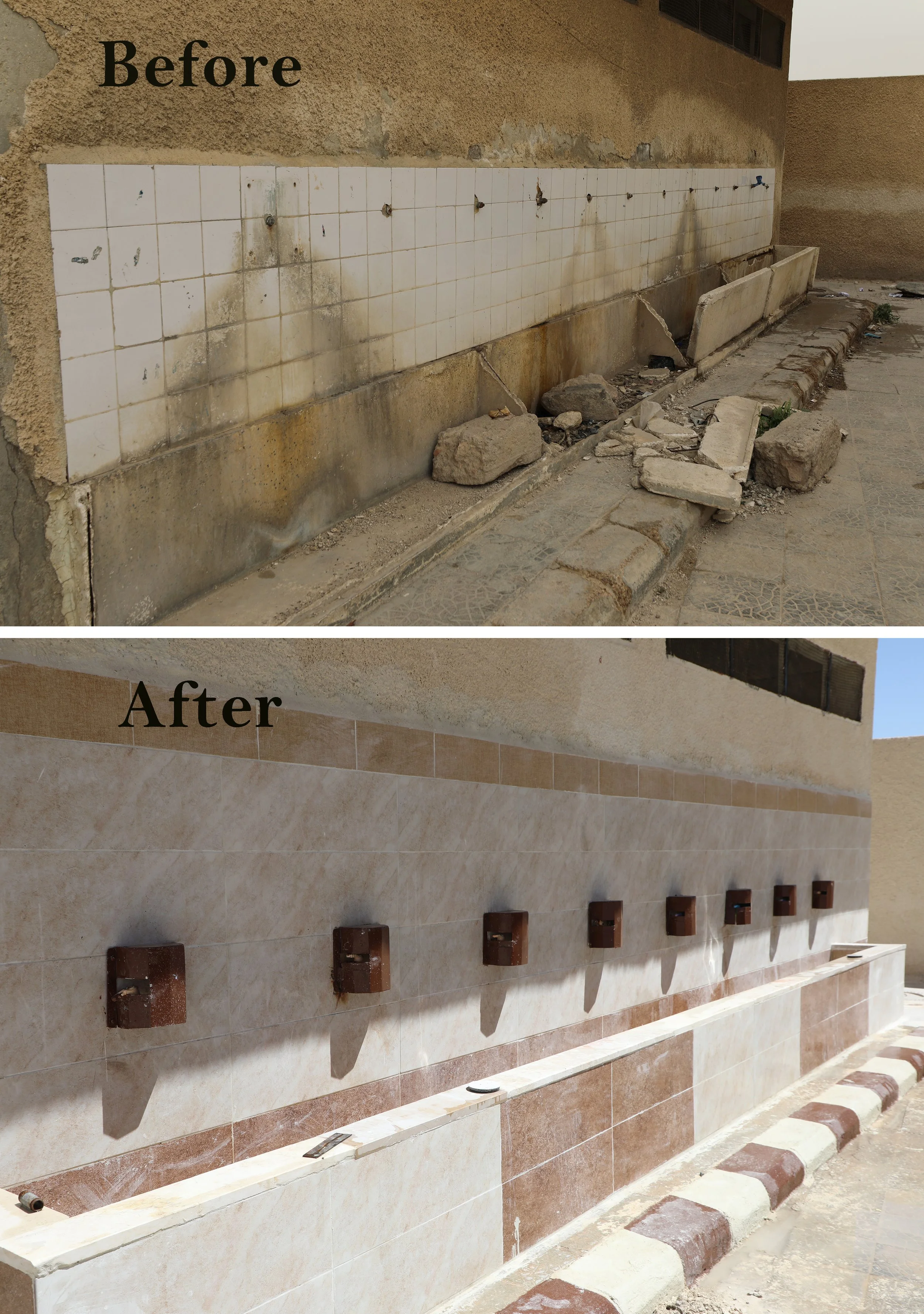
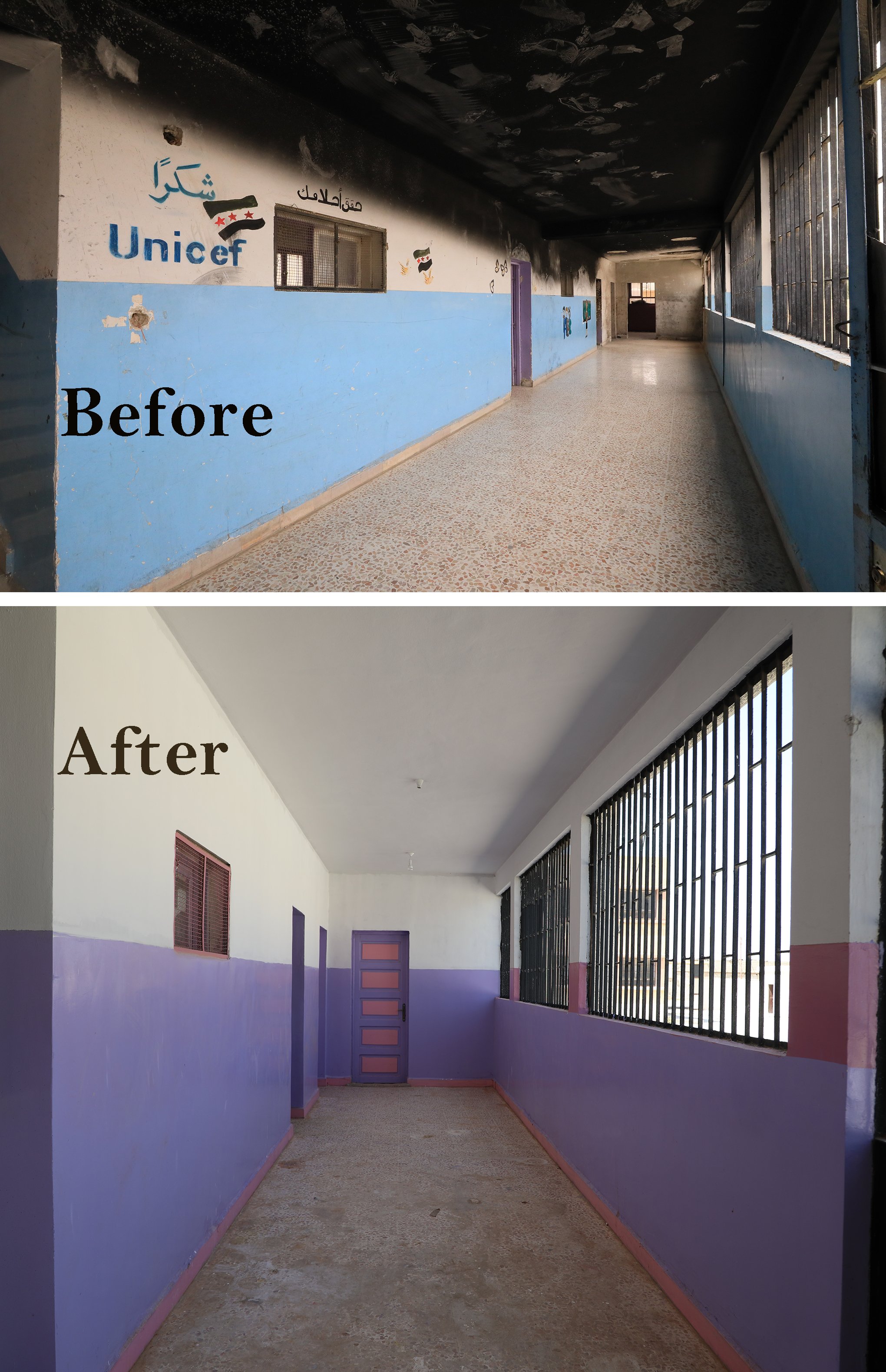
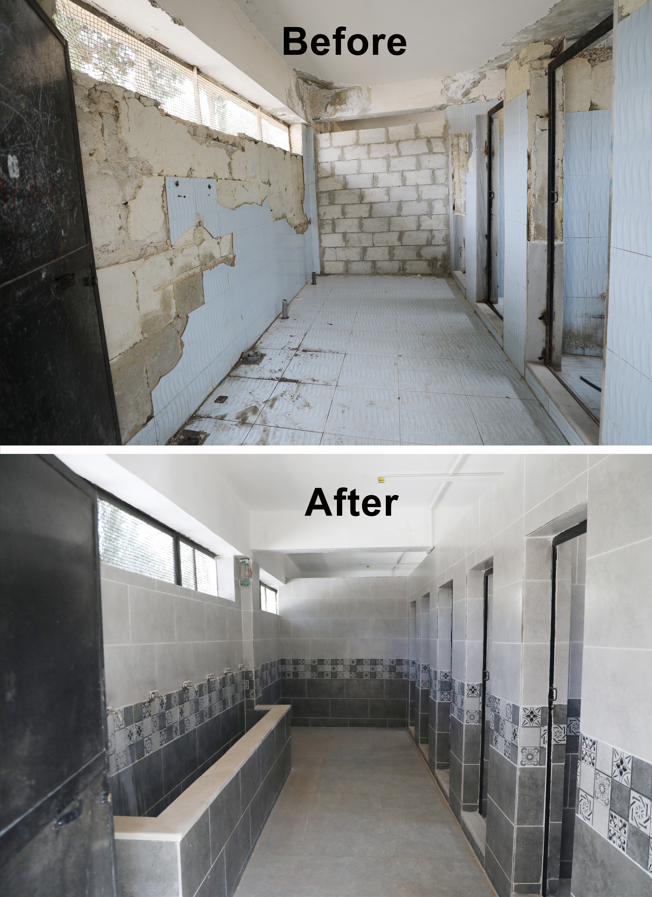
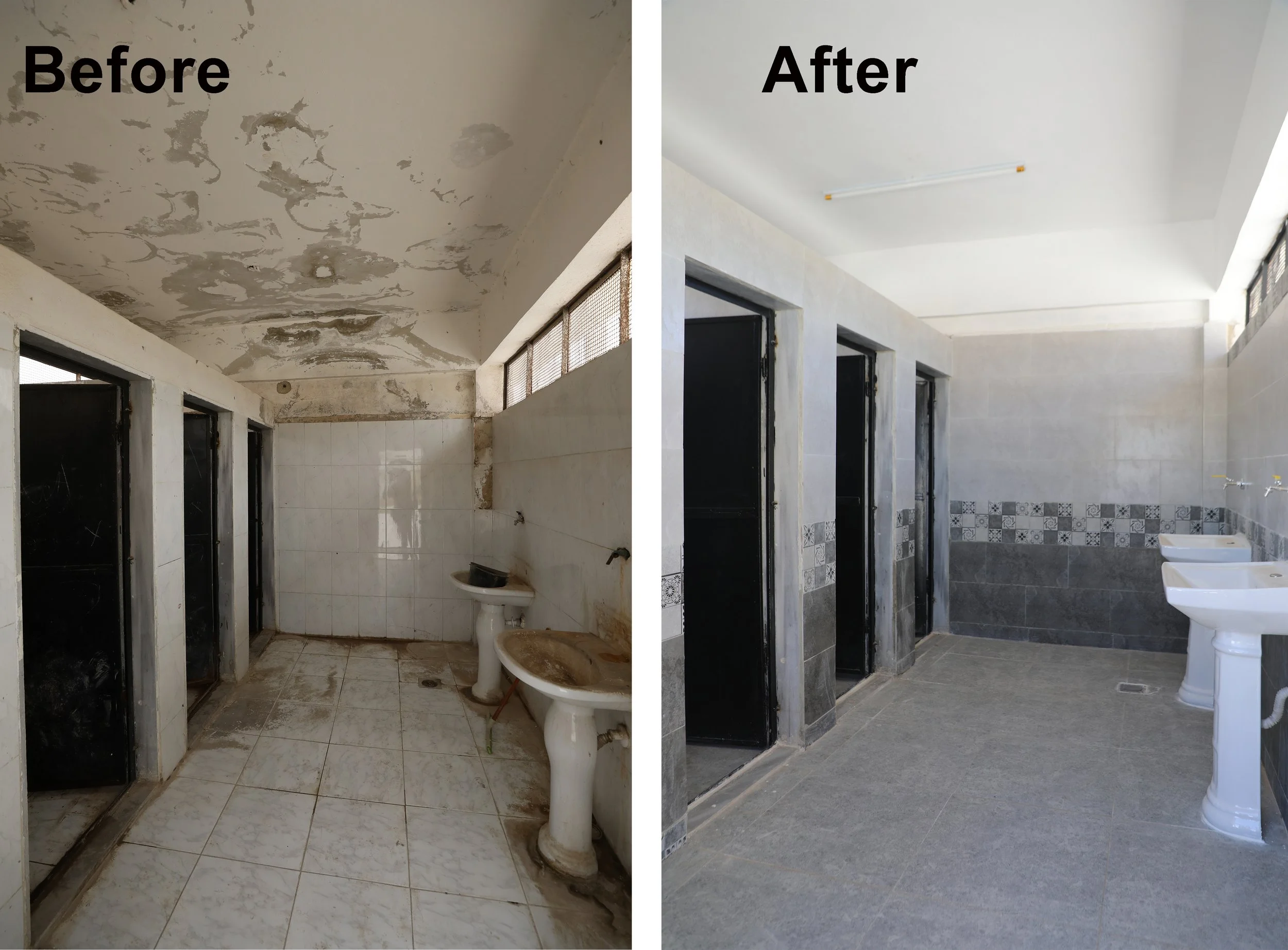
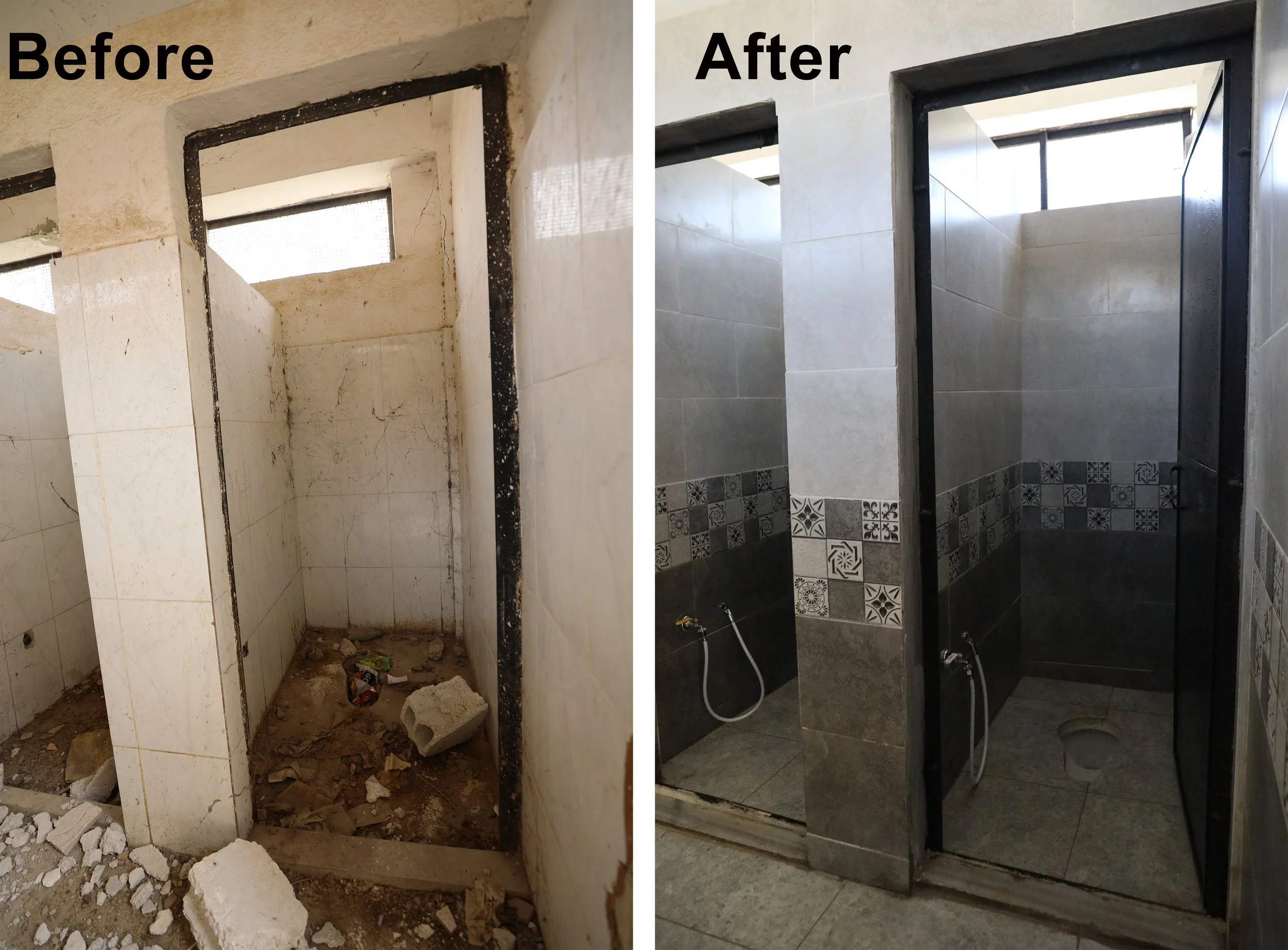
As part of the efforts of the Diakonia and Social Service Department at the Middle East Council of Churches (MECC), to support the educational process, and in line with its commitment to providing a healthy and safe school environment that enhances students’ psychological and physical well-being, the Diakonia team at the Syria’s Office renovated sanitary facilities in seven schools across several areas of Rural Damascus.
The renovation works were carried out at: Al Otaibe Girls School, Mohammad Yousef Omar Rifie School, Al Sakka 2nd School, Ahmad Ayoub School, Al Bitarieh -1st School, Hijane 3rd School, and Sakka & Delbe School.
The works also included the rehabilitation of sewage network infrastructure and its equipment, maintenance of the drinking water network, installation of taps, toilets, doors, tiles and ceramics, electrical cables, in addition to installing water pumps and tanks, and carrying out painting works.
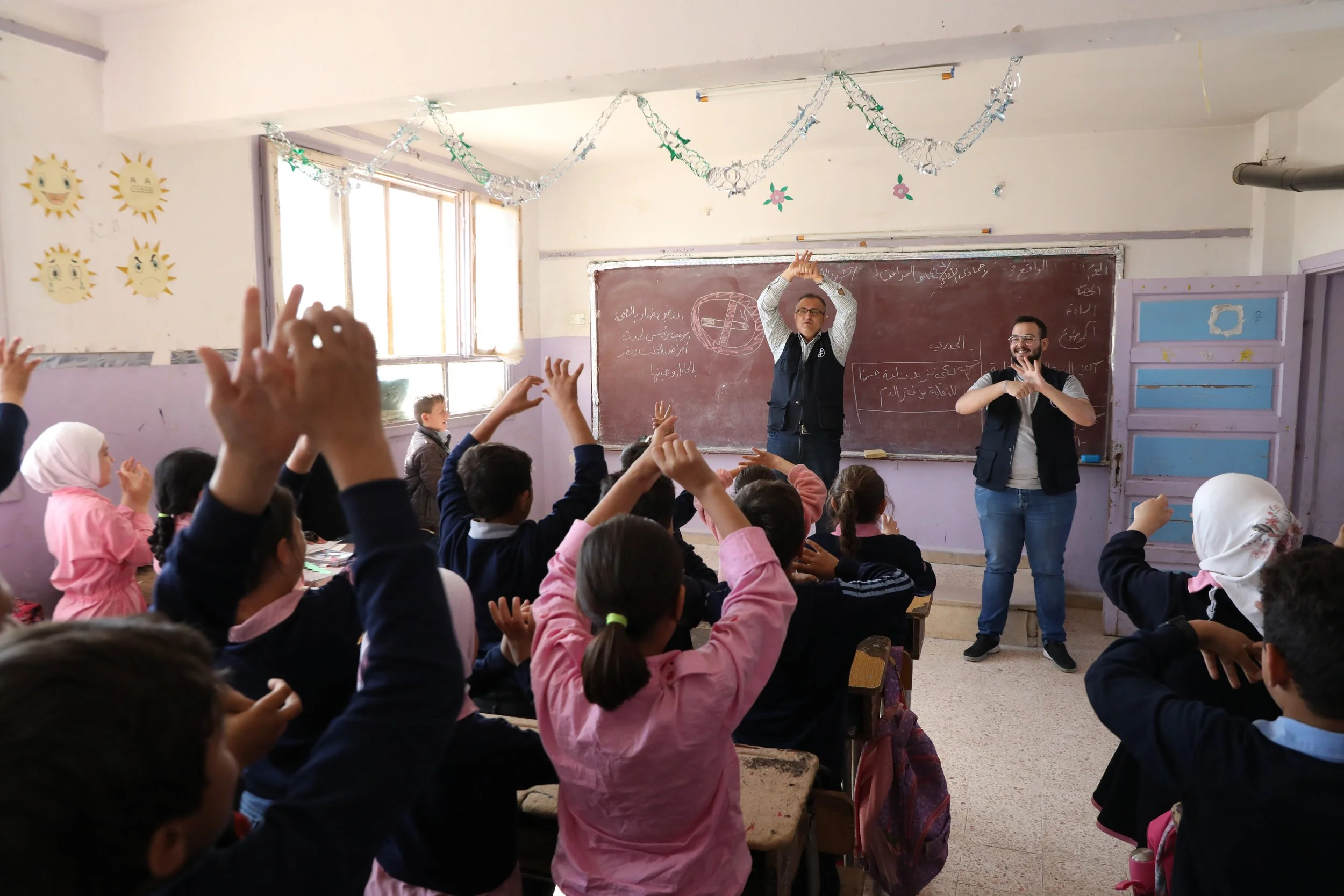
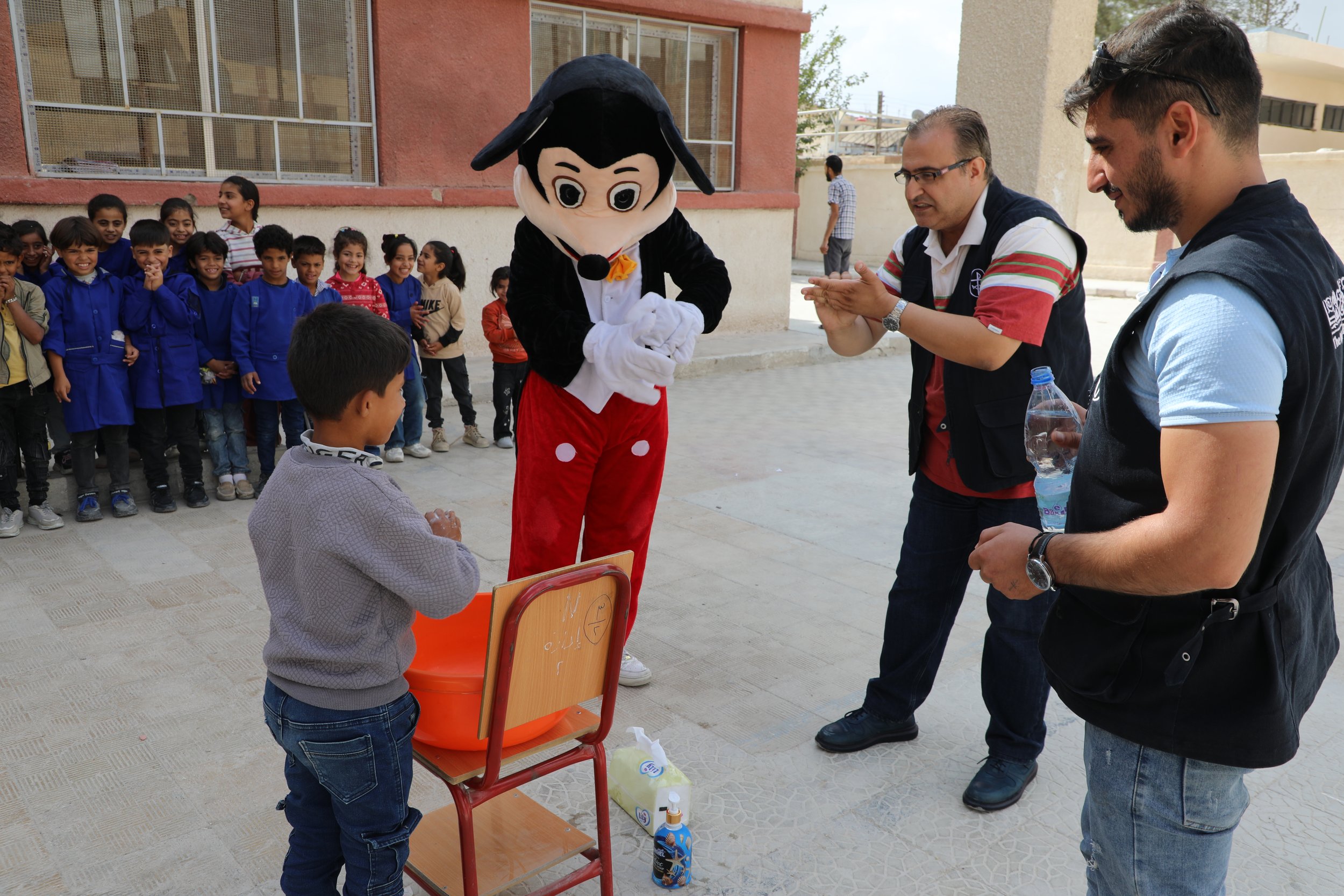
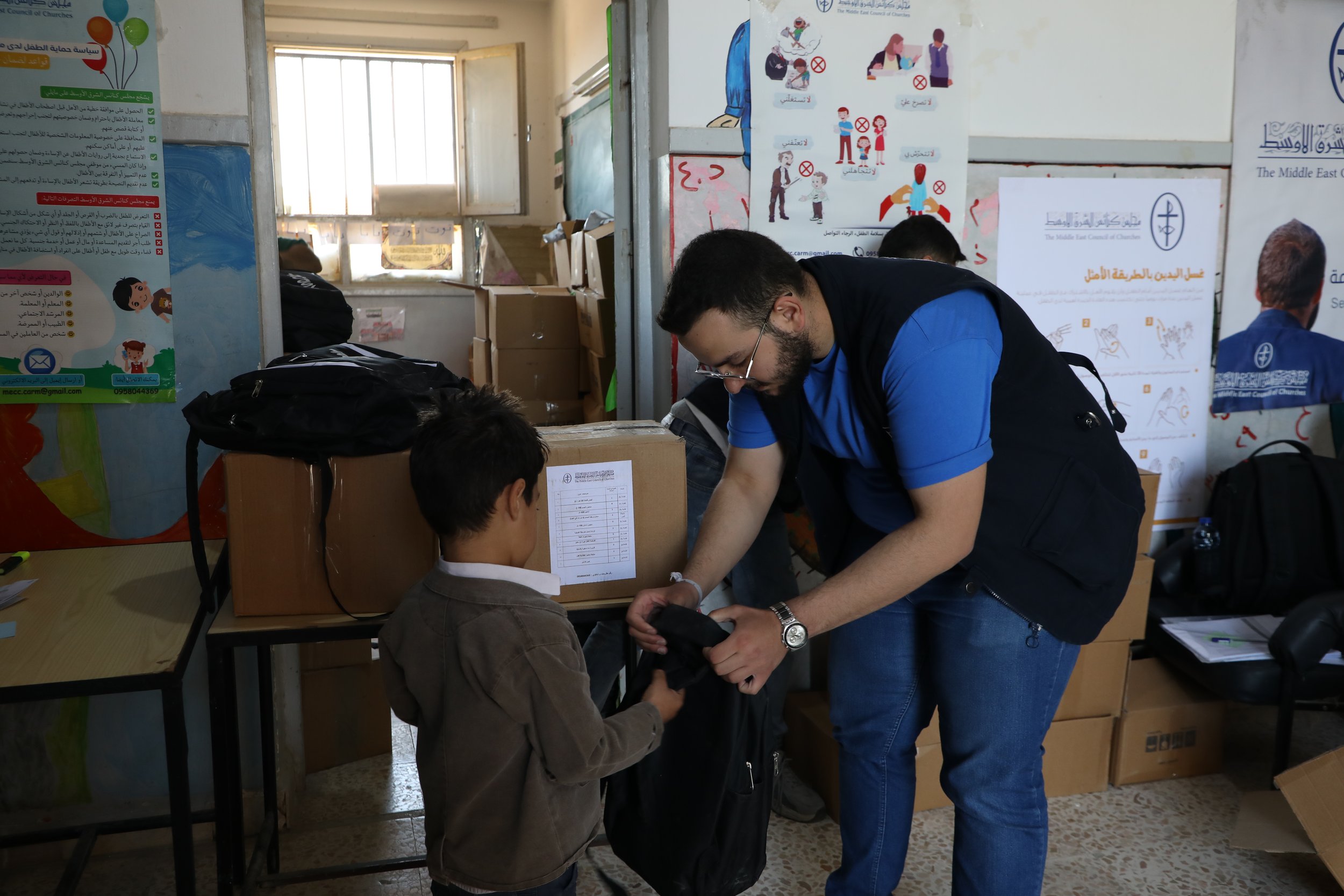
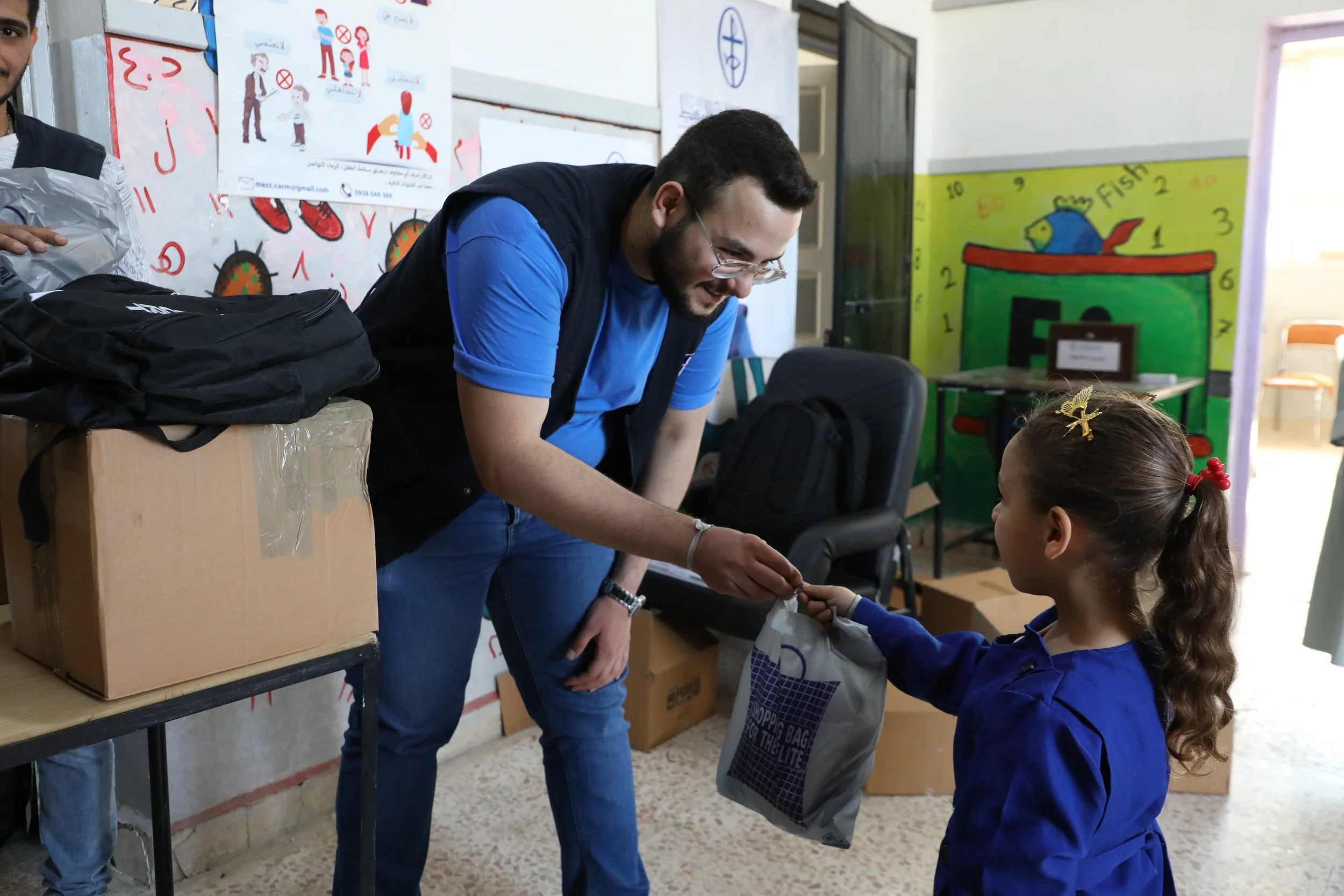
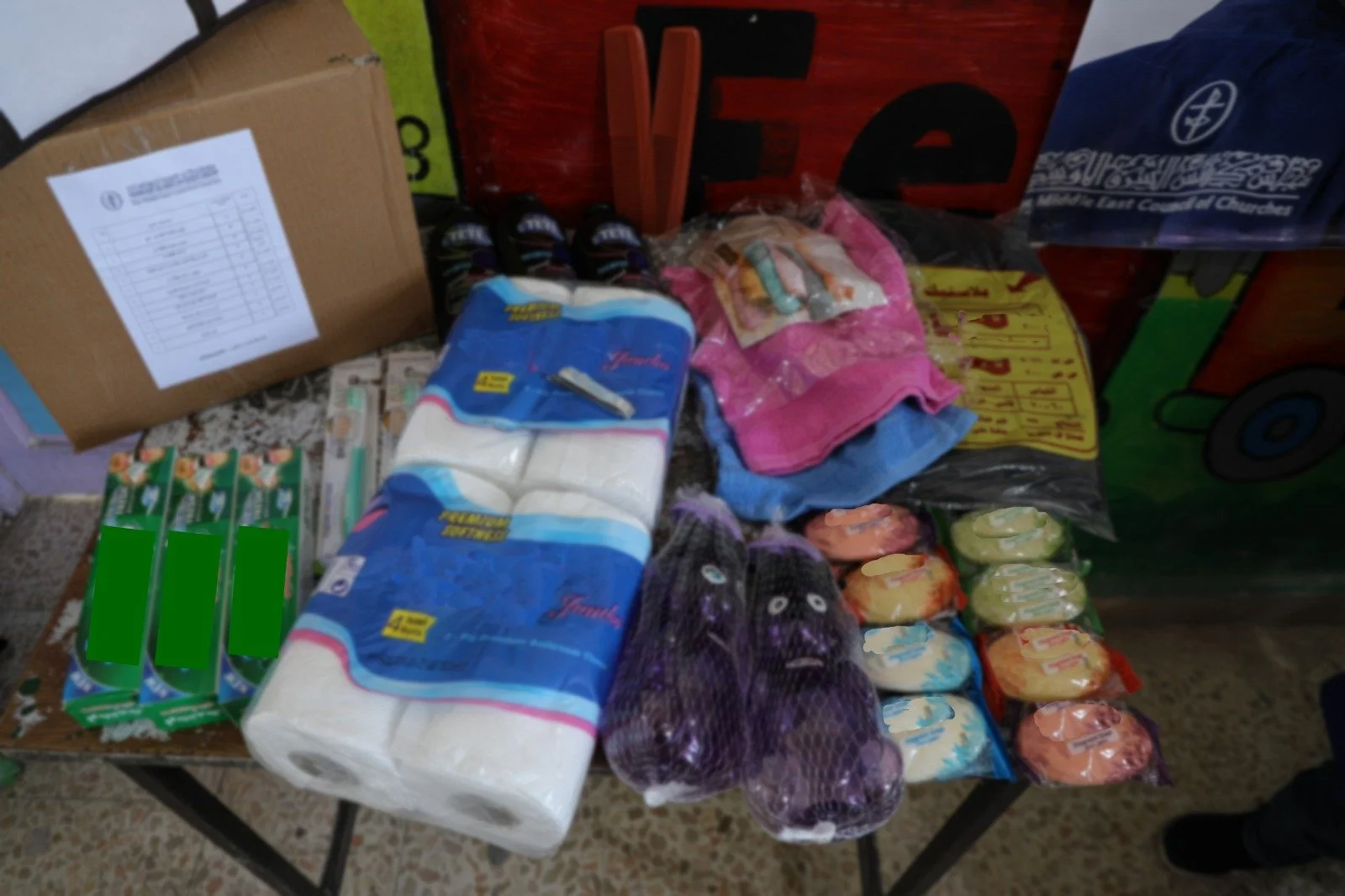
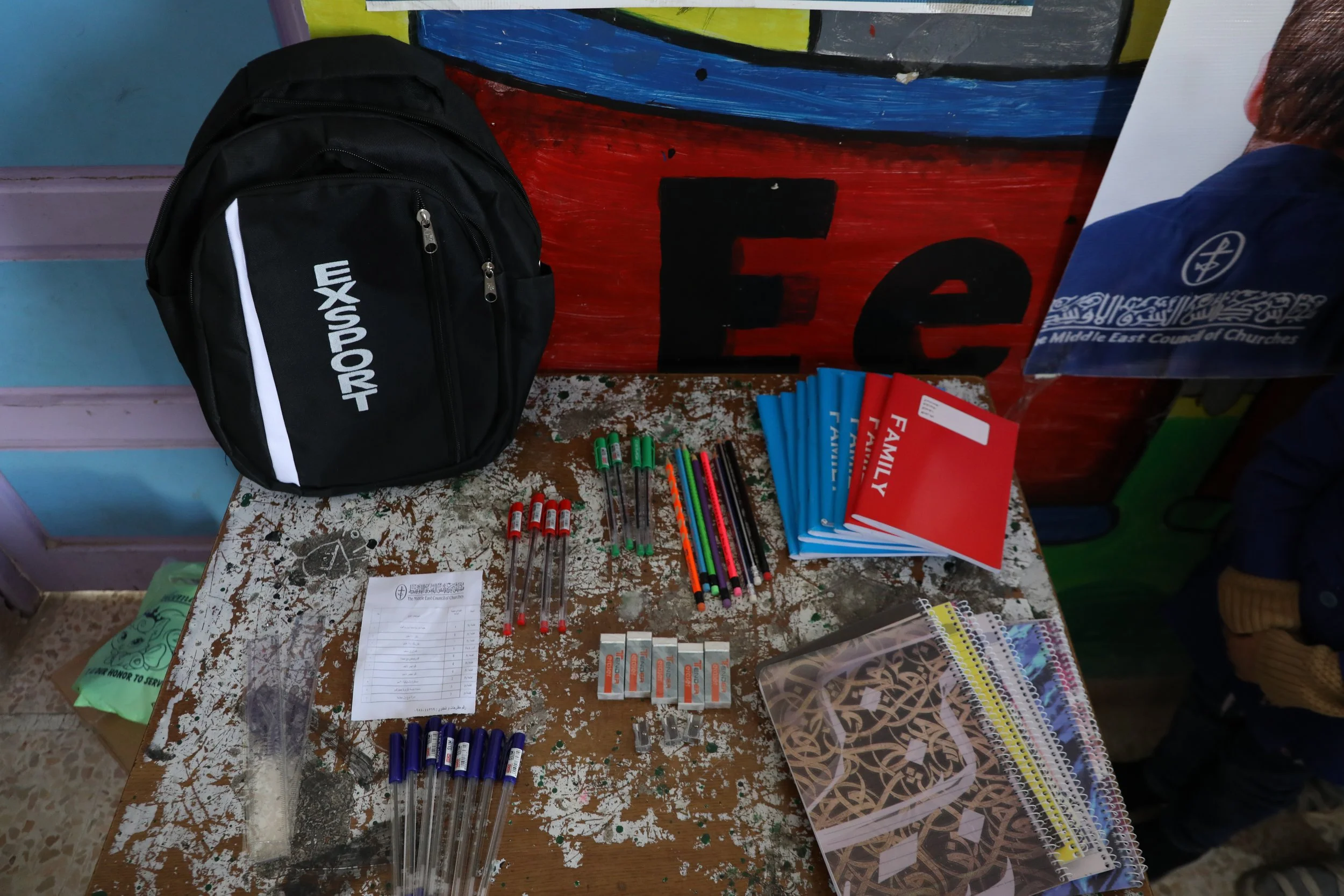
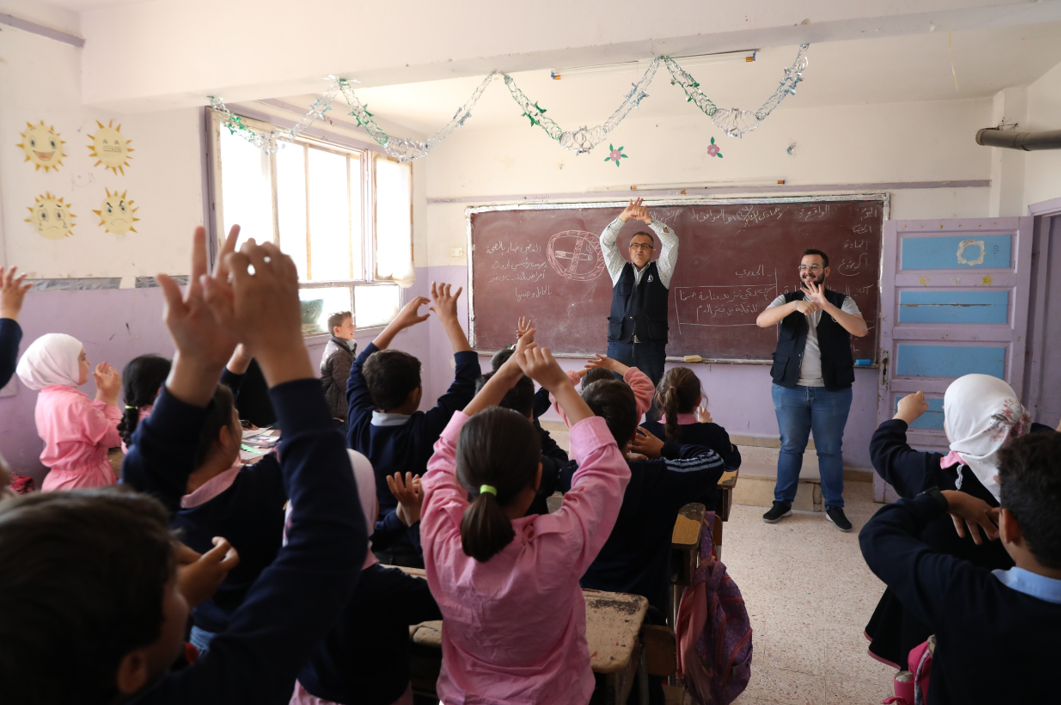
MECC team also implemented a hygiene awareness sessions in these schools, during which students learned how to take care of personal hygiene to prevent diseases, as well as the correct way to wash their hands. They also received individual school and hygiene kits.
The total number of beneficiaries reached 3,848 male and female students, in addition to teachers and administrative staff in these schools.
The principal of Mohammad Yousef Omar Rifie School, Ms. Siham, said; “Many thanks to the team of MECC. We suffered for many years from old and worn-out sanitary facilities. We feared for the children’s health, and we were worried when they had to leave school hours, go home to use the bathroom, and then return to school.”
“The sanitary pipelines were deteriorated and did not drain properly, in addition to the shortage of water, which led to the accumulation of dirt. The unpleasant odors used to reach the classrooms, negatively affecting both students and teaching staff.”
“With the beginning of the school year, we noticed a clear difference in the sanitary facilities. They have become clean and new, and the plumbing works properly. Thanks to the new water tanks, we are able to clean the facilities continuously and ensure a healthy and clean environment for students.”
For their part, a student at one of the schools said; “At the beginning of the school year, I was surprised to find that the bathrooms had become clean and completely new. All the taps work, and water is no longer cut off from the school. Unlike previous years, when we rarely found water to wash our hands, and there was no clean drinking water. The bad smells filled the bathrooms and prevented us from approaching them, so I, like my classmates, avoided using them and waited until I returned home.”
“A team from MECC visited us, renovated the sanitary facilities, and taught us how to take care of personal hygiene. I learned the correct way to wash hands, and that it is important to brush teeth, bathe, and comb hair.”
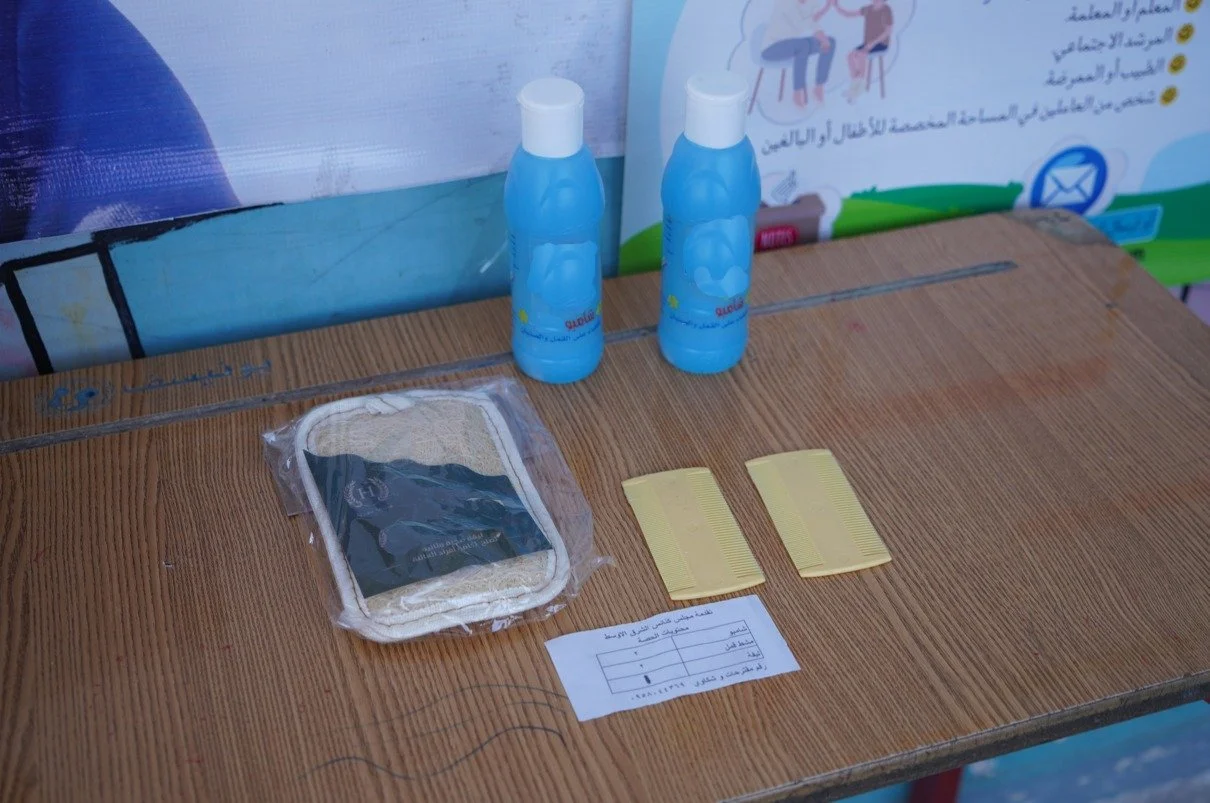
It is worth noting that students in the schools that benefited from the renovation works also received Anti-Lice kits, which included two anti-lice shampoo, a luffa, and two special comb. The distribution process was accompanied by awareness sessions delivered by a doctor, who explained the importance of maintaining personal hygiene and the correct way to use anti-lice shampoo.
In this regard, the secretary of Mohammad Yousef Omar Rifie School, Ms. Aisha, said; “At the beginning of the school year, we noticed the spread of head lice among students, and we were concerned that the situation would worsen as the school year progressed. The distribution of anti-lice kits by MECC came at the right time and contributed effectively to limiting the spread of lice among students.”
She added “Students have now become more accepting of using the shampoo and have conveyed its importance and the correct method of use to their families, with their siblings also participating in its use. Students no longer feel embarrassed to talk about using anti-lice shampoo for prevention; on the contrary, they have begun to compete in using it and informing their teachers about it.”