
Palestine Observatory - Report: Friday 13 March 2026
مرصد فلسطين - تقرير الجمعة 13 آذار/ مارس 2026
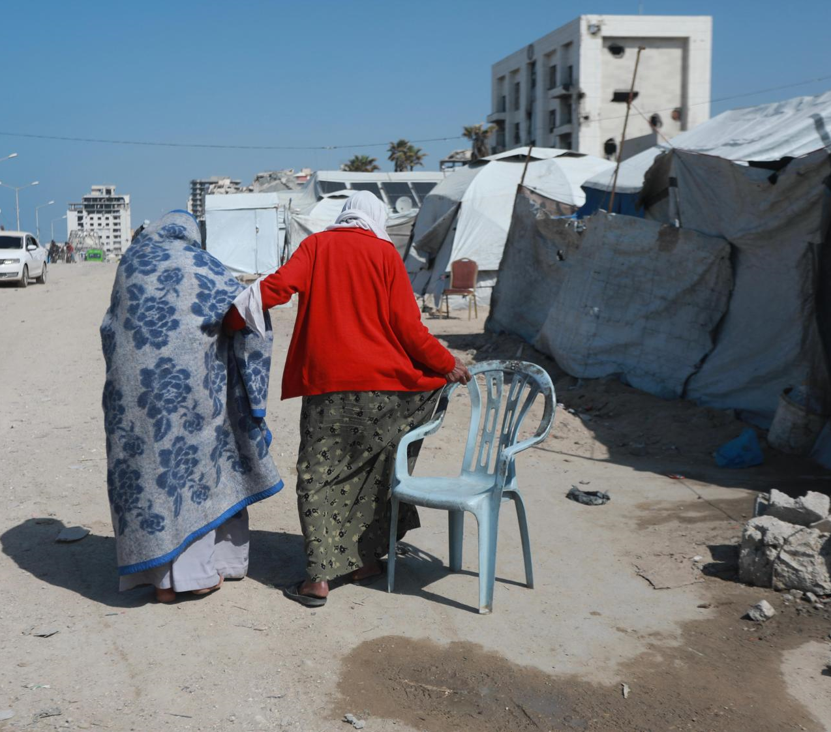
Two elderly Palestine Refugees in the Gaza Strip, where many families continue to face extremely difficult living conditions © March 2026 UNRWA Photo - لاجئتان فلسطينيّتان مسنّتان في قطاع غزة، حيث لا تزال العديد من العائلات تواجه ظروفًا معيشيّة بالغة الصعوبة، آذار/ مارس 2026. الحقوق محفوظة للأونروا
English Information Below.
In light of the worsening humanitarian and social conditions in the region due to the escalation of security operations, the Middle East Council of Churches presents a weekly report entitled "Palestine Monitor," which includes the latest developments in Palestine, especially amid the deteriorating living, social, and security conditions in the country. Some texts will be in Arabic, and some others in English, depending on the source.
في ظلّ تفاقم الظروف الإنسانيّة والاجتماعيّة في المنطقة جرّاء تصاعد العمليّات الأمنيّة فيها، يقدّم مجلس كنائس الشرق الأوسط تقريرًا أسبوعيًّا بعنوان "مرصد فلسطين" حيث يتضمّن آخر المستجدّات الّتي تشهدها فلسطين خصوصًا وسط تدهور الظروف المعيشيّة والاجتماعيّة والأمنيّة في البلاد. ستكون بعض النصوص باللغة العربية، وبعضها الآخر باللّغة الإنكليزيّة، وذلك حسب المصدر.
في آخر المستجدّات:
كنسيًّا، وبحسب صفحة الكنيسة الإنجيليّة اللّوثريّة في الأردن والأراضي المقدّسة، "اختتم مكتب الخدمة الاجتماعيّة التابع للكنيسة برنامجًا مميّزًا بعنوان "العلاج بالطبخ"، خُصّص لدعم الأمهات ومساندتهنّ في مواجهة تحديات الحياة اليومية. وقد امتدّ البرنامج على مدار ست جلسات عُقدت بين شهري تشرين الثاني/ نوفمبر وشباط/ فبراير، وشكّل مساحة آمنة وداعمة أتاحت للمشاركات فرصة التعلّم والتعبير عن ذواتهنّ والنمو بعيدا عن ضغوطات الحياة.
لم تقتصر الورشات على تعليم مهارات جديدة في الطهي، بل قدّمت إطارًا متكاملًا يعزز الوعي بالذات، وينمي الحسّ الإبداعي، ويسهم في بناء الثقة بالنفس. فقد وفّرت الجلسات بيئة تفاعلية لتبادل الخبرات واكتشاف القدرات بأسلوب عملي وتشاركي، مما جعل من تجربة الطهي وسيلة للتعبير الإيجابي واستعادة التوازن الداخلي في أجواء مشّجعة ومحفّزة.
نُفِّذ البرنامج بالتعاون مع الأخصائية النفسية جمانا كابلانيان والشيف منى خروفة، حيث ارتكز على تعزيز التواصل الفعال، وتحقيق الإنجاز، وترسيخ روح التعاون. وسلّطت الجلسات الضوء على أن الطهي ليس مجرد مهمة يومية، بل مساحة للتعبير عن المحبة والاهتمام، وجسرًا يعزّز الروابط الأسرية.
وفي ظل الحرب المستمرة والاغلاقات المطوّلة في الأراضي المقدسة، تواجه العديد من العائلات ظروفًا اقتصادية صعبة وفرص محدودة، مما يضاعف الأعباء الملقاة على عاتق الأمهات. ومن هنا جاء هذا البرنامج حتى يعزز صمودهنّ، ويدعم قوتهنّ النفسية، ويزودهنّ بأدوات عملية ومعنوية تساعدهنّ على مواصلة دورهنّ بثبات وثقة".[1]
أمنيًّا وإنسانيًّا، جاء في أحد تقارير وكالة الأمم المتّحدة لغوث وتشغيل اللّاجئين الفلسطينيّين:
"قطاع غزة
القتلى والجرحى
منذ وقف إطلاق النار، ووفقًا لوزارة الصحة، كما أفاد مكتب مفوضية الأمم المتحدة السامية لحقوق الإنسان، قُتل 631 فلسطينيًا في ]عمليات عسكرية إسرائيلية[. وبين بدء وقف إطلاق النار في 10 تشرين الأول/ أكتوبر 2025 و27 شباط/ فبراير 2026، وثّقت المفوضية مقتل ما لا يقل عن 224 فلسطينيًا خلف أو في محيط [المنطقة العسكرية الإسرائيلية] "الخط الأصفر"، و347 فلسطينيًا في هجمات وقعت بعيدًا عنها.
حتّى 9 آذار/ مارس، سجلت الأونروا مقتل 391 زميلًا منذ بدء الحرب (310 من موظفي الأونروا، بالإضافة إلى 81 شخصًا كانوا يدعمون أنشطة الأونروا).
الأزمة الصحية
وفقًا لوزارة الصحة، كما أفادت منظمة الصحة العالمية، فإن 46 في المائة من الأدوية الأساسية و66 في المائة من المستهلكات الطبية غير متوفرة حاليًّا، وتحتاج إلى إعادة تزويد مستمرة وعاجلة.
تواصل فرق الاستجابة الطبية السريعة التابعة للأونروا رصد الزيادة في حالات الالتهابات الجلدية المُبلَّغ عنها عن كثب في عدد من الملاجئ الطارئة الجماعية التابعة للأونروا. وتقوم الأونروا، بالتعاون مع شركائها في القطاع الصحي، بتوزيع مستلزمات النظافة الشخصية في المواقع المتضررة. وتشير التقارير إلى أن هذه التدابير تُسهم في احتواء تفشي المرض، مع انخفاض في حالات الإصابة الجلدية المبلغ عنها في الأيام الأخيرة.
النزوح وإدارة المواقع
تواصل الأونروا رصد حركة النازحين ومواقع النزوح. يقدر أن 71 ألف نازح يعيشون في الملاجئ الطارئة الجماعية التابعة للأونروا والمناطق المحيطة، بما في ذلك 83 موقع نزوح تديرها الوكالة.
خلال أشهر الشتاء، نفّذت فرق إدارة المواقع التابعة للأونروا حوالي 6,000 عملية تدخل، شملت توزيع الخيام والأغطية البلاستيكية ومستلزمات النظافة الشخصية وغيرها من المواد غير الغذائية على آلاف الأسر المحتاجة، والتخفيف من آثار الظروف الجوية القاسية.
يوجد حاليًا 117 مرفقا تابعًا للأونروا داخل [المنطقة العسكرية الإسرائيلية] خارج ما يُسمى بـ "الخط الأصفر"، والمناطق التي يتطلّب الوصول إليها تنسيق/موافقة [إسرائيل].[2]
في الإطار نفسه، ووبحيب موقع "الأمم المتّحدو"، "حذر مكتب تنسيق الشؤون الإنسانية (أوتشا) من أن إغلاق المعابر على طول محيط غزة يستمر في تقويض العمليات الإنسانية، مشيرًا إلى أن استمرار إغلاق معبر زيكيم يُجبر عمال الإغاثة على إعادة توجيه الإمدادات الحيوية المُخصصة لشمال غزة عبر معبر كرم أبو سالم الجنوبي، الذي لا يزال المعبر الوحيد قيد العمل. وأوضح أن هذا الطريق الطويل أبطأ وأكثر تكلفة".[3]
Latest updates:
On the Church level, and according to the Facebook Page of the Evangelical Lutheran Church in Jordan and the Holy (ELCJHL), “the ELCJHL Diaconal Ministry concluded its pioneering “Cooking to Cure” cooking therapy program last month. The program included six sessions, held from November to February, to support mothers facing daily life difficulties and ongoing challenges. Through learning new cooking techniques, participants were encouraged to focus on mindfulness, creativity, and personal growth in a supportive and low pressure environment.
The program was implemented in partnership with Psychologist Jumana Kaplanian and Chef Muna Khroufeh, and centered on the values of clarity, accomplishment, and connection. Beyond developing practical skills, the sessions emphasized the deeper meaning of cooking with love and intention, recognizing that preparing food is not only a daily responsibility, but also an expression of care, dignity, and connection for the people we cherish.
Amid the ongoing war and prolonged closures in the Holy Land, many families are experiencing severe economic hardship and limited opportunities. These conditions place tremendous pressure on mothers, who carry the responsibility of uplifting and supporting their families during times of uncertainty. This program was part of the Diaconal Ministry’s work to support mothers’ resilience, confidence, and emotional strength.”[4]
On another side, the United Nations Relief and Works Agency for Palestine Refugees in the Near East (UNRWA) indicated in one of its latest reports the following:
“The Gaza Strip
Fatalities and injuries
Since the ceasefire, according to the MoH, reported by OHCHR, 631 Palestinians were killed in [Israeli military operations]. Between the beginning of the ceasefire on 10 October 2025 and 27 February 2026, OHCHR recorded the killing of at least 224 Palestinians behind or in the vicinity of the [Israeli-militarized zone] “Yellow Line”, and 347 Palestinians in attacks far from it.
UNRWA has recorded 391 colleagues killed in Gaza since the start of the war (310 UNRWA personnel, in addition to 81 persons who were supporting UNRWA activities3), up to 9 March.
Health crisis
According to MoH, as reported by WHO, 46 per cent of essential medicines and 66 per cent of medical consumables are currently out of stock and urgently need sustained replenishment.
UNRWA rapid response medical teams continue to closely monitor the trend in reported skin infections across multiple collective emergency shelters. UNRWA, together with health partners, is distributing hygiene kits in the affected locations. These measures are reportedly helping to contain the outbreak, with a decrease in cases of skin infections reported in recent days.
Displacement, Site management
UNRWA continues to monitor the movement of displaced persons and displacement sites. An estimated 71,000 displaced people are living in 81 UNRWA collective emergency shelters managed by the Agency.
Over the winter months, UNRWA site management teams conducted approximately 6,000 interventions, including distributing tents, tarpaulins, hygiene kits, and other non-food items to thousands of families in need and mitigating the impact of harsh weather.
Currently,117 UNRWA facilities are located within the [Israeli-militarized zone] behind the so-called “Yellow Line” and in areas where access is subject to [Israeli] approval or coordination.”[5]
In this context, and the “United Nations Website” stated that “turning to the situation in the Occupied Palestinian Territory, where the closure of crossings along Gaza’s perimeter continues to undermine humanitarian operations.
OCHA colleagues tell that the continued closure of the Zikim crossing is forcing aid workers to re-route critical supplies intended for northern Gaza through the southern crossing of Kerem Shalom/Kerem Abu Salem, which is still the only operational crossing point. This long route is obviously slower. It is obviously costlier, as it increases our reliance on scarce fuel supplies inside Gaza.[6]
[1]https://www.facebook.com/share/p/18XC6AHxeE/
[2]https://www.unrwa.org/ar/resources/reports/%D8%AA%D9%82%D8%B1%D9%8A%D8%B1-%D8%A7%D9%84%D8%A3%D9%88%D9%86%D8%B1%D9%88%D8%A7-%D8%B1%D9%82%D9%85-212-%D8%AD%D9%88%D9%84-%D8%A7%D9%84%D8%A3%D8%B2%D9%85%D8%A9-%D8%A7%D9%84%D8%A5%D9%86%D8%B3%D8%A7%D9%86%D9%8A%D8%A9-%D9%81%D9%8A-%D9%82%D8%B7%D8%A7%D8%B9-%D8%BA%D8%B2%D8%A9-%D9%88%D8%A7%D9%84%D8%B6%D9%81%D8%A9-%D8%A7%D9%84%D8%BA%D8%B1%D8%A8%D9%8A%D8%A9
[3]https://news.un.org/ar/story/2026/03/1144324
[4]https://www.facebook.com/share/p/18XC6AHxeE/
[5]https://www.unrwa.org/resources/reports/unrwa-situation-report-212-humanitarian-crisis-gaza-strip-and-occupied-west-bank