
Palestine Observatory - Report: Thursday 30 April 2026
مرصد فلسطين – تقرير الخميس 30 نيسان/ أبريل 2026
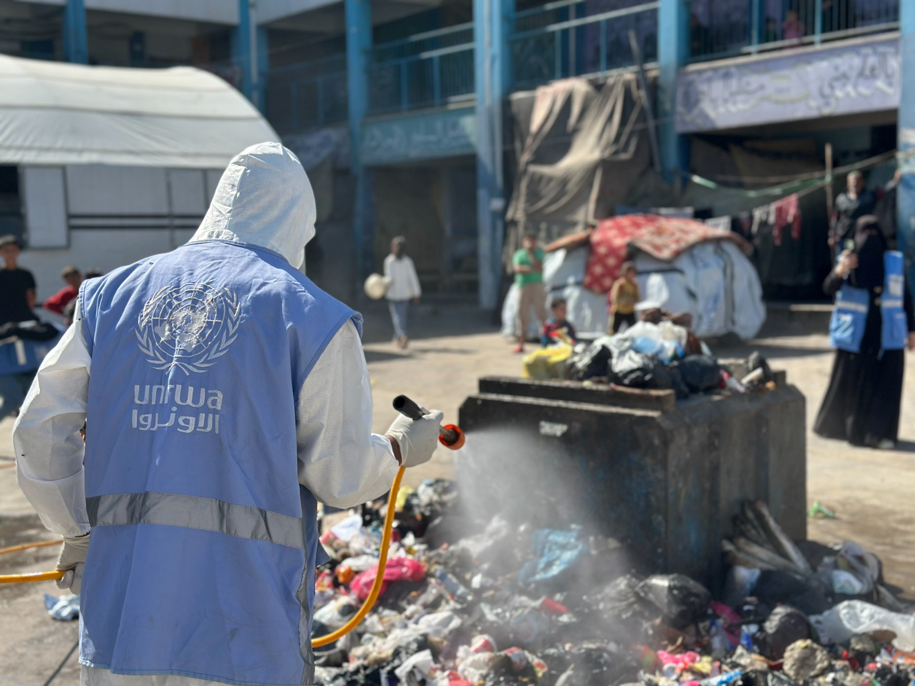
تواصل فرق الصرف الصحي التابعة للأونروا في قطاع غزة العمل يوميًّا لتنظيف المخيمات وإزالة النفايات من الشوارع والملاجئ والحد من المخاطر الصحية. الحقوق محفوظة للأونروا، نيسان/ أبريل 2026.
UNRWA sanitation workers in the Gaza Strip continue work daily to clean camps, remove waste from streets and shelters, and reduce health hazards. © April 2026 UNRWA Photo.
English Information Below
In light of the worsening humanitarian and social conditions in the region due to the escalation of security operations, the Middle East Council of Churches presents a weekly report entitled "Palestine Monitor," which includes the latest developments in Palestine, especially amid the deteriorating living, social, and security conditions in the country. Some texts will be in Arabic, and some others in English, depending on the source.
في ظلّ تفاقم الظروف الإنسانيّة والاجتماعيّة في المنطقة جرّاء تصاعد العمليّات الأمنيّة فيها، يقدّم مجلس كنائس الشرق الأوسط تقريرًا أسبوعيًّا بعنوان "مرصد فلسطين" حيث يتضمّن آخر المستجدّات الّتي تشهدها فلسطين خصوصًا وسط تدهور الظروف المعيشيّة والاجتماعيّة والأمنيّة في البلاد. ستكون بعض النصوص باللغة العربية، وبعضها الآخر باللّغة الإنكليزيّة، وذلك حسب المصدر.
في آخر المستجدّات:
كنسيًّا، أصدر غبطة البطريرك الكاردينال بييرباتيستا بيتسابالا، بطريرك القدس للّاتين، رسالة إلى أبرشيّة القدس على ضوء الأحداث الأمنيّة الحالية. جاء في الرسالة بحسب موقع البطريركيّة اللّاتينيّة في القدس:
"أيها الأحبّاء،
سلام المسيح معكم جميعاً!
على مدى سنوات خدمتي الرعويّة، خاطبتُكم، أنتم مؤمني كنيسة القدس الحبيبة، بطرق متعدّدة: خلال العظات وبعض الرسائل القصيرة، ولا سيّما أثناء الزيارات الرعوية. وقد شكّلت هذه الزيارات على وجه الخصوص، لحظات لقاءٍ وتشارك مع الرعايا والمجتمع، تاركة بصمة في حياة الكنيسة المحليّة، وفي حياتي أيضًا. فقد أتاحت لي التعرّفَ عن قربٍ الى أبرشيّتنا، ومنحتني الفرصة لتجسّيد ملموسٍ لتلك الوحدة بين الراعي والجماعة المؤمنة، التي تشكل أساس الحياة الكنسيّة.
غير أنّ السنوات الأخيرة، وما شهدَتْه من حربٍ جديدة ومأساوية انصلَينا في أتونها، بكل ما خلّفته من تداعيات على حياة كل واحد منا، أرغمتنا على إعادة التفكير في أساليب خدمتنا وأوقاتها، وهي خدمة سعيتُ إلى متابعتها قدر المستطاع. إن الأزمنة العصيبة التي نعيشها أشركتنا جميعًا في خدمة الفقراء، والتنديد بالظلم، وفي التواجد على أرض الواقع، وقبل كل شيء في الصلاة والإصغاء إلى كلمة الله، ساعين دائمًا إلى الوحدة والحق في وقوفنا أمامه وأمام كل أخٍ وأخت.
على ضوء ما يجري الآن – ونظرًا لما كان وسيكون لهذه الأحداث من أثر على حياة كنيستنا – أشعر اليوم بالحاجة إلى تقديم كلمة أعمق وتأمّل أنضج، وبالتالي أطول من المعتاد. لذلك، لم تُكتب هذه الرسالة للقراءة السريعة أو الجزئية، ولا إلى استخدامها كنصّ للتحليل السياسي بل ينبغي أن تُقرأ على مهل، كأداة تمييزٍ روحي. وقد كُتبت أيضًا لتعزيز الحوار والتفكير داخل أطرنا الكنسية، وفي جماعاتنا، وفي الأديرة، وفي العائلات. وغرضها ليس تقديم أجوبة فورية أو حلول تقنية، بل مساعدة كل واحد على أن يتساءل كيف يعيش اليوم الإيمان المسيحي في هذه الأرض على ضوء الإنجيل.
أجد صعوبة في الاكتفاء بالبيانات البروتوكولية المعتادة، والتي غالبًا ما تتكرر بشكل يكاد يكون متطابقًا. وأشعر بالحاجة الملحّة إلى كلمات صادقة وذات معنى بالنسبة إلينا. فمعاناة هذا الزمن، في الحقيقة، لا تسمح لنا بالاكتفاء بخطابات مُلطَّفة ومجرّدة، وبالتالي صعبة التصديق، كما لا تتيح لنا التوقّف عند المزيد من التحليلات أو الإدانات التي تُضاف إلى سابقاتها.
لقد أطلقنا هذه التحليلات والإدانات في مناسبات عديدة، وقد عبّرنا عن هذا الشأن بما يكفي، قولًا وفعلًا. ولا شكّ أن التحليل والتنديد يظلان ضروريَّين – ولا يمكننا إعفاء أنفسنا منهما - غير أنهما وحدهما لن يفتحا أمامنا آفاقَ رجاءٍ وثقة. وقد يجد هذان الأمران صدى حتى خارج جماعتنا الكنسية، لدى مَن يشاركنا تقييمنا للأحداث. لذا ينبغي أن يرافقهما سؤالٌ أعمق: ماذا يطلب الربّ منا في هذه اللحظة؟ وكيف يمكننا أن نُجسِّد إيماننا تجسيدًا حيًّا في هذا السياق الصعب؟ إنه السؤال الذي يرافق خدمتي الراعوية منذ زمن: كيف يمكننا، كمسيحيين وكجماعة كنسية، أن نحيا داخل هذا الواقع المتأزّم - السياسي والعسكري والروحي - الذي نعلم أنه سيستمر لسنوات طويلة أخرى؟ لقد أصبح هذا الواقع جزءًا لا يتجزأ من الحياة الكنسية، ومن الوجود اليومي لكلّ واحد منا. وللأسف، بات أيضًا جزءًا من ثقافة هذه الأرض. لذلك، فهو ليس مرحلة عابرة ينبغي تجاوزها، بل هو المكان عينه الذي تُدعَى فيه كنيستنا إلى أن تُحقّق رسالتها الخاصة، كجماعة مؤمنة بالمسيح. ففي هذه الأرض حيث تلعب الفروقات في الهُوِيَّة دورًا كبيرًا وحاسمًا، فإن مسيحيتنا مدعوة لأن تكون شهادةً لطريقةٍ فريدةٍ في العيش، حتى وسط الصراع. ويجب أن تجد هذه الشهادة تعبيرًا واضحًا ومميَّزًا في كل ما نقوله ونفعله. نحن مدعوون لتقديم تفسير للزمن الراهن وفق منظور مسيحي، يُميِّزنا بوضوح ويجعلنا معروفين للآخرين.
بهذه الرسالة سأحاول الإجابة عن هذا السؤال. وهذه الإجابة هي ثمرة جهدٍ شاقّ ومؤلم – كما هي الحال في كل محاولة لصياغة رؤية روحية متكاملة – نابعة من تأمّلي وصلاتي، ومن كل ما نضج لديّ خلال هذه المرحلة. ومن الواضح أنها ليست رؤية كاملة أو نهائية. بل ينبغي فهمها على أنها اقتراح أوليّ للتفكير، يحتاج بلا شك إلى أن ينضج ويتكامل ويُستكمَل مع مرور الزمن، ولا سيّما من خلال الحوار، وحتى الجدل البنّاء إن لزم الأمر، مع كل من يرغب في خوض هذه المغامرة الفكرية والروحية، وفي المشاركة في هذه القراءة، على أن يكون الدافع دائمًا هو الرغبة الصادقة في السعي إلى فهم مشيئة الله تجاه كل واحد منا. وإني أجمع هنا، بصورة أكثر تنظيمًا ومنهجية، ما كنت قد كتبتُه وقلته بشكل مجزّأ خلال السنوات الماضية في مناسبات متعدّدة...".[1]
يمكنكم قراءة الرسالة كاملة عبر الرابط التّالي: https://www.lpj.org/ar/news/letter-to-the-diocese.
على صعيد آخر، أشار موقع ابونا: إعلام من أجل الإنسان، إلى أنّه "في حادثة أثارت صدمة واستياءً واسعًا، تعرّضت راهبة لإصابات واضحة في الرأس إثر اعتداء في القدس، في مشهد جديد يعكس تصاعد الاعتداءات التي تستهدف المسيحيين ورموزهم الدينية في المدينة المقدسة. وقد أعلنت الشرطة اعتقال مستوطن يبلغ من العمر 36 عامًا، مشيرة إلى وجود دوافع عنصرية وراء الاعتداء.
وكانت كنائس القدس قد وجّهت نداءات متكررة إلى الجهات المعنية للتحرّك الجاد والفعال لوقف الاعتداءات المتكررة التي تطال الإكليروس والأماكن المقدسة على حد سواء. وتثير الحادثة الأخيرة تساؤلات حول جدية التعامل مع أعمال الكراهية والعنصرية في مدينة يُفترض أن تكون رمزًا السلام".[2]
أمنيًّا وإنسانيًّا، جاء في أحد تقارير وكالة الأمم المتّحدة لغوث وتشغيل اللّاجئين الفلسطينيّين:
"قطاع غزة
القتلى والجرحى
في الفترة ما بين 7 تشرين الأول/ أكتوبر 2023 وحتى 22 نيسان/ أبريل 2026، وفقًا لوزارة الصحة في غزة، حسبما ذكره مكتب تنسيق الشؤون الإنسانية، فقد قتل 72,562 فلسطينيًّا في قطاع غزة وأصيب 172,320 شخصًا آخر بجراح.
سجلت الأونروا مقتل 391 زميلًا في غزة منذ بدء الحرب (310 من موظفي الأونروا، بالإضافة إلى 81 شخصًا كانوا يدعمون أنشطة الأونروا)، حتى 28 نيسان/ أبريل 2026.
الأزمة الصحية
لاحظت فرق الأونروا زيادة في حالات الأمراض الجلدية الطفيلية الخارجية مثل الجرب، بالإضافة إلى جدري الماء. إن القدرة على السيطرة على المشكلة مقيدة بسبب النقص الحاد في المبيدات الحشرية، والشامبو المضاد للقمل، والعلاجات المضادة للجرب، وغسول الكالاماين.
من بين المخاوف الإضافية والمتزايدة في غزة الزيادة واسعة النطاق في الإصابة بالقوارض، وخاصة في مناطق النزوح المكتظة في خان يونس، وكذلك في المواقع التي تحتوي على كميات كبيرة من الأنقاض في غزة وشمال غزة. وقد أدى نقص مبيدات القوارض إلى تفاقم هذه المشكلة، ما زاد من خطر انتقال الأمراض التي تنقلها القوارض مثل داء البريميات والطاعون. علاوة على ذلك، تم توثيق لدغات الفئران بشكل متزايد في العديد من المرافق الصحية خلال الأشهر الماضية.
النزوح وإدارة المواقع
تواصل الأونروا رصد تحركات النازحين ومواقع النزوح. ويقدر أن 67 ألف نازح يعيشون في 83 ملجأ جماعيًّا طارئًا تديرها الوكالة.
يوجد حاليًّا 127 مرفقًا تابعًا للأونروا داخل [المنطقة العسكرية الإسرائيلية] خلف ما يسمى "الخط الأصفر" وفي المناطق التي يخضع الوصول إليها إلى تنسيق/موافقة [إسرائيل].[3]
علاوة على ذلك، أفاد موقع الأمم المتّحدة إلى أنّ شهادات شباب "تعكس واقعًا اقتصاديًّا متدهورًا في القطاع، حيث يتركز اهتمام السكان على تأمين الاحتياجات اليومية، وسط غياب فرص العمل وارتفاع معدلات البطالة إلى أكثر من 80%.
ووفق بيانات الجهاز المركزي للإحصاء الفلسطيني، ارتفعت أسعار السلع الأساسية في قطاع غزة بنسبة 37.9% خلال شباط/ فبراير 2026، مما يزيد من الضغوط على الأسر".[4]
Latest updates:
On the Church level, His Beatitude Patriarch Cardinal Pierbattista Pizzaballa issued a letter to the Diocese of Jerusalem, in light of the current security events. According to the Website of the Latin Patriarchate of Jerusalem, the Letter stated:
“Dearly beloved,
May the Lord give you peace!
During these years of pastoral ministry, I have addressed you, our beloved Church of Jerusalem, in various ways: through homilies, brief letters, and, above all, during my pastoral visits. In a particular way, these visits were moments of encounter and sharing with the communities that shape the life of the local Church, and my own life as well. They have permitted me to get to know our Diocese more deeply, and they have given concrete expression to the unity between pastor and community that constitutes the foundation of our life as Church.
In recent times, we have been plunged into yet another tragic war, with all its consequences in our daily lives. It has forced us to rethink the ways and means of our ministry, a ministry I have tried to carry out as faithfully as possible. The dramatic times we are living in have obligated us all to engage more assiduously in serving the poor, denouncing injustice, being present in our community, and, above all, in praying and listening to the Word of God, always seeking unity and truth as we stand before Him and one another.
In the light of all that is happening – and the impact that it has had and will have on the life of our Church – I feel the need to offer a deeper word and a fuller reflection, one that is considerably longer. This Letter is not intended for a quick or partial reading, nor is it to be used as a text of political analysis. It is offered as one to be read slowly, as a tool for discernment and the promotion of conversation and reflection within our ecclesial contexts, our communities, monasteries, and families. Its purpose is not to propose immediate answers or technical solutions, but rather to help each person reflect on how to live our Christian faith in this land today in the light of the Gospel.
It is difficult to limit myself to the habitual statements regarding current events, which often follow one another, almost identical in tone and content. I feel it is urgent to say something truer and perhaps more meaningful. Our shared suffering in these times, in fact, does not allow us to limit ourselves to sugar-coated, abstract words – words that lack credibility. Nor can we limit ourselves to yet another analysis of the situation or a condemnation of some injustice.
Analyses and condemnations such as these have been regularly published, and we have said much about all of this. Although these remain necessary, and we cannot cease publishing them, they do not establish horizons of trust. Even though there are those outside of our community who identify with these assessments, they are not enough. These statements must be accompanied by a reflection on what the Lord is asking of us at this moment. Furthermore, we must ask ourselves how we might express our faith in this difficult context, both in words and in actions. This question has accompanied my ministry as pastor: how can we, as Christians, as an ecclesial assembly, navigate our way in this situation of conflict – political, military, spiritual – a conflict we fear will continue for years to come? This conflict is an integral part of the life of our Church, as it is of our daily existence. Unfortunately, likewise, it has become part of the culture of this Land. Therefore, the conflict is not something to be overcome, but rather the very place in which our Church is called to carry out its specific mission as a community of believers in Christ. In this Land where the contours of identity are so fiercely defended, our Christian existence must become a witness to a particular style of living, even amidst conflict, and must find visible and recognizable expression in what we say and do. We are called to propose an understanding of these times from a Christian perspective that clearly and recognizably characterizes us as Christians.
With this Letter, I tackle this question. It is the laborious and painful fruit – as is every attempt at spiritual synthesis – of my reflection and prayer, and of what I have matured over time. Obviously, it is not a perfect synthesis. Rather, it should be understood as an initial proposal for reflection that will ripen further over time, refining and completing itself, especially through discussion, even debate, if necessary, with others who wish to embark on this attempt at synthesis and rereading our reality. The only condition for this exchange is that we be all moved by a sincere desire to seek to understand God’s will for each of us. Here, I also gather together, in a more systematic and orderly manner, what I have already presented piecemeal on various occasions in recent years...”.[5]
You can read the Letter via the following link: https://www.lpj.org/en/news/letter-to-the-diocese.
On another side, and according to Abouna.org Website: “in a shocking incident, a nun sustained visible head injuries in an attack in Jerusalem, marking the latest in a series of escalating attacks targeting Christians and their Religious Symbols in the Holy City. Police announced the arrest of a 36-year-old settler, indicating that the attack was racially occurred.
Churches in Jerusalem have repeatedly appealed to relevant authorities to take serious and effective action to stop the recurring attacks on both clergy and holy sites. This latest incident raises serious questions about the seriousness with which acts of hatred and racism are being addressed in a city that is supposed to be a symbol of peace.”[6]
On the security and humanitarian side, the United Nations Relief and Works Agency for Palestine Refugees in the Near East (UNRWA) indicated in one of its latest reports the following:
“The Gaza Strip
Fatalities and injuries
Between 7 October 2023 and 22 April 2026, according to the Ministry of Health, as reported by OCHA, 72,562 Palestinians were killed in the Gaza Strip and another 172,320 injured.
UNRWA has recorded 391 colleagues killed in Gaza since the start of the war (310 UNRWA personnel, and 81 persons who were supporting UNRWA), up to 28 April.
Health crisis
UNRWA teams have observed an increase in cases of ectoparasitic skin diseases such as scabies, in addition to chickenpox. The ability to control the problem is constrained by a severe shortage of pesticides, anti-lice shampoos, scabicidal treatments, and calamine lotion.
An additional and growing concern in Gaza is the widespread increase in rodent infestation, particularly in overcrowded displacement areas in Khan Younis, as well as in locations with large amounts of rubble in Gaza and North Gaza. The shortage of rodenticides has exacerbated this issue, increasing the risk of transmission of rodent-borne diseases such as leptospirosis and plague. Additionally, rat bites have been increasingly documented in multiple health facilities over the past months.
Displacement, Site management
UNRWA continues to monitor the movement of displaced persons and displacement sites. An estimated 67,000 displaced people are living in 83 collective emergency shelters managed by the Agency.
Currently, 127 UNRWA facilities are located within the [Israeli-militarized zone] behind the so-called “Yellow Line” and in areas where access is subject to [Israeli] approval or coordination.”[7]
Moreover, and according to the United Nations Website, “the experiences of young Palestinians reflect a deteriorating economic reality in the shattered enclave, where the unemployment rate has risen to more than 80 per cent, and much of the population is focused on securing daily necessities: according to data from the Palestinian Central Bureau of Statistics, the price of basic commodities in the Gaza Strip increased by 37.9 per cent during February 2026, further increasing pressure on families.”[8]
[1]https://www.lpj.org/ar/news/letter-to-the-diocese
[2]https://www.facebook.com/share/p/17XLPkpwgY/
[3]https://www.unrwa.org/ar/resources/reports/%D8%AA%D9%82%D8%B1%D9%8A%D8%B1-%D8%A7%D9%84%D8%A3%D9%88%D9%86%D8%B1%D9%88%D8%A7-%D8%B1%D9%82%D9%85-219-%D8%AD%D9%88%D9%84-%D8%A7%D9%84%D8%A3%D8%B2%D9%85%D8%A9-%D8%A7%D9%84%D8%A5%D9%86%D8%B3%D8%A7%D9%86%D9%8A%D8%A9-%D9%81%D9%8A-%D8%A7%D9%84%D8%A3%D8%B1%D8%B6-%D8%A7%D9%84%D9%81%D9%84%D8%B3%D8%B7%D9%8A%D9%86%D9%8A%D8%A9-%D8%A7%D9%84%D9%85%D8%AD%D8%AA%D9%84%D8%A9-%D9%82%D8%B7%D8%A7%D8%B9-%D8%BA%D8%B2%D8%A9
[4]https://news.un.org/ar/story/2026/04/1144559
[5]https://www.lpj.org/en/news/letter-to-the-diocese
[6]https://www.facebook.com/share/p/17XLPkpwgY/
[7]https://www.unrwa.org/resources/reports/unrwa-situation-report-219-humanitarian-crisis-gaza-strip-and-occupied-west-bank