Day Three | ATIME Student Summer Conference – Cairo
You can find some photos at the end of the text.
The third day of the Association of Theological Institutes in the Middle East (ATIME) Student Summer Conference continued its exploration of the relationship between theology and artificial intelligence through a rich program of prayer, academic reflection, and ecumenical dialogue.
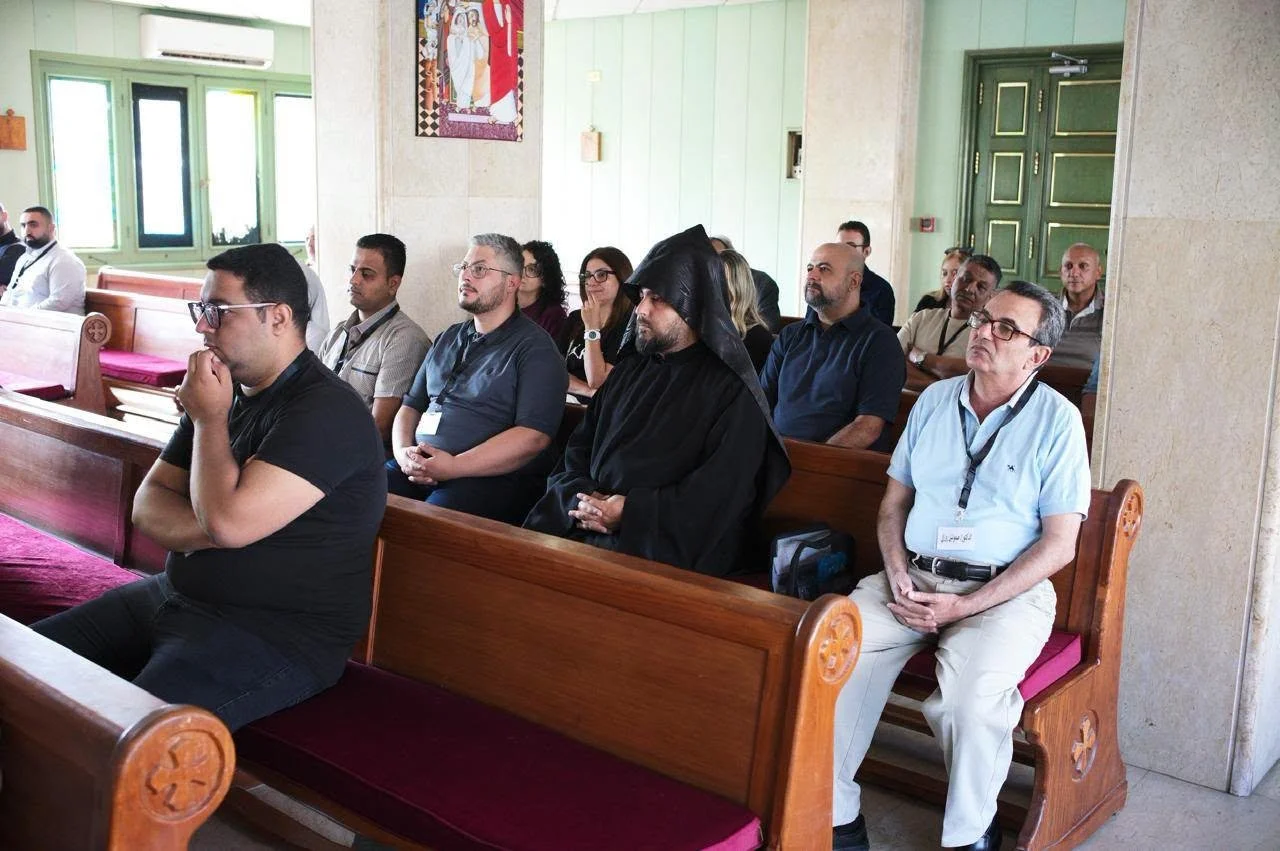
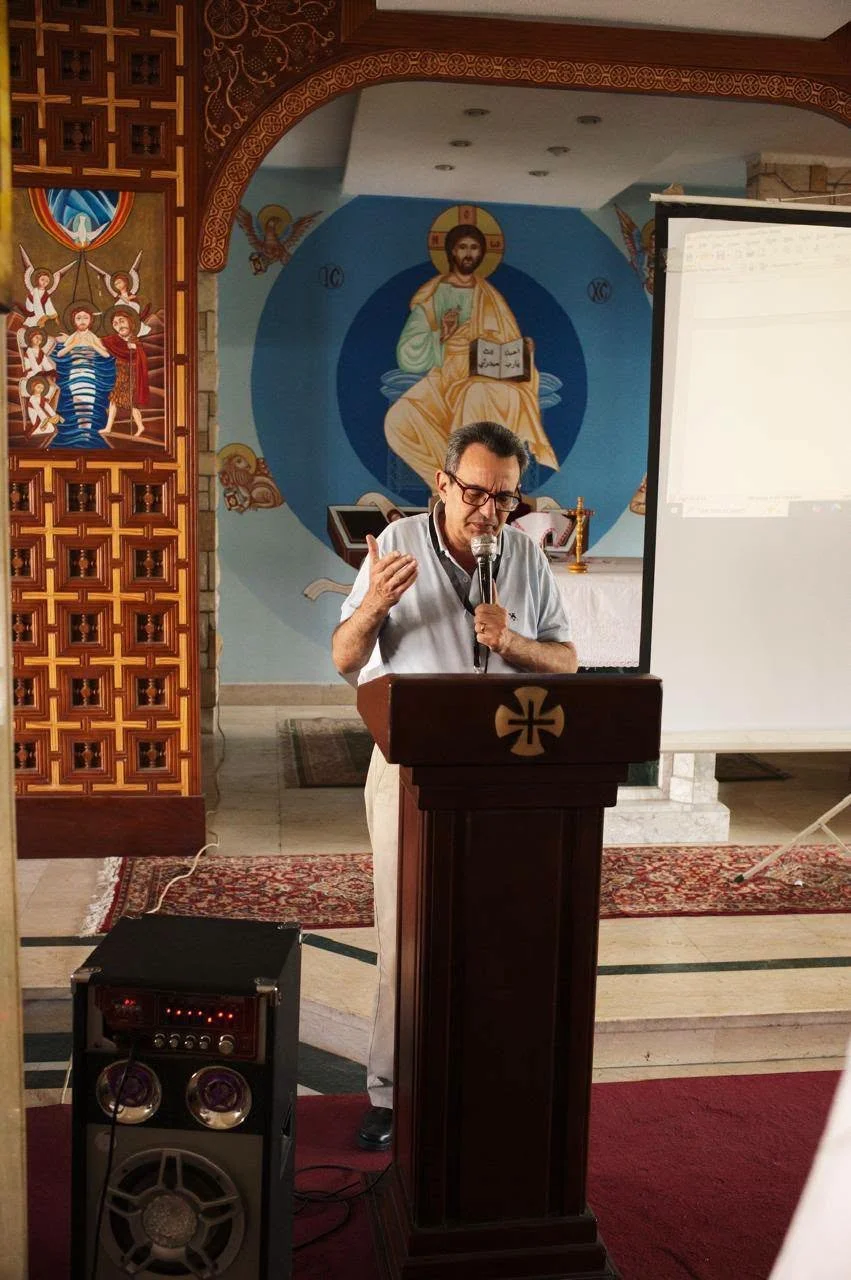
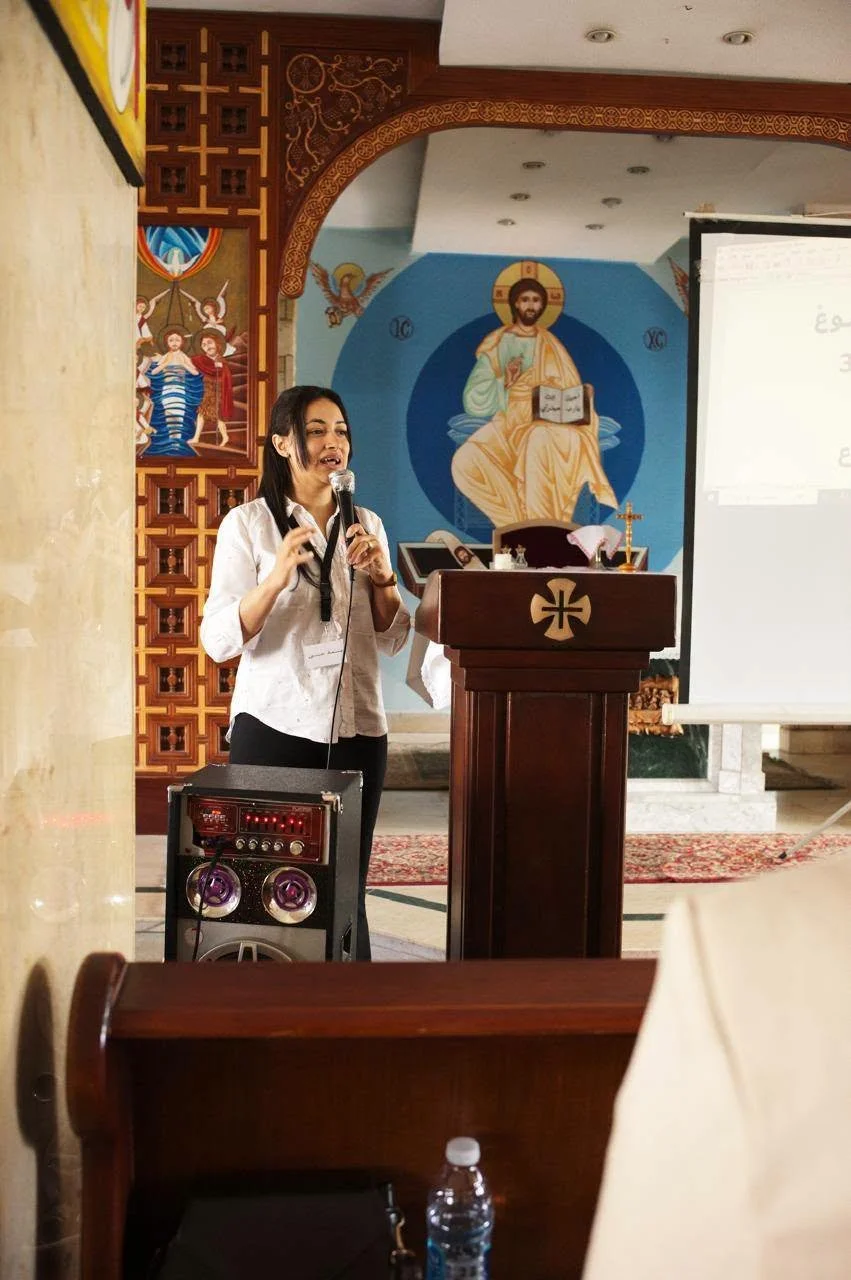
The day began with morning prayer prepared by the Evangelical group and led by Rev. Dr. Samuel Rozfy, Dean of the Evangelical Theological Seminary in Cairo and Executive Secretary of ATIME, together with Ms. Basma Hosney, who led the participants in a series of beautiful worship songs, creating a spirit of prayer, joy, and communion among all those gathered.
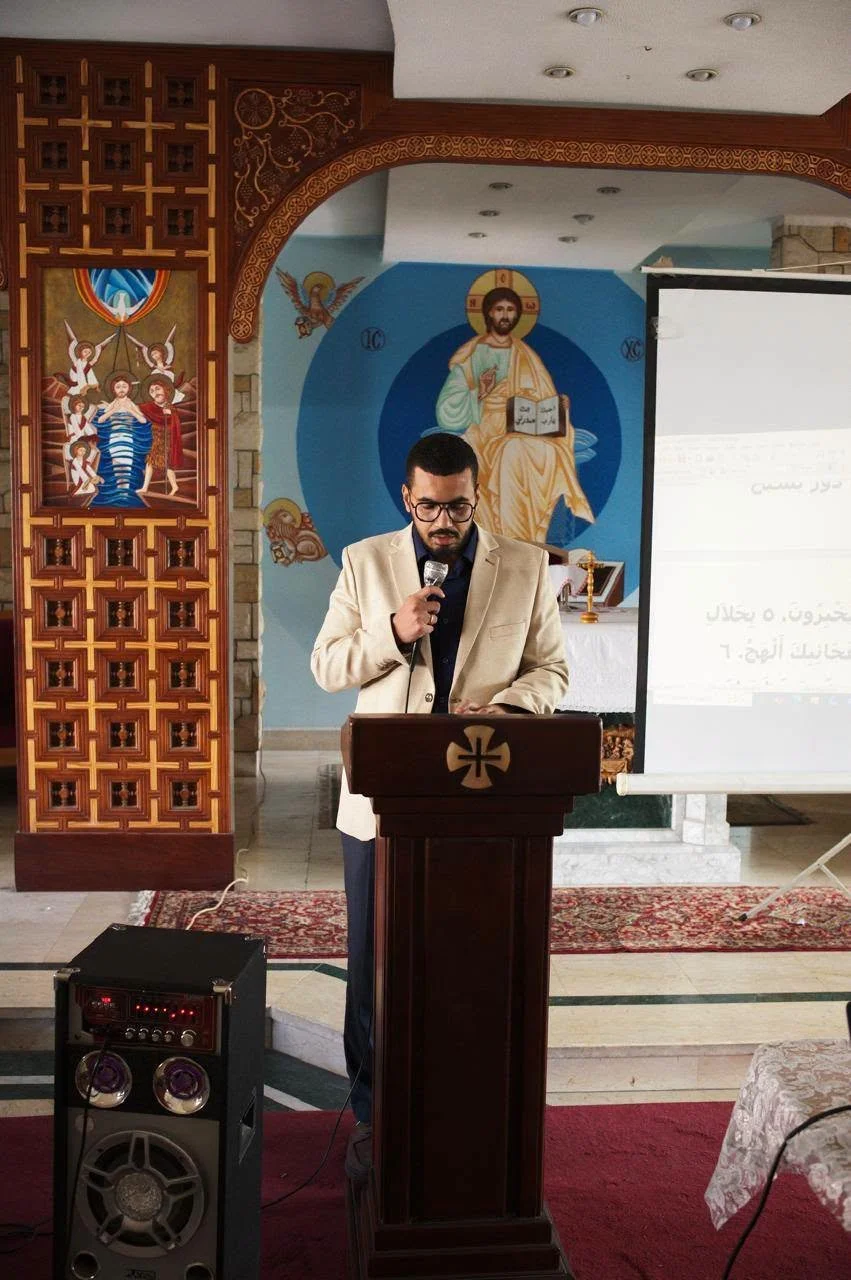
During the Prayer, Andrew Adel offered a biblical reflection on Philippians 2:1–19, inviting participants to recognize that their comfort, strength, unity, and mission are found in the Lord. Reflecting on Saint Paul’s exhortation, he encouraged the students to imitate the humility of Christ and to remain steadfast in their common witness, serving one another with joy and hope. He concluded by expressing the hope that the relationships and friendships formed during these days would continue to grow beyond the conference.
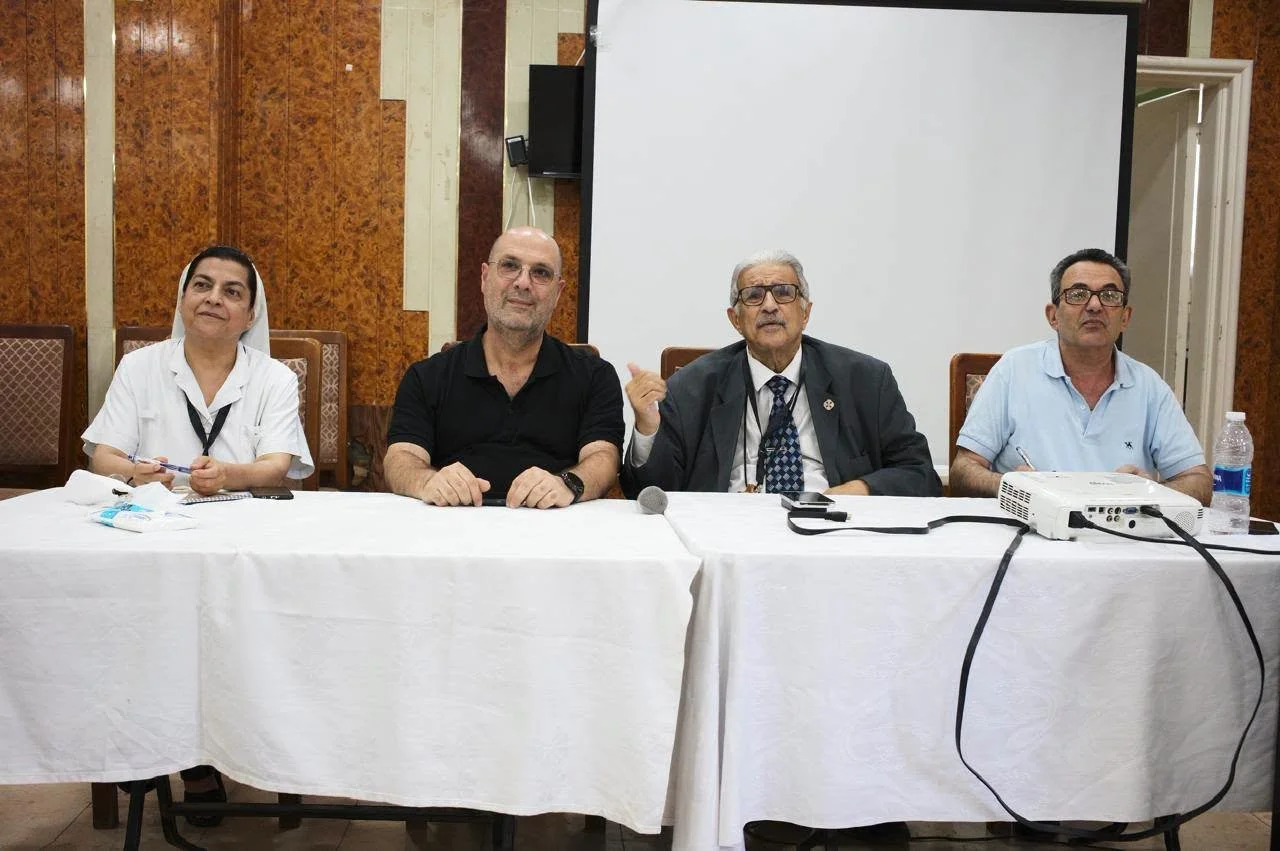
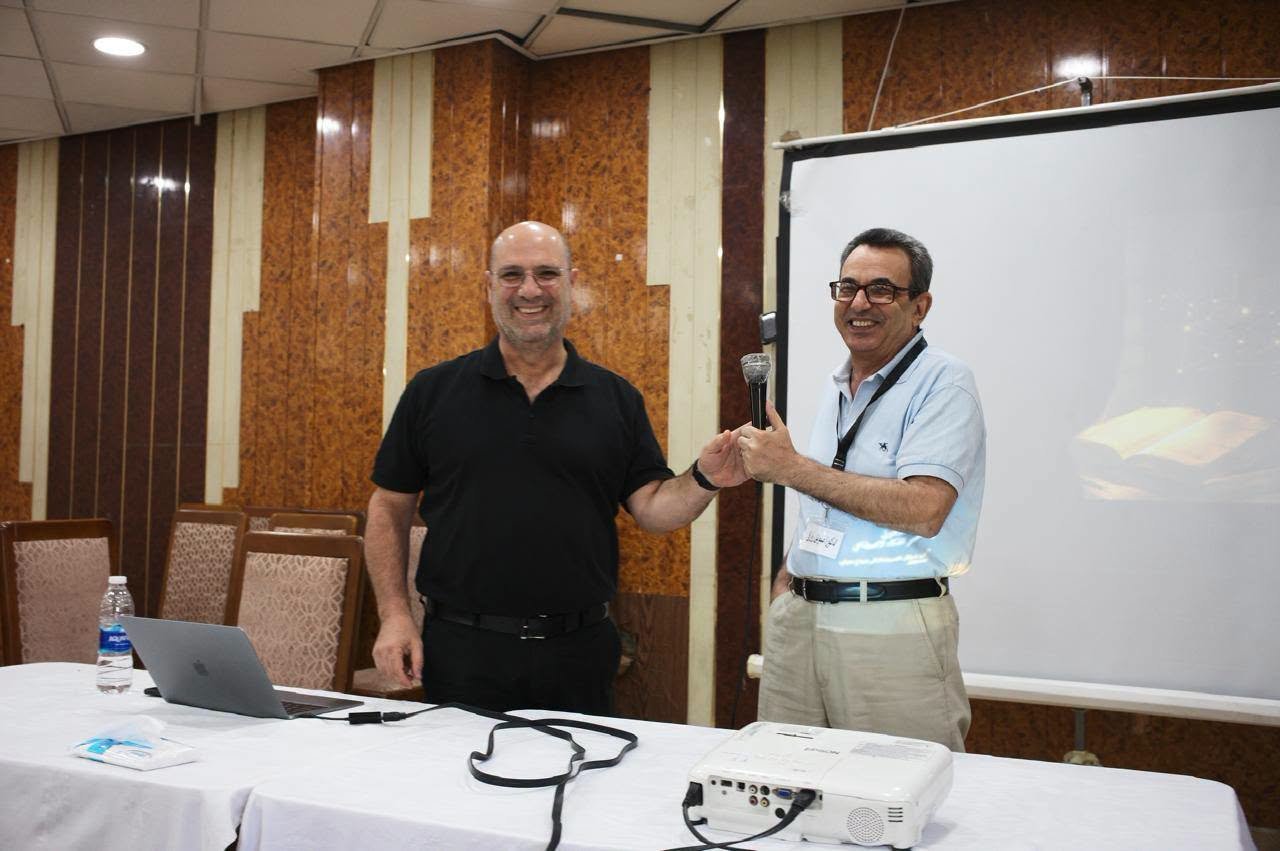
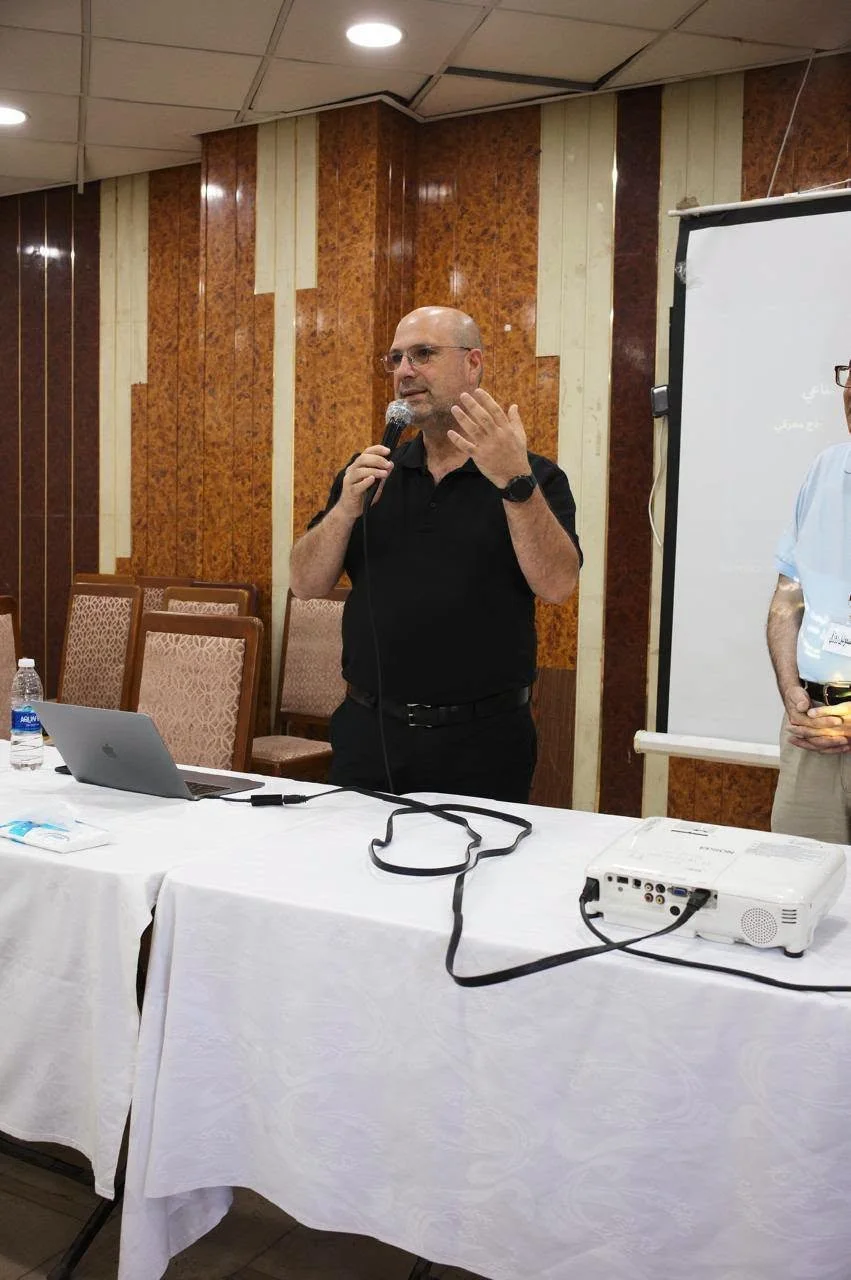
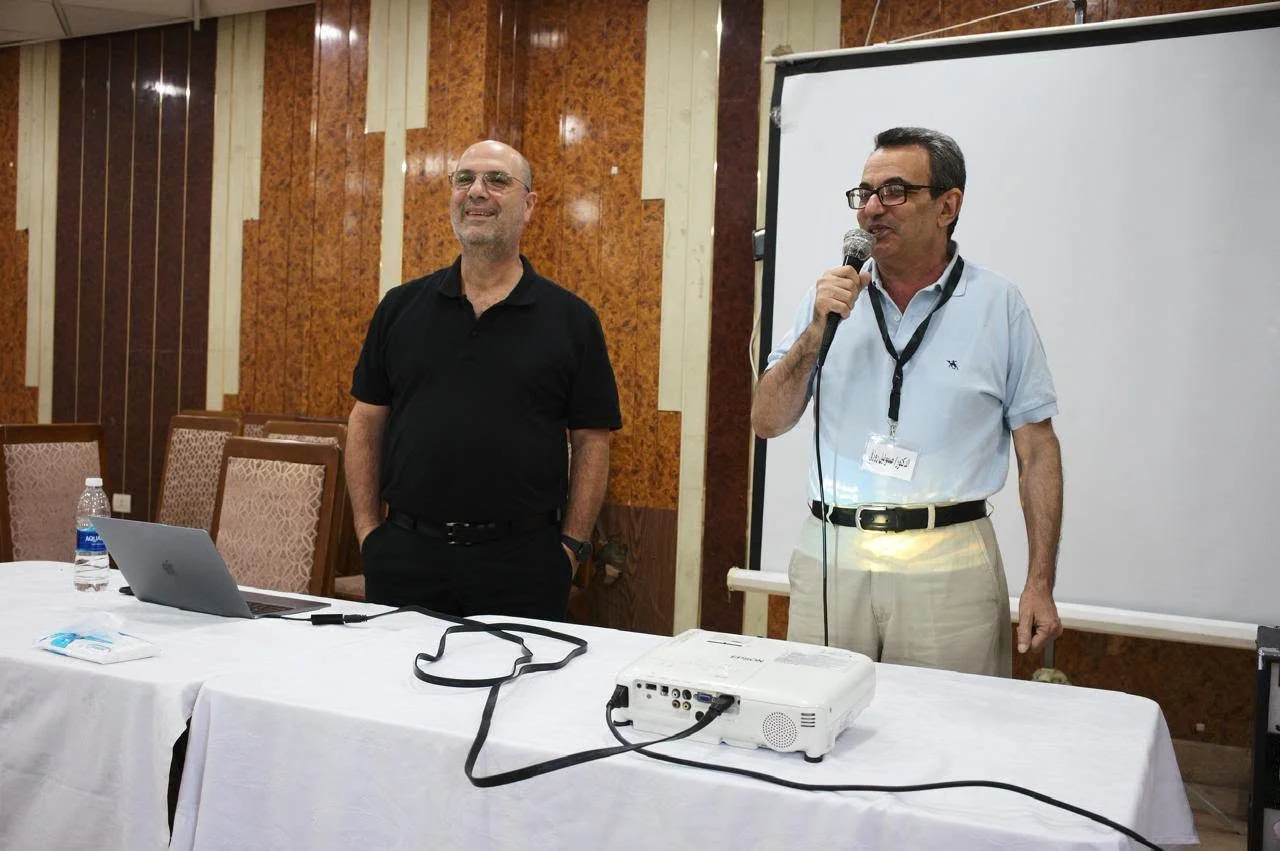
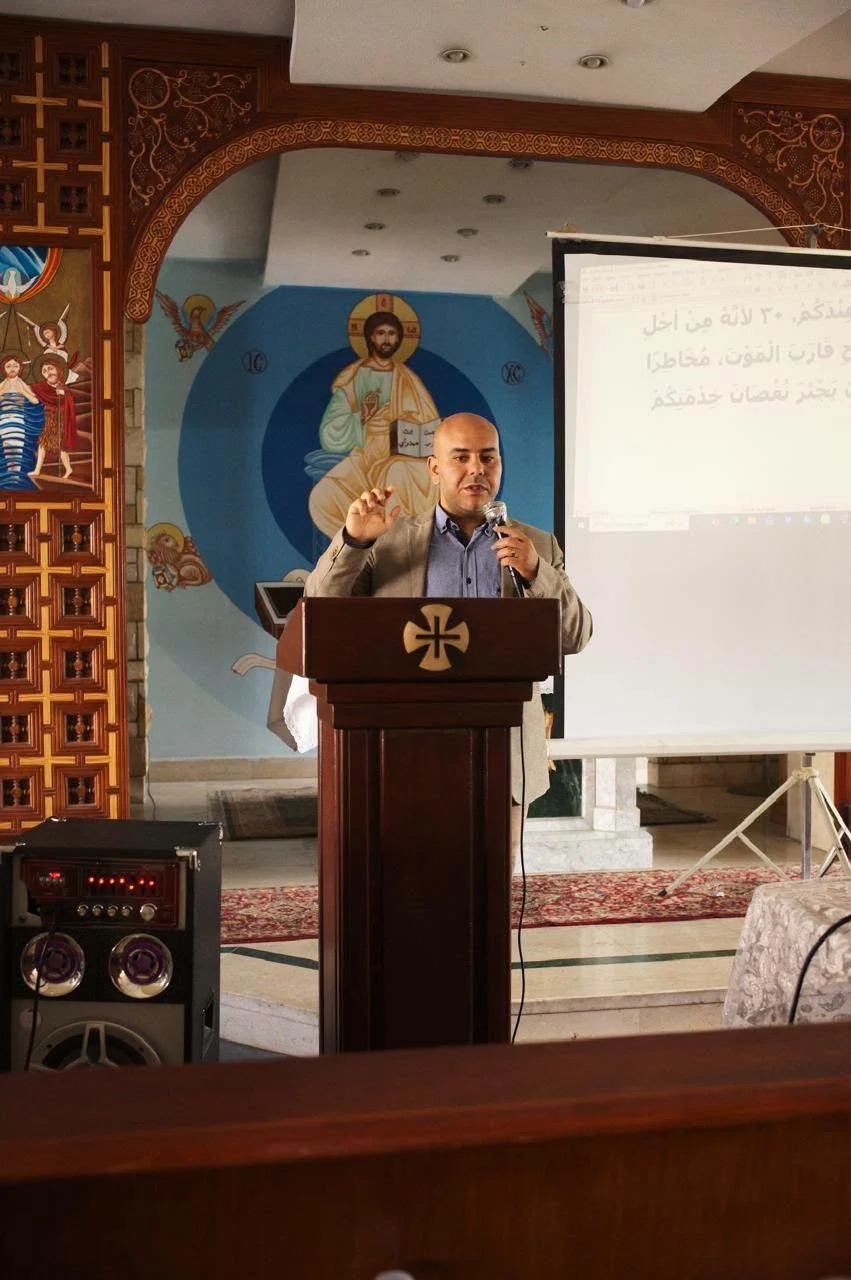
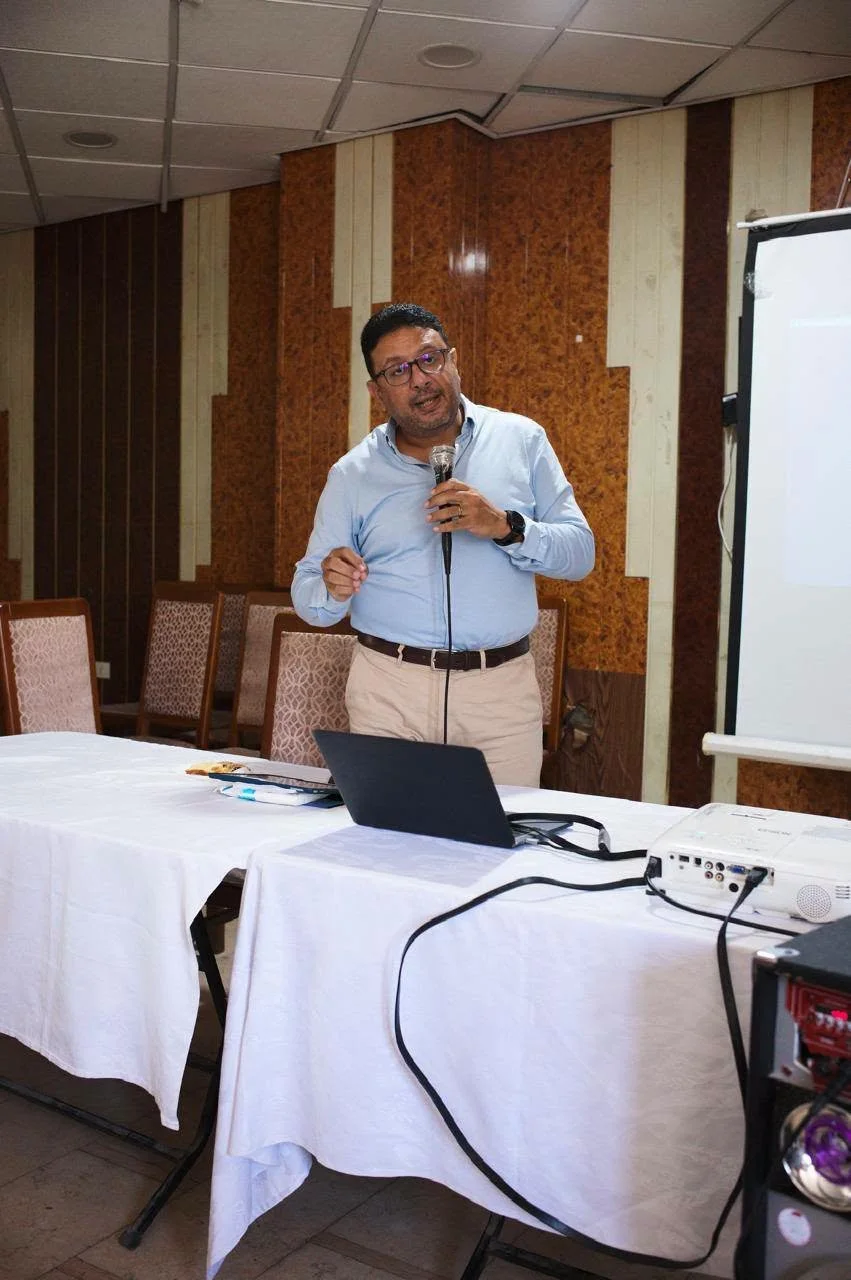
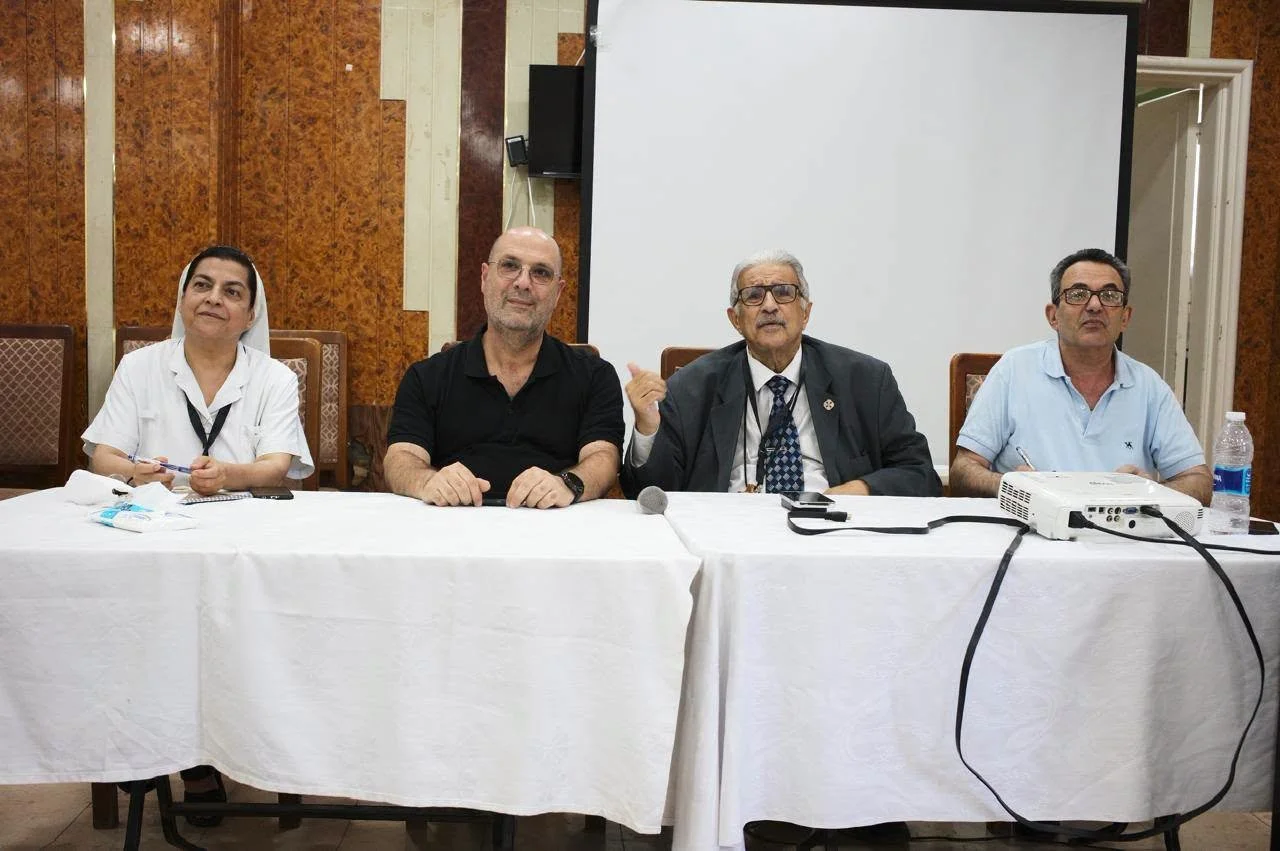
The academic program featured two lectures, each followed by interactive workshops in small ecumenical groups. Dr. Elie Dannaoui, Professor of Church History and Director of the Digital Humanities Centre at the University of Balamand and ATIME Associate Executive Secretary, delivered the first lecture entitled “AI Tools and Their Applications in the Study of Theology: Opportunities and Challenges.” He introduced participants to the growing range of artificial intelligence tools available for theological research, biblical studies, and academic work, while emphasizing the importance of critical discernment and responsible use. Stressing that AI should remain a tool at the service of scholarship rather than a substitute for it, he reminded participants that we are the researchers, and artificial intelligence is our secretary—not the other way around.
The second lecture, “Artificial Intelligence and Academic Fraud,” was presented by Mr. Sameh Naim, specialist in Information Technologies, who addressed the ethical implications of AI in academic life. The discussion highlighted the need to uphold academic integrity, intellectual honesty, and personal responsibility in an era where technology increasingly shapes research and education.
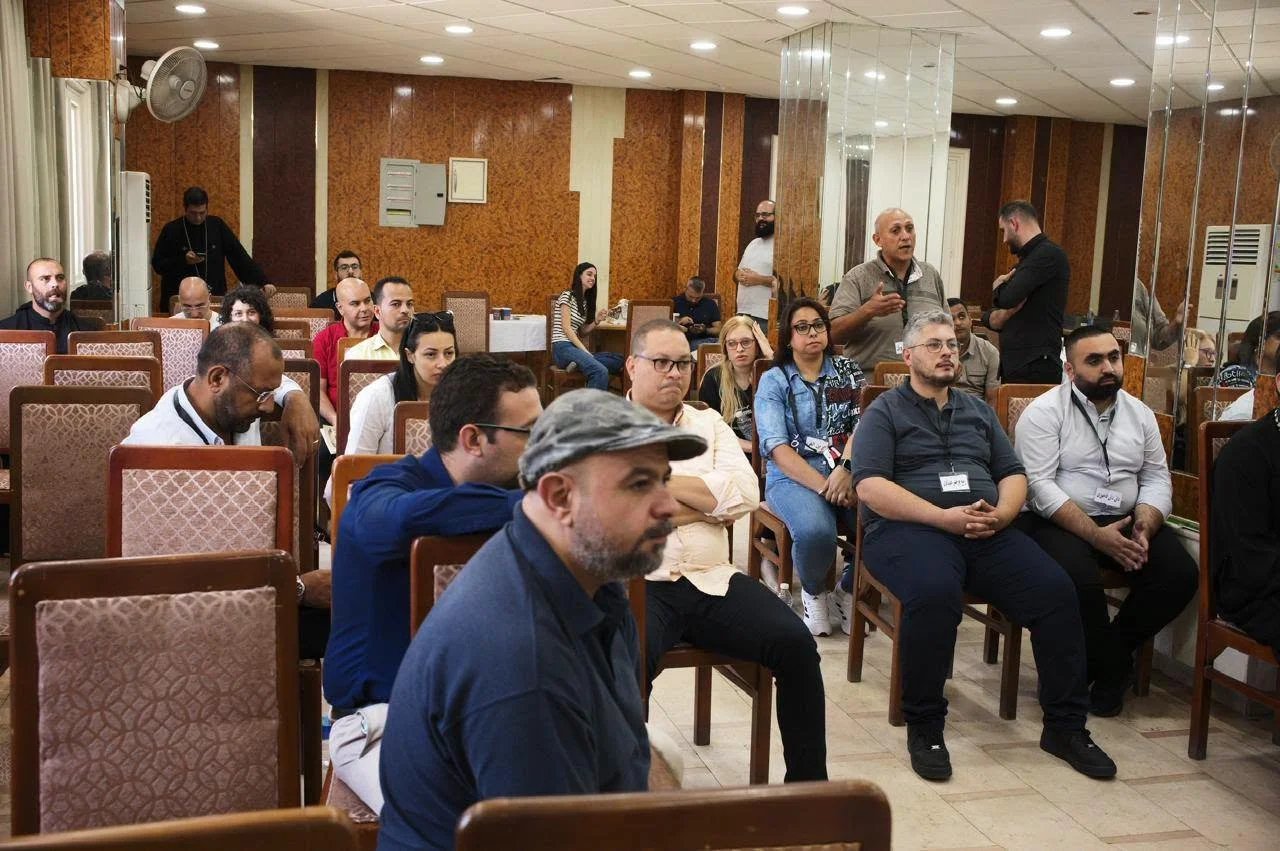
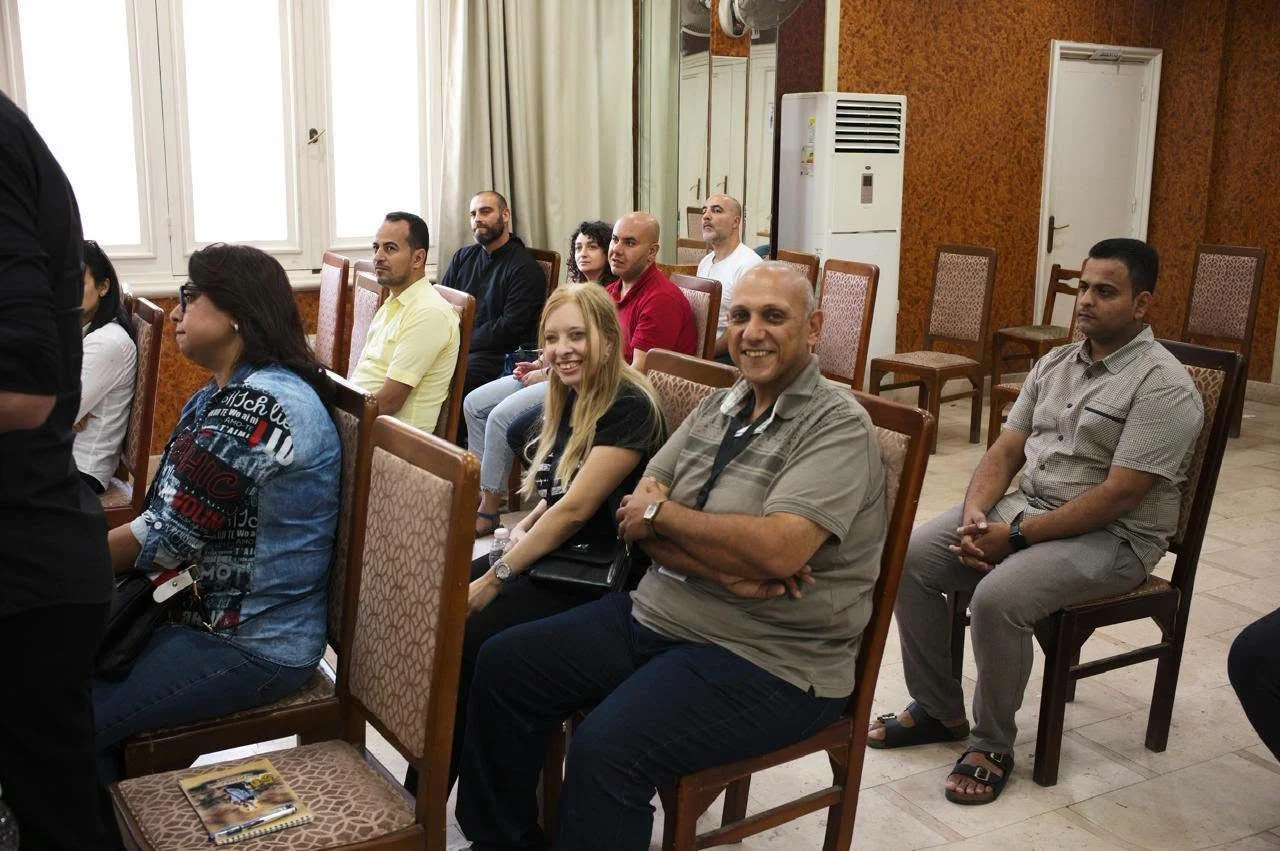
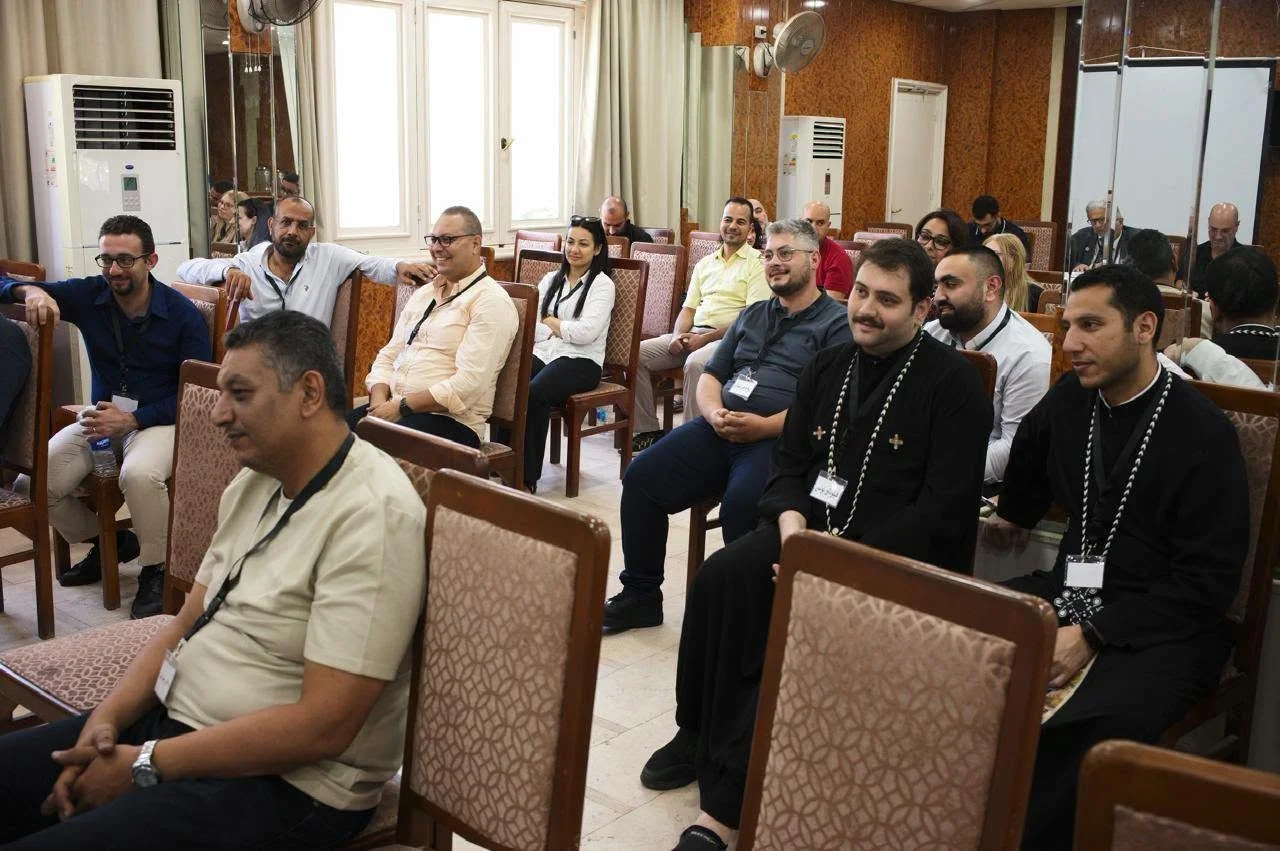
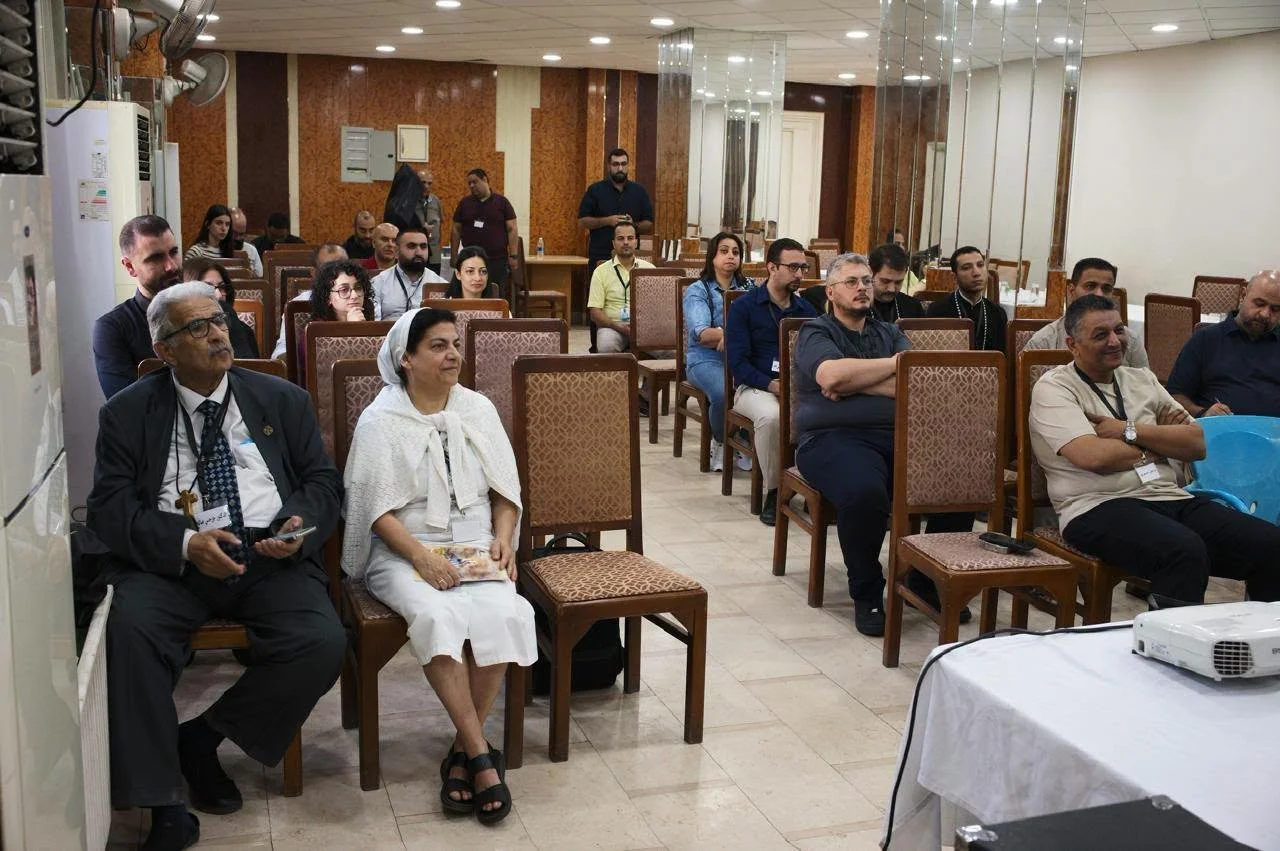
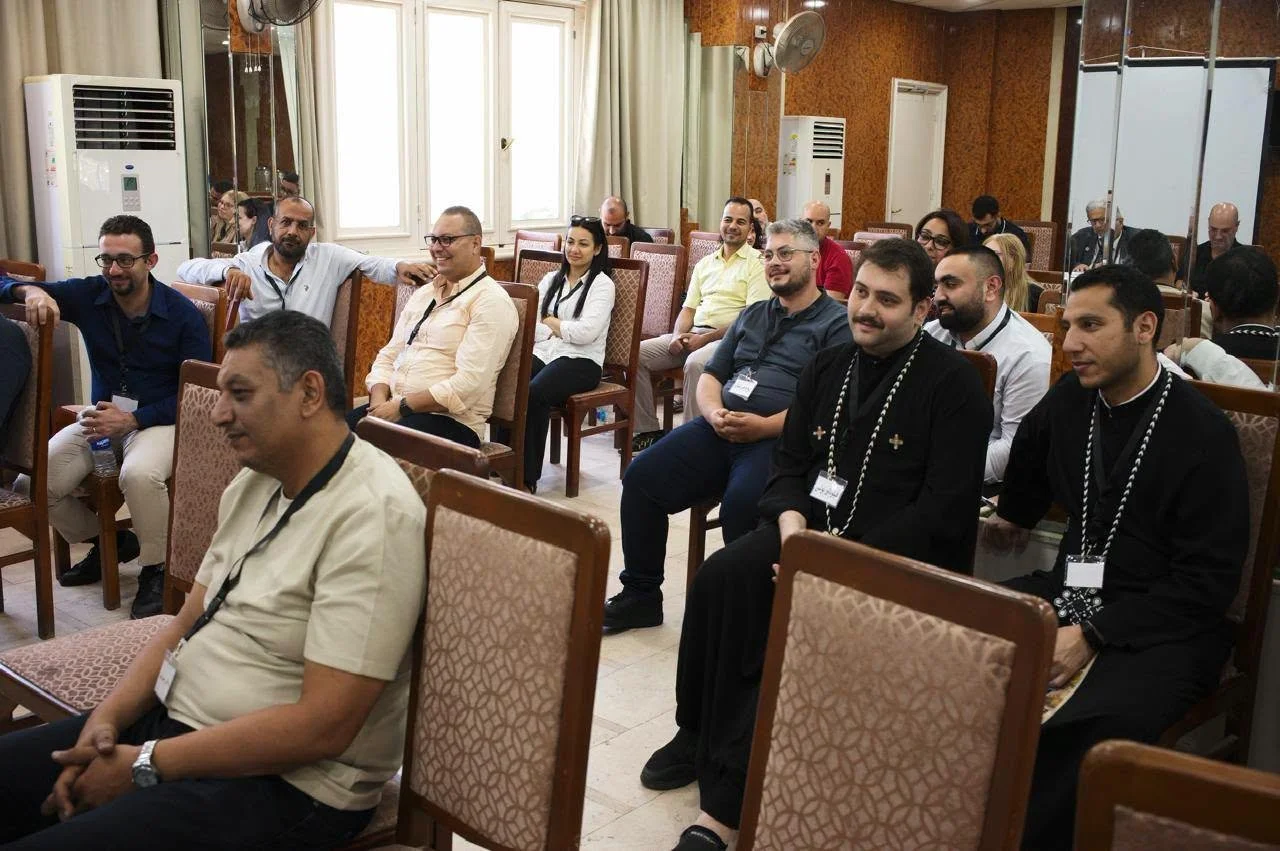
As throughout the conference, the workshops provided an opportunity for students from different Churches and theological institutions to exchange perspectives, deepen their reflections, and strengthen the ecumenical friendships that have become one of the defining features of the ATIME experience.
The conference concluded with an evaluation session, during which participants reflected on the program, shared their experiences, and offered feedback for future editions. The session also provided an opportunity to express gratitude for the spirit of fellowship, learning, and ecumenical encounter that marked the days together, with the hope that the relationships established during the conference will continue to grow and bear fruit in their future ministries.
The late afternoon was intentionally left free, allowing participants to explore Cairo together. Students organized informal outings through the historic streets of Old Cairo, visited Khan El Khalili, and spent the evening along the banks of the Nile. These moments of fellowship beyond the formal program further strengthened the bonds of friendship and mutual understanding that will continue to accompany them in their future ministries.