
On the 180th Anniversary of the of the Armenian Evangelical Church
MECC Holds a Webinar on “Freedom of Conscience and Responsible Faith”
Reverend Dr. Paul Haidostian: “Responsible faith reminds us that freedom reaches its highest expression not in defending ourselves but in serving others”
Secretary General Professor Michel Abs: “Communication is an essential issue within the framework of freedom of conscience”
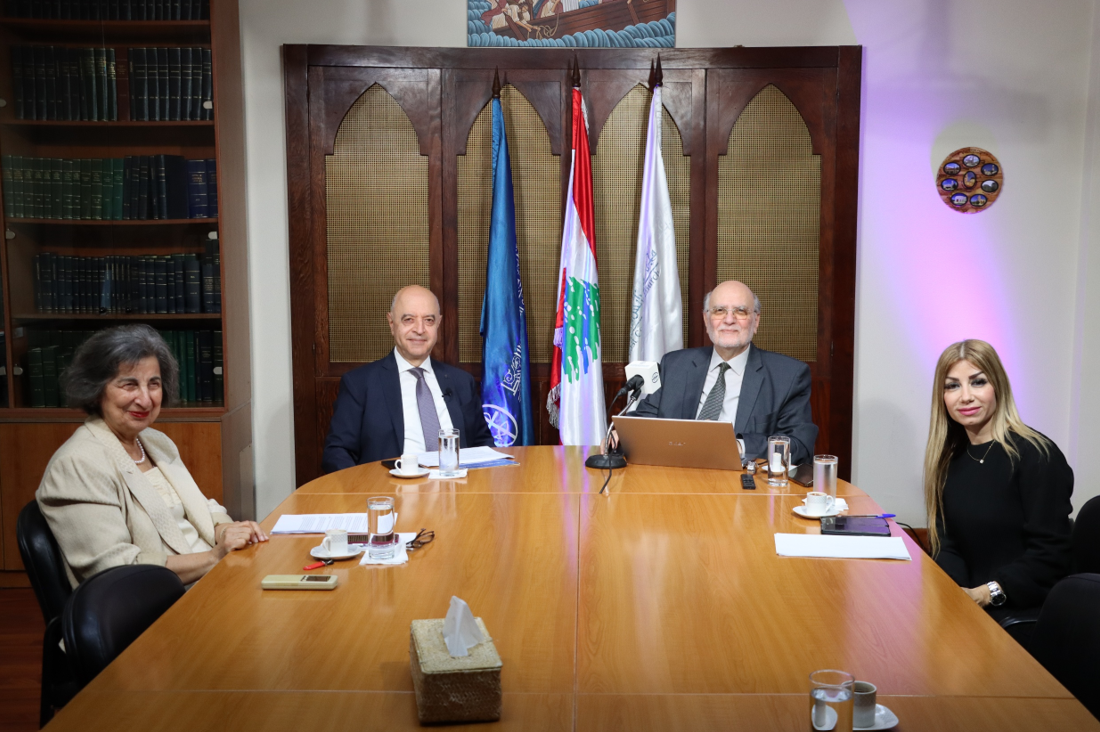
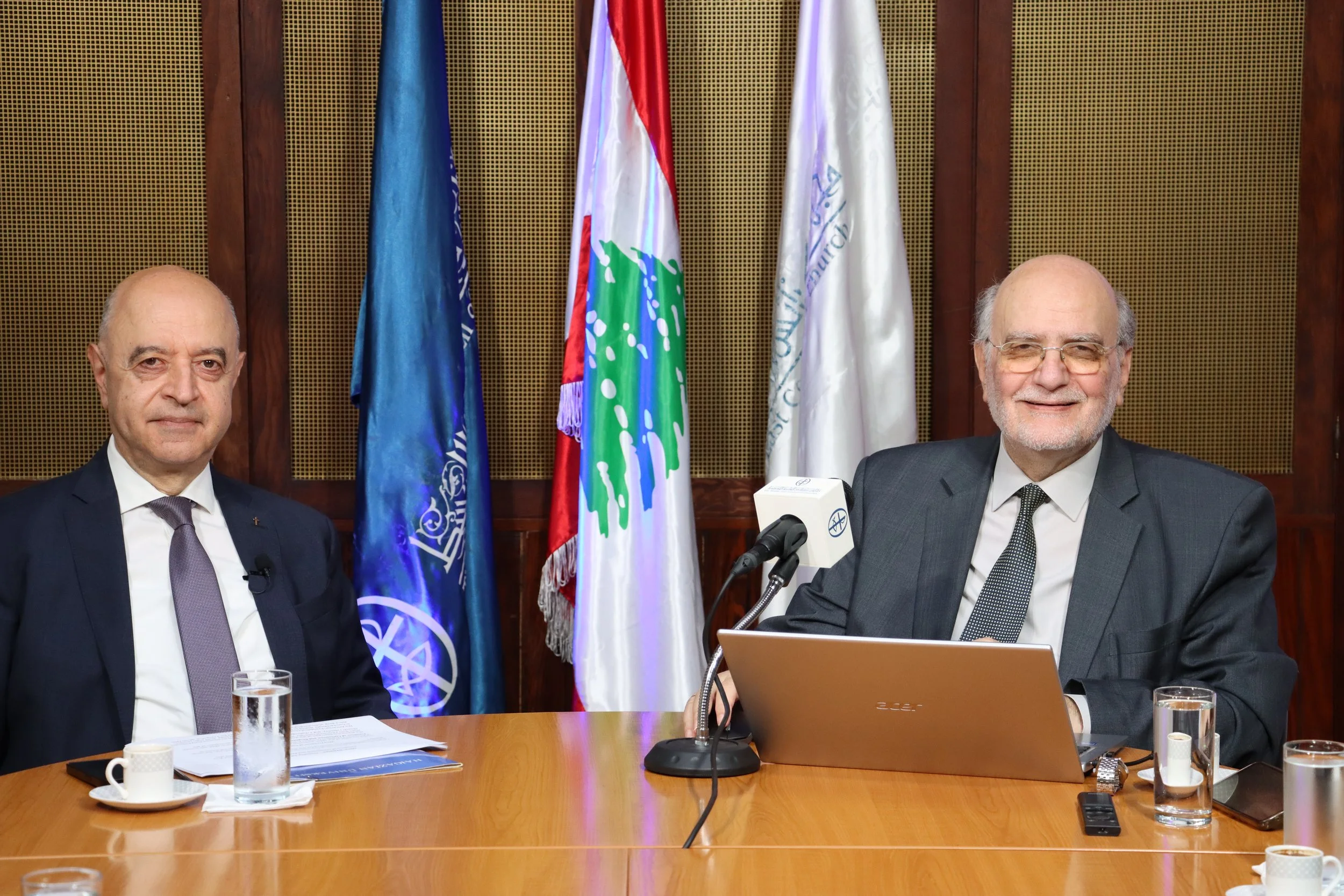
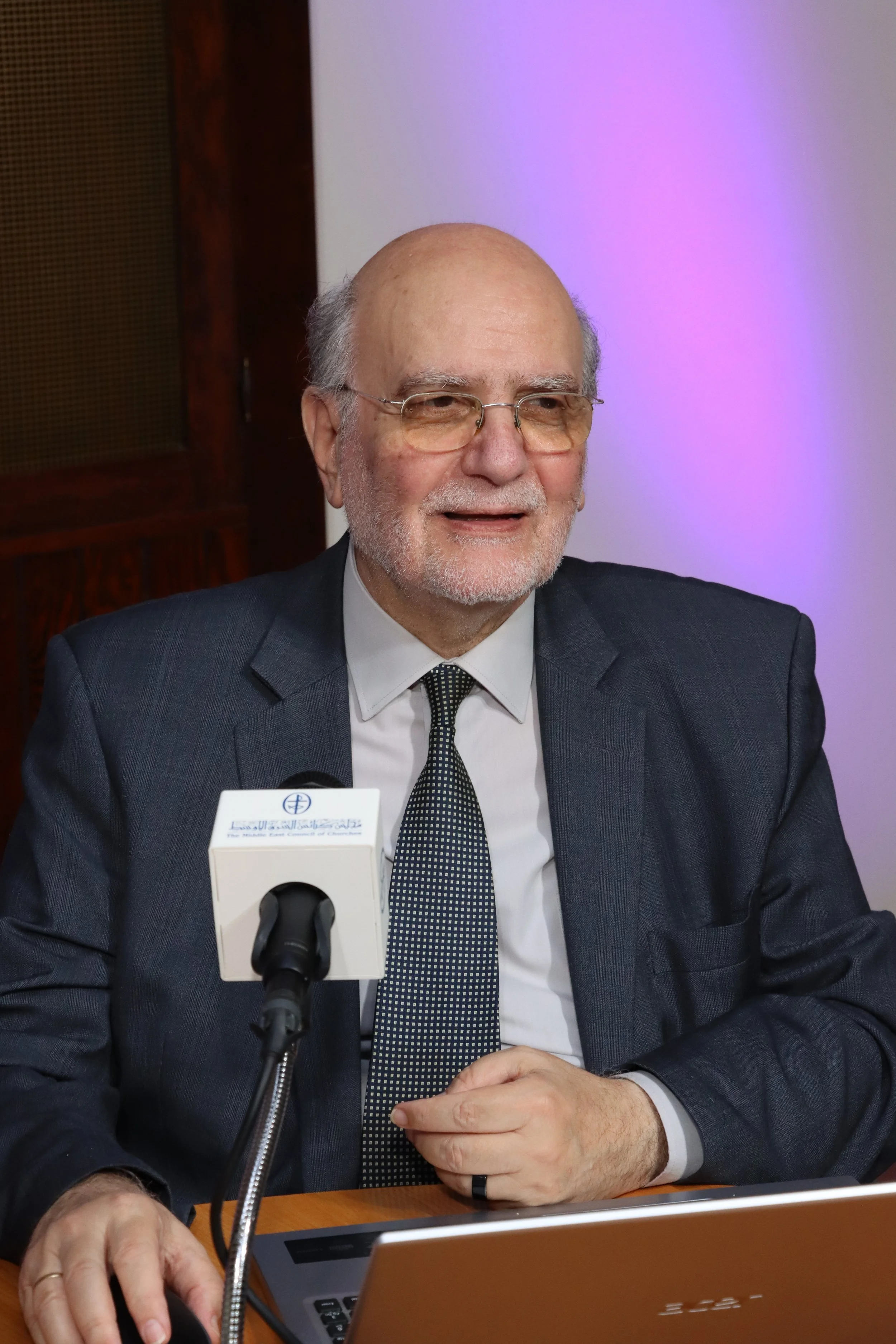
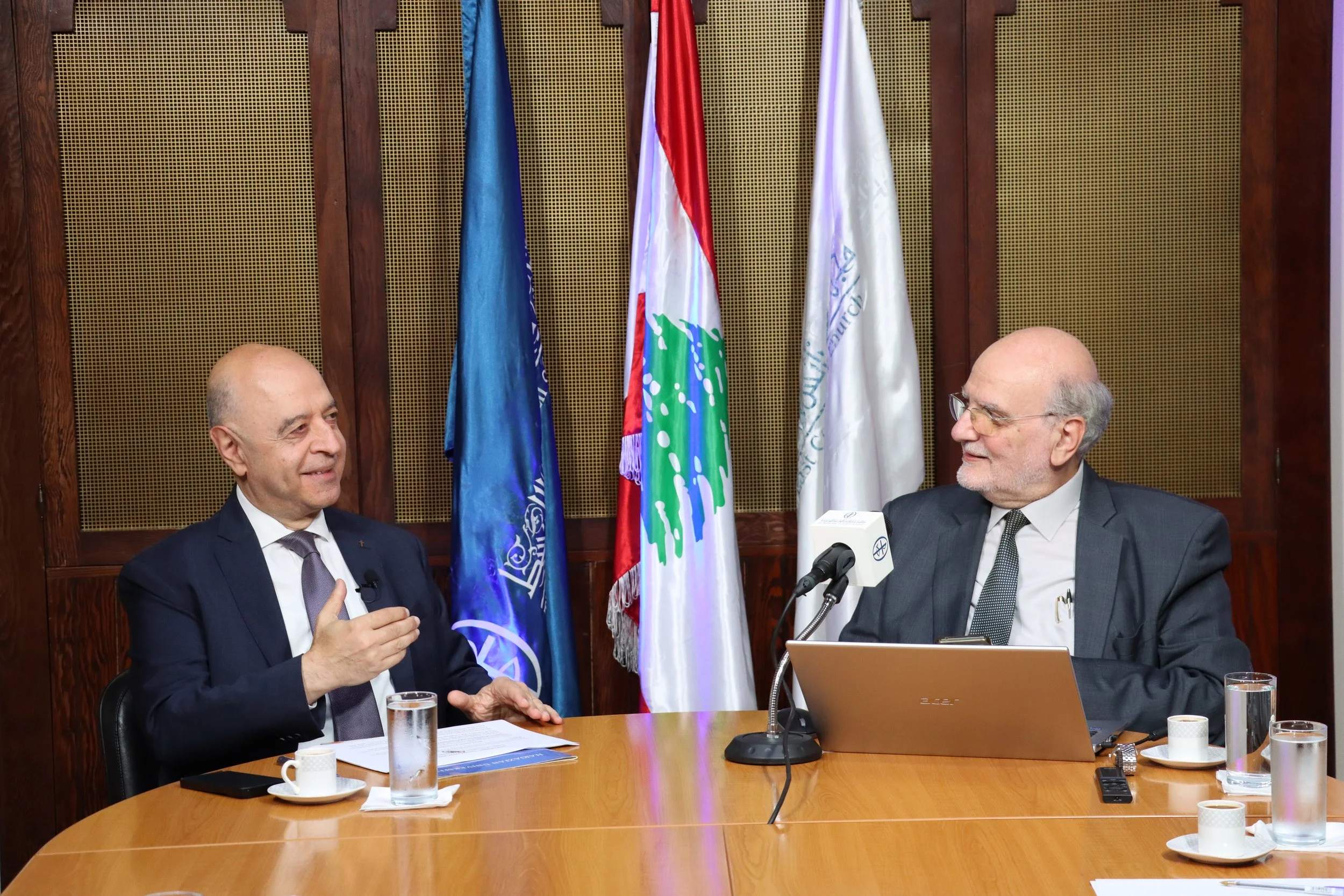
On the occasion of the 180th Anniversary of the Armenian Evangelical Church, the Middle East Council of Churches (MECC) held a webinar entitled “Freedom of Conscience and Responsible Faith.” The main speaker was Reverend Dr. Paul Haidostian, President of the Union of the Armenian Evangelical Churches in the Near East (UAECNE), President of Haigazian University in Lebanon, and President of the Middle East Council of Churches (MECC) for the Evangelical Family.
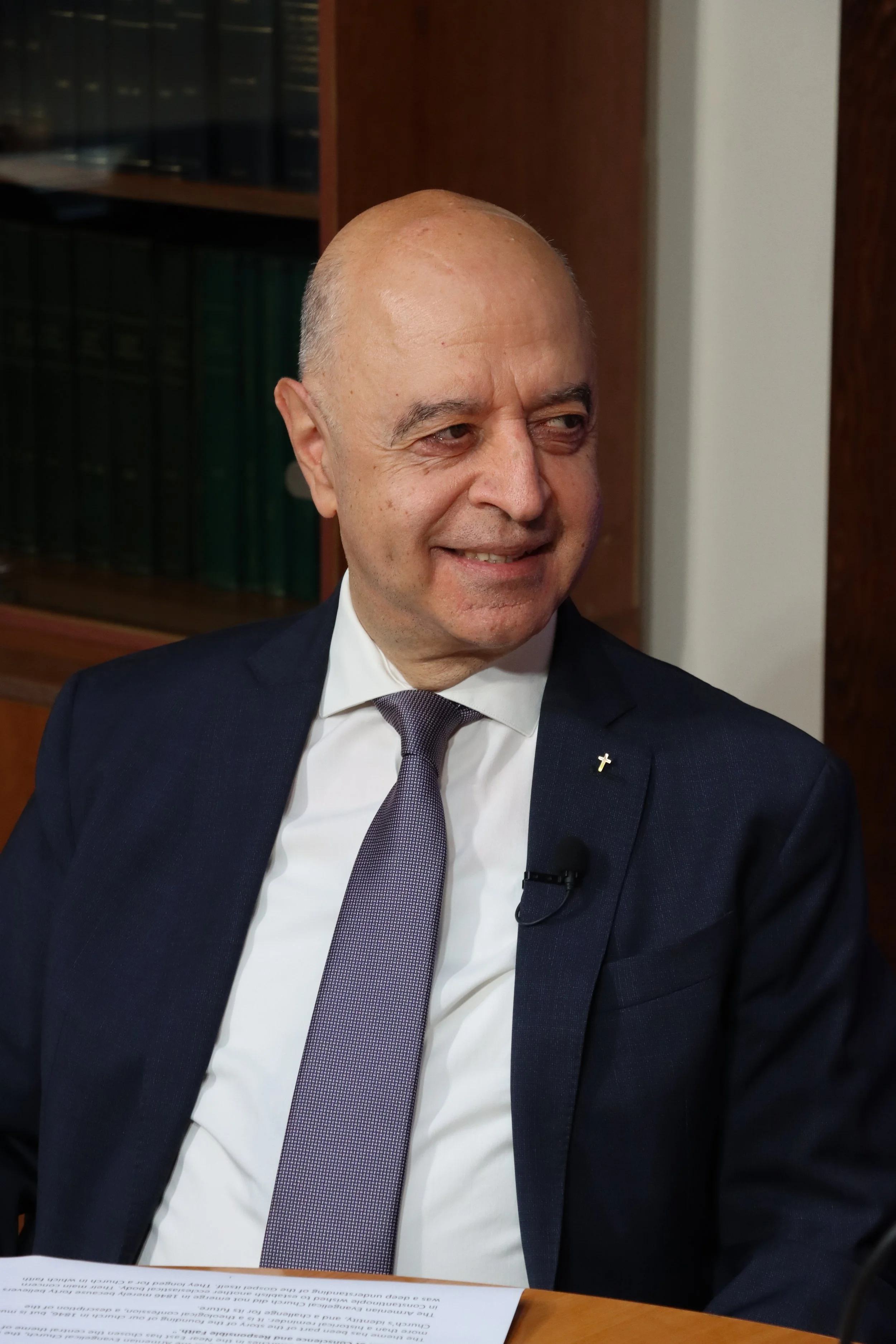
The webinar was moderated by the Secretary General of the Middle East Council of Churches Professor Michel Abs, with in-person participation from MECC colleagues, including Associate Secretary General Mrs. Seta Hadeshian, Director of the Theological and Ecumenical Department Father Dr. Antoine Al Ahmar, and Coordinator of Media and Church Relations Journalist Lea Adel Maamary. In addition to an online participation from those interested in the topic from various Church families and countries around the world. It took place on Wednesday, July 23, 2026.
Following a welcoming word delivered by the Secretary General Professor Michel Abs, Reverend Dr. Paul Haidostian made its presentation in which he emphasized the importance of preserving human freedom and dignity in matters of faith and conscience. He addressed several themes centered around the Biblical Foundation: Freedom and Responsibility, a Christian Understanding of Freedom, the Formation of the Christian Conscience, Contemporary Challenges to Responsible Faith, Freedom Belongs to Christ, and Freedom of Conscience and Christian Unity.
Reverend Dr. Paul Haidostian mentioned that “Our churches often carry different histories, traditions, liturgies, and theological emphases. Yet before our societies we bear one common witness to Christ. In a region wounded by conflict, sectarianism, displacement, and polarization, Christian unity is not a luxury; it is itself a testimony to the reconciling power of the Gospel.”
He added: “Freedom of conscience therefore should never isolate us from one another. Properly understood, it frees us from fear, from defensiveness, and from institutional insecurity, enabling us to meet one another not as competitors but as fellow disciples gathered around the same Lord, nourished by the same Gospel, and sent into the same broken world.”
He pointed out that “Responsible faith reminds us that freedom reaches its highest expression not in defending ourselves but in serving others. As Paul writes, "Through love serve one another." It is precisely this union of freedom and responsibility that enables the Church to become both faithful in conviction and generous in communion.”
The webinar provided a space for dialogue and the exchange of opinions and questions on freedom of conscience, the ethics of faith, and the values that promote respect for human dignity. In his closing remarks, the Secretary General Professor Michel Abs stressed that communication is an essential issue within the framework of freedom of conscience.