The Middle East Council of Churches Celebrates the Season of Creation 2026 in Beirut
Under the Theme “Living Water”
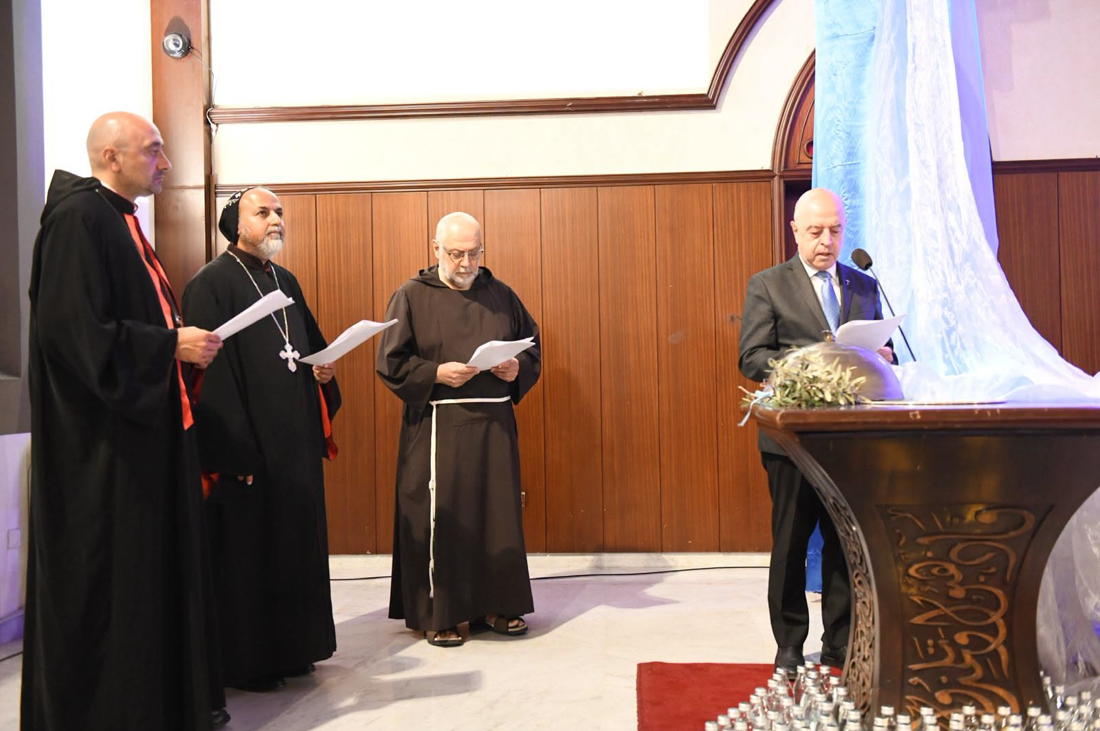
You can find some photos at the end of the text.
Beirut – Sunday, September 6, 2026
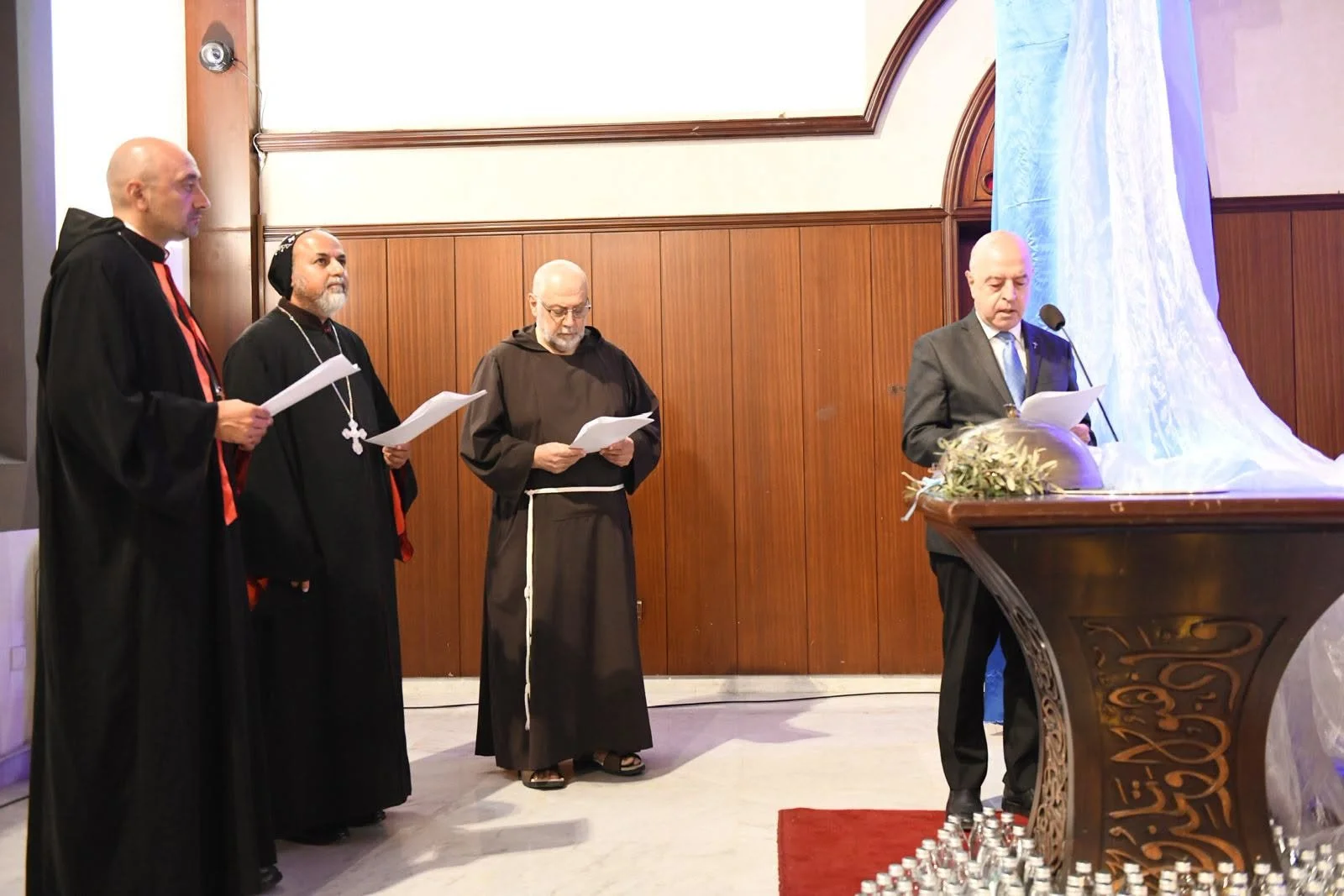
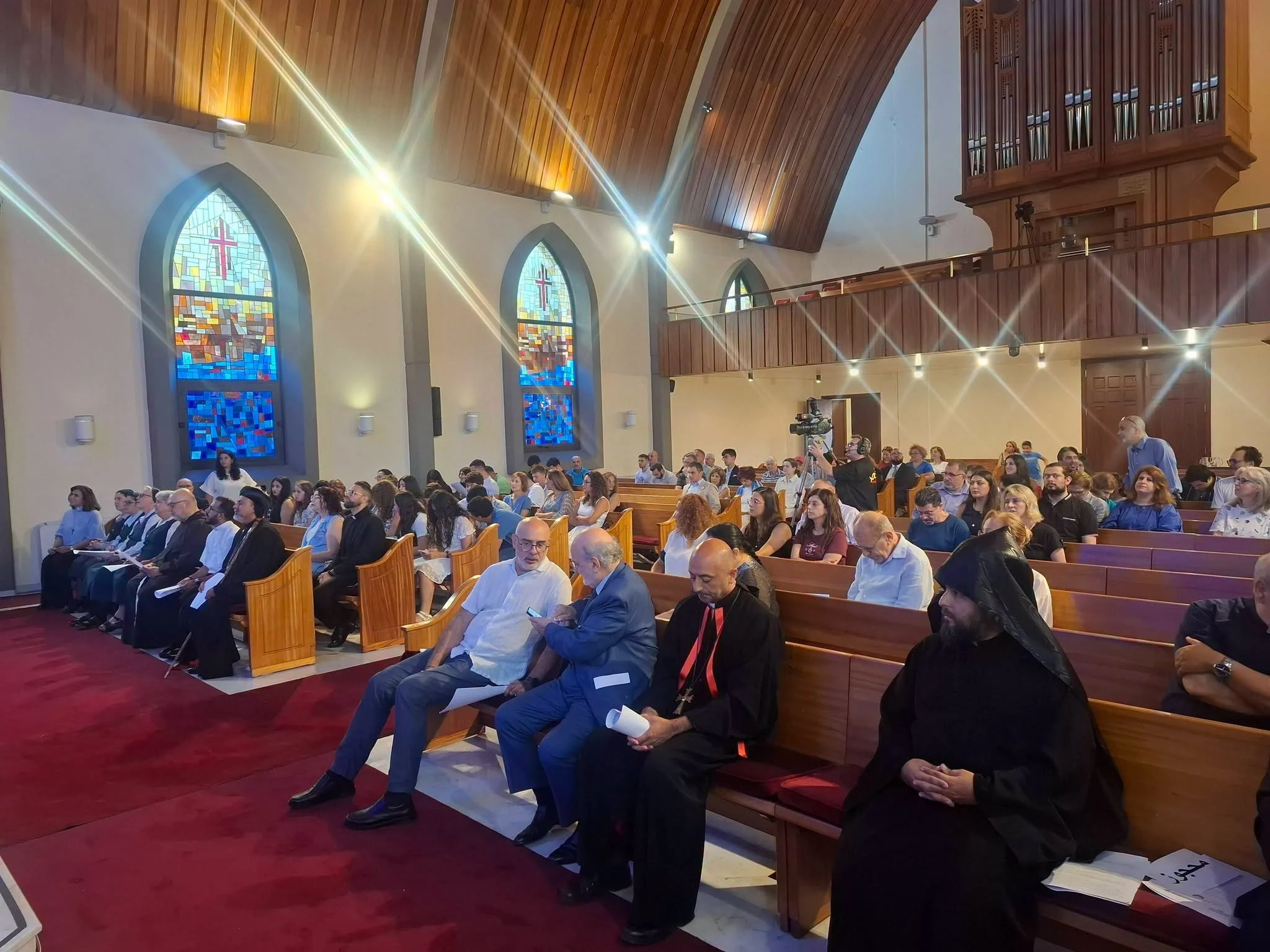
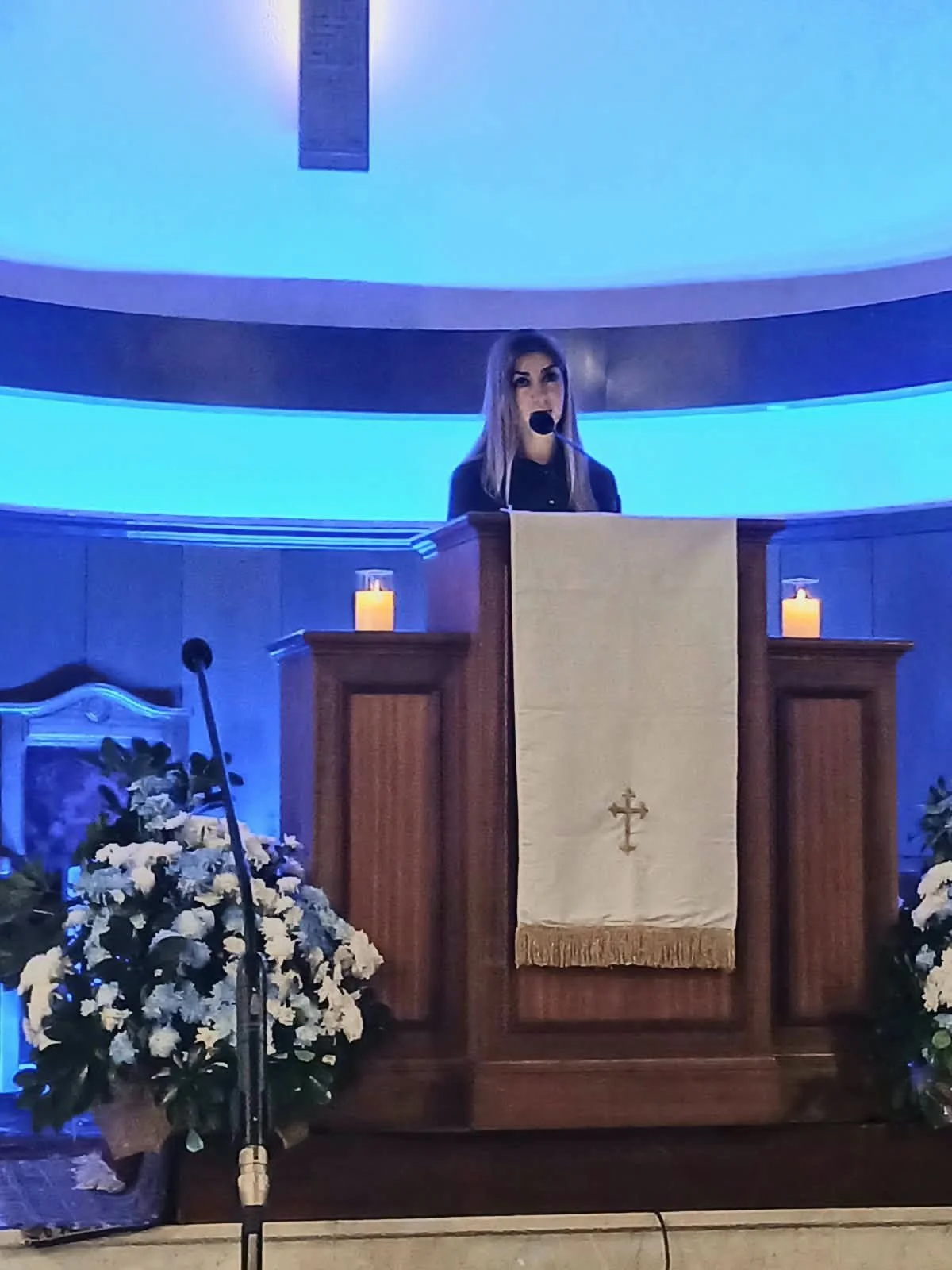
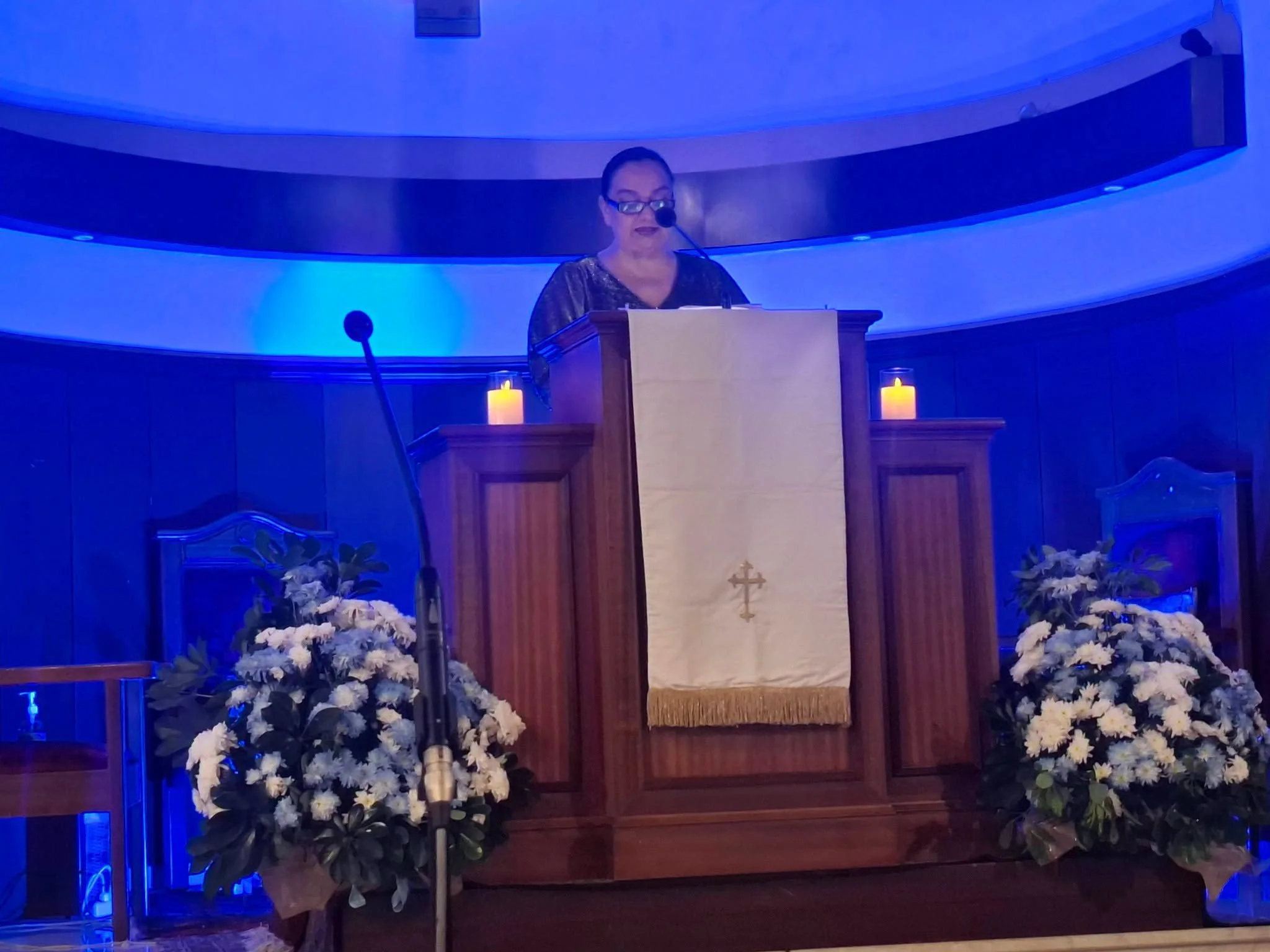
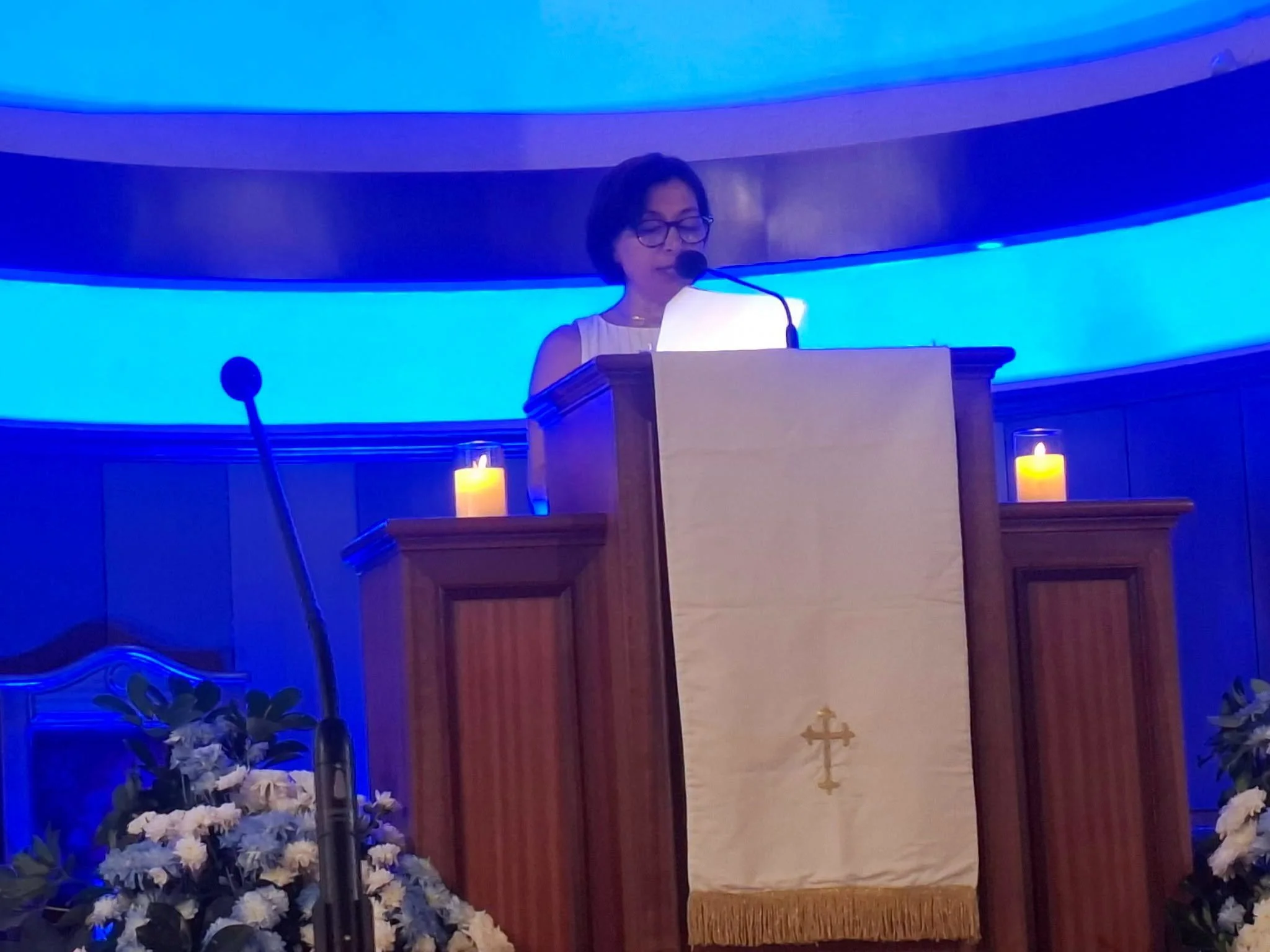
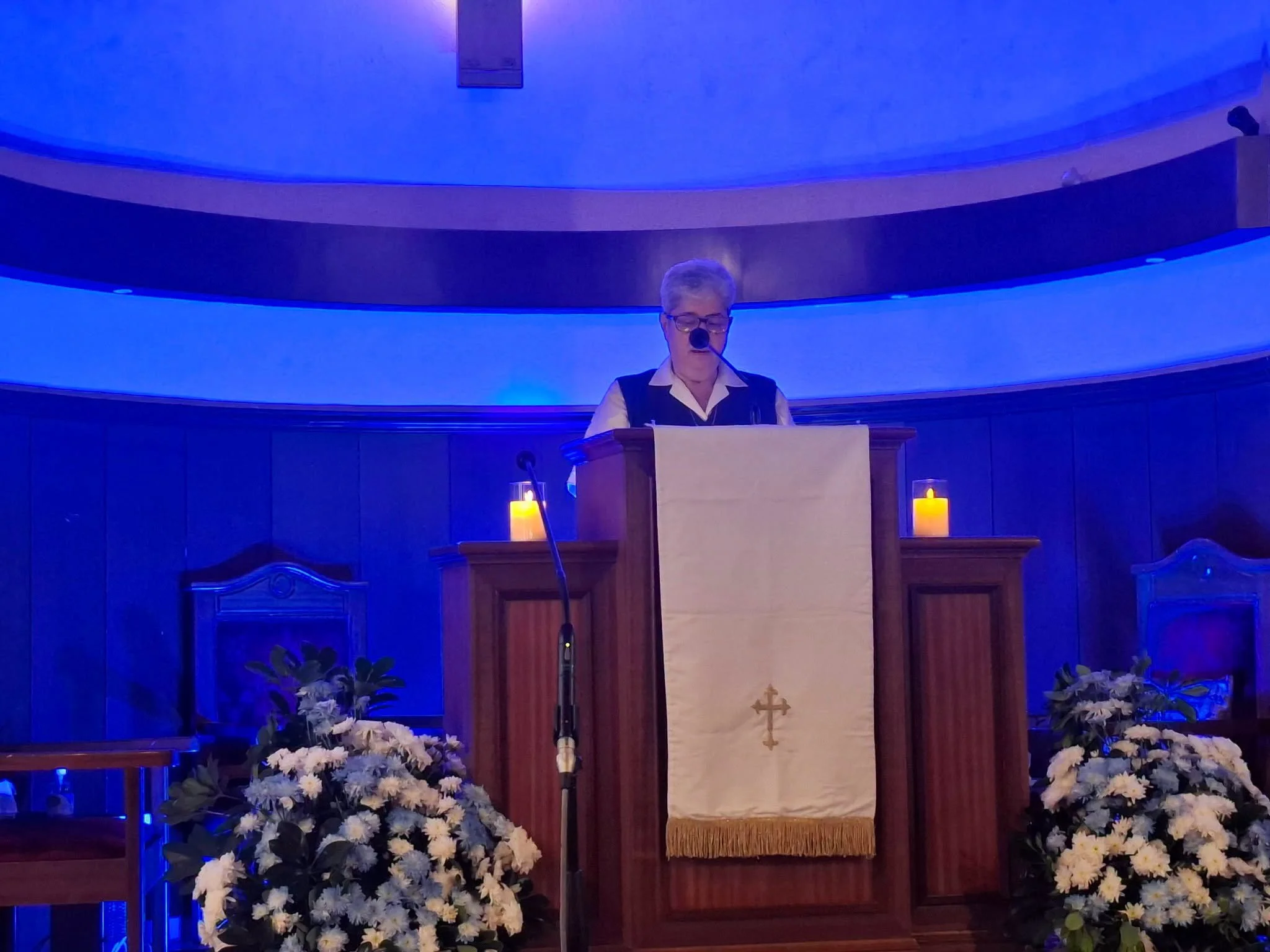
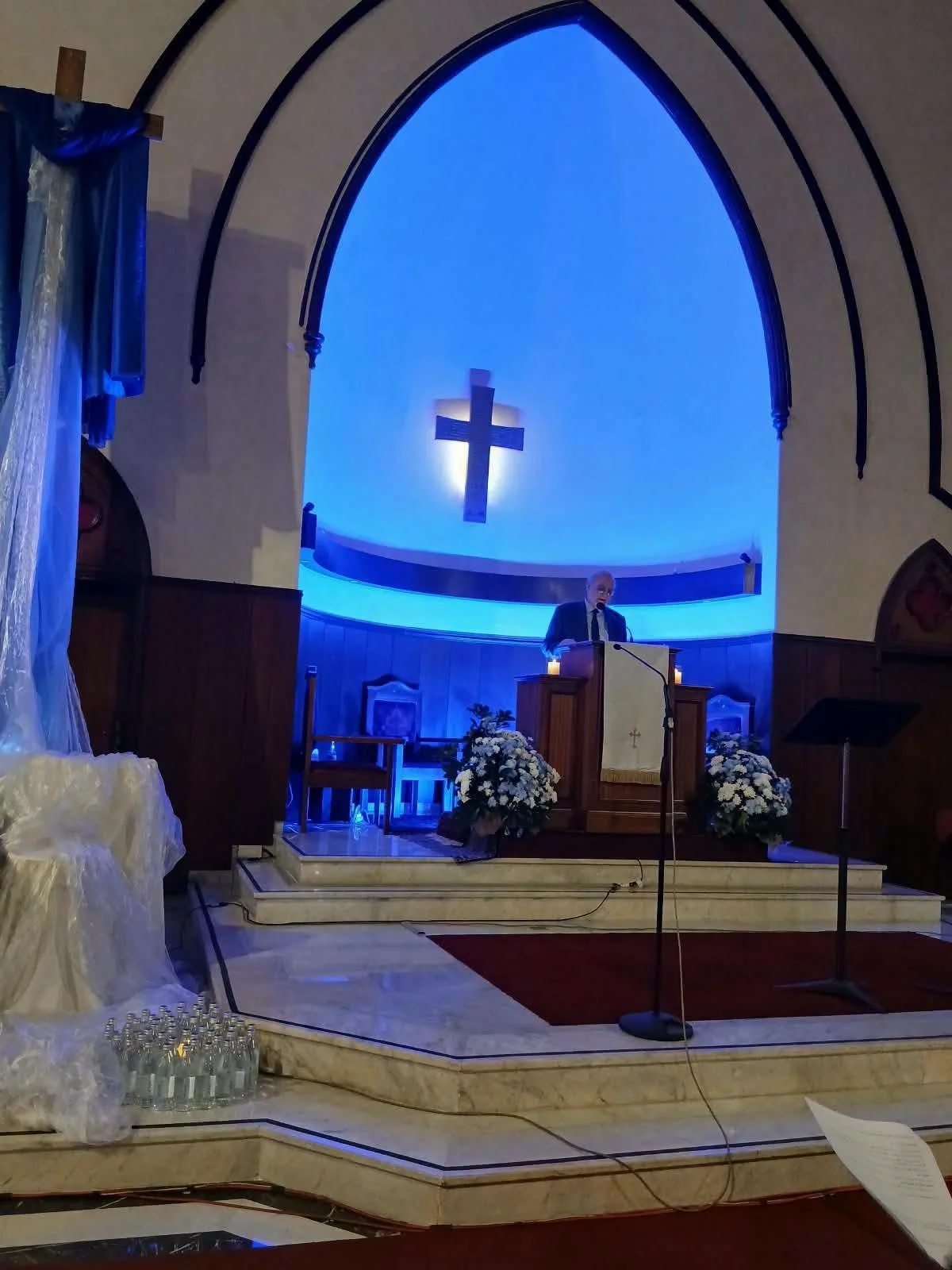
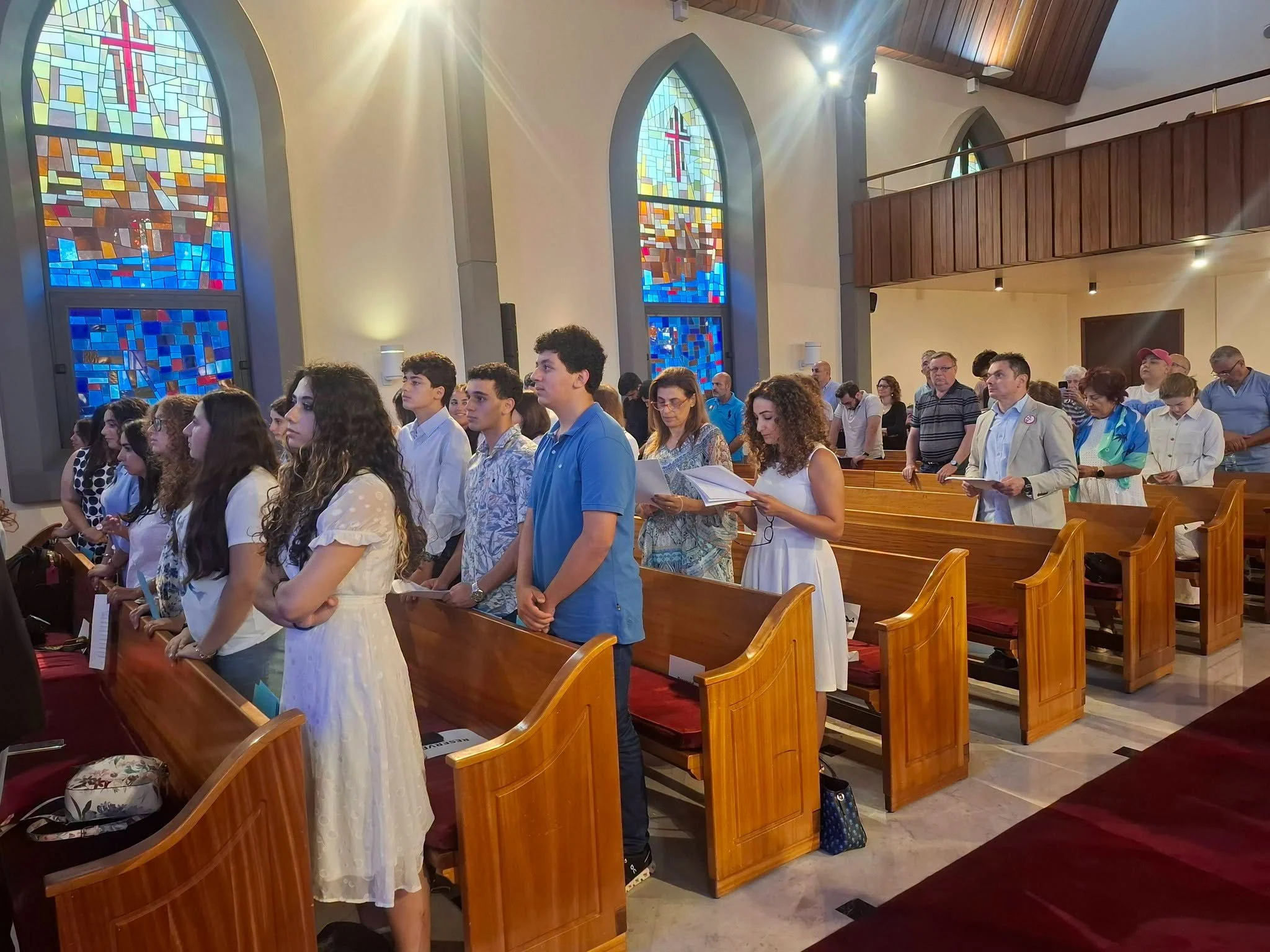
The Middle East Council of Churches (MECC) inaugurated the Season of Creation 2026 in Lebanon on the evening of Sunday, September 6, at the National Evangelical Church in Beirut, through an Ecumenical Prayer Service held under this year’s theme, “Living Water.” The Service brought together representatives of various Church Families in an encounter of Prayer, fellowship, and reflection on the gift of water and humanity’s responsibility to care for creation.
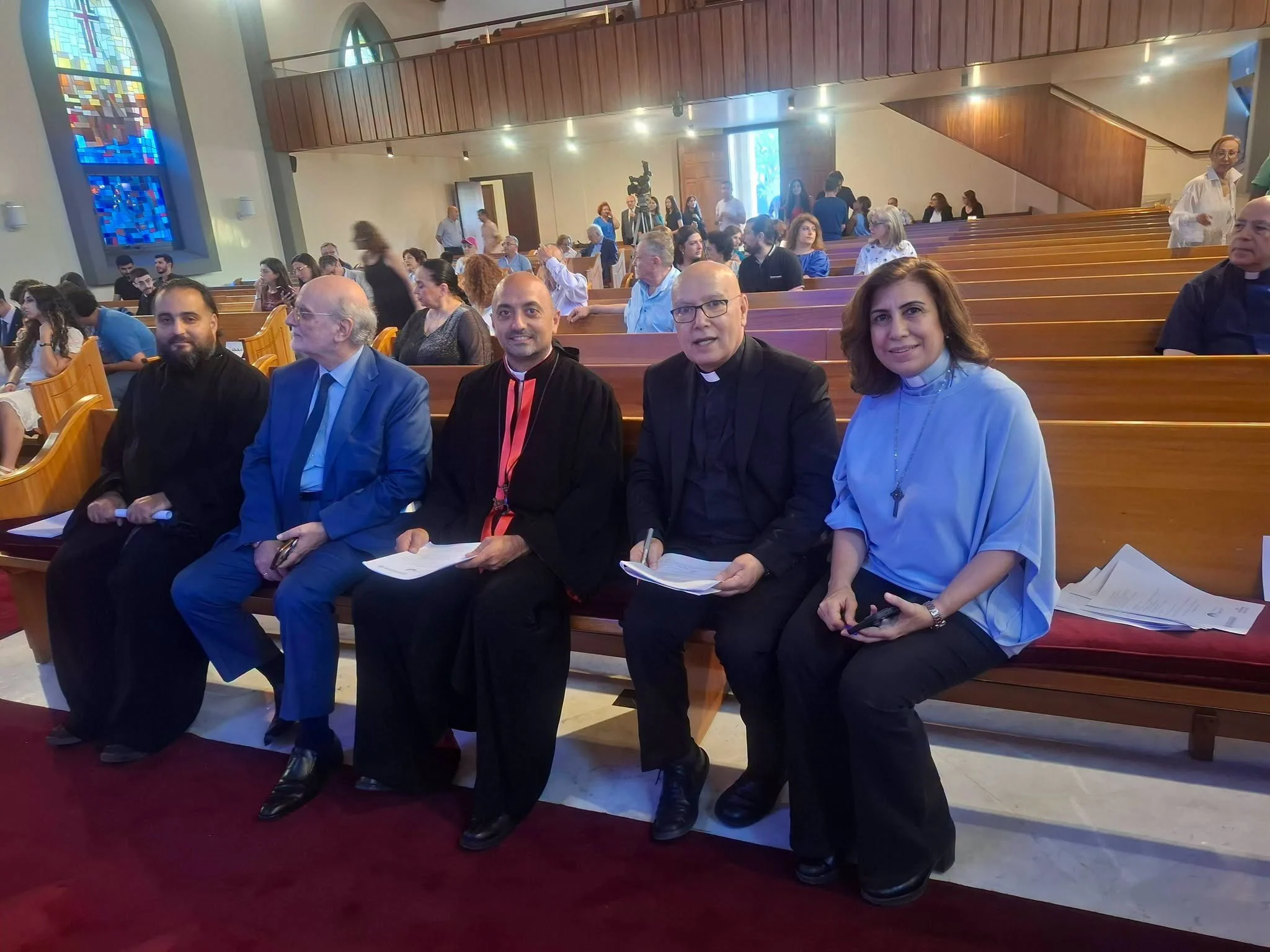
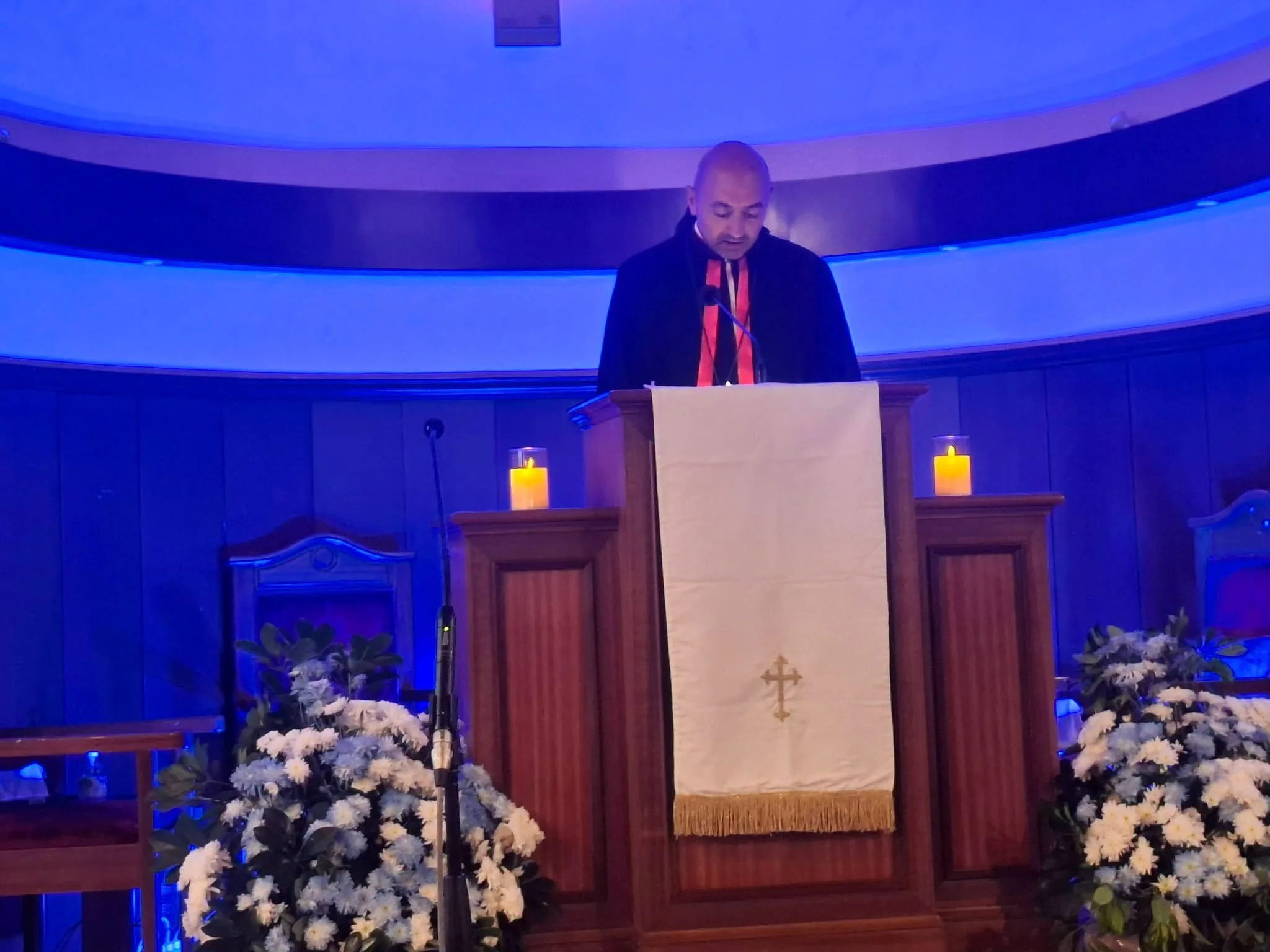
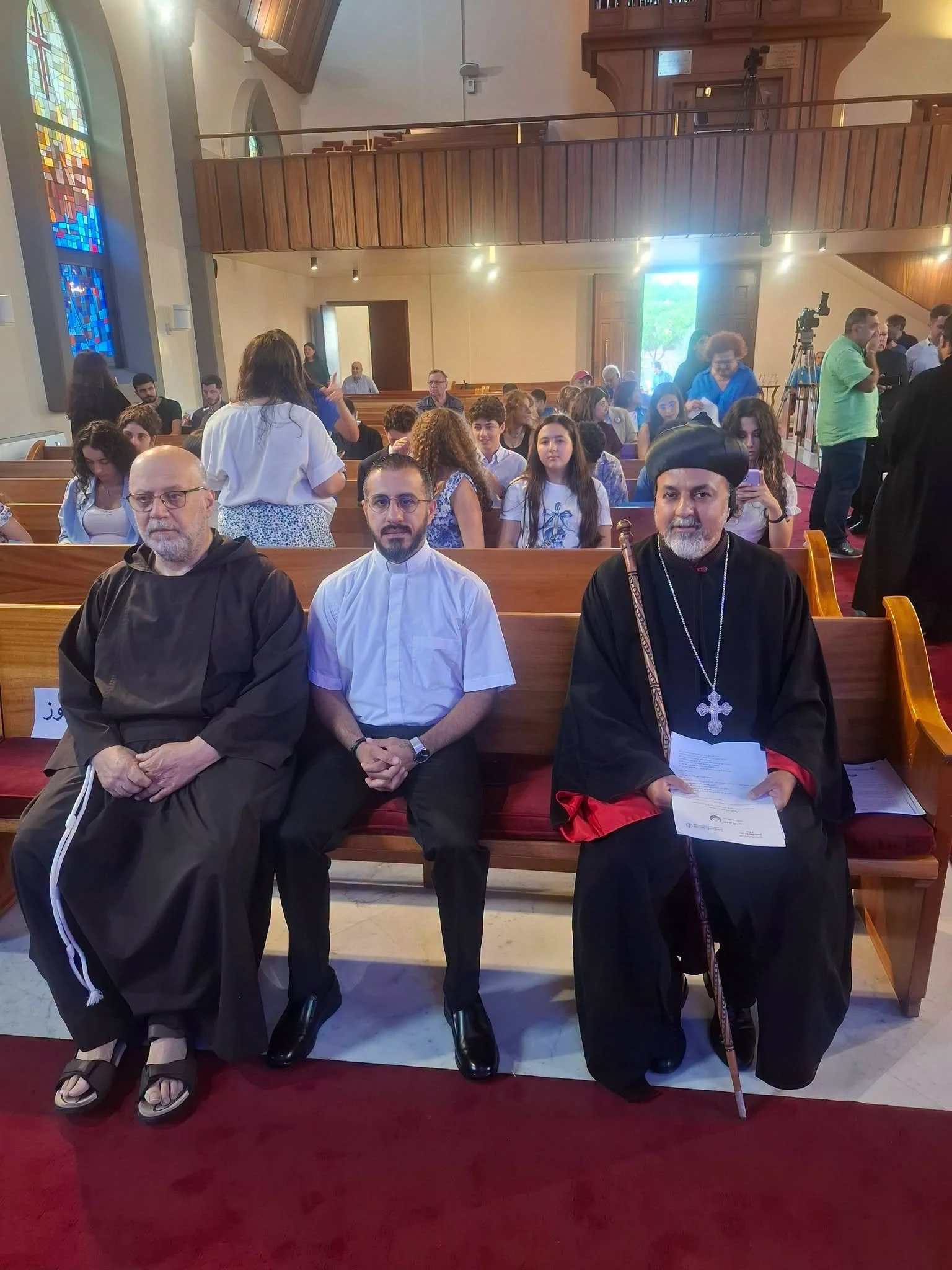
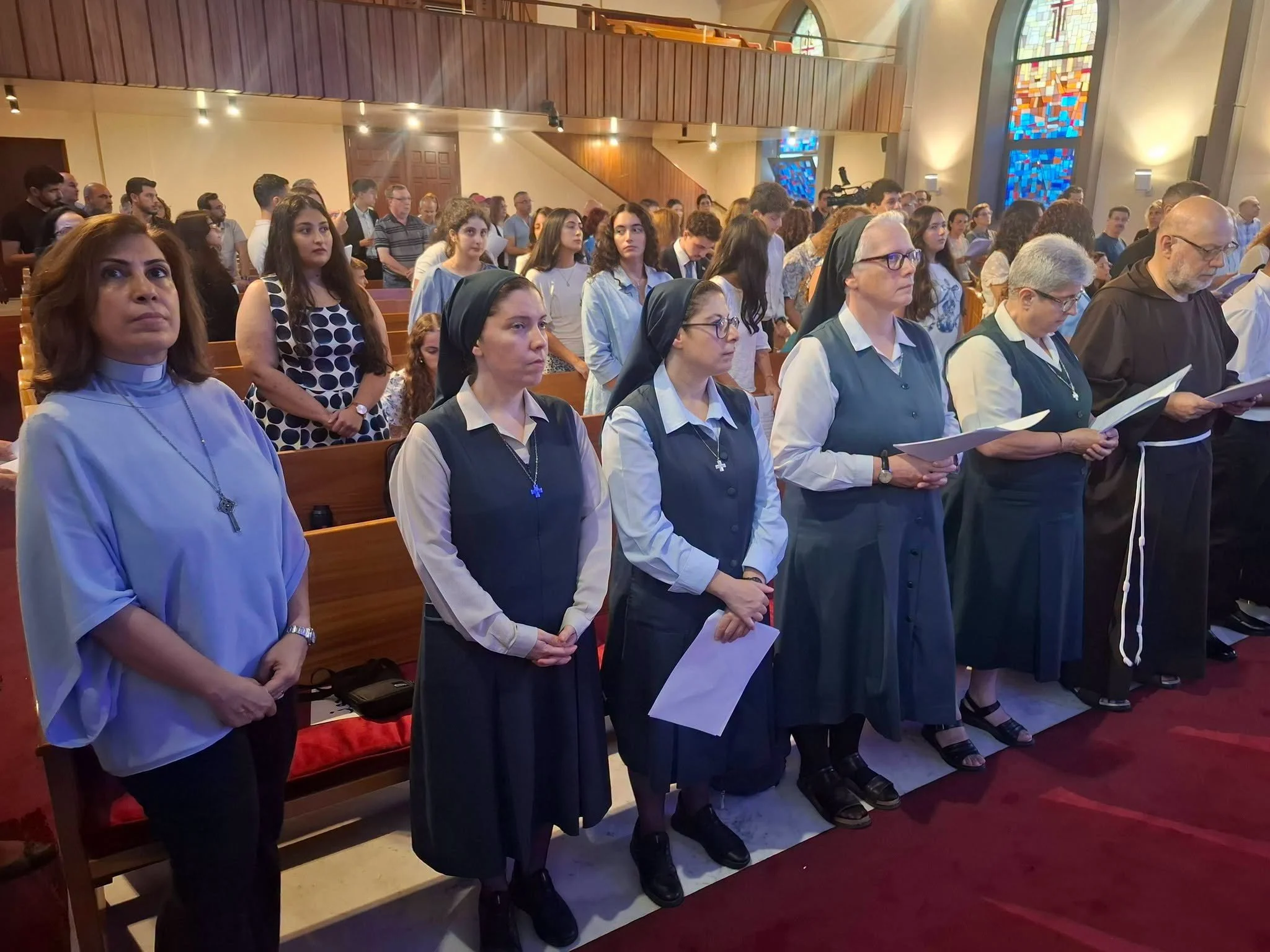
The celebration was attended by Reverend Dr. Paul Haidostian, President of the Union of the Armenian Evangelical Churches in the Near East (UAECNE), President of Haigazian University in Lebanon, and MECC President for the Evangelical Family, and the MECC Secretary General Professor Michel Abs, along with Bishops, Priests, Pastors, Monks and Nuns, Representatives of Churches, organizations and youth movements, as well as many believers.
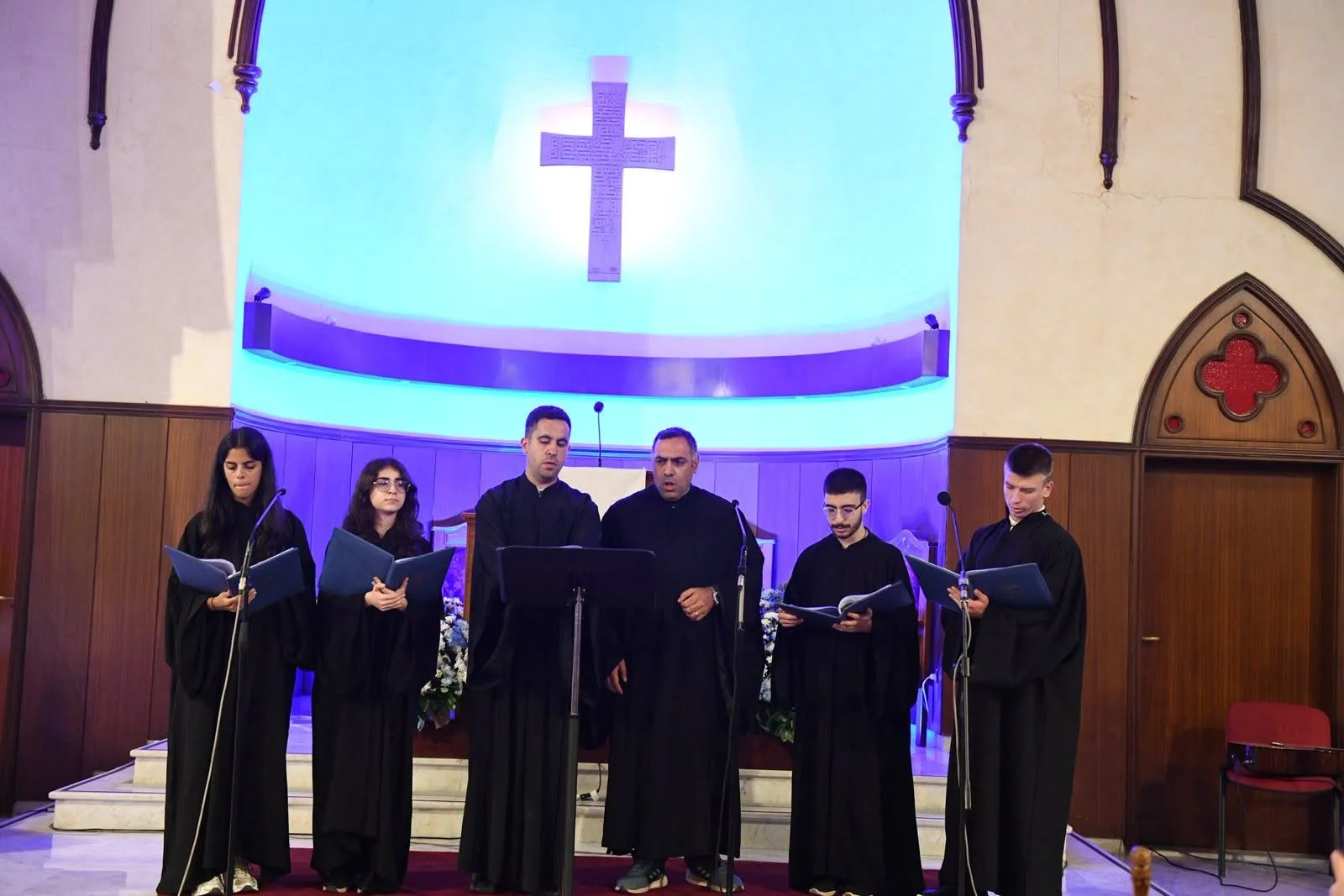
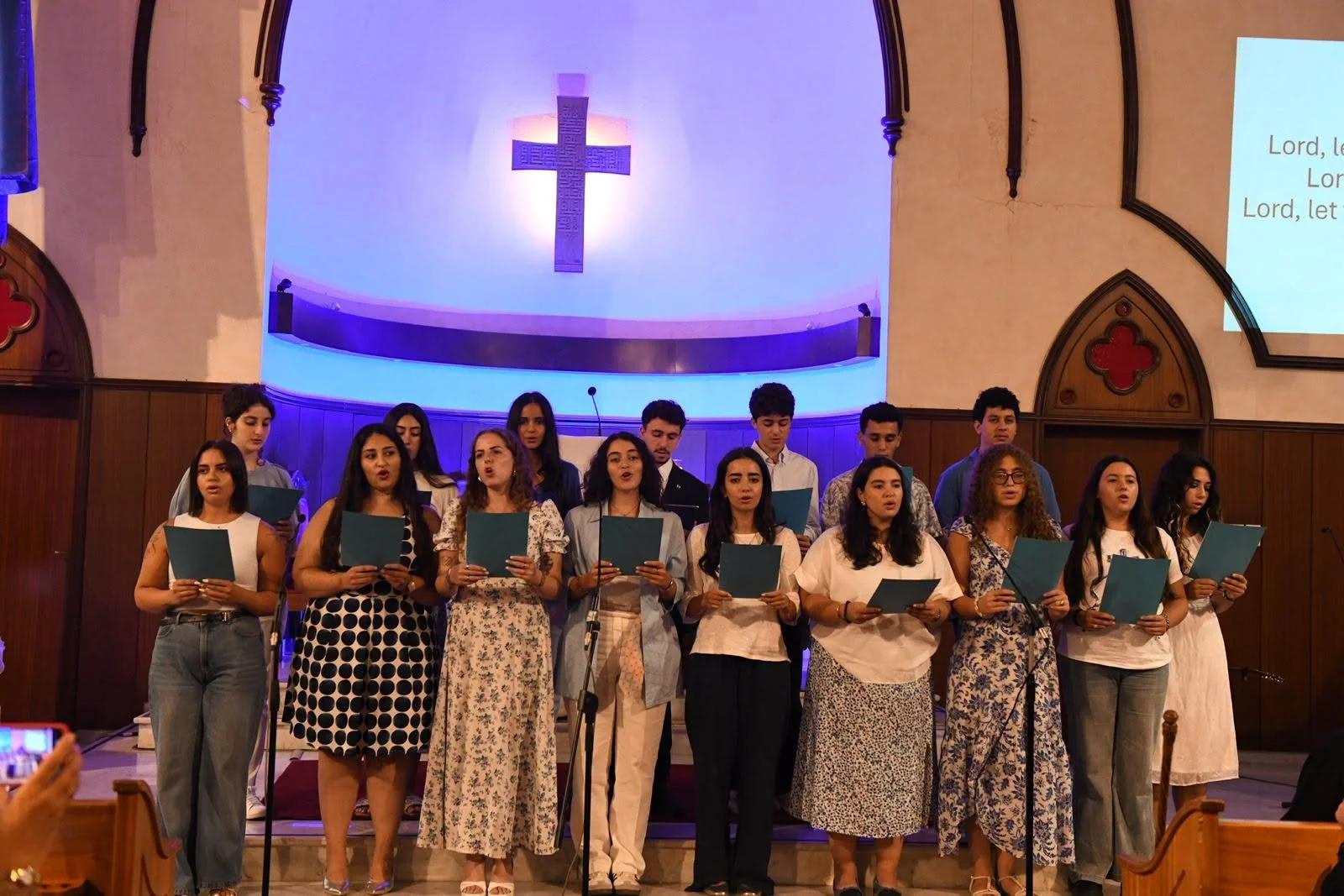
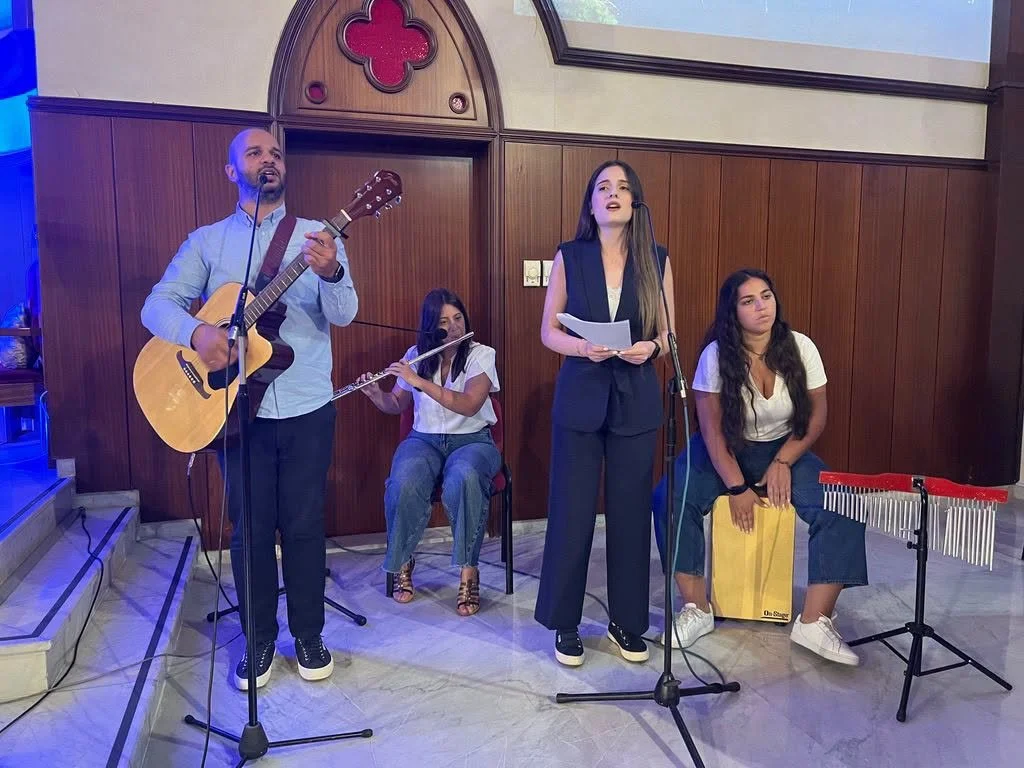
The Prayer Service included hymns performed by choirs and chanters from different Christian traditions: the Laudato Si’ Choir with Subdeacon Charbel Bou Machrek Chanter Deacon Ghazar Koushkrian, accompanied on the piano by Hampik Marderosian, a choir from the National Evangelical Church’s youth, and the St. Theophan the Hymnographer Choir. Together, they presented a rich musical tapestry reflecting the diversity of Christian traditions in the unity of Prayer and praise.
Creation: A Space for Encounter and Unity
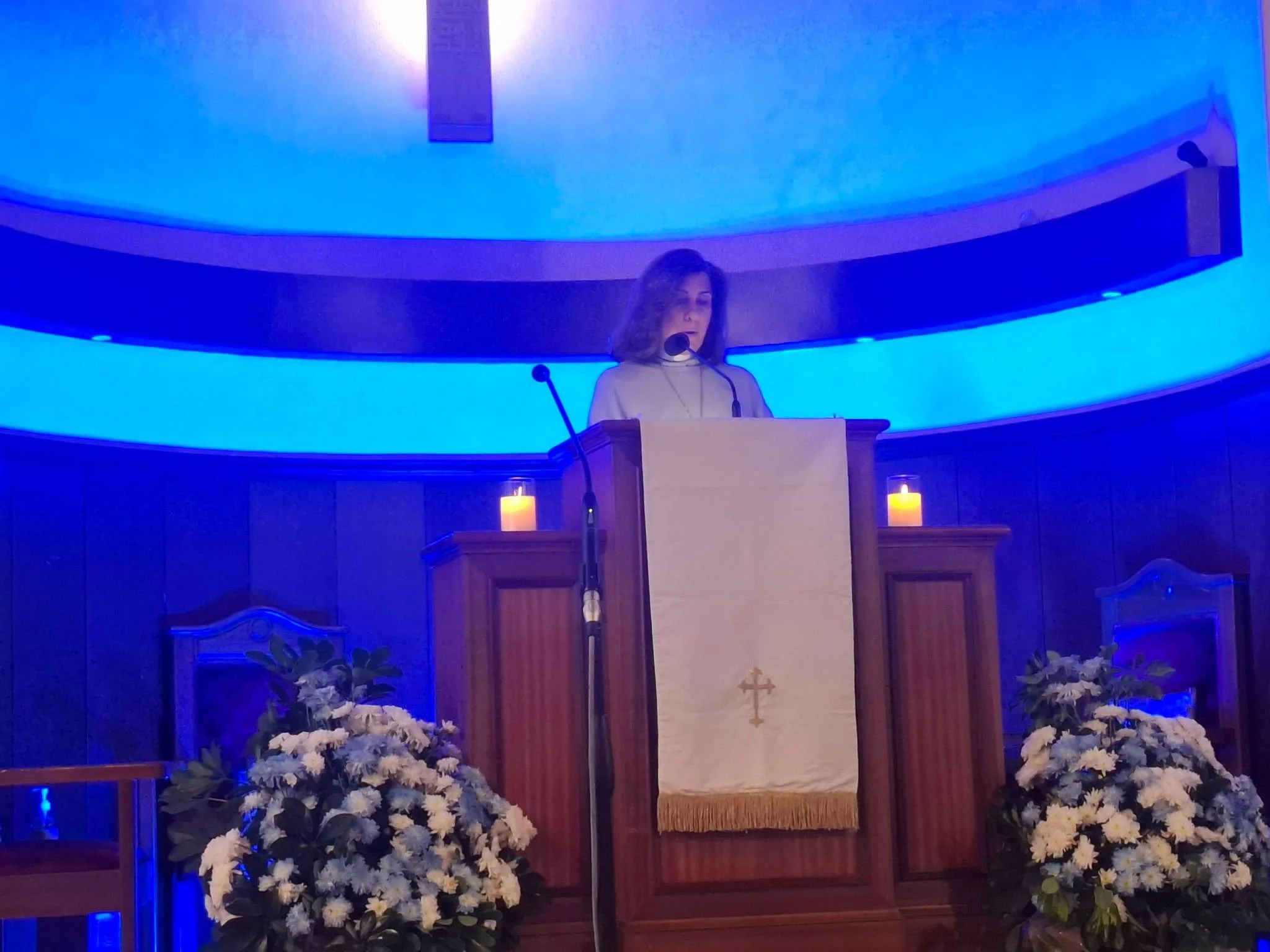
The celebration opened with a welcoming word delivered by Reverend Dr. Rima Nasrallah, the President of the National Evangelical Union of Lebanon, and Pastor of the National Evangelical Church of Beirut, who welcomed the participants and noted that the Church has for years carried the issue of care for creation. She recalled that the call to designate a day of Prayer for creation was launched by the Ecumenical Patriarchate of Constantinople in 1989, before expanding to include many Churches around the world, which this year began celebrating the Feast of Creation.
Nasrallah emphasized the Ecumenical dimension of the Season of Creation, saying: “It is beautiful that creation can also become a new space for encounter among the Churches, and a step on the path toward Christian unity. Despite our different traditions, we live on the same land, drink from the same waters, and together face the wounds of this creation.”
Speaking about the theme “Living Water,” she mentioned that water is a gift of life, and that Lebanese people know very well the value of this gift, as well as what water scarcity, pollution, and difficulty accessing clean water mean. She also connected water in creation with the waters of baptism, calling for a renewed commitment to be “guardians of the waters and faithful servants of God’s creation.”
The Waters of Lebanon Meet in the Baptismal Font
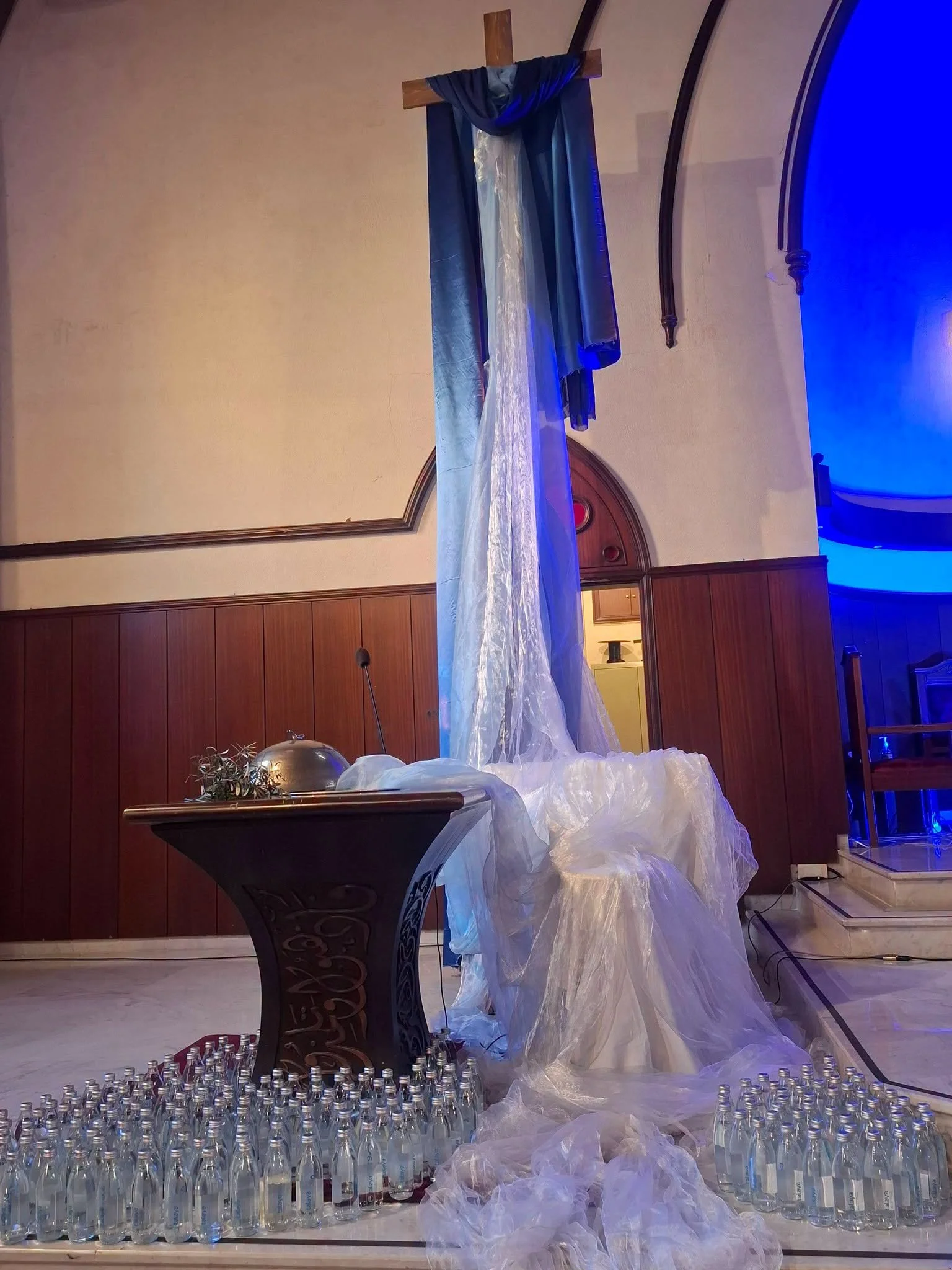
The Prayer service featured a special symbolic moment embodying the theme “Living Water.” Youth came forward carrying water collected from different Lebanese environments and regions, from the South and Bekaa, the sea and mountains, and poured it together into the Baptismal Font.
This scene symbolized the meeting of different waters in a one font, just as the Churches, despite the diversity of their traditions, meet in the one Christ, one Faith, and one Baptism.
At the end of the Service, representatives of the Churches participated in the Rite of the sanctification of the waters. The congregation was then sprinkled with blessed water using an olive branch, recalling Baptism and renewing the Christian commitment to protecting water and caring for creation. At the end of the Celebration, participants also took bottles of blessed water home as a reminder of God’s blessing upon creation and of the call to safeguard it.
“Where There Is Death, Make Us Bearers of Life”
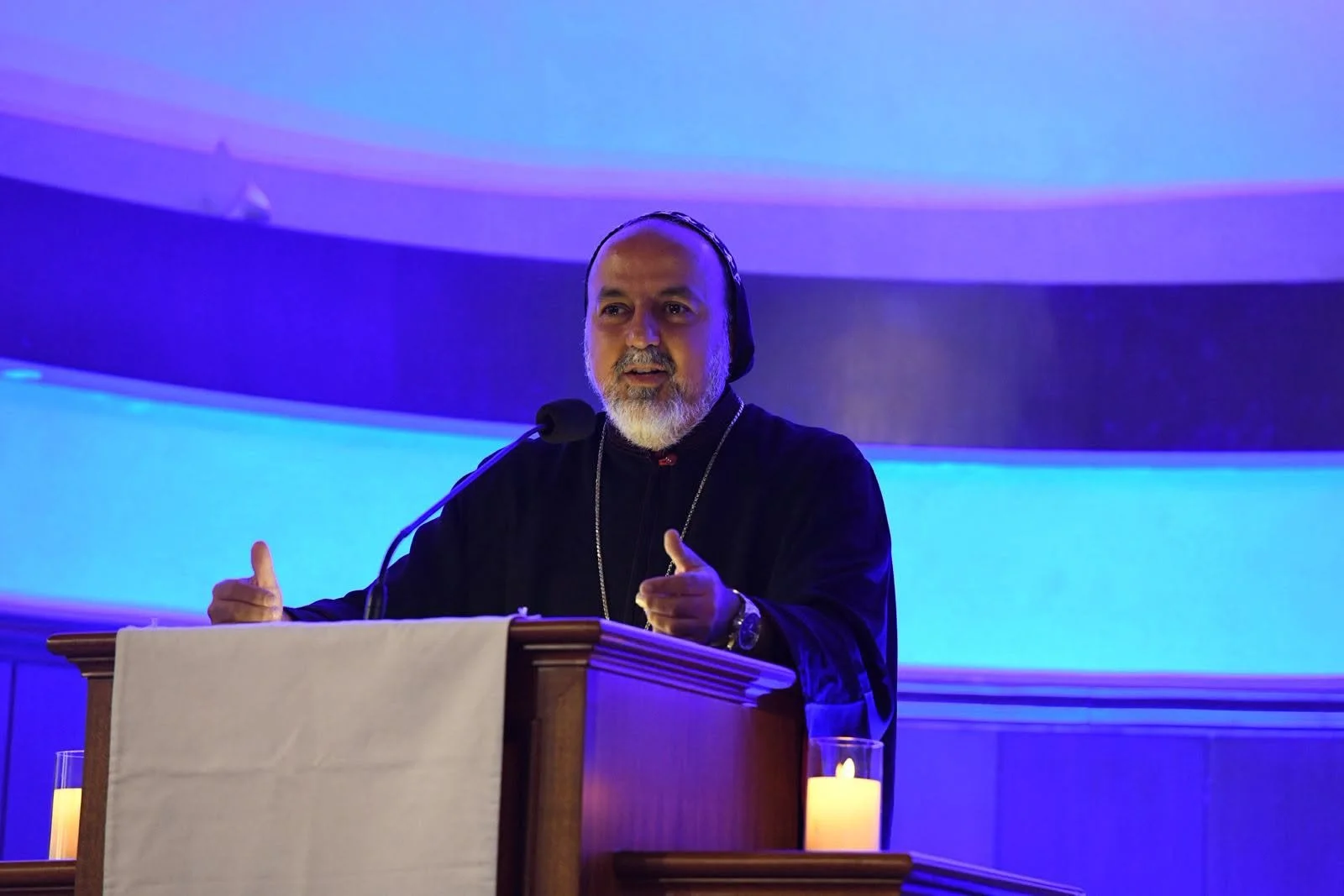
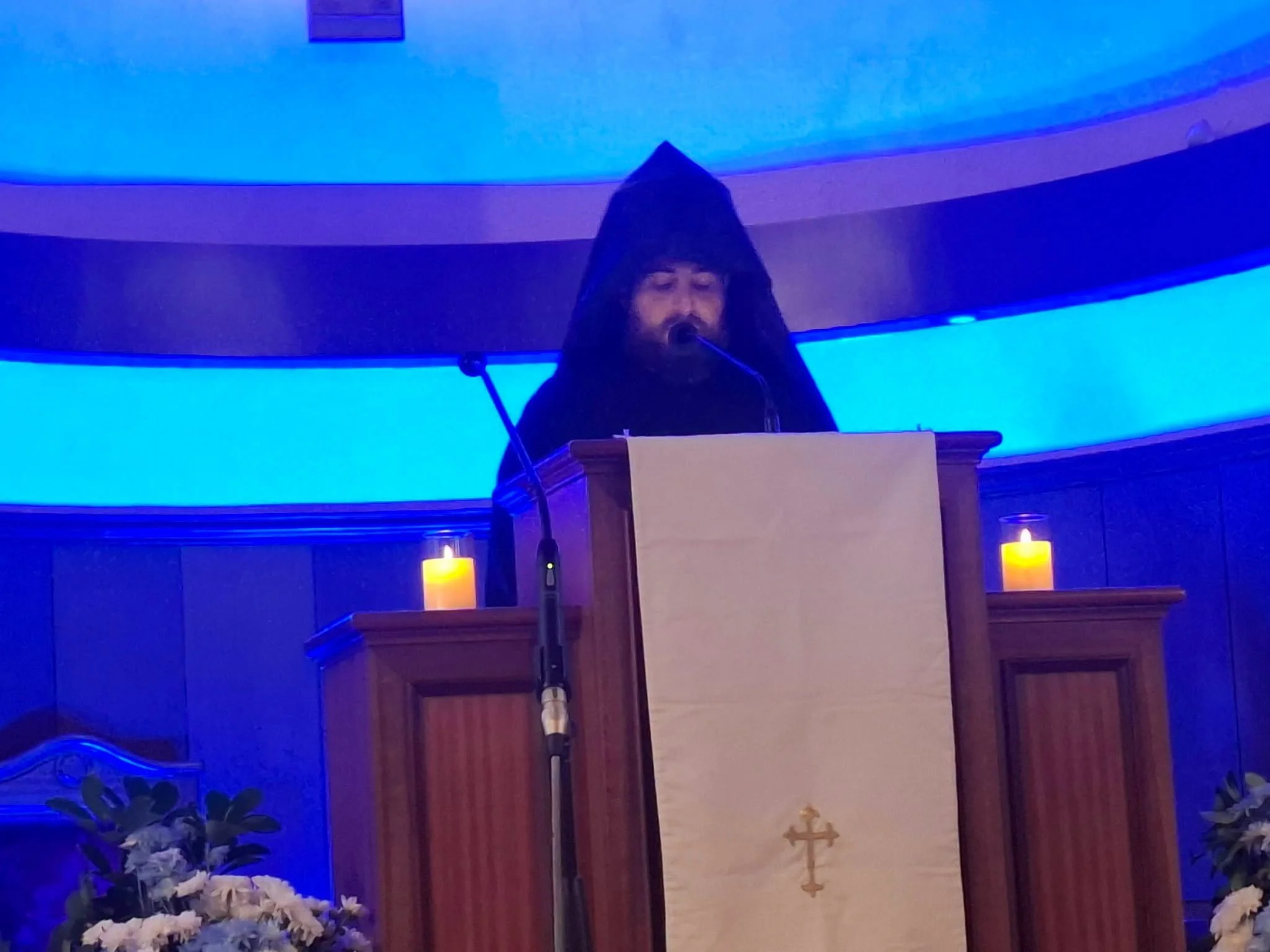
The homily was delivered by His Eminence Archbishop Dr. Mor Severios Roger Akhrass, Head of the Department of Syriac Studies at the Syriac Orthodox Patriarchate. He began with the words of the Prophet Ezekiel: “So where the river flows everything will live” (Ezekiel 47:9).
Archbishop Akhrass presented a Biblical and Patristic reading of the image of the waters flowing from the temple in the Book of Ezekiel, connecting it with the Gospel of John and with the water and blood flowing from Christ’s side. He also recalled the interpretation of St. Jacob of Serugh, who sees in the river an image of Christ and His Gospel, and in the trees growing along its banks an image of human beings who drink from the waters of Baptism. Their fruits are their Faith and works, while their leaves are words that heal and give life.
He said: “We are not gathered today to speak about nature as though nature were something external to our Faith. We are the drops of water gathered in the living river, we are the fish in its waters, we are the trees along its banks, and we are also the fruits and leaves that should bring life and healing to others.”
He stressed that the Season of Creation calls believers to “preserve our freshness, so that we may preserve the freshness of creation,” warning against the “salinity” of selfishness, greed, indifference, and division.
He also highlighted the importance of celebrating the Season of Creation ecumenically, affirming: “We, in the one Christ, are branches of one river of life. Our traditions, languages, Rites, memory, and ways of expressing our Faith may differ. But the water we seek is the same water of life.”
He concluded his Prayer with the words:
“Where there is death, make us bearers of life.
Where there is salinity, make us bearers of freshness.
Where there is division, make us a channel of reconciliation.
Where there are wounds in creation, make us leaves of healing.”
Water: Gift, Life, and Trust
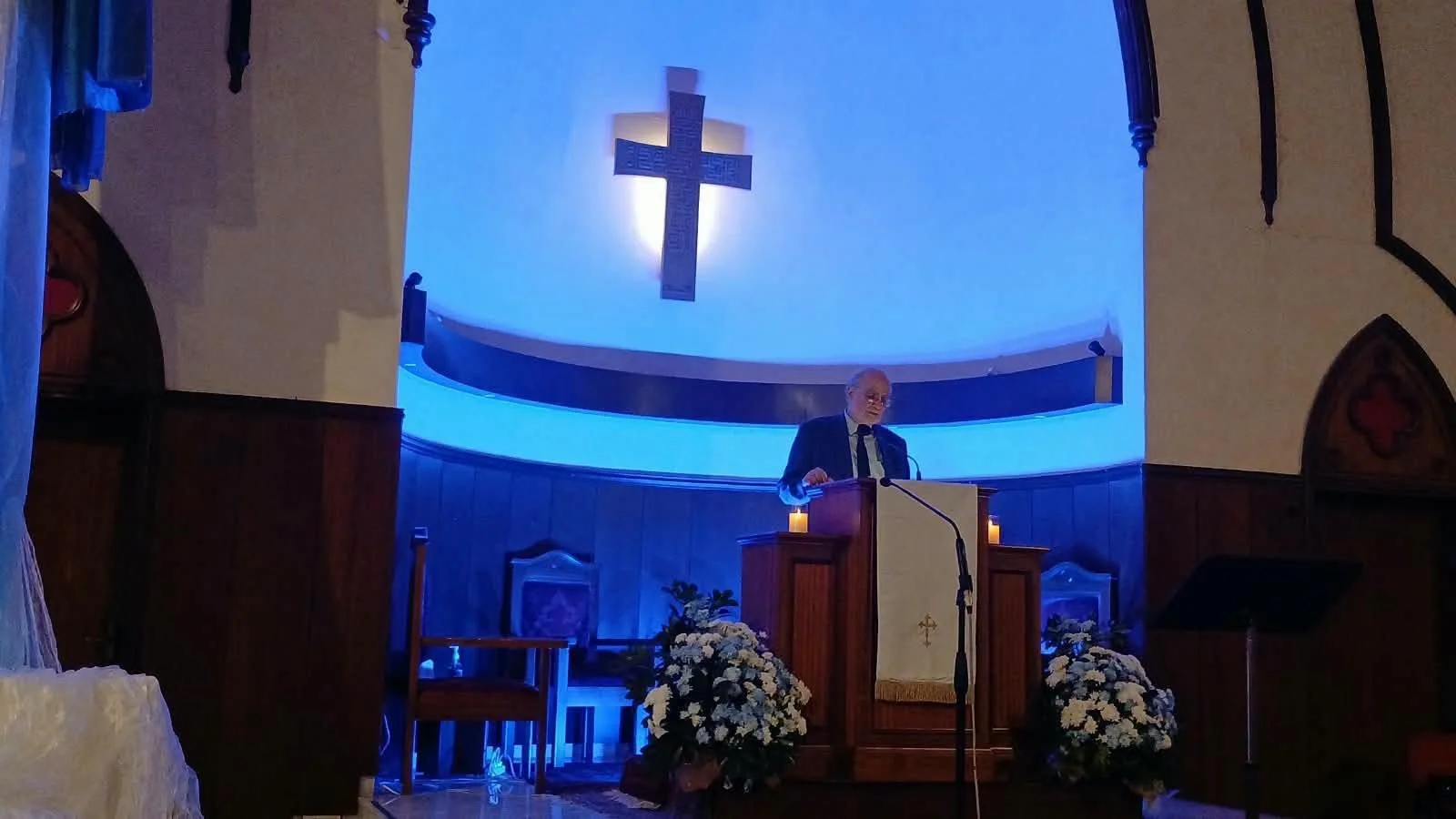
At the end of the celebration, the Secretary General of the Middle East Council of Churches (MECC) Professor Michel Abs, delivered the Council’s word. He called for a reconsideration of humanity’s relationship with creation, “not as merely a material framework in which we live, but as a gift from God and a trust placed by the Creator in our hands, so that we may use it wisely, safeguard it, and pass it on to generations yet unborn.”
He reflected on the central place of water in the lives of people and communities, from the human body, health, and food to agriculture, energy, and social stability, emphasizing that water security is also social and economic security.
He also warned against turning water, which the Creator has given for life, into a cause of conflict or a means of control and pressure. He stressed that “water is not an ordinary commodity, nor a resource that may be dealt with solely according to the logic of power. It is a basic need for every human being, and a gift that no generation can claim as its absolute property.”
Abs connected environmental responsibility with the spiritual meaning of water in Christian Faith, particularly in Baptism, asking: “If we consider water a sacred element in the act of Baptism, how can we accept the pollution of rivers, seas, and springs? If we see in it a sign of new life, how can we waste it, deprive the poor of it, or turn it into a means of pressure and control?”
He called on the Churches, as 2030 approaches, to reclaim the spiritual and Ecumenical meaning of the Baptism of the Lord and to make water an occasion for reflection on humanity’s responsibility towards creation and future generations.
He concluded his word by emphasizing:
“Water is a gift, and a gift calls for gratitude.
Water is life, and life calls for protection.
Water is a sign of renewal, and renewal calls for faithfulness.
Water is a trust from the Creator, and a trust calls for us to safeguard it for those who come after us.”
Prayer and Fellowship for Our Common Home
The prayer service was followed by a reception and fraternal gathering in the courtyard of the National Evangelical Church in Beirut, allowing participants from different Churches and institutions to continue their encounter in a spirit of fellowship and Ecumenical love.
This celebration is part of the three-year “Care for Creation” program implemented by the Middle East Council of Churches (MECC) through its Theological and Ecumenical Department, with the support of Danmission. The program aims to promote ecological Theology, strengthen Christian responsibility towards creation, and develop Church-based and Ecumenical initiatives aimed at protecting our common home.