
The Museum of Blessed Patriarch Elias Howayek in the Lebanese Town of Aabrine
A Journey of Blessings Through a Historic Legacy and a Path Crowned with Holiness
Photos: MECC
Media of the Middle East Council of Churches Media (MECC)
The Lebanese town of Aabrine witnesses a new Blessed upon the Lord's Altar: the seventy-second Maronite Patriarch, a man of providence, dialogue, love, and patriotism, and the Founder of the Congregation of the Maronite Sisters of the Holy Family. He is Blessed Patriarch Elias Howayek, who consistently demonstrated his love for his homeland and his steadfast attachment to its land.
Today, attention is focused on the Monastery of the Maronite Sisters of the Holy Family in Aabrine, where the faithful come to pray at the tomb of Patriarch Howayek. The Monastery includes the Patriarch's Museum, which comprises six sections documenting the most significant milestones of his historical, Ecclesiastical, cultural, and national life. It is a place that bridges a past crowned with God's blessings and a new journey towards holiness.
Visitors begin their tour with a brief biography of Patriarch Elias Howayek and an oil portrait painted by the Italian Artist Singodani to commemorate Howayek's election as Patriarch in 1899.
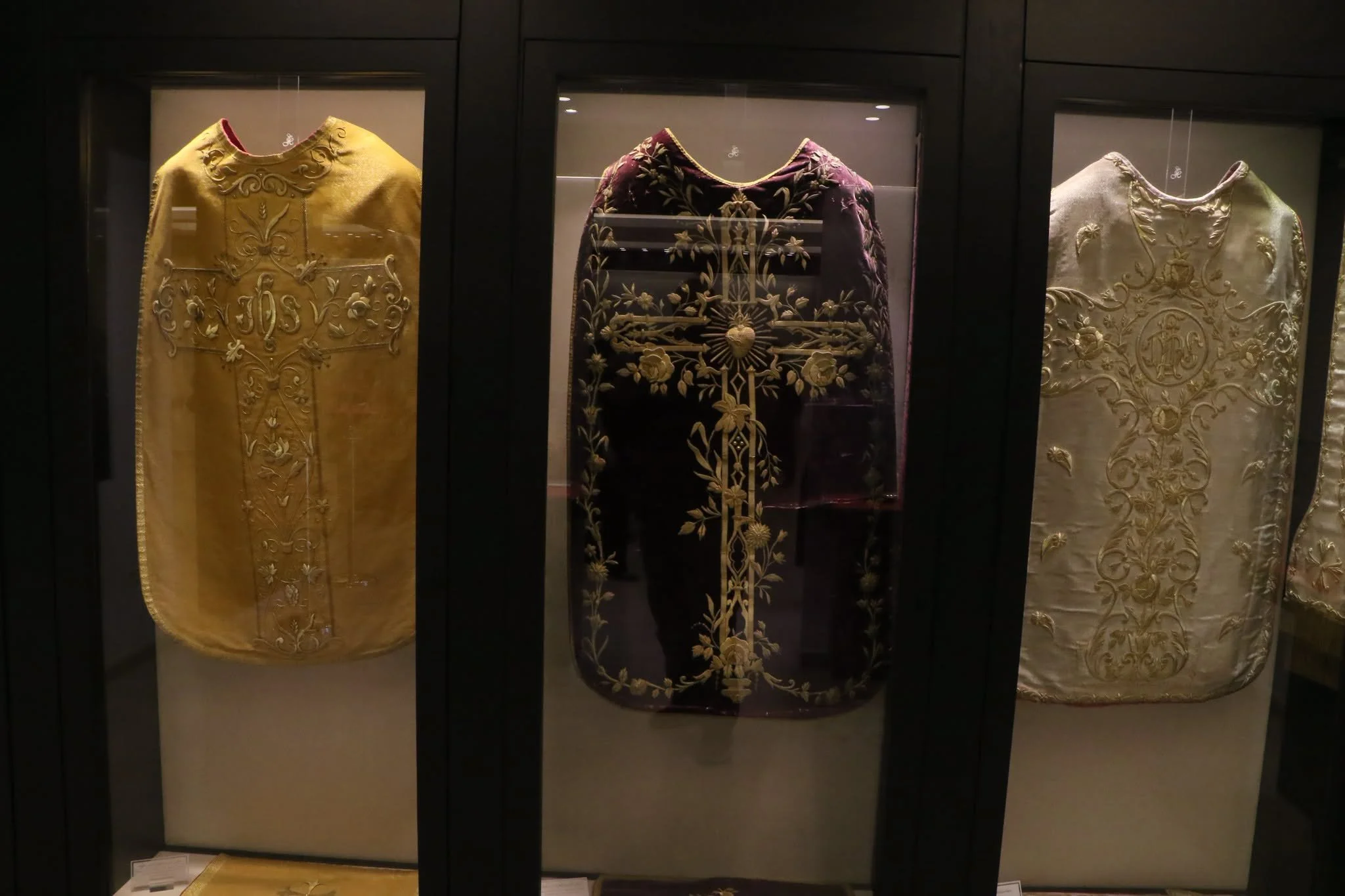
The first section includes a collection of Liturgical vessels and Episcopal vestments used by the Patriarch during his Priestly Ministry. Among the exhibits are a chalice and paten used for the Divine Liturgy, his patriarchal crown with its wooden case inscribed in Syriac with the words, "The Glory of Lebanon Was Given to Him," his patriarchal staff, gold-embroidered Liturgical vestments, three monstrances for the Blessed Sacrament, and photos of the Patriarch.
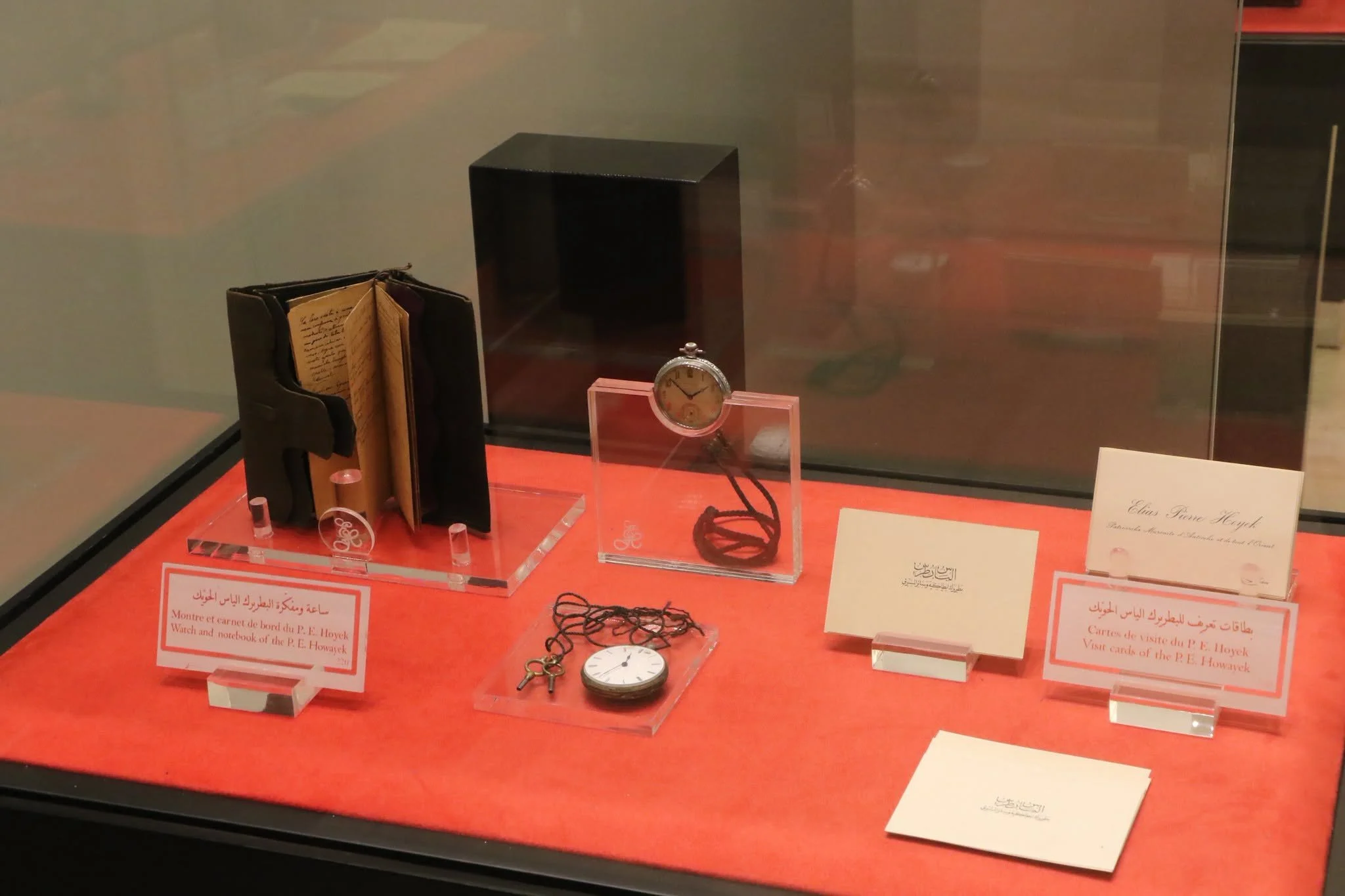
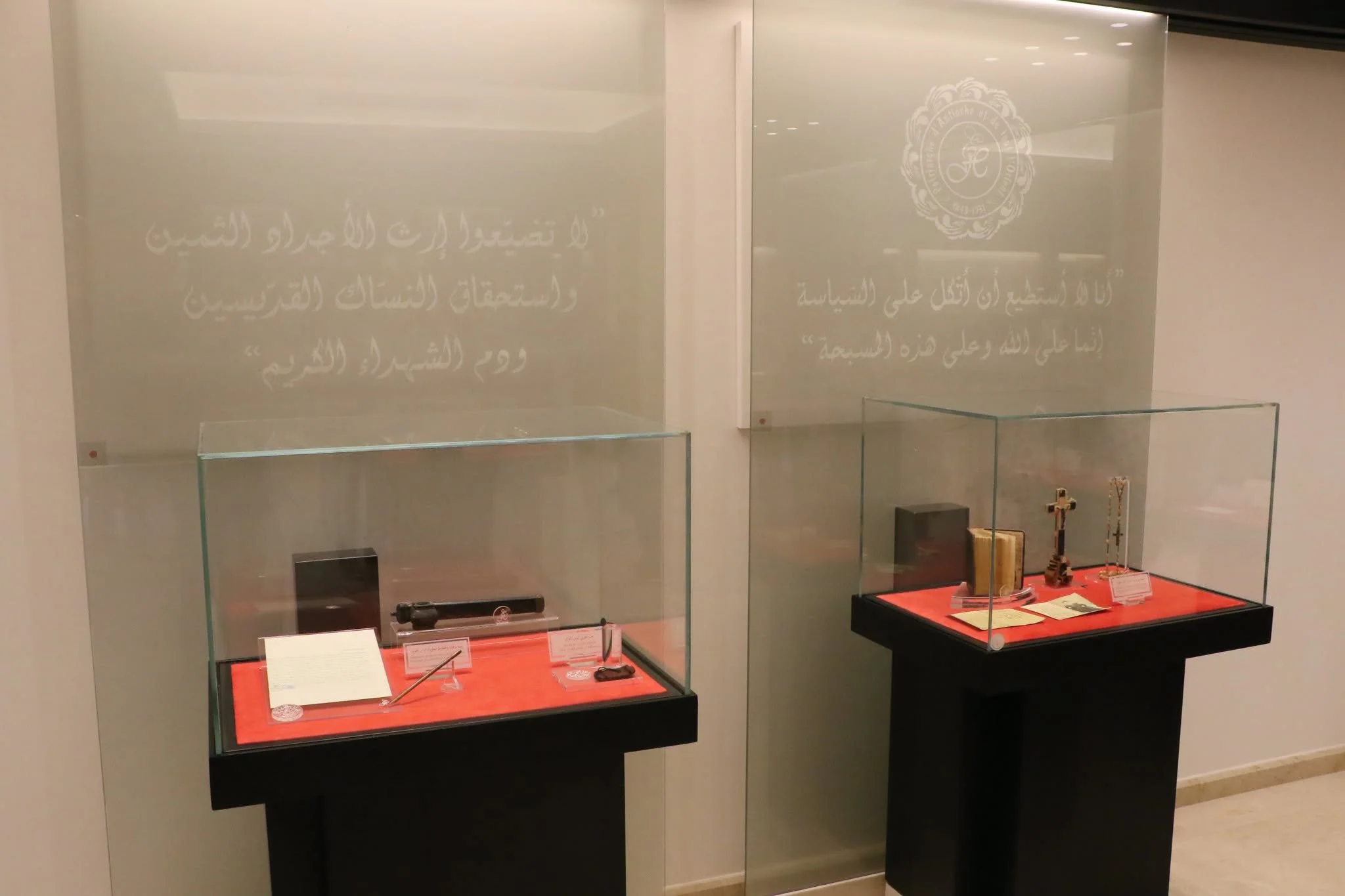
In the second section, visitors can view a relic from the body of Patriarch Elias Howayek, together with several of his personal belongings, including his pectoral Cross and ring, his eyeglasses and watch, a cross that stood on his desk, his seal from his years as a priest, as well as a quill, an inkwell, and the handwritten manuscript of a letter addressed to Mother Rosalie Nasr following the establishment of the Congregation of the Maronite Sisters of the Holy Family in 1895. This section also includes the Patriarch's skullcap, his Rosary, diary, and three Crosses offered to him.
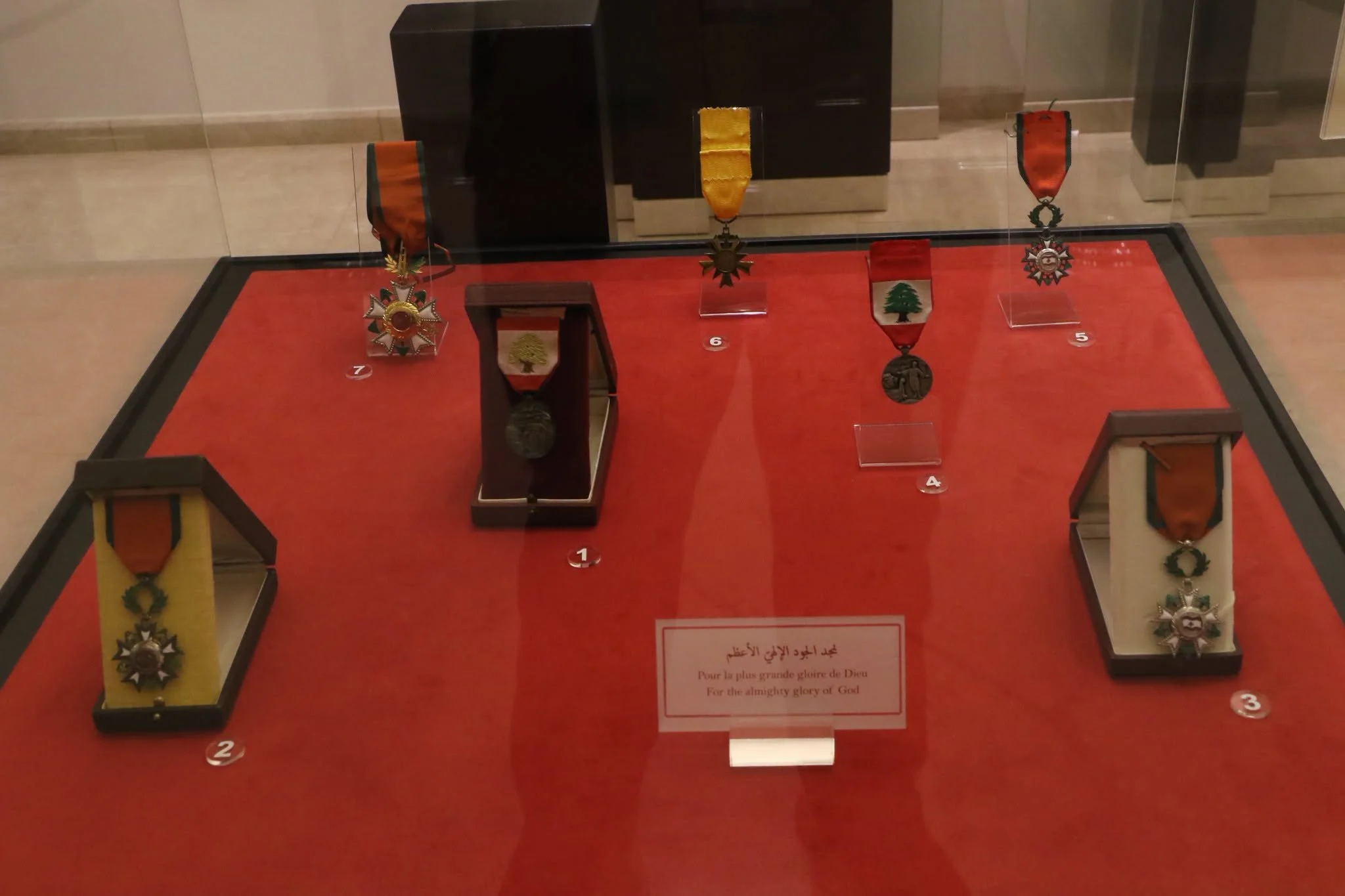
The third section focuses on the decorations and medals that Patriarch Howayek received during his lifetime. Among them are a pearl medal presented to him during his visit to Egypt in 1893, a French decoration, and the prestigious jeweled Ottoman Order bestowed upon him by Sultan Abdul Hamid II.
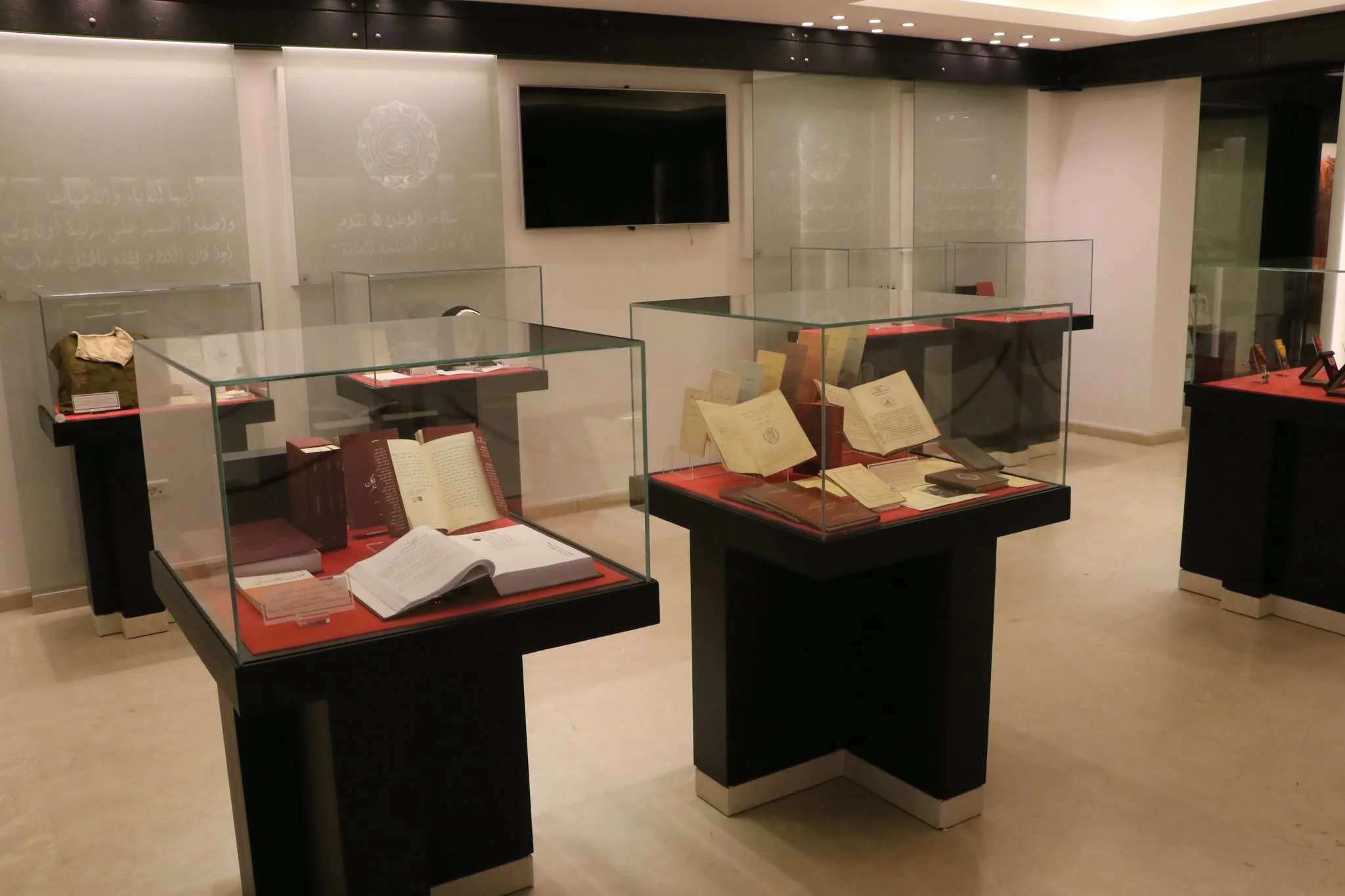
This section also features a congratulatory book containing messages in forty-four languages presented to Patriarch Howayek upon his election in 1899, a commemorative book from the Maronite Community in Argentina marking the inauguration of a statue of their Patron, Saint Maron, in 1924, and the official document authorizing the transfer of Patriarch Howayek's Remains to Aabrine on May 12, 1936, bearing the seals of the Ecclesiastical officials who attested to the incorrupt condition of his body. Also on display is an ornamental carpet designed by Mrs. Leila Habr, featuring an excerpt from one of the Patriarch's Prayers.
Visitors then continue to the fourth section, dedicated to Mother Rosalie Nasr, whom Patriarch Howayek chose to help establish the Congregation of the Maronite Sisters of the Holy Family in 1895 in recognition of her wisdom and outstanding leadership. She became the Congregation's first Superior General and was later martyred in the convent.
In the fifth section, visitors can see Patriarch Howayek's room, originally located in Bkerke, Lebanon. The room reflects the simplicity of his life and his humility. It contains his bed, clerical garments, pillows, shoes, chair, and a collection of his personal belongings.
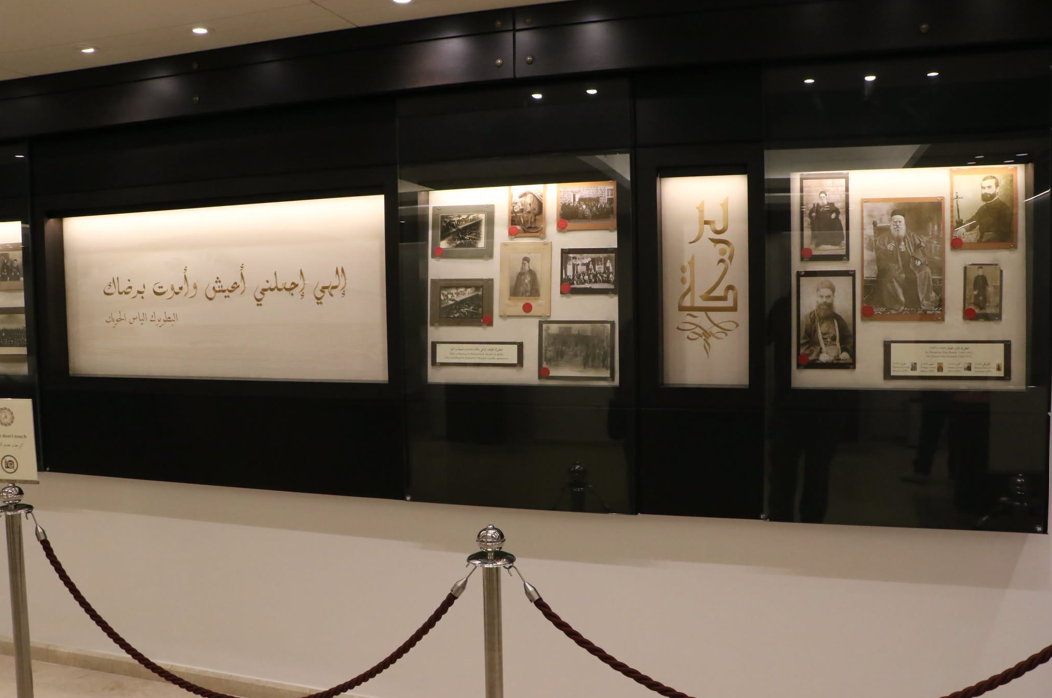
The museum also displays a collection of photos documenting Patriarch Howayek's Ecclesiastical life, as well as a glass panel bearing the museum's emblem and one of his best-known sayings: "I am the Patriarch of the Maronites. My denomination is Lebanon, and I belong to all Lebanese." He addressed these words to French Prime Minister Georges Clemenceau on September 16, 1919, before traveling to the Paris Peace Conference at Versailles to represent Lebanon and advocate for its independence.
In addition, the museum includes photos documenting Patriarch Howayek's role in major national events, most notably the proclamation of the State of Greater Lebanon in 1920 at the Pine Residence, where he stood beside General Gouraud. Other photos show him with civil Leaders and members of the faithful on the balcony of the Patriarchal See in Bkerke, as well as portraits of him wearing his medals and decorations.
The visit concludes in the museum's sixth section, which contains written testimonies of favors and miraculous healings attributed to the intercession of Blessed Patriarch Elias Howayek, along with Papal blessings obtained by the Patriarch for the Congregation of the Maronite Sisters of the Holy Family.
Standing at the crossroads of holiness and patriotism, this museum preserves the legacy of Blessed Patriarch Elias Howayek, a legacy imbued with faith, hope, and love of country, commemorating a remarkable man whose life now points towards the Kingdom of Heaven and the glory of God.