

MECC
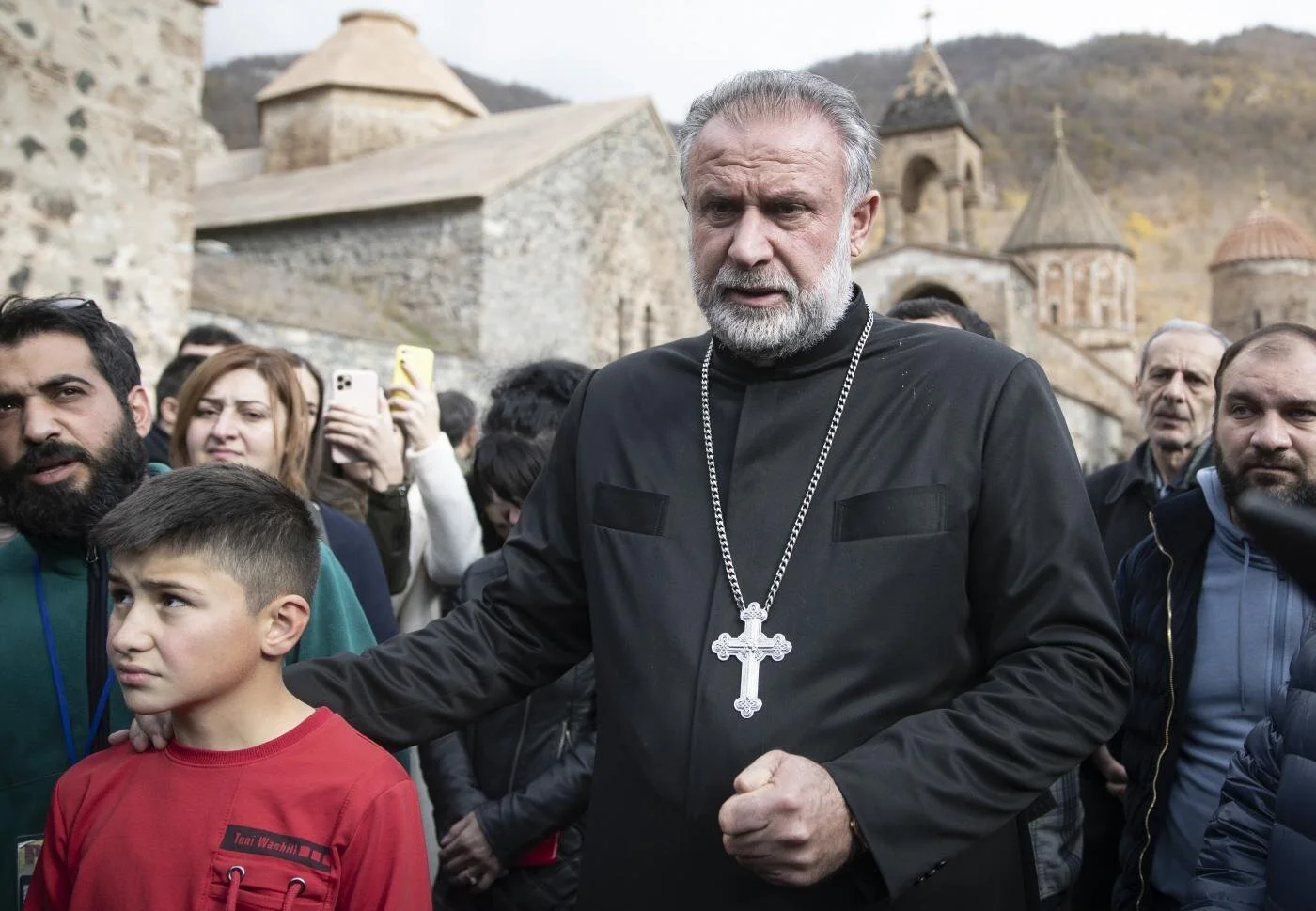
Justicia para Artsaj
Las seis semanas de sangriento conflicto armado que tuvieron lugar hace unas semanas en Artsaj, nombre armenio de Nagorno–Karabaj, terminaron, en efecto, con un alto al fuego desde la medianoche del 9-10 de noviembre, así como con un acuerdo que deja a la región sin una paz clara, sostenible y duradera. Fue un acuerdo lo suficientemente débil como para mantener una tensa coexistencia sin una base fiable para una paz más duradera.

MECC Coronavirus (COVID 19) Weekly Report
Syria and Lebanon
Humanitarian Update
Reporting period: from 16 to 23 November 2020
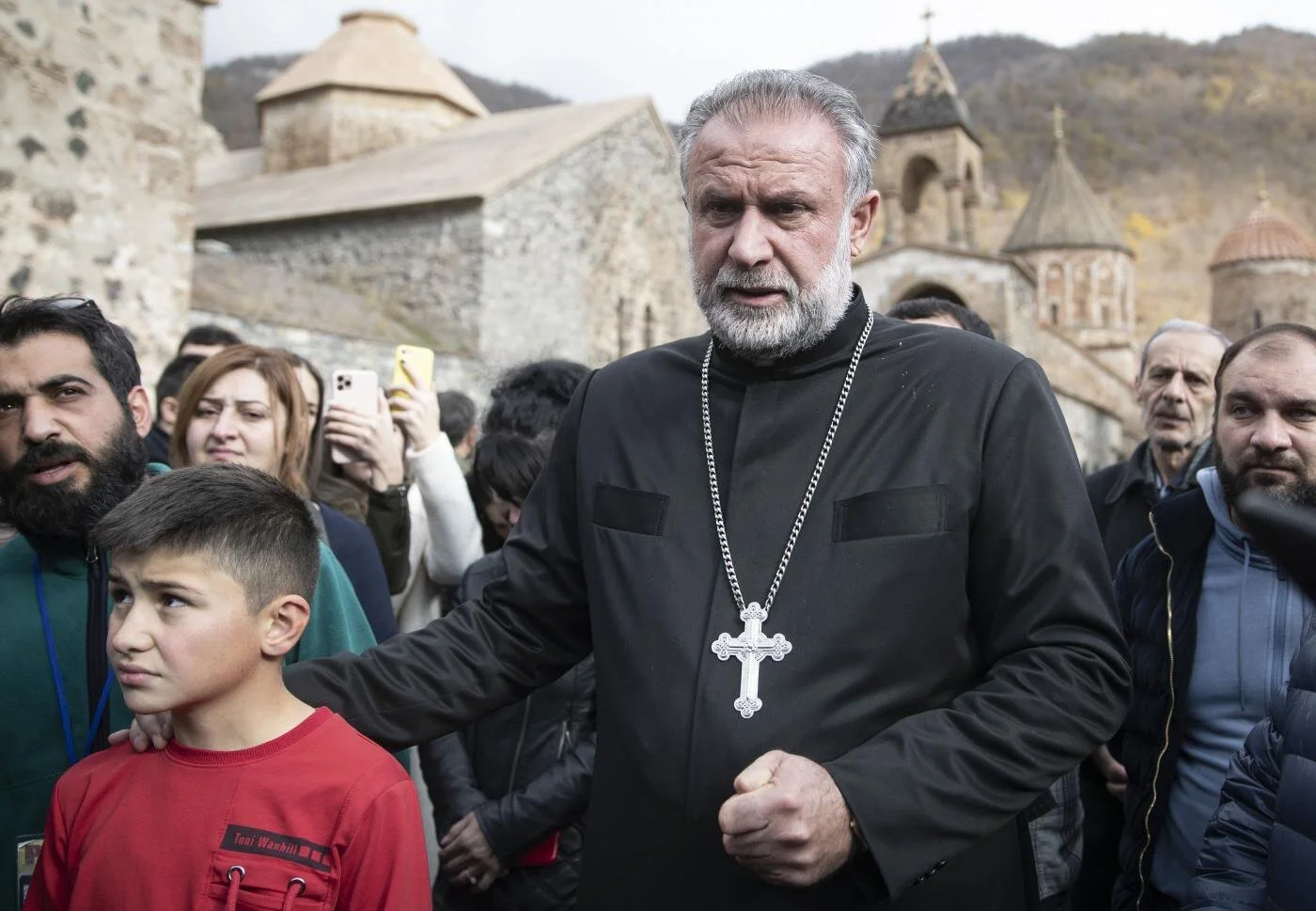
Justice for Artsakh
The six weeks of bloody armed conflict that occurred a few weeks ago in Artsakh- Armenian name of Nagorno -Karabakh- ended with a ceasefire, in effect as of midnight November 9-10, as well as with a deal that leaves the region short of a clear and sustainable and long-lasting peace. It was an arrangement loose enough to maintain a tense coexistence with no reliable foundation for more durable peace.
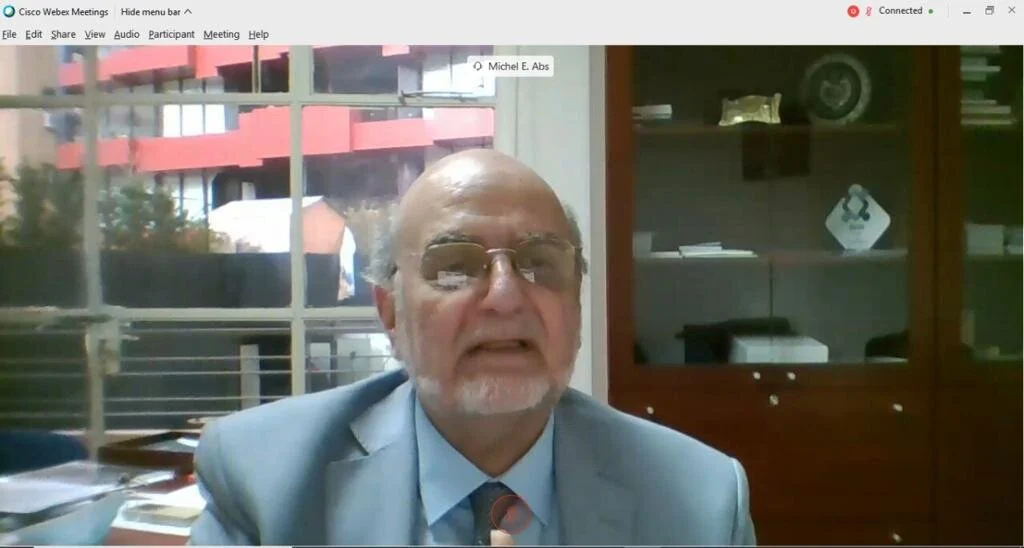
MECC in the EPP - EU Parliament webinar about Beirut after the Blast
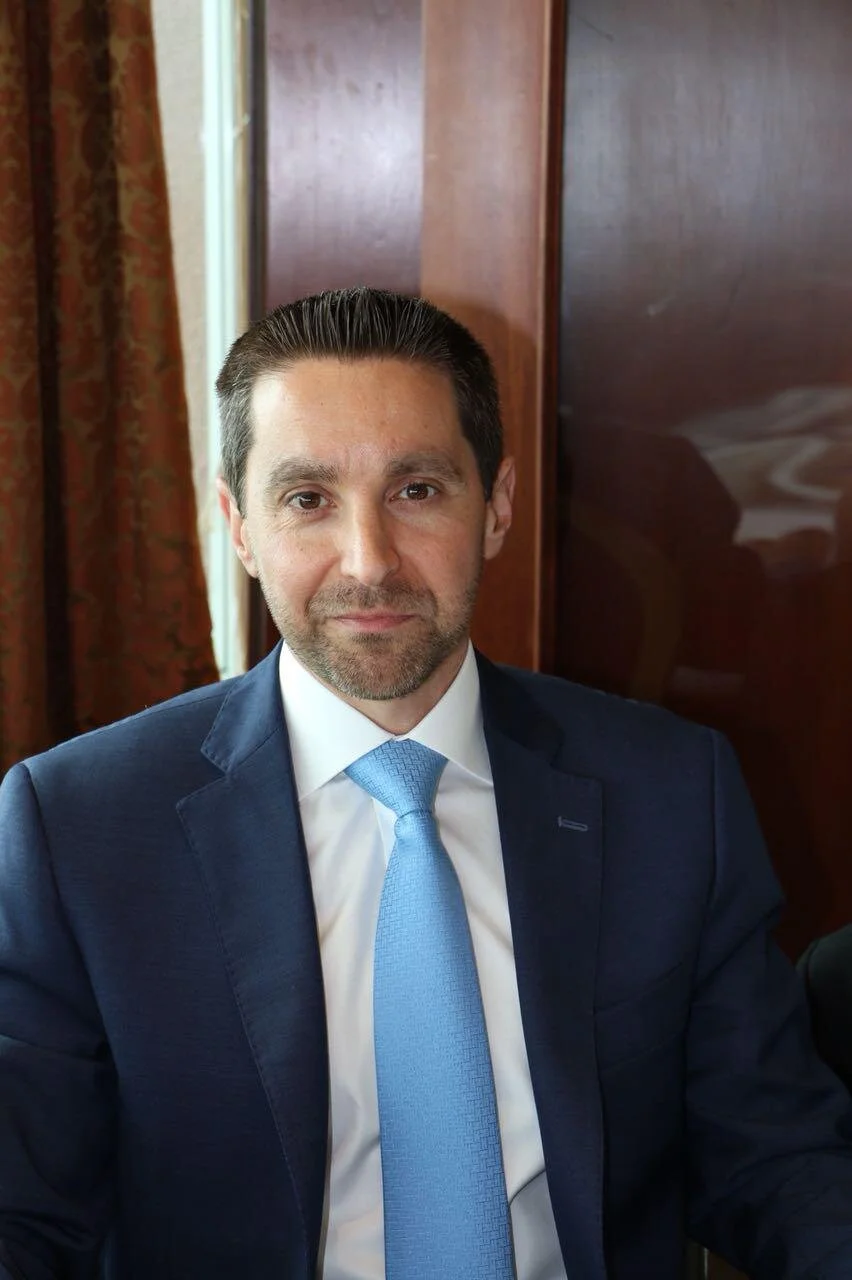
Dr. Michel Abs: Bleeding Lebanon is in need of all sort of support
Dr. Michel Abs, MECC Secretary General, participated in a webinar organized by the EPP Group - Intercultural and Religious Dialogue Unit in the European Parliament, under the topic of “Lebanon after the Beirut seaport explosion”. During this webinar, Dr. Abs delivered a speech about the political and economic situation in Lebanon, the blast’s repercussions and the MECC disaster relief work.
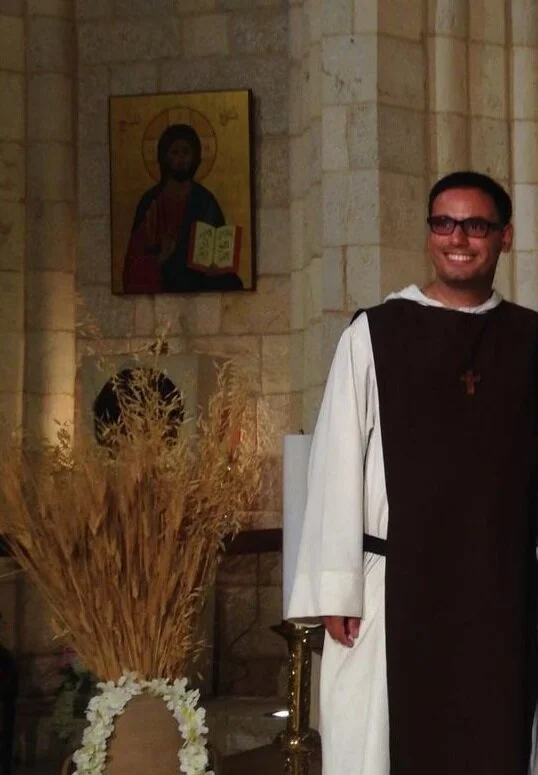
The Community of the Beatitudes is sowing hope in Beirut
Father Rachad Jaber: Our hope is to live the values of love, Brotherhood, tolerance and supporting others
We felt the monastery building shaking, and we got bombarded by phone calls, no one knew what happened until we learned about the disaster on TV. We started to receive videos on our mobile phones; we could not believe the horror and destruction scenes!
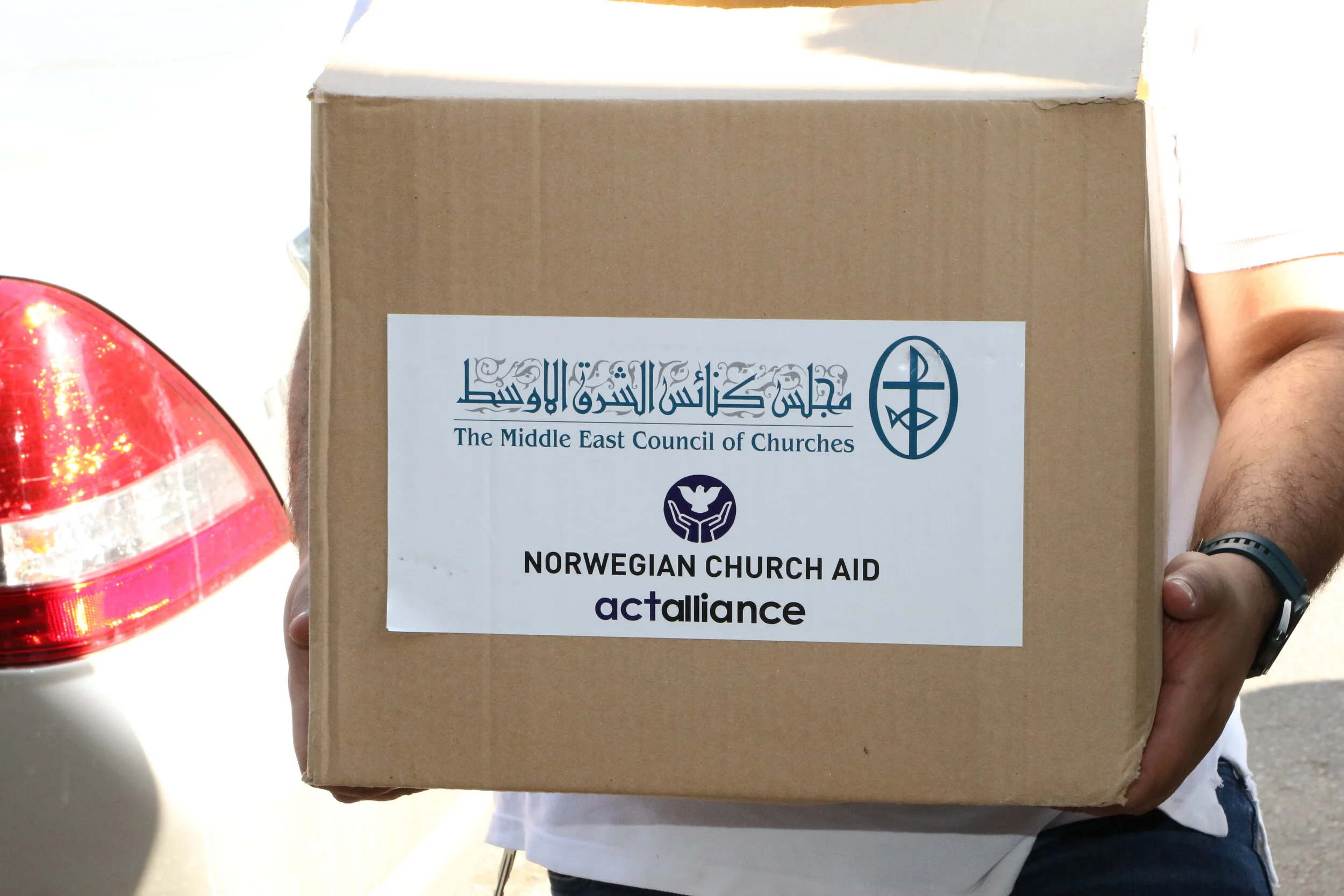
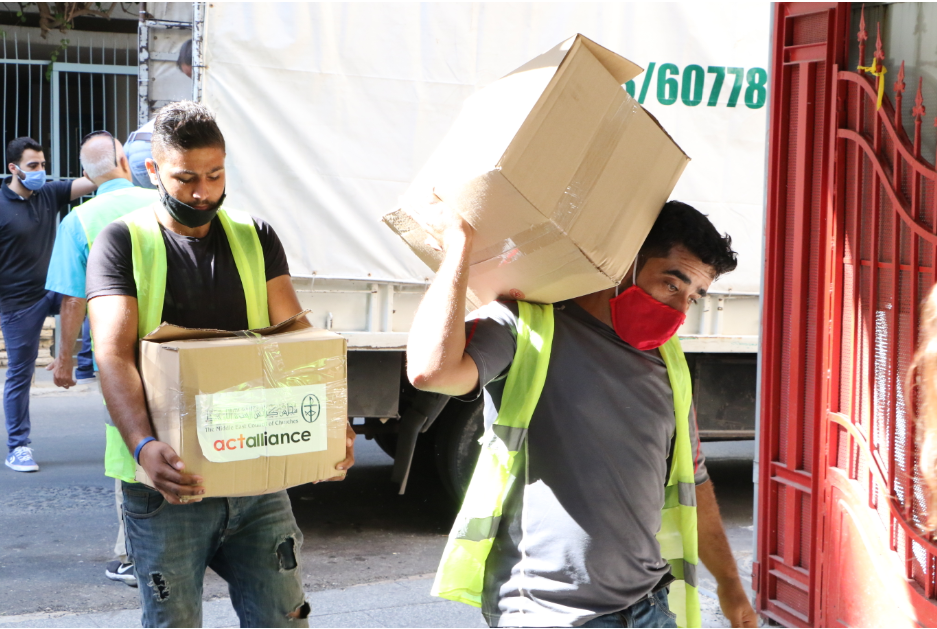
MECC continues its humanitarian mission in the wounded Beirut
Three months following the Beirut Blast, the Middle East Council of Churches (MECC) pursues its disaster relief work on the field. Therefore, the Department of Service and Relief - Diakonia provided a new batch of relief supplies to the member Churches, to be distributed accordingly to the poorest and most in need families.
The Syriac Catholic Church tends to the wounds of its parishioners after the catastrophe of the Beirut Blast on the 4th of August
More than a hundred days have past, after the Beirut Blast, and pain is still dominant on the Lebanese ground: Homeless families, unsafe homes, unavailable jobs, schools and hospitals still underequipped... A devastating collapse is reflected in a rise in the prices of food and necessary items.
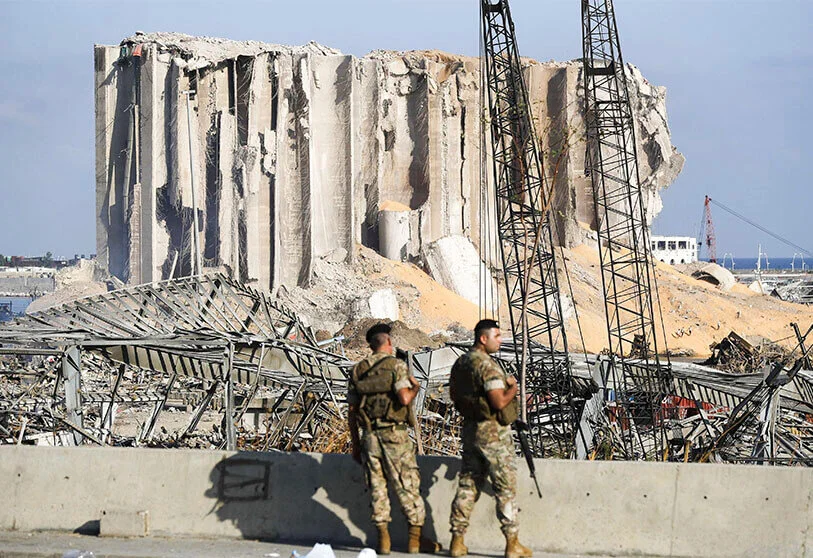
Investigations into the Beirut Blast are still inaccurate
What is new about it?
A 350-page report detailing the probable causes of the blast and those responsible for allowing it to occur, has been handed to the public prosecutor’s office but not made public. It drew on the investigations executed by Lebanon’s Intelligence Information Branch which is part of the Internal Security Forces.

Después de la explosión de Beirut, la música se dosifica para aliviar el sufrimiento de los afectados
Tania Kassis: Siempre debemos aferrarnos a la esperanza... Estoy segura de que mañana será un día mejor
Tres meses después de la explosión, los libaneses siguen hundidos en su tragedia como resultado de este desastre, que fue un golpe fatal que destruyó sus vidas y su futuro en segundos.
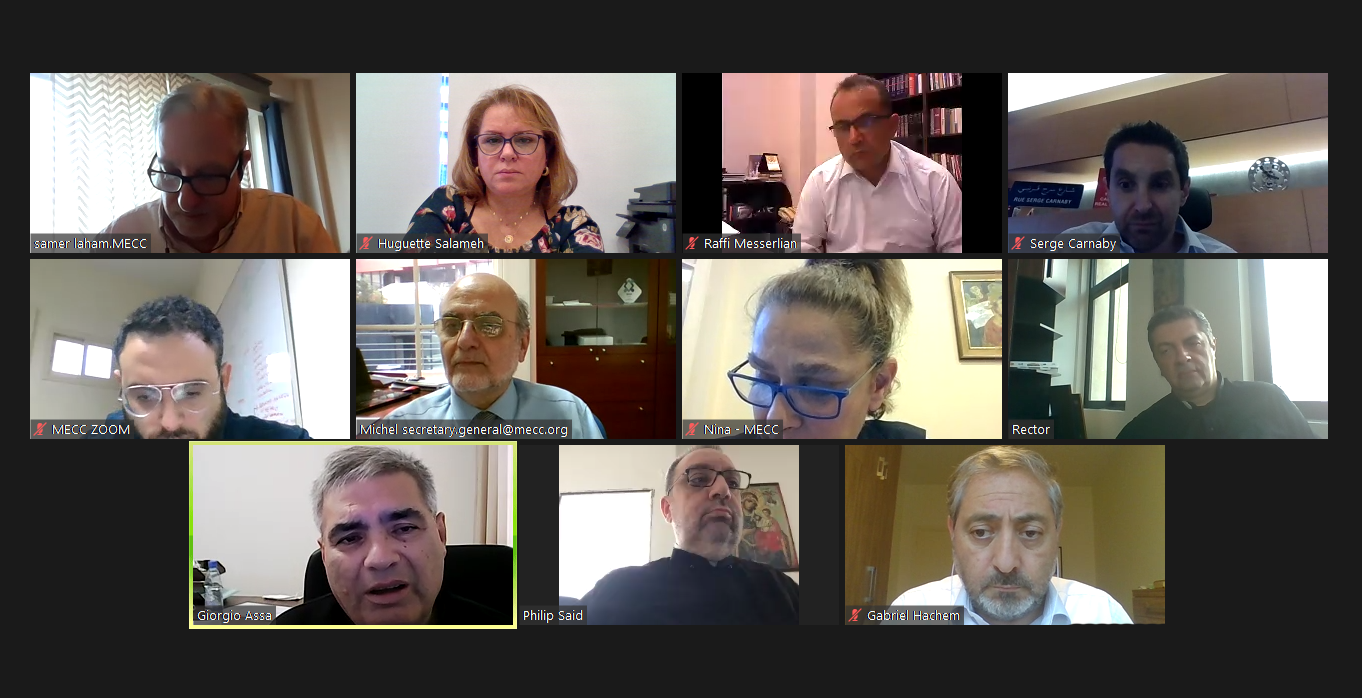
El Comité Ecuménico para el socorro de Beirut sigue coordinando el trabajo de socorro y de campo
Dr. Michel Abs: esta experiencia es única en la región
El Comité Ecuménico para el socorro de Beirut celebró su reunión ordinaria virtual para hacer un seguimiento del proceso de socorro que el Consejo de Iglesias del Oriente Medio (MECC) está dirigiendo en cooperación con representantes de las iglesias miembros, junto con un equipo de los diversos departamentos del Consejo.
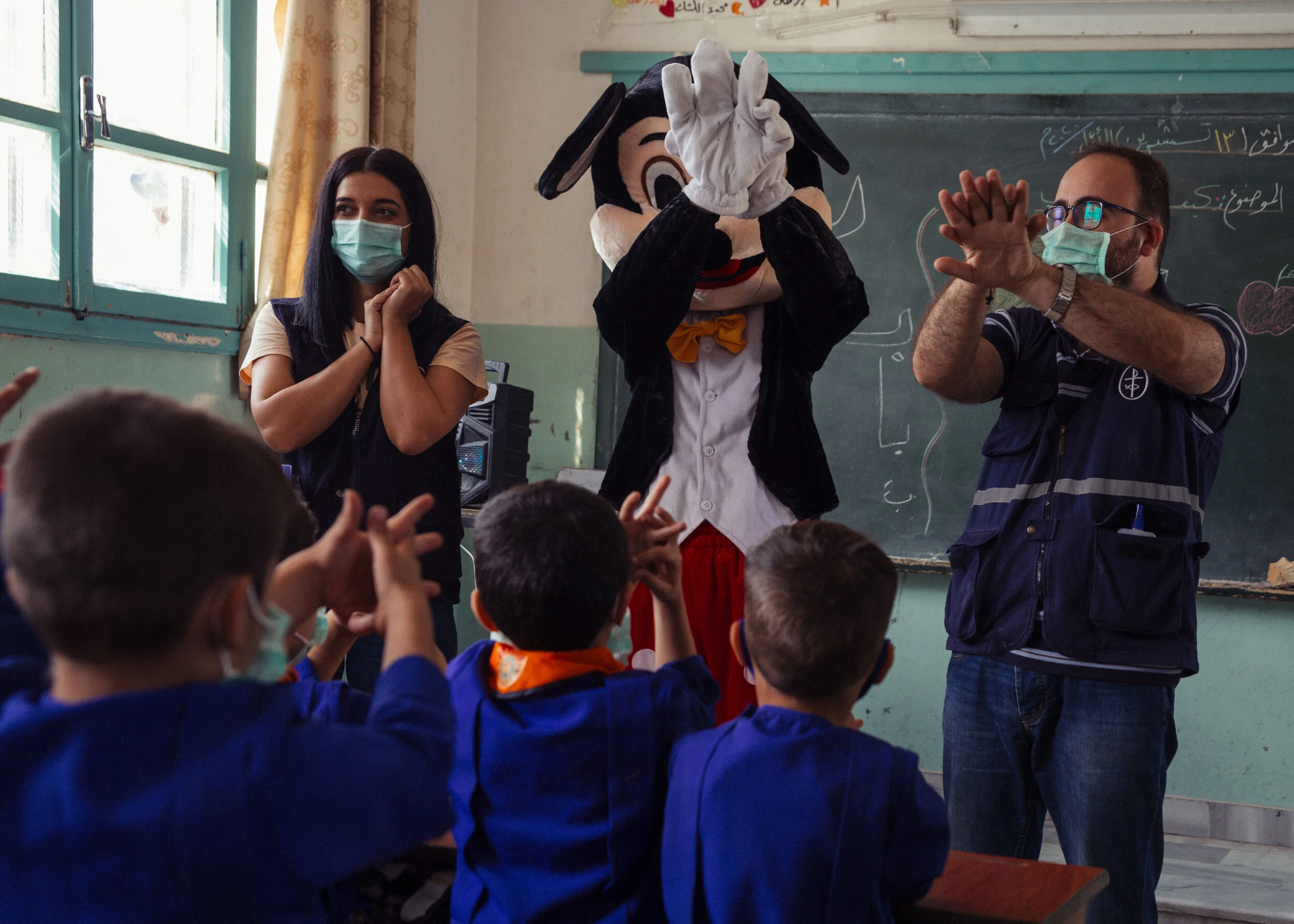
MECC is implementing awareness raising activities as precautions from the Coronavirus in Syria
As a part of its ongoing humanitarian work to develop health awareness among members of the society, the Middle East Council of Churches has carried out awareness-raising activities on how to prevent infectious diseases and to take precautions against the Coronavirus.

MECC Coronavirus (COVID 19) Weekly Report
Syria and Lebanon
Humanitarian Update
Reporting period: from 9 to 16 November 2020

Following the Beirut blast, music doses to ease the suffering of the affected
Tania Kassis: We should always hold on to hope... I am sure tomorrow will be a better day
Three months after the blast, the Lebanese are still sinking in their tragedy as a result of a disaster, which was a fatal blow that destroyed their lives and future in seconds. Their physical and psychological health was a calamity at a time when the country was already suffering from crucial crises. Ever since that fateful day, Beiruties continue to face great shock and depression, that is interpreted into painful psychological disorders and severe anger and despair; in addition to permanent health problems.
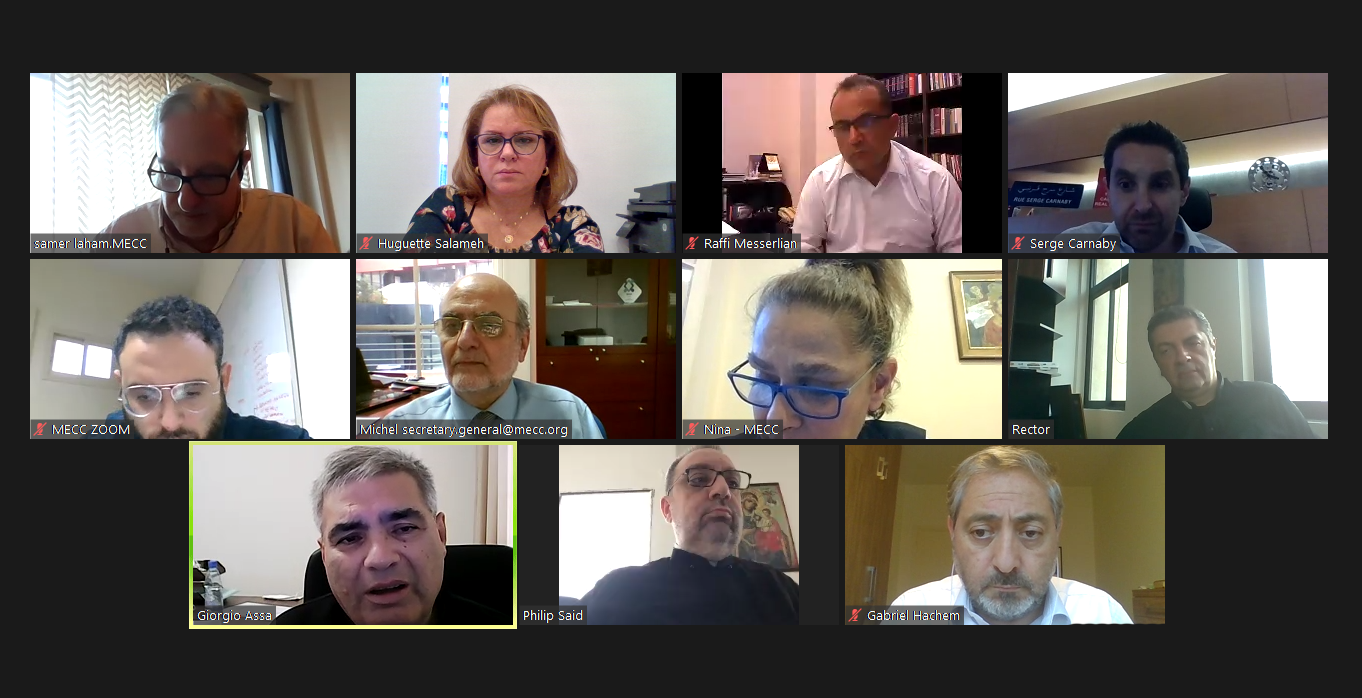
The Ecumenical Committee for the relief of Beirut is still coordinating the relief and field work
Dr. Michel Abs: this experience is unique in the region
The Ecumenical Committee for the relief of Beirut held its virtual regular meeting in order to follow up on the relief process that the Middle East Council of Churches (MECC) is leading in cooperation with representatives of the Member Churches, along with a team from the council’s various departments. The meeting was chaired for the first time by Dr. Michel Abs, the new MECC Secretary General, who praised this Ecumenical experience.
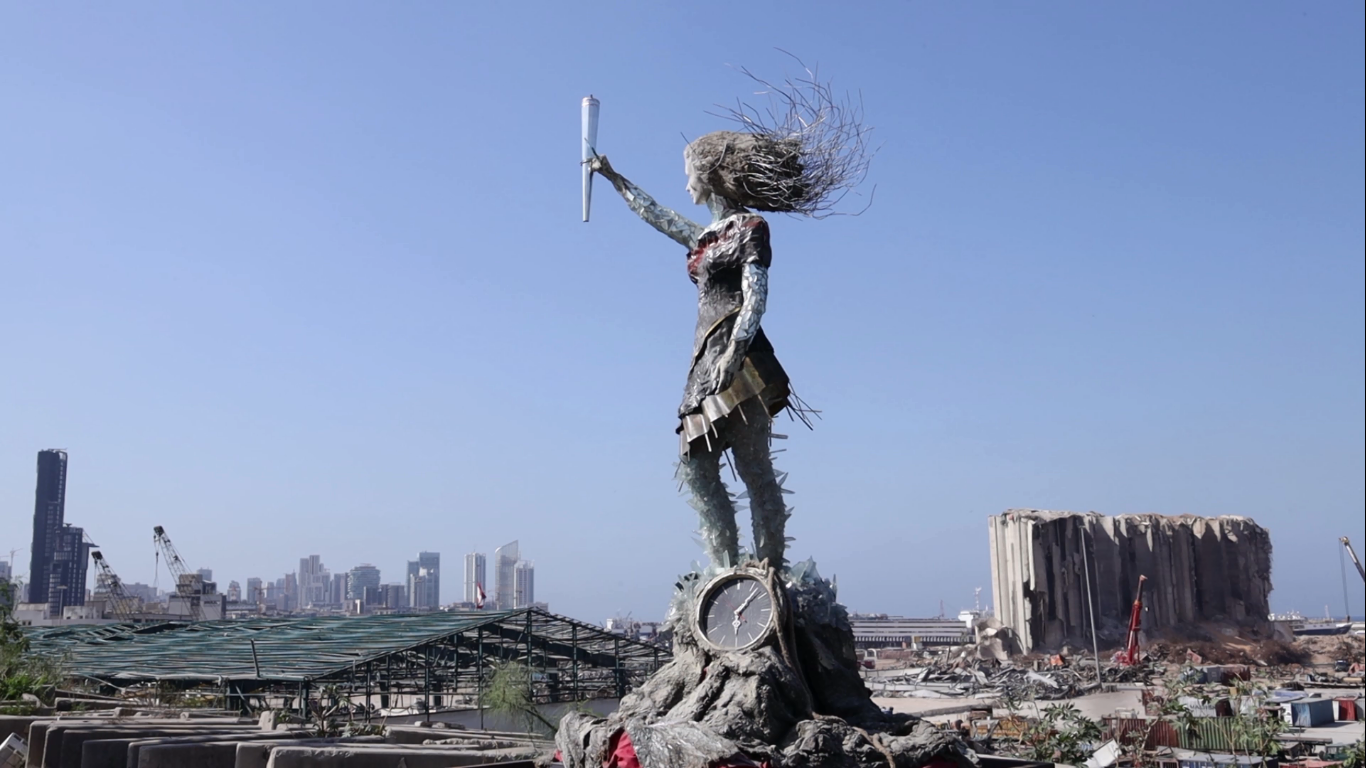
Beirut a Story of Hope
Today, Beirut needs more support from all the people who love it, so that it can rise from its ashes and return to life. This is the reality of the stricken city and its people 3 months following the blast, this reality was filmed in a video entitled "Beirut, a story of hope", as a salutation of peace and love to every Lebanese who was injured in the capital. This short documentary is a message of hope to the whole world. It is a joint work between the MECC Communication and Public Relations Department and the international organization "Kerk In Actie".
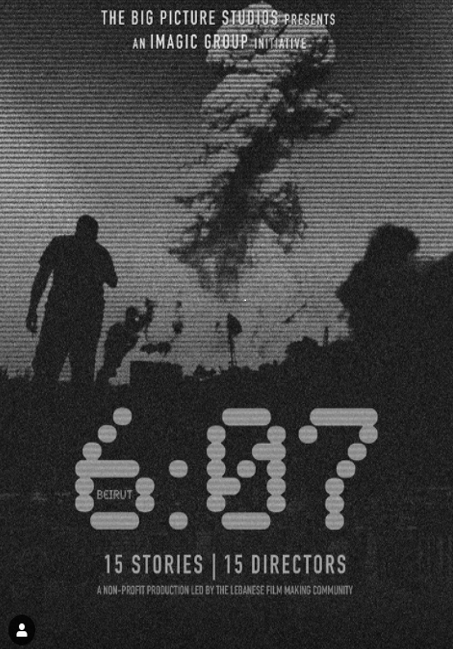
Lebanese film directors pay tribute to the Beirut blast victims and a new initiative will save the Lebanese education sector
A series of 15 short films depicting what occurred on the 4th of August has been released. Directors focused on the tales of survivors and backstories of the fallen victims. Several artists and filmmakers collaborated in this project, to immortalize the memory of the Beirut blast victims: “We tell their stories so they won’t be forgotten.”

MECC Coronavirus (COVID 19) Weekly Report
Syria and Lebanon
Humanitarian Update
Reporting period: from 2 to 9 November 2020
Episodio especial sobre el Consejo de Iglesias del Oriente Medio en el canal de televisión Charity TV
El canal de televisión Charity TV dedicó un episodio sobre el Consejo de Iglesias del Oriente Medio en el programa matutino "Hawa Al-Mahba", en el que arrojó luz sobre el mensaje del Consejo, sus programas y aspiraciones en varias áreas. El presentador del programa, Chárbel Zougheib, comenzó el episodio con una entrevista con el Secretario General Dr. Michel Abs, quien expuso su visión y sus proyectos futuros.
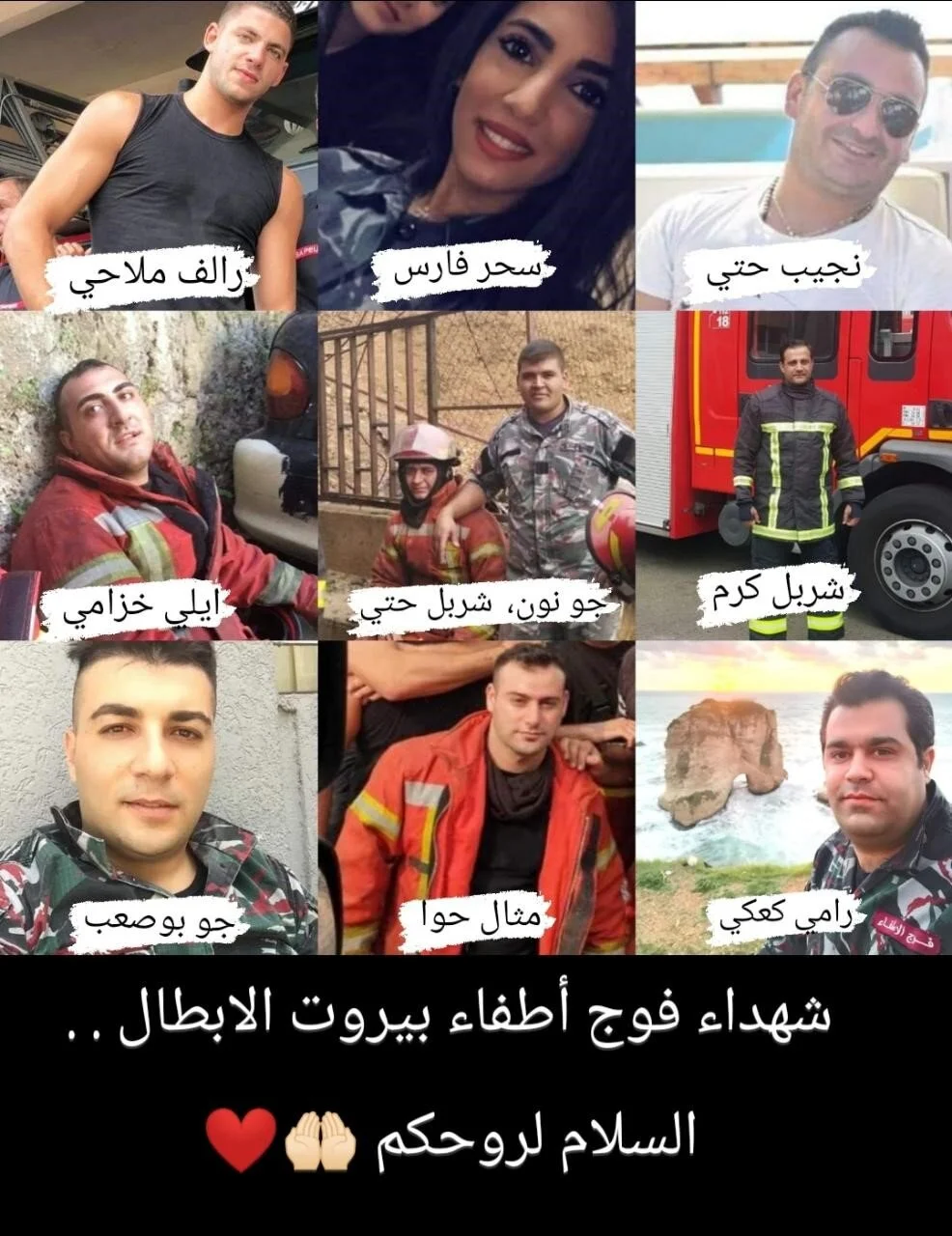
Tres meses después de la tragedia de Beirut, las partes extranjeras piden una investigación internacional transparente
Hace tres meses, la policía pidió a diez trabajadores del servicio de emergencia que respondieran a un gran incendio en el puerto de Beirut a las 17:55 horas. Sin embargo, no se les informó de las grandes cantidades de nitrato de amonio almacenadas en el puerto, a pesar de que varios altos funcionarios libaneses sabían de su existencia. A las 18:07 horas, el almacén que almacenaba los productos químicos explotó, matando a los bomberos y al paramédico, con un total de 190 personas muertas en la ciudad.