
MECC
The Marian Month: An Oasis of Prayer and Peace
Historical Traditions Honoring the Virgin Mary
Media of the Middle East Council of Churches (MECC)
“Hail, Mary! Full of grace, The Lord is with thee; Blessed are thou among women” (Luke 1: 28). Blessed are you, Mary, the greatest and holiest woman! Blessed is your obedience and the fruit of your womb! How great is your motherhood, full of grace!
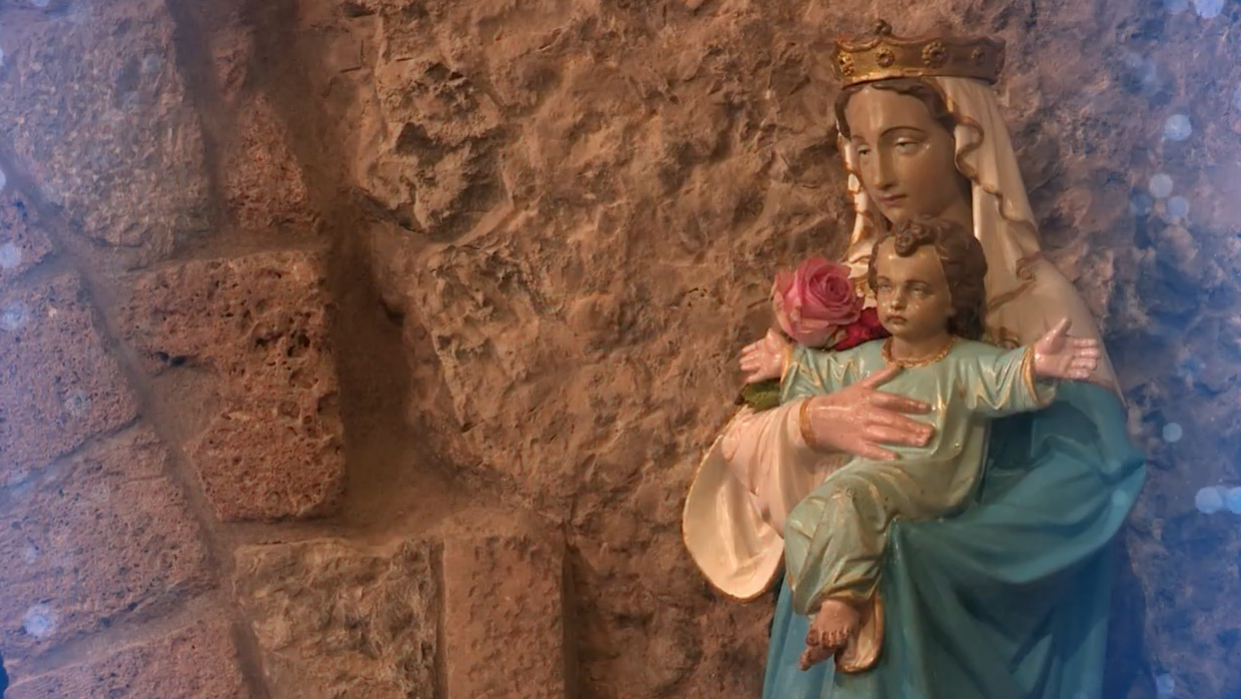
The Virgin Mary, the Mother of Jesus and the entire universe, is the Queen of Peace, the safe haven, and the source of all comfort and love. She accepted with all her heart God's will of salvation: "Behold, I am the handmaid of the Lord; let it be to me according to your word" (Luke 1: 38), becoming a model of purity, obedience, and holiness. The Mother of God and the Mother of Light is the savior from adversity, the pride of creation, and the ocean of gifts from which we draw all strength and hope.
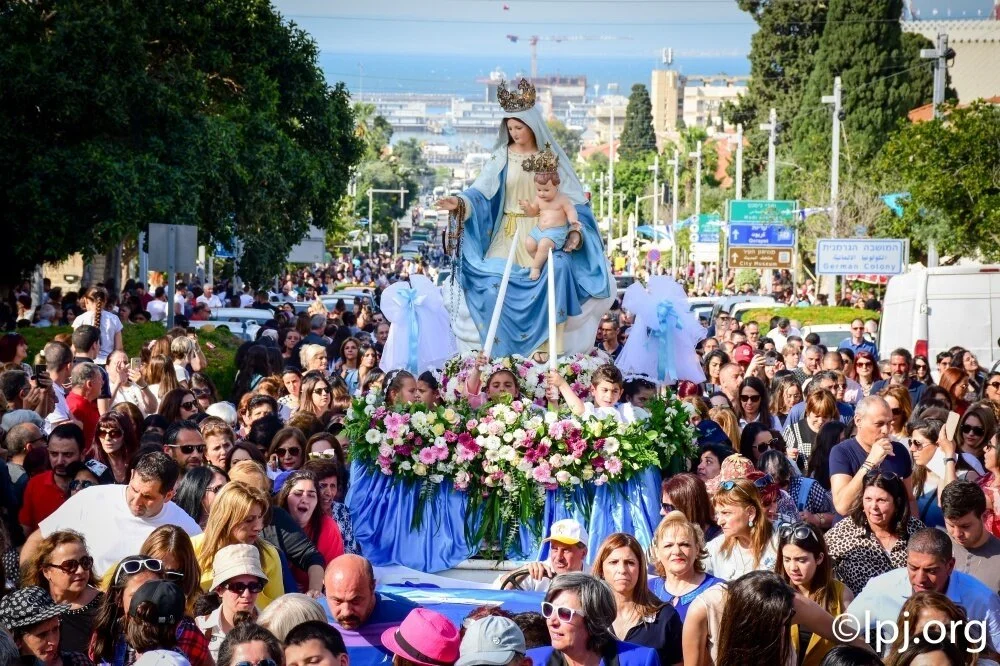
In honor of her and to glorify her love, the Catholic Church has dedicated an entire month to the Virgin Mary in May of each year. This month bears many Prayers and hymns to the Mother of God, asking for her protection and intercession. Believers flock to her Shrines to seek her blessing. This month is characterized by peace, hope, and purity, sowing joy, reassurance, and tranquility in the hearts of the believers.
But when does this special Marian Month begin?
Trauma Healing and Spiritual Counseling Program (THSC)
MECC Implements a Special Workshop in Egypt
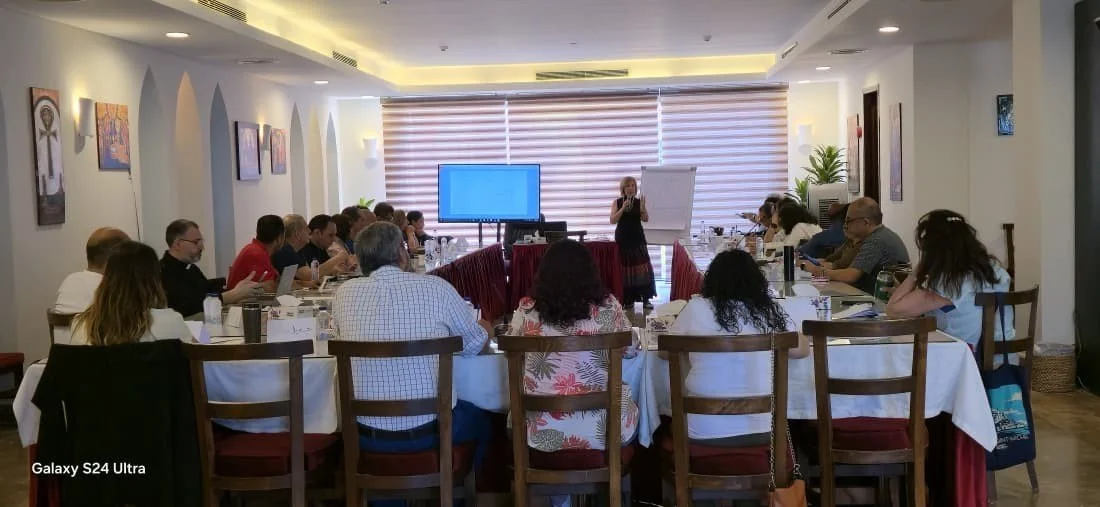
A Trauma Healing and Spiritual Counseling (THSC) workshop was successfully held in Egypt at the Papal Logos Center in Wadi El Natrun, bringing together 27 participants for a deeply meaningful and transformative experience.
The program was organized by the Theological and Ecumenical Department at the Middle East Council of Churches (MECC). Supported by a dedicated team of two spiritual accompanists, two psychologists, and coordinated by Sr. Emily Tannous, the workshop offered a safe and nurturing space for healing.
Each day was carefully designed to support both spiritual and emotional well-being. Mornings began with Prayer, reflection, and grounding, followed by interactive sessions exploring trauma, its impact, and pathways toward healing and resilience. Participants engaged in group discussions, personal sharing, and guided activities, fostering trust, openness, and connection.
Light of Hope | Awareness Sessions on Gender-Based Violence for Displaced People in Lebanon, Organized by MECC
In response to the urgent humanitarian conditions in Lebanon, and within the framework of the “Light of Hope” initiative it has launched, the Middle East Council of Churches (MECC), through its Diakonia and Social Service Department – Lebanon’s Office, continues its relief work on various field, material, and psychosocial levels, in order to support those affected by the war and provide assistance.
As part of its in-kind assistance, the Middle East Council of Churches contributes to accompanying displaced families psychologically and morally, with the aim of instilling hope in their hearts and reducing social issues that may arise from daily pressures.
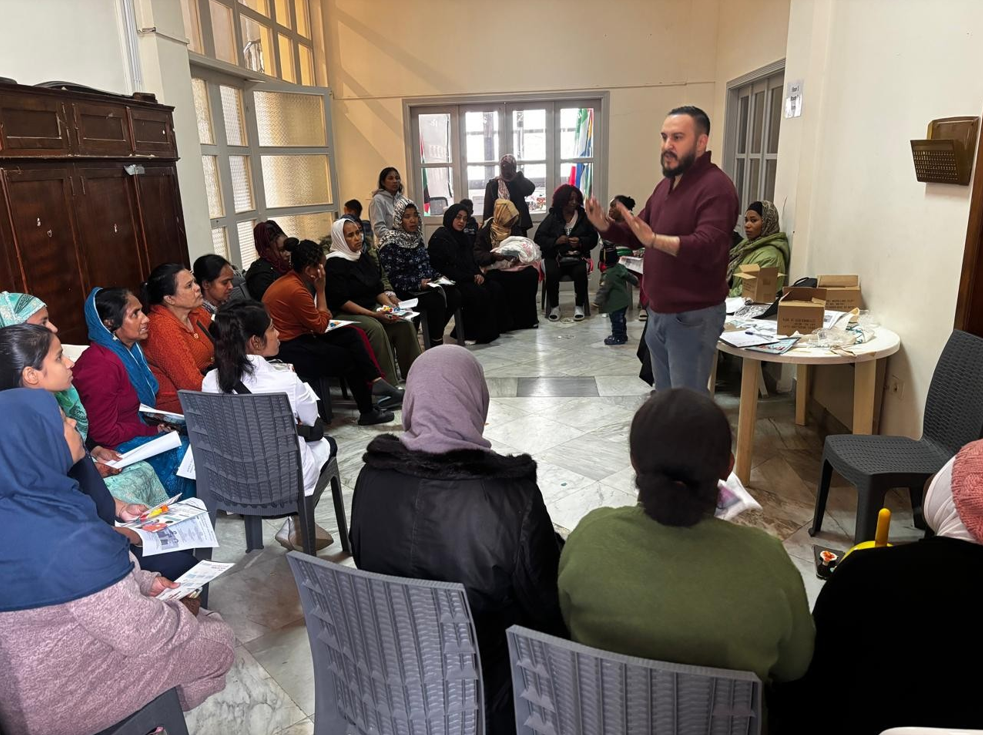
In this context, MECC implemented awareness sessions on gender-based violence (GBV) at the collective shelter in Achrafieh, at Saint Joseph Church, benefiting 45 displaced women and girls, alongside a recreational activity for children. This intervention was supported by the Norwegian Church Aid (NCA) organization in response to the protection needs of displaced populations.
Light of Hope | MECC Provides Diesel to Many Shelters in Lebanon to Ensure the Continuity of Its Essential Services
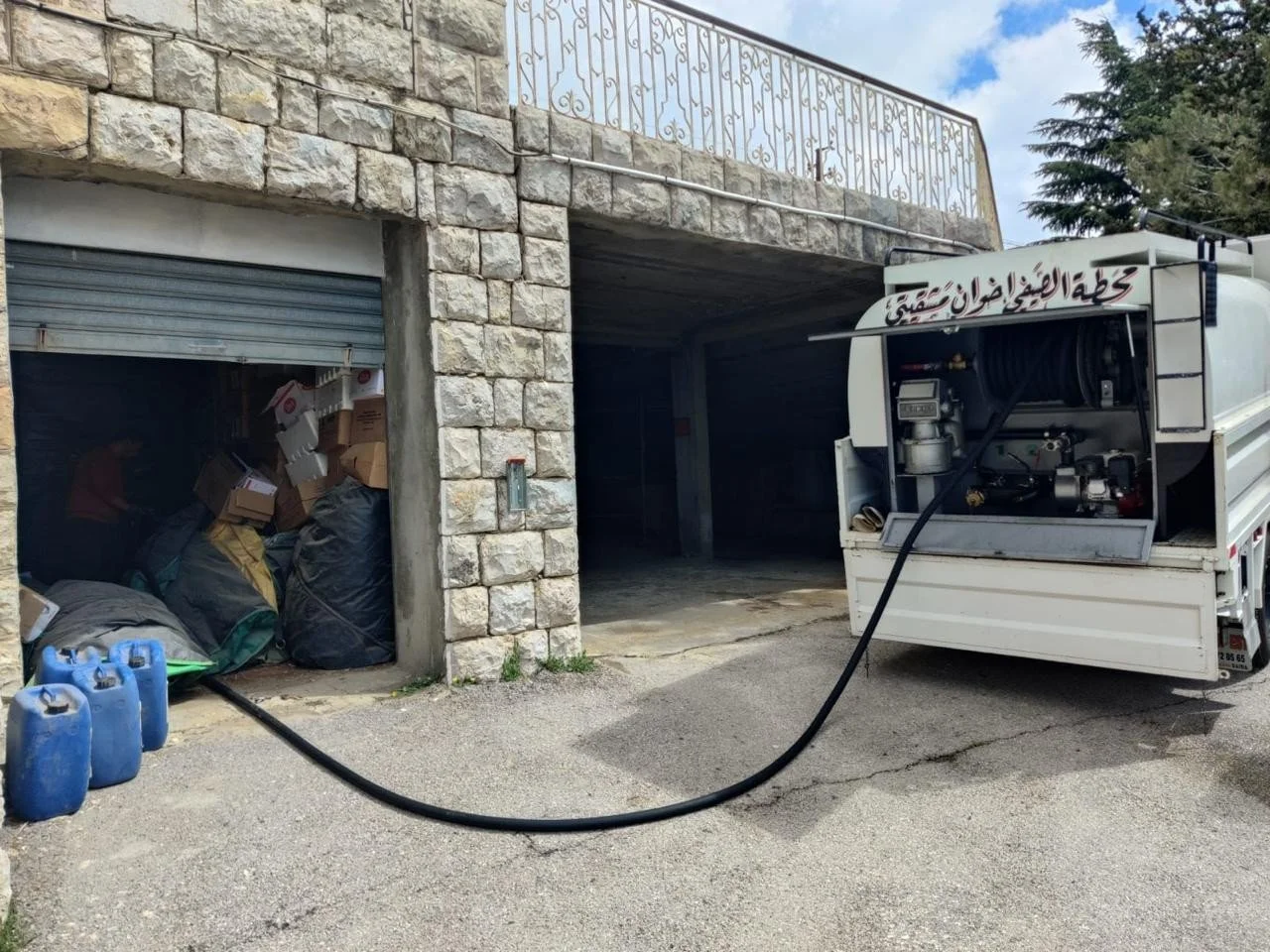
As part of the “Light of Hope” initiative launched by the Middle East Council of Churches (MECC) in response to the repercussions of the war in Lebanon, the MECC Diakonia and Social Service Department, Lebanon’s Office, distributed diesel to collective shelters and municipalities in the South, Beirut, and Mount Lebanon. This intervention aided displaced populations and responded to urgent needs related to electricity and basic service provision. It was supported by the Evangelical Lutheran Church in Hannover (ELCH) and the Evangelical Lutheran Church in America (ELCA) and aimed to help maintain essential operations in sites hosting displaced families.
The provision of diesel contributed to powering generators used for lighting, water pumping, and other critical services, supporting adequate living conditions within shelters and easing pressure on municipalities managing high numbers of displaced individuals.
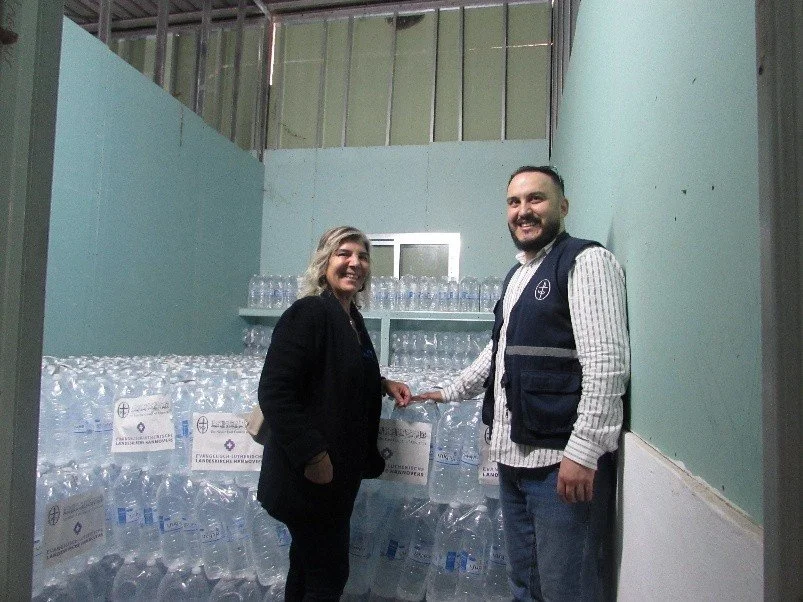
Light of Hope | MECC Eases the Burden of Daily Challenges on Displaced Families in Lebanon through the Distribution of Safe Drinking Water
While the humanitarian circumstances in Lebanon continues to worsen daily due to the repercussions of the war, which has led to the displacement of many families across the country, the will to live remains stronger, and the determination of the Lebanese people to persevere continues to be the greatest motivation to face all challenges.
The Middle East Council of Churches (MECC) has launched the “Light of Hope” initiative in response to the humanitarian situations in Lebanon and continues its field support for the most affected families, in order to help them overcome life’s hardships with hope.
As part of the assistance provided to displaced persons, the MECC Diakonia and Social Service Department, Lebanon’s Office, distributed water bottles to 1,400 beneficiaries across several locations, including two collective shelters. This intervention was supported by the Evangelical Lutheran Church in Hannover (ELCH) in response to the ongoing needs of families affected by displacement and to enhance access to safe drinking water.
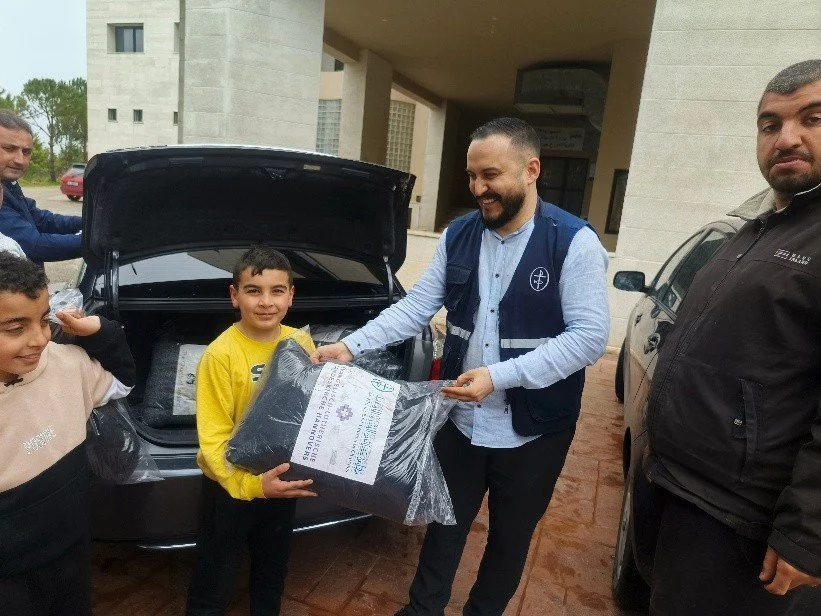
Light of Hope | MECC Contributes in Distributing Blankets to Families Displaced by the War in Lebanon
Amidst the difficult circumstances that the people of Lebanon are facing due to the repercussions of the war that have heavily burdened them, the Middle East Council of Churches (MECC) continues its relief and field work to ease the suffering of the most vulnerable and affected. This comes within the framework of the “Light of Hope” initiative, which MECC launched in response to the challenging humanitarian situations in the country.
In this context, the MECC Diakonia and Social Service Department, Lebanon’s Office, continues to distribute in-kind assistance to meet urgent needs, particularly in collective shelters that have received large numbers of displaced people.
Recently, winter blankets were distributed to 700 beneficiaries from displaced families across several locations, both inside and outside collective shelters. This intervention was supported by the Evangelical Lutheran Church in Hannover (ELCH), with the aim of assisting families affected by displacement and helping them overcome the daily challenges that they surround them.
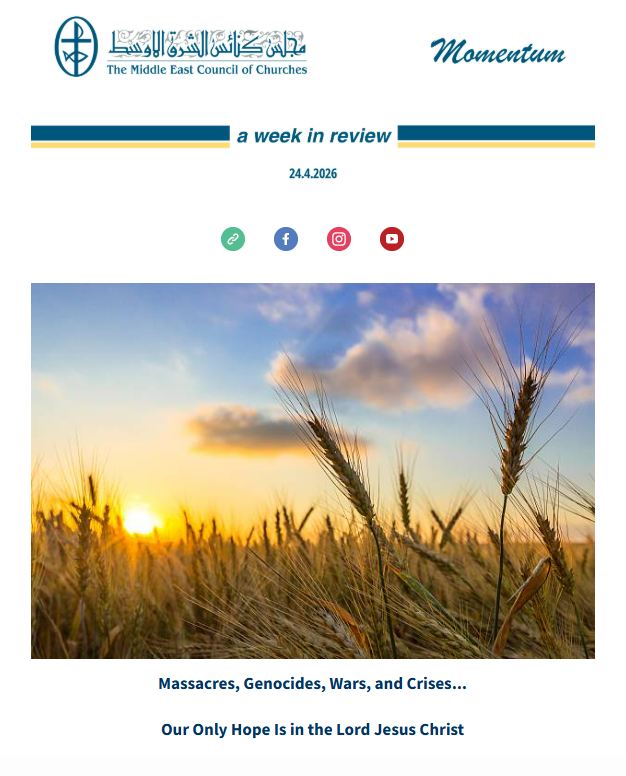
The Middle East Council of Churches (MECC) Issues Its Weekly Newsletter
“Momentum”
24-4-2026
This issue includes reports, videos, news, articles, and a full coverage of the latest developments of the Middle East Council of Churches (MECC), as well as the Church, Ecumenical, and social events…
This is in addition to the weekly word of the MECC Secretary General Professor Michel Abs which is entitled in this issue "Demonization and Hate Speech: Between Discourse and Practice". It is the word that Professor Abs delivered at the webinar organized by MECC under the title “Public Discourse in Wartime: Towards Dialogue to Reduce Hate”, as part of the “Light of Hope” initiative, on Wednesday 22 April 2026.
You can check the issue via the following link: https://mailchi.mp/cc11a8be5c81/momentum-mecc-weekly-newsletter.
You can also subscribe to the Momentum Newsletter via the following link:
https://mecc.us14.list-manage.com/subscribe?id=fd3381352a&u=1db32cafe9ea32b38eb90480a.
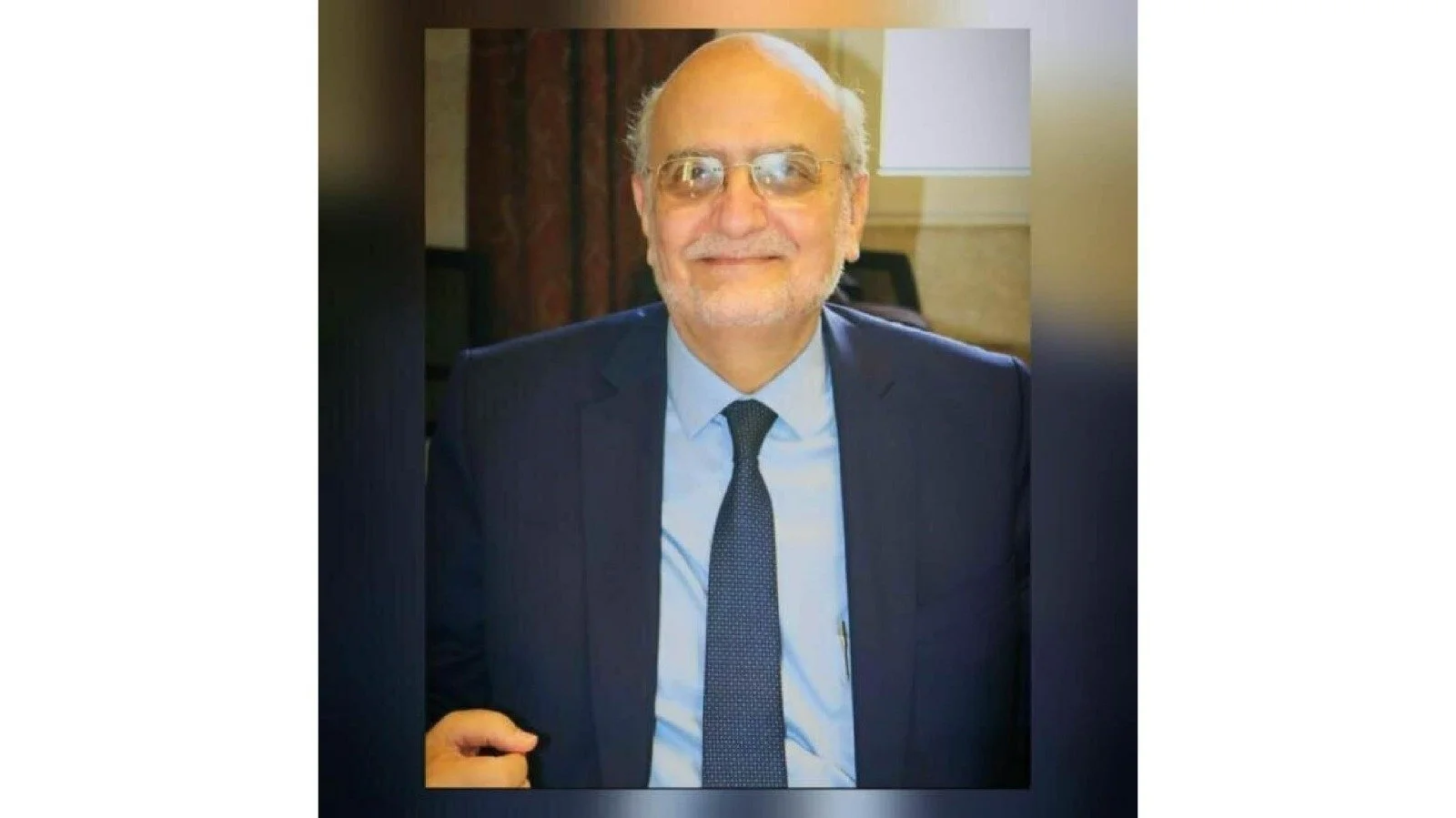
Demonization and Hate Speech: Between Discourse and Practice
Professor Michel Abs
The Secretary General of the Middle East Council of Churches (MECC)
In an era where social media has become an integral part of our daily lives, negative phenomena have emerged with significant impacts on societies and individuals, the most dangerous of which are demonization and hate speech. These phenomena are not merely words on a screen or circulating images; they have a real capacity to alter our perceptions of others, create distorted stereotypes, and reinforce prejudices, leading to the emergence of violent and dangerous social behaviors.
Religions have addressed this phenomenon sternly and warned humanity against falling into this deadly trap, yet this scourge has accompanied humankind throughout history.
Demonization (dehumanization) is the process of turning a person or a group of people into beings considered less human—whether in rights, emotions, or moral value. In other words, when a certain group is treated as “less human,” it becomes easier for individuals or groups to exercise violence or discrimination against them because they are no longer seen as fully human.
Both ancient and modern history are full of examples of demonization, whether in wars, colonization, or periods of racial discrimination that afflicted many societies.
In wars, aggressor groups often use language that diminishes human value, labeling people as “monsters,” “mindless enemies,” “primitives”, or “backward”, which facilitates killing civilians or treating them mercilessly. During colonization, portraying colonized peoples as less intelligent or less cultured justified their exploitation and the plundering of their wealth. In the modern era, demonization appears online, where images, videos, or memes diminish the value of specific groups, whether for racial, gender, social, or political reasons.
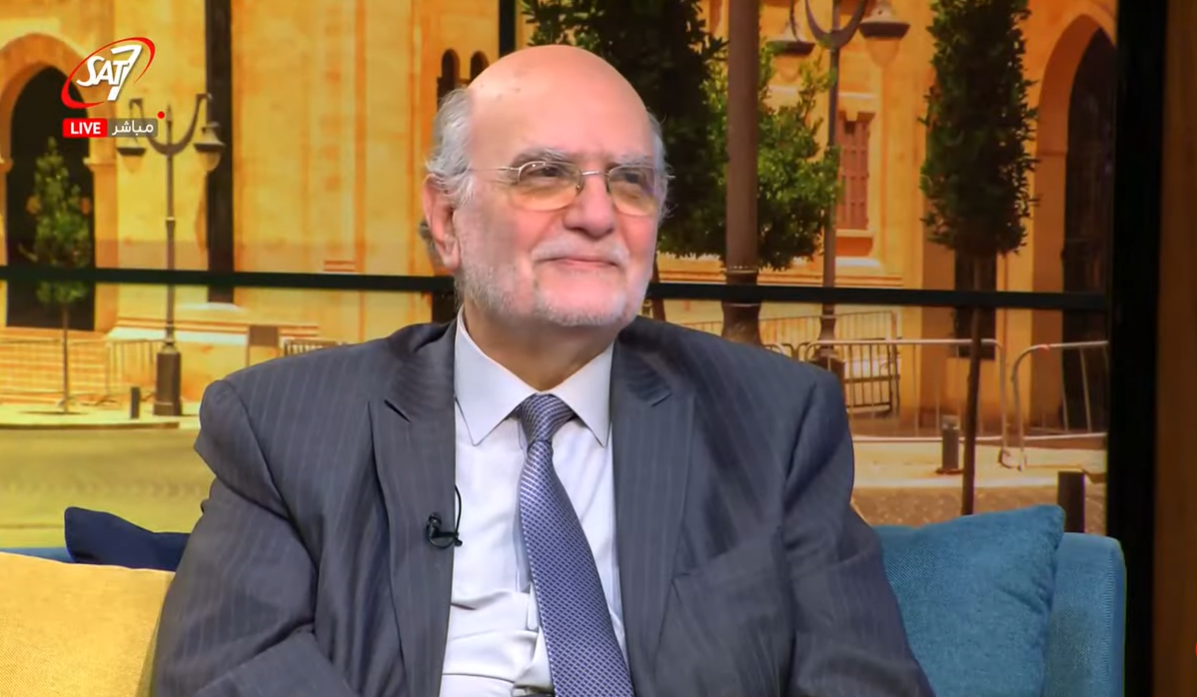
Video - The MECC Secretary General Professor Michel Abs in an Interview on SAT7 TV Channel
Highlighting the Seminar "Public Discourse in Wartime: Towards Dialogue to Reduce Hate"
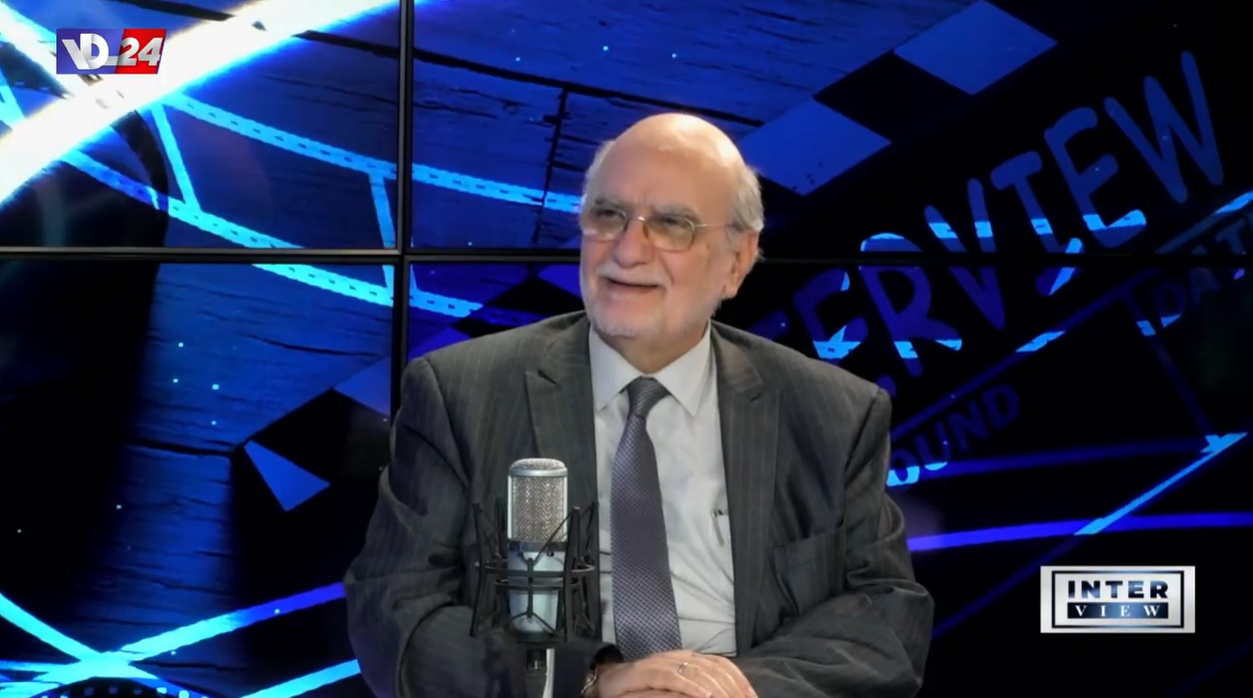
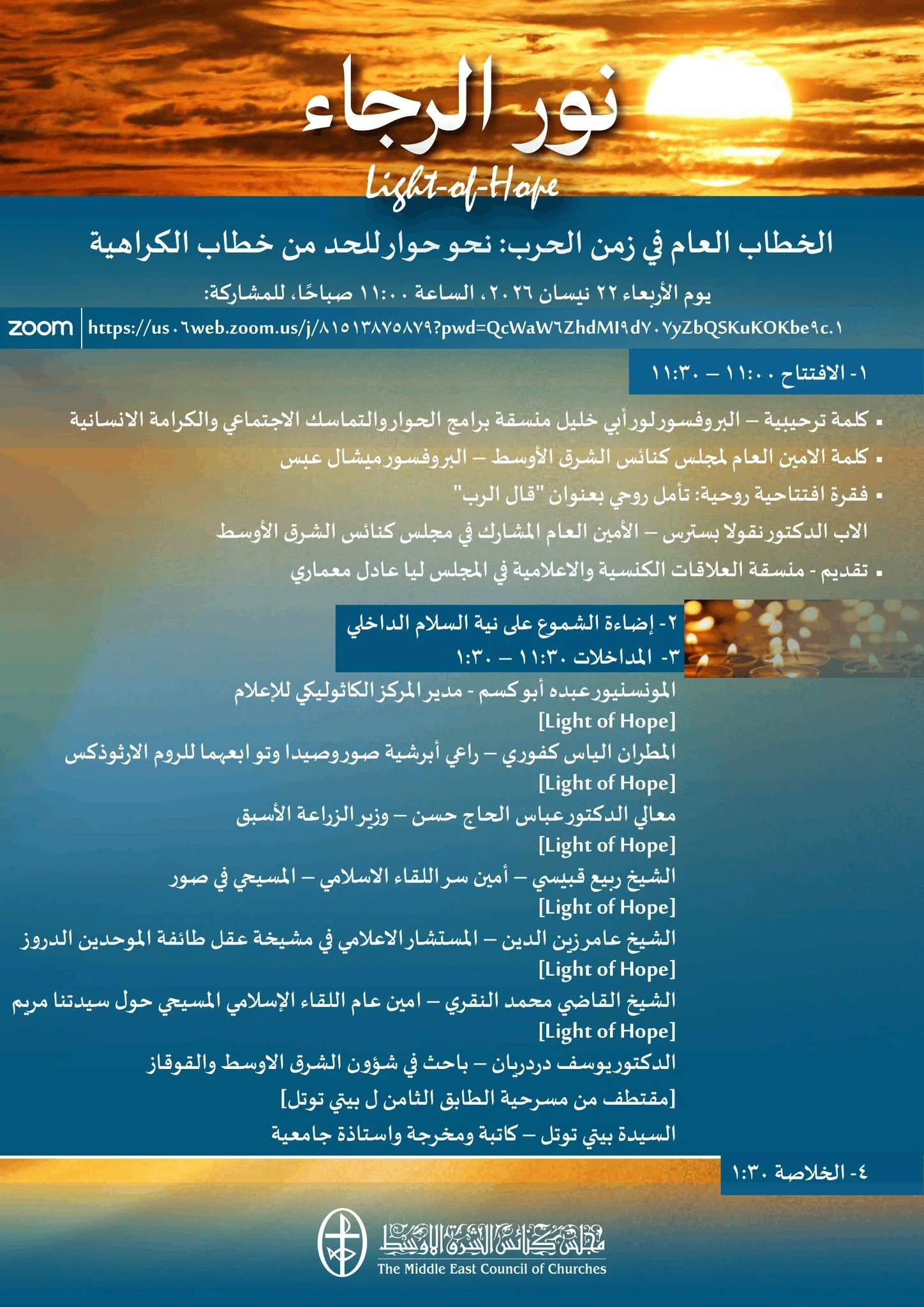
Video - Webinar of Public Discourse in Wartime: Towards Dialogue to Reduce Hate
Organized By MECC
The Middle East Council of Churches (MECC) organized a seminar entitled “Public Discourse in Wartime: Towards Dialogue to Reduce Hate” as part of the “Light of Hope” initiative, which MECC launched in response to the serious security developments in Lebanon and the Middle East. The initiative also covers the MECC ongoing humanitarian, field, and relief work and updates.
The seminar was held at the MECC Platform of the Word, with an online participation from Religious and Spiritual Leaders, intellectuals, and experts from various fields and sectors of life. It aimed to highlight the importance of the proper use of language, words, and discourse in building peace, especially amid escalating conflicts. It also stressed the need to overcome hate speech, promote values of love, dialogue, and respect, and strengthen a culture of dialogue and encounter among the diverse components of society.