
MECC
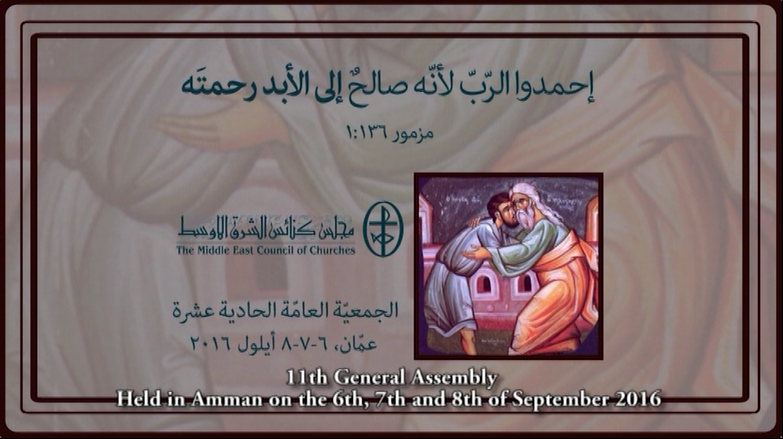
Video: MECC 11th General Assembly
In the video, you can find footages and photos from the 11th General Assembly, that took place in Amman, Jordan between the 6th and 8th September 2016, in addition to the speeches of the presidents and participants.
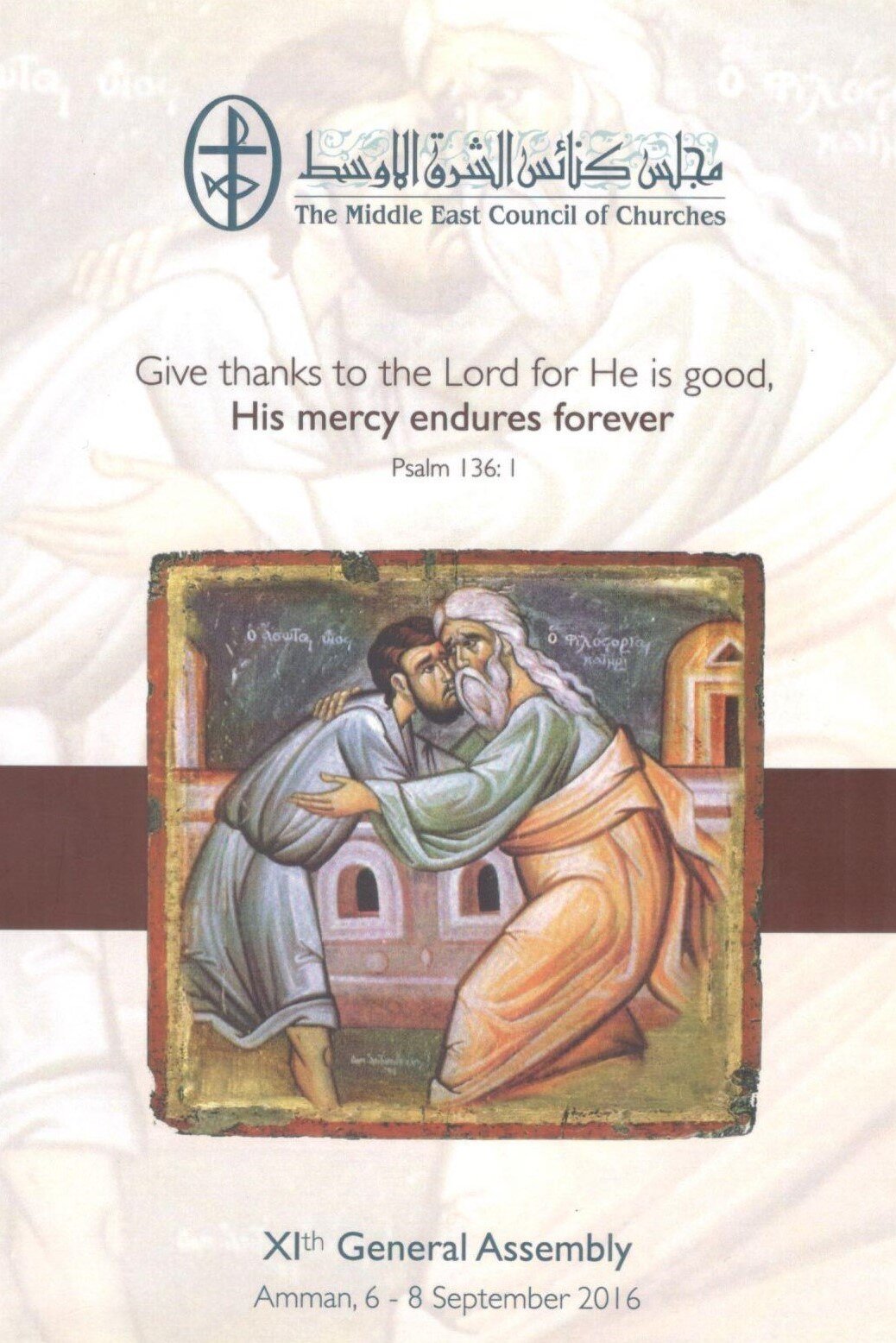
Final Statement of the 11th General Assembly of the Middle East Council of Churches
Each General Assembly issues a final statement that includes suggestions, recommendations and decisions taken during the meeting. In this text, you can find the final statement of the 11th General Assembly which took place in Amman, Jordan between the 6th and 8th September 2016, under the theme of: "Praise the Lord for His mercy is forever good”.
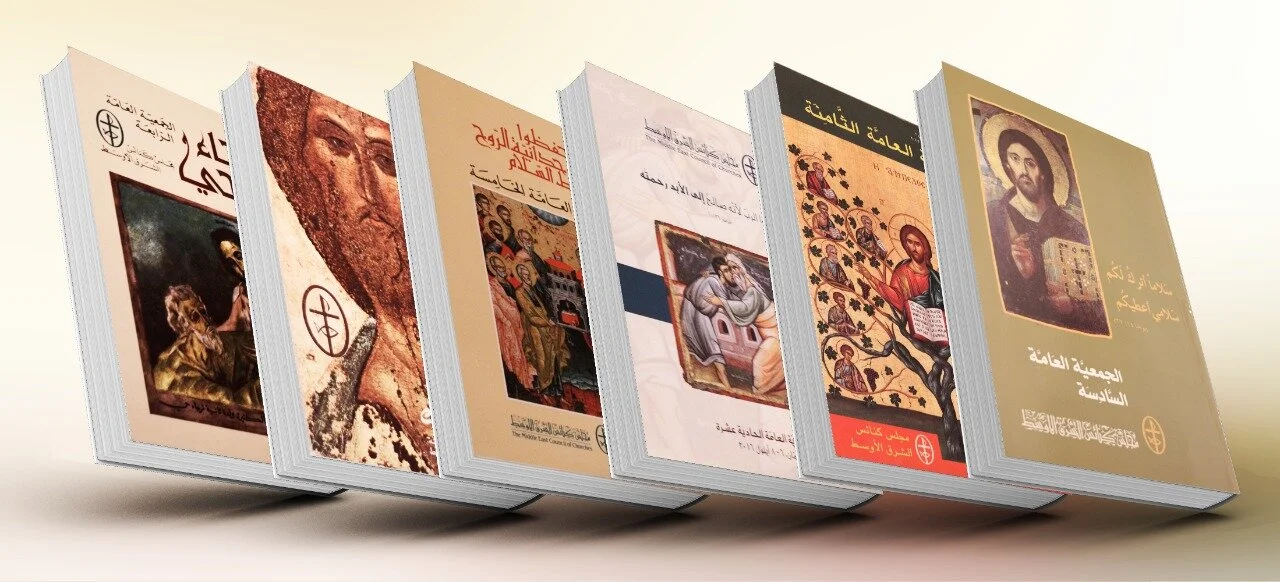
The Middle East Council of Churches' General Assemblies
The Middle East Council of Churches has held 11 General Assemblies till now: 8 in Cyprus, 2 in Lebanon, and one in Jordan. In this text, you can find main information about these assemblies such as their themes, dates, locations, and the General Secretaries who were elected at each one of them.
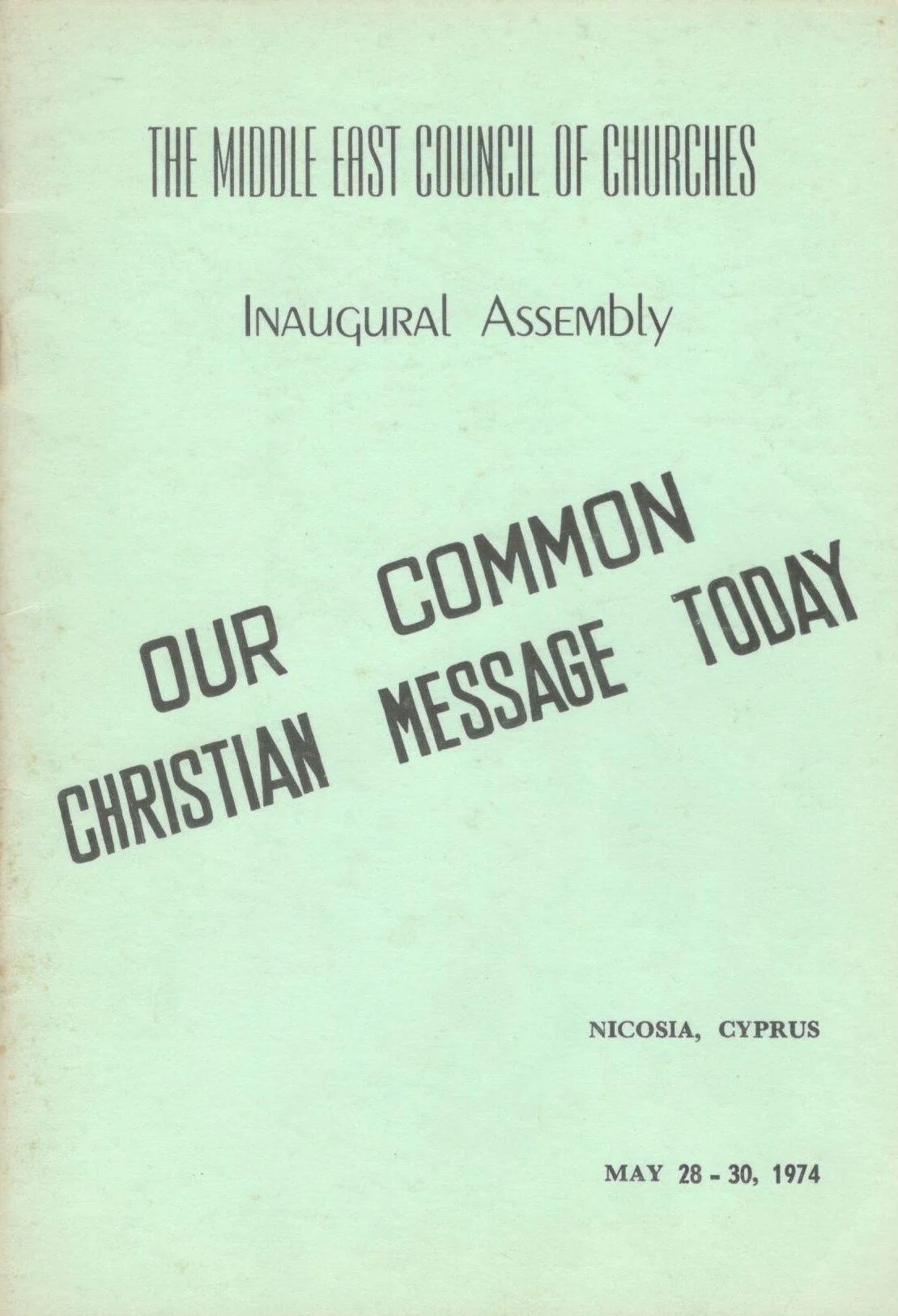
The Birth of the Middle East Council of Churches: The Dawn of a New Era in Middle East Churches
MECC’s first General Assembly, which took place in 1974, was an inaugural meeting during which the council was founded. In this text, you can find the decisions that were taken during the meeting and important excerpts from the statements of MECC presidents at that time.
MECC General Assemblies Bylaws
The General Assembly is the supreme authority of the Middle East Council of Churches. The council holds a general assembly in accordance to its bylaws which legally organize the assembly’s meetings, its composition, its sub-committees and the conduct of work. In this text, a detailed clarification of these laws is provided.
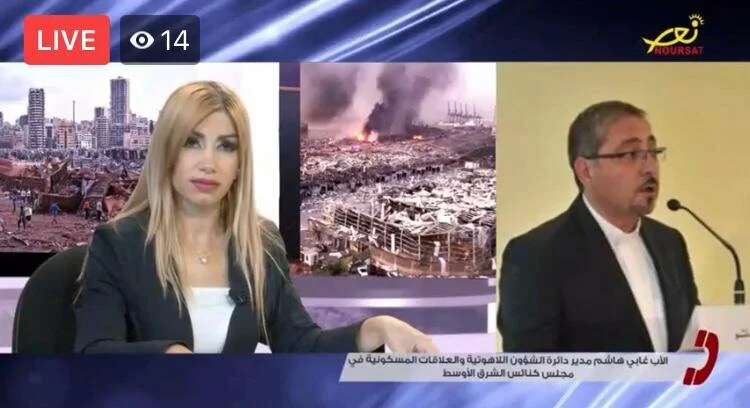
Interview on Télé Lumière and Noursat with Fr. Gaby Hachem, Director of the MECC Theological and Ecumenical Department, focusing on MECC Beirut appeal
Télé Lumière - Noursat dedicated a weekly segment for the Middle East Council of Churches every Thursday in "AL Nour Maana" show, to discuss the latest updates regarding the MECC appeal as well its relief and development projects in Beirut.
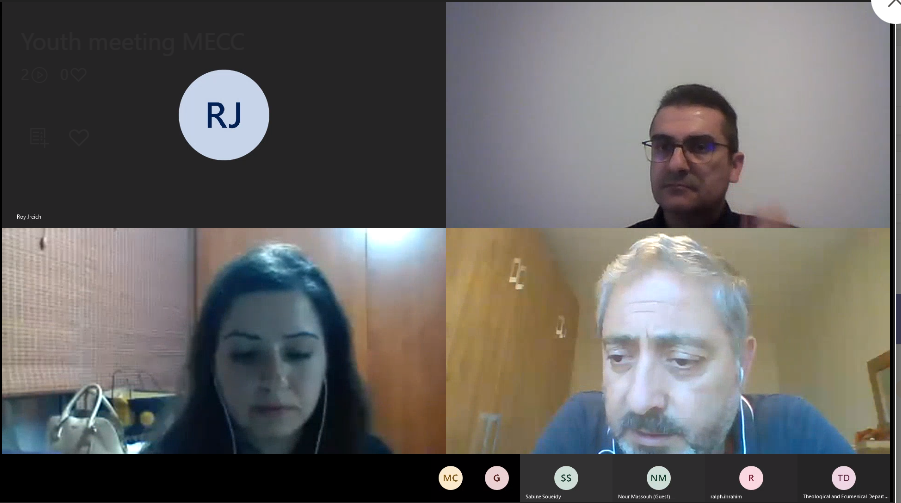
MECC Is Working on Launching an Ecumenical Youth Platform
On Tuesday 25 and Wednesday 26 August, the MECC Theological and Ecumenical Department (TED) held two virtual meetings with around 17 young people from various churches in Lebanon. These two gatherings were a follow-up to the youth consultation seminar held by the Middle East Council of Churches (MECC) on the 11th of July 2020, within the “Kairos Middle East: Towards Churches Global Compact” process.
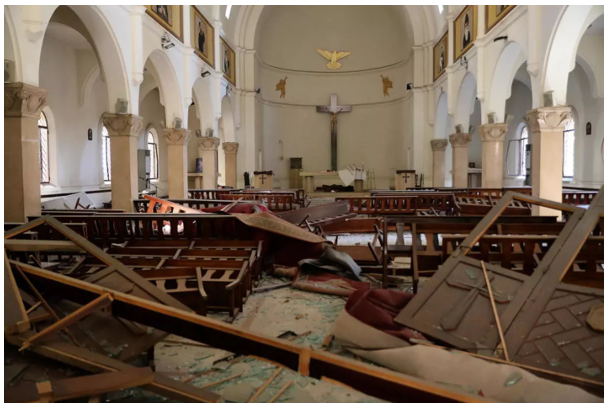
Beirut and its Churches Cry Out in Pain
3 weeks have passed since the Beirut port explosion, and Lebanese people are still facing the repercussions of this disaster, which left great material and moral damage. For 22 days, the Lebanese were constantly struggling and exerting tireless efforts to rebuild their capital Beirut, which has been undergoing several crises for years. The process of removing shattered glass, wood and debris has been ongoing in public and private properties as well as in churches and their affiliated institutions. However, the losses and damages are still substantial, especially in churches, hospitals and schools.
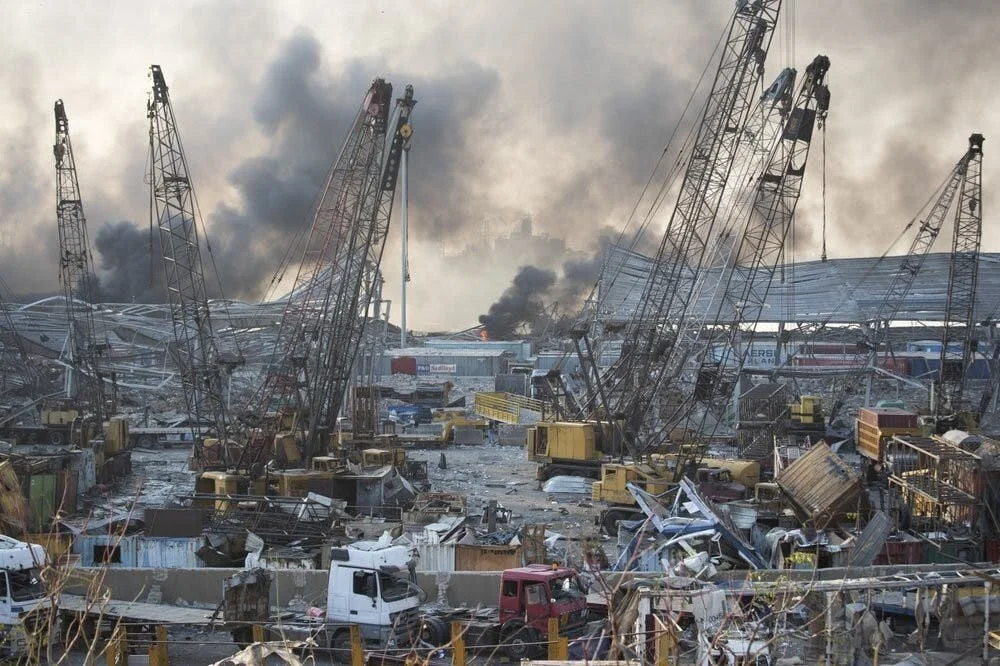
The August 4 Beirut Blast
Latest updates and humanitarian response
Reporting Period: From 5 to 26 August 2020
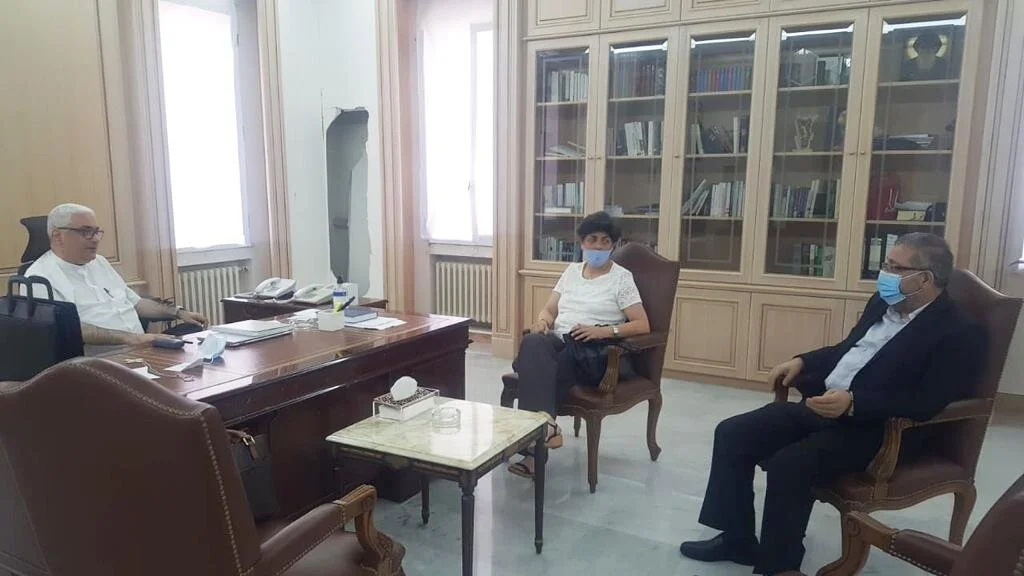
A Delegation from MECC Visits the Heads of the Damaged Churches in Beirut
SG Dr Bechealany: “We have issued an appeal to help the devastated city of Beirut and its distressed people”
In the wake of the Beirut Port explosion that occurred on August 4, 2020 and resulted in massive destruction and damage to public and private properties, as well as to churches and their institutions, Dr. Souraya Bechealany, Secretary General of the Middle East Council of Churches (MECC), visited the council's member churches in Beirut.
MECC Coronavirus (COVID 19) Weekly Report
Syria and Lebanon
Humanitarian Update
Reporting period: from 17 to 24 August 2020

Declaración Del Consejo De Iglesias Del Medio Oriente A Las Iglesias Del Mundo Y Sus Instituciones
El apoyo a la devastada ciudad de Beirut y a su angustiada gente
¡Cristo, en verdad, ha resucitado! Durante dos mil años, los cristianos de Oriente Medio han estado proclamando continuamente la Resurrección de Cristo para expresar al mismo tiempo su fe y su enfrentamiento con la muerte, la mayor amenaza para la humanidad y la creación. Debido a su vivacidad religiosa, cultural y comercial y a su presencia en el corazón del mundo antiguo, su región no fue realmente testigo de la verdadera paz, excepto en períodos intermitentes. De hecho, era en la mayoría de los casos, una encrucijada, un lugar de encuentro y punto de partida por un lado, y una arena para conflictos y confrontaciones por el otro. Debido a los furiosos conflictos y guerras, durante más de medio siglo, el Oriente Medio ha sufrido tremendamente la violencia, el extremismo y la matanza, desarraigando a sus habitantes de sus tierras y desplazándolos, alterando su destino y socavando la dignidad humana.
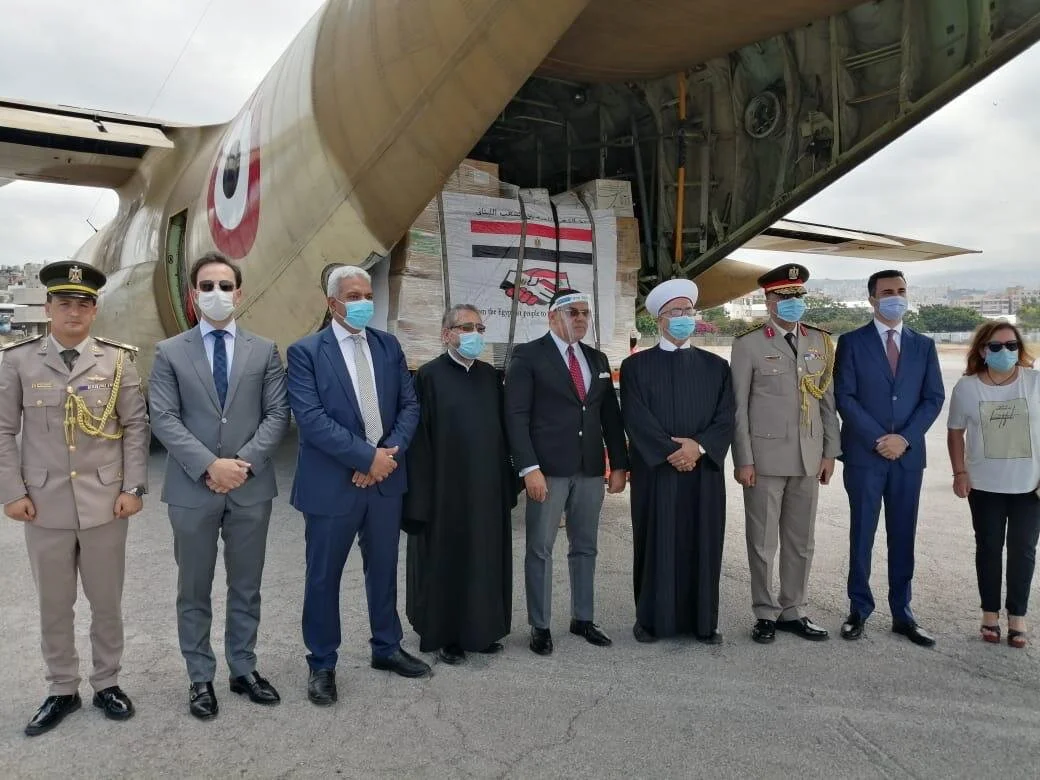
The first fruits of the MECC appeal to provide relief to Beirut and its citizens
His Holiness Pope Tawadros II sends Humanitarian aid, via Egyptian military aircrafts
In a gesture of love and solidarity and as an expression of brotherhood between the Egyptian and Lebanese citizens, His Holiness Pope Tawadros II, Pope of the Coptic Orthodox Church of Alexandria answered the MECC Beirut appeal in response to the Port Explosion, which occurred on the 4th of August, by relieving the devastated Beirut and its afflicted people. This first contribution was a shipment of food aid and medicines transferred to Beirut airport on board two military aircrafts that arrived through a military airlift by the order of Egyptian President Mohamed Abdel Fattah El-Sisi to send aid from Egypt to Beirut.

The Middle East Council of Churches’ Statement to the Churches of the World and to Its Partners
Support to the devastated city of Beirut and to its distressed people
Christ is risen indeed He is risen! For two thousand years, Christians in the Middle East have been continuously proclaiming Christ’s Resurrection to express at the same time their faith and their confrontation with death, the greatest threat to humanity and creation. Due to its religious, cultural and commercial vivacity and its presence in the heart of the ancient world, their region did not really witness true peace except for intermittent periods. In fact, it was in most cases, a crossroad, a meeting place and starting point on the one hand, and an arena for conflicts and confrontations on the other. Due to raging conflicts and wars, for more than half a century, the Middle East has tremendously suffered violence, extremism and killing, uprooting its inhabitants from their lands and displacing them, tampering with their fate, and undermining human dignity.
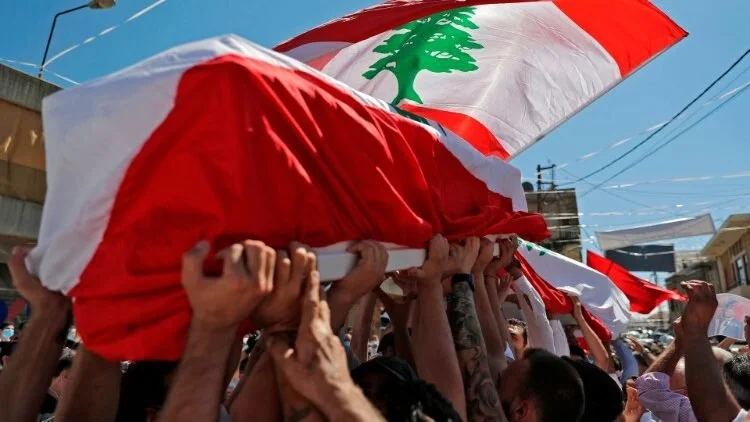
L'appel des Églises du Moyen-Orient à ne pas oublier le Liban
Après l’explosion du Port de Beyrouth qui a décimé cette capitale, le Conseil des Églises du Moyen-Orient a lancé un appel en réponse à cette catastrophe, et a été partagé sur le site web “Vatican News”.
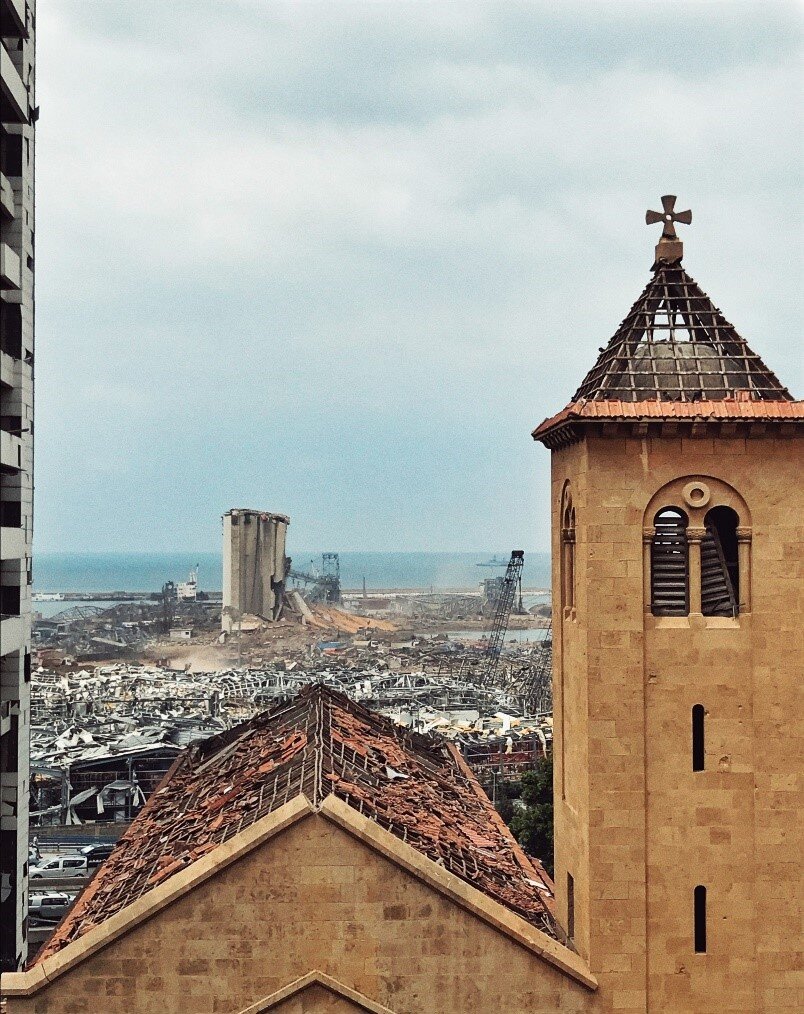
Middle East Council of Churches issues appeal in response to Beirut port explosion
After the catastrophic explosion that hit the Lebanese capital, Beirut, on August 4, 2020, causing massive destruction and devastating this city, the MECC issued an appeal in response to the disaster. The World Council of Churches shared it on its platform.
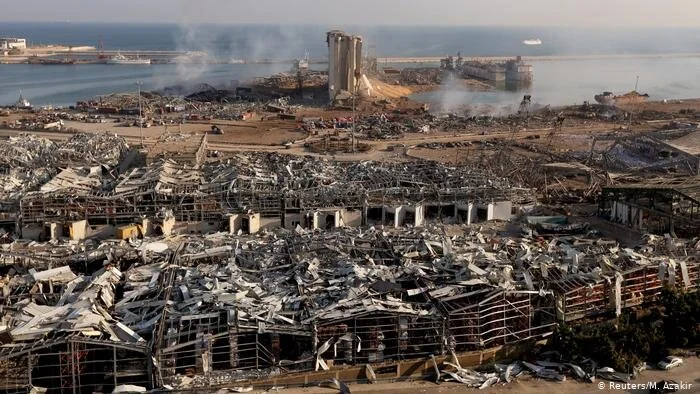
The Devastated Beirut Port: One of the Nation’s Economic Pillars
On the 4th of August 2020, a catastrophic and cataclysmic chemical blast at the Port of Beirut made the whole world sit still, as apocalyptic images surfaced all over international and local media outlets. More than 171 people lost their lives, some were obliterated and others were buried under the heaps of concrete and debris. 6000 people were injured and thousands of buildings were damaged or laid to waste. In addition, to the crumbling economy and the worsening COVID-19 situation, things took to the worse, as around 300,000 Lebanese and foreigners residing in Beirut, lost their homes, livelihoods, and of course, their mental health.
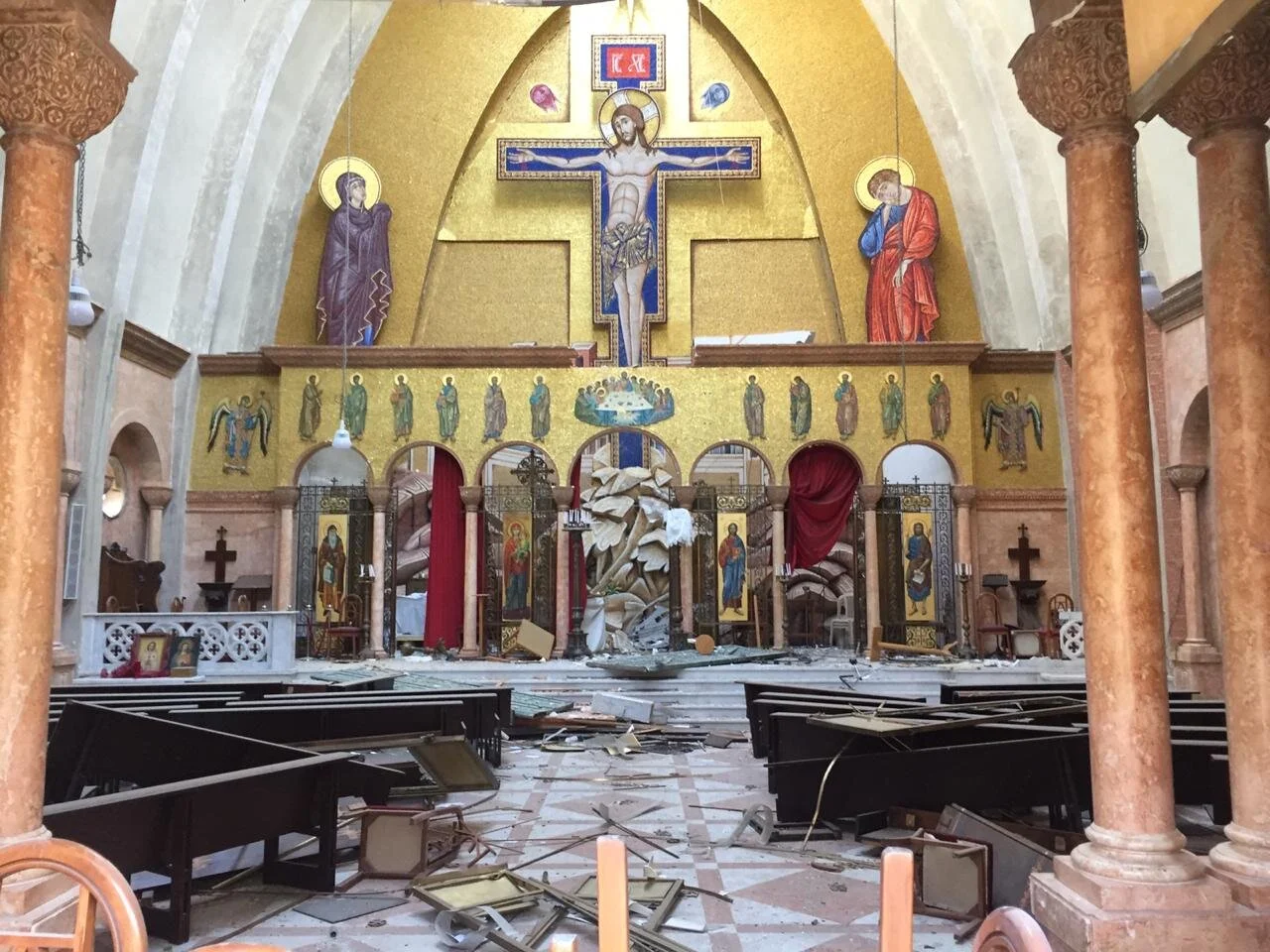
The Wounded Churches of Beirut
Amid the political, economic and health crises facing Lebanon, Beirut was devastated by a terrible explosion that hit the port of Beirut, turning the capital into an afflicted city in a split second, exactly at 6:07 pm on Tuesday August 4, 2020. It is a disaster that affected a huge number of innocent civilians and left thousands injured, hundreds dead, and dozens of people missing. The explosion also resulted in massive damage and heavy losses to public and private property, including buildings, cars, institutions and vital facilities. Moreover, churches and their affiliated institutions were unfortunately deeply affected by the massive destruction.
MECC Coronavirus (COVID 19) Weekly Report
Syria and Lebanon
Humanitarian Update
Reporting period: from 10 to 17 August 2020
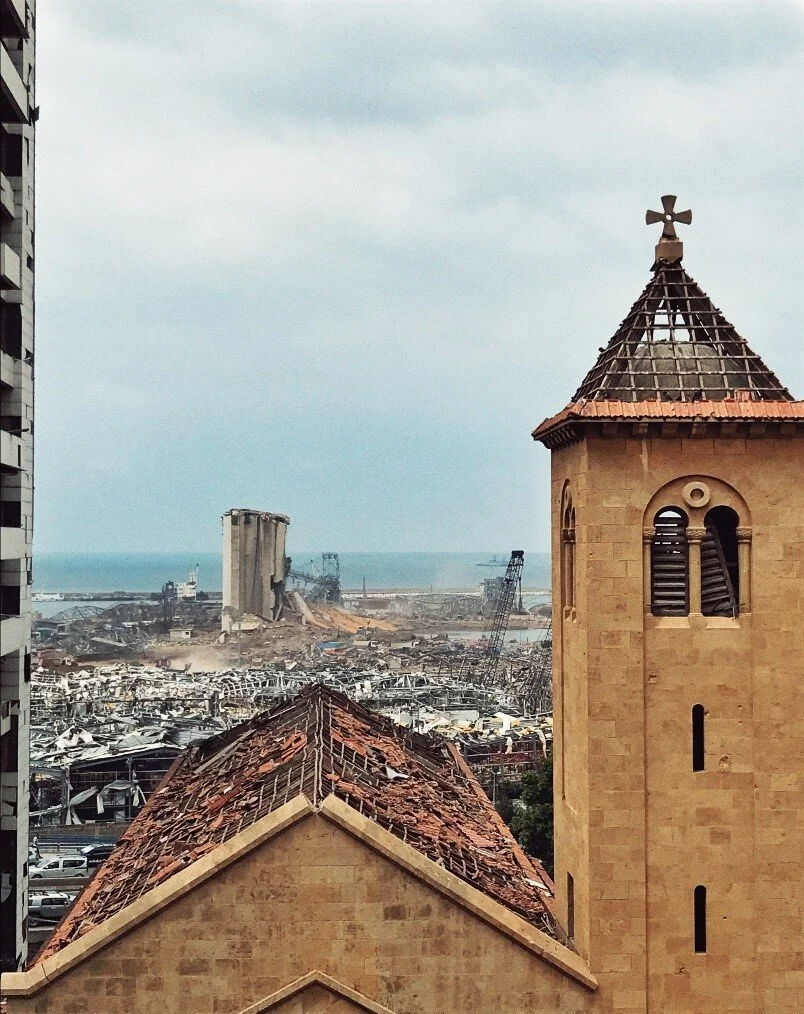
MECC Beirut Appeal in Response to Port Explosion on August 4, 2020 (Phase 1)
“O God, who will roll away the stone from the hearts of wounded Beirut and its affected citizens”
On August 4, at around 6:00pm, a warehouse at the Beirut Port containing large quantities of ammonium nitrate exploded. After an initial explosion, a subsequent blast caused widespread damage, with reports of damage more than 20 km from the port area. Hundreds of buildings including grain silos storing around 85 percent of the country’s grain, and numerous residential places have also been damaged or completely destroyed.