MECC
Self-inflicted Genocide
I do not think that anyone has adopted or used this concept before, as when we speak of somebody taking away his own life, we usually call it suicide.
Self-inflicted genocide is not suicide, because the one who commits suicide only commits his act conscious of the consequences of his actions and decides to end his life of his own free will, because he decided that he does not want to continue to exist anymore for many reasons that cannot be discussed in this article.
Self-inflicted genocide is first of all a collective action, carried out by a people towards themselves, and it is the result of ignorance, greed, and corruption.
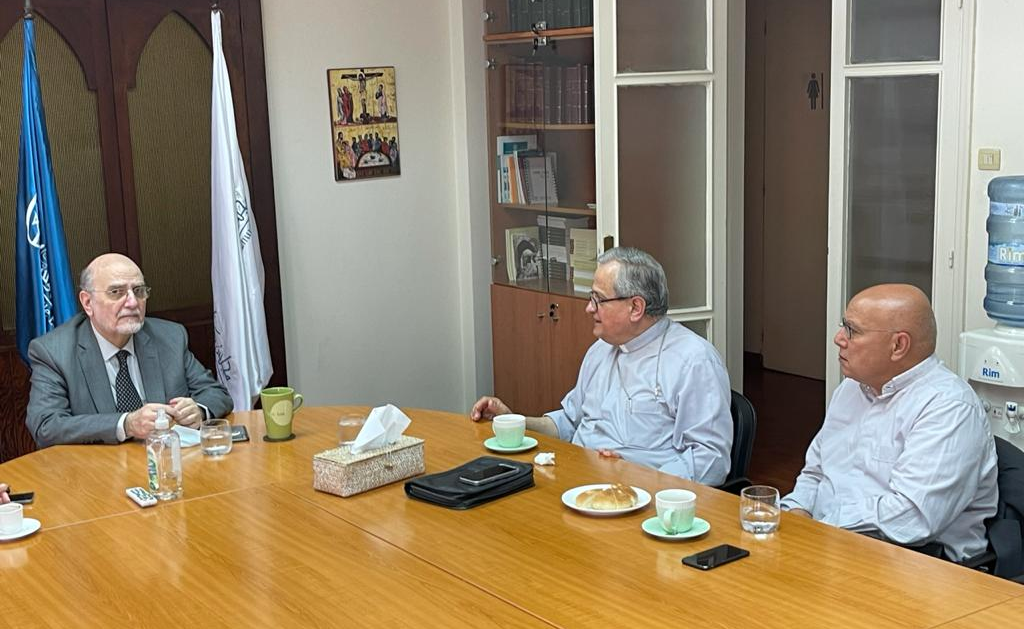
Honorary Secretary General H.E Bishop Paul Rouhana and Father Dr. Antoine Ahmar at the Middle East Council of Churches
Honorary Secretary General of the Middle East Council of Churches and Maronite Patriarchal Vicar of Sarba, Lebanon, H.E Bishop Paul Rouhana visited the MECC headquarters in Beirut, Lebanon, with Father Dr. Antoine Ahmar.
MECC Secretary General Dr. Michel Abs and the General Secretariat team welcomed them.
This acquaintance meeting aimed at informing Rouhana and Ahmar about the Council’s latest activities and future projects.
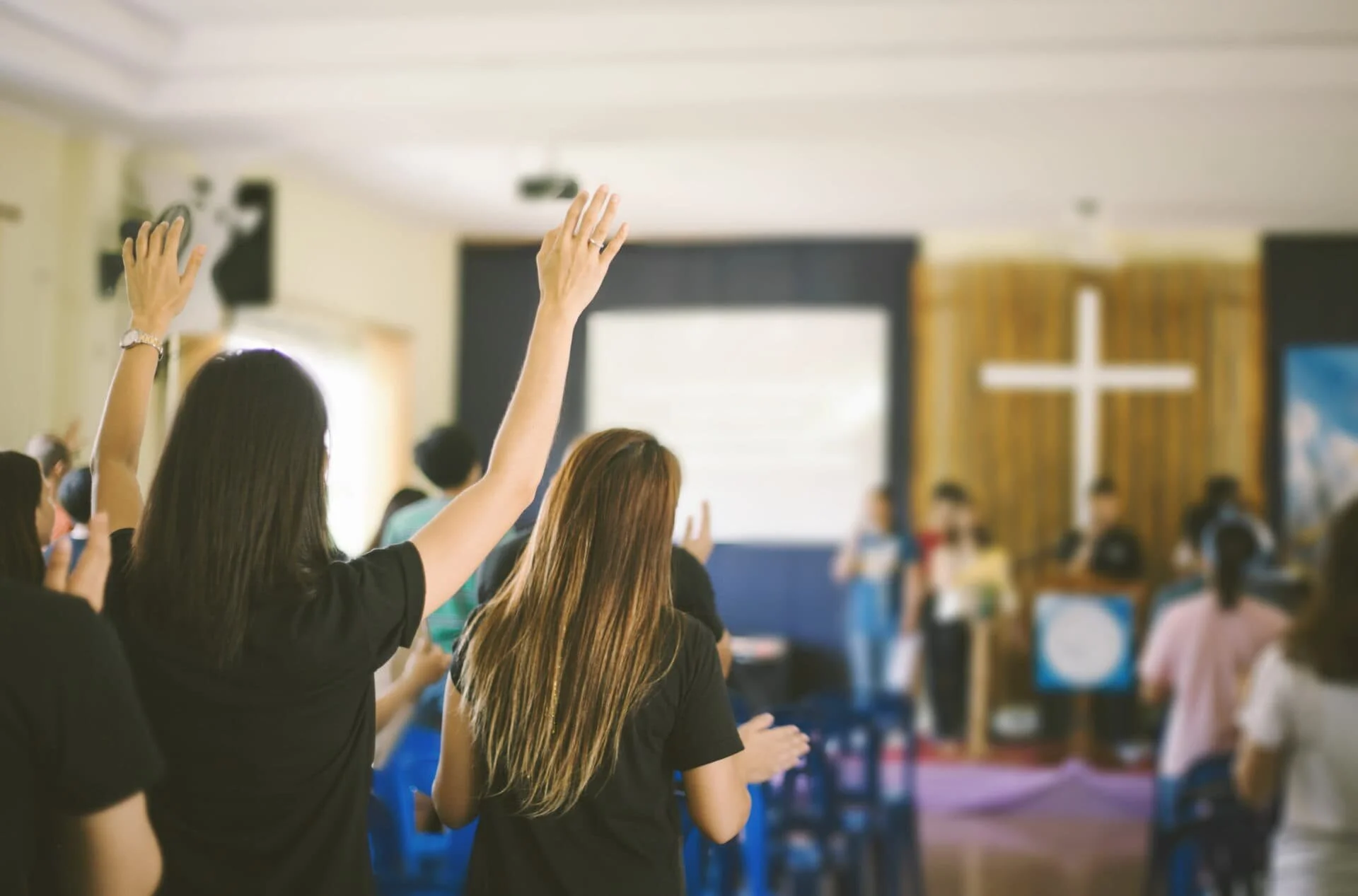
The Youths are the Present and Future of the Church... Is Anyone Listening to Them?
General Coordinator of the National Committee for Youth Pastoral Affairs in Lebanon, Lawyer Roy Jreish:
“We must infiltrate the world of the youths to bring them closer to Jesus Christ”
“Walking together means talking, praying, and working together...”
In the midst of a world embedded with wars, conflicts, hate speeches, violence and hatred... and an age tainted with crises and endless conflicts, even after the outbreak of a deadly pandemic... It may be surprising for a young person to say: "We are the Church." He says it with straight faith, despite him living in a society that accuses and condemns the youth drowning them in a whirlpool of despair and anxiety...
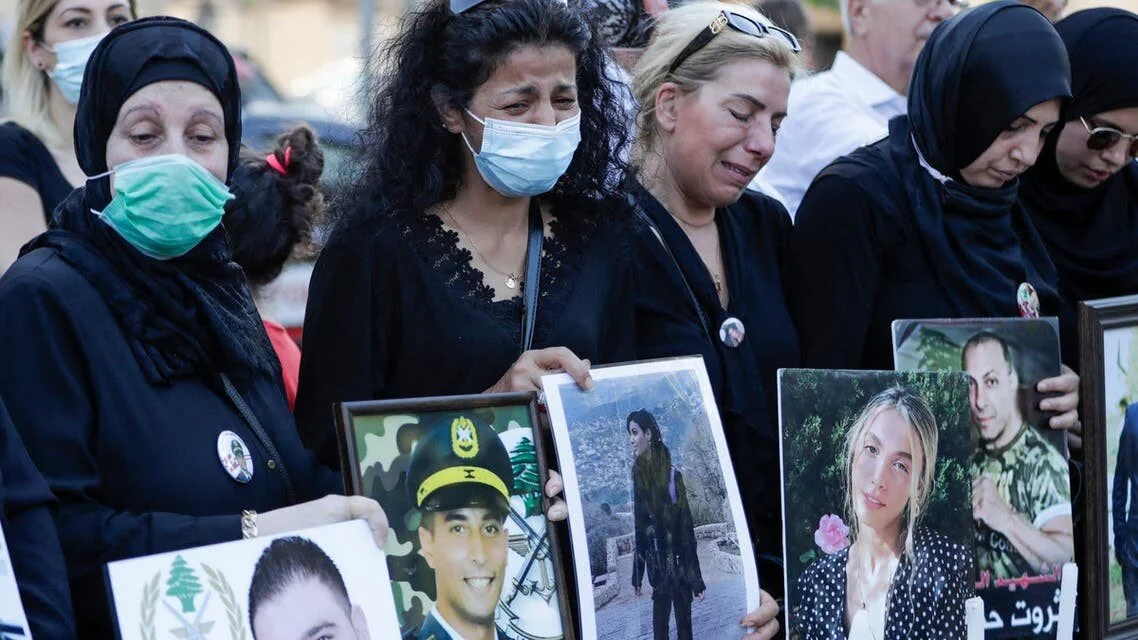
No New Updates for the Beirut Port Blast's Investigations
The Families of the Victims: No political Immunities at the expense of the Blood of Our Loved Ones
To back judge Bitar’s endeavors to investigate officials, Amnesty International called on the Lebanese authorities to "immediately" lift the immunity of those responsible in the case of the explosion at the port of the capital, Beirut. So far, the parliament, the Ministry of Interior and the army have not approved requests by the judicial investigator to lift the immunity of three MPs (former ministers), and to investigate security and military leaders as well.
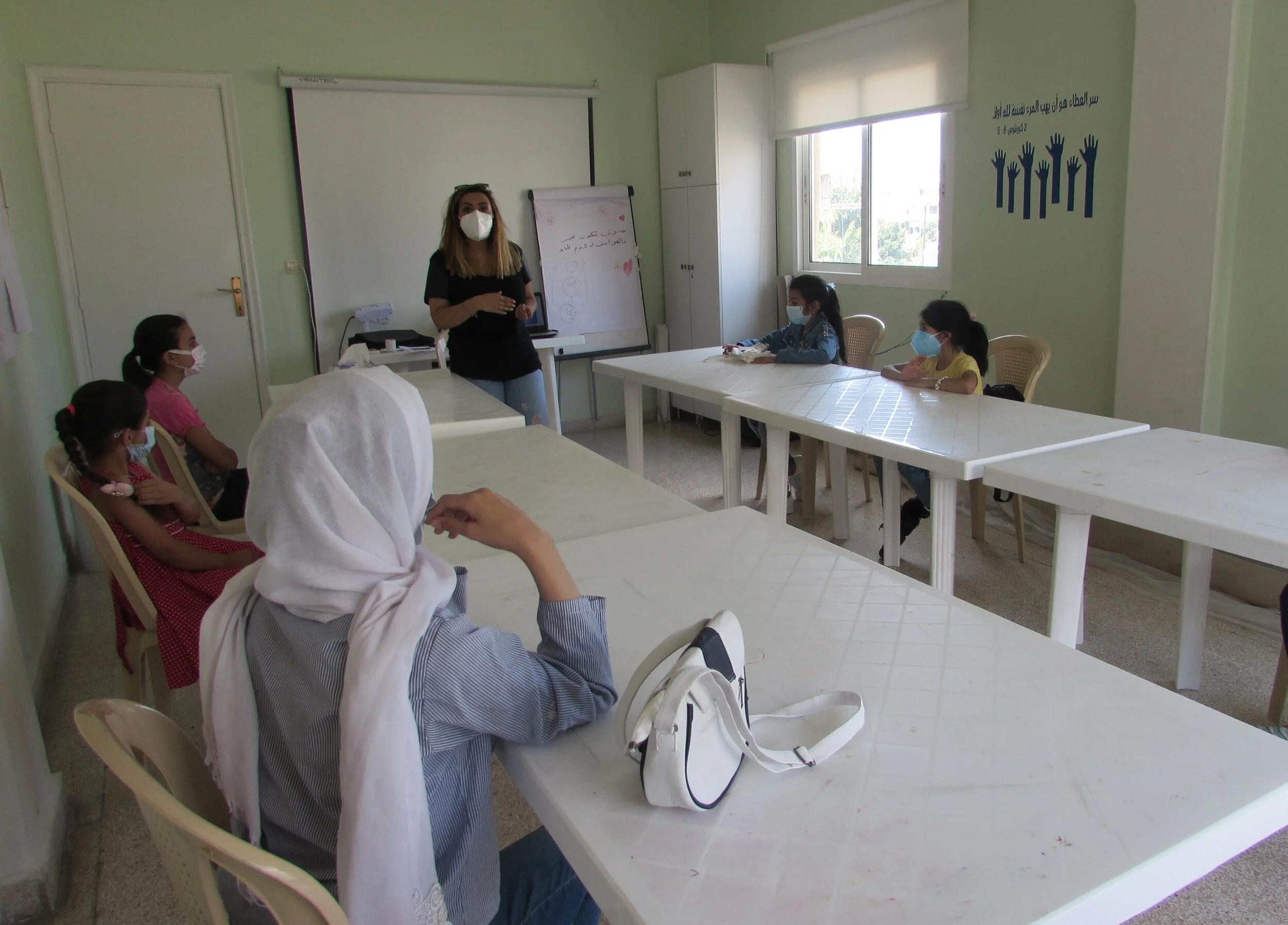
Diakonia Department, Beirut office, Conducted Awareness sessions on Gender-Based Violence
With the increase of violence of all types in societies, the Middle East Council of Churches is keen to preserve the human dignity. Hence, the Department of Service and Relief - Diakonia, Beirut office, organized an awareness session for a group of children aiming at focusing on gender-based violence.
During the session the participants discussed challenges they may face in their lives such as types of touch, whether good or bad, talking to strangers, accepting gifts from people they do not know, and bullying...
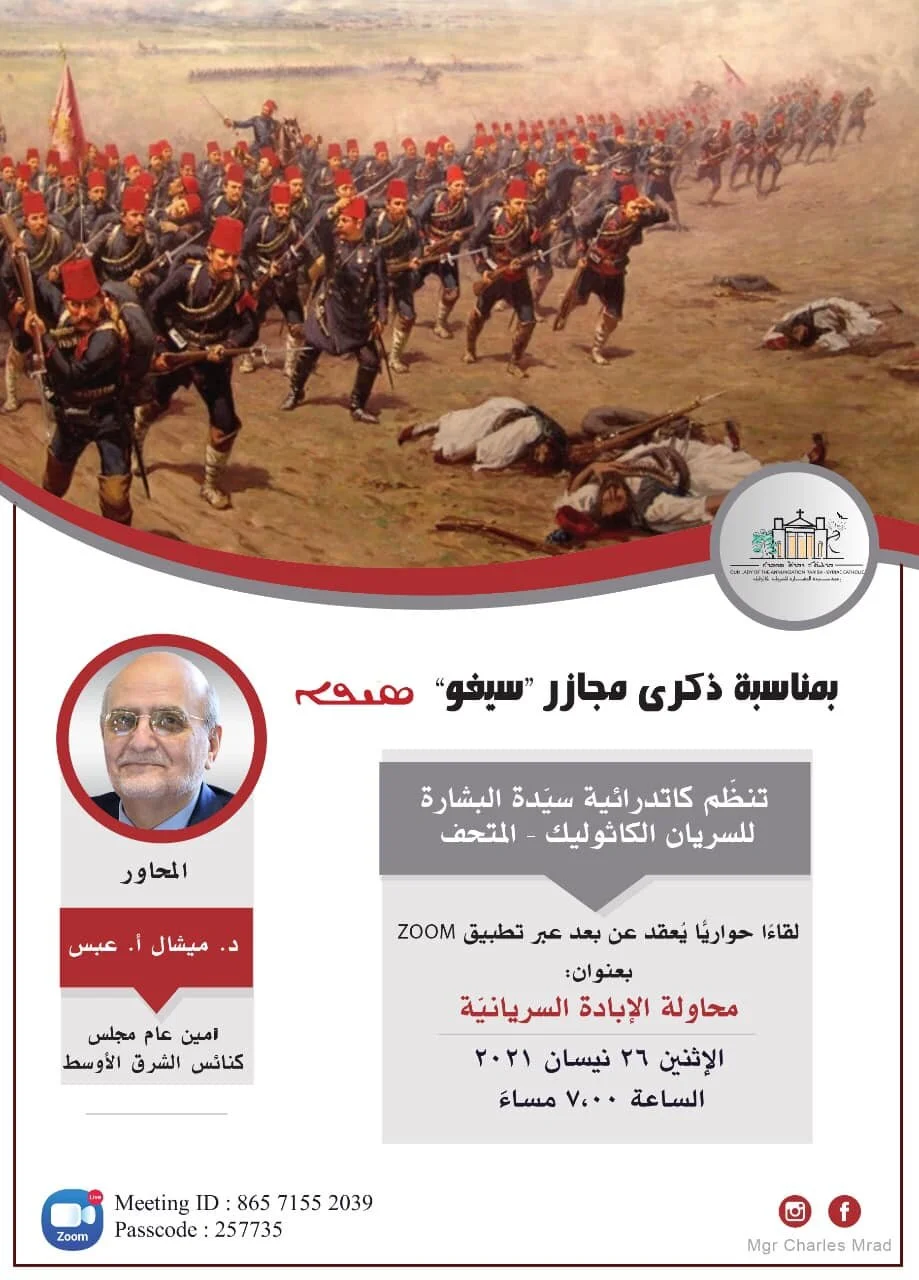
The Assyrian Genocide and the History of the Sayfo Genocide in a Webinar by Secretary General Dr. Michel Abs
Our lady of Annunciation Syriac Catholic Cathedral, Museum - Lebanon, organized a webinar entitled "The Assyrian Genocide Attempt", during which MECC Secretary General Dr. Michel Abs was a panelist and highlighted the history of the Sayfo Genocide, its consequences and the era in which it occurred.
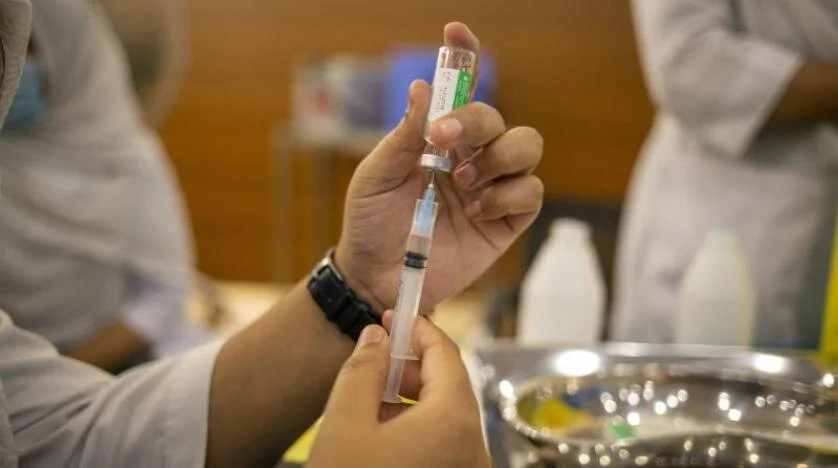
The Coronavirus COVID-19 situation in the Middle East
Report: 21 July 2021
The Delta variant continues to spread in the ME while vaccine rollout decreases. Doctors around the region fear that this new wave will cripple national attempts to recover as the new variant spreads quickly.
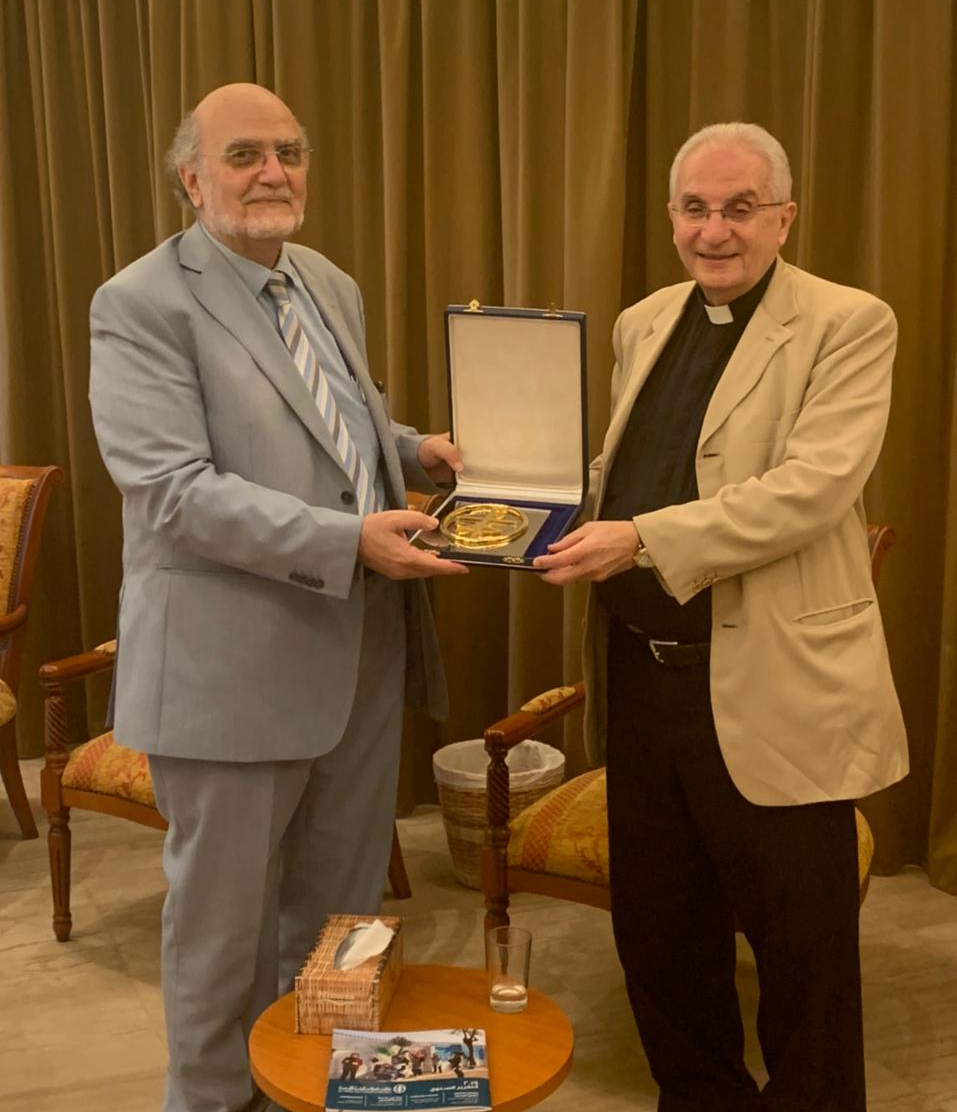
Delegación de la Secretaría General del Consejo de Iglesias del Oriente Medio visitó a S.E. el Dr. Habib Badr
Secretario General Dr. Michel Abs: La familia de las iglesias evangélicas desempeñó un papel importante en la fundación del Consejo
Una delegación de la Secretaría General del Consejo de Iglesias del Oriente Medio, encabezada por su Secretario General, el Dr. Michel Abs, visitó al Presidente de la Unión Evangélica Nacional del Líbano y Presidente del Consejo para la Familia Evangélica, S.E. Dr. Habib Badr, en la sede de la Iglesia Evangélica Nacional en Beirut. Los representantes de las distintas Iglesias Evangélicas del Líbano se unieron a ellos y fueron informados de los últimos avances del trabajo del MECC y de sus proyectos en curso.
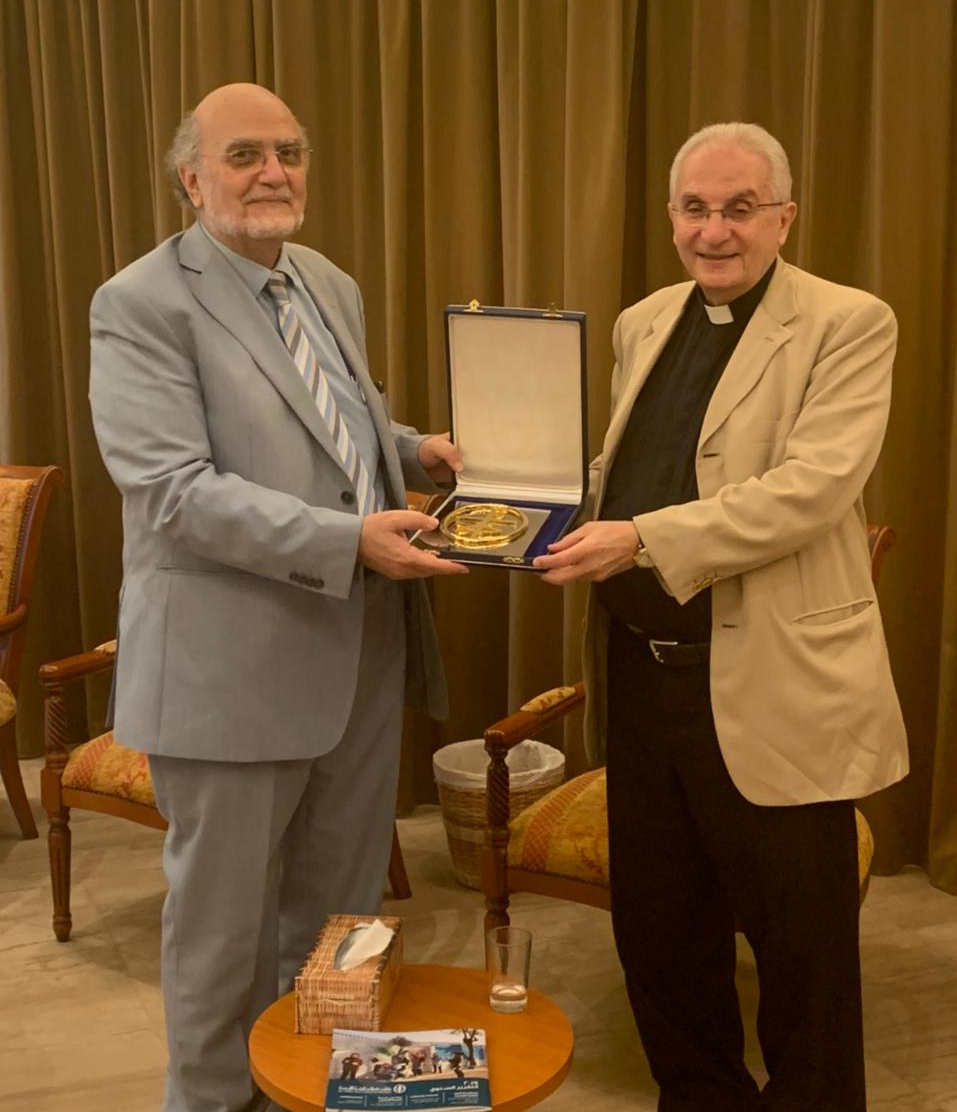
Middle East Council of Churches General Secretariat Delegation Visiting HE Reverend Dr. Habib Badr
Secretary General Dr. Michel Abs: The Evangelical Churches Family played an Important Role in Founding the Council
A delegation from the General Secretariat of the Middle East Council of Churches headed by Secretary General Dr. Michel Abs visited the President of the National Evangelical Union in Lebanon and President of the Council for the Evangelical Family HE Reverend Dr. Habib Badr at the National Evangelical Church’s headquarters in Beirut. Representatives of the various Evangelical Churches in Lebanon joined them and were informed of the latest developments of the MECC work and its ongoing projects.

A New Series of Videos About the "Season of Creation" and Its Celebrations in the Middle East
For the first time in the region, the Middle East Council of Churches launched the “Season of Creation” project for the year 2021 to allow people in the East to Pray and work for the protection of the environment through participating in its celebrations and activities using its international booklet. Thus, what are the meanings behind this season? How is the MECC participating this year? What does the project’s booklet include? and who are the members of the MECC Ecojustice Adhoc Committee?
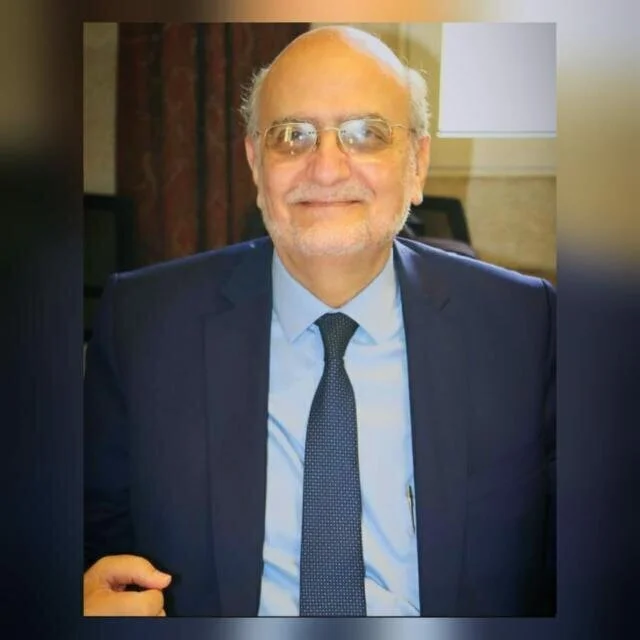
El Consejo de Iglesias del Oriente Medio, de la supervivencia al desarrollo
Desde su fundación en los años sesenta con el nombre de Consejo de Iglesias del Oriente Próximo, cuando incluía exclusivamente a las Iglesias Evangélicas, hasta su transformación en Consejo de Iglesias del Oriente Medio, en los años setenta, al incorporarse las Iglesias Ortodoxas, pasando por la incorporación de las Iglesias Católicas en los años noventa, este Consejo sigue sorprendiendo a las instituciones asociadas y a la comunidad en general por su dinamismo y su capacidad de renovarse y adaptarse a su entorno y de prestar los mejores servicios a todas las categorías de la sociedad.
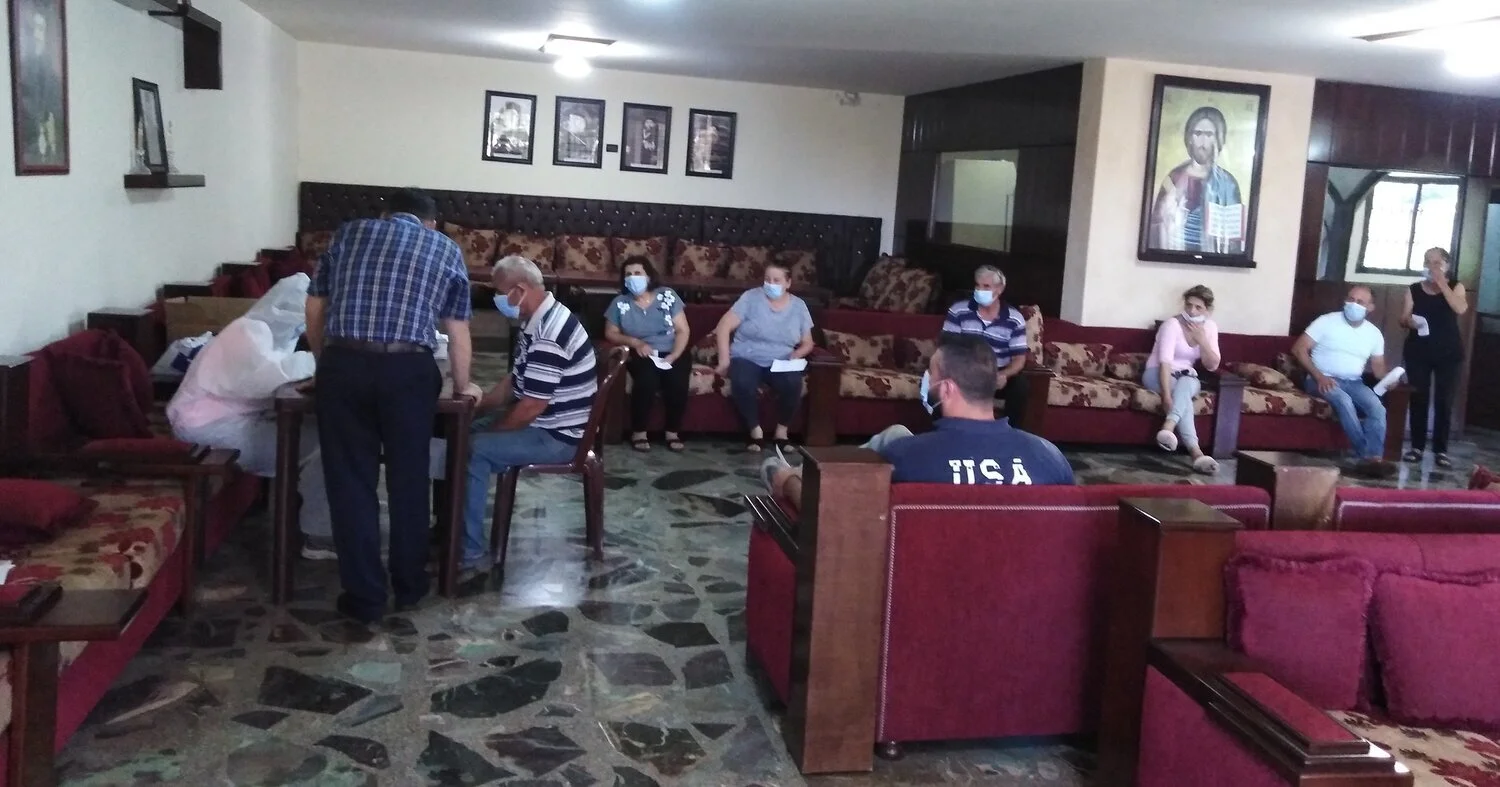
Distribución de vales en Akkar, Líbano
En el marco de su función social de servir a las personas y preservar su dignidad, el Consejo de Iglesias del Oriente Medio prosigue su misión de servicio sobre el terreno apoyando a los grupos indigentes, especialmente en las sociedades débiles que necesitan una mano amiga que infunda esperanza entre ellos. Esta vez, en las aldeas rurales de la gobernación de Akkar, en el norte del Líbano, donde sus habitantes se enfrentan, como todos los libaneses del país, a las difíciles condiciones de vida.
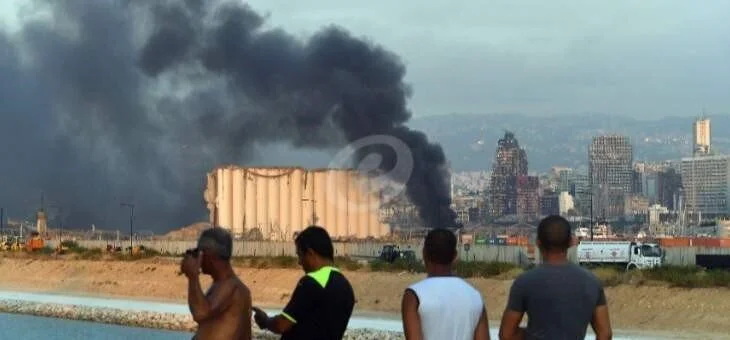
TICK TOCK
Al acercarse el primer aniversario de la mortífera explosión de Beirut, los países de la UE han celebrado reuniones para debatir la situación libanesa. Al principio, se habló de reunir a un grupo de trabajo de la ONU para llevar a cabo acciones humanitarias en el Líbano. Sin embargo, el plan se desechó y en su lugar se sustituyó por la solución más convencional que Occidente ha venido utilizando en los últimos años: las sanciones.