MECC
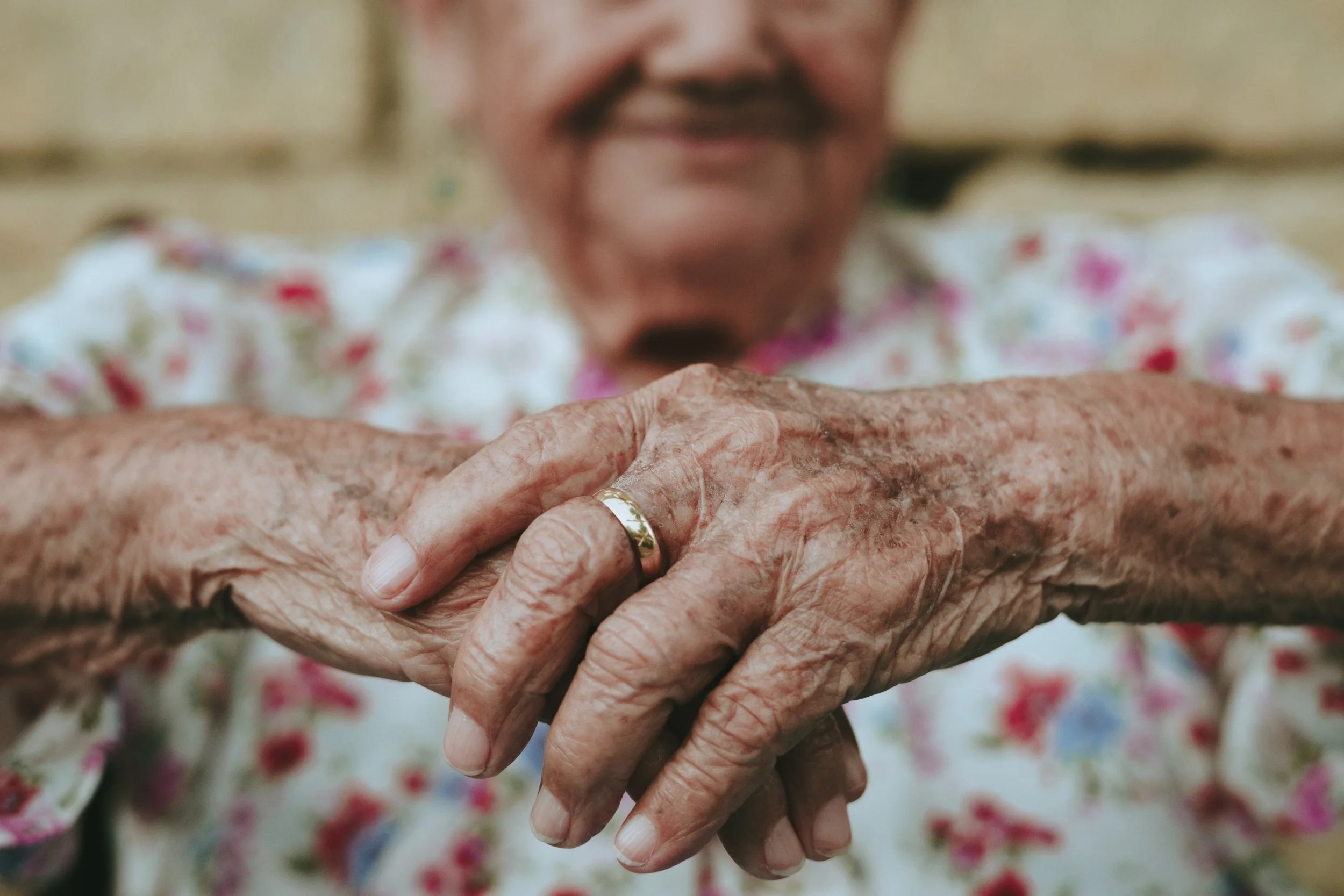
Elderlies in Lebanon Are Waiting for Any Protection to Ease Their Pain
Grandma Osana and Mr. Said: Suffering with Great Pain!
Alone, abandoned... Many elderlies are drowning in despair and trying to stay alive... These expressions seem to be harsh amidst the absence of human dignity and decent life. But in fact, words cannot be harsher than the bitter situation witnessed by our grandmothers and grandfathers, elderlies searching for a ray of light in the midst of the dark days they were forced to live. Why are they passing through this alienation? Answers to this legitimate question lie in many reasons reflected in the difficult living conditions they are suffering from in the absence of laws protecting them, especially in our region, in the wounded Middle East.
Last June, His Holiness Pope Francis said "Old age moves ahead toward its destination, towards God’s heaven", describing the eternal path in which elderlies strengthen their faith and live with comfort and tranquility. A path free of life's thorns and difficulties towards the joy of meeting God. However, many elderlies are today deprived from living this peaceful phase of their lives, due to life dangers that everyone is aware of, threatening them and depriving them from their rights.
The Pope prays during this month of July for the elderly, so their “experience and wisdom may help young people to look towards the future with hope and responsibility”. But how can they spread hope and a positive spirit when they lost hope in an East that also lost its youth?
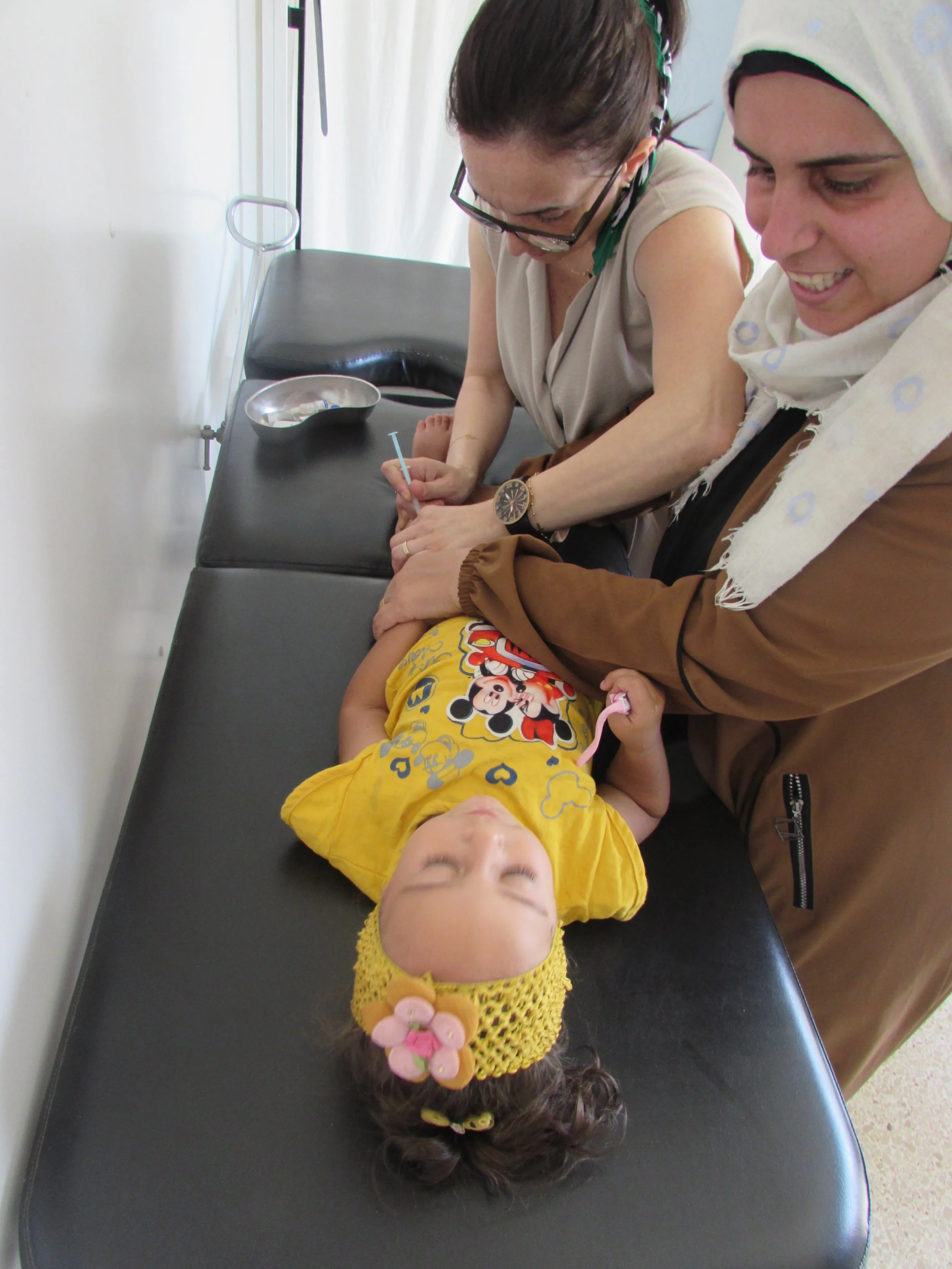
Ongoing Vaccination Campaign and Distribution of Medication with MECC
The Lebanese Health Sector Is Suffering
The Middle East Council of Churches continued, during the month of July, to vaccinate children and distribute medication which prices have skyrocketed in Lebanon. Thus, the Service and Relief – Diakonia Department, Beirut’s Office, is keen to accompany the neediest on the health side, at Our Lady Dispensary, affiliated to MECC and located in Sabtieh region. Beneficiaries visited the Dispensary and were tended to by dedicated doctors as per regular basis. In some cases, in which the beneficiaries are old and cannot leave the house, medications were distributed directly to their homes.
In fact, the health work of the Middle East Council of Churches is implemented at a time when the health sector in Lebanon is paralyzed due to the tighten financial conditions and the economic and health crises that have cast a shadow over all the state institutions. Therefore, the citizens were negatively affected and are not able to have access to health services.
Farewell Our Colleague and Sister Abir Chalawit
If we live, we live for the Lord; and if we die, we die for the Lord. So, whether we live or die, we belong to the Lord (Romans 14:8)
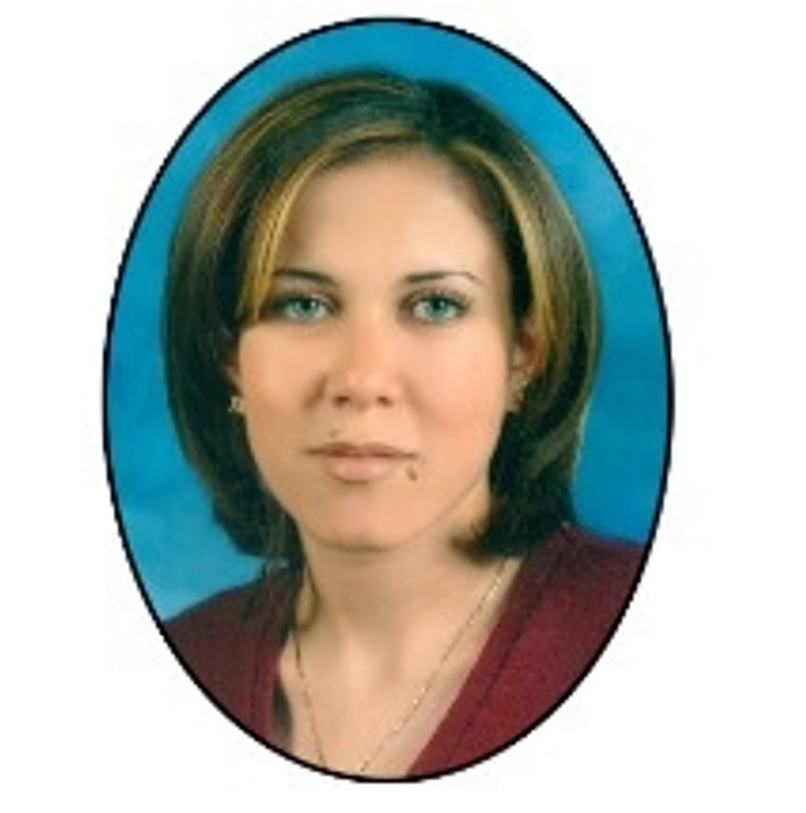
It is with deep sadness and sorrow, the General Secretariat of the Middle East Council of Churches bids farewell to its righteous daughter, our colleague Abir Chalawit, Program Officer of the Vocational Training Program at the MECC Syria’s Office, who passed away to the Heavenly Father, after accomplishing her humanitarian mission with great sincerity and dedication.
Mrs. Abir Chalawit was known for her zeal for the love of God and her continuous service. She was born in 1980 and is a mother of two young boys, Jean and Marc. She obtained a bachelor degree in Business Administration, and joined the Middle East Council of Churches in 2016. She previously worked for more than 10 years in the Department of Ecumenical Relations and Development at the Greek Orthodox Patriarchate of Antioch and All the East.
Sobre la «quimioterapia política»
Este no es un artículo sobre política; es un artículo sobre lo que la política puede hacer a la humanidad y a la sociedad.
Cuando el médico decide que hay células enfermas malignas en el cuerpo y decide eliminarlas, tiene la certeza, e informa a la persona afectada, de que este tratamiento es una invasión química del cuerpo humano, dirigida a las células enfermas y que deja en su camino todas las formas de daños esperados e inesperados en el cuerpo humano. En resumen, el objetivo terapéutico justifica los medios perjudiciales, y que los daños colaterales son inevitables en el camino hacia la curación del cuerpo.
En política, parece que las personas influyentes de este mundo, que se han posicionado como jueces de la humanidad, imponen a las sociedades lo que llaman sanciones, han adoptado este método invasivo desde dentro, al igual que la quimioterapia.
Los ven colectivamente o individualmente, juzgar a fulano de tal que es un tirano, y que su pueblo estará en mejores condiciones sin él. Por lo tanto, prometen a este pueblo un futuro mejor, y nada de eso se logrará. Más bien, la situación de los pueblos empeora, y la historia lo atestigua.
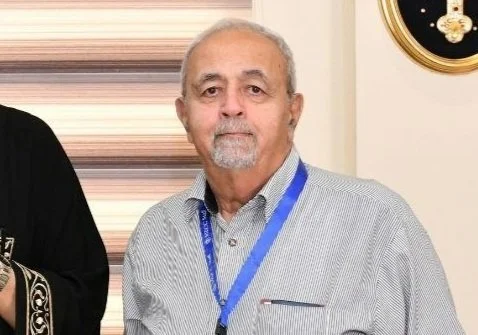
Carta abierta al presidente Joe Biden del Dr. Bernard Sabella, director del DSPR en el MECC
Señor Presidente,
Como anciano palestino de fe católica, mis ánimos se ven mermados.
He crecido en una familia católica que ha vivido la crisis de los refugiados palestinos tras la guerra árabe-israelí de 1948. Mis padres refugiados, que vivían con 4 hijos en una habitación congestionada, en contraste con la pequeña casa independiente que tenían en Qatamon antes de 1948, insistieron en la mejor educación privada para mis hermanos y para mí en las escuelas católicas, que formaban parte del panorama educativo privado en Palestina antes de 1948 y después.
Gracias a una buena educación y crianza, pude cursar estudios universitarios en EE.UU., con una beca de la Embajada de EE.UU. en Ammán, Jordania. Esta oportunidad me permitió continuar el legado de mis padres, Zachary y Marguerite, y ofrecer a nuestros hijos, los de mi esposa Mary y los míos, la posibilidad de una buena educación aquí y en el extranjero.
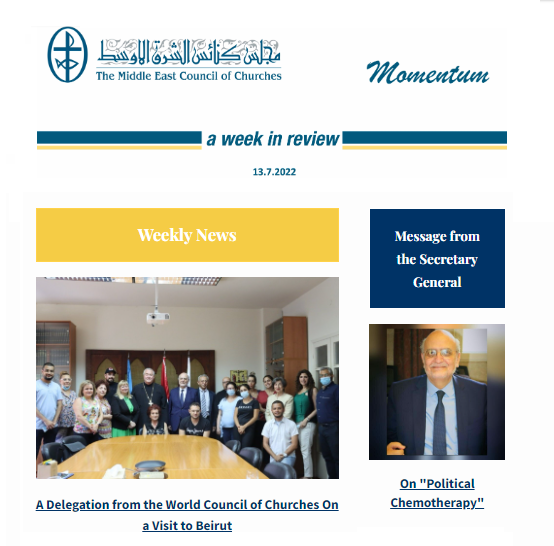
Momentum, the Weekly Newsletter from the Middle East Council of Churches
In the new issue of the weekly newsletter Momentum issued by the Communication and Public Relations Department of the Middle East Council of Churches you can find a details and pictures about the visit of a delegation from the World Council of Churches (WCC) to Lebanon and its tour in Syria. As for the weekly message of the MECC Secretary General Dr. Michel Abs, it was entitled “On Political Chemotherapy”, in which he denounced all sieges and sanctions imposed on some countries, stressing on its severe humanitarian repercussions, as whole populations were affected.
As well as, you can find a podcast video including a special interview with His Grace Anba Antonios, Metropolitan of Jerusalem and the Near East for the Coptic Orthodox Church, and MECC President for the Eastern Orthodox Family.
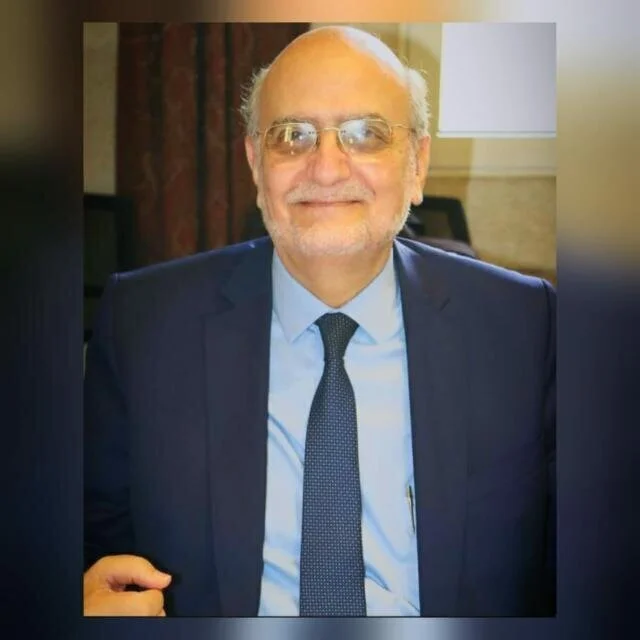
On "Political Chemotherapy"
This is not an article on politics; this is an article on what politics can do to humankind and society.
When the doctor decides that there are malignant disease cells in the body and decides to eliminate them, he is certain, and informs the person concerned, that this treatment is a chemical invasion of the human body, targeting disease cells and leaving in his way all forms of expected and unexpected damage to the human body. In short, the therapeutic goal justifies the harmful means, and that collateral damage is inevitable on the path to healing the body.
In politics, it seems that the influential people in this world, who have positioned themselves as judges of humanity, impose on societies what they call sanctions, have adopted this invasive method from within, just as chemotherapy does.
You see them collectively or individually, judge so-and-so that he is a tyrant, and that his people will be in a better condition without him. Hence, they promise this people a better future, and none of that will be achieved. Rather, peoples' situations become worse, and history testifies to that.
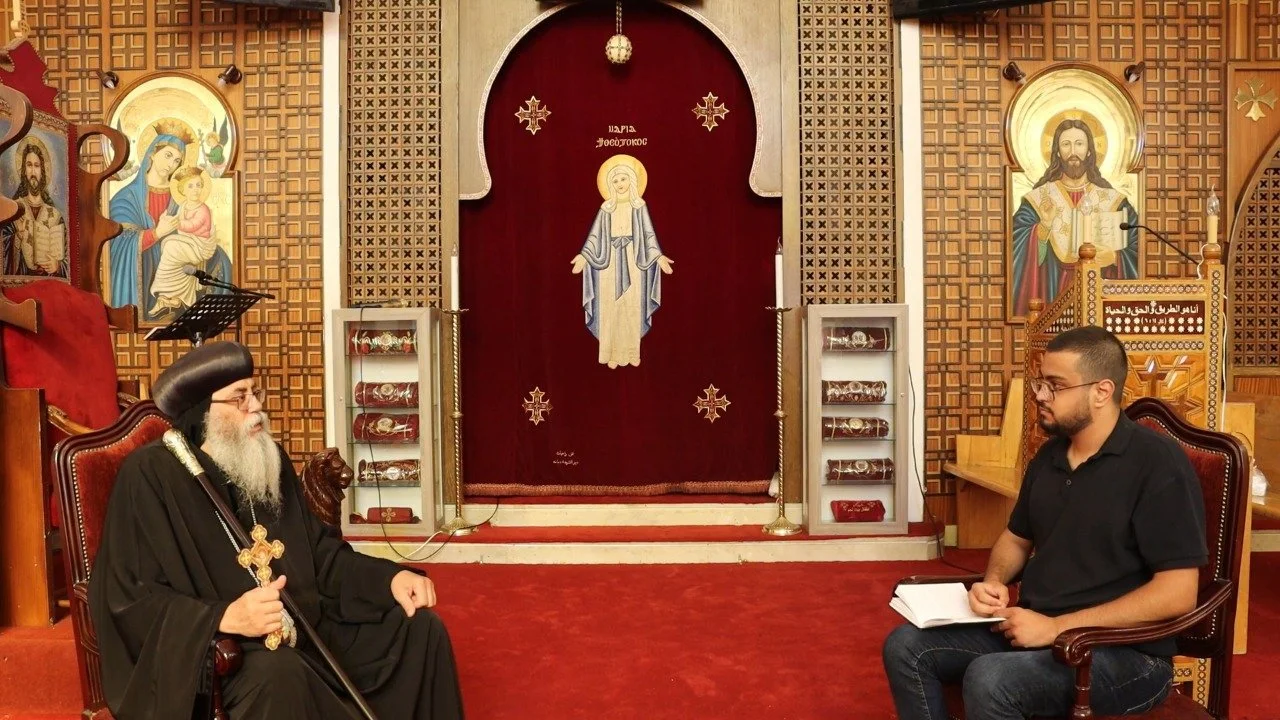
Podcast Video - In a Special Interview, His Grace Anba Antonios: Breaking Down Barriers Between All Churches Is One of the Most Important MECC Roles
Egypt Is a Model for Coexistence!
Following his election as President of the Middle East Council of Churches for the Eastern Orthodox Family in the Council’s twelfth General Assembly, His Grace Anba Antonios, Metropolitan of Jerusalem and the Near East for the Coptic Orthodox Church, visited Lebanon, carrying in his heart the concerns of the children and Christians of the region, fully aware of their suffering due to the deepening economic, health and political crises.... that affected them.
His Grace Anba Antonios, faithful shepherd of the Word of God, clinging to his hope of building bridges between Churches and stressing on the necessity of bridging the distances between them, made a tour to the Churches of the East in Beirut, and had an Ecumenical visit to the headquarters of the MECC General Secretariat, as well as to Our Lady dispensary affiliated to MECC, in the Sabtieh region - Beirut. His Grace stressed on the need of overcoming obstacles between all the Church families.
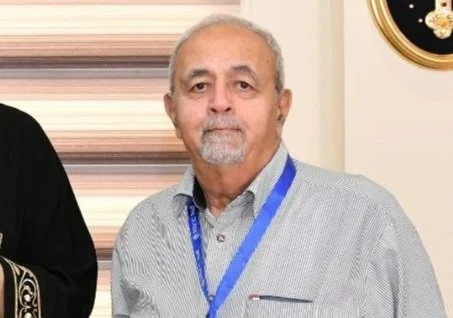
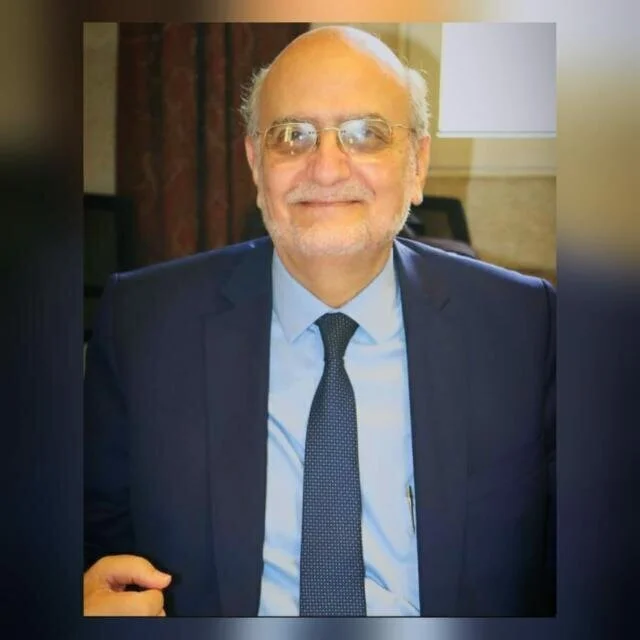
An Open Letter to President Joe Biden from Dr. Bernard Sabella, DSPR Director at MECC
I have grown up in a Catholic family that has experienced the Palestinian refugee crisis following the Arab Israeli War of 1948. My refugee parents, living together with 4 children in one congested room, in contrast to the small independent house they had in Qatamon prior to 1948, insisted on the best private education for my siblings and me in Catholic schools, part of the private educational scene in Palestine prior to 1948 and after.
Because of a good education and upbringing, I was able to pursue university education in the USA, on a scholarship from the US Embassy in Amman, Jordan. This opportunity enabled me to carry on the legacy of my parents, Zachary and Marguerite, and to offer our children, my wife Mary’s and mine, the possibility of a good education here and abroad.
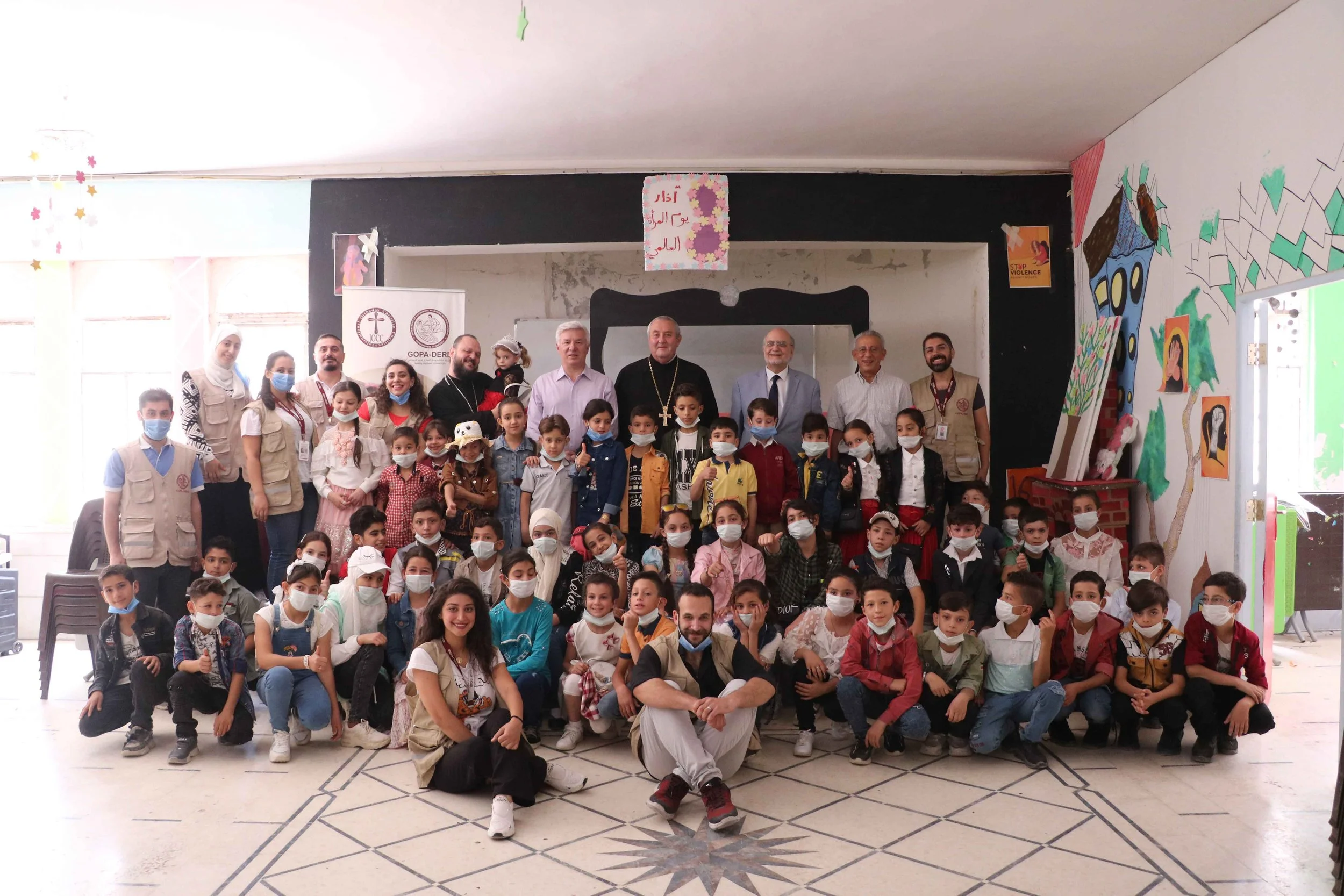
WCC Delegation Visits Syria, Expresses Solidarity With Those Who “Remain steadfast in their land”
The World Council of Churches Acting General Secretary Rev. Prof. Dr Ioan Sauca visited Syria, alongside the Middle East Council of Churches Secretary General Dr. Michel Abs, the General Secretary of ACT Alliance Mr. Rudelmar Bueno de Faria, and Syria’s Programme Executive Mr. Michel Nseir.
This visit aims at strengthening the fraternal relations between the Churches in the East and West and to listen to the concerns of the children and Christians of the region amidst all the difficult living conditions they are passing through. Hence, the delegation will raise the needs and expectations of the Middle Eastern people to the WCC eleventh General Assembly, that will be held between 31 August and 8 September, 2022 in Karlsruhe in Germany.
The delegation started its tour in the city of Damascus, with a visit to His Beatitude John X, Greek Orthodox Patriarch of Antioch and all the East, in the Patriarchal residence, where the discussions centered around the situation of the Church and its existential role amidst the crisis that the region is passing through, especially in Lebanon and Syria, and the need to support Christians so they can stay in their homeland. As well as, attendees stressed on the necessity of ongoing coordination with local Churches in order to overcome the challenges that might have impacts on the Christian presence in the region.