MECC
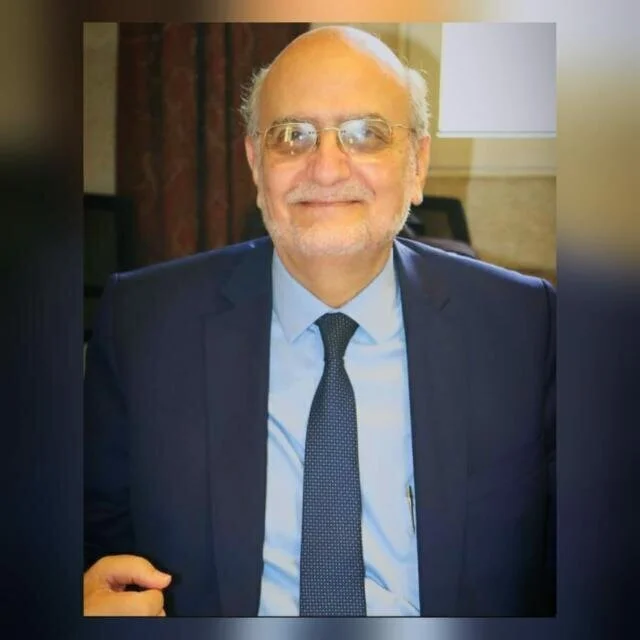
La corrupción: el asesino silencioso de la cultura y de la sociedad
La prensa y los medios de comunicación social comparten con nosotros artículos y llamamientos para combatir y eliminar la corrupción por el bien de la sociedad y el bienestar de las personas. Los escritores o autores de tuits y declaraciones tratan el fenómeno de la corrupción como si fuera una fruta que ha madurado y es el momento de recogerla, y está lista para que quien la alcance la aplaste.
Han echado de menos el profundo conocimiento sociológico y el análisis de los fenómenos sociales, y han olvidado que cuando la gente se acostumbra a algo, su eliminación no se logra mediante un decreto o una orden emitida por los órganos de gobierno a los órganos ejecutivos. Si así fuera, habríamos considerado que la sociedad es una máquina, y basta con cambiar la pieza desgastada en ella, para que vuelva a funcionar de forma adecuada.
La corrupción en el Líbano, y en muchas de nuestras sociedades en el mundo árabe, se ha convertido en una cultura profundamente arraigada en la mentalidad tanto a nivel individual como a nivel colectivo. En consecuencia, no es posible ni razonable erradicarla de un día para otro, sobre todo porque está arraigada en nuestras mentes y almas desde hace siglos.
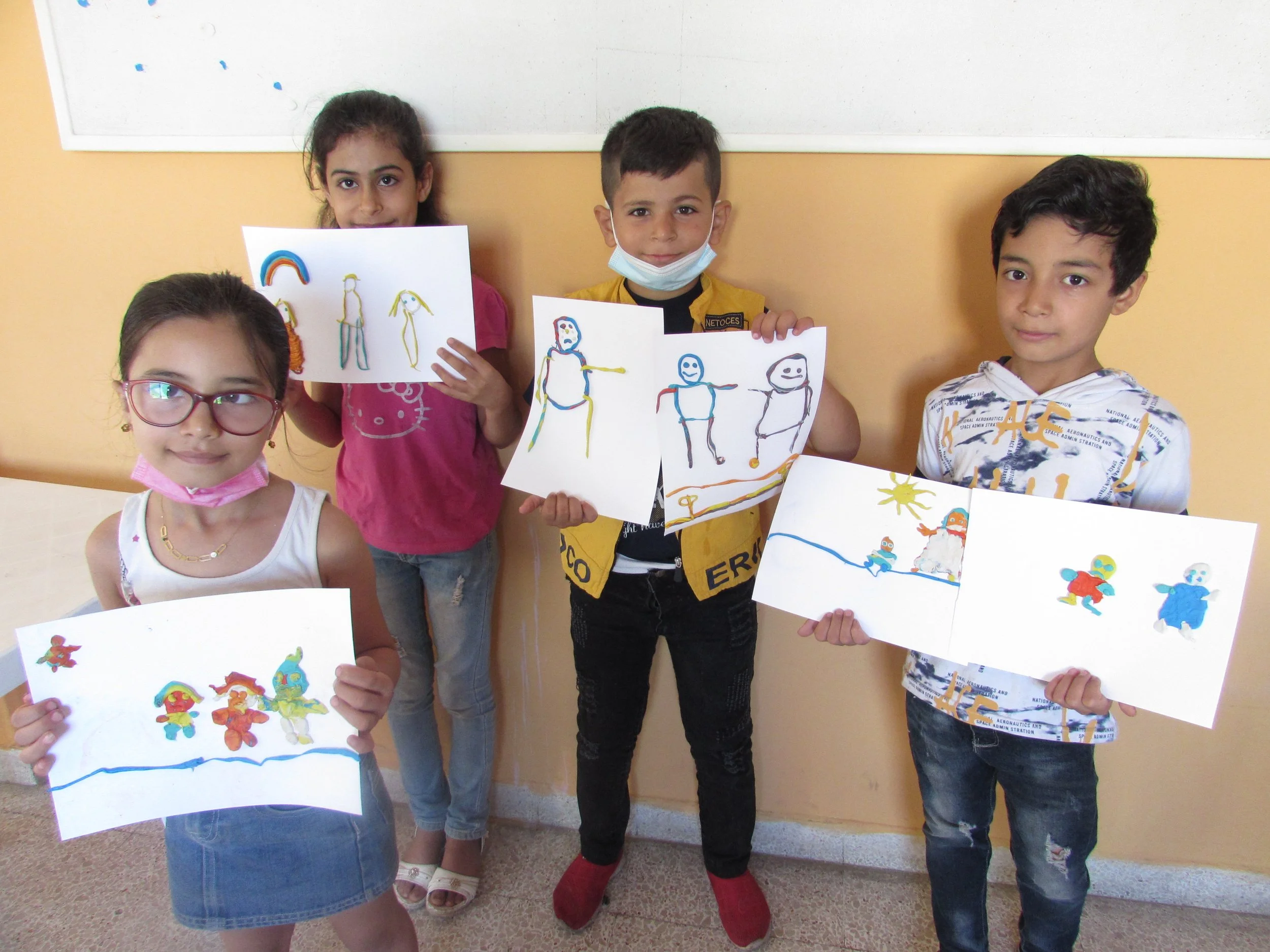
Apoyo psicosocial a los niños del Líbano
Nuestros niños, que son uno de los principales pilares de nuestra sociedad, nacen en este mundo con la esperanza de cosechar sus frutos. Desgraciadamente, los tiempos actuales no son tan reconfortantes y los niños quedan desamparados y necesitados.
Por suerte, el Departamento de Servicio y Ayuda - Diakonia, de la Oficina de Beirut, del Consejo de Iglesias del Oriente Medio sigue organizando una serie de sesiones psicosociales continuas con el objetivo de promover el bienestar y la resiliencia de los niños. Se les involucraría a través de una serie de actividades recreativas que les ayudarían a lidiar con los desafíos emocionales, sociales y prácticos.
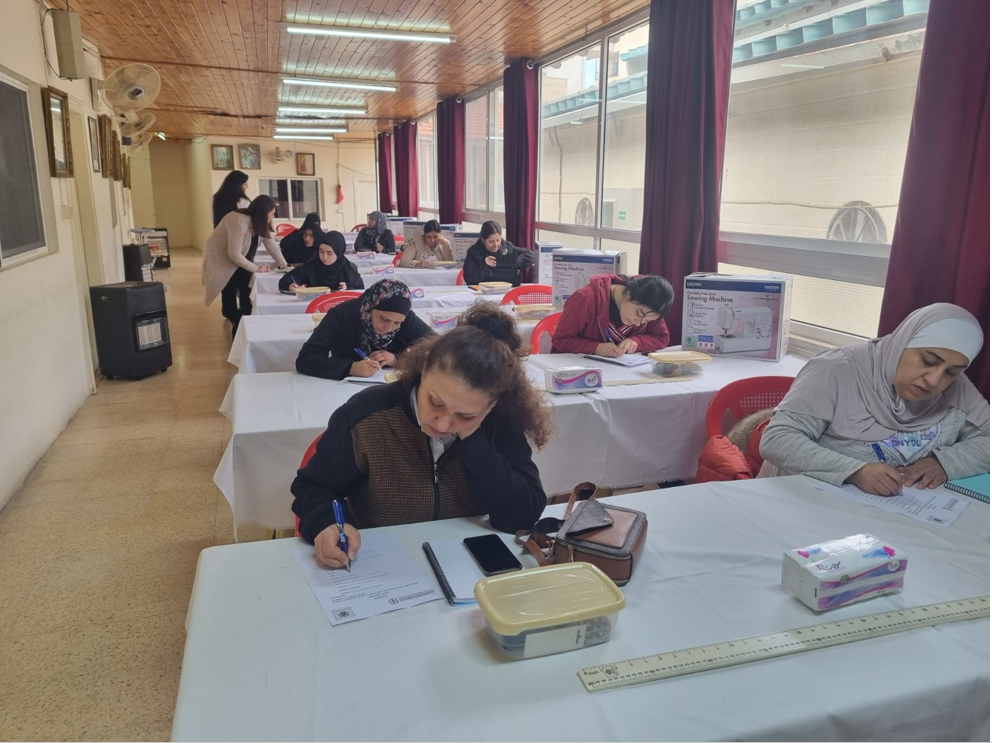
Empoderamiento de las mujeres con el MECC en Jordania mediante cursos de formación en costura
«Las mujeres son la mitad de la sociedad». Muchos países del mundo se esfuerzan por integrar a las mujeres en todos los sectores productivos y económicos. Sin embargo, las recientes condiciones de seguridad, políticas y sanitarias, así como el estallido de la pandemia de coronavirus, han afectado negativamente a sus vidas, especialmente en el Oriente Medio, que se hunde en una crisis cada vez mayor.
En el Reino Hachemita de Jordania, por ejemplo, el Departamento de Estadística mencionó que la tasa de desempleo femenino ha aumentado hasta el 31.5% en el primer trimestre del año en curso en comparación con el año pasado. Otro informe del país publicado en 2021 muestra que la participación económica de las mujeres ha disminuido en un 3.3%, después de haber registrado la tasa más alta del 17.3% en 2017.
Por lo tanto, el Consejo de Iglesias del Oriente Medio está trabajando para mejorar el papel de la mujer en las sociedades a través de varios programas que implementa en muchos países de la región.
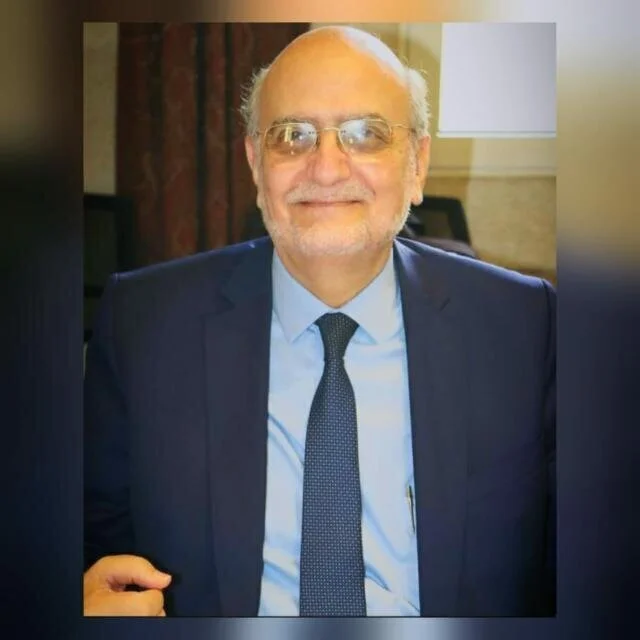
Corruption: the silent killer of culture and society
The press and social media share with us articles and appeals to combat and eliminate corruption for the good of society and the well being of people. Writers or authors of tweets and statements deal with the phenomenon of corruption as if it is a fruit that has ripened and it is time to pick it, and it is ready for whoever reaches out to crush it.
They have missed the thorough sociological knowledge and analysis of social phenomena, and they have forgotten that when people become accustomed to something, its removal is not accomplished by a decree or an order issued by governing bodies to executive bodies. If this were the case, we would have considered that society is a machine, and it is enough to change the worn-out part in it, so that it can return to work in an appropriate manner.
Corruption in Lebanon, and in many of our societies in the Arab world, has become a culture deeply rooted in the mentality at the individual level as well as at the collective level. Consequently, it is neither possible nor reasonable to eradicate it from day to day, especially as it is rooted in our minds and souls for centuries.

Video - Partners and Friends in Ecumenism and Human Service
Together Building Bridges and Restoring Hope
The Middle East Council of Churches held its annual meeting with representatives of its partner organizations and institutions, in addition to a series of activities it implemented with them, between 2 and 5 November 2022. The video presents the point of views and aspirations of some of the MECC partners participating in the meeting. It is prepared and produced by the MECC Communication and Public Relations Department.
Psychosocial Support to the Children of Lebanon
Our children, who are one of the main pillars of our society, are born into this world, hoping to reap its rewards. Unfortunately, present times are not that comforting and children are being left forsaken and in need.
Luckily, the Service and Relief – Diakonia Department, Beirut’s Office, at the Middle East Council of Churches is still organizing a series of ongoing Psychosocial sessions aiming to promote the well-being and resilience of children. They would be engage through a series of recreational activities that would help them deal with emotional, social, and practical challenges.

Video - Partners in the Ecumenical Journey
MECC Meets with Its International and Regional Partners
The Middle East Council of Churches met with its international and regional partners as part of a series of activities and meetings in Lebanon between 2 and 5 November 2022. What did the meetings include? And what did the attendees discuss? The video presents a brief overview of these meetings, activities, and the most important discussed topics. It is prepared and produced by the MECC Communication and Public Relations Department.
Women Empowerment with MECC in Jordan Through Sewing Training Courses
“Women are half the society”. Many countries in the world are making efforts aiming to integrate women into all productive and economic sectors. However, the recent security, political, health conditions, and the outbreak of the Corona pandemic, have negatively affected their lives, especially in the Middle East, which is sinking into escalating crises.
In the Hashemite Kingdom of Jordan, for example, the Department of Statistics mentioned that the female unemployment rate has increased to 31.5% in the first quarter of the current year compared to last year. Another country report issued in 2021 shows that women's economic participation has decrease by 3.3%, after it recorded the highest rate of 17.3% in 2017.

Restoration of Ecclesiastical and Social Institutions... An Invitation to Return to the Homeland
A Field Tour Held by MECC and “Kerk in Actie” in the Netherlands Delegation
Eleven years have passed since the outbreak of the severe war in Syria which have took the lives of thousands of Syrians. Not only people have been affected but also stones and buildings. The war has caused massive damage in infrastructure and impacted the economy. As well as, house, religious, educational and medical institutions have been destructed.
If stones in Syria could speak, it would talk about a history and civilization which goes back thousands of years, witnessing for a Christianity which was spread from this country to the world.
Amidst this deepening human crisis, the Church's first challenge was to shine a light in the darkness and sorrow hope in the midst of despair.
Churches of Cyprus and the World Bid Farewell to His Beatitude Archbishop Chrysostomos II
A Solemn Funeral at the Cathedral of the Apostle Barnabas in Nicosia
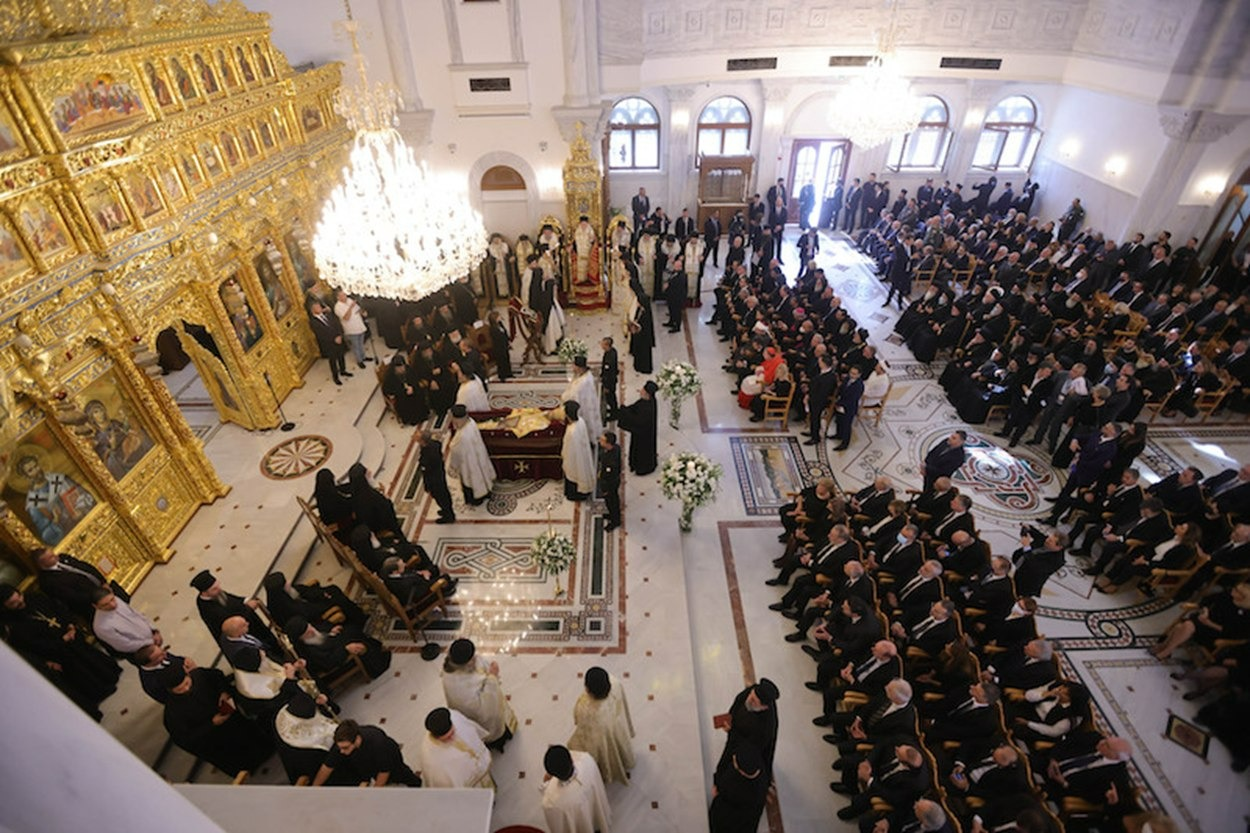
The funeral service of His Beatitude Archbishop Chrysostomos II of Nea Justiniana and All Cyprus, was held on Saturday 12 November 2022 at the Cathedral of the Apostle Barnabas in Nicosia, Cyprus, after he passed away on Monday 7 November 2022.
During the funeral, Churches’ bells rang in Cyprus and flags outside Churches and on all public buildings flown half-mast. The service was presided over by His Holiness Ecumenical Patriarch Bartholomew I, Archbishop of Constantinople and New Rome. The body of the Archbishop of Cyprus was exposed for public pilgrimage in the Cathedral of the Apostle Barnabas, from Thursday 10 till the morning of Saturday 12 November 2022. In addition, a Book of Condolences was opened at the Office of His Beatitude the late Archbishop Chrysostomos II.
El hombre moderno entre la ciencia y la ignorancia
En 2001, la UNESCO designó el 10 de noviembre como Día Mundial de la Ciencia para la Paz y el Desarrollo. «Este día pone de relieve el importante papel de la ciencia en la sociedad y la necesidad de que el público en general participe en los debates sobre las nuevas cuestiones científicas. También hace hincapié en la importancia y la relevancia de la ciencia en nuestra vida cotidiana», según se indica en la página web de la organización en cuestión.
Además, este día pretende «vincular más estrechamente la ciencia con la sociedad», así como «garantizar que el público en general esté informado sobre los avances científicos».
Este día también responsabiliza a los científicos de «ampliar la percepción sobre la Tierra en la que vivimos y su fragilidad, lo que motiva la acción para hacer nuestras sociedades más sostenibles».

El MECC lamenta el fallecimiento del arzobispo de Chipre Chrysostomos II
El Consejo de Iglesias del Oriente Medio ha recibido con gran tristeza la noticia del fallecimiento de Su Beatitud el Arzobispo Chrysostomos II de Nea Justiniana y todo Chipre, a la edad de 81 años, el lunes 7 de noviembre de 2022. Su Beatitud falleció tras su lucha contra la enfermedad, que afrontó con valor y fe cristianos, dando testimonio de la profundidad del amor de Dios, nuestro Señor Jesucristo.
Con la ausencia de Su Beatitud, el Consejo de Iglesias del Oriente Medio echará en falta a un líder eclesiástico con el que el MECC tuvo muchas ocasiones y logros ecuménicos registrados en la historia del movimiento ecuménico en Oriente Medio. Su Beatitud ha acogido generosamente la X Asamblea General del MECC, celebrada entre el 29 y el 30 de noviembre de 2011 en Pafos, y muchas reuniones del Comité Ejecutivo del MECC, como la última convocada con él entre el 21 y el 22 de enero de 2020 en Larnaca.