MECC
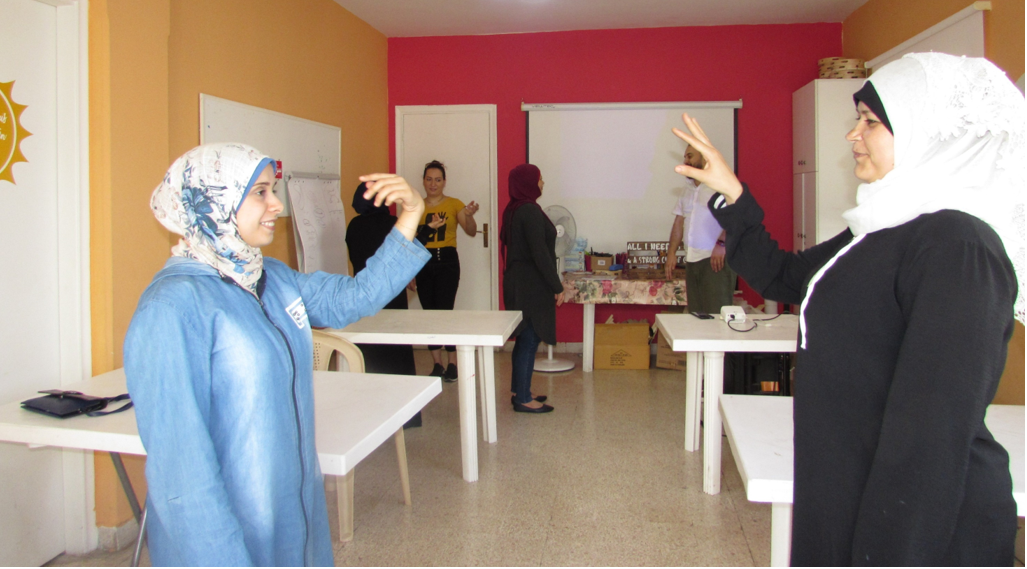
Searching for Hope Amidst Pain
The Service and Relief - Diakonia Department, Beirut’s Office, Supports Lebanon’s Women
She is the source of life. She is the wife, mother, sister, and friend. She is the woman who always struggle in her life and make daily efforts for the happiness of her family and the comfort of everyone around her. She is also the one who, unfortunately, is exposed to many and many insults, racism, hate speech, and even she is the one who faces all kinds of violence, cultural isolation, and loneliness... All these factors are negatively affecting her life putting her in the most vulnerable categories. But does anyone hear her pain?
In fact, many women today suffer from mental health problems, as they are in dire need of psychosocial support to help them overcome the pressures which may surround them daily. Hence, the role of religious and humanitarian organizations is important to accompany and support women in order to sorrow hope in their hearts.
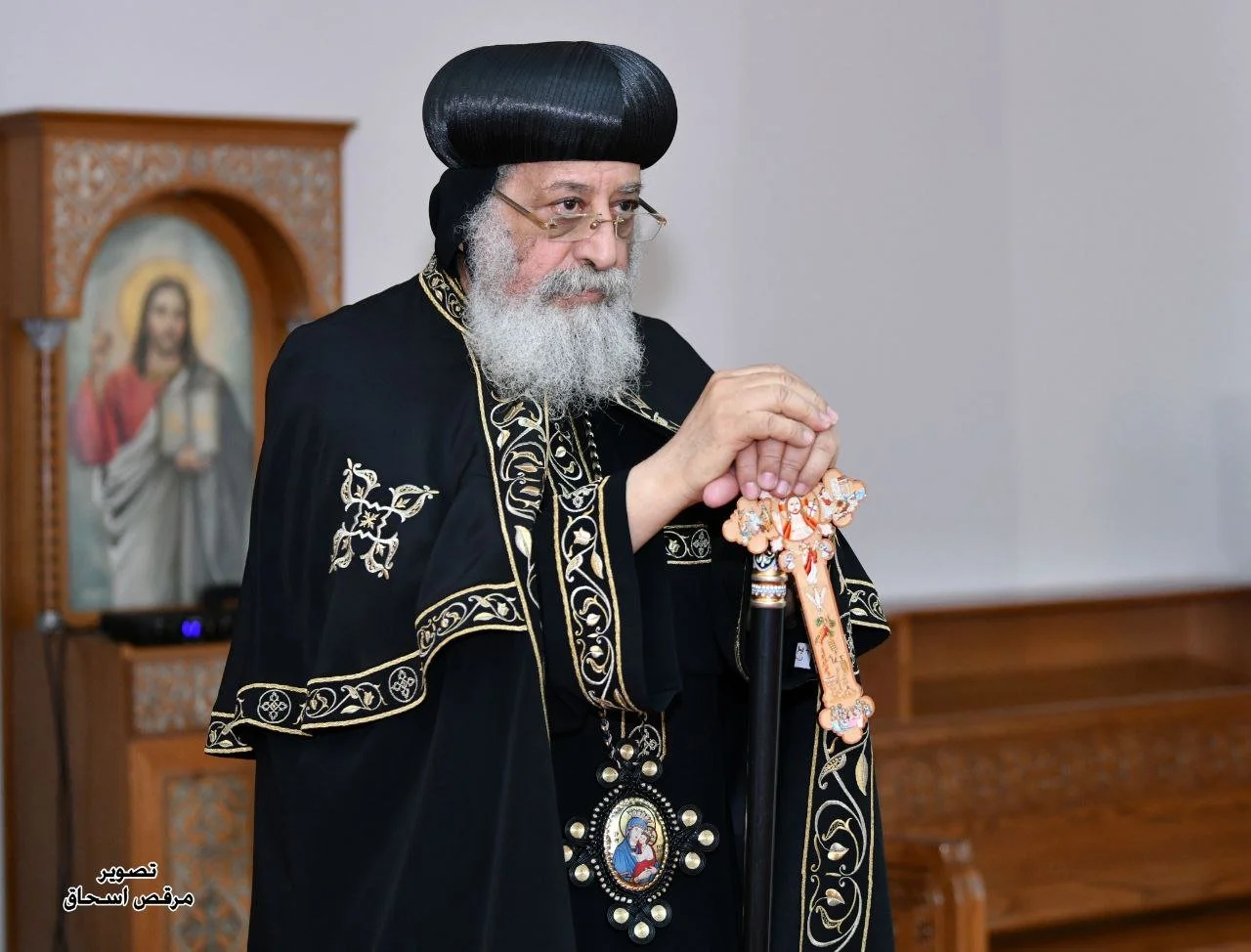
On the 10th Anniversary of the Enthronement of His Holiness Pope Tawadros II
Video - A Congratulations Message from the MECC Secretary General Dr. Michel Abs
On the occasion of the 10th Anniversary of the Enthronement of His Holiness Pope Tawadros II, Pope of Alexandria and Patriarch of the See of St. Mark, the Secretary General of the Middle East Council of Churches Dr. Michel Abs congratulates His Holiness via video in Arabic, praising his endless love and kindness.


The Middle East Council of Churches and “Kerk in Actie” organization in the Netherlands Visiting Aleppo
Here the Voice of Hope Rises Against War and Destruction
Whoever visits Aleppo and walks in its streets can notice the wars’ repercussions in this city, and can even hear its groaning and pain. But amidst all the destruction, we can witness the determination of Aleppo’s people to restore their city and lives as it was before the war. In fact, they are seeking God’s help, believing in His power and support to rebuild what was destroyed by the Evil’s hands and war.
The Middle East Council of Churches and “Kerk in Actie” organization in the Netherlands supported the Syrians and Aleppo’s people within the “Restoration Fund for Rehabilitation of Faith-based Social Services & Religious Infrastructure Damaged During the Crisis in Syria”. A program which aims to restore what was damaged by the war so that hope can revive in the lives of people who are essential part of their Church.
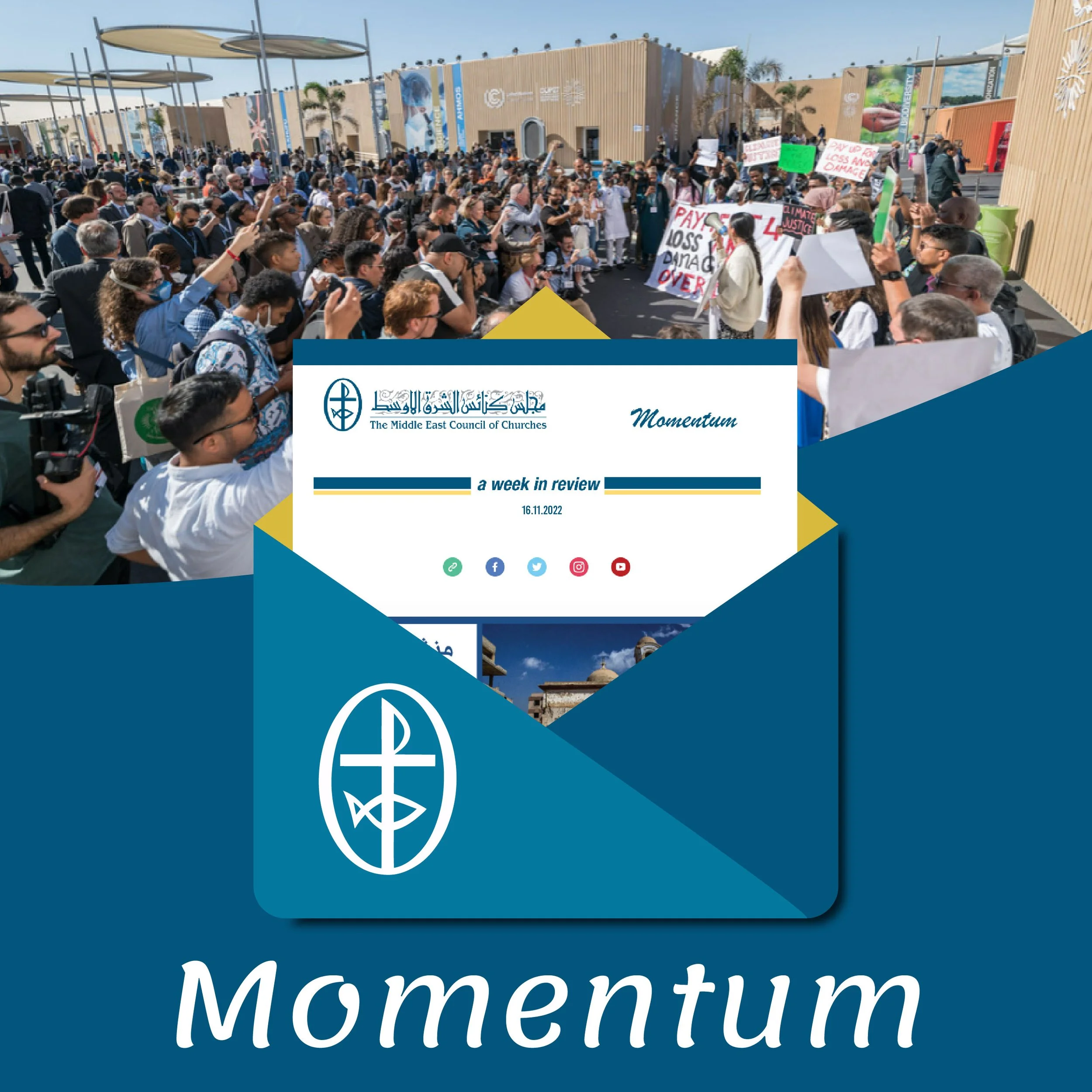
Momentum, the Weekly Newsletter from the Middle East Council of Churches
In the new issue of the weekly newsletter Momentum issued by the Communication and Public Relations Department of the Middle East Council of Churches, you can find a news about the funeral service of His Beatitude Archbishop Chrysostomos II of Nea Justiniana and All Cyprus, in which MECC participated and was represented by its Secretary General Dr. Michel Abs. As for the weekly message of Dr. Abs, it is entitled “Corruption: the silent killer of culture and society” in which he denounced the corruption in Lebanon and many societies in the Arab world, speaking about its danger and the concepts of combating it.
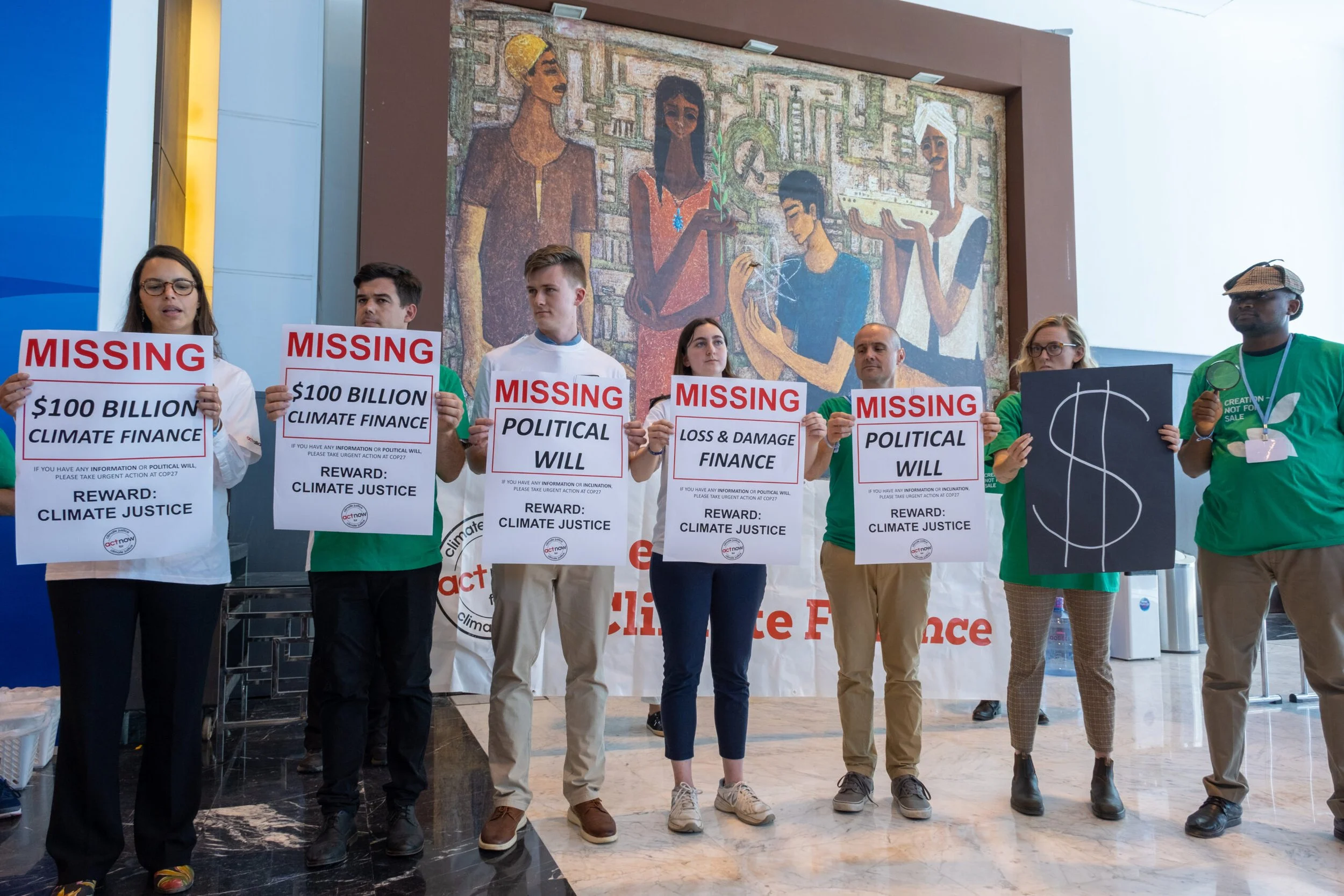
While Negotiations Stall, People Are Dying and Livelihoods Are Being Lost Due to Climate Change’s Impact
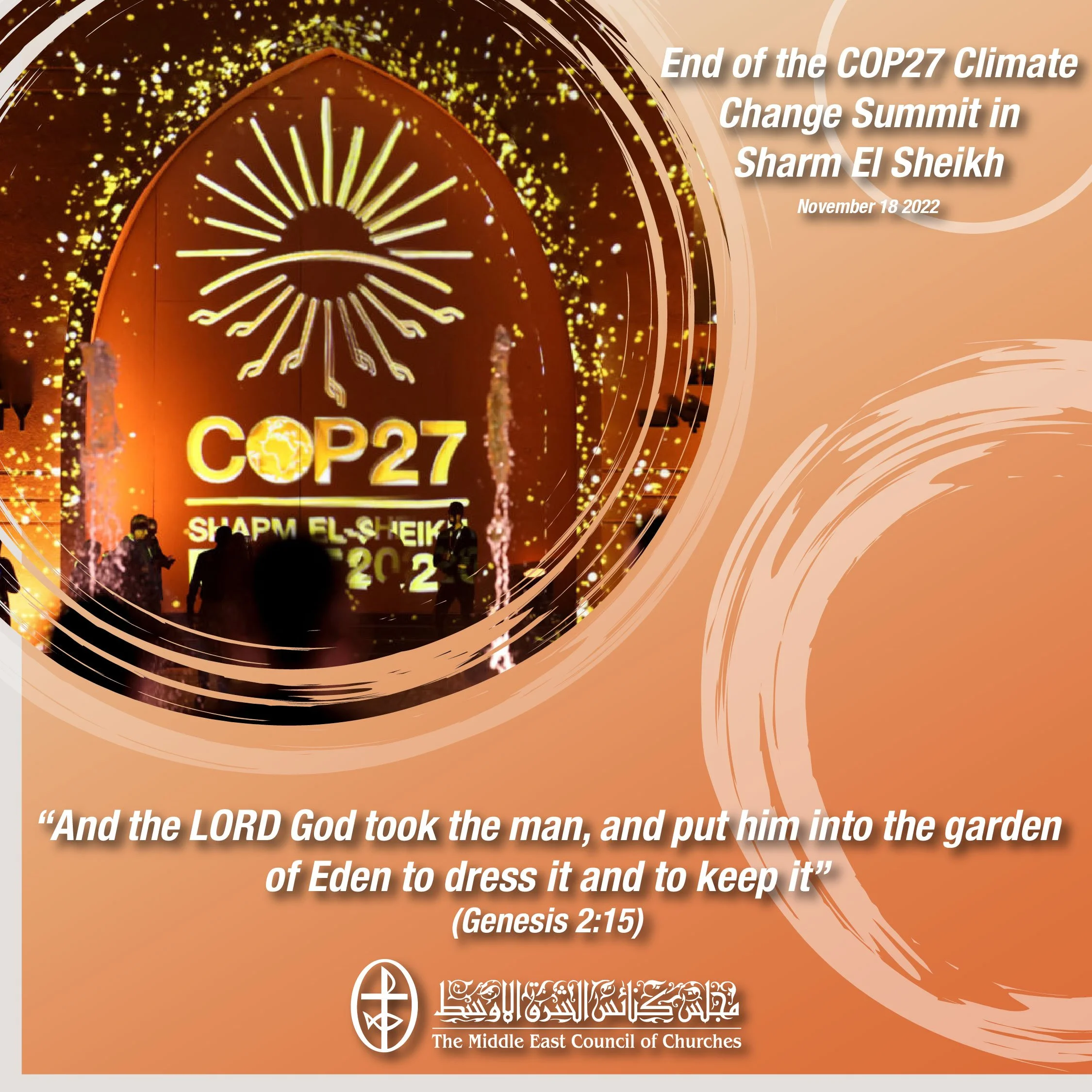
Faith Leaders and Organizations, Including MECC, Sign a Joint Statement at the End of COP27 Climate Change Summit in Sharm El Sheikh
A call for Urgent and Ambitious Action for the Most Vulnerable People and Communities
Sharm el-Sheikh, Egypt
Faith leaders from around the world at COP27 have watched with concern as the negotiations have stalled and not pushed for more ambition to prevent the drastic consequences predicted if global temperature rise goes past 1.5C, to support the most vulnerable communities and nations facing the brunt of climate change’s impacts today, and to ensure that human rights, a gender lens, and indigenous people’s knowledge are enshrined in the structures and work of the UNFCCC and its parties as they confront the climate emergency.
Faith leaders have issued on November 17, 2022, an urgent call for increased ambition in the final days of COP27.
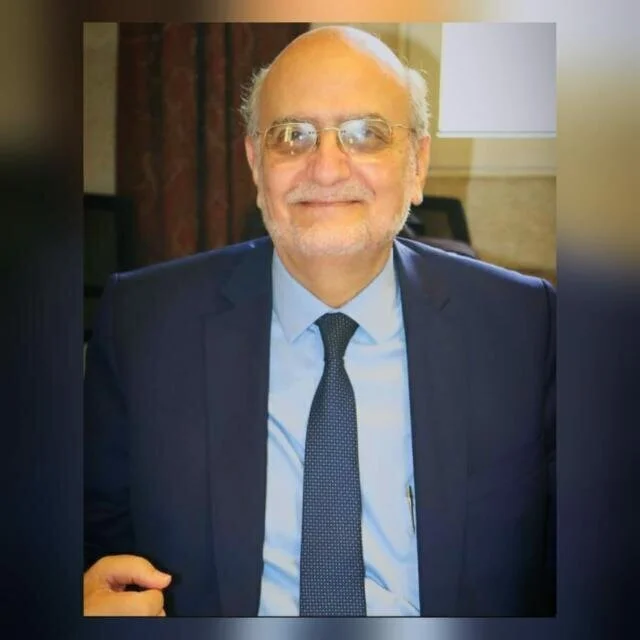
La corrupción: el asesino silencioso de la cultura y de la sociedad
La prensa y los medios de comunicación social comparten con nosotros artículos y llamamientos para combatir y eliminar la corrupción por el bien de la sociedad y el bienestar de las personas. Los escritores o autores de tuits y declaraciones tratan el fenómeno de la corrupción como si fuera una fruta que ha madurado y es el momento de recogerla, y está lista para que quien la alcance la aplaste.
Han echado de menos el profundo conocimiento sociológico y el análisis de los fenómenos sociales, y han olvidado que cuando la gente se acostumbra a algo, su eliminación no se logra mediante un decreto o una orden emitida por los órganos de gobierno a los órganos ejecutivos. Si así fuera, habríamos considerado que la sociedad es una máquina, y basta con cambiar la pieza desgastada en ella, para que vuelva a funcionar de forma adecuada.
La corrupción en el Líbano, y en muchas de nuestras sociedades en el mundo árabe, se ha convertido en una cultura profundamente arraigada en la mentalidad tanto a nivel individual como a nivel colectivo. En consecuencia, no es posible ni razonable erradicarla de un día para otro, sobre todo porque está arraigada en nuestras mentes y almas desde hace siglos.
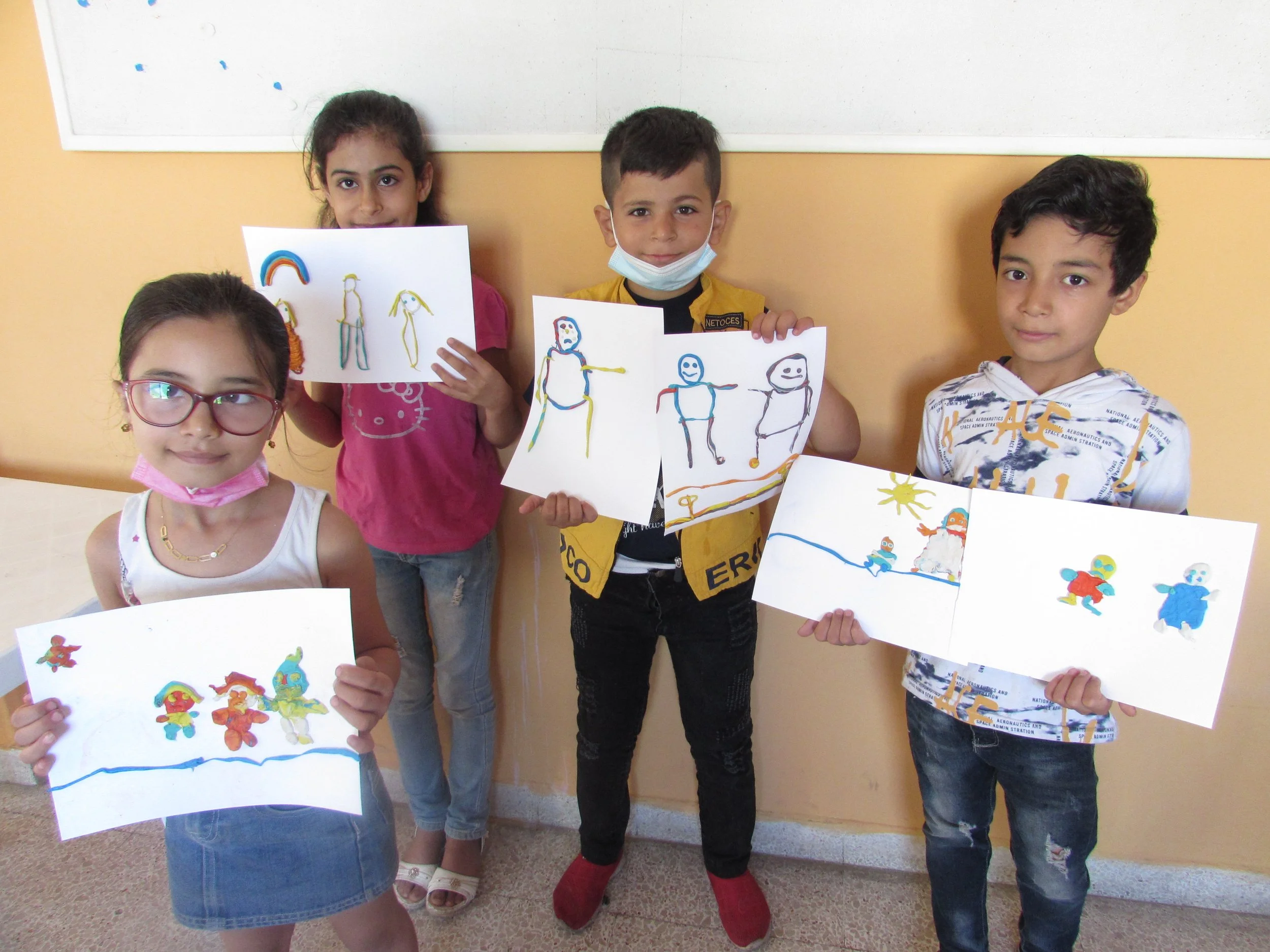
Apoyo psicosocial a los niños del Líbano
Nuestros niños, que son uno de los principales pilares de nuestra sociedad, nacen en este mundo con la esperanza de cosechar sus frutos. Desgraciadamente, los tiempos actuales no son tan reconfortantes y los niños quedan desamparados y necesitados.
Por suerte, el Departamento de Servicio y Ayuda - Diakonia, de la Oficina de Beirut, del Consejo de Iglesias del Oriente Medio sigue organizando una serie de sesiones psicosociales continuas con el objetivo de promover el bienestar y la resiliencia de los niños. Se les involucraría a través de una serie de actividades recreativas que les ayudarían a lidiar con los desafíos emocionales, sociales y prácticos.
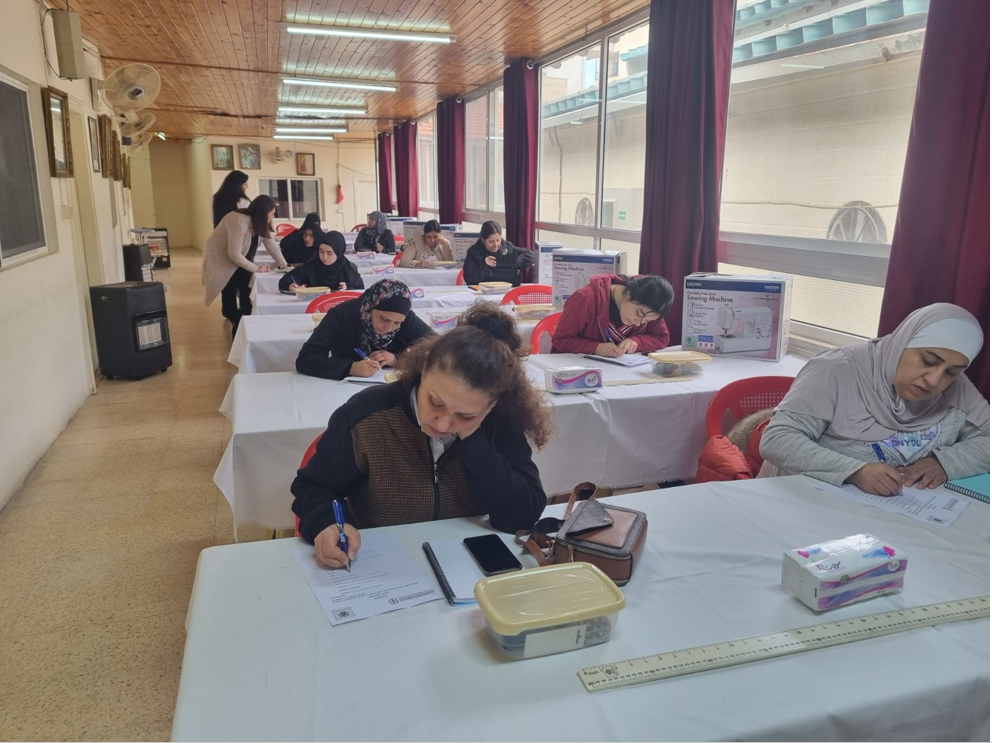
Empoderamiento de las mujeres con el MECC en Jordania mediante cursos de formación en costura
«Las mujeres son la mitad de la sociedad». Muchos países del mundo se esfuerzan por integrar a las mujeres en todos los sectores productivos y económicos. Sin embargo, las recientes condiciones de seguridad, políticas y sanitarias, así como el estallido de la pandemia de coronavirus, han afectado negativamente a sus vidas, especialmente en el Oriente Medio, que se hunde en una crisis cada vez mayor.
En el Reino Hachemita de Jordania, por ejemplo, el Departamento de Estadística mencionó que la tasa de desempleo femenino ha aumentado hasta el 31.5% en el primer trimestre del año en curso en comparación con el año pasado. Otro informe del país publicado en 2021 muestra que la participación económica de las mujeres ha disminuido en un 3.3%, después de haber registrado la tasa más alta del 17.3% en 2017.
Por lo tanto, el Consejo de Iglesias del Oriente Medio está trabajando para mejorar el papel de la mujer en las sociedades a través de varios programas que implementa en muchos países de la región.