MECC

Video - "Ecumenical Horizons" Program: Episode 29
Produced by MECC
“Ecumenical Horizons” is a weekly program that features spiritual, cultural, intellectual, educational, youth and environmental topics.
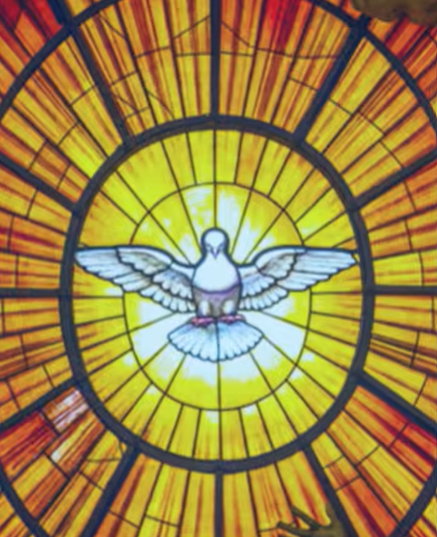
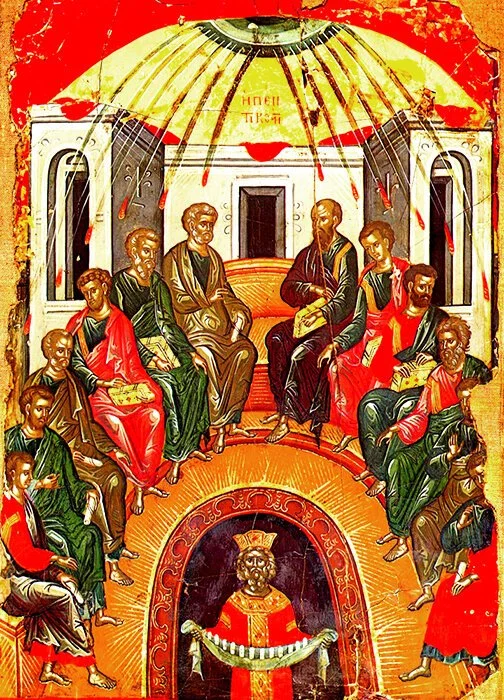
On the Day of the Pentecost, a Renewal of Faith and Transition to True Light
Media of the Middle East Council of Churches (MECC)
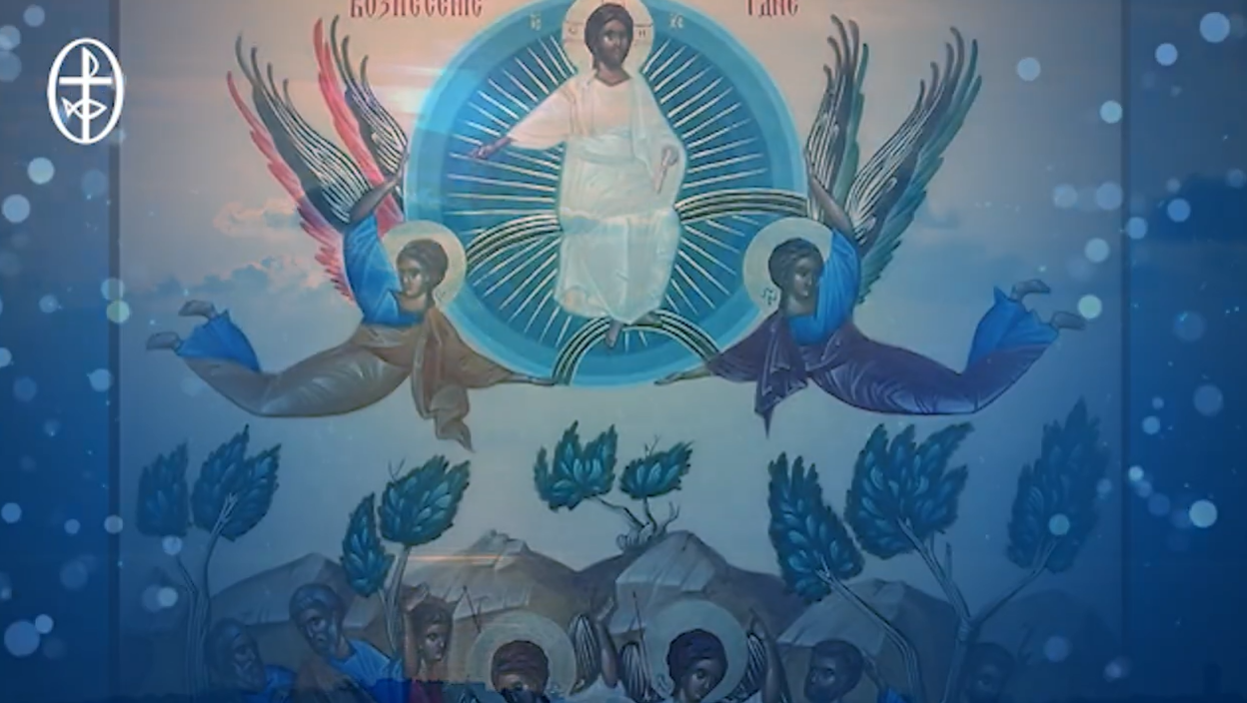
It is the day of the founding and birth of the Church, the day on which it was entrusted with its mission: a community of missionaries and witnesses. The disciples accepted the word of the Lord with great joy to preach it around the world in one language, the language of God... It is the day of Pentecost, the memory of the coming of the Holy Spirit on the apostles who were gathered with the Mother of God in Zion, Jerusalem, following the ascension of Jesus Christ into the heart of the Heavenly Father. It is the celebration of renewal that guides man from darkness and sin to light and chastity. This divine light was mentioned in the Bible of John in chapter 8:12: “I am the light of the world. Whoever follows me will not walk in darkness but will have the light of life.”
Church Families celebrate this divine event fifty days after Easter, each according to its rite and belief. According to Acts 2: 1-11 "And suddenly there came from the sky a noise like a strong driving wind, and it filled the entire house in which they were. Then there appeared to them tongues as of fire, which parted and came to rest on each one of them. And they were all filled with the holy Spirit and began to speak in different tongues, as the Spirit enabled them to proclaim…" With the Pentecost, the Church ends the third stage of the New Testament. The first would be the stage from the Annunciation to the Cross, the second, from the Cross to the Resurrection, and the third, from the Resurrection through the Ascension to the Pentecost.
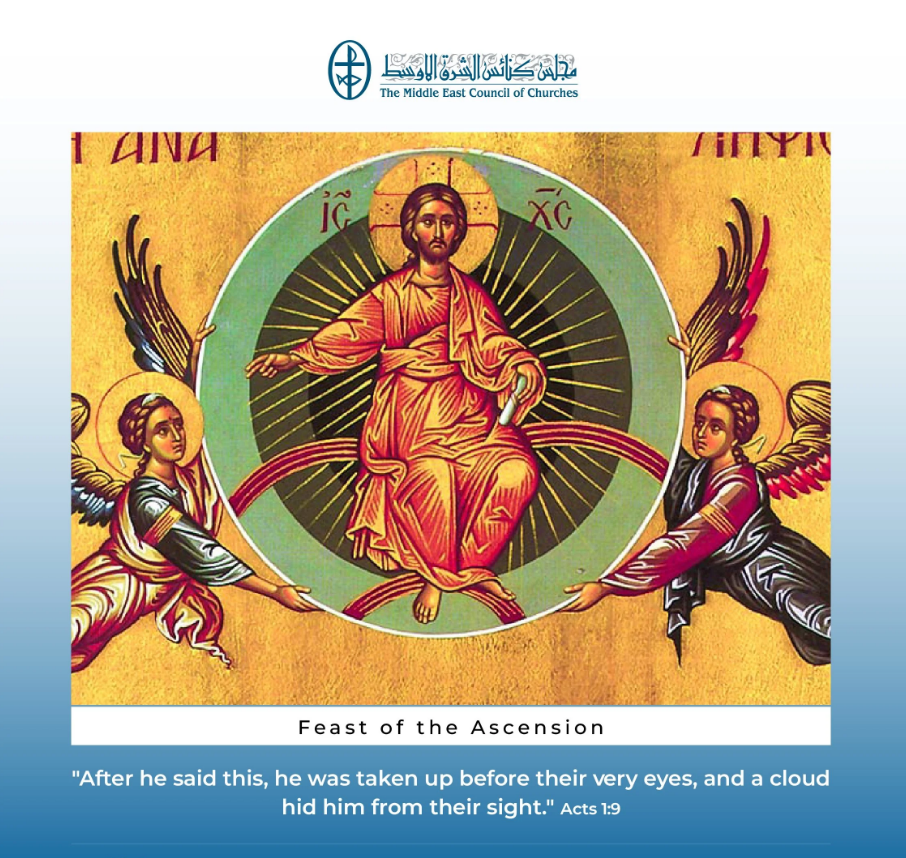
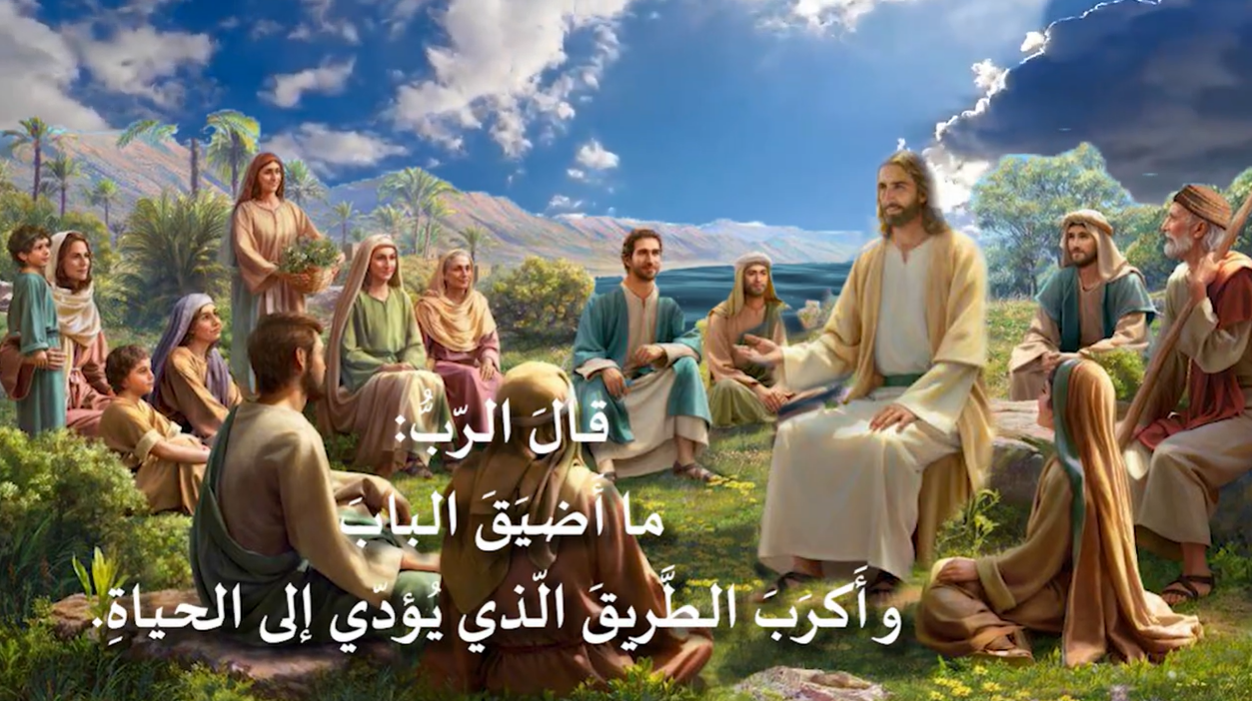
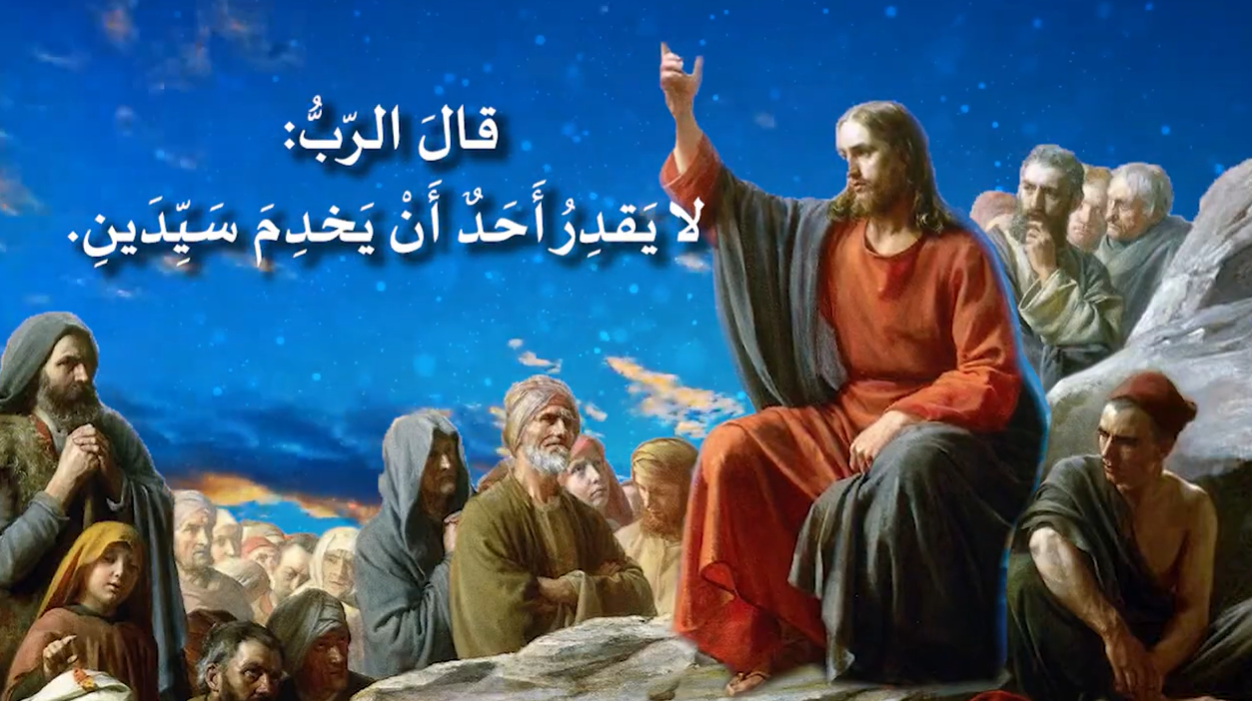
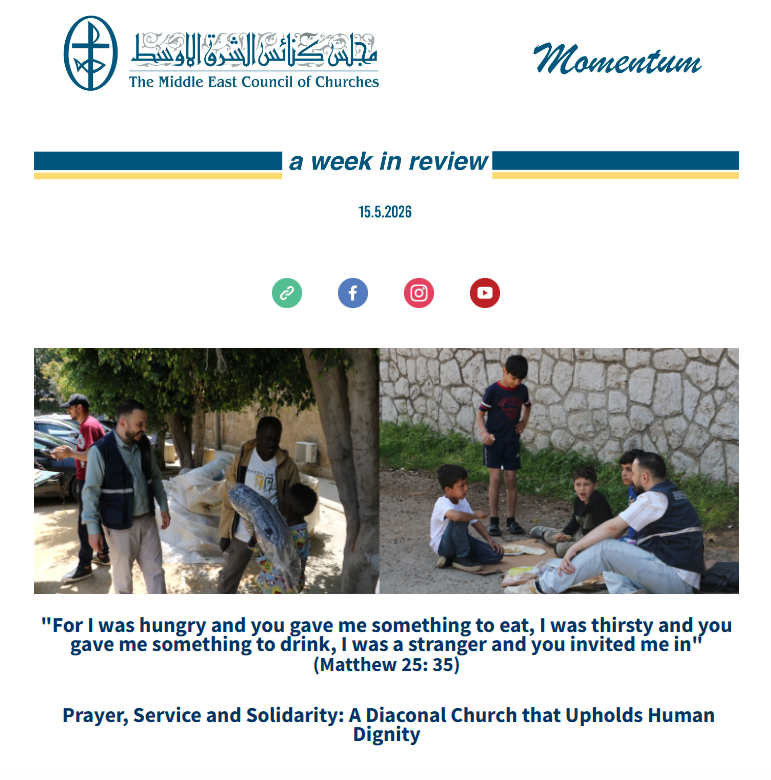
The Middle East Council of Churches (MECC) Issues Its Weekly Newsletter
“Momentum”
15-5-2026
This issue includes reports, videos, news, articles, and a full coverage of the latest developments of the Middle East Council of Churches (MECC), as well as the Church, Ecumenical, and social events…
This is in addition to the weekly word of the MECC Secretary General Professor Michel Abs which is entitled in this issue “The Church Washes the Feet of the Barefoot, Inspired by daily life in the Antiochian Levant and the Nile Valley”.
You can check the issue via the following link: https://mailchi.mp/11cefb6e6669/momentum-mecc-weekly-newsletter.
You can also subscribe to the Momentum Newsletter via the following link:
https://mecc.us14.list-manage.com/subscribe?id=fd3381352a&u=1db32cafe9ea32b38eb90480a.
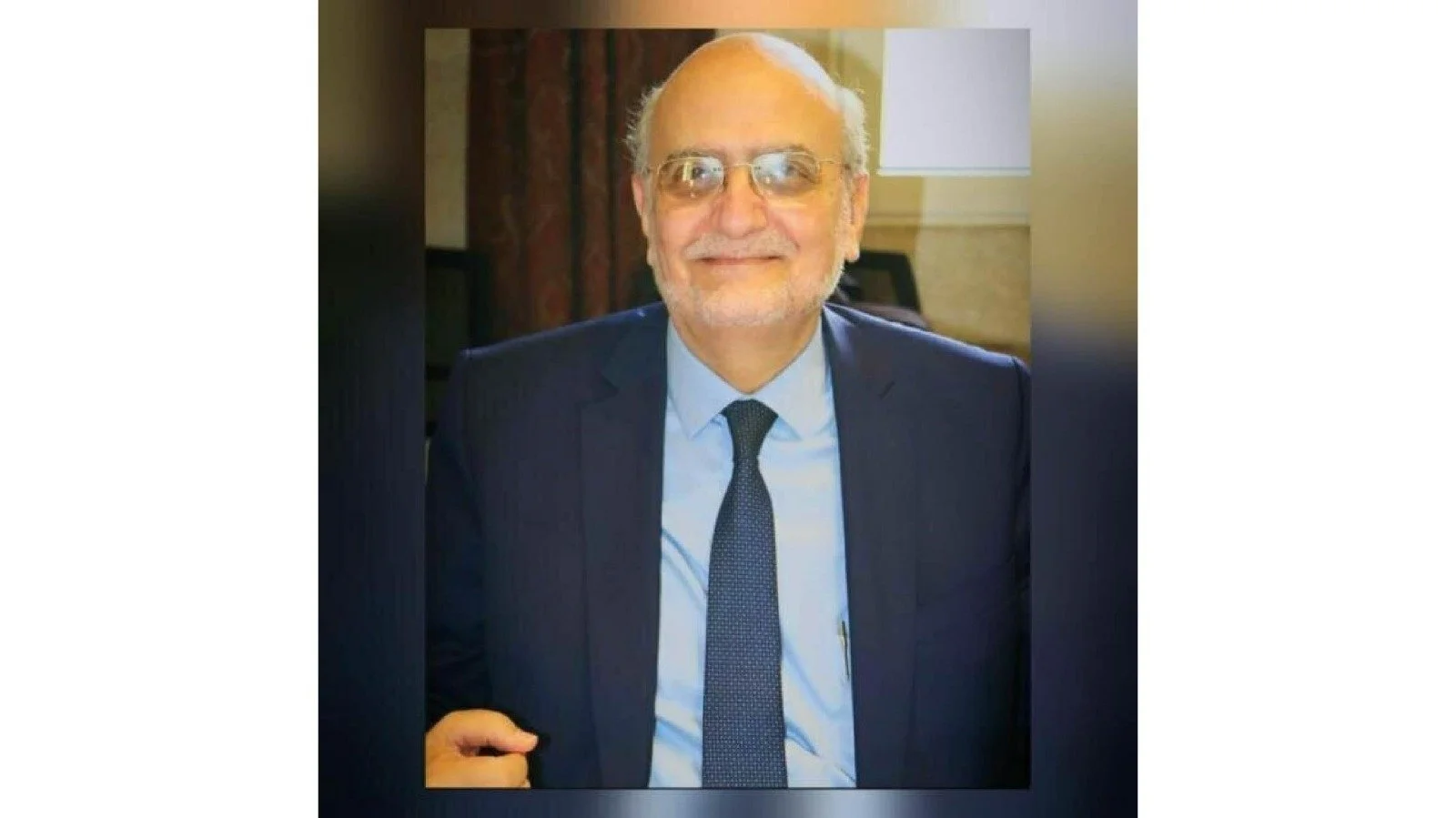
The Church Washes the Feet of the Barefoot
Inspired by daily life in the Antiochian Levant and the Nile Valley
Professor Michel Abs
The Secretary General of the Middle East Council of Churches (MECC)
It is Holy Thursday — the Thursday of the Mysteries.
The Upper Room.
Christ removes His garment, ties the towel around His waist, and bends down to wash the feet of His disciples. Peter refuses, and he hears the severe answer: “Unless I wash you, you have no share with me” (John 13:8).
This is not only a historical event. It is divine guidance and a program of action.
When we say that “the Church washes the feet of the barefoot,” we mean that the essence of the Church’s social service is this deliberate bending down toward those whom the road has exhausted.
It is a reversal of the logic of power: “Whoever wants to be first must be servant of all” (Mark 10:44). The Church is measured by the extent to which her clergy bend down.
The core idea is that authority in the Church is not domination. It is diakonia — service.
“Washing the feet of the barefoot” means touching directly the wounds of the weary and heavy-burdened, without mediation and without humiliation.
Washing feet means that I bend down until I become level with you, and I touch your pain with my own hands.
His Holiness Pope Francis called it a “field domain Church.” It leaves the sanctuary, becomes soiled with the dust of the road, and touches the wound.
The theological meaning of this is clear and unmistakable: whoever rejects the Church’s service, or refuses to serve, has not understood the mystery of the Eucharist.
The liturgy that is not completed by service to the barefoot becomes an empty ritual…