
مرصد فلسطين – تقرير الجمعة 22 أيّار/ مايو 2026
Palestine Observatory - Report: Friday 22 May 2026
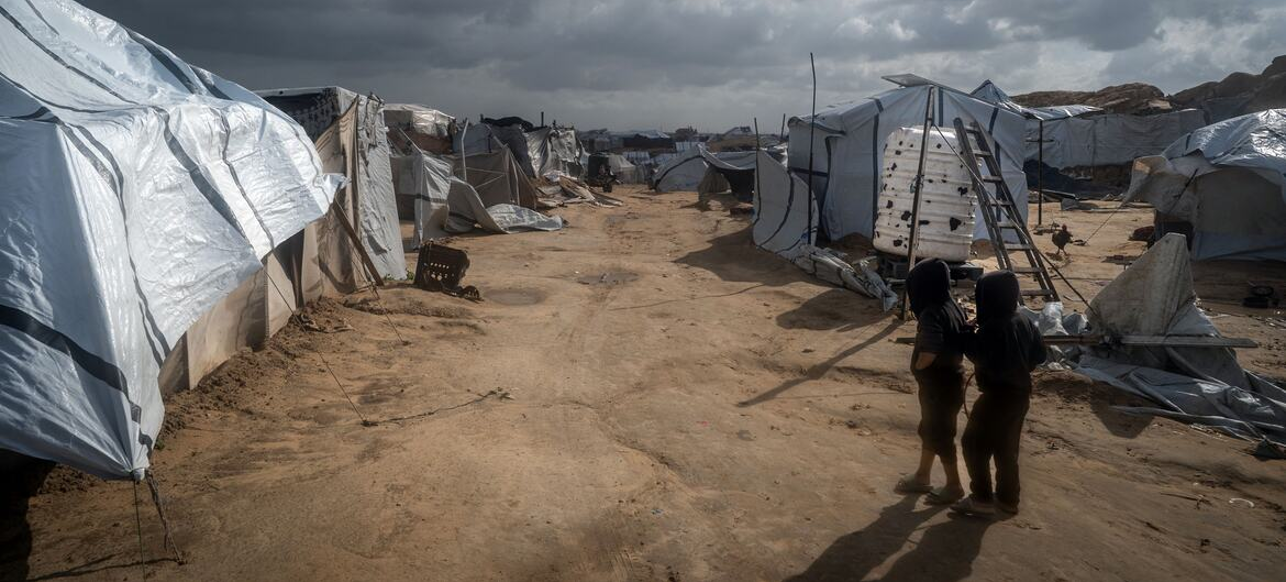
© WFP/Maxime Le Lijour
طفلان يسيران بين خيام ملجأ مؤقت بالقرب من ميناء خان يونس في غزة
Two children walk between tents at a temporary shelter near the port of Khan Younis in Gaza
English Information Below
في ظلّ تفاقم الظروف الإنسانيّة والاجتماعيّة في المنطقة جرّاء تصاعد العمليّات الأمنيّة فيها، يقدّم مجلس كنائس الشرق الأوسط تقريرًا أسبوعيًّا بعنوان "مرصد فلسطين" حيث يتضمّن آخر المستجدّات الّتي تشهدها فلسطين خصوصًا وسط تدهور الظروف المعيشيّة والاجتماعيّة والأمنيّة في البلاد. ستكون بعض النصوص باللغة العربية، وبعضها الآخر باللّغة الإنكليزيّة، وذلك حسب المصدر.
In light of the worsening humanitarian and social conditions in the region due to the escalation of security operations, the Middle East Council of Churches presents a weekly report entitled "Palestine Monitor," which includes the latest developments in Palestine, especially amid the deteriorating living, social, and security conditions in the country. Some texts will be in Arabic, and some others in English, depending on the source.
في آخر المستجدّات:
أمنيًّا وإنسانيًّا، جاء في أحد تقارير وكالة الأمم المتّحدة لغوث وتشغيل اللّاجئين الفلسطينيّين:
"قطاع غزة
استمرت الضربات التي تشنها [القوات الإسرائيلية] في جميع أنحاء قطاع غزة، ما أدى إلى سقوط قتلى وجرحى من المدنيين وإلحاق أضرار بالمرافق الحيوية. ووقعت عدة غارات في محيط منشآت الأونروا، بما في ذلك في الشمال. ومع ذلك، لم يتم الإبلاغ عن وقوع إصابات أو حدوث أضرار في منشآت الأونروا.
يؤدي النقص الحاد في زيت المحركات وقطع الغيار إلى تعريض العمليات الإنسانية المنقذة للحياة للخطر في جميع أنحاء قطاع غزة. وتتأثر الخدمات الصحية بشكل خاص، حيث تعتمد معظم المرافق على المولدات التي تواجه أعطالا متكررة. وفي الوقت نفسه، فإن أنظمة إنتاج المياه وضخها وتوزيعها - إلى جانب إدارة مياه الصرف الصحي والنفايات الصلبة - معرضة لخطر التعطل الوشيك، لأنها تعتمد بشكل شبه كامل على المولدات القديمة التي تعمل بما يتجاوز حدودها التصميمية. وبدون إعادة التزويد العاجلة، فإنه من المتوقع أن تؤدي الاضطرابات في الرعاية الصحية والوصول إلى المياه الآمنة وجمع النفايات إلى تفاقم المخاطر على الصحة العامة والقيود التشغيلية بسرعة.
القتلى والجرحى
في الفترة ما بين 7 تشرين الأول/ أكتوبر 2023 وحتى 12 أيار/ مايو 2026، وفقًا لوزارة الصحة في غزة، حسبما ذكره مكتب تنسيق الشؤون الإنسانية، فقد قتل 72,742 فلسطينيًّا في قطاع غزة وأصيب 172,565 شخصًا آخر بجراح.
سجلت الأونروا مقتل 391 زميلًا في غزة منذ بدء الحرب (310 من موظفي الأونروا، بالإضافة إلى 81 شخصًا كانوا يدعمون أنشطة الأونروا)، حتى 18 أيار/ مايو 2026.
الأزمة الصحية
تواصل فرق المراقبة الطبية الإبلاغ عن زيادة في حالات العدوى بالطفيليات الخارجية، مثل الجرب، وكذلك جدري الماء. ولا تزال قدرة الأونروا والشركاء في المجال الإنساني على السيطرة على انتشار القوارض والطفيليات مقيدة بسبب النقص الحاد في المبيدات الحشرية ولوازم النظافة، فضلا عن نقص الإمدادات اللازمة لمواصلة عمليات إزالة النفايات والصرف الصحي، وعدم إمكانية الوصول إلى مكبات النفايات، ومحدودية التقدم في إزالة الأنقاض.
النزوح وإدارة المواقع
تواصل الأونروا رصد تحركات النازحين ومواقع النزوح. ويقدر أن 65 ألف نازح يعيشون في 82 ملجأ جماعيًّا طارئًا تديرها الوكالة.
يوجد حاليًّا 126 مرفقًا تابعًا للأونروا داخل [المنطقة العسكرية الإسرائيلية] خلف ما يسمى "الخط الأصفر" وكذلك في المناطق الواقعة ضمن "الخط البرتقالي" التي يخضع الوصول إليها لموافقة أو تنسيق [إسرائيلي]".[1]
في سياق متّصل، تحذّر الأمم المتحدة من خطورة الوضع في فلسطين، ووفق ما جاء في موقعها، "قال مسؤول أممي أمام مجلس الأمن الدولي: إن الوضع في أنحاء الأرض الفلسطينية المحتلة محفوف بمخاطر متزايدة. وشدد على ضرورة تطبيق جميع عناصر "الخطة الشاملة" لإنهاء النزاع في غزة. وفي الاجتماع عينه، استعرض الممثل السامي لمجلس السلام في غزة أول تقاريره عن تطبيق القرار رقم 2803، وركز على خارطة الطريق لتطبيق الخطة الشاملة".[2]
Latest updates:
On the security and humanitarian side, the United Nations Relief and Works Agency for Palestine Refugees in the Near East (UNRWA) indicated in one of its latest reports the following:
“The Gaza Strip
Strikes by [Israeli forces] continued across the Gaza Strip, resulting in civilian casualties and damage to critical facilities. Several strikes occurred in the vicinity of UNRWA facilities, including in the north. However, no casualties or damage to UNRWA installations were reported.
Severe shortages of engine oil and spare parts are placing life-saving humanitarian operations at risk across the Gaza Strip. Health services are particularly affected, as most facilities rely on generators that face frequent breakdowns. At the same time, water production, pumping and distribution systems - alongside wastewater and solid waste management - are at imminent risk of failure, as they depend almost entirely on ageing generators that are operating beyond design limits. Without urgent resupply, disruptions to healthcare, safe water access, and waste collection are expected to rapidly escalate public health risks and operational constraints.
Fatalities and injuries
Between 7 October 2023 and 12 May 2026, according to the Ministry of Health, as reported by OCHA, 72,742 Palestinians were killed in the Gaza Strip and another 172,565 injured.
UNRWA has recorded 391 colleagues killed in Gaza since the start of the war (310 UNRWA personnel, and 81 persons who were supporting UNRWA), up to 18 May.
Health crisis
Medical surveillance teams continue to report an increase in ectoparasitic infections, such as scabies, as well as chickenpox. The ability of UNRWA and humanitarian partners to control the spread of rodents and parasites remains constrained by a severe shortage of pesticides and hygiene supplies, as well as by a lack of supplies to sustain waste removal and sewage operations, lack of access to landfills, and limited progress on rubble removal.
Displacement, Site management
UNRWA continues to monitor the movement of displaced persons and displacement sites. An estimated 65,000 displaced people are living in 82 collective emergency shelters managed by the Agency.
Currently, 126 UNRWA facilities are located within the [Israeli-militarized zone] behind the so-called “Yellow Line”, as well as in areas within the “Orange Line” where access is subject to [Israeli] approval or coordination.”[3]
On a related context, the United Nations mentioned on its website that “the Security Council is discussing the stalled progress in Gaza as the fragile ceasefire there limps on, and deteriorating conditions across the West Bank amid continued civilian casualties and mounting humanitarian needs. Discussions focuses on who governs Gaza, and how - with no disarmament in sight, together with efforts to support recovery.”[4]
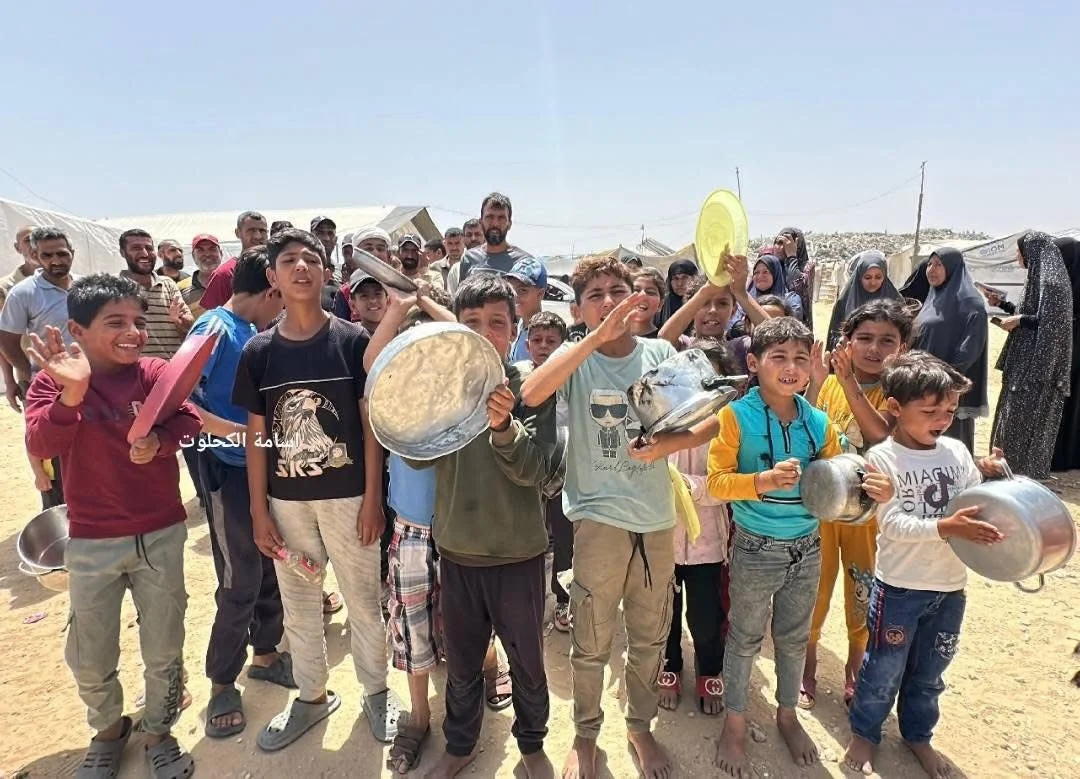
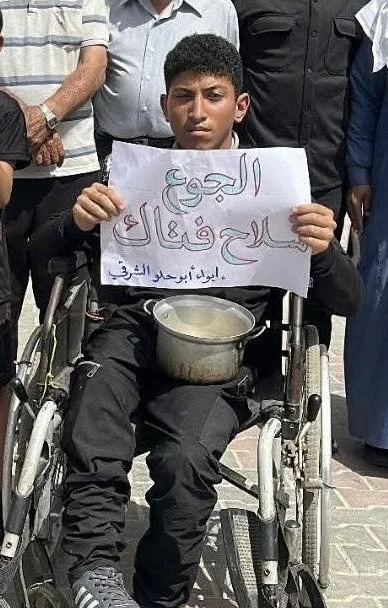
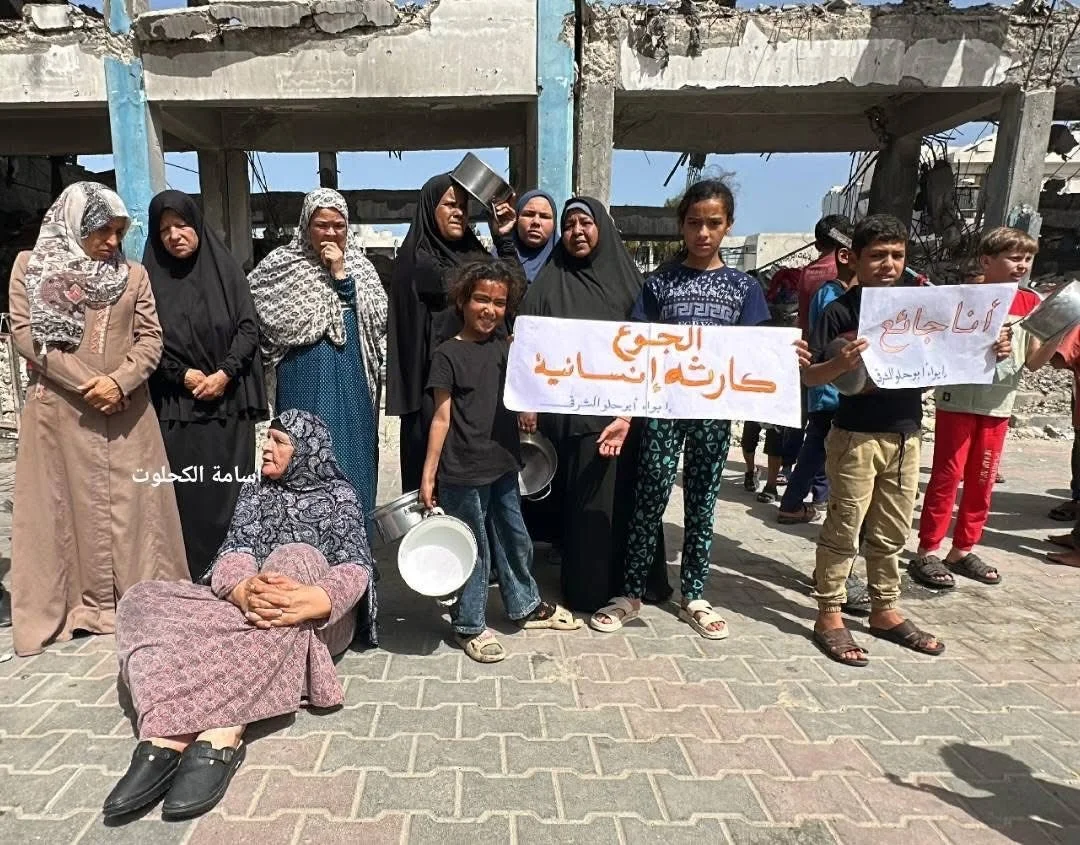
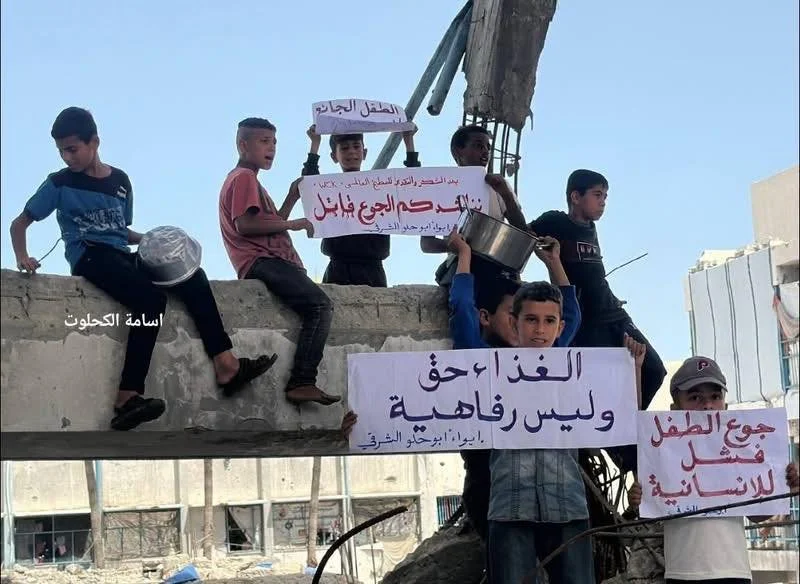
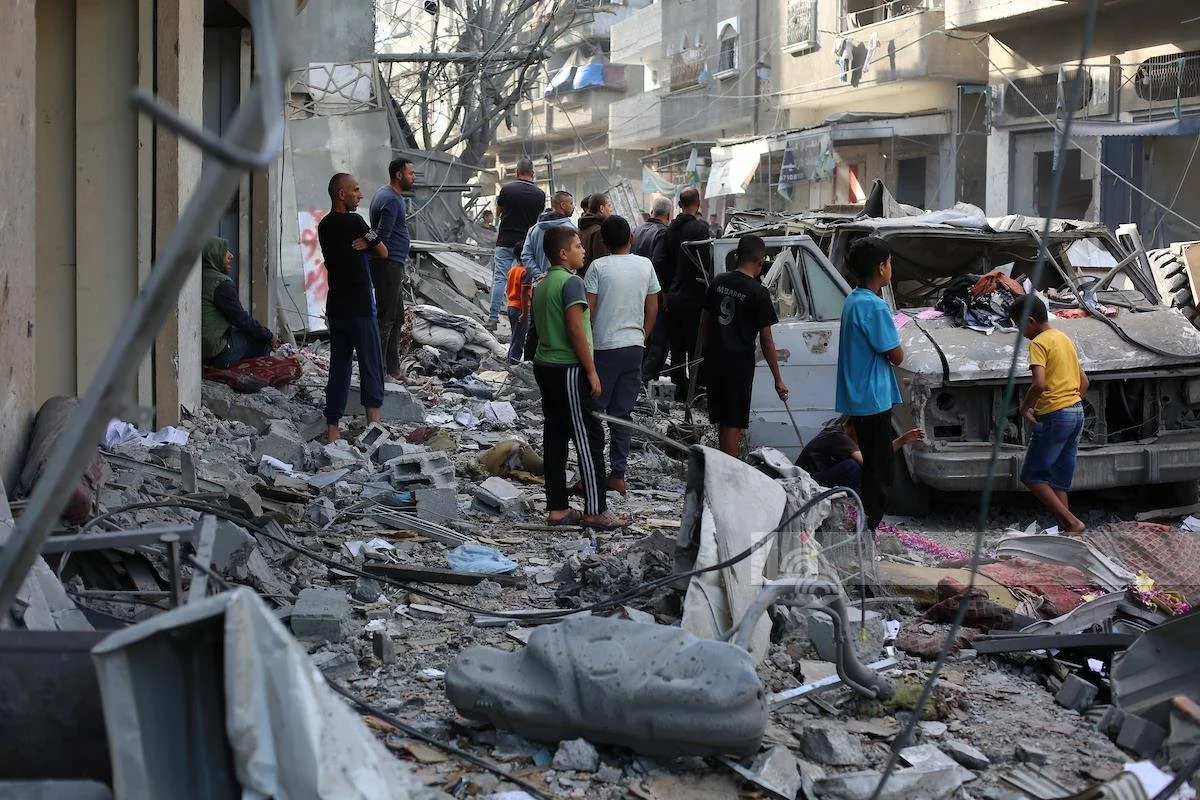
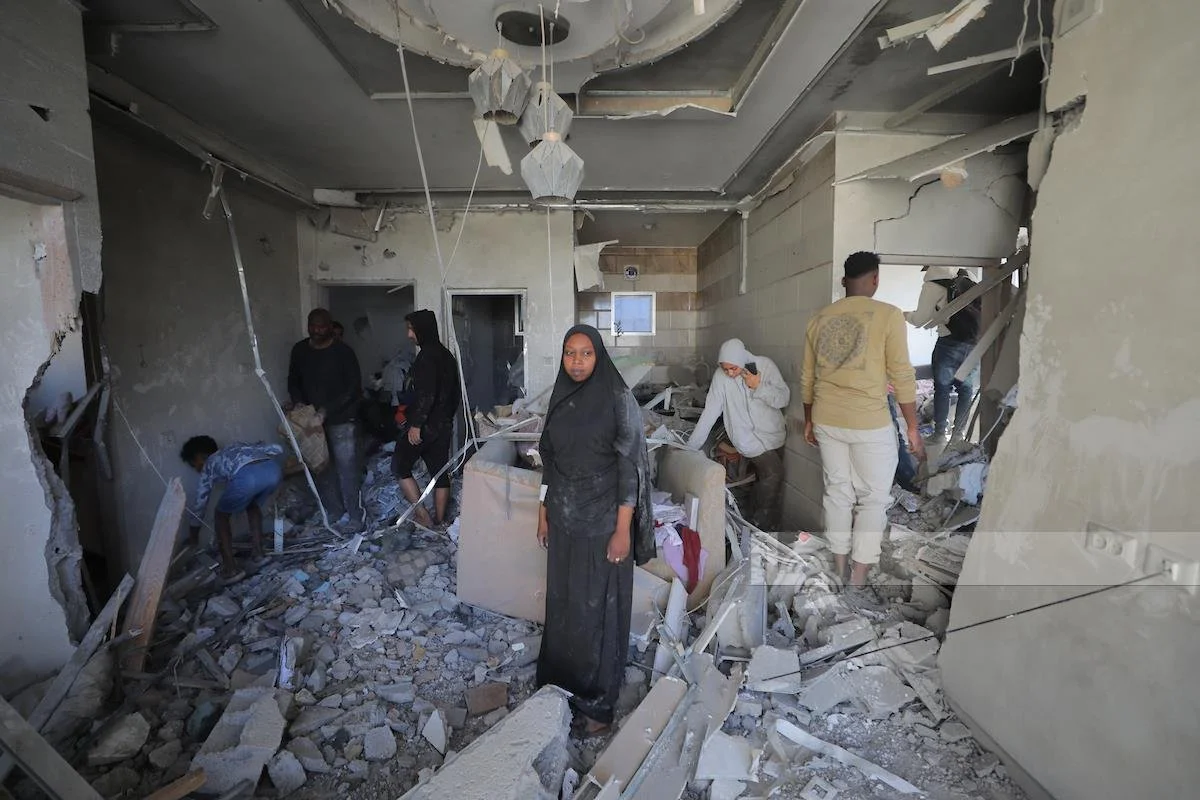
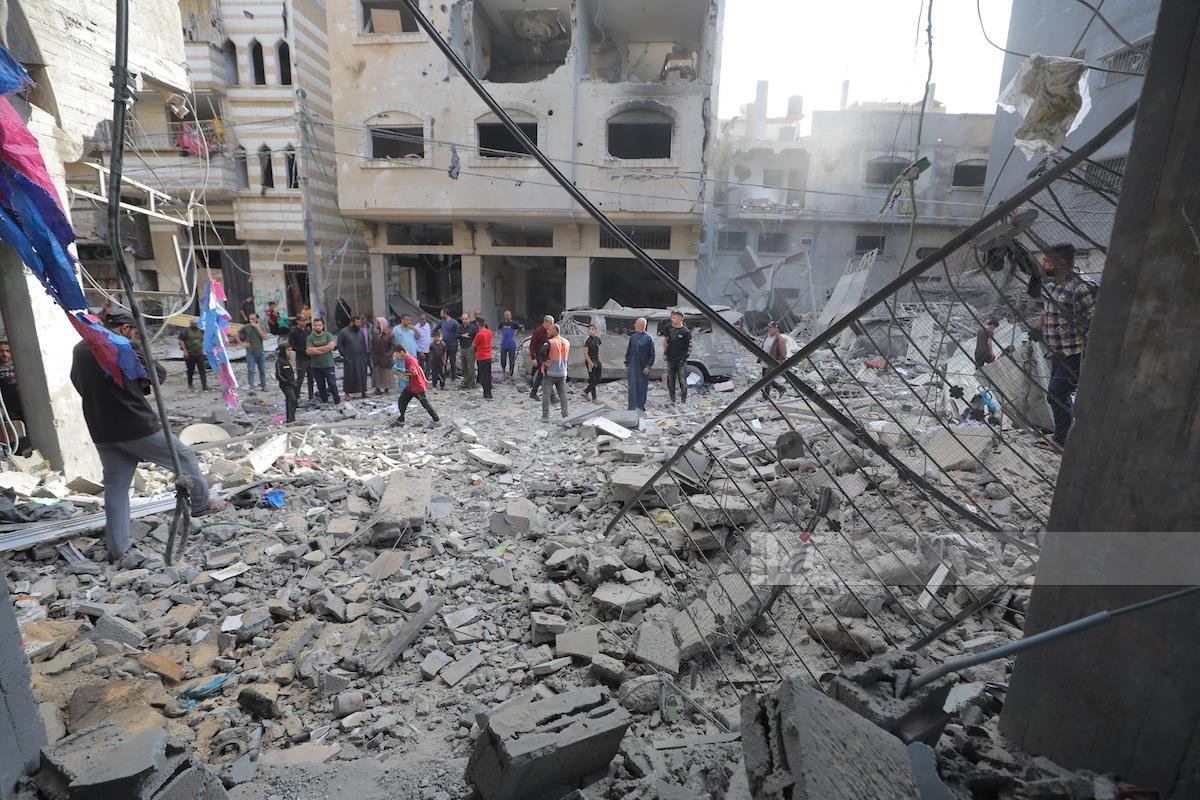
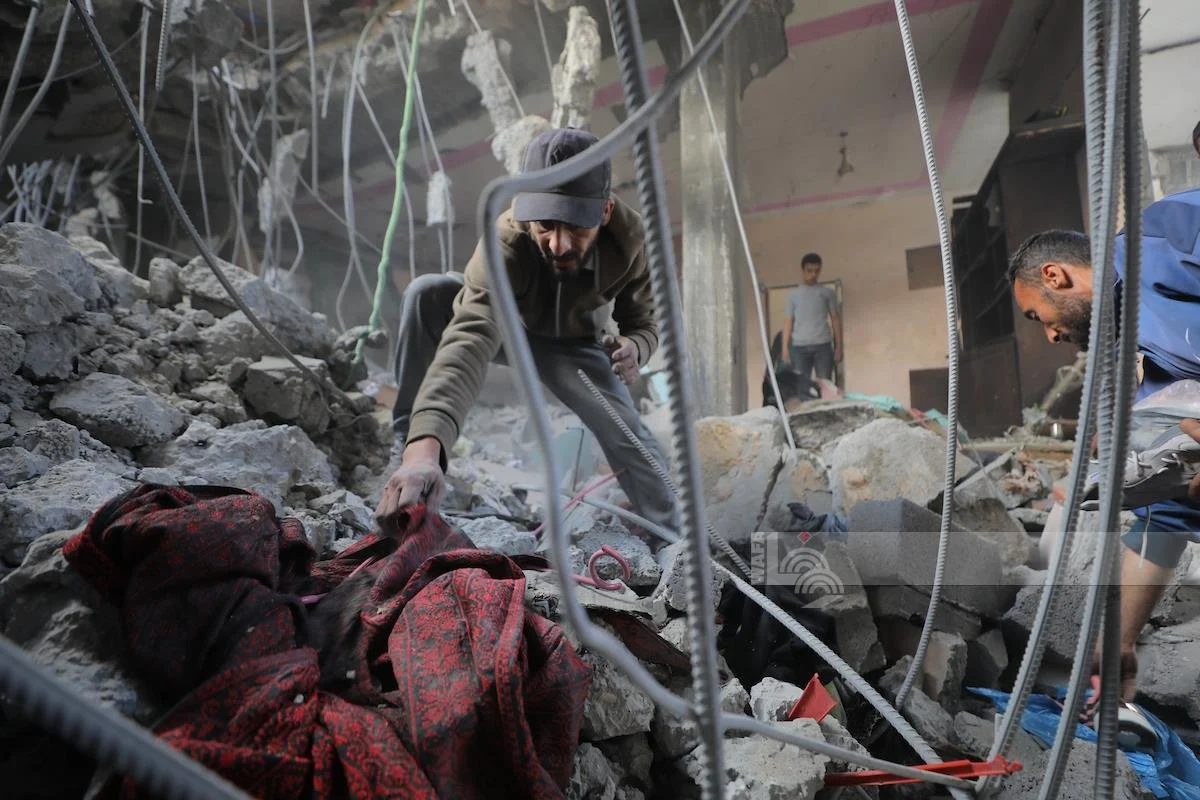
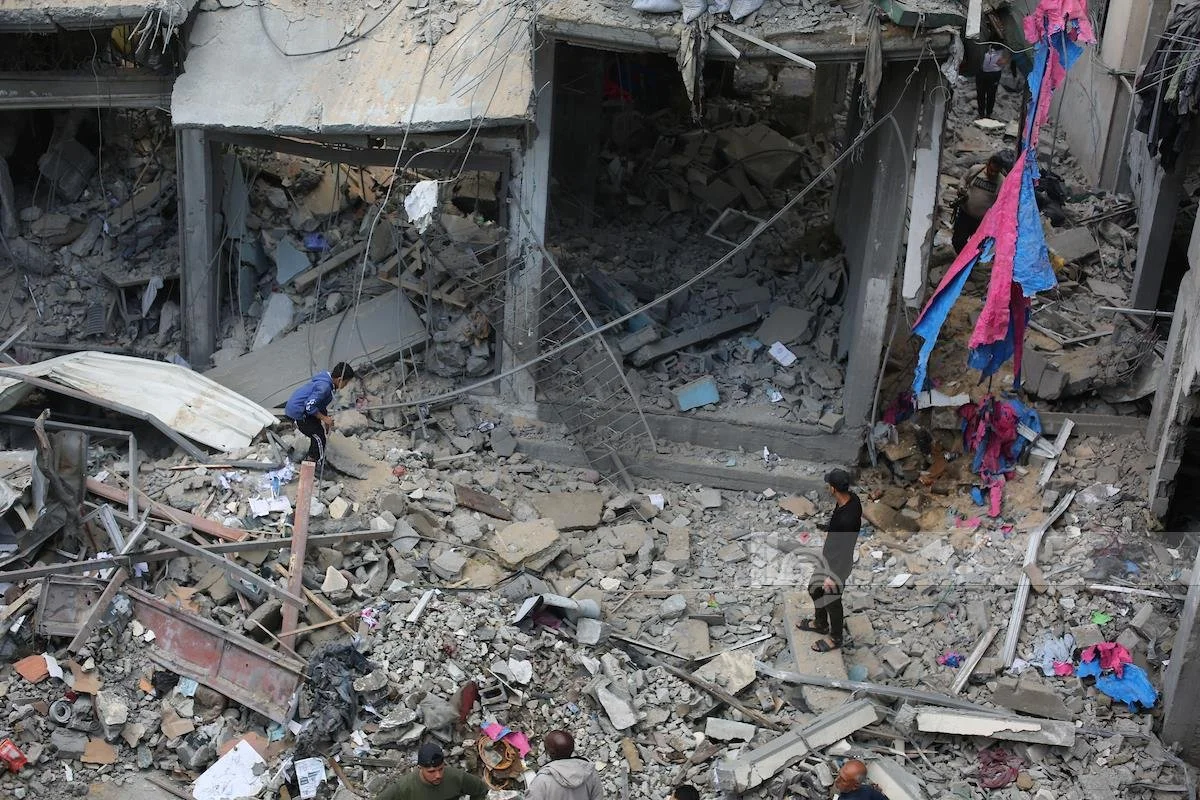
تجدون في التّالي مجموعة صورحول الأوضاع الإنسانيّة في غزّة. هذه الصور قد نُشرت على الصفحة الرسمية لسيادة المطران عطا اللّه حنا، رئيس أساقفة سبسطيا للروم الأرثوذكس، على موقع فيسبوك.
Below you can find some photos about the humanitarian situation in Gaza. These photos were published on the official Facebook page of His Eminence Archbishop Atallah Hanna, Greek Orthodox Archbishop of Sebastia.[5]--[6]
[1]https://www.unrwa.org/ar/resources/reports/%D8%AA%D9%82%D8%B1%D9%8A%D8%B1-%D8%A7%D9%84%D8%A3%D9%88%D9%86%D8%B1%D9%88%D8%A7-%D8%B1%D9%82%D9%85-222-%D8%AD%D9%88%D9%84-%D8%A7%D9%84%D8%A3%D8%B2%D9%85%D8%A9-%D8%A7%D9%84%D8%A5%D9%86%D8%B3%D8%A7%D9%86%D9%8A%D8%A9-%D9%81%D9%8A-%D8%A7%D9%84%D8%A3%D8%B1%D8%B6-%D8%A7%D9%84%D9%81%D9%84%D8%B3%D8%B7%D9%8A%D9%86%D9%8A%D8%A9-%D8%A7%D9%84%D9%85%D8%AD%D8%AA%D9%84%D8%A9-%D9%82%D8%B7%D8%A7%D8%B9-%D8%BA%D8%B2%D8%A9
[2]https://news.un.org/ar/story/2026/05/1144765
[3]https://www.unrwa.org/resources/reports/unrwa-situation-report-222-humanitarian-crisis-gaza-strip-and-occupied-west-bank
[4]https://news.un.org/en/story/2026/05/1167563