
Haigazian University in Lebanon: Between the Future of Education and Digital Transformations
Reverend Dr. Paul Haidostian to the MECC Media: A Series of Activities Promoting Culture Across Generations
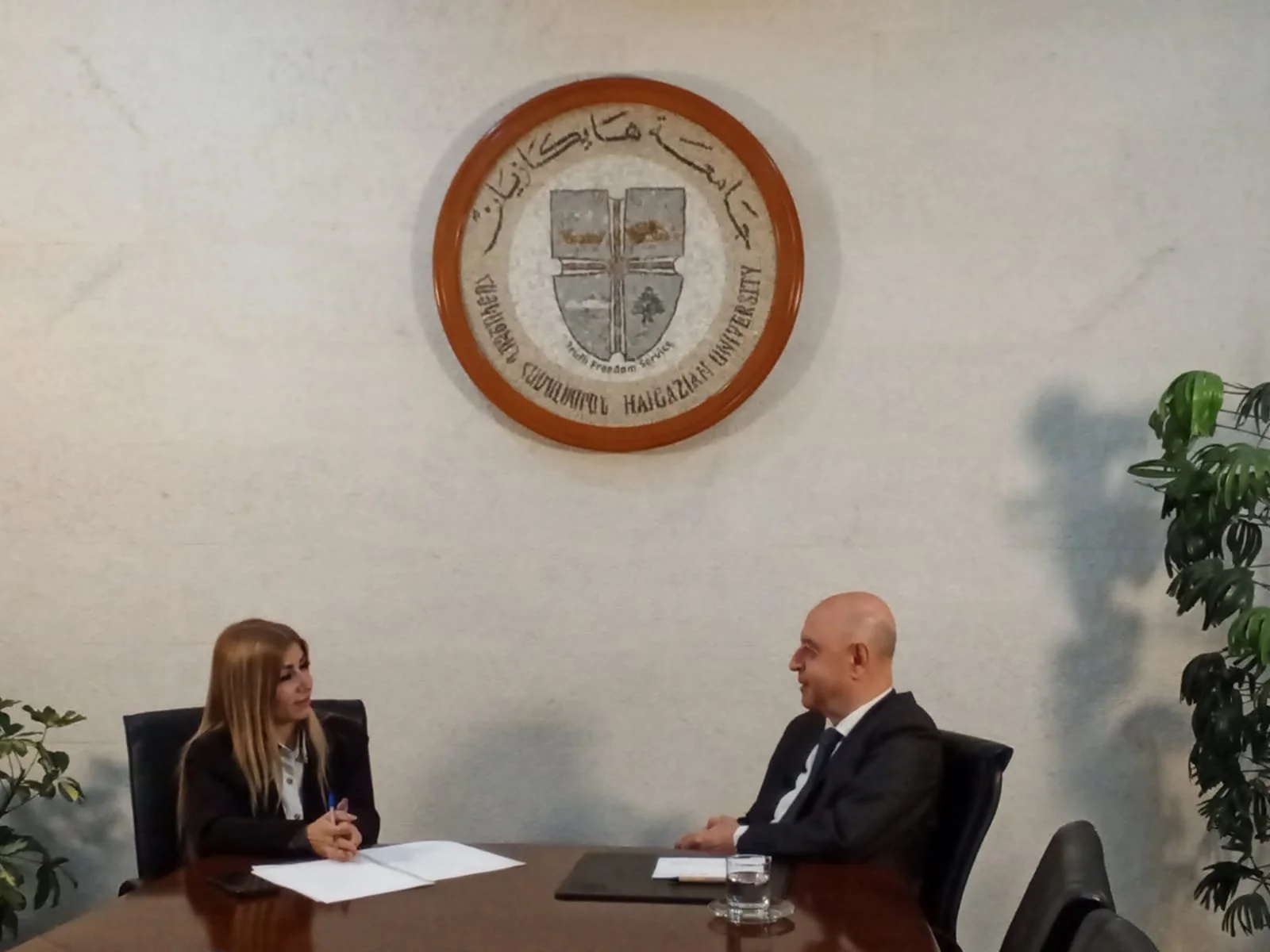
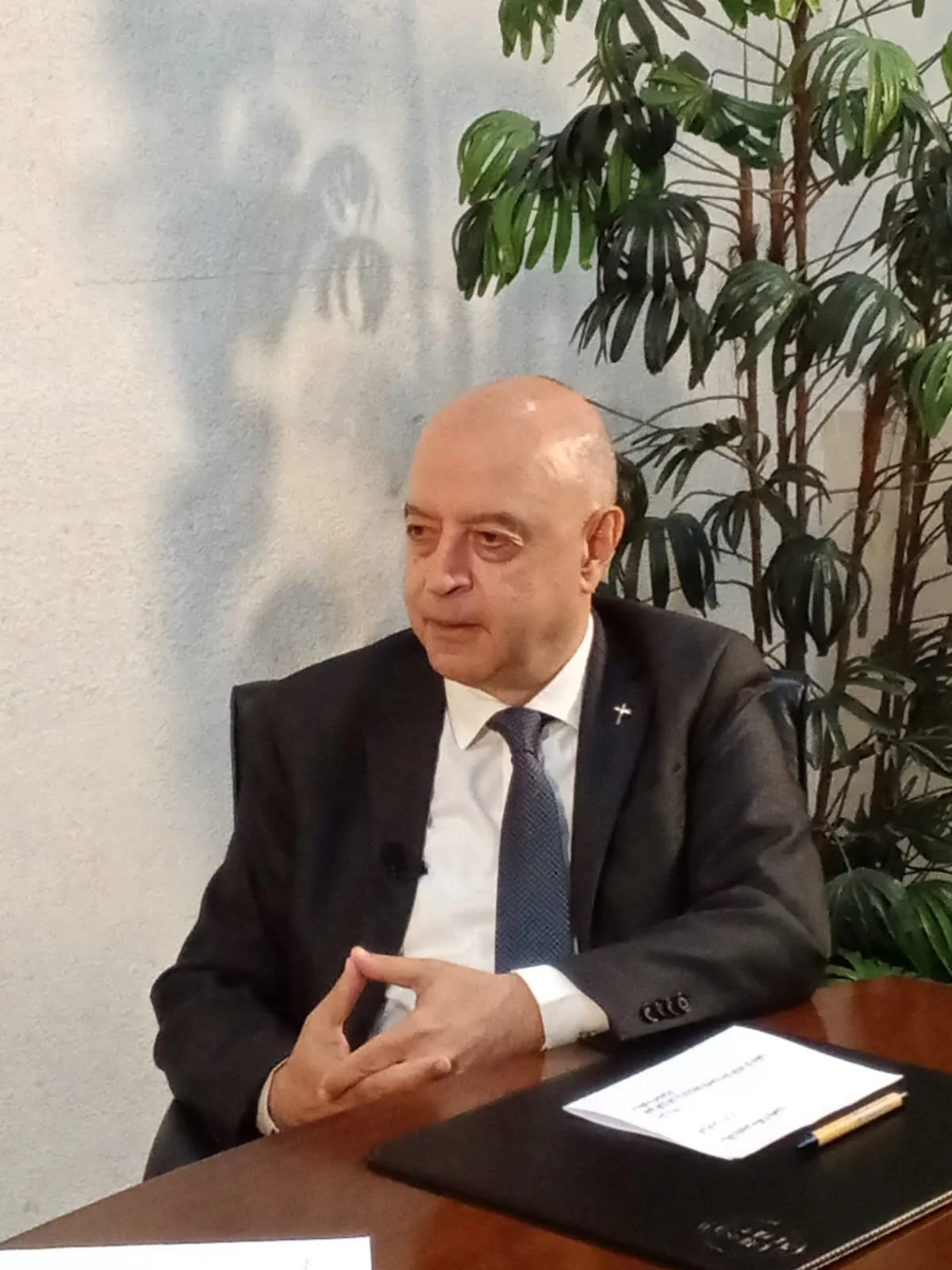
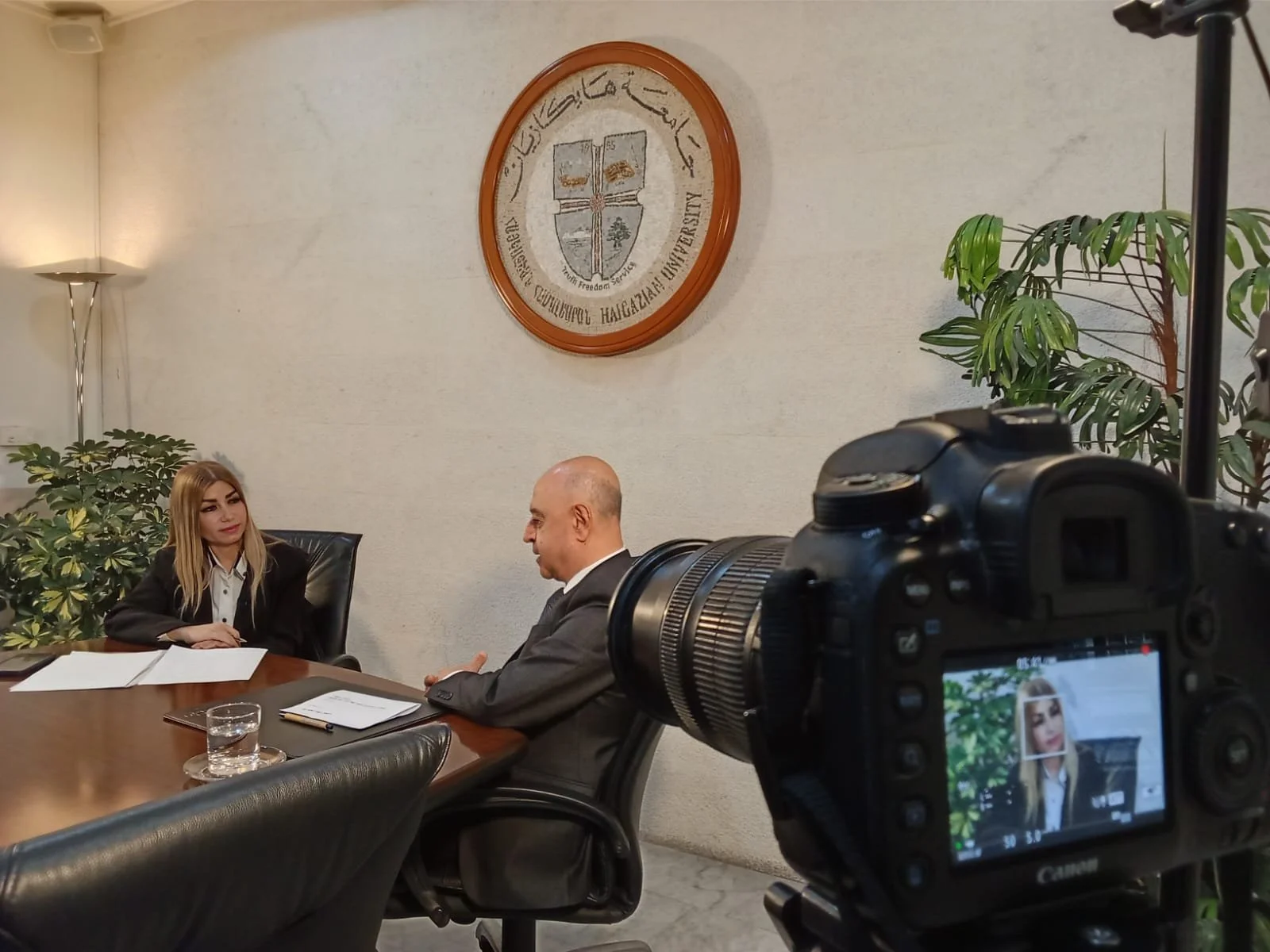
Amidst the rapid advancement of technology and the accelerating transformations taking place in the education sector, new questions are emerging about the future of education and access to knowledge. Between today’s challenges and the future of students, Haigazian University in Lebanon is preparing many activities aimed at raising awareness of the importance of academic education and the return to books and reading.
In this context, and in an exclusive interview to the Media of the Middle East Council of Churches (MECC), Reverend Dr. Paul Haidostian, President of the Union of the Armenian Evangelical Churches in the Near East, President of Haigazian University in Lebanon, and President of the Middle East Council of Churches (MECC) for the Evangelical Family, spoke about the University’s upcoming activities, their objectives, and details.
To begin with, Reverend Dr. Haidostian announced that a global conference will be held in October between the German Studies Center and Haigazian University. The conference will address the subject of foreign and Armenian missionaries and examine a history spanning approximately two hundred years.
Moreover, and according to Reverend Dr. Haidostian, the university is preparing to hold this year’s Founding Anniversary celebration, which will raise a fundamental question concerning the future of university education: Is it still necessary today for a young person to attend university and spend several years studying in order to obtain a degree, or can they pursue other fields and areas of specialization outside the university framework, develop their skills and abilities, particularly in technology and computer-related fields, and then enter the workplace without obtaining a university degree?
This raises further questions in this regard: Is it necessary for a young person to spend four years at university and bear costs that may reach forty, fifty, sixty, or even one hundred thousand dollars before beginning their professional life? Or can they begin working, learning, and gaining experience before university, or even without attending university at all?
Furthermore, Reverend Dr. Paul Haidostian stated that, toward the end of October, an entire day will be dedicated to a series of activities focusing on Haigazian University’s publications and the academic studies it has produced.
These activities will focus on the role and place of the book, particularly in light of the challenges it faces today as a result of the widespread use of modern technological.
Between the future of university education and the future of the book, Haigazian University is opening a space for discussion about the transformations shaping our world today.
Technology is introducing new tools for learning, working, and accessing knowledge. Yet the challenge remains to find a balance between benefiting from these developments and preserving the values and roles that have formed the foundation of education and culture from one generation to the next.