Churches And Preparedness
An Ecumenical Workshop Organized by the Middle East Council of Churches and Tearfund in Beirut
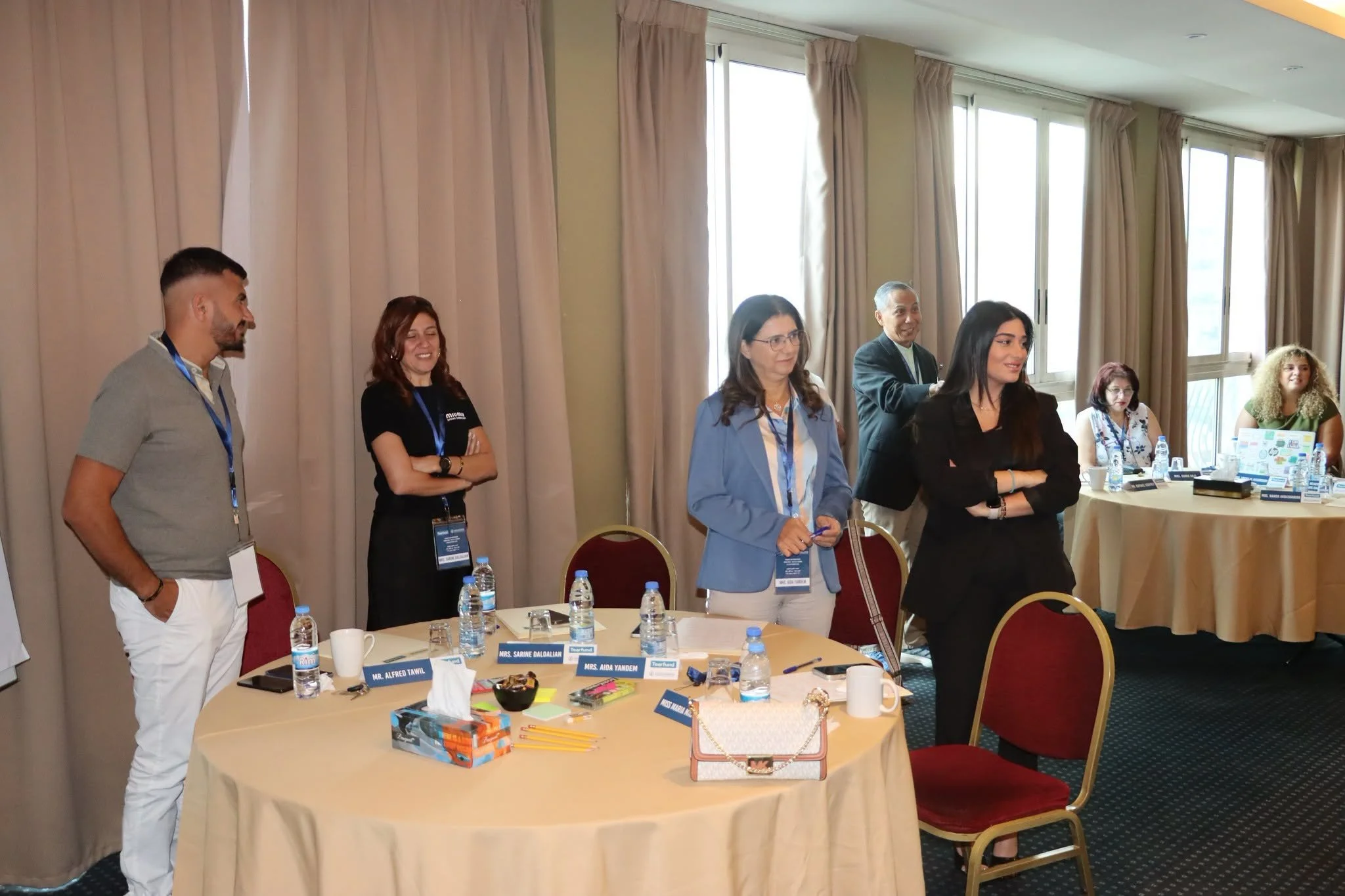
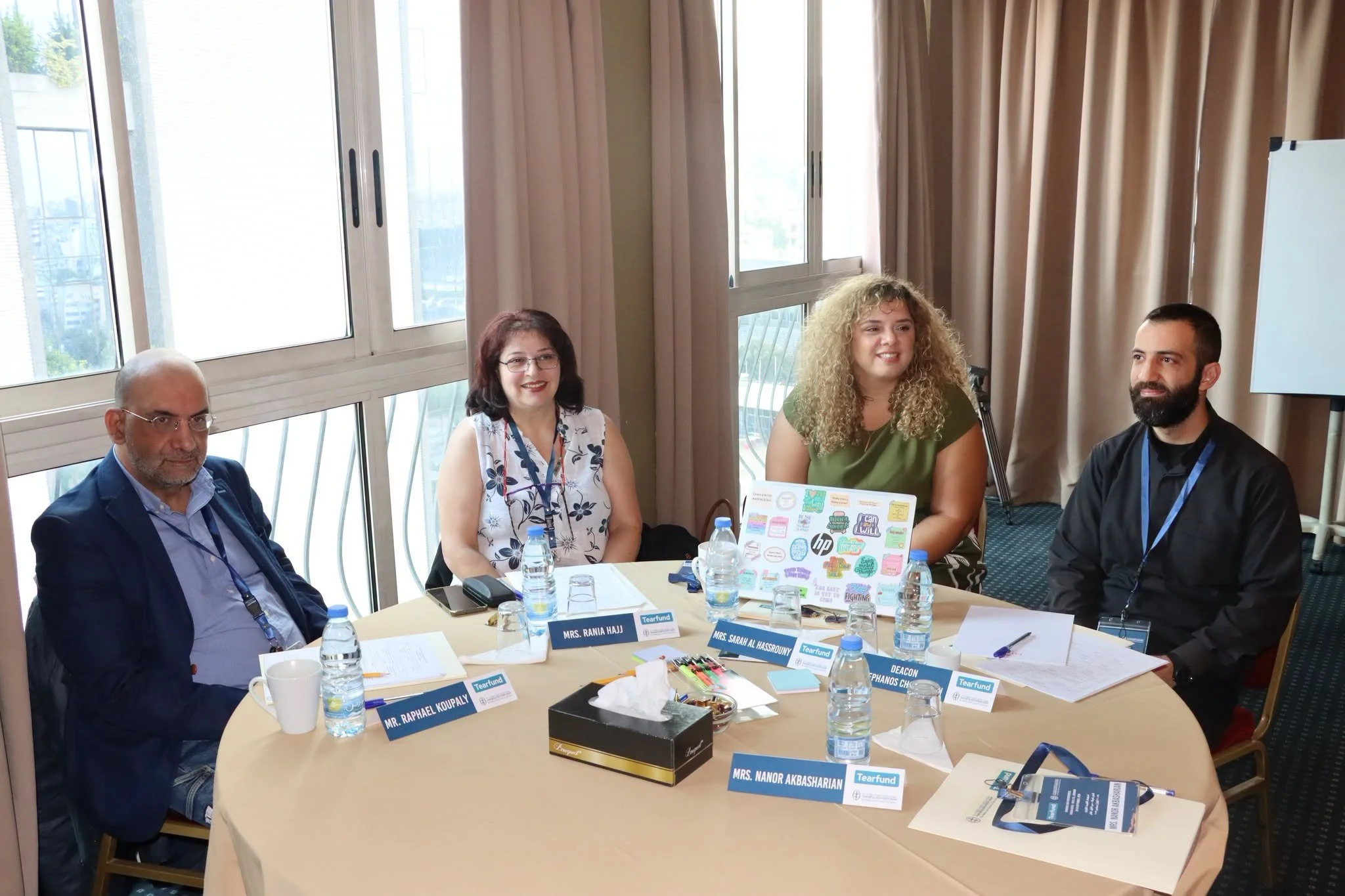
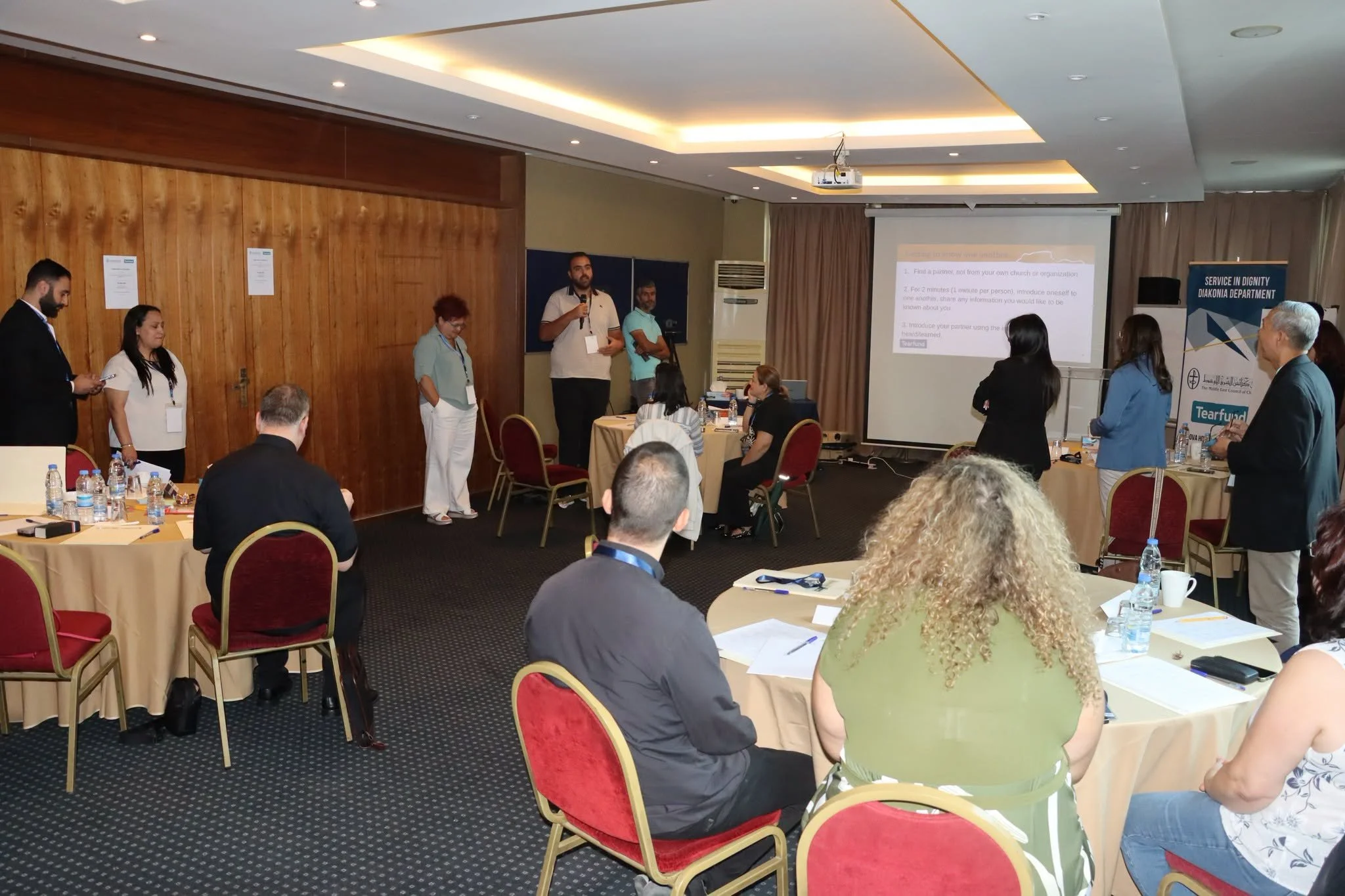
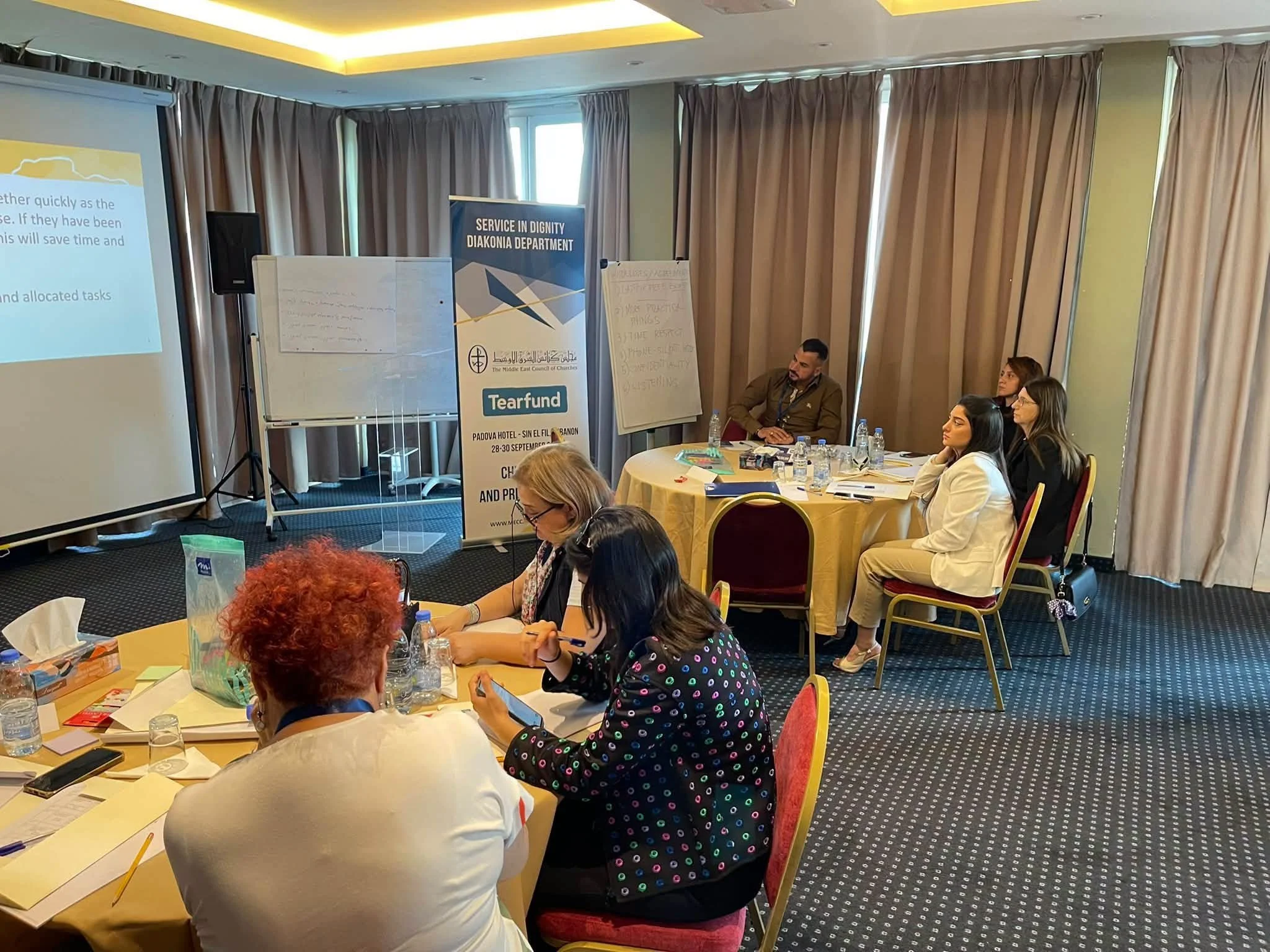
You can find some photos at the end of the text.
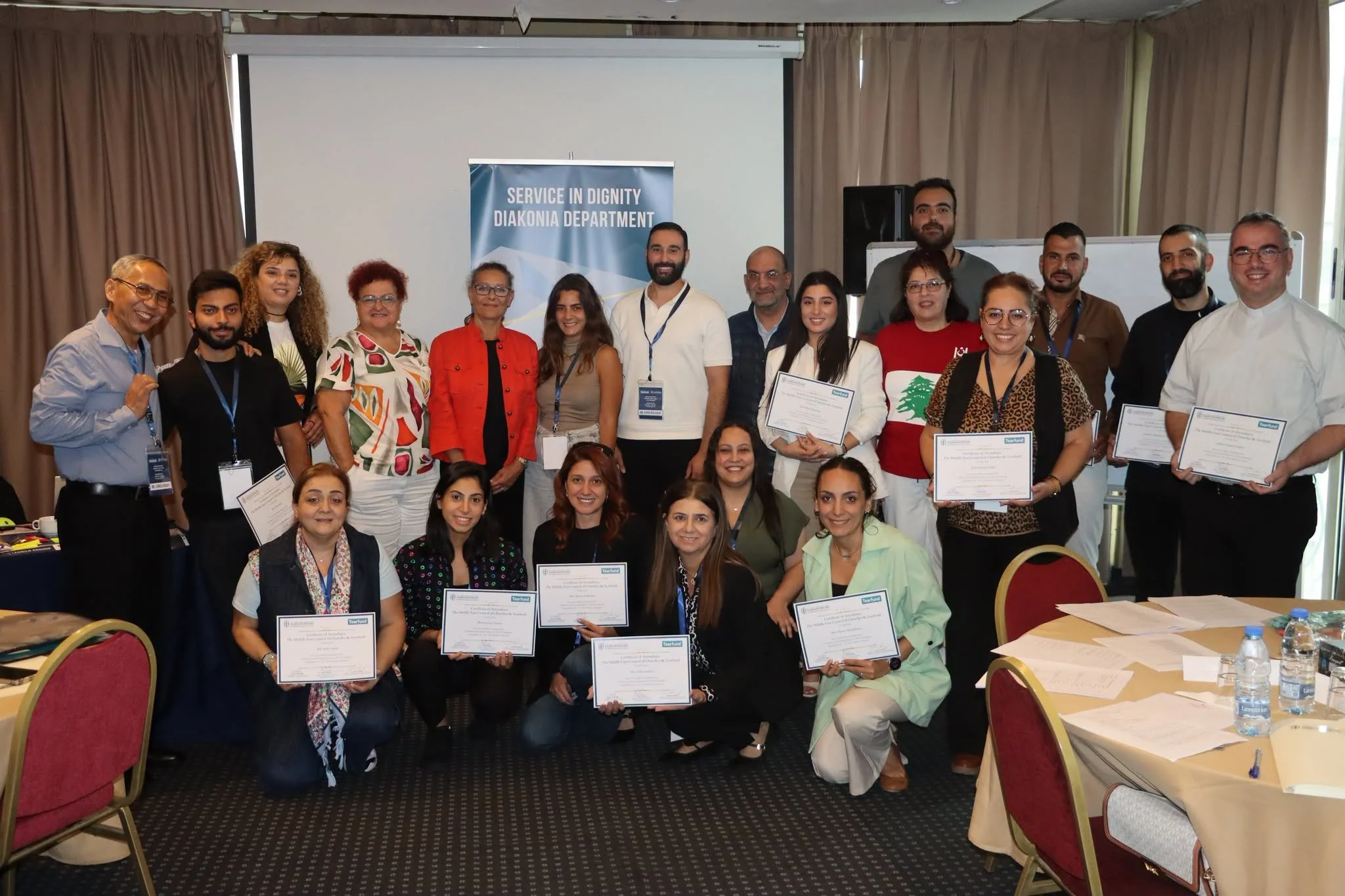
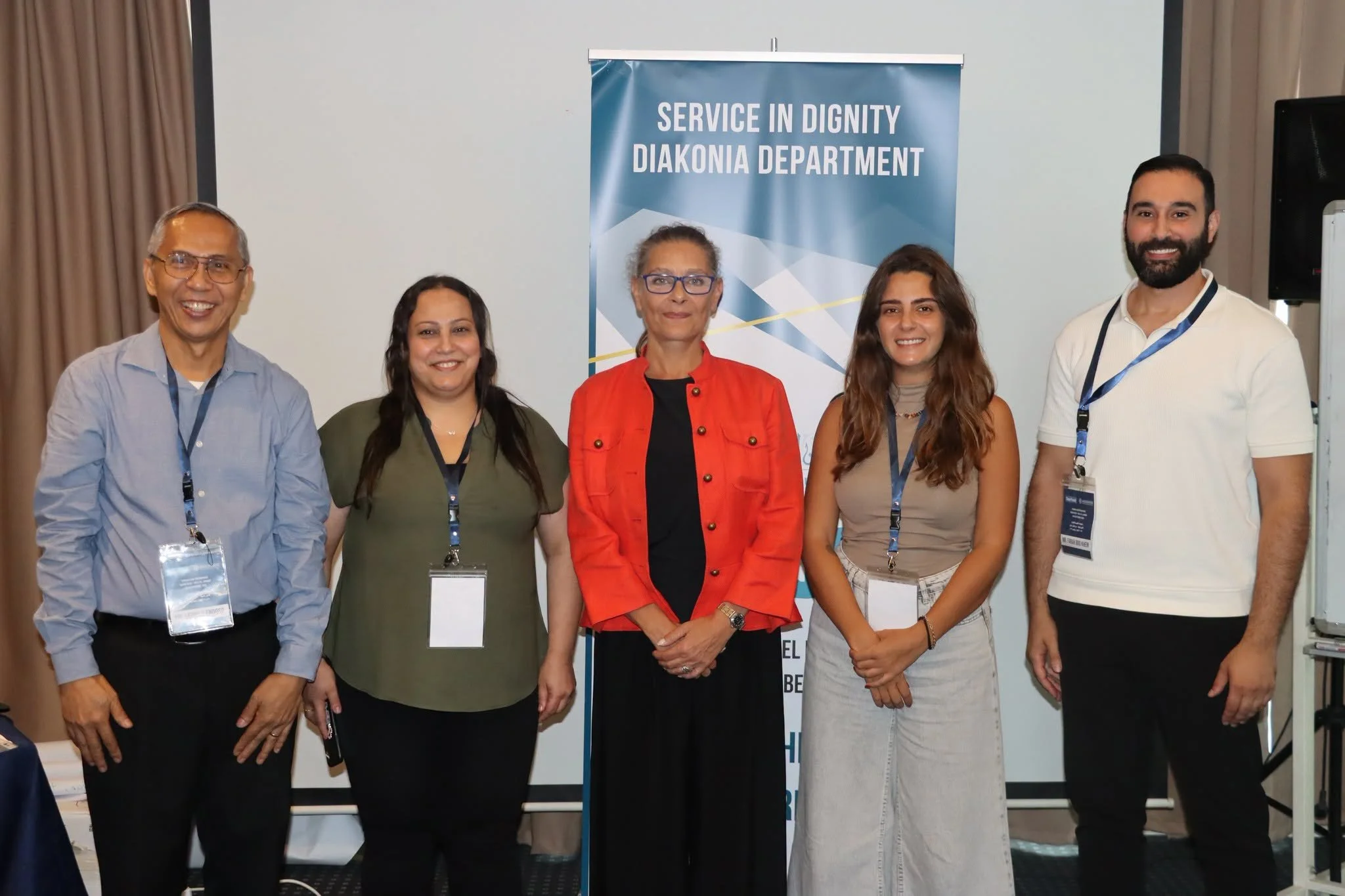
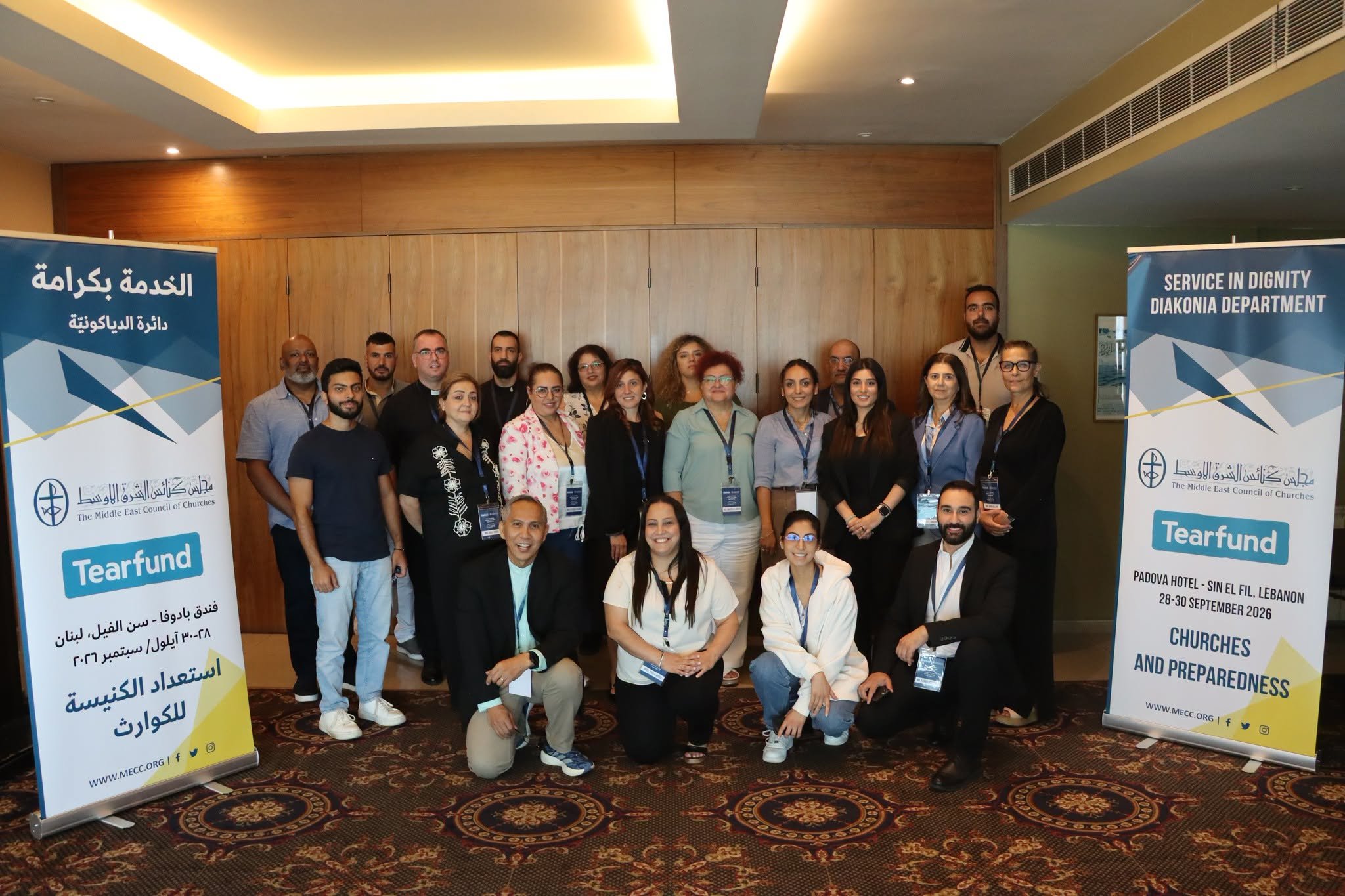
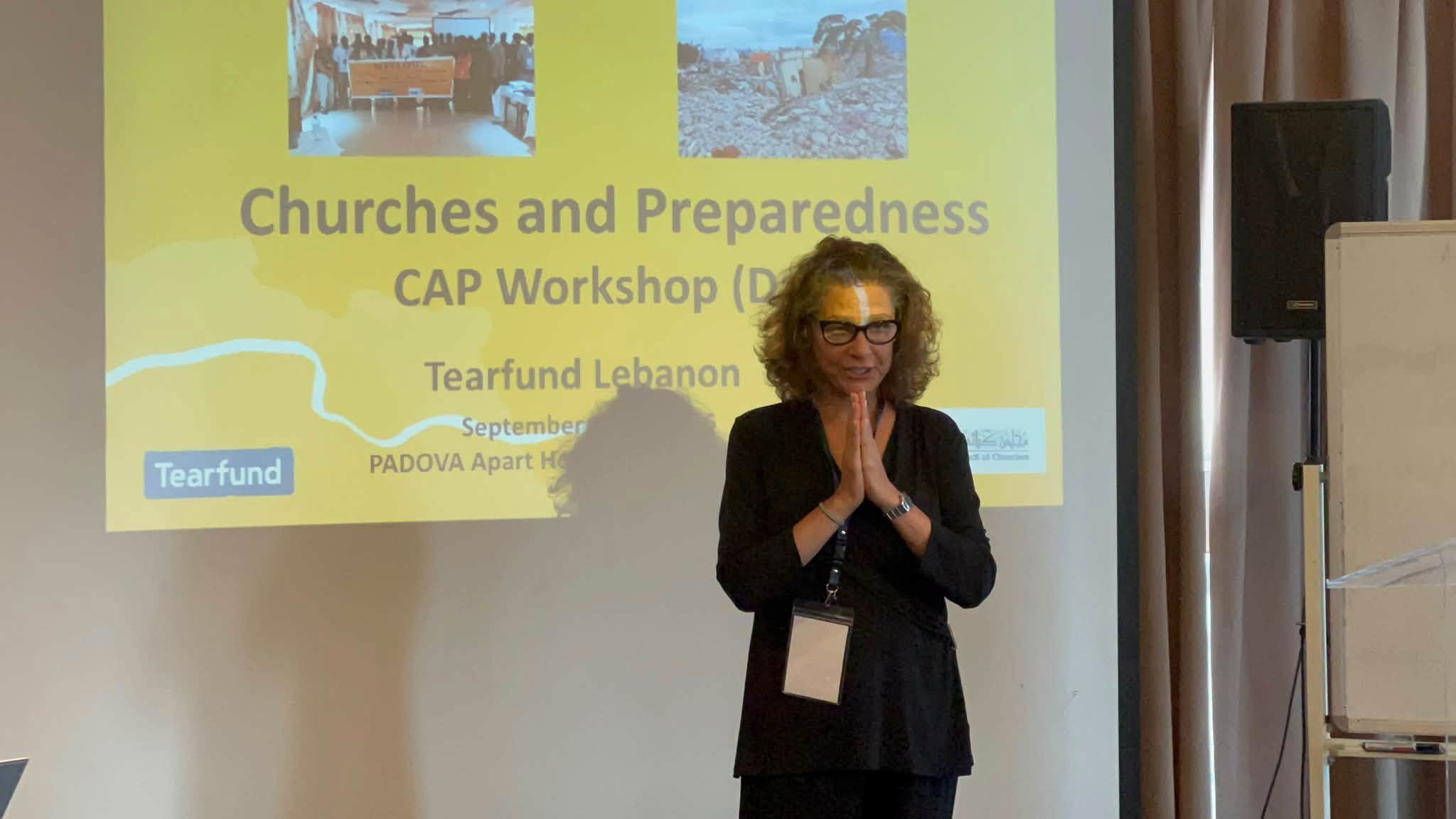
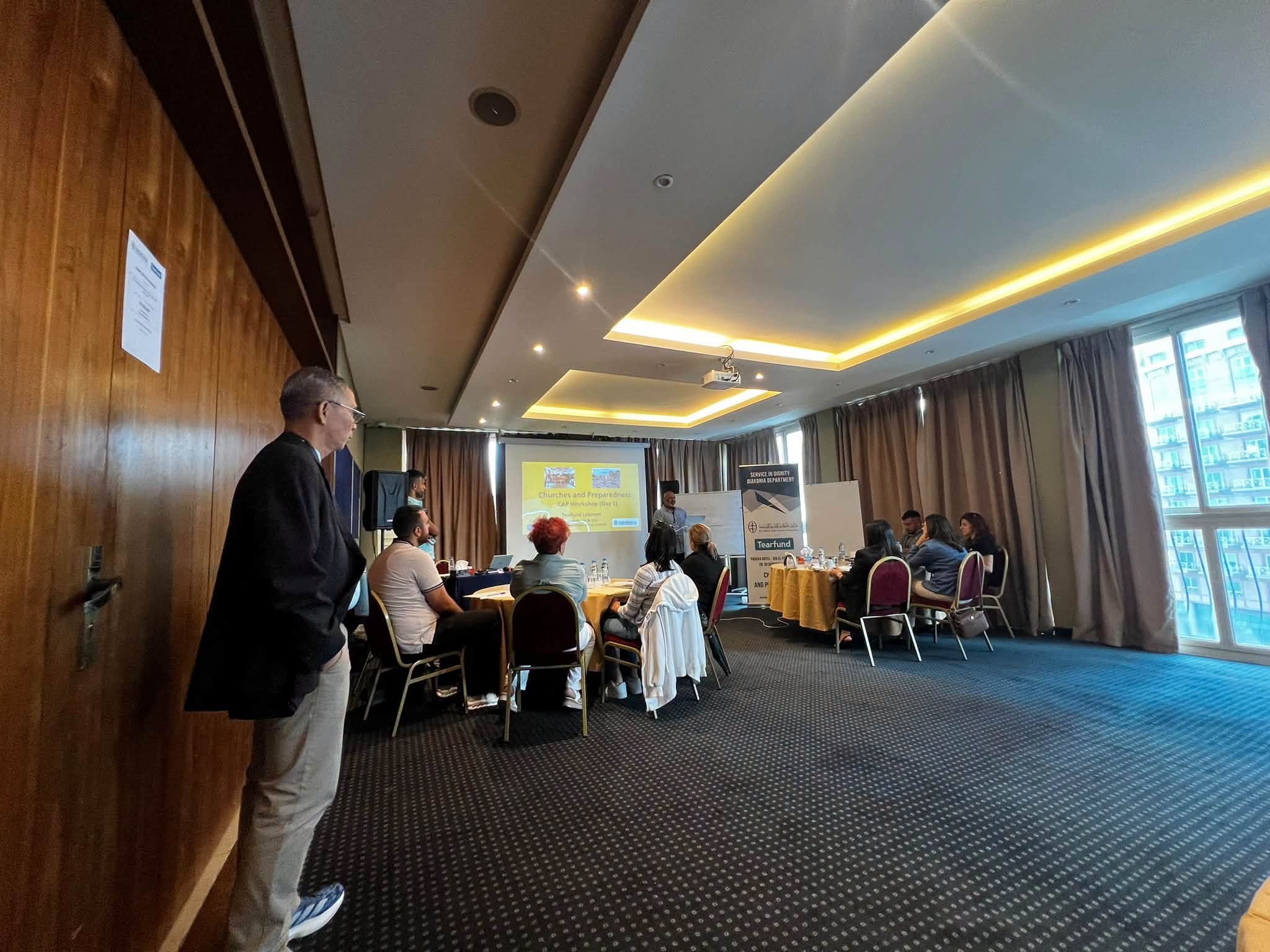
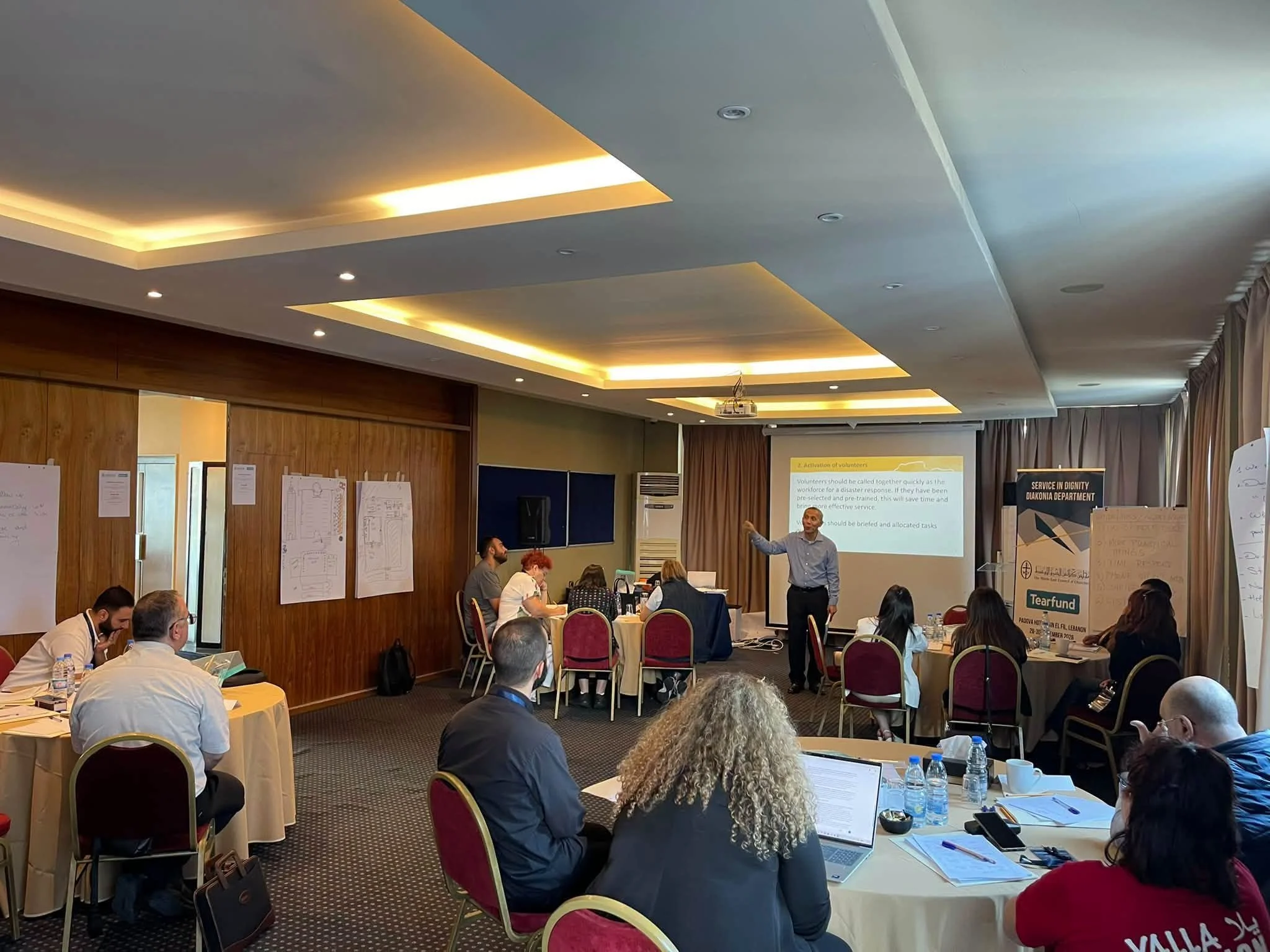
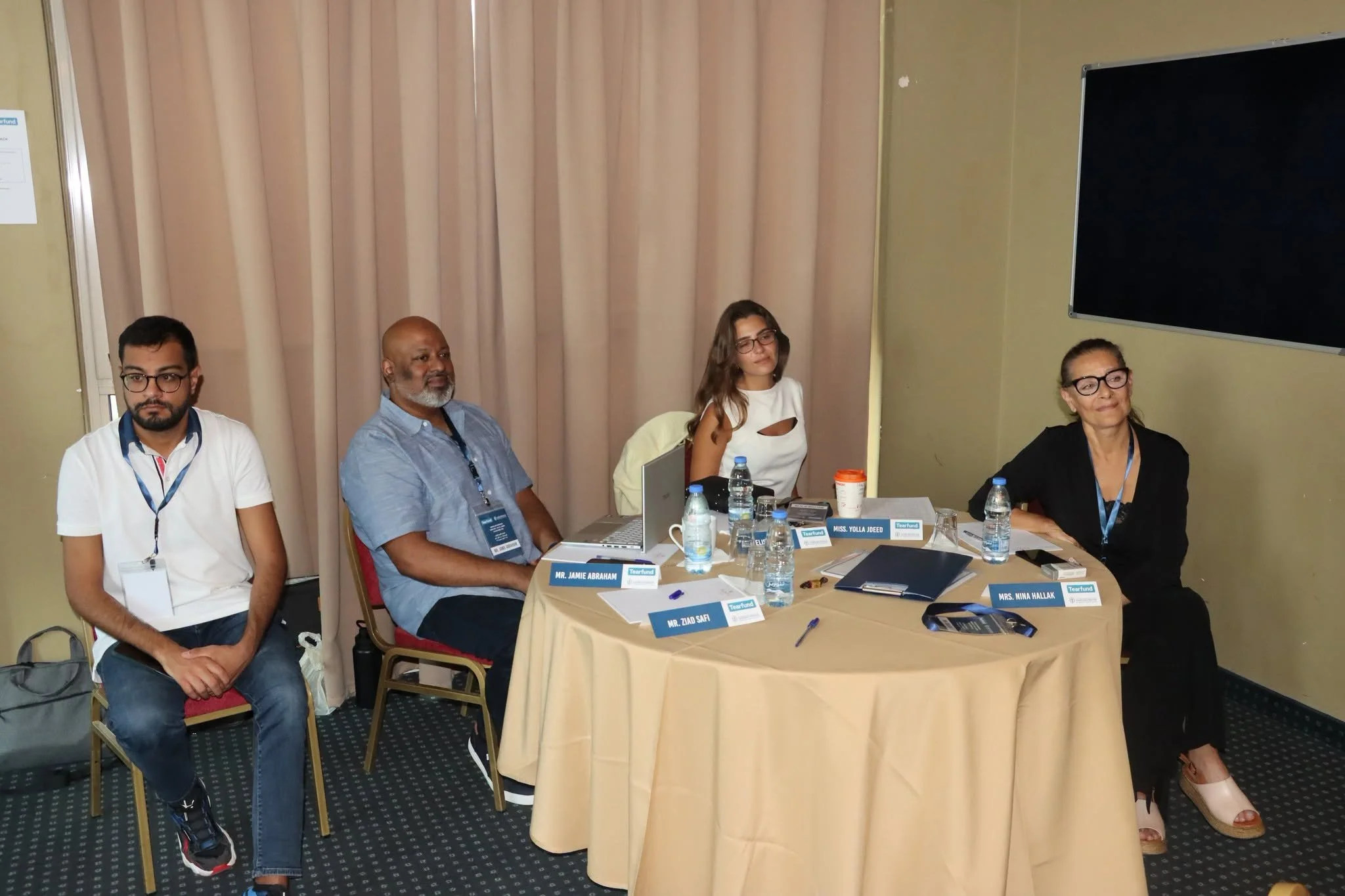
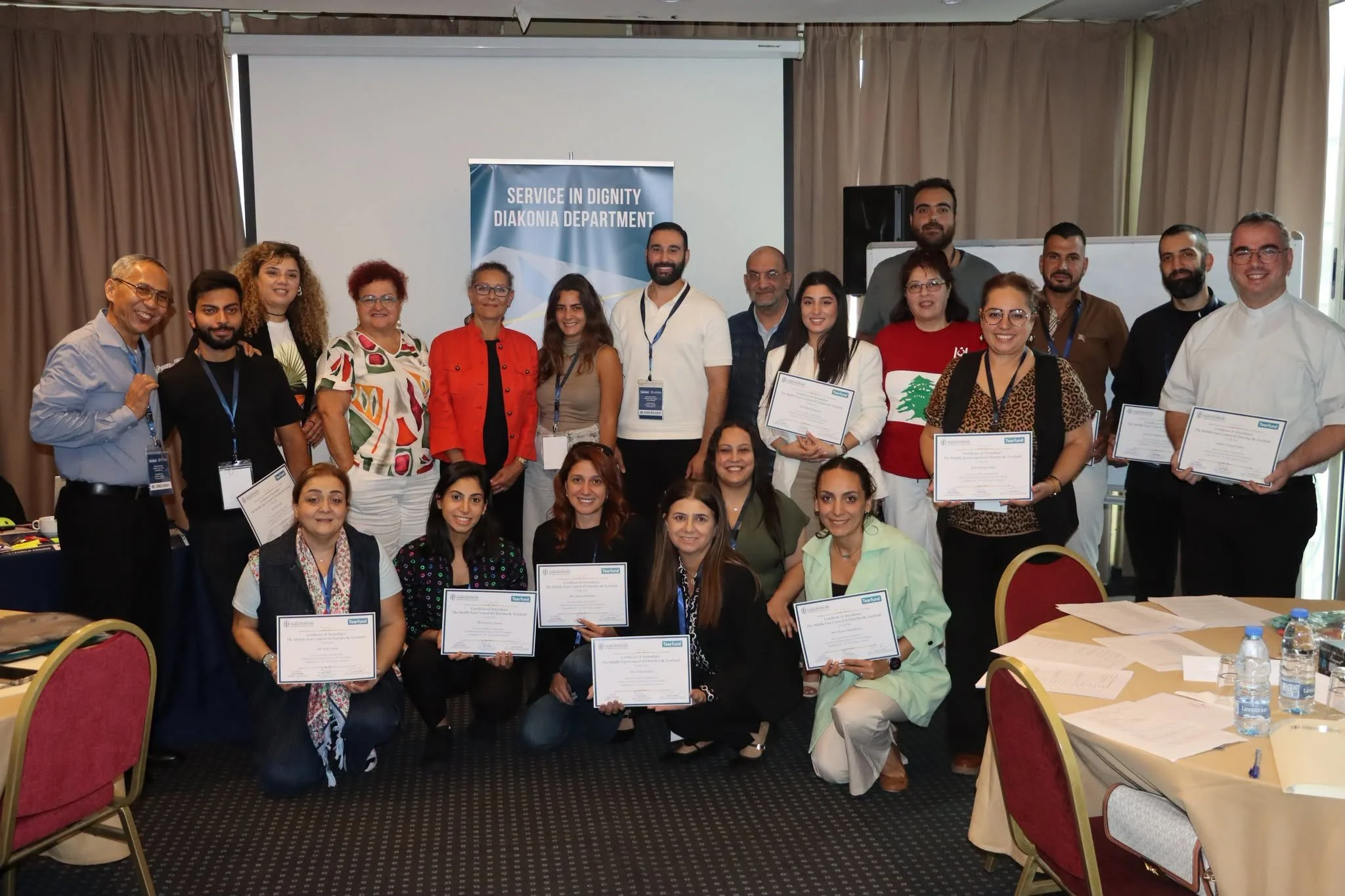
As part of efforts aimed at strengthening the preparedness and capacity of Churches to anticipate and respond to crises amidst the challenges that Lebanon is facing, the Diakonia and Social Service Department, Lebanon’s Office, at the Middle East Council of Churches (MECC), in partnership with Tearfund, held a training workshop on “Churches And Preparedness” from 28 to 30 September 2026 in Beirut. The workshop brought together an Ecumenical group of clergy and laypeople representing various Church Families.
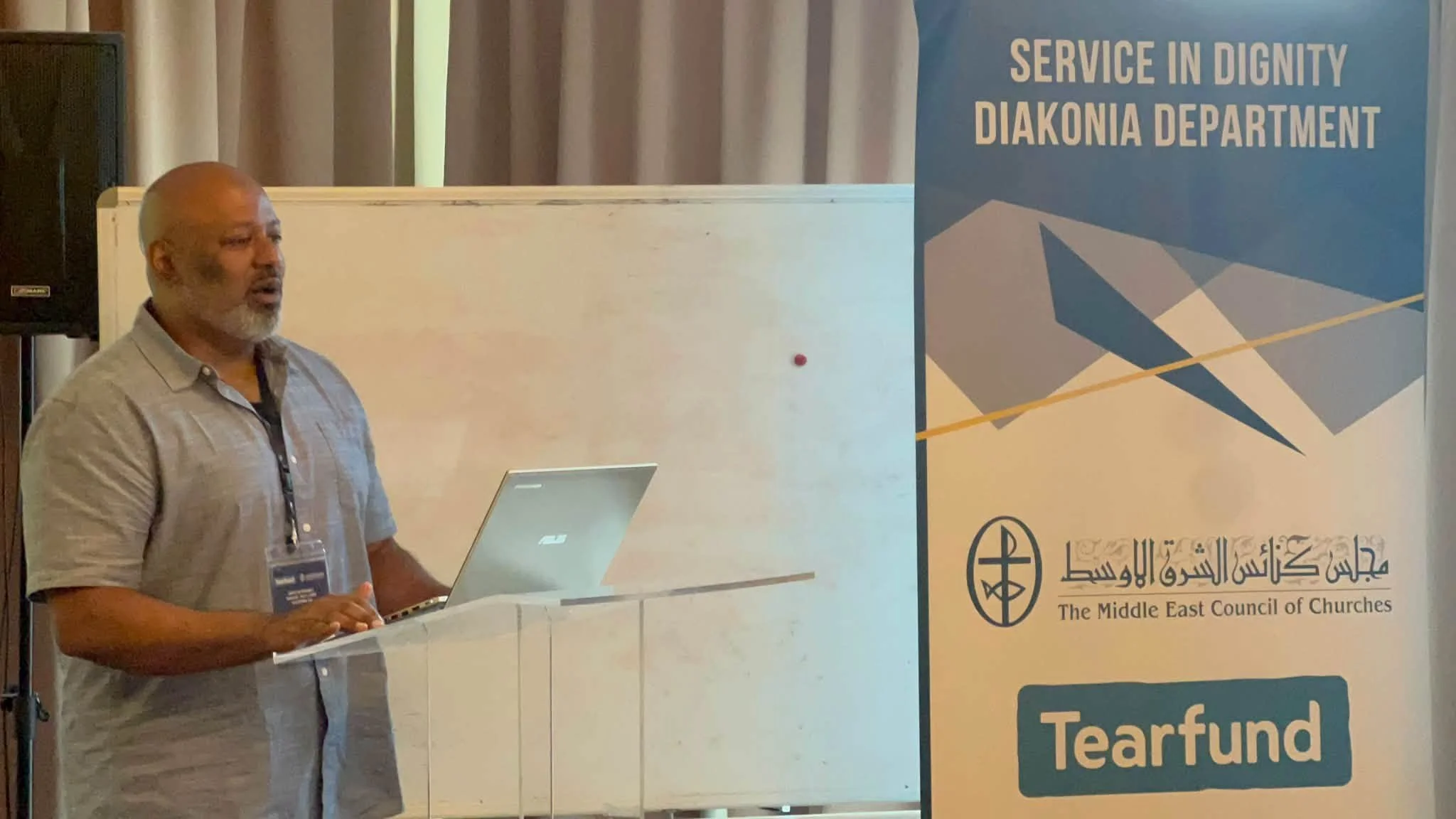
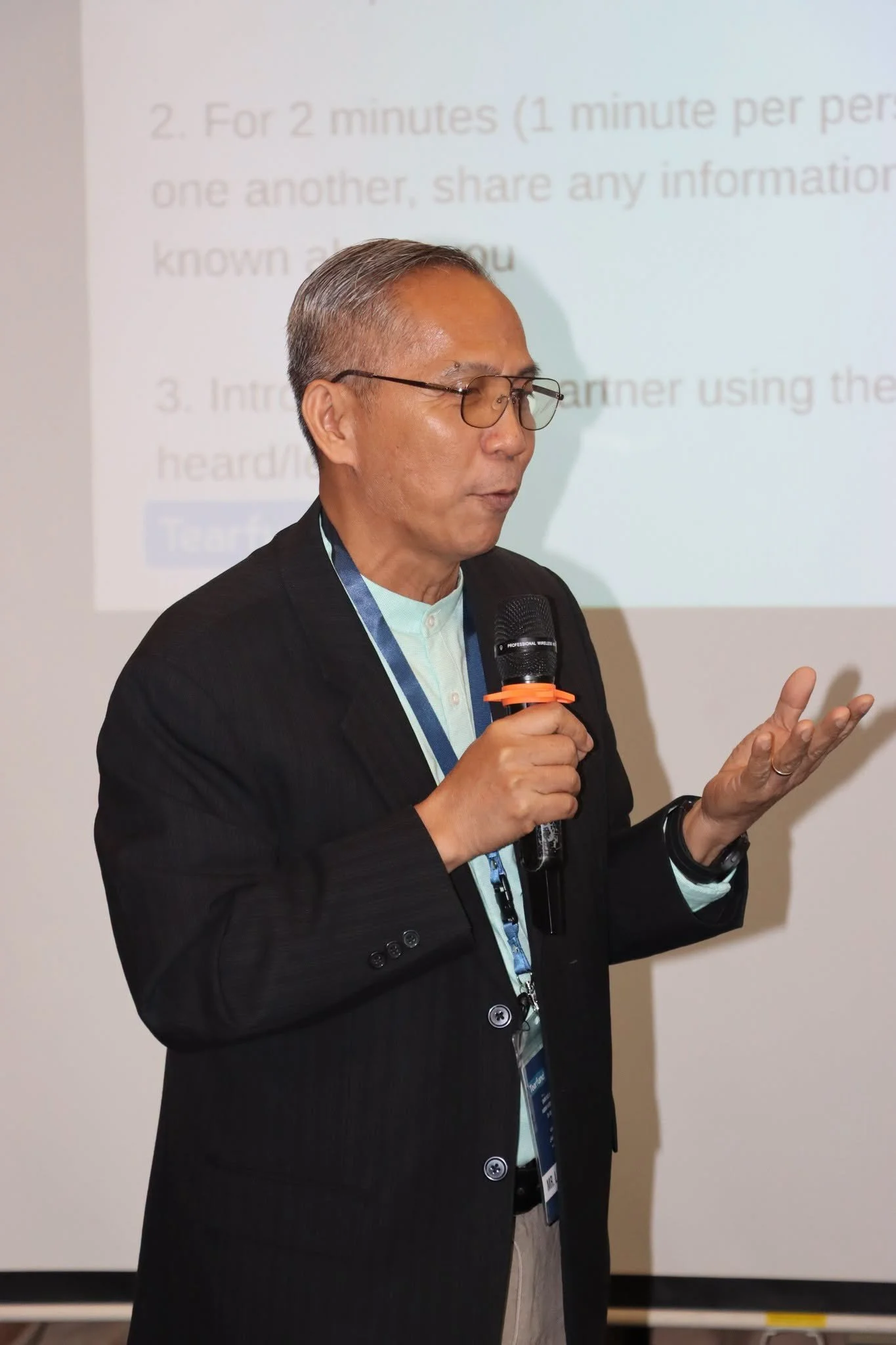
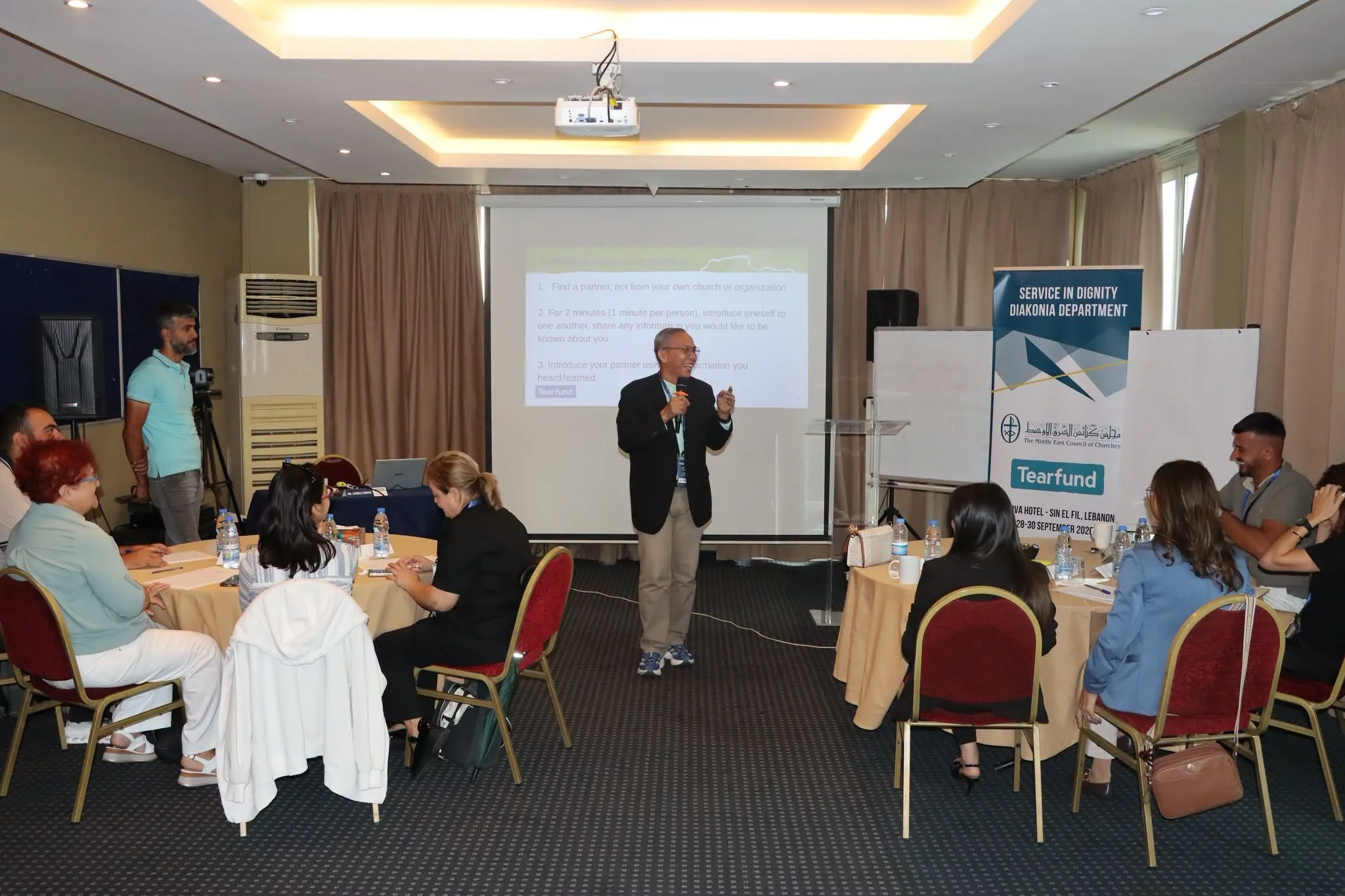
The workshop was facilitated by a specialized trainer from Tearfund, and focused on the role of the Church in responding to crises and challenges affecting communities, as well as ways to strengthen the skills of Church workers. It addressed the various stages of disaster risk management, from prevention, risk reduction, and preparedness to response and recovery.
Participants also discussed the resources and capacities already available within local Churches, the role of volunteers, the importance of coordination with local authorities and organizations, and the development of practical plans for emergency preparedness and response. The workshop highlighted the human, material, and community resources available to local Churches, and explored ways to organize and utilize these resources to strengthen preparedness and support affected communities when crises occur.
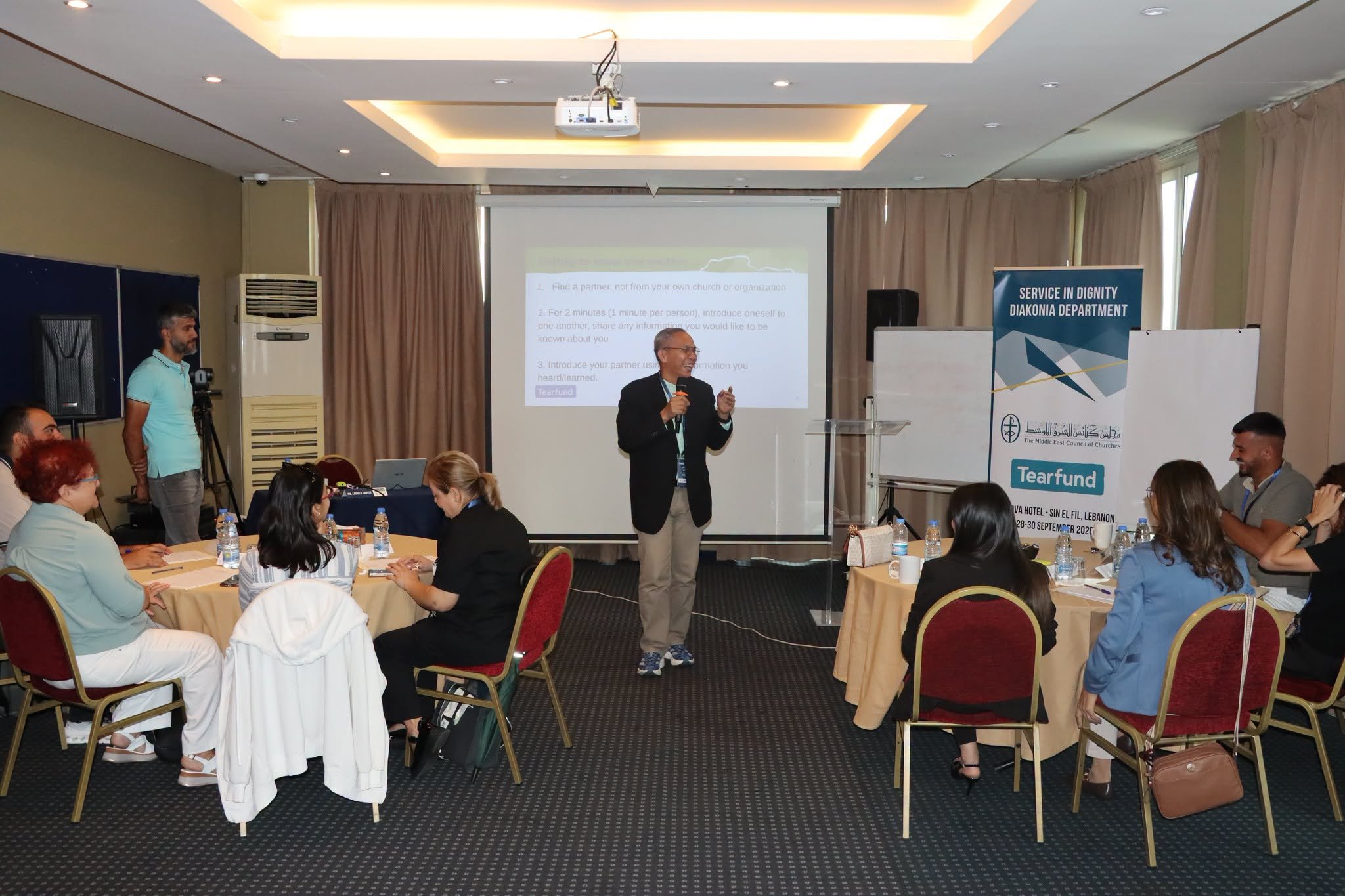
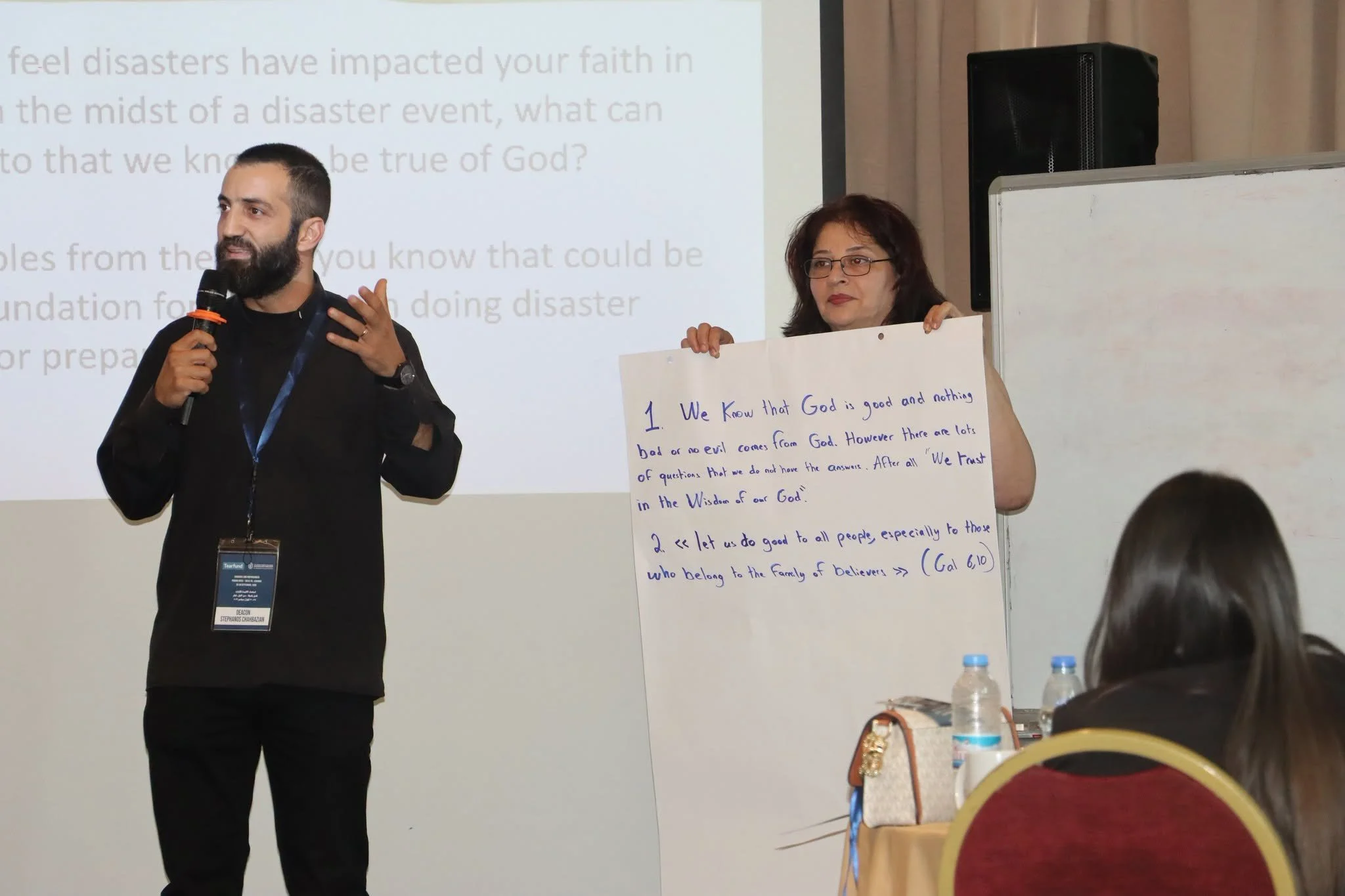
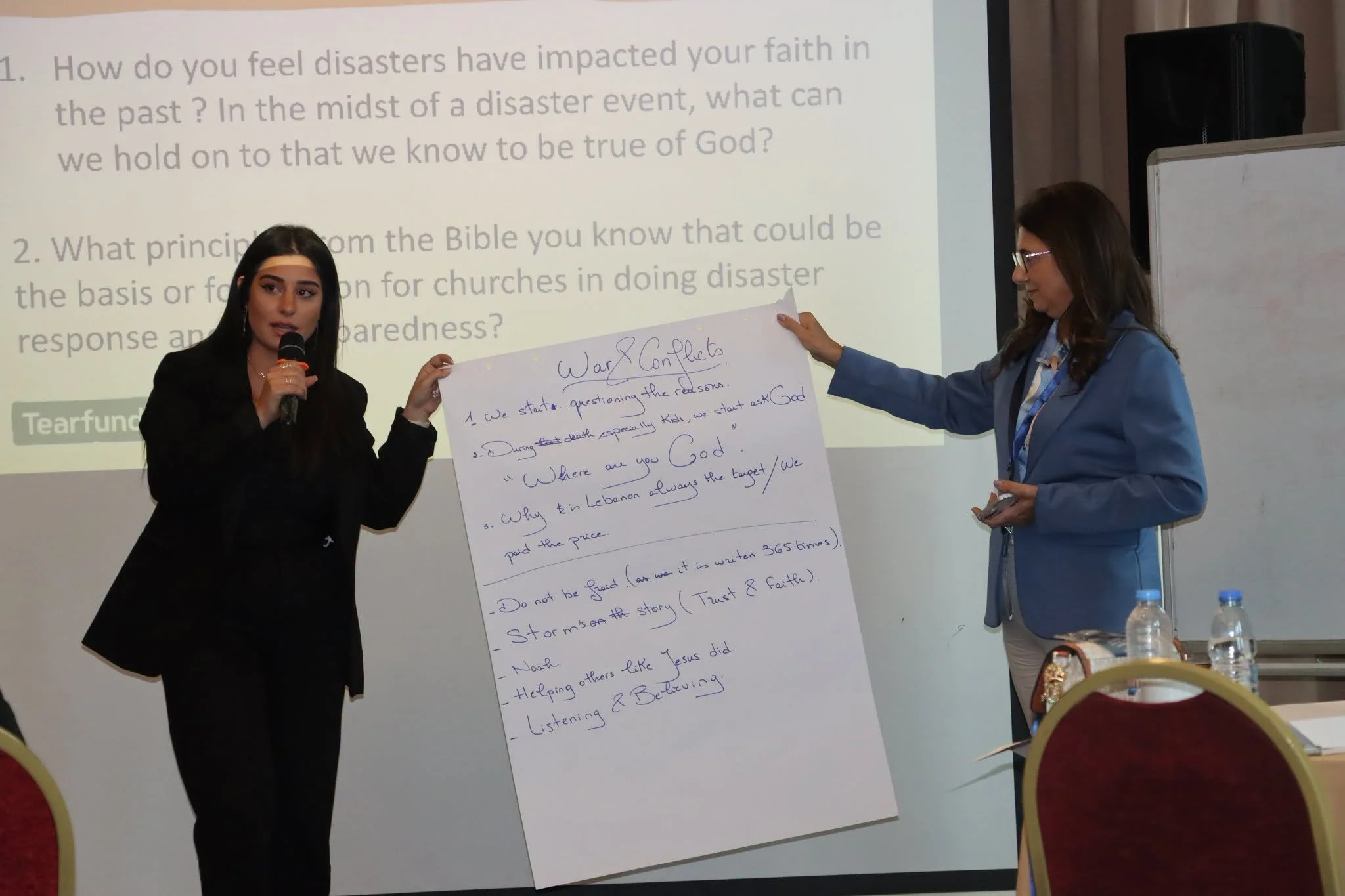
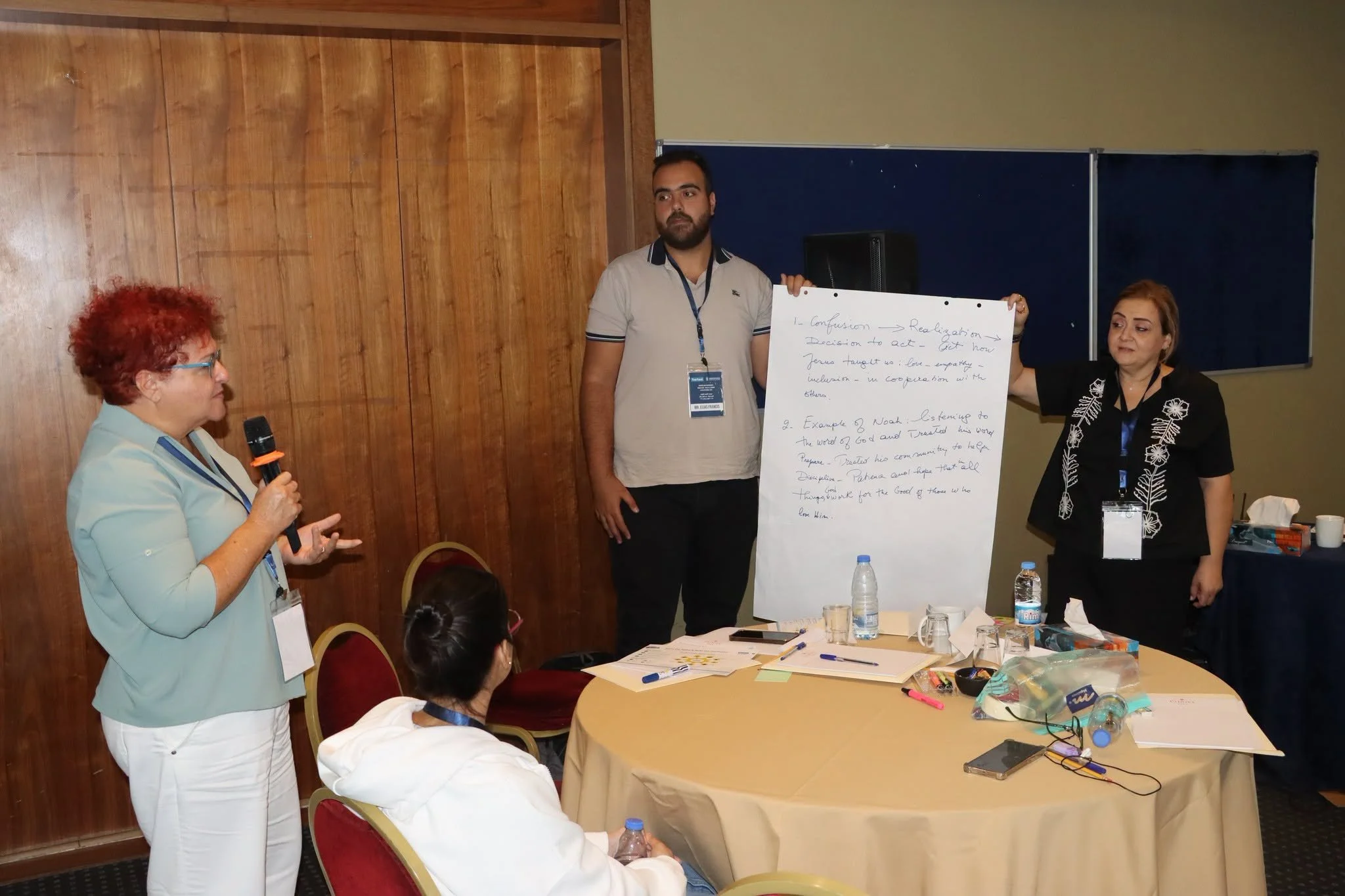
The workshop included a series of interactive sessions that provided participants with an opportunity to explore the subject in greater depth through discussions, practical exercises, and the exchange of experiences and lessons learned. Participants also shared their views and perspectives on the challenges and opportunities facing Churches in this field.
The training marked a step toward strengthening the preparedness of local Churches to play a more effective and organized role before, during, and after crises. This will be achieved by making better use of local resources, activating the role of volunteers, and strengthening coordination and networking among Churches and other relevant stakeholders, thereby contributing to a faster and more effective response to the needs of the affected communities.