
Ecumenical Media: Mission and Ethics
A Webinar Organized by MECC
Secretary General Prof. Michel Abs: “Media reflects the splendor of Christianity by showcasing its culture and its diverse dimensions”
Fr. Dr. Rifat Bader: “we have a responsibility to translate this witness into an Ecumenism of the word: media that brings people together rather than divides them, heals rather than wounds, and builds rather than destroys”
Journalist Lea Adel Maamary: “Ecumenical media serve as a bridge for dialogue, a space for encounter, a tool for strengthening a culture of unity”
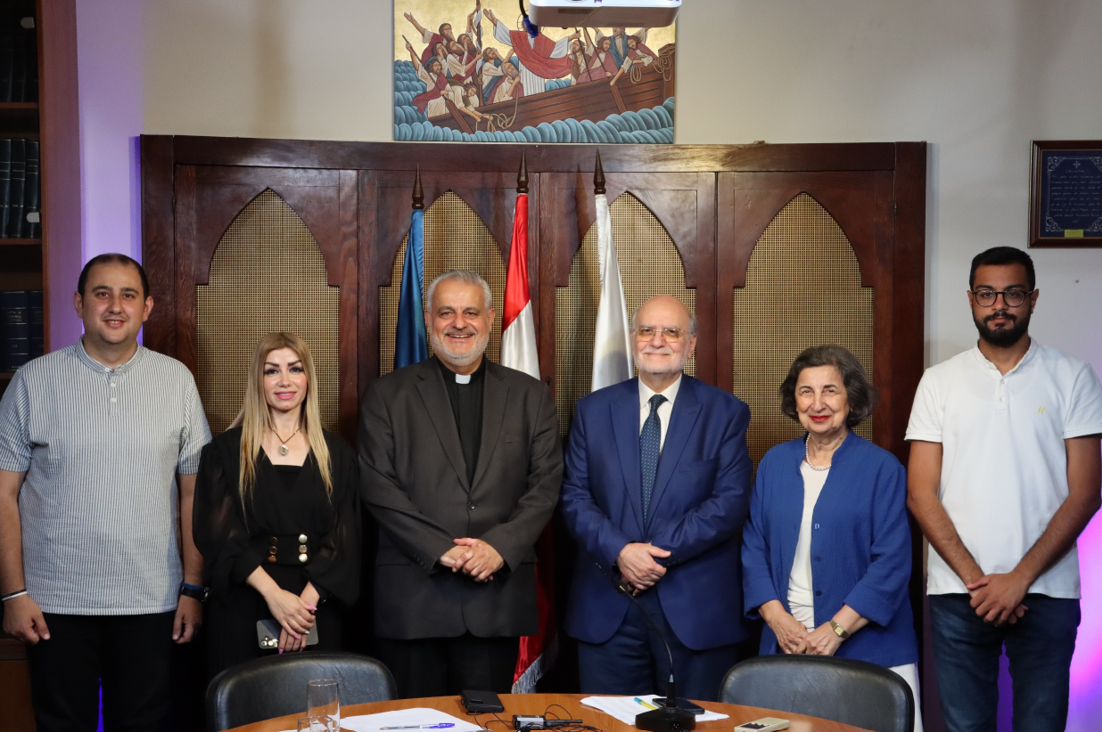
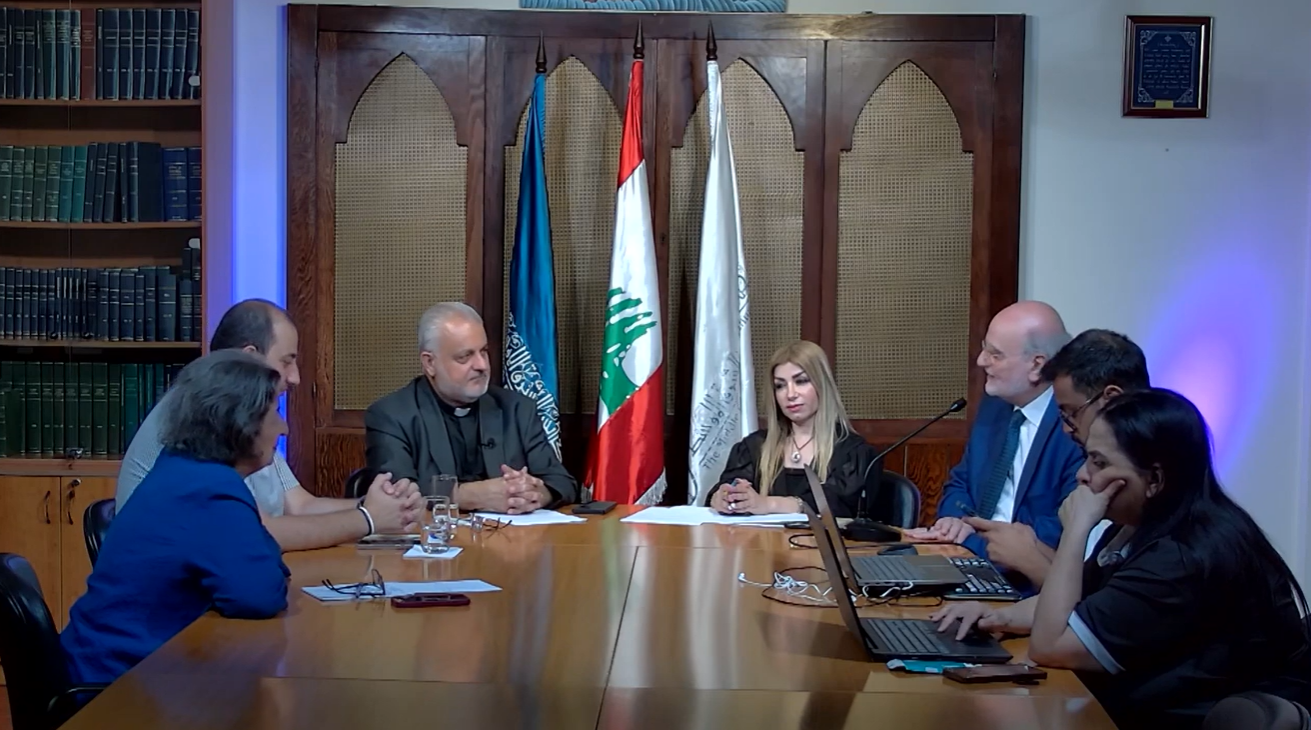
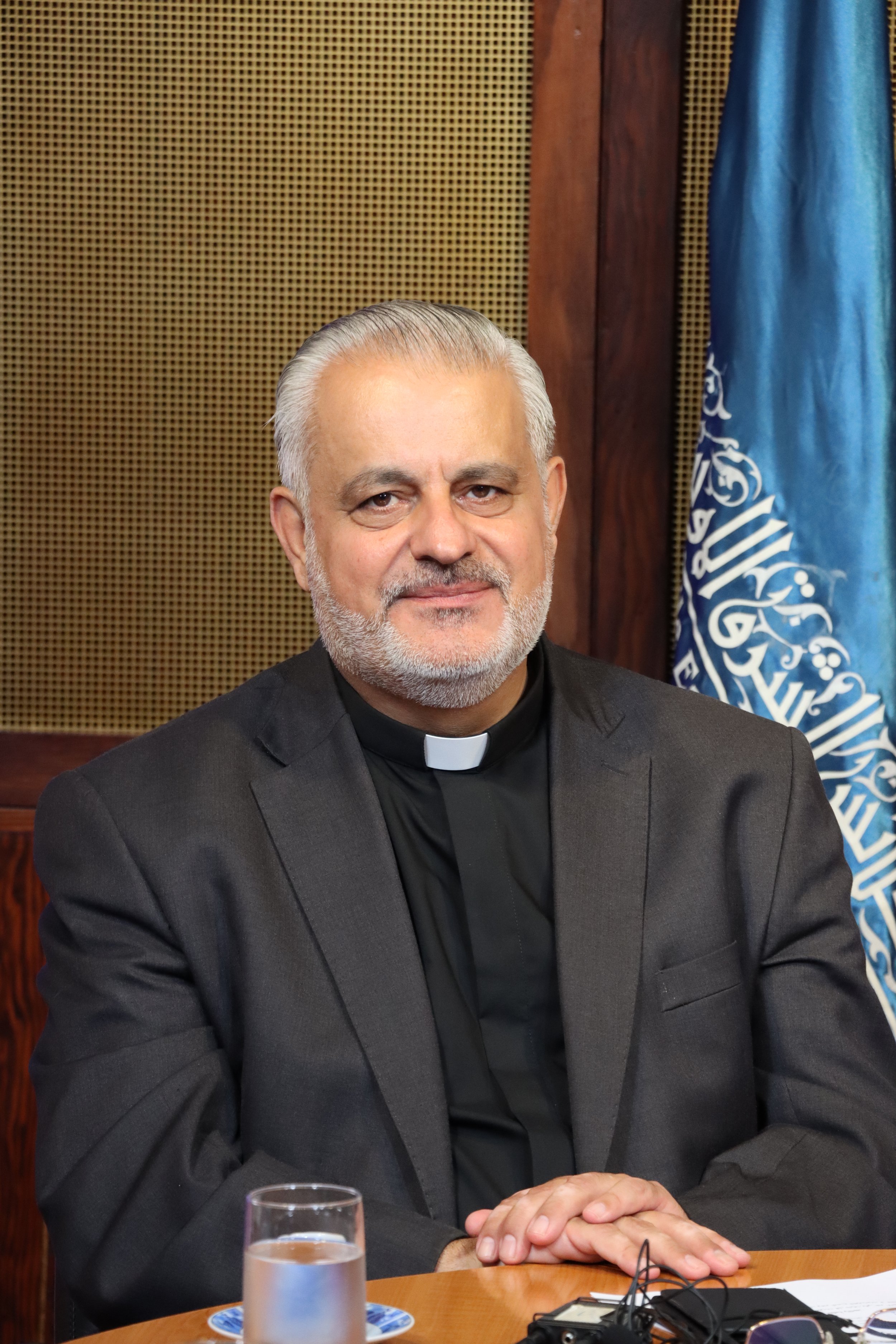
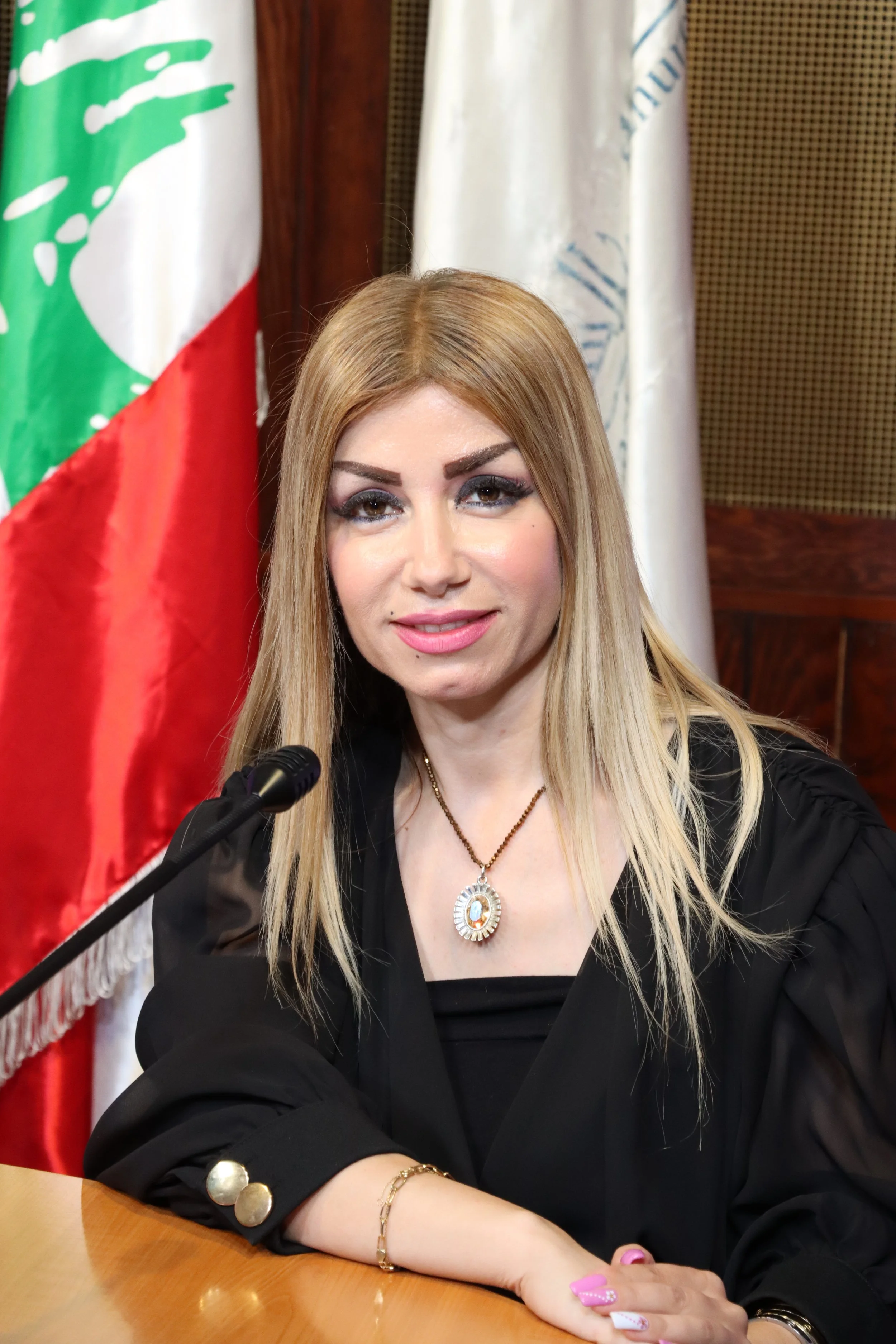
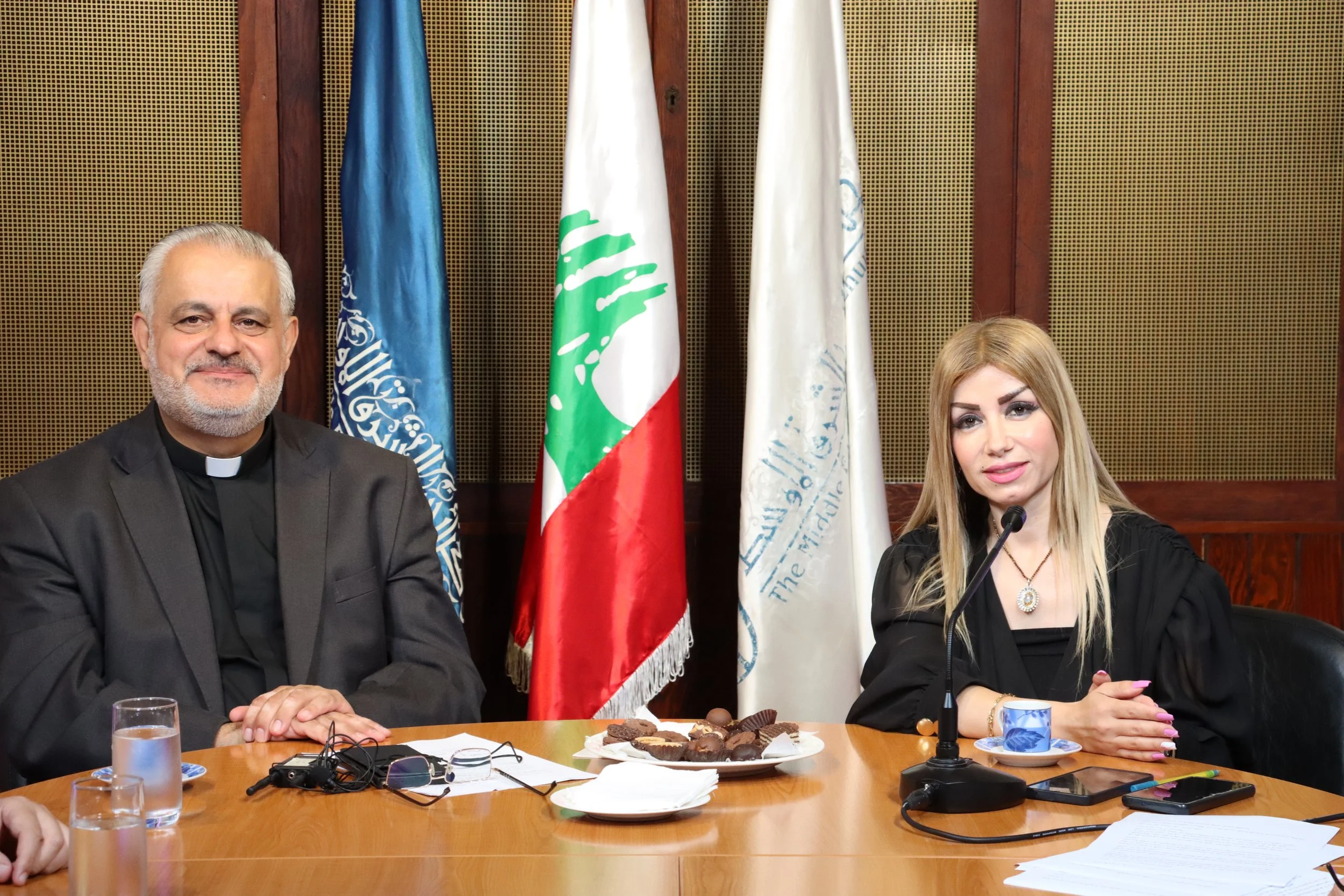
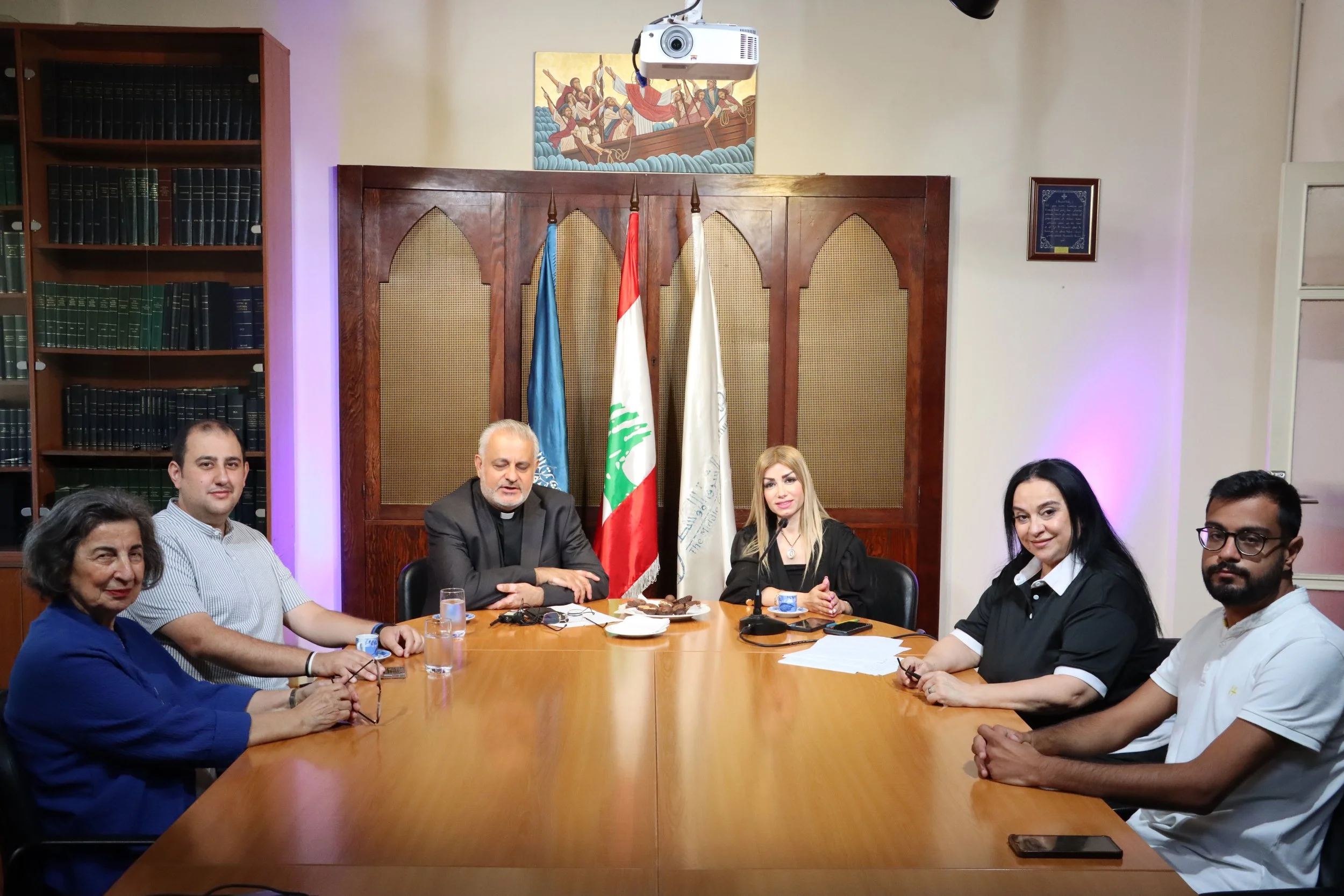
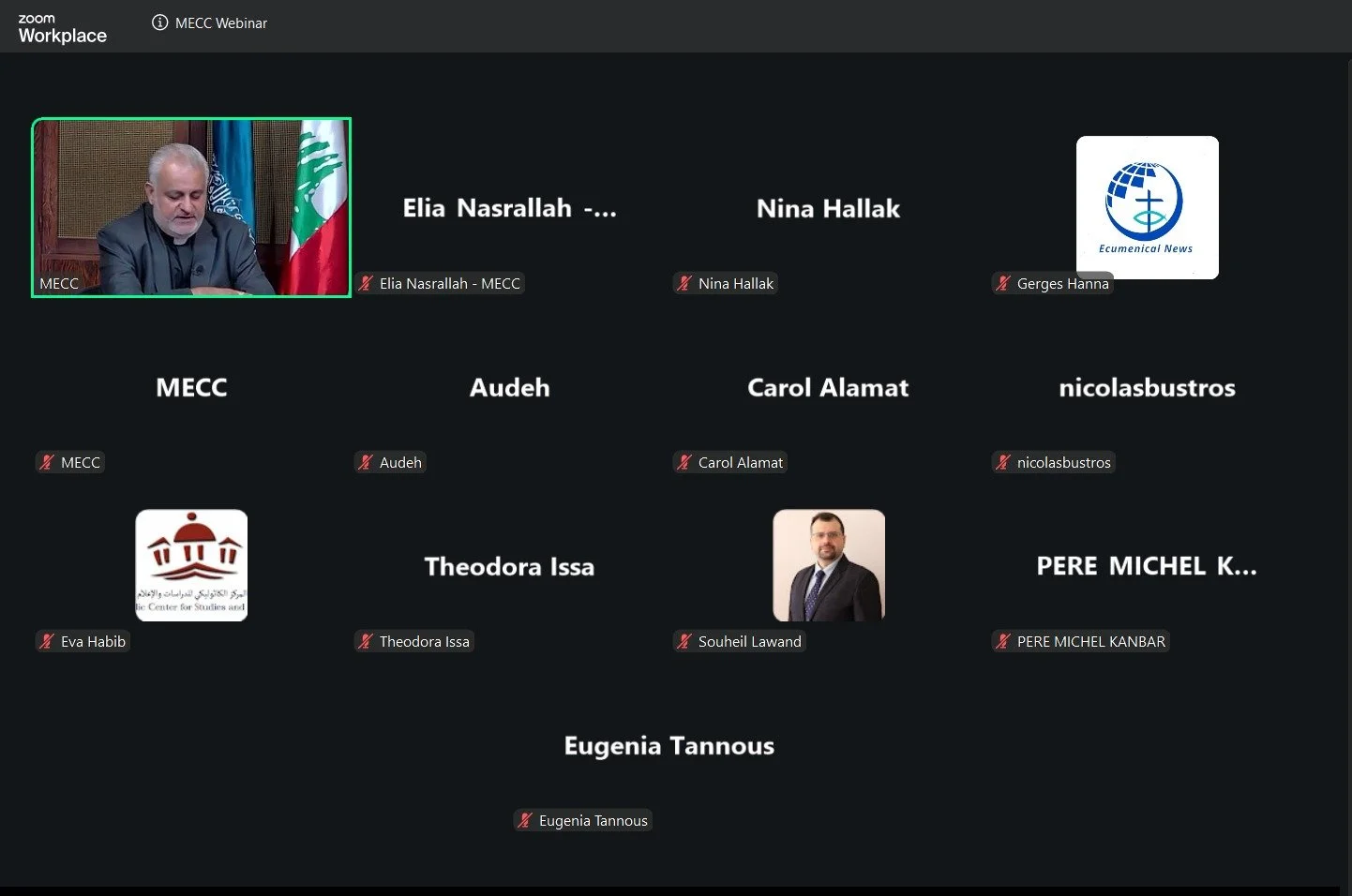
As part of the series of seminars launched by the Middle East Council of Churches (MECC), a new seminar entitled “Ecumenical Media: Mission and Ethics” was held, with Father Dr. Rifat Bader, General Director of the Catholic Center for Studies and Media in Jordan, Publisher of “Abouna” Website, and Representative of the MECC Executive Committee for Media Affairs. It was moderated by the Journalist Lea Adel Maamary, Coordinator of Media and Church Relations at MECC.
The seminar was held on Wednesday, August 19, 2026, in the presence of the MECC Secretary General Professor Michel Abs. It was attended in person at MECC headquarters in Beirut by Mrs. Seta Hadeshian, MECC Associate Secretary General, Professor Laure Abi Khalil, Coordinator of the Dialogue, Social Cohesion, and Human Dignity Rehabilitation Programs at MECC, Journalist Rafi Sayegh, and the MECC media team.
Online attendees were Father Dr. Nicolas Bustros, MECC Associate Secretary General, colleagues from the MECC team, as well as a Journalists and Experts from the Egyptian Council of Churches, “Abouna” Website, and many media outlets across the region.
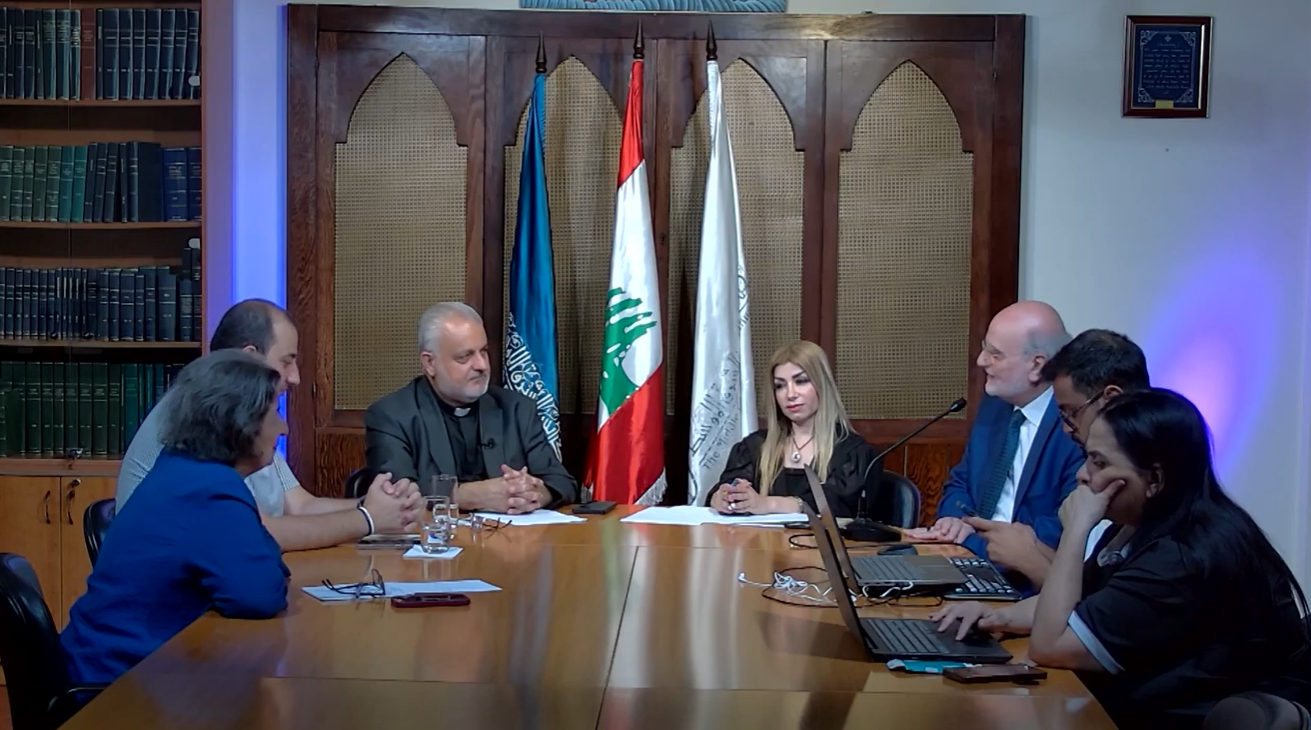
The seminar began with a word delivered by the Journalist Lea Adel Maamary, who noted that “amidst the profound transformation taking place, Church and Ecumenical media is emerging as a space with a special mission, one that goes beyond reporting news, activities, and events to touch upon the very essence of the relationship between people and their faith, between the Church and society, and among the Churches themselves.”
She added: “Ecumenical media is not limited to being a platform for introducing the work of Churches or Christian institutions. It can also serve as a bridge for dialogue, a space for encounter, a tool for strengthening a culture of unity, and a witness that difference does not necessarily mean division, and that diversity can be a source of richness when guided by love, respect, and the pursuit of common ground.”
She continued: “The responsibility of Ecumenical media is to find a new language that speaks to contemporary people without abandoning the essence of the Christian message, and to make use of modern technology not only to reach a larger audience, but also to build deeper relationships and create genuine spaces for encounter and dialogue.”
For his part, Fr. Dr. Rifat Bader delivered a lecture entitled “The Ecumenical Spirit in the Media of the Churches of the East: From the Ecumenism of Blood to the Ecumenism of the Word.” He addressed many topics centered on Church media, including: Church media, witness to love or reinforcement of division?; From the “Ecumenism of blood” to the “Ecumenism of media”; Disarmed media, and media that disarms; Shared wisdom in the face of shared challenges; Towards an Ecumenical media charter for the Churches of the East; and the experience of the Middle East Council of Churches.
Father Bader concluded by emphasizing that “the future of the Christian presence in the East will not depend on media alone, but it will undoubtedly be influenced by the way we use media. Every word we publish, every news story we formulate, and every image we choose can either be another stone in the building of communion or another stone in the wall of division.”
He noted that “our martyrs preceded us in the Ecumenism of blood, as their blood was mingled because they bore witness to the one Christ. Today, we have a responsibility to translate this witness into an Ecumenism of the word: media that brings people together rather than divides them, heals rather than wounds, and builds rather than destroys.”
He said: “The world does not expect the Churches of the East merely to speak about unity, but to make it visible in their media discourse, in their cooperation, and in the way they speak about one another. When love becomes the language of our media, wisdom its method, and communion its goal, we will have offered the world a sincere witness to the Gospel of Christ and contributed, even if only to some extent, to fulfilling the Prayer of the Lord Jesus: ‘That they all may be one… so that the world may believe’ (John 17: 21).”
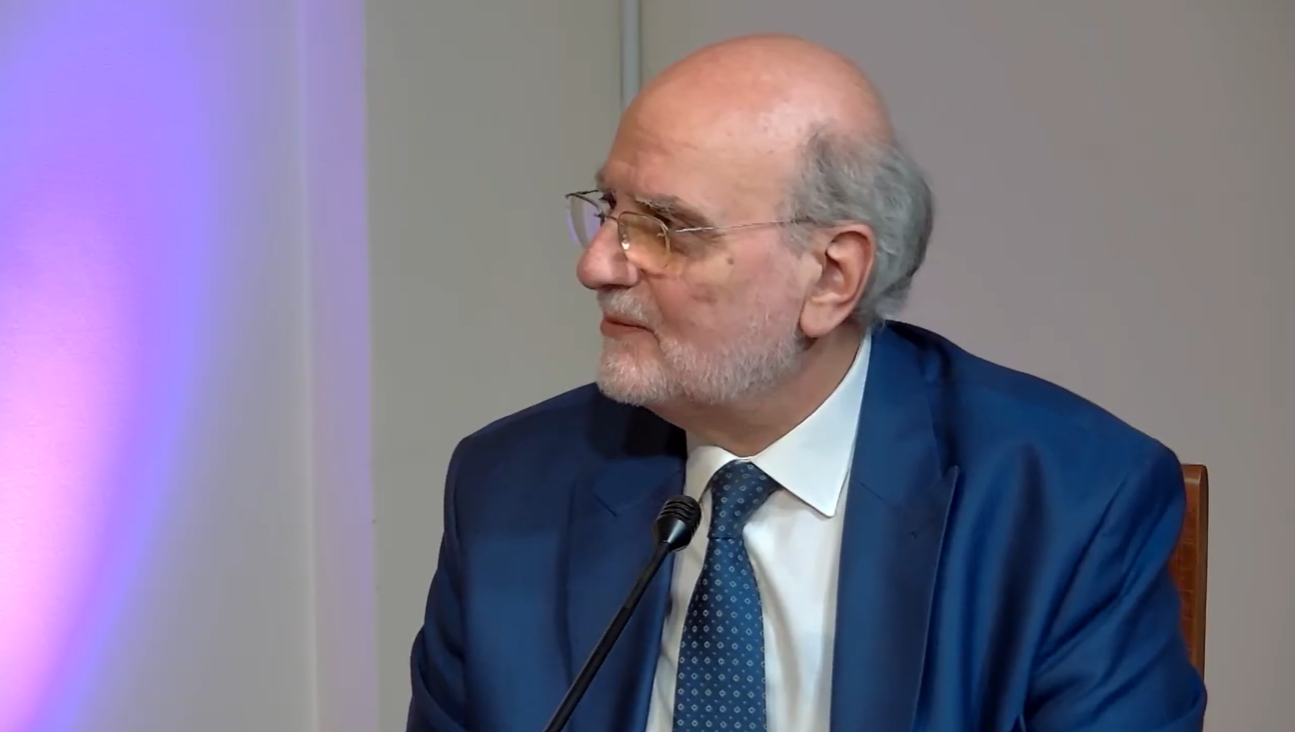
In this context, the Secretary General of the Middle East Council of Churches (MECC) Professor Michel Abs, delivered a word in which he pointed out that “media has served Christian doctrine, and that it is no longer a lamp placed under a measure, but has become a lamp beneath the vault of heaven.
He also highlighted that media reflects the splendor of Christianity by showcasing its culture and its diverse dimensions. Accordingly, he stressed that the seminar had introduced concepts that could constitute new material for further study, and that seminars of this kind contribute to reinforcing the role of the Council in Christian togetherness, intellectual production, and Christian knowledge.
At the end, participants posed their questions and inquiries, to which Fr. Dr. Rifat Bader provided the necessary clarifications, explanations, and relevant information within the context of the seminar.