“Role of the Church in Times of War: A Diaconal Response in the Middle East”
A Joint Online Webinar Organized by the World Council of Churches and Middle East Council of Churches
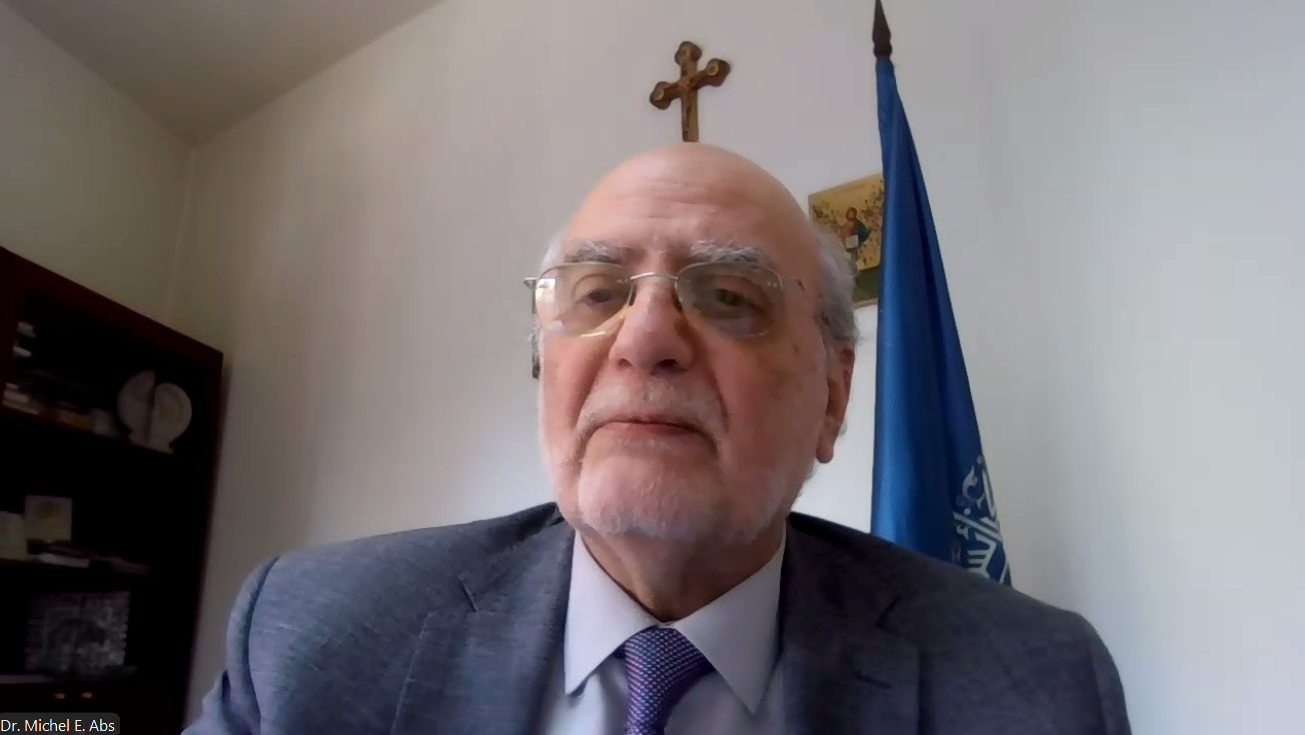
Secretary General Professor Michel Abs: “A diaconal Church does not wait for peace before acting. It creates small signs of peace in the middle of war”

You can find some photos at the end of the text.
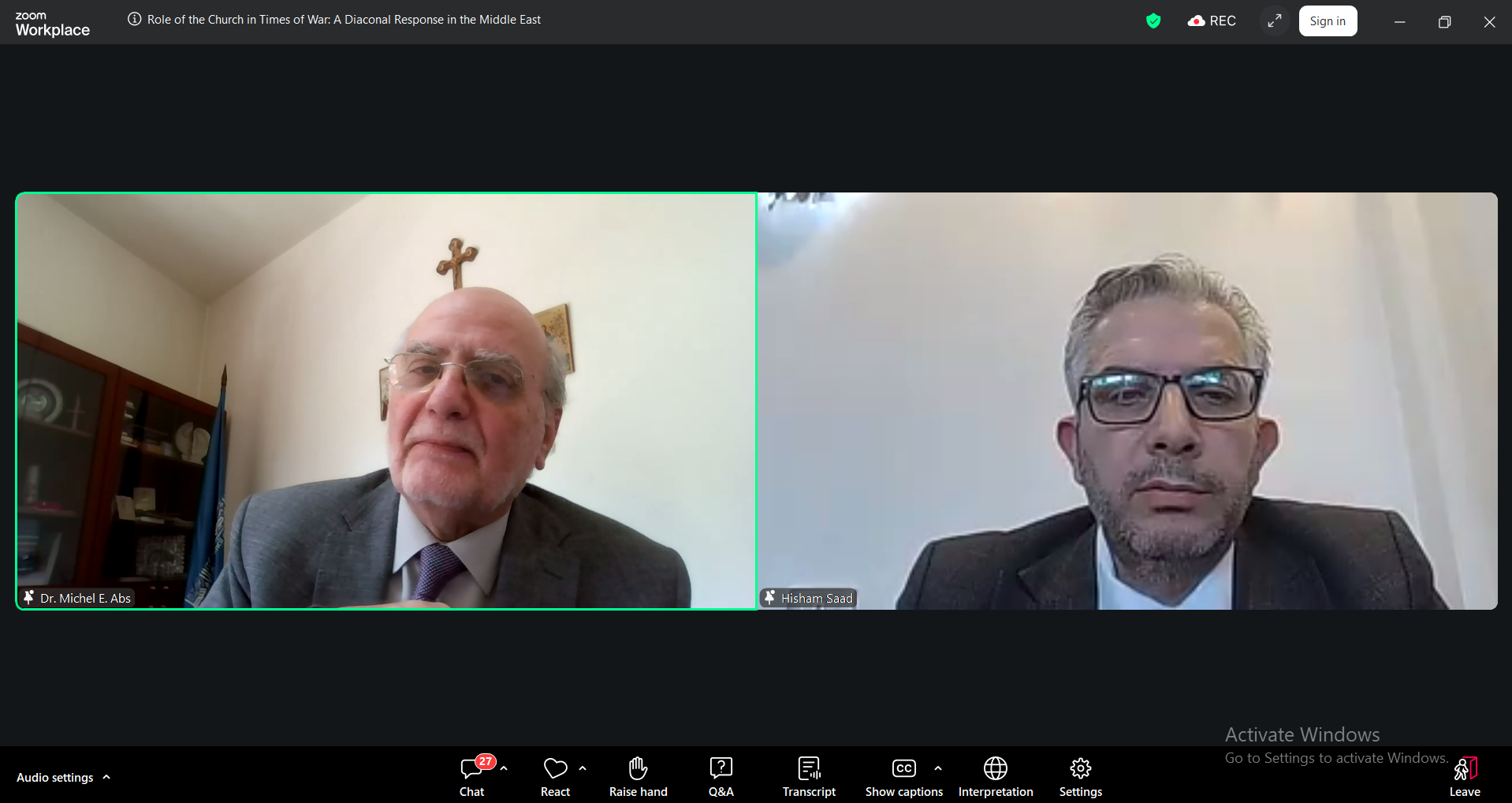
The World Council of Churches (WCC) and the Middle East Council of Churches (MECC) held an online Joint webinar entitled “Role of the Church in Times of War: A Diaconal Response in the Middle East,” with the participation of representatives from Church-based humanitarian organizations and actors engaged in relief and humanitarian work in the region.
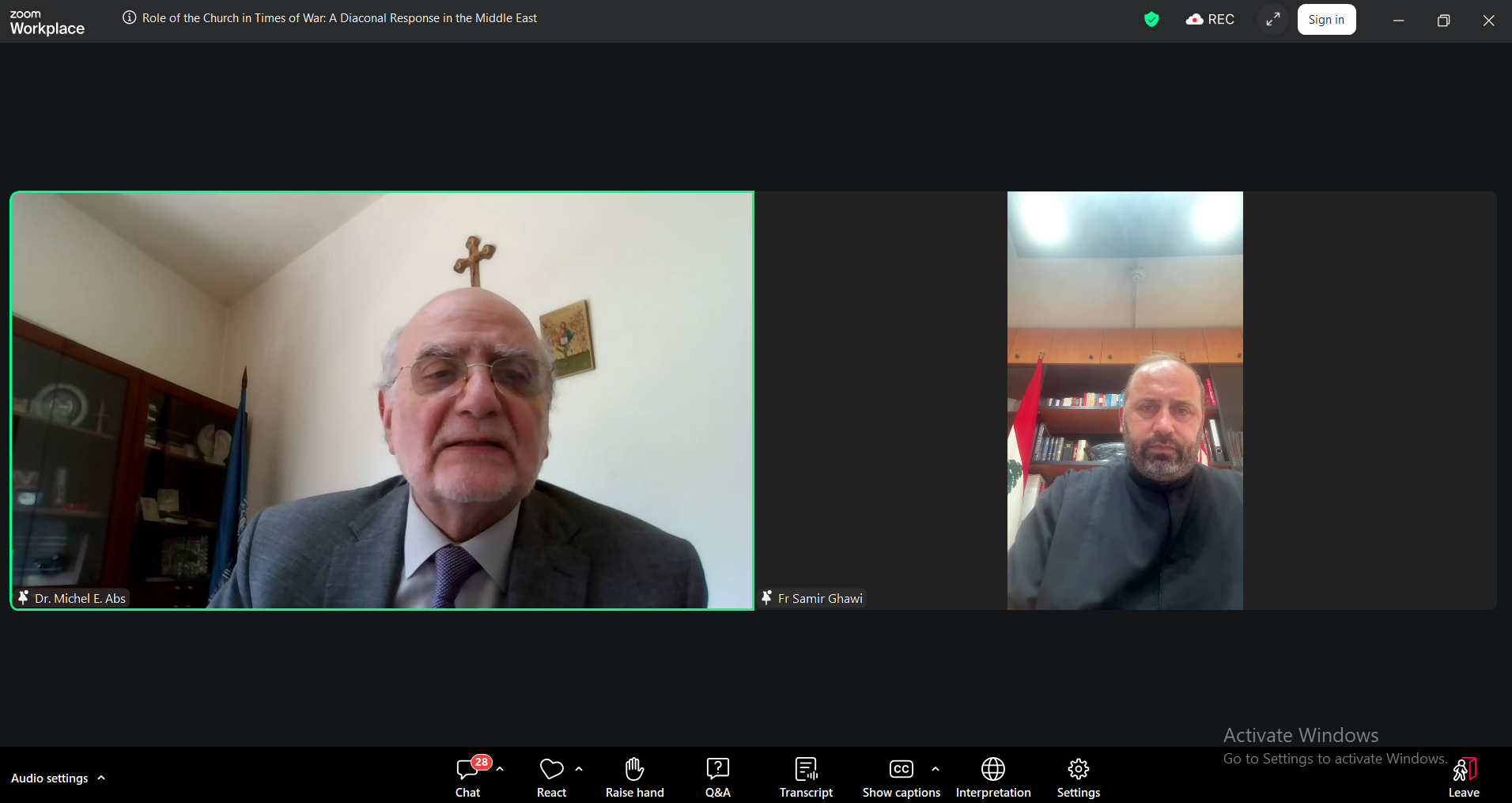
The webinar was moderated by the MECC Secretary General Professor Michel Abs, who delivered an opening word. He noted that, “A diaconal Church does not wait for peace before acting. It creates small signs of peace in the middle of war. It lights candles where there is darkness. It breaks bread where there is hunger. It listens where there is pain. It reminds every person, whatever their religion or background, that they are not abandoned. This is the Church’s calling: to be the presence of Christ among the wounded people of the Middle East.”
He added, “Diakonia in the Middle East, where wounds are deep and history is heavy, has distinctive traits: It’s ecumenical as Orthodox, Catholic, Protestant Evangelical groups coordinate through MECC; It’s interfaith since Muslims & Christians cooperate deeply - “Diakonia to the neighbor”; It’s political since running aid in Gaza, South Lebanon, or elsewhere means dealing checkpoints, armed groups, and sanctions; Martyrdom is part of the profile: Church aid workers have been killed in the area. Diakonia here costs more than money.”
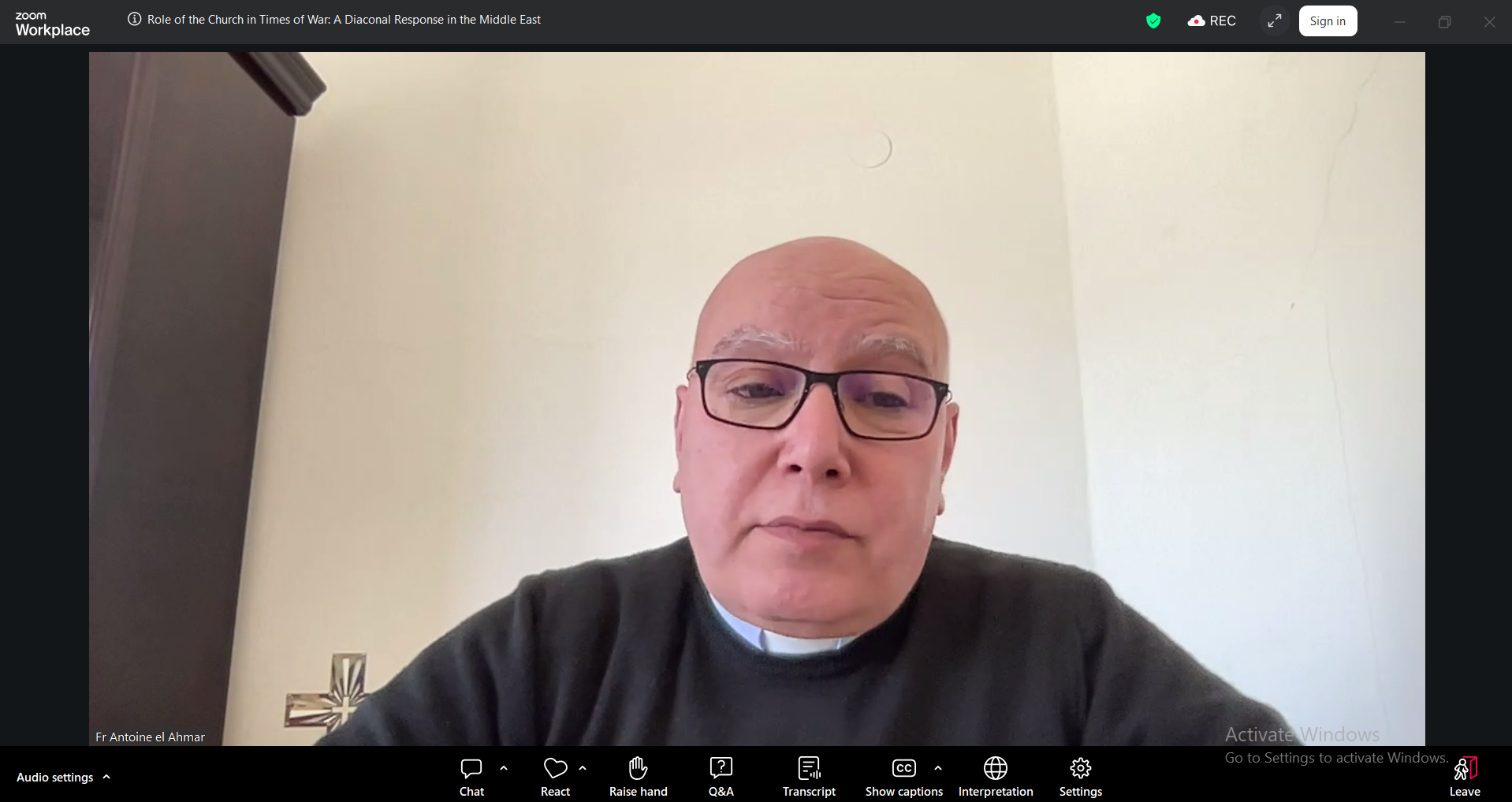
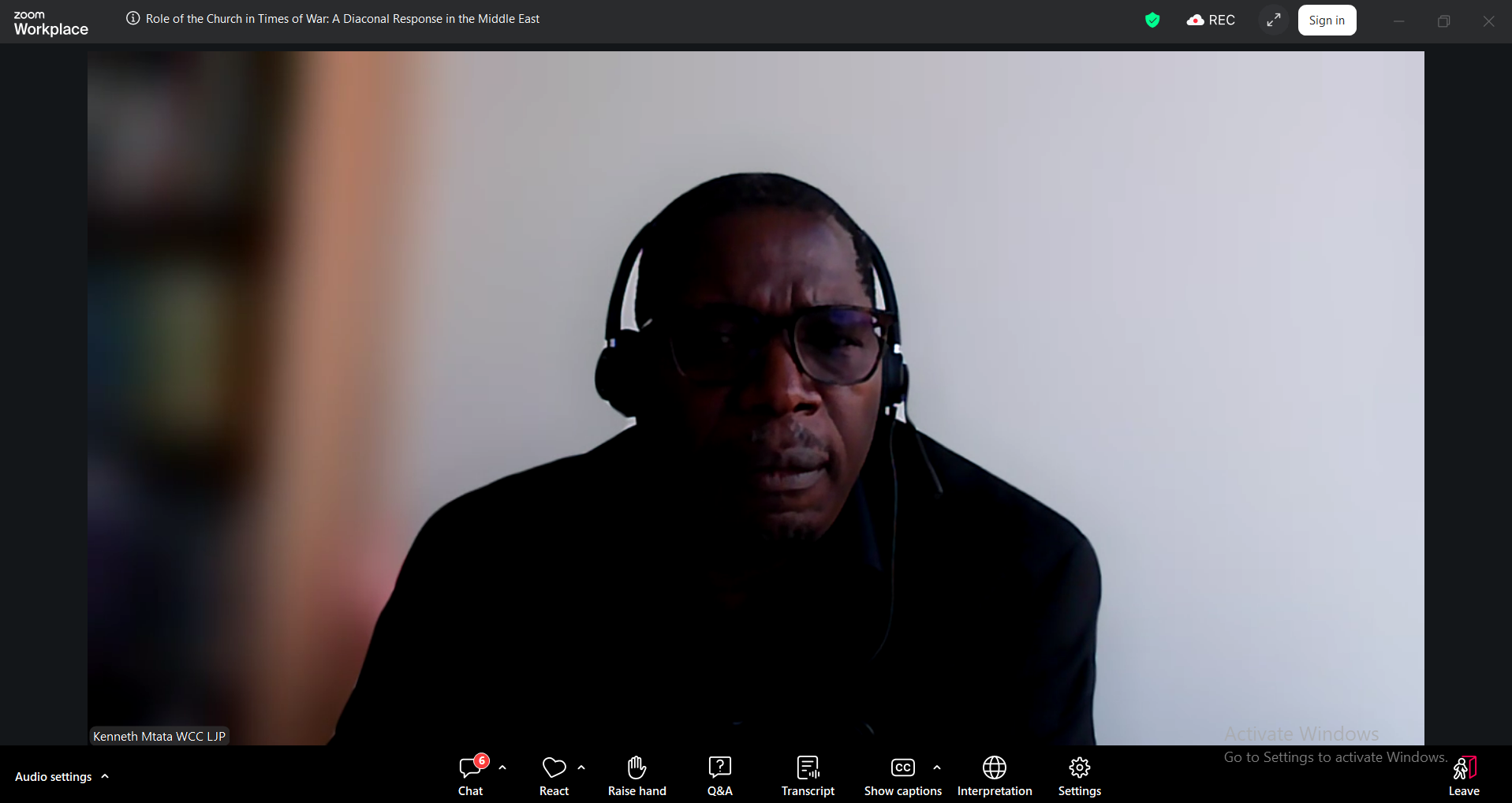
The sessions began with a spiritual reflection delivered by Father Dr. Antoine Al Ahmar, Director of the MECC Theological and Ecumenical Department, focusing on the webinar’s theme. Then, Reverend Dr. Kenneth Mtata, WCC Programme Director for Public Witness and Diakonia, presented a Theological intervention about the topic of discussion.
Intervention’s centered around presentations by representatives of humanitarian organizations affiliated with various Church Families. The speakers highlighted the work of their institutions, their field experience, and humanitarian programs, particularly in the Middle East, while addressing the challenges that the relief work is facing amidst crises, conflicts, and wars.
As well as, the interventions explored ways to strengthen cooperation between Churches and partner organizations in order to improve humanitarian response efforts and support the neediest people socially, morally, and psychologically. Discussions focused also on the role of Churches and Church institutions in relief work, education, healthcare, and supporting displaced and affected populations.
The webinar concluded with an interactive question-and-answer session among participants, followed by closing remarks from the MECC Secretary General Professor Michel Abs who emphasized the importance of strengthening Church and humanitarian partnerships, especially in confronting the escalating challenges that the region is facing.