
MECC
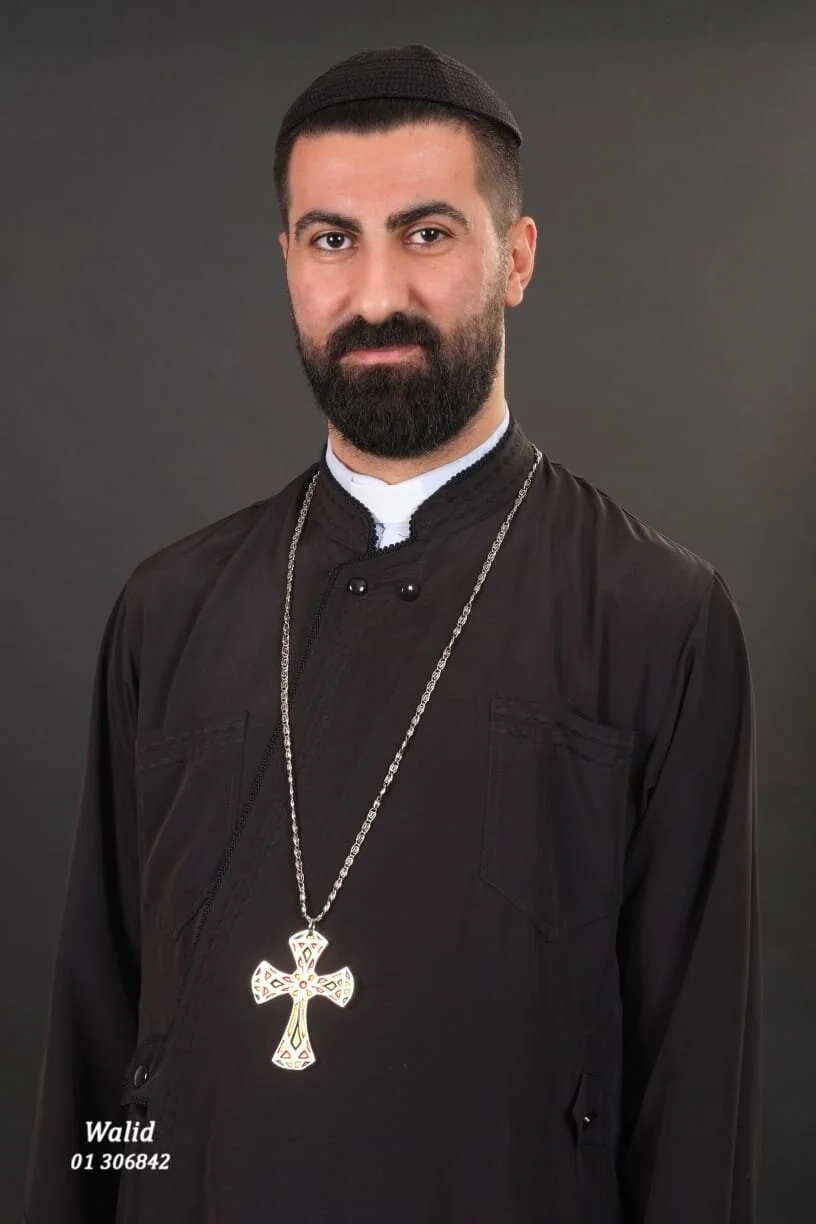
Fr. Charbel Bahi, representing the Syriac Orthodox Church in the wounded Beirut: We urgently need to be united as Christians while working together and showing Christianity through our deeds
In the wake of the Beirut Blast, the churches families and their affiliated institutions rushed to save their affected, to calm their pain and heal their wounds, which are now eternal. In cooperation with local and international humanitarian organizations, such as the Middle East Council of Churches – Diakonia Department, Beirut's dioceses and archdioceses continue their efforts to support those who have been affected psychologically, morally and financially; especially as they drown in an endless cycle of suffocating crises and will not be able to get out of it easily.
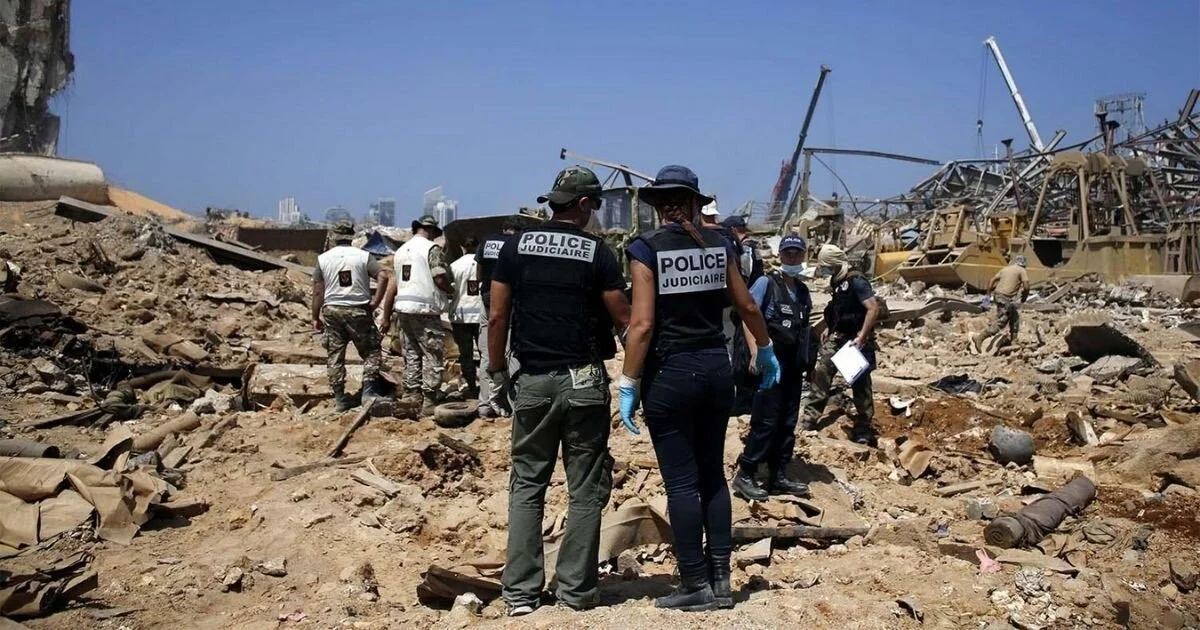
Is there any glimmer of hope in the Beirut Blast investigation?
Although the Lebanese and international observers were hopeful that the FBI would disclose a revelation that would inflame the media, it unfortunately released an inconclusive report which left many questions unanswered. However, not all hope is lost as the judge overseeing the case is still awaiting the French Investigators’ report which is expected to be more comprehensive and conclusive than the one the FBI handed over, which had not determined whether the explosion was accidental or not.

Dr. Michel Abs, MECC Secretary General, from Bkerke: What we discussed with His Beatitude Patriarch Al Rahi will form an essential part of our work towards the council’s General Assembly
Dr. Michel Abs, the MECC Secretary General started his official visits to the council’s Presidents to thank them for their confidence in electing him as Secretary General for four years. Therefore, his first visit was to His Beatitude Mar Bechara Boutros Al Rahi at the Patriarchate headquarters in Bkerke. He was accompanied by Fr. Gabriel Hachem, the Associate Secretary General and director of the Theological and Ecumenical Department, Mrs. Huguette Salameh, director of the Communication and Public Relations Department, and Ms. Nina Hallak, coordinator of the Diakonia Department in Beirut.
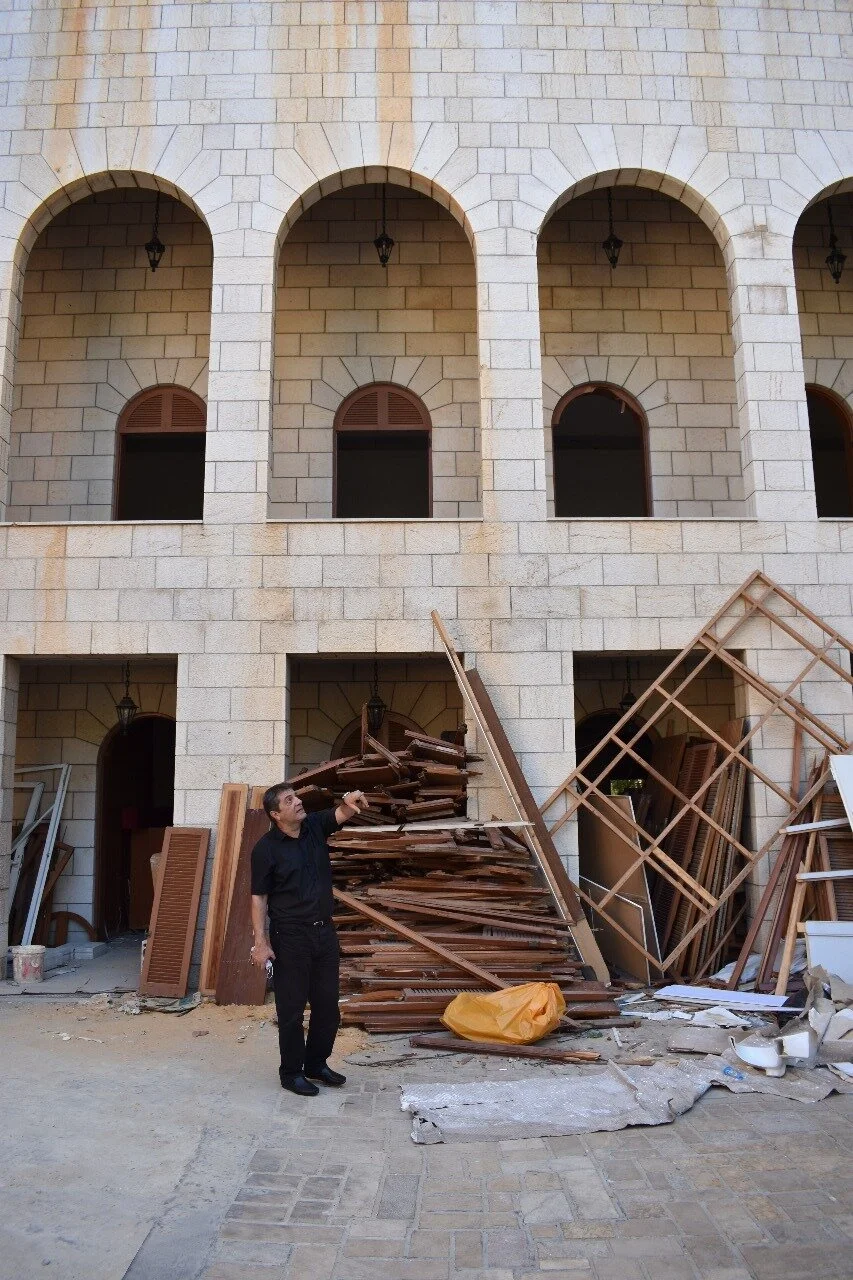
From Maronite Archdiocese in destroyed Beirut Father Gabriel Tabet: We are working on sowing hope and trust, because God will never leave us!
Winter is coming, the economic crisis is getting worse and worse, the spread of the Corona virus is increasing horribly and Beirut’s citizens are still suffering from their bleeding wounds. Over 60 days have passed on the catastrophe that hit Beirut, and huge damages still linger on whereas Lebanese people are exhausted from trying to survive while facing an unknown fate. Who will save them from this disaster that ruined their lives and destroyed their future?
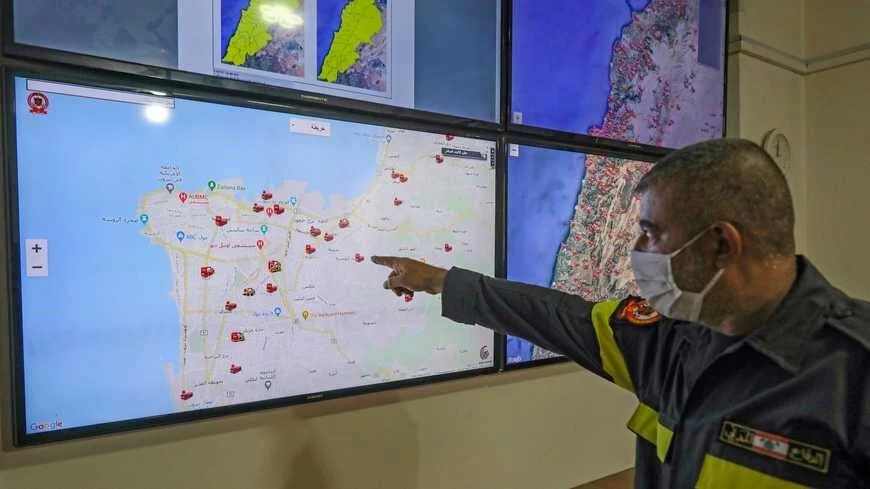
Will the investigation of Beirut Blast prevail soon?
In a progressive step towards finding the real reason behind the Beirut blast, the FBI delivered its final report to the judge overseeing the issue. Although there are no indications to what is the content of the report, the judge is still waiting for similar reports from French and British explosives experts. Hopefully, a verdict will be passed soon and those responsible for the reckless actions that lead to the disaster will be brought to justice.

Hadn’t it been for the volunteers, Beirut would have died twice
The catastrophe that hit the heart of the capital Beirut on the 4th of August, at a time where the country was drowning in an endless cycle of political, economic and health crises. On that day, the scale was tipped, during which the Lebanese people lived horrifying and difficult hours in a tragic black cloud. But the very next day, the Lebanese rushed to the streets of the destroyed capital, and before scenes of massive destruction, they stood in solidarity to save their injured capital, in complete absence of the government. The Lebanese people, especially youth, refused to have their dreams buried in these streets, that turned into war-like zones; rather they wanted to saw hope to rebuild their Beirut.
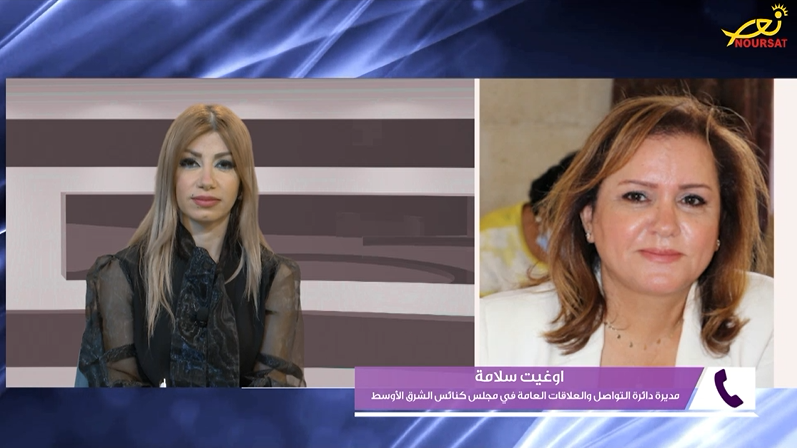
The journalist Huguette Salameh, director of the MECC Communication and Public Relations Department highlighted on Télé Lumière and Noursat the council's humanitarian role in the relief of Beirut
Télé Lumière - Noursat dedicated a weekly segment for the Middle East Council of Churches every Thursday in "Al Nour Maana" show, to discuss the latest updates regarding the MECC appeal as well its relief and development projects in Beirut.
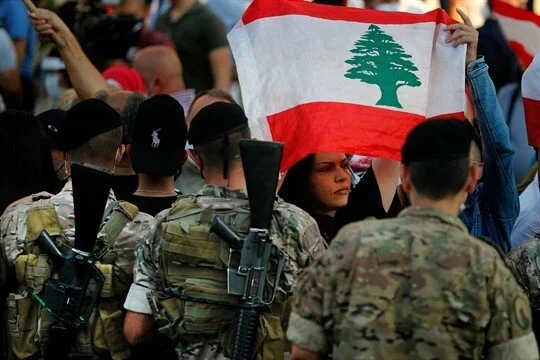
Beirut blast: 3 months later
The families of the victims and those affected are revolting
Although at a smaller scale, demonstrations once again erupted in the capital, calling for justice transparency and the truth. Till today, not one low or high level employee, or political figure has been sacked, revealing the degree of accountability in the country. Laughably, the government during the beginning of the month, mourned the death of a Kuwaiti ruler when it continuously failed to honor those that fell in Beirut, by delivering swift justice. Yet again, our political elite sucked up to our wealthier neighbors hoping to receive some petty cash. As for the matter of those that had fallen, knowing Lebanon’s history and political climate, they may join a long roster of casualties that were forgotten across the ages.
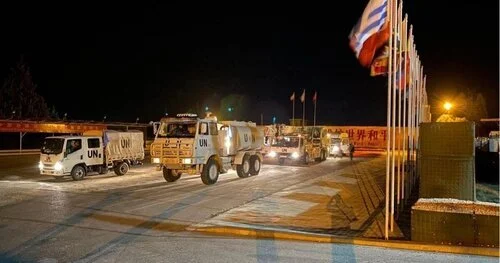
La explosión de Beirut del 4 de agosto
La UNIFIL interviene
Esta semana, la UNIFIL envió sus fuerzas al puerto de Beirut para apoyar a las autoridades con la remoción de escombros y apoyar los esfuerzos de construcción luego de la devastadora explosión del puerto del 4 de agosto. Los equipos de la ONU lo harán en tres fases, para permitir que las operaciones en el puerto se reanuden lo antes posible, ya que la economía del país también está en ruinas y se necesita cada centavo. Sin embargo, no hay duda de que este esfuerzo es una buena señal de que el Líbano es una de las principales preocupaciones de la comunidad internacional. Tal vez, esta sea una buena señal de que la intervención extranjera en la construcción aumentará con el tiempo y pondrá de rodillas a los responsables de la tragedia o de la corrupción en el Líbano.
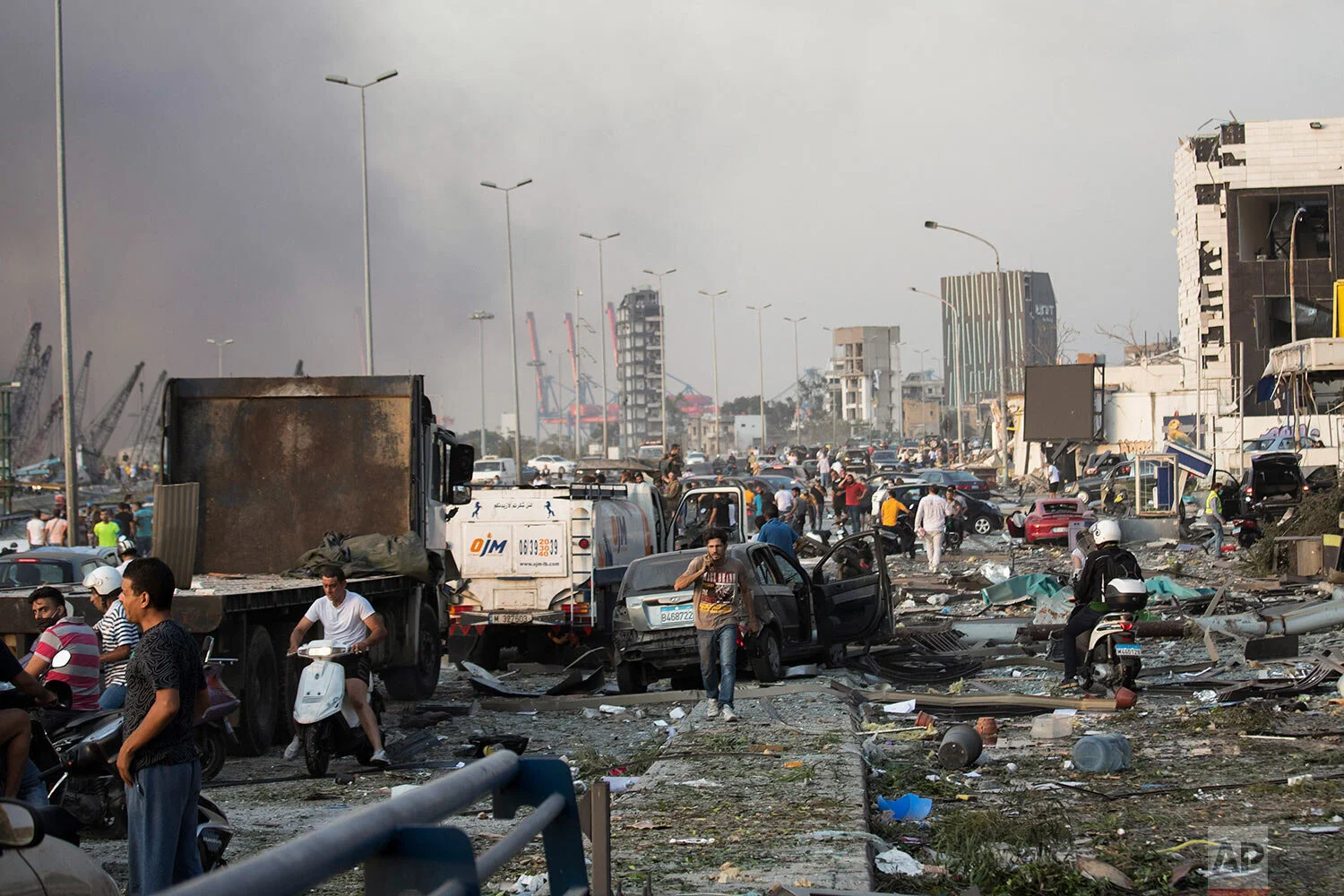
Two months after the Beirut blast, symptoms of a pathological shock are worsening
After the 4th of August, the words "explosion, port disaster, Beirut does not die, victims, destruction, funerals, injured, transparent international investigation, corruption,…” are dominating the Lebanese scene and all Lebanese conversations. Moreover, pain and sadness are at a greater depth in the Lebanese hearts; and with every sun rise the effects of the hideous crime that hit the capital are revealed further. Everyone is still under shock. Adults and young people are suffering from psychological symptoms and depression in addition to permanent health problems. How do people recuperate their wellbeing, how do they heal from such traumatic symptoms?
The August 4 Beirut Blast
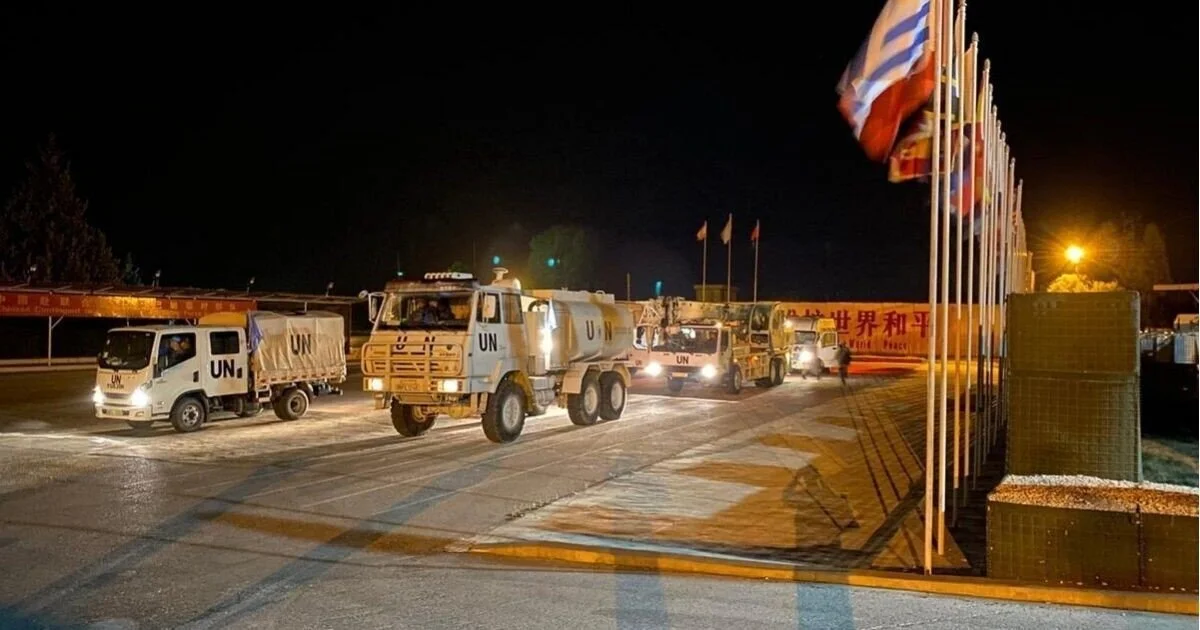
The UNIFIL intervenes
This week, the UNIFIL dispatched its forces to the Beirut port to support authorities with the clearing of debris and construction efforts in the aftermath of the devastating Aug. 4 port explosion. UN teams will do so in three phases, to allow operations at the port to resume as soon as possible, seeing that the country’s economy is also in ruins and every penny is needed. Nevertheless, there is no doubt that this endeavor is a good sign that Lebanon is one of the international community’s primary concern. Maybe, this is a good sign that constructive foreign intervention will increase over time, and put those who were responsible for the tragedy or for the corruption in Lebanon on their knees.
The August 4 Beirut Blast, Report #5
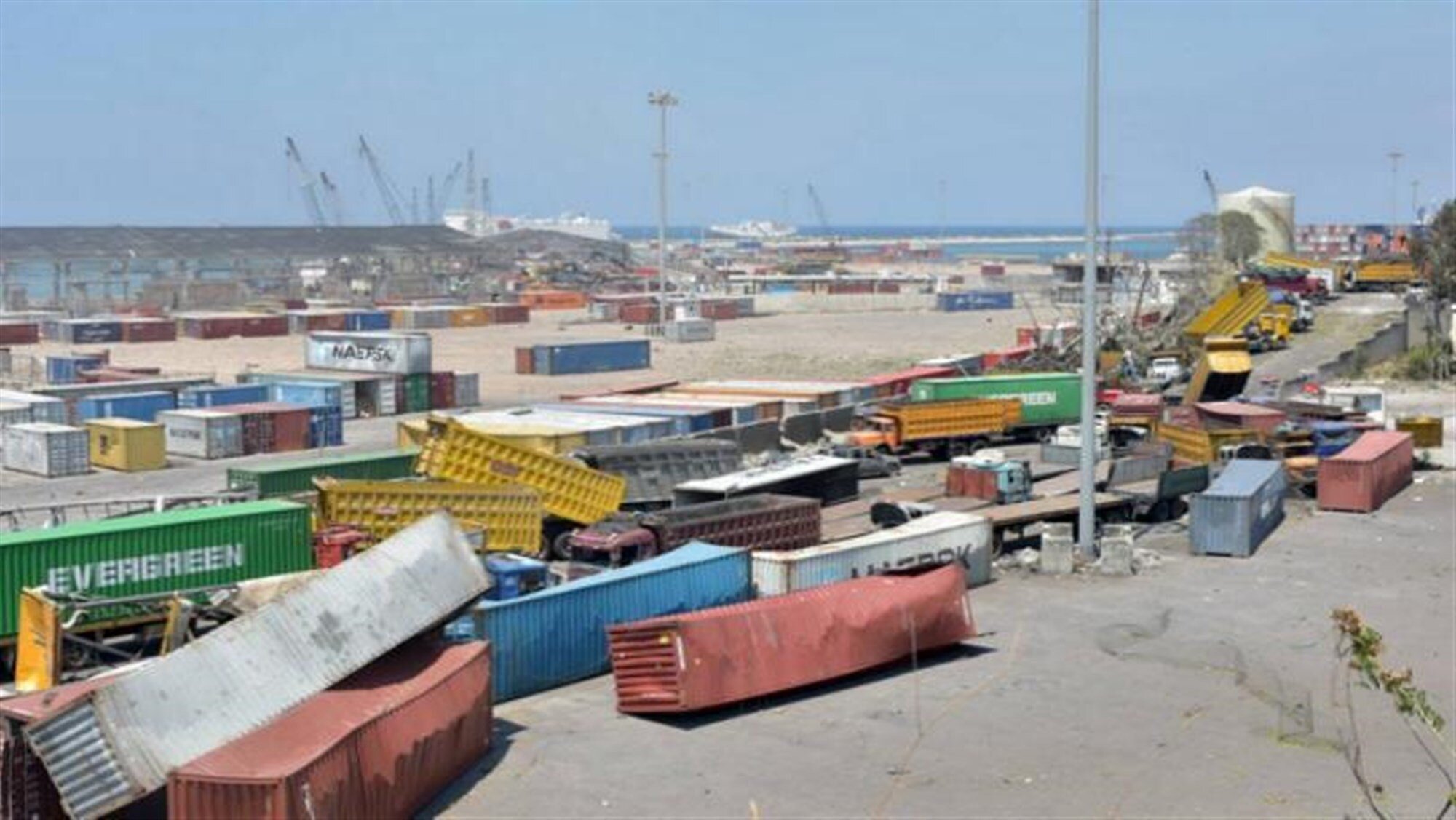
Very recently, a survey was carried out by the Lebanese army in the devastated Beirut port and it was discovered 49 containers of flammable materials, such as acid and other materials used in the manufacture of paint, and raw materials. Consequently, the army held more than one meeting with representatives of the European Union, to conclude an agreement that the European Union would undertake the financing and management of the disposal of these inflammable materials. However, these materials have been present at the port since 10 years.
After the catastrophic Beirut explosion: hospitals are in agony
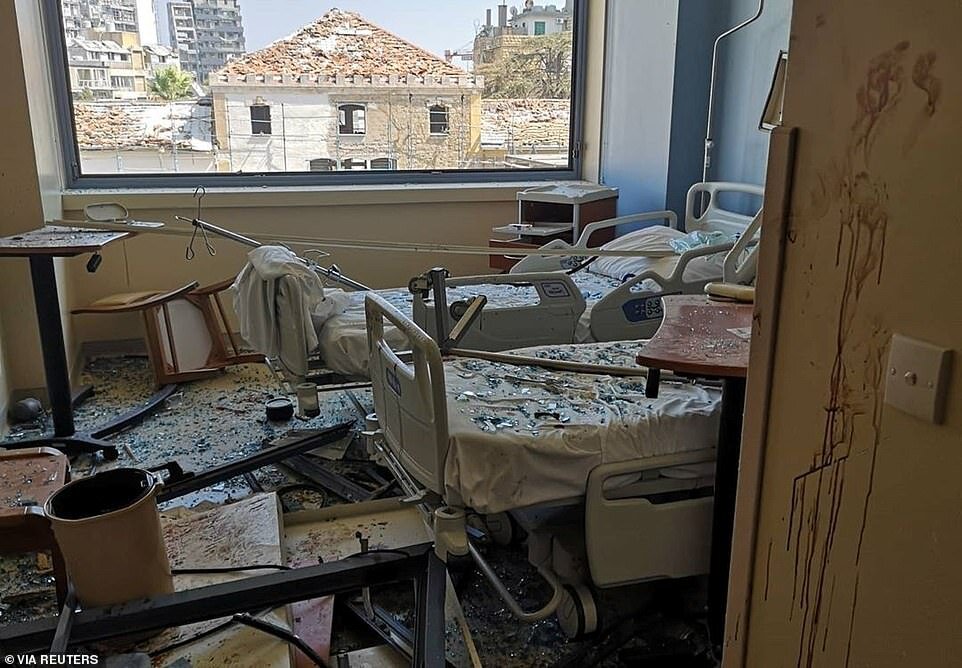
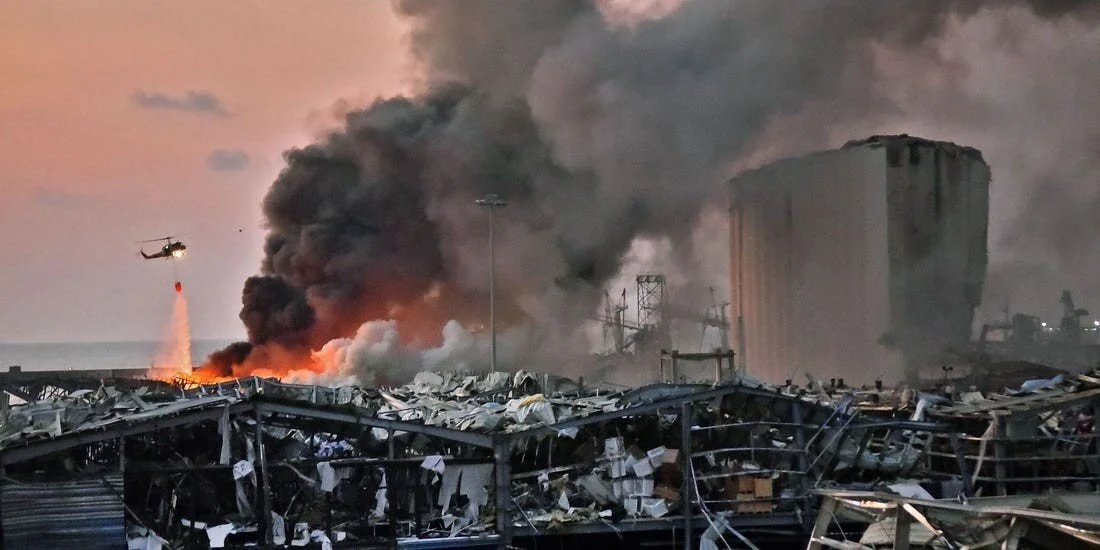
At 6:07 pm Beirut time, “the ground shook beneath our feet in the emergency room, and after a few seconds, we heard the sound of an explosion, the ceiling collapsed, pieces of shattered glass were flying from all sides, and the sound of the siren became stuck in our ears”. Who knew that the 4th of August 2020 will be a catastrophic day which will change the Lebanese people’s course of life and turn the capital of Light into a devastated city? “After few moments, people began arriving in great numbers, drenched in blood and crying out in pain!” This is to describe the state of total panic in one of Beirut’s hospitals at the time of the terrible explosion that occurred on August 4.
The August 4 Beirut Blast, Report #4
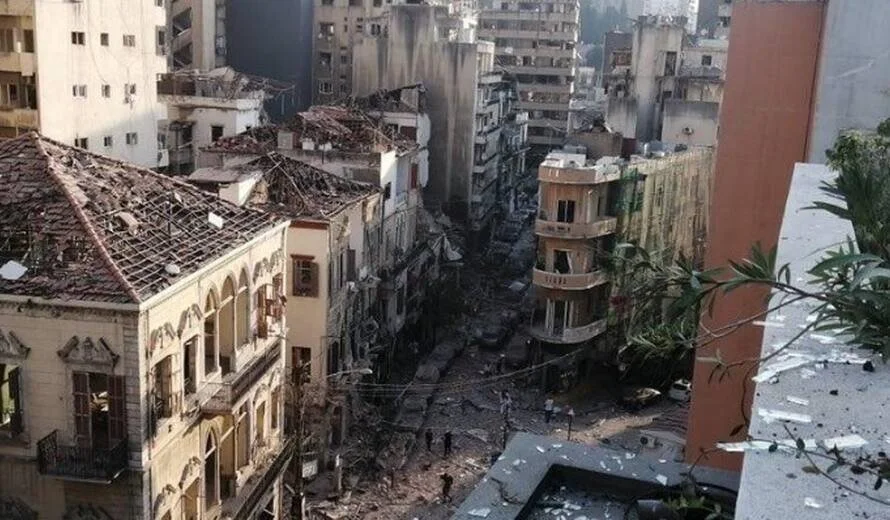
It has been over a month since the drastic explosion, and the country is still agonizing to know the truth. Local and international investigation teams were dispatched to the site to uncover the real reason behind the incident and to this very moment, nothing has been revealed. So far, it has been deemed as an ‘accident’ in which a not-so-easily flammable material was mysteriously set ablaze. To make things even more baffling, and 40 days after the explosion, a fire broke out at the port, burning a part of ICRC's stock of food parcels. Without jumping into conspiracy theories, which entails major players in the region, one can easily point out the absurdity of the situation.
The August 4 Beirut Blast, Report #3
Latest updates and humanitarian response
Report #3
Reporting Period: From September 3 to September 9, 2020
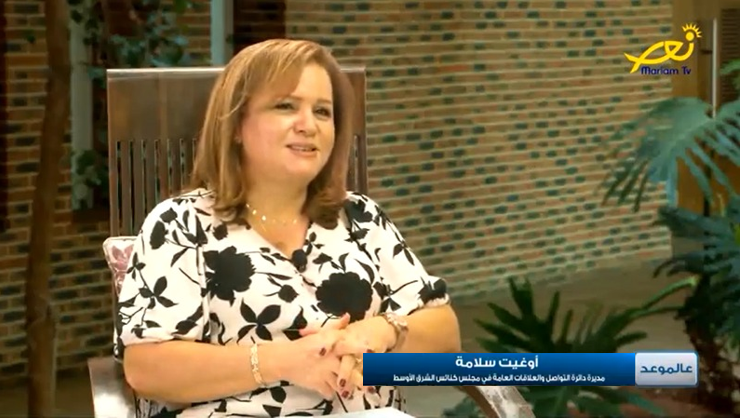
The Journalist Huguette Salameh, Director of the MECC Communication and Public Relations Department Highlighted on Mariam TV the Council's Disaster Relief Role and the MECC Beirut Appeal
The Journalist Huguette Salameh, Director of the MECC Communication and Public Relations Department, was the guest of "Al Mawa’d" program broadcasted on Maryam TV. During her interview, she mentioned the humanitarian and disaster relief role the MECC is executing since its foundation in 1974, in addition to its mission and goals. She also highlighted the MECC Beirut Appeal issued due to the Beirut Port explosion that occurred on the 4th of August 2020.
Video: Beirut, you are not alone
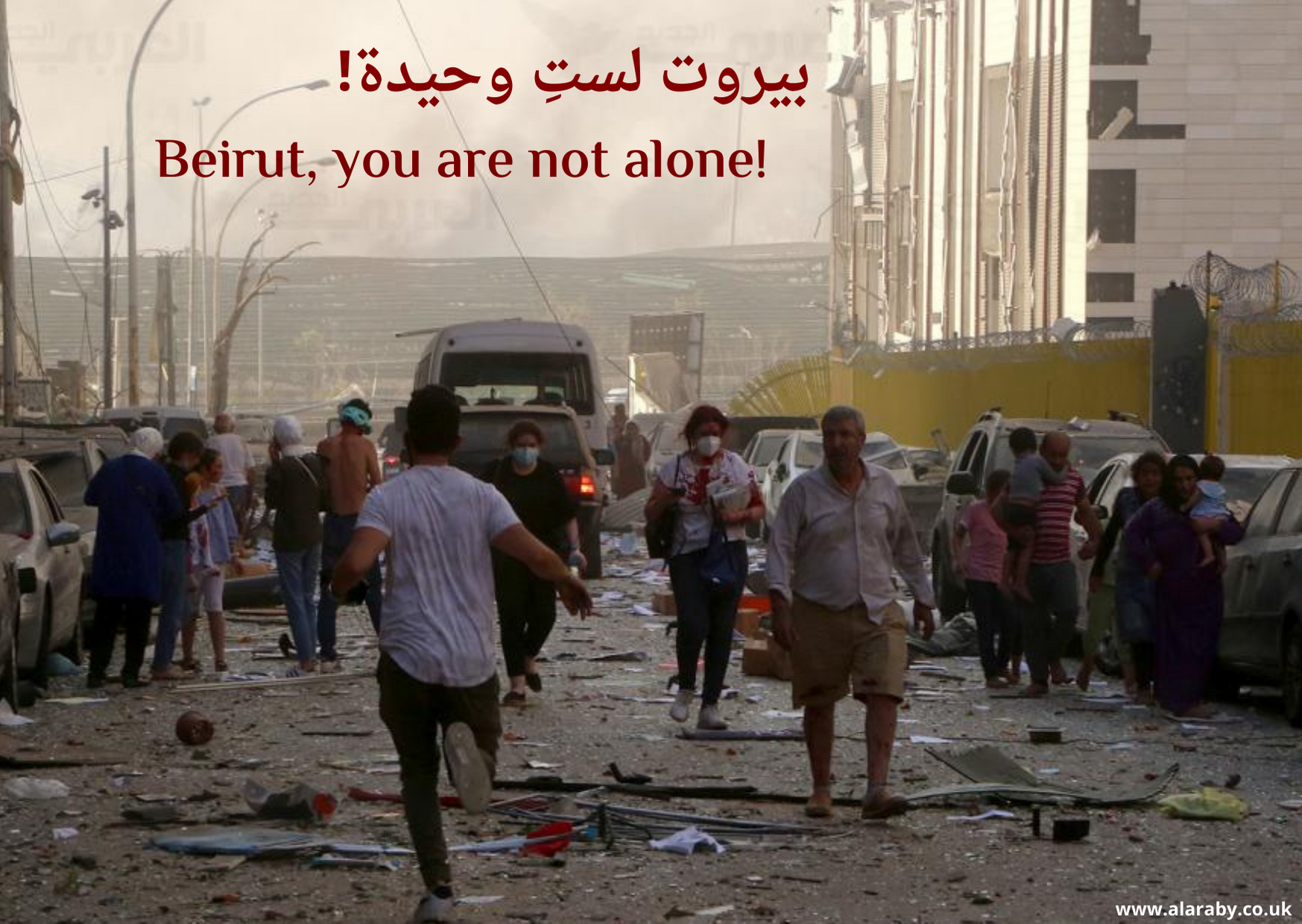
One month has passed since the Beirut Port explosion, that devastated the capital of light, freedom, wisdom, joy and living together, transforming it into a capital stricken at the core. For four weeks, the Lebanese people have lived an endless period of great pain. August 4, 2020, 6:07 pm… A date that Lebanese will never forget, after they have witnessed moments of terror in a city that drowned, in less than minutes, under rubble and debris. In a few seconds, this disaster stole from 300,000 Lebanese their loved ones, friends, houses, properties and livelihoods… This disaster claimed 200 lives and left 6,500 injured.
The video is a tribute to the wounded Beirut. It was prepared by the MECC Communication and Public Relations Department.
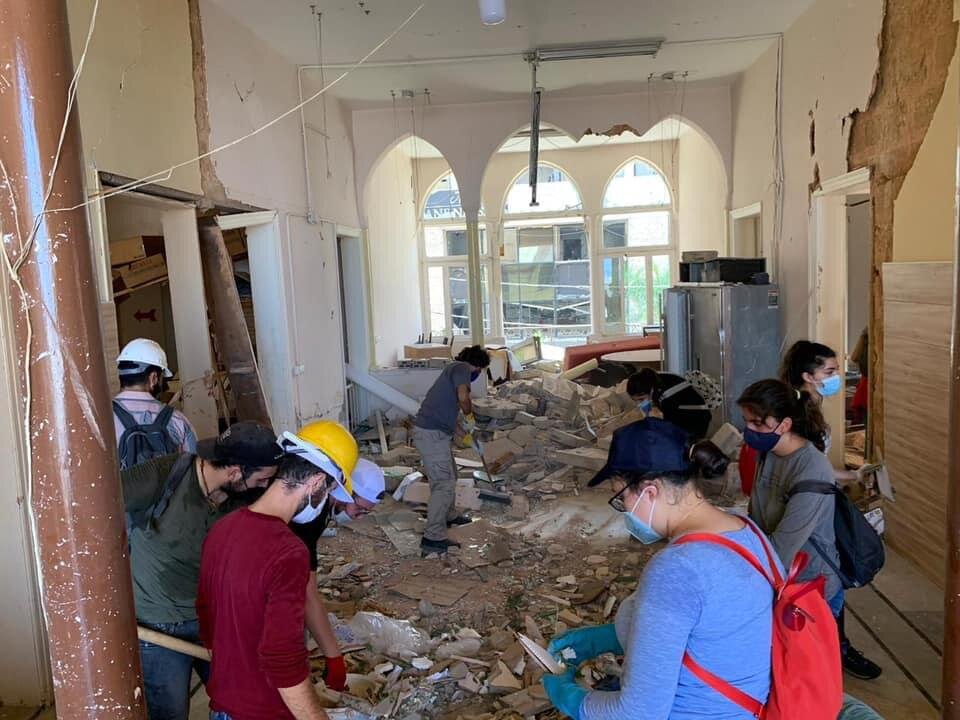
Youth Restoring Life in the Lebanese Capital
The month of August 2020 in Lebanon was nothing like other months that Lebanese people have ever lived. Since the 4th of August 2020, Beirut was turned into a devastated city and dreams were buried under rubble and ashes. The young capital bid farewell to its young heroes, some through tragic funerals and others in the gloomy airport hall. The month of August has now ended, on the sound of mothers’ tears; mothers whose hearts were shattered as their children left them. However, in every ending there is a new beginning. Amidst all these painful events, hope remains the only source of strength for many young people who chose to remain in their homeland, among their suffering families and brethren. Beirut today draws strength and hope from every young man and woman, in order to stand tall again.
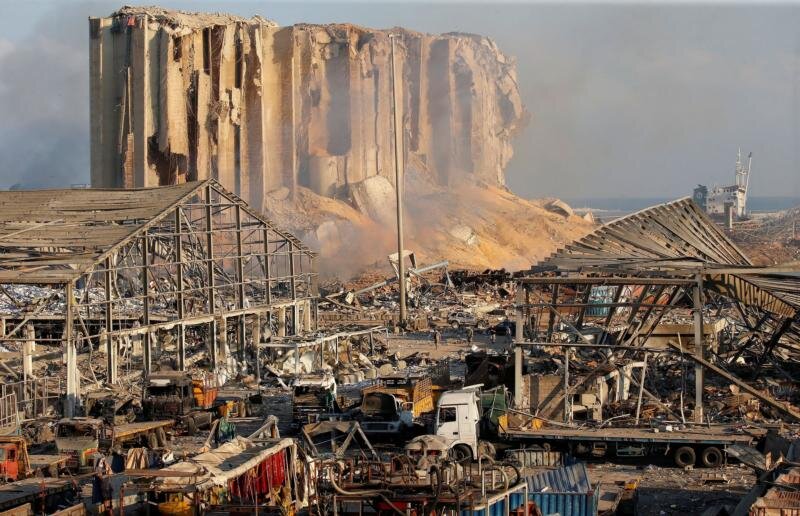
The August 4 Beirut Blast
Latest updates and humanitarian response
Report #2
Reporting Period: From 27 August to 2 September, 2020
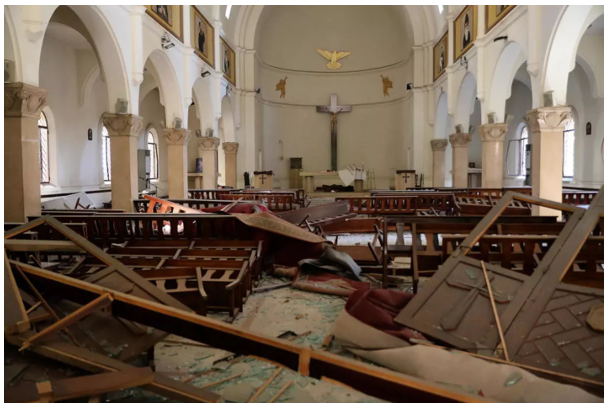
Beirut and its Churches Cry Out in Pain
3 weeks have passed since the Beirut port explosion, and Lebanese people are still facing the repercussions of this disaster, which left great material and moral damage. For 22 days, the Lebanese were constantly struggling and exerting tireless efforts to rebuild their capital Beirut, which has been undergoing several crises for years. The process of removing shattered glass, wood and debris has been ongoing in public and private properties as well as in churches and their affiliated institutions. However, the losses and damages are still substantial, especially in churches, hospitals and schools.